Did you know that hormones play a bigger role in fat storage than the calories you consume? Studies show that focusing solely on calorie math can lead to frustration, while understanding hormonal responses can help you achieve sustainable results.
Instead of tracking every bite, you can adopt science-backed strategies that put fat loss on autopilot. By making smarter food choices and building healthy habits, you can see progress without the stress of restrictive tracking.
Registered dietitians emphasize that non-scale victories, like improved energy and better sleep, are just as important as the number on the scale. This approach prioritizes long-term health over quick fixes.
Key Takeaways
- Hormones influence fat storage more than calorie counting.
- Focus on habit changes for sustainable results.
- Prioritize non-scale health improvements.
- Use science-backed strategies for automatic fat loss.
- Shift from restrictive tracking to smarter food choices.
Introduction: Why Counting Calories Isn’t the Only Way to Lose Weight
Understanding your body’s response to food can change your approach to weight loss. Instead of focusing on numbers, it’s essential to consider how different foods affect your hormones and overall health. Processed foods, for example, disrupt leptin and ghrelin, the hormones that regulate hunger and fullness. This imbalance can lead to overeating, even if you’re not consuming excess calories.
Cortisol, the stress hormone, also plays a significant role in fat storage, particularly around the belly. High stress levels can elevate cortisol, making it harder to shed stubborn fat. Managing stress through mindfulness or exercise can help balance this hormone and support your goals.

Sleep is another critical factor. Poor sleep increases the risk of obesity by 55% in adults and 89% in children. When you’re sleep-deprived, your body craves high-calorie foods, making it harder to maintain a healthy diet. Prioritizing quality sleep can significantly impact your weight loss journey.
Energy density is a concept that refers to the number of calories in a given volume of food. Foods with low energy density, like vegetables and fruits, fill you up without adding excess calories. Incorporating these into your meals can help you feel satisfied while staying on track.
A 2016 study found that starting your day with eggs can lead to 65% greater weight loss compared to grain-based breakfasts. Eggs are rich in protein, which keeps you full longer and reduces the urge to snack. This simple swap can make a big difference.
| Factor | Impact on Weight Loss |
|---|---|
| Hormone Balance | Regulates hunger and fat storage |
| Stress Management | Reduces cortisol and belly fat |
| Sleep Quality | Lowers obesity risk and cravings |
| Energy Density | Helps control calorie intake |
| Protein-Rich Breakfast | Supports greater weight loss |
1. Replace Your Grain-Based Breakfast With Eggs
Starting your day with eggs can transform your breakfast routine. Eggs are packed with nutrients that support fat metabolism and keep you full longer. This simple swap can lead to significant results without the need for restrictive tracking.

Why Eggs Are a Game-Changer
Eggs are rich in choline, a nutrient that plays a key role in fat metabolism. They also stabilize blood sugar better than grain-based foods, reducing cravings throughout the day. A study involving 30 overweight women found that those who ate eggs consumed 441 fewer calories daily.
Another 8-week trial showed a 34% greater reduction in waist size for participants who chose eggs over grains. These findings highlight the power of protein-rich meals in achieving sustainable results.
Scientific Evidence Supporting Eggs
Research consistently backs the benefits of eggs. A 152-person study revealed a 16% greater body fat loss in those who included eggs in their diet. Contrary to myths, eggs do not negatively impact heart health. The NIH confirms that moderate egg consumption is safe for most people.
Here’s a quick comparison of eggs versus grain-based breakfasts:
| Breakfast Option | Benefits |
|---|---|
| Eggs | Rich in protein, stabilizes blood sugar, supports fat metabolism |
| Grain-Based Foods | Often high in refined carbs, spikes blood sugar, leads to cravings |
For a quick and nutritious breakfast, try scrambled eggs with spinach or a boiled egg with avocado. These meals take just 5-10 minutes to prepare and set you up for a productive day.
2. Use Smaller Plates to Trick Your Brain
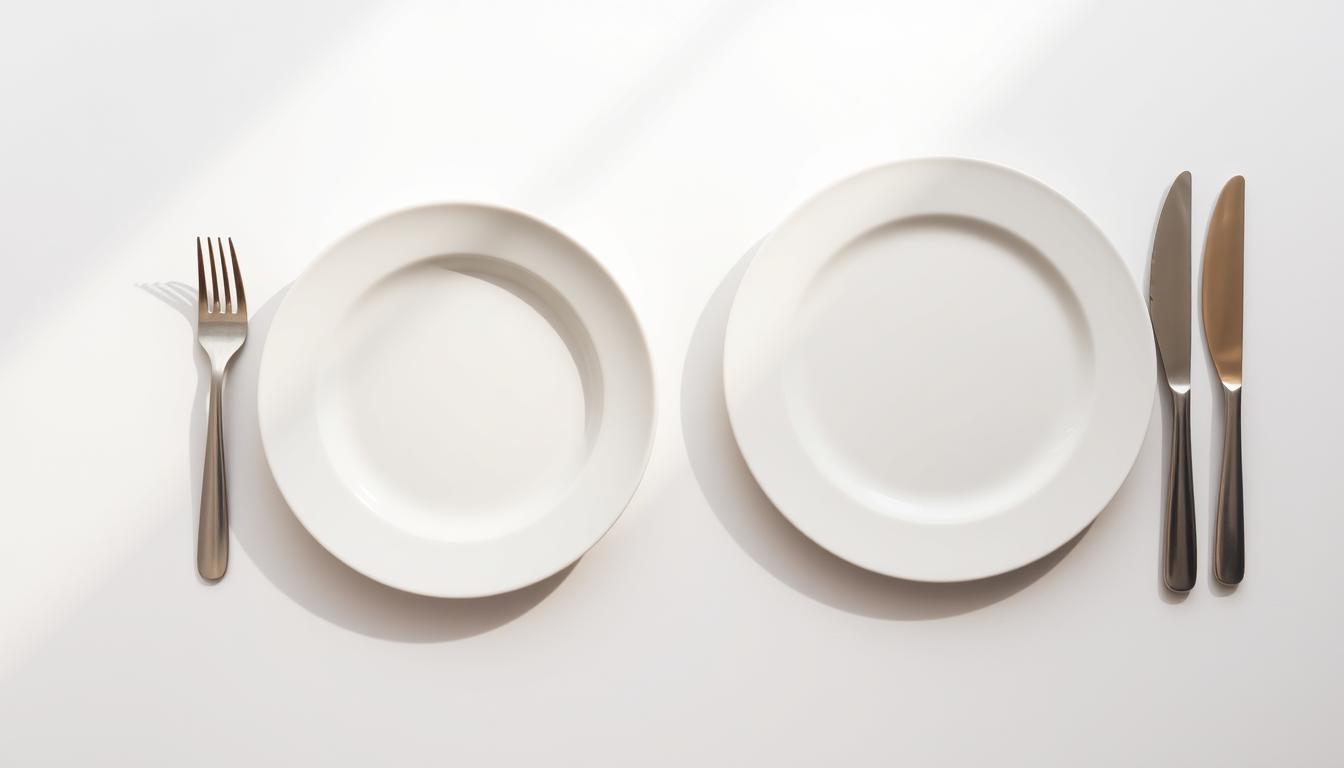
The size of your plate can influence your eating habits more than you think. Research shows that larger plates lead to bigger portions, even if you’re not hungry. This happens because your brain relies on visual cues to determine how much to eat.
How Plate Size Influences Eating Behavior
The Delboeuf optical illusion explains why this happens. When food is placed on a larger plate, it appears smaller, making you serve more. A Cornell study found that 20% larger plates led to 44% more food consumption. This simple trick can help you take control of your portions without feeling deprived.
Practical Tips for Portion Control
Switching to a 9-inch dinner plate instead of the standard 12-inch one can make a big difference. Another effective way is to use color contrast. Dark plates for light foods, like pasta or rice, make portions look larger. This visual trick helps you eat less without thinking about it.
Follow the “half-plate rule” by filling half your plate with vegetables. This not only reduces calorie intake but also ensures you’re eating nutrient-dense foods. A mindful eating study showed that this approach can lead to a 14% reduction in calorie consumption.
| Plate Size | Effect on Portion Size |
|---|---|
| 9-inch Plate | Encourages smaller portions, reduces overeating |
| 12-inch Plate | Leads to larger portions, increases calorie intake |
By making these small changes, you can take charge of your eating habits. Your brain will adapt, and you’ll find it easier to manage your portions. These simple things can have a big impact on your overall health.
3. Eat More Protein to Reduce Appetite
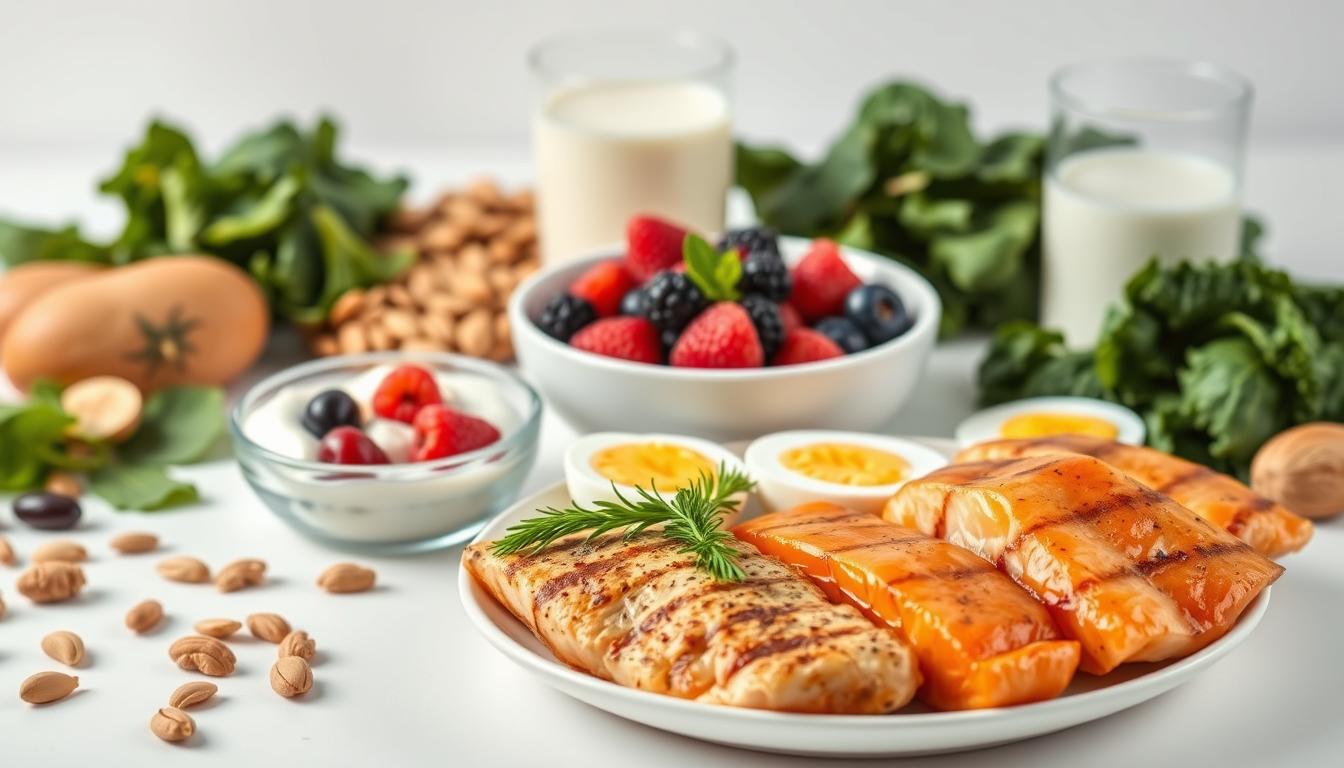
Protein is a powerhouse nutrient that can transform your health journey. It helps reduce hunger, supports fat burning, and aids in muscle repair. Studies show that increasing your protein intake can lead to fewer daily calories consumed, making it easier to manage your diet.
The Role of Protein in Fat Burning and Muscle Gain
Protein boosts your metabolism through a process called thermogenesis. This means your body burns more calories digesting protein compared to fats or carbs. Research from the New England Journal of Medicine highlights that a 30% protein intake can reduce daily calorie consumption by 441 calories.
Protein also supports muscle protein synthesis, especially when it contains leucine, an essential amino acid. Meeting the leucine threshold ensures your muscles recover and grow stronger, enhancing your overall energy levels.
Best Protein Sources for Weight Loss
Not all proteins are created equal. High-quality proteins with a high Digestible Indispensable Amino Acid Score (DIAAS) are more effective. Here are some top options:
- Fish: Rich in omega-3s and highly satiating.
- Chicken: Lean and versatile, perfect for muscle repair.
- Legumes: Plant-based proteins like lentils and chickpeas.
For plant-based eaters, quinoa, tofu, and tempeh are excellent choices. These options provide high bioavailability and support your health goals.
Here’s a sample day meal plan with 120g of protein:
- Breakfast: Scrambled eggs with spinach (20g protein).
- Lunch: Grilled chicken salad with quinoa (30g protein).
- Snack: Greek yogurt with almonds (15g protein).
- Dinner: Baked salmon with broccoli (35g protein).
- Dessert: Protein smoothie with almond milk (20g protein).
4. Choose Low-Calorie Density Foods
Focusing on low-calorie density foods can transform your eating habits effortlessly. These foods provide volume and keep you full without adding excess calories. A Penn State study found that soup eaters lost 50% more weight, highlighting the power of high-water foods.

What Is Calorie Density and Why It Matters
Calorie density refers to the number of calories in a given volume of food. Foods with low calorie density, like vegetables and fruits, fill you up without overloading your calorie intake. This approach helps manage hunger and supports sustainable results.
Here’s a quick calorie density chart to guide your choices:
| Calorie Density | Examples |
|---|---|
| 0-1.5 calories/gram | Leafy greens, cucumbers, tomatoes |
| 1.5-3 calories/gram | Whole grains, lean proteins |
| 3+ calories/gram | Processed snacks, fried foods |
Examples of Low-Calorie Density Foods
Incorporate these high-volume snacks into your routine for under 100 calories:
- Carrot sticks with hummus
- Apple slices with almond butter
- Air-popped popcorn
- Cucumber slices with lemon juice
- Celery sticks with salsa
Viscous fiber, found in foods like oats and chia seeds, slows digestion and keeps you full longer. This makes it easier to stick to your goals without feeling deprived.
Try this simple zucchini noodle stir-fry recipe for a low-calorie, nutrient-packed meal:
- Spiralize 2 zucchinis into noodles.
- Sauté with garlic, olive oil, and your favorite veggies.
- Top with grilled chicken or tofu for added protein.
According to the CDC, only 1 in 10 adults meet the recommended daily intake of vegetables. Adding more low-calorie density foods can help bridge this gap and improve your overall health.
5. Cut Carbs to Lose Weight Fast
Reducing your carb intake can lead to significant changes in your body composition. A 6-month study found that a low-carb group lost 18.7 pounds compared to 8.6 pounds in a low-fat group. This approach works by lowering insulin levels, which helps your body burn fat more efficiently.
How Reducing Carbs Affects Weight Loss
When you cut carbs, your body depletes glycogen stores, leading to a drop in water weight. This initial loss can be motivating. Over time, your body enters ketosis, a state where it burns fat for fuel instead of glucose. This process reduces cravings and stabilizes energy levels.
During carb restriction, the sodium-potassium pump adjusts, which can cause temporary fatigue or headaches. This is often called the “keto flu.” Staying hydrated and increasing salt intake can help mitigate these symptoms.
Tips for Reducing Carb Intake
Start by replacing high-carb foods with low-carb, high-satiety alternatives. Here are 10 options to consider:
- Jicama: A crunchy, low-calorie root vegetable.
- Konjac: A fiber-rich, low-carb noodle substitute.
- Cauliflower: Versatile and perfect for rice or mash.
- Zucchini: Great for spiralized noodles or fries.
- Avocado: Packed with healthy fats and fiber.
- Spinach: Nutrient-dense and low in carbs.
- Mushrooms: A savory, low-carb addition to meals.
- Broccoli: High in fiber and vitamins.
- Bell Peppers: Colorful and low in carbs.
- Almonds: A satisfying, low-carb snack.
Here’s a sample grocery list for a 50g net carb day:
| Category | Items |
|---|---|
| Vegetables | Spinach, broccoli, zucchini, cauliflower |
| Proteins | Chicken, salmon, eggs, tofu |
| Fats | Avocado, olive oil, almonds |
| Snacks | Cheese, celery sticks, almond butter |
Phases of ketoadaptation include glycogen depletion, ketone production, and full adaptation. This process typically takes 2-4 weeks. During this time, focus on electrolyte balance and hydration to ease the transition.
6. Prioritize Quality Sleep and Manage Stress
Quality sleep and stress management are often overlooked but critical for achieving your health goals. Poor sleep and high stress levels can disrupt your body’s natural balance, making it harder to maintain a healthy lifestyle. Research shows that adults who sleep less than six hours have a 55% higher risk of obesity.

The Connection Between Sleep, Stress, and Weight
Sleep deprivation disrupts orexin neurons, which regulate wakefulness and appetite. This disruption increases hunger and cravings for high-calorie foods. A military study found that sleep-deprived subjects experienced cortisol spikes three times higher than normal, leading to increased fat storage, especially around the belly.
High cortisol levels also interfere with hormones like leptin and ghrelin, which control hunger and fullness. This imbalance can lead to overeating, even when you’re not physically hungry. Managing stress and improving sleep quality can help restore this balance.
Strategies for Better Sleep and Stress Management
Here are some effective strategies to improve your sleep and reduce stress:
- 4-7-8 Breathing Technique: Inhale for 4 seconds, hold for 7 seconds, and exhale for 8 seconds. Repeat this cycle four times to calm your mind.
- Blue Light Blocking: Avoid screens at least one hour before bed. Use blue light-blocking glasses or apps to minimize exposure.
- NSF Sleep Environment Checklist: Ensure your bedroom is cool, dark, and quiet. Use blackout curtains and white noise machines if needed.
Incorporating cortisol-reducing foods into your diet can also help. Here’s a list of 10 options:
| Food | Benefits |
|---|---|
| Ashwagandha | Reduces cortisol and promotes relaxation |
| Dark Chocolate | Improves mood and lowers stress |
| Green Tea | Contains L-theanine for calmness |
| Avocado | Rich in healthy fats for hormone balance |
| Salmon | High in omega-3s for brain health |
Prioritizing sleep and stress management not only supports recovery but also enhances your overall well-being. Small changes can lead to significant improvements in your health journey.
7. Practice Mindful Eating
Eating with awareness can transform your relationship with food. Instead of rushing through meals, mindful eating encourages you to savor every bite. This practice helps you reconnect with your body’s natural signals, like hunger and fullness cues.

A Brown University study found that mindfulness practices reduced binge eating by 23%. By focusing on the present moment, you can build healthier habits and improve your overall satisfaction with meals.
What Is Mindful Eating and How It Helps
Mindful eating is about paying attention to your food without distractions. It involves noticing the taste, texture, and aroma of each bite. This approach helps you recognize when you’re full, preventing overeating.
One effective exercise is the “raisin meditation.” Hold a raisin, observe its texture, smell it, and slowly chew it. This simple practice trains your brain to focus on the eating experience.
Tips for Eating Without Distractions
Here are practical ways to incorporate mindful eating into your routine:
- Ask Questions Before Meals: Are you hungry? What does your body need? This helps you make intentional choices.
- Use Smartphone Lockdown Apps: Apps like Forest or Focus@Will can block distractions during meal times.
- Practice Vagus Nerve Stimulation: Deep breathing before meals activates the vagus nerve, promoting relaxation.
- Follow the Hara Hachi Bu Principle: This Japanese practice encourages eating until you’re 80% full.
| Mindful Eating Technique | Benefit |
|---|---|
| Raisin Meditation | Enhances focus on food |
| Smartphone Lockdown | Reduces distractions |
| Vagus Nerve Stimulation | Promotes relaxation |
| Hara Hachi Bu | Prevents overeating |
By practicing mindful eating, you can enjoy your meals more and develop healthier habits. Small changes can lead to significant improvements in your relationship with food.
8. Focus on Whole, Minimally Processed Foods
Whole foods offer a natural way to nourish your body and support your goals. Unlike processed foods, which often contain additives and preservatives, whole foods are packed with essential nutrients. According to the NOVA classification system, minimally processed foods retain their natural properties, making them a healthier choice.
A NIH study revealed that people consuming ultra-processed diets ate 500+ extra calories daily. This highlights the importance of choosing whole, nutrient-dense options. By making simple swaps, you can improve your health without feeling deprived.

Why Whole Foods Are Better for Health
Whole foods provide a complete food matrix, meaning their nutrients work synergistically. For example, the fiber in an apple helps regulate blood sugar, while its antioxidants support overall health. This natural synergy is often lost in processed foods.
Here are 10 pantry overhaul tips to get started:
- Replace white rice with quinoa or brown rice.
- Swap sugary cereals for oats or whole-grain options.
- Choose fresh fruits over canned ones with added syrup.
- Opt for nuts and seeds instead of processed snacks.
- Use olive oil or avocado oil instead of vegetable oils.
- Stock up on legumes like lentils and chickpeas.
- Replace processed meats with lean proteins like chicken or fish.
- Choose whole-grain bread over white bread.
- Use natural sweeteners like honey or maple syrup.
- Keep a variety of spices to enhance flavor without additives.
How to Incorporate More Whole Foods Into Your Routine
Batch cooking is a practical way to include more whole foods in your diet. Prepare large portions of staples like roasted vegetables, grilled chicken, or quinoa at the start of the week. This saves time and ensures you have healthy options readily available.
Here’s a budget comparison chart to help you plan:
| Processed Food | Whole Food Swap | Cost Difference |
|---|---|---|
| Frozen pizza | Homemade veggie pizza | $2 cheaper per meal |
| Packaged granola bars | Homemade energy balls | $1.50 cheaper per batch |
| Instant noodles | Whole-grain pasta with veggies | $1 cheaper per serving |
By focusing on whole, minimally processed foods, you can support your health goals naturally. Small changes in your diet can lead to significant improvements over time.
9. Drink More Water to Stay Full
Staying hydrated is one of the simplest yet most effective ways to support your health journey. Water plays a vital role in regulating your appetite and boosting your metabolism. A Virginia Tech study found that drinking two cups of water before meals led to a 13% reduction in calorie intake. This simple habit can make a big difference in your daily routine.

The Role of Water in Weight Loss
Your body often confuses thirst with hunger. The hypothalamus, the part of your brain that regulates these signals, can misinterpret dehydration as a need for food. By drinking enough water, you can avoid unnecessary snacking and stay on track with your goals.
Water also supports your metabolism. Studies show that drinking cold water can temporarily increase calorie burning as your body works to warm it up. Staying hydrated ensures your body functions efficiently, helping you feel more energized throughout the day.
Tips for Staying Hydrated Throughout the Day
Here are some practical ways to ensure you’re getting enough liquids:
- Herbal Infusions: Try recipes like mint and cucumber, lemon and ginger, or chamomile and lavender for a refreshing twist.
- Urine Color Guide: Aim for pale yellow. Darker shades indicate dehydration.
- Electrolyte Balancing: Add a pinch of salt and a squeeze of lemon to your water for better absorption.
- Smart Water Bottles: Use bottles with reminders to drink water regularly.
| Hydration Tip | Benefit |
|---|---|
| Herbal Infusions | Adds flavor without calories |
| Urine Color Guide | Helps monitor hydration levels |
| Electrolyte Balancing | Improves water absorption |
| Smart Water Bottles | Encourages regular drinking |
By prioritizing hydration, you can support your body’s natural processes and make healthier choices effortlessly. Small changes, like drinking water before meals, can lead to significant improvements over time.
10. Build Muscle to Boost Metabolism
Building muscle isn’t just about looking strong—it’s a key to boosting your metabolism. Mayo Clinic research shows that every 6 pounds of muscle burns 50+ calories daily at rest. This means adding lean muscle can help your body process energy more efficiently, even when you’re not active.

How Muscle Mass Affects Calorie Burning
Muscle tissue is metabolically active, meaning it requires energy to maintain. This increases your basal metabolic rate (BMR), helping you burn more calories throughout the day. The EPOC (Excess Post-Exercise Oxygen Consumption) effect also plays a role. After strength training, your body continues to burn calories as it recovers and repairs muscle tissue.
Non-Exercise Activity Thermogenesis (NEAT) is another benefit. With more muscle, everyday activities like walking or climbing stairs burn more calories. This makes it easier to maintain a healthy weight without drastic changes to your routine.
Simple Strength Training Tips
You don’t need a gym to start building muscle. Here are 10 effective bodyweight exercises:
- Push-ups
- Squats
- Lunges
- Plank holds
- Burpees
- Mountain climbers
- Glute bridges
- Tricep dips
- Superman holds
- Step-ups
For progressive overload, gradually increase the intensity of your workouts. Add more reps, reduce rest time, or incorporate resistance bands. The Rate of Perceived Exertion (RPE) scale can help gauge intensity. Aim for a 7-8 out of 10 during workouts.
Recovery is just as important. Stretch after each session, stay hydrated, and ensure you’re getting enough protein to support muscle repair. With consistency, you’ll see improvements in both strength and calorie burning.
11. Avoid Trigger Foods and Create Healthy Habits
Creating a healthier lifestyle starts with understanding your triggers. Trigger foods are those that spark intense cravings and often lead to overeating. Identifying and managing these foods is crucial for building sustainable habits that support your goals.
Identifying and Managing Trigger Foods
According to the Yale Food Addiction Scale, certain foods can activate the brain’s reward system, making them hard to resist. Common trigger foods include sugary snacks, processed carbs, and salty treats. Recognizing these items is the first step to taking control.
One effective technique is “urge surfing.” This mindfulness practice helps you ride out cravings without giving in. Focus on the sensation, acknowledge it, and let it pass. Over time, this method reduces the power of cravings.
Here are 10 habit substitution examples to replace unhealthy choices:
- Swap chips for air-popped popcorn.
- Replace soda with sparkling water and lemon.
- Choose dark chocolate over milk chocolate.
- Opt for Greek yogurt instead of ice cream.
- Snack on nuts instead of cookies.
- Pick whole-grain crackers over processed ones.
- Use hummus instead of creamy dips.
- Try fruit salad instead of candy.
- Bake sweet potatoes instead of fries.
- Drink herbal tea instead of sugary drinks.
How to Build Sustainable Eating Habits
Your environment plays a significant role in shaping your habits. Research shows that 68% of people prevent relapse by using habit stacking. This involves linking new behaviors to existing routines, making them easier to adopt.
Kitchen zoning is another practical strategy. Organize your space to promote healthy choices. Keep fruits and vegetables at eye level, and store unhealthy snacks out of sight. This simple change can reduce temptation.
The implementation intention method is also effective. Plan specific actions for challenging situations. For example, “If I feel stressed, I will take a walk instead of reaching for chocolate.” This approach builds consistency over time.
Here’s a reward system template to stay motivated:
| Goal | Reward |
|---|---|
| Drink 8 glasses of water daily | Watch a favorite show |
| Exercise 3 times a week | Buy a new workout outfit |
| Eat 5 servings of veggies daily | Enjoy a relaxing bath |
By focusing on these strategies, you can create a supportive environment and build habits that last. Small, consistent changes lead to significant progress over time.
Conclusion: How to Lose Weight Without Counting Calories
Achieving your health goals doesn’t have to feel overwhelming. By focusing on sustainable habits, you can create lasting change. The 11 strategies outlined here—like prioritizing protein, practicing mindful eating, and building muscle—serve as pillars for your journey.
Remember, weight loss isn’t just about the scale. Non-scale victories, such as improved energy and better sleep, are equally important. These small wins keep you motivated and reinforce your progress.
To get started, try a 30-day challenge. Focus on one habit each week, like drinking more water or swapping processed foods for whole options. Apps like MyFitnessPal or resources from registered dietitians can provide additional support.
Your results are within reach. Take it one step at a time, and celebrate every milestone. Your health journey is about progress, not perfection.