Did you know that over 60 U.S. hospitals, including the Cleveland Clinic, now offer Reiki therapy as part of patient care? This ancient Japanese practice, rooted in energy healing, is gaining traction for its ability to support both physical and mental health without side effects.
Reiki works by channeling universal energy to promote balance and relaxation. Many turn to it as a complementary therapy alongside traditional medicine. Studies suggest it may ease pain, reduce anxiety, and even speed up recovery after surgery.
The National Center for Complementary and Integrative Health (NCCIH) classifies Reiki as a safe, non-invasive practice. Whether you’re dealing with stress or chronic discomfort, this gentle approach could offer relief.
Key Takeaways
- Reiki is a Japanese energy healing method now used in major U.S. hospitals.
- It complements conventional treatments without side effects.
- Research highlights benefits like pain relief and reduced anxiety.
- Recognized by the NCCIH as a safe, non-invasive practice.
- Helps improve sleep and supports surgical recovery.
What Is Reiki Healing? Origins and Principles
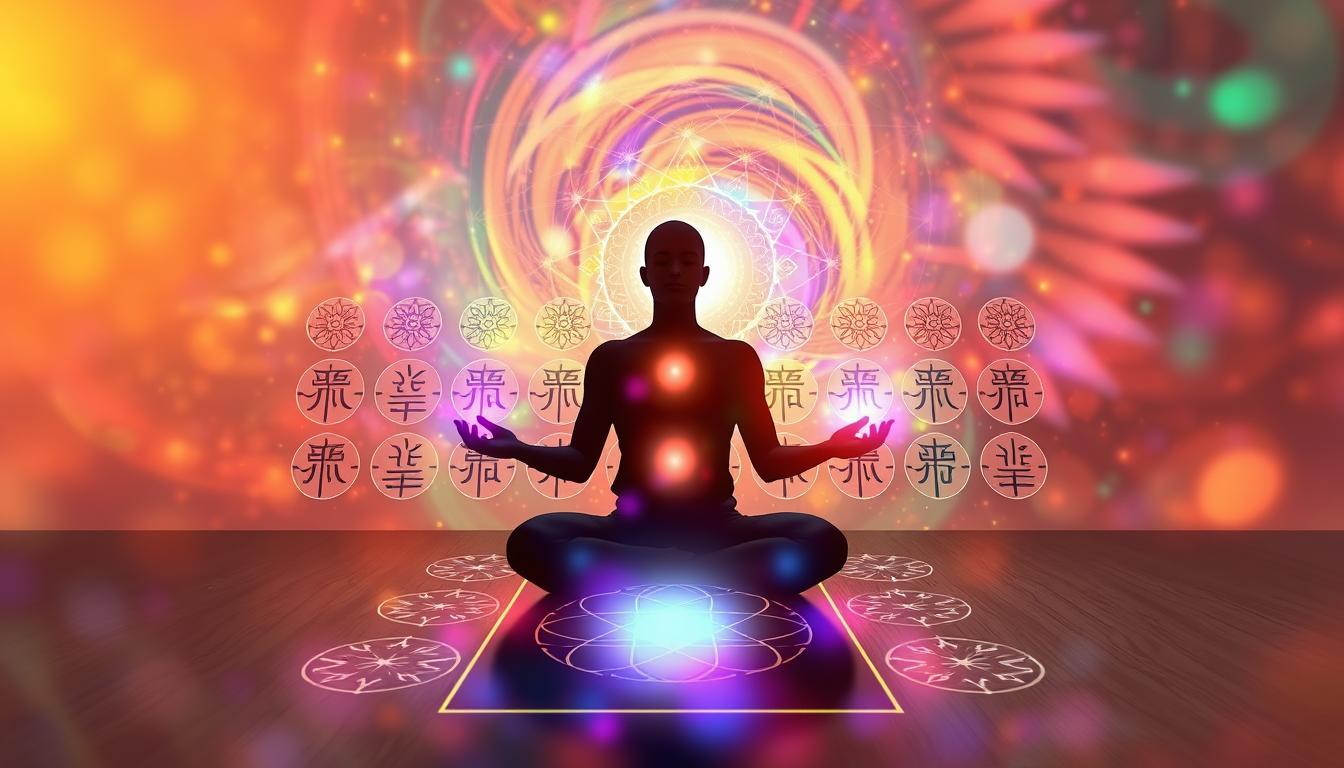
Reiki traces its origins to early 20th-century Japan, blending spirituality with hands-on healing. Developed by Mikao Usui, it centers on channeling universal energy (“rei” for universal, “ki” for life force) to restore balance. Unlike pills or surgery, this practice taps into the body’s natural ability to heal itself.
The Japanese Roots of Reiki
Mikao Usui formalized Reiki in 1922 after a spiritual awakening on Mount Kurama. His system, Usui Reiki Ryōhō, combined Buddhist meditation techniques with energy work. Today, lineages of Reiki masters still teach his original methods.
Reiki shares similarities with other traditions. Traditional Chinese Medicine calls it “qi,” while Ayurveda labels it “prana.” All describe a vital force that sustains life and health.
How Reiki Channels Universal Energy
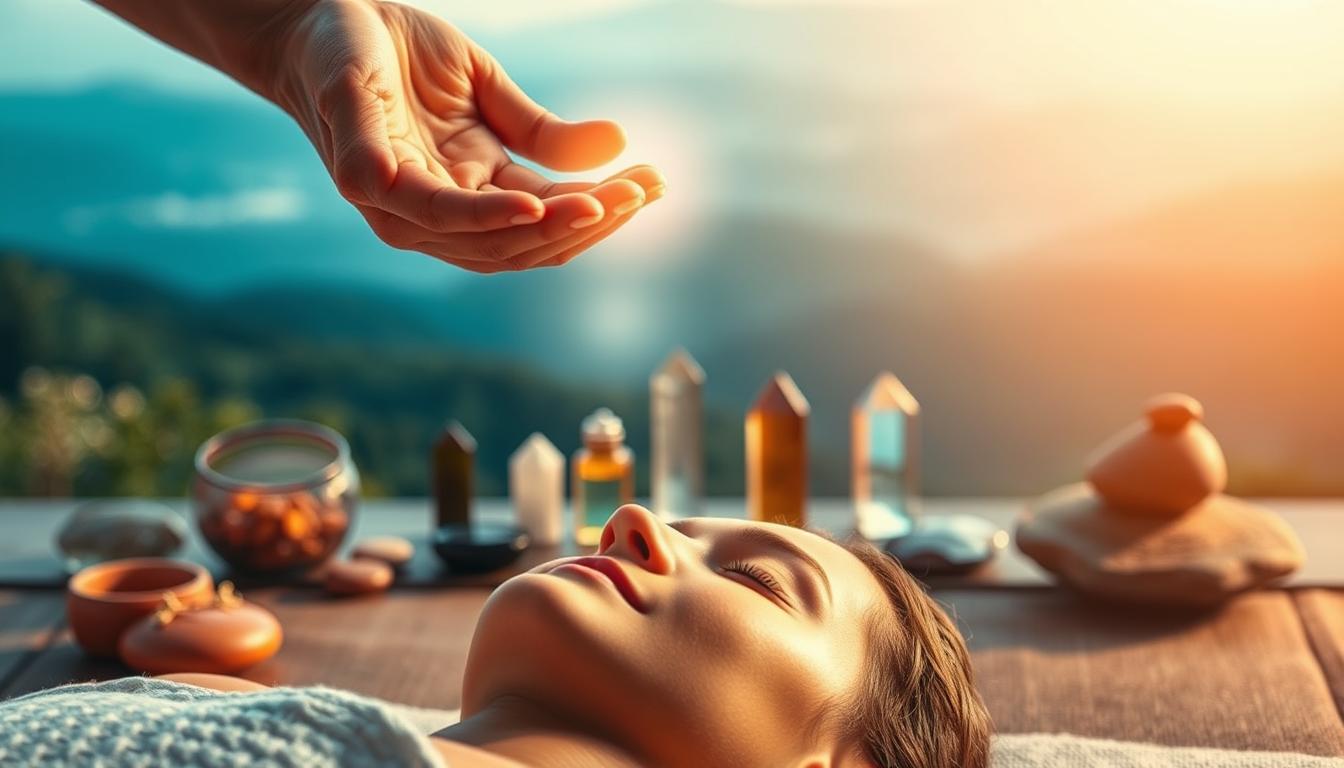
Practitioners act as conduits, placing hands lightly on or above the body to direct energy. The goal? To clear blockages and promote relaxation. Sessions often feel warm or tingling as the flow stabilizes.
Western medicine focuses on physical symptoms, but Reiki targets the root cause—imbalanced energy. The Cleveland Clinic uses it to reduce patient stress, proving its value in modern healthcare.
| Reiki | Western Medicine |
|---|---|
| Non-invasive, no side effects | Often relies on drugs or surgery |
| Balances energy systems | Targets specific symptoms |
| Used alongside other treatments | Primary treatment method |
While skeptics question energy work, millions report tangible benefits—from pain relief to emotional calm. Whether you seek relaxation or deeper healing, Reiki offers a gentle complement to conventional care.
Exploring the Science-Backed Benefits of Reiki Healing
Scientific studies now validate what practitioners have long claimed about Reiki. From pain relief to emotional balance, evidence highlights its role in modern wellness. Here’s how research supports its health benefits.

Pain and Fatigue Relief
A 2024 review found Reiki reduced pain and fatigue in cancer patients by 40%. Trials also show improvements for osteoarthritis and herniated disks. Unlike painkillers, it addresses discomfort without side effects.
Depression and Anxiety Management
Six Reiki sessions boosted quality of life for breast cancer patients in a 2021 study. It activates the parasympathetic nervous system, lowering cortisol levels. Caregivers report stress reduction after just one session.
Improved Sleep Quality
Reiki’s calming effect extends to sleep. By balancing energy flow, it helps regulate circadian rhythms. A 2023 trial noted participants fell asleep 30% faster post-session.
Pre-Surgery and Post-Surgery Benefits
Ninety-three surgery patients in a 2023 trial had lower anxiety and pain after Reiki. Pre-op sessions reduce fear, while post-op care speeds recovery. Hospitals like Memorial Sloan Kettering integrate it into surgical protocols.
| Reiki for Pain | Conventional Methods |
|---|---|
| Non-pharmacological | Often uses opioids/NSAIDs |
| Enhances natural healing | Targets symptoms only |
| No dependency risk | Risk of addiction/side effects |
Research suggests Reiki complements medicine—not replaces it. Whether managing chronic conditions or pre-surgery nerves, its benefits are hard to ignore.
What Does Research Say About Reiki?
What does science reveal about Reiki’s healing potential? While skeptics question energy work, a growing body of evidence supports its role in wellness. From NIH-funded trials to clinical reviews, here’s how research weighs in.

Clinical Studies on Effectiveness
A 2022 systemic review found high-quality evidence for Reiki’s stress and depression relief. In a 2021 survey, 99 clients reported improved well-being after sessions. These findings align with smaller trials showing reduced symptoms in chronic pain patients.
However, challenges exist. A 2021 caregiver study used sham Reiki (placebo) to test results. Participants still felt benefits, raising questions about the placebo effect. Yet, proponents argue even placebos demonstrate the mind-body connection Reiki harnesses.
Limitations and Gaps in Research
Most studies suffer from small sample sizes. Few large-scale randomized controlled trials (RCTs) exist. Unlike acupuncture—now widely accepted—Reiki lacks mechanistic explanations for how energy transfer works.
| Reiki Research | Acupuncture Research |
|---|---|
| Limited RCTs | Extensive RCTs since the 1970s |
| Mechanism unclear | Linked to endorphin release |
| Growing NIH interest | NIH-endorsed since 1997 |
Research suggests Reiki’s potential parallels acupuncture’s early days. As funding grows, future studies may bridge these gaps. For now, its subjective benefits keep it in demand.
How Does a Reiki Session Work?
Curious about what happens during a reiki session? This gentle practice focuses on balancing energy through light touch or hovering hands. Whether you’re new to energy work or a seasoned participant, understanding the process can enhance your experience.

Step-by-Step Process of a Typical Session
Most reiki sessions follow a similar structure. First, you’ll discuss goals with the practitioner. Then, you’ll lie fully clothed on a table as they place their hands on or above 12–20 key areas of your body.
Common sensations include warmth, tingling, or deep relaxation. A session typically lasts 45–90 minutes. Unlike massage, there’s no physical manipulation—just energy flow.
“During my first reiki session, I felt waves of calm washing over me. It was like a reset button for my stress.”
The Role of the Reiki Practitioner
Practitioners act as conduits for universal energy. Their training—often as Reiki Masters—teaches them to center themselves, clear blockages, and channel energy efficiently. Certification ensures they follow ethical and technical standards.
| Reiki | Massage |
|---|---|
| No physical pressure | Uses kneading/stretching |
| Focuses on energy flow | Targets muscles/tissues |
| Clothing remains on | Often requires oil/undressing |
Your experience may vary, but most leave feeling refreshed. Sessions are tailored to individual needs, making each one unique.
Reiki for Specific Conditions: Cancer, Chronic Pain, and More
Hospitals like MD Anderson now use Reiki to support patients during challenging treatments. This energy therapy complements conventional care, addressing both physical and emotional needs. Studies confirm its value for conditions from cancer to fibromyalgia.

Reiki in Cancer Care
Oncology programs integrate Reiki to manage treatment side effects. A 2021 Turkish study found it reduced pain and fatigue better than guided imagery. It also provides emotional support in palliative settings.
- Patients report less anxiety during chemotherapy
- Improves sleep quality for hormone therapy recipients (2024 trial)
- MD Anderson offers sessions to ease post-surgery recovery
Managing Chronic Pain with Reiki
For those with persistent discomfort, Reiki offers drug-free relief. It’s particularly effective for:
- Fibromyalgia: Balances energy flow to reduce flare-ups
- Cerebral palsy: Eases muscle tension and spasms
- Osteoarthritis: Complements physical therapy
Research suggests 6 sessions can significantly lower pain levels. Unlike medications, it targets the root cause without side effects.
Potential Risks and Side Effects of Reiki
While Reiki is widely considered safe, some wonder about potential risks. Unlike pharmaceutical treatments, this energy therapy has no known harmful interactions. Research confirms its gentle nature makes it suitable for most people.

Safety Across Different Groups
Clinical trials show no reported side effects from proper sessions. Its non-invasive approach works well for:
- Children: Helps with anxiety without medication risks
- Pregnant individuals: Safe for maternity stress relief
- Chronic illness patients: Complements other treatments
Some report temporary emotional releases as energy blocks clear. These are generally mild and part of the healing process.
The Placebo Effect in Energy Work
Understanding the placebo effect matters in Reiki. Evidence suggests even sham treatments can reduce pain by 30%. But this doesn’t negate real benefits—it shows mind-body connections matter.
| Reiki Risks | Conventional Treatment Risks |
|---|---|
| None when properly administered | Possible side effects or allergies |
| Emotional release (temporary) | Dependency risks with some medications |
| Delay of care if used alone | Over-treatment risks |
Key takeaway: Reiki’s greatest risk isn’t the practice itself—it’s relying on it instead of needed medical care. Used wisely, it’s one of the safest complementary therapies available.
Reiki vs. Conventional Medicine: A Complementary Approach
The Dana-Farber Cancer Institute includes Reiki in their supportive care programs. This reflects a growing trend where hospitals combine energy work with evidence-based treatment. When used properly, these approaches create powerful synergies for healing.
Why Reiki Isn’t a Replacement for Medical Treatment
The American Medical Association clearly states: energy therapies should never replace critical medical interventions. Reiki works best when supporting standard protocols.
Key limitations to remember:
- Cannot treat infections or fractures
- Doesn’t replace chemotherapy or surgery
- Shouldn’t delay diagnosis of serious conditions
A 2017 study showed Reiki enhanced knee replacement recovery. But patients still needed the surgery itself first.
Integrating Reiki with Traditional Therapies
When combined strategically, Reiki boosts conventional treatment effectiveness. Many physical therapists now recommend sessions alongside exercise programs.
| Combination Approach | Benefits |
|---|---|
| Reiki + Chemotherapy | Reduces nausea and fatigue |
| Reiki + Physical Therapy | Enhances pain management |
| Reiki + Psychotherapy | Deepens relaxation responses |
As a complementary therapy, Reiki fills gaps that medications alone can’t address. Always consult your healthcare team before adding it to your regimen.
Personal Experiences: What It Feels Like to Receive Reiki
Your body’s reaction to Reiki might surprise you—no two experiences are identical. Some report immediate warmth, while others notice shifts days later. This variability stems from how energy interacts with individual needs.

A First-Hand Account of Energy Work
During a session with practitioner Vickie Bodner, the author described entering a trance-like state. Phantom limb sensations occurred, suggesting energy flow to areas beyond physical touch. “Sessions adapt to your body’s demands,” Bodner notes.
Common Physical and Emotional Responses
Reiki’s effects vary widely. You might feel:
- Warmth or tingling where hands hover
- Sudden emotional release (tears or laughter)
- Deep calm, as if floating
Others perceive subtle shifts—or nothing at all. Both responses are valid.
“The quiet room and practitioner’s presence amplify relaxation. It’s a holistic experience.”
Whether intense or gentle, Reiki meets you where you are. Tracking sensations post-session can reveal its subtle impact.
How to Choose a Qualified Reiki Practitioner
Finding the right practitioner can make all the difference in your energy work journey. Whether you’re new to this therapy or seeking advanced sessions, vetting professionals ensures safety and results.

Credentials to Look For
Legitimate practitioners hold certifications from organizations like the International Association of Reiki Professionals (IARP). Key markers include:
- Reiki Master training (minimum 200 hours)
- HIPAA compliance for client privacy
- Positive testimonials or peer reviews
Research shows trained practitioners follow ethical guidelines more consistently. Always ask about their lineage—reputable teachers trace back to Mikao Usui’s methods.
Red Flags to Avoid
Steer clear of those making unrealistic promises. Warning signs include:
- Claims to “cure” diseases without medical backing
- Discouraging conventional treatments
- High-pressure sales for packages
Your comfort matters. If a session feels off or the practitioner dismisses your concerns, trust your instincts. Energy work thrives on mutual respect and trust.
Addressing Common Concerns About Reiki
Doubts about energy healing? You’re not alone—here’s what matters most. Even supporters of integrative medicine sometimes hesitate before their first session. Research and practitioner insights can clarify what to expect.
- “Will I feel anything?” Responses vary—some notice warmth or tingling, others simply feel relaxed.
- “Is it religious?” Reiki isn’t tied to any faith. It’s a secular practice focused on energy balance.
- “What if I’m skeptical?” Even skeptics report benefits. A 2023 study found openness—not belief—was the key factor.
“Your session works whether you ‘believe’ or not. Energy flows where it’s needed.”
Pre-session jitters are normal. Wear comfortable clothes, and communicate any concerns to your practitioner. Most leave feeling lighter, even if the process seems mysterious at first.
Conclusion: Is Reiki Right for You?
Could energy healing transform your wellness routine? Reiki offers benefits like stress reduction and symptom management. It’s a gentle way to support overall health without side effects.
Consider trying it as part of a holistic plan. Pair it with exercise, therapy, or medical care for best results. Always consult doctors for serious conditions.
Final thought? As one first-timer put it: “It felt really, really good.” Whether you seek balance in daily life or deeper relaxation, Reiki might be your missing piece.