Did you know your metabolism burns calories even while you sleep? This process turns what you eat into energy, keeping your body functioning. However, factors like aging and genetics can slow it down. The good news? Certain choices can help boost it naturally.
According to UnityPoint Health dietitian Allie Bohlman, focusing on protein and fiber-rich options can make a big difference. These nutrients not only support your metabolism but also keep you feeling full longer. This approach can aid in weight loss and improve your overall health.
This article dives into expert-backed recommendations to help you make smarter choices. From nutrient-packed options to lifestyle tips, you’ll find actionable steps to enhance your energy and well-being. Let’s explore how small changes can lead to big results.
Key Takeaways
- Your metabolism converts food into energy, essential for body functions.
- Aging and genetics can slow down metabolic rates.
- Protein and fiber-rich foods support metabolism and promote fullness.
- Expert recommendations provide science-backed choices for better health.
- A holistic approach includes diet, exercise, and lifestyle changes.
Understanding Metabolism and Its Role in Weight Loss
Understanding how metabolism works can help you manage your weight effectively. This process is your body’s way of converting food into energy, which fuels everything from breathing to physical activity. Two key components of metabolism are your basal metabolic rate (BMR) and the thermic effect of food (TEF). BMR refers to the calories your body burns at rest, while TEF is the energy used to digest and process nutrients.
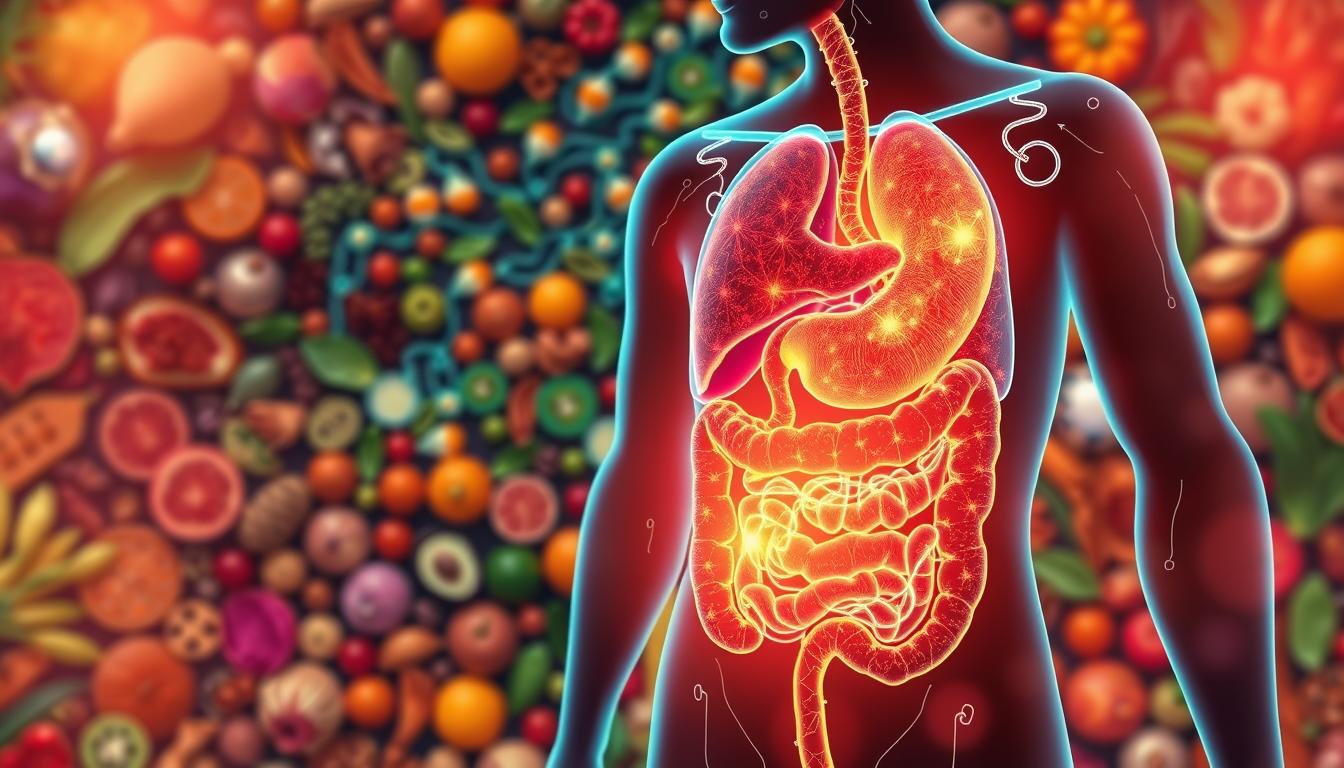
Your muscle mass plays a significant role in how efficiently you burn calories. Muscle is metabolically active tissue, meaning it burns three times more calories than fat, even at rest. This is why building and preserving muscle is crucial, especially during weight loss efforts. As you age, your metabolic rate naturally declines by 3-8% per decade after 30, making it even more important to focus on maintaining muscle.
Thyroid hormones also regulate your metabolic rate. These hormones control how efficiently your body converts food into energy. An underactive thyroid can slow down this process, while a healthy thyroid ensures optimal calorie burning. Preserving muscle and supporting thyroid health are essential strategies for maintaining a healthy metabolism and managing your weight effectively.
Why Certain Foods Can Boost Your Metabolism
Certain nutrients have a direct impact on how efficiently your body burns energy. The thermic effect of food (TEF) plays a key role here. TEF refers to the energy your body uses to digest, absorb, and process nutrients. Not all nutrients are equal in this regard. For example, protein has a much higher TEF compared to carbs or fats.

When you consume protein, your body burns 15-30% of its calories during digestion. In contrast, carbs burn only 5-10%, and fats burn even less. This means that 100 calories from protein result in a net gain of only 70 calories, as 30 are burned during digestion. This makes protein a powerful ally in boosting your metabolic rate.
Fiber also plays a dual role in metabolism. It slows down digestion, helping you feel full longer, and promotes the production of short-chain fatty acids (SCFAs). SCFAs are essential for gut health and can enhance fat utilization. Foods like legumes, which provide both protein and fiber, are particularly effective in supporting metabolic health.
Research supports these findings. A 2014 study on capsaicin, the compound that gives chili peppers their heat, showed it can increase calorie burning by up to 43 calories per meal. Additionally, nutrients like iron and selenium, found in nuts and seafood, support thyroid function, which is crucial for maintaining a healthy metabolic rate.
The Science Behind Metabolism-Boosting Foods
The science is clear: certain foods can significantly impact your body’s energy expenditure. By focusing on nutrient-dense options, you can naturally enhance your metabolism and support overall health.
How Protein and Fiber Play a Role
Protein and fiber are two of the most effective nutrients for boosting metabolism. Incorporating them into your diet can help you burn more calories and feel fuller for longer, making them essential for weight management and energy balance.
Top Foods That Fire Up Your Metabolism
Your diet plays a crucial role in determining how efficiently your body burns calories. By incorporating specific nutrient-rich options, you can naturally support your metabolic rate. Let’s explore three categories of foods that can make a significant difference.
Lean Proteins: Chicken, Turkey, and Fish
Lean proteins like chicken, turkey, and fish are excellent for boosting energy expenditure. These options are low in fat and high in protein, which has a high thermic effect. This means your body burns more calories digesting them compared to fats or carbs.
Fatty fish, such as salmon, are particularly beneficial. They are rich in omega-3 fatty acids, which increase fat oxidation. The American Heart Association recommends consuming fatty fish at least twice a week. For cooking, opt for broiling or grilling instead of frying to keep the meal healthy.
Legumes: Beans, Lentils, and Chickpeas
Legumes like beans, lentils, and chickpeas are packed with both protein and fiber. These nutrients work together to keep you full longer and support your metabolic health. For example, one cup of lentils provides 35% of the daily iron requirement for women.
Canned beans are an affordable and convenient option. Look for low-sodium varieties to keep your diet balanced. Chickpeas, in particular, offer 15 grams of protein per cup, making them a versatile addition to meals.
Chili Peppers: The Heat That Burns Calories
Chili peppers contain capsaicin, a compound that can increase calorie burning. Research shows that consuming 6-10mg of capsaicin, equivalent to one jalapeño, can boost energy expenditure by up to 43 calories per meal.
However, spicy food tolerance varies. If you’re not used to heat, start with small amounts to avoid discomfort. Over time, your body may adapt, allowing you to enjoy the benefits without irritation.

| Food Category | Key Benefits | Recommendations |
|---|---|---|
| Lean Proteins | High thermic effect, rich in omega-3s | Broil or grill; consume fatty fish 2x/week |
| Legumes | High in protein and fiber, iron-rich | Use canned beans (low-sodium); 1 cup lentils = 35% daily iron |
| Chili Peppers | Contains capsaicin, boosts calorie burning | Start with small amounts; 6-10mg capsaicin = 1 jalapeño |
The Power of Green Tea and Coffee
What you sip daily could be a game-changer for your calorie burn. Beverages like green tea and coffee are not just refreshing—they can also support your body’s energy use. These drinks contain compounds that naturally enhance your metabolic rate, helping you burn calories more efficiently.

Green Tea: Antioxidants and Fat Burning
Green tea is packed with antioxidants, particularly epigallocatechin gallate (EGCG). This compound helps block fat cell formation and increases fat oxidation. Studies show that drinking green tea can boost your metabolism by 4-5%. For optimal benefits, aim for 3-5 cups daily to maximize your catechin intake.
Matcha, a powdered form of green tea, is especially effective. It enhances fat burning during exercise, making it a great pre-workout choice. If you’re new to green tea, start with one cup daily and gradually increase your intake.
Coffee: Caffeine and Metabolic Rate
Coffee is another powerful ally for your metabolism. The caffeine in coffee stimulates your nervous system, increasing fat oxidation and enhancing workout performance. Research shows that 100mg of caffeine (about one cup) can increase calorie burn by 9%.
To get the most out of your coffee, avoid sugary additions like creamers or syrups. These can negate the benefits and add unnecessary calories. Instead, enjoy it black or with a splash of almond milk. Timing matters too—drink it 30 minutes before exercise for maximum impact.
By incorporating green tea and coffee into your routine, you can naturally support your metabolic rate and improve your energy levels. These beverages are simple, effective, and backed by science.
Whole Grains and Their Metabolic Benefits
Whole grains are more than just a healthy choice—they can actively support your body’s energy use. Unlike refined grains, which are stripped of essential nutrients, whole grains retain their natural fiber, vitamins, and minerals. This makes them a powerful tool for maintaining a healthy metabolic rate and stabilizing blood sugar levels.

Refined grains, such as white bread and pasta, have a high glycemic index. This means they cause rapid spikes in blood sugar, followed by crashes that leave you feeling sluggish. Whole grains, on the other hand, are digested more slowly, providing sustained energy and reducing hunger cravings.
Oats, Brown Rice, and Quinoa
Oats are a standout choice among whole grains. They contain β-glucan, a type of soluble fiber that slows sugar absorption and supports heart health. A bowl of oatmeal in the morning can keep you full and energized for hours. For a quick and nutritious option, try overnight oats with chia seeds and berries.
Brown rice is another excellent option. When cooled, it forms resistant starch, which increases the thermic effect of food (TEF). This means your body burns more calories digesting it. Quinoa, often called a “super grain,” offers complete protein and 5 grams of fiber per cup, making it a versatile addition to any meal.
How Fiber in Whole Grains Helps
Fiber plays a dual role in supporting metabolic health. It slows digestion, helping you feel full longer, and promotes the production of short-chain fatty acids (SCFAs). These SCFAs are essential for gut health and can enhance fat utilization. Aim for 25-38 grams of fiber daily to reap these benefits.
Be cautious of misleading labels like “multigrain,” which may not always mean whole grain. Always check the ingredient list to ensure you’re getting the real deal. Incorporating whole grains into your diet is a simple yet effective way to support your metabolic rate and overall well-being.
| Whole Grain | Key Benefits | Recommendations |
|---|---|---|
| Oats | Contains β-glucan, slows sugar absorption | Try overnight oats with chia and berries |
| Brown Rice | Forms resistant starch when cooled, increases TEF | Use in salads or as a side dish |
| Quinoa | Complete protein, 5g fiber per cup | Add to soups, salads, or as a rice substitute |
Nuts and Seeds: Small but Mighty
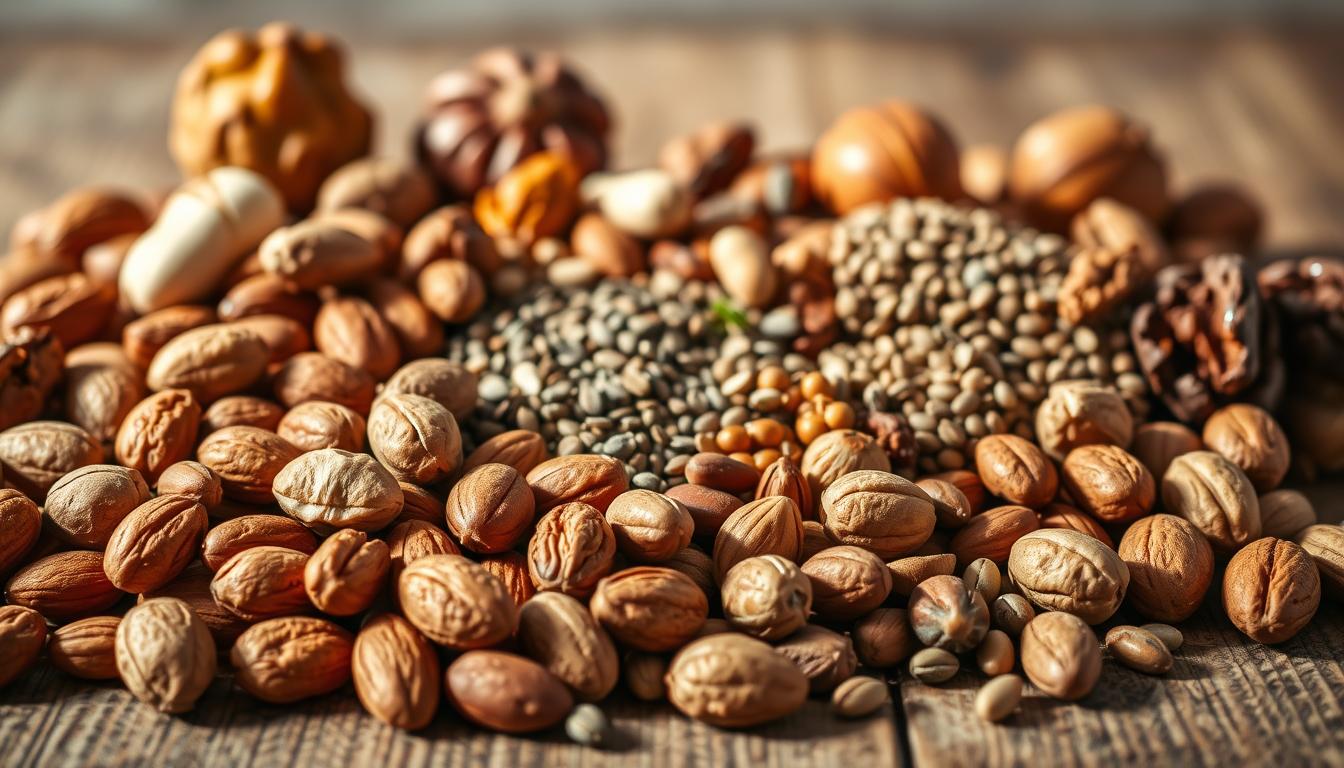
Nuts and seeds may be small, but they pack a powerful punch for your health. These nutrient-dense options are rich in healthy fats, protein, and fiber, making them essential for maintaining energy and supporting your body’s functions. Whether you’re snacking on almonds or sprinkling flaxseeds on your yogurt, these tiny powerhouses can make a big difference.
Almonds, Walnuts, and Flaxseeds
Almonds are a standout choice, offering 6 grams of protein and 3.5 grams of fiber per ounce. A serving of 23 almonds provides around 160 calories, making them a satisfying and nutritious snack. Walnuts, on the other hand, are rich in alpha-linolenic acid (ALA), an omega-3 fatty acid that supports heart health. Just one ounce contains 2.5 grams of ALA.
Flaxseeds are another excellent option. They contain lignans, which improve insulin sensitivity and help regulate blood sugar levels. Adding a tablespoon to your smoothie or oatmeal is an easy way to reap their benefits.
Healthy Fats and Their Role in Metabolism
Healthy fats play a crucial role in maintaining your body’s energy balance. Medium-chain triglycerides (MCTs), found in coconut, are particularly effective. They aid in ketone production, which can enhance fat burning and support metabolic health.
If chewing whole nuts is an issue, nut butters are a great alternative. Look for options without added sugars or oils to keep them healthy. However, be cautious of rancid nuts, as they can destroy the beneficial fats and reduce their nutritional value.
Incorporating nuts and seeds into your diet is simple and effective. From snacking to cooking, these small but mighty foods can help you stay energized and support your overall health.
Berries and Leafy Greens: Nutrient Powerhouses
Berries and leafy greens are nature’s way of packing a nutritional punch. These vibrant foods are loaded with essential nutrients that support your overall health. From reducing inflammation to boosting energy, they offer a range of benefits that make them a must-have in your diet.

Blueberries, Strawberries, and Raspberries
Berries like blueberries, strawberries, and raspberries are rich in antioxidants. Blueberries, in particular, contain anthocyanins, which help reduce inflammation and protect against chronic diseases. A cup of raspberries provides 8 grams of fiber, aiding digestion and keeping you full longer.
Frozen berries retain up to 90% of their nutrients, making them a convenient option year-round. Add them to smoothies, oatmeal, or yogurt for a quick and healthy boost.
Spinach, Kale, and Swiss Chard
Leafy greens such as spinach, kale, and Swiss chard are packed with vitamins and minerals. Spinach offers 15% of your daily iron needs per 100 grams, making it a great choice for energy support. Massaging kale before eating can improve nutrient absorption and make it easier to digest.
Pairing leafy greens with vitamin C-rich foods, like citrus or bell peppers, enhances iron absorption. However, be mindful of the oxalate content in Swiss chard, which may be a concern for those with kidney issues.
“Incorporating berries and leafy greens into your diet is a simple yet effective way to boost your nutrient intake and support overall health.”
Quick Smoothie Recipe
- 1 cup spinach
- ½ cup blueberries
- 1 tablespoon flaxseeds
- 1 cup almond milk
- Blend until smooth and enjoy!
| Food | Key Benefits | Tips |
|---|---|---|
| Blueberries | Rich in anthocyanins, reduces inflammation | Add to smoothies or oatmeal |
| Spinach | High in iron, supports energy | Pair with vitamin C for better absorption |
| Kale | Nutrient-dense, improves digestion | Massage before eating |
Incorporating Metabolism-Boosting Foods into Your Diet
Small changes in your daily routine can make a big difference in how your body processes energy. By focusing on balanced meals, staying hydrated, and incorporating exercise, you can naturally support your body’s calorie burn. Here’s how to make these adjustments work for you.
Creating Balanced Meals
Balanced meals are essential for maintaining energy levels and supporting weight management. Use the plate method: fill 50% with vegetables, 25% with lean protein, and 25% with whole grains. This ensures you’re getting a mix of nutrients that keep you full and energized.
Here’s a 7-day meal plan template to get you started. Each meal includes at least 30g of protein, which helps preserve muscle during calorie deficits. For example, breakfast could be scrambled eggs with spinach and whole-grain toast, while lunch might feature grilled chicken with quinoa and steamed broccoli.
Staying Hydrated and Active
Hydration is just as important as food choices. Aim to drink half your body weight in ounces of water daily. For example, if you weigh 150 pounds, aim for 75 ounces. Herb-infused waters, like cucumber-mint or lemon-ginger, can make hydration more enjoyable.
Pair hydration with regular exercise. Strength training is particularly effective for preserving muscle, which is crucial for maintaining a healthy metabolism. After a workout, refuel within 30-45 minutes with a mix of protein and carbs, like a smoothie with Greek yogurt and berries.
“Balancing your diet, staying hydrated, and staying active are simple yet powerful ways to support your body’s natural energy processes.”
Finally, be mindful of caffeine intake. While coffee can boost your metabolism, consuming more than 400mg daily can disrupt sleep, which is essential for recovery and energy balance. Stick to 1-2 cups per day for optimal benefits.
Conclusion: Enhancing Your Metabolic Rate for Better Health
Boosting your body’s natural energy processes doesn’t have to be complicated. By focusing on small, consistent changes, you can improve your metabolic rate and overall health. Start with a balanced diet rich in protein, fiber, and whole grains. Pair this with regular exercise to preserve muscle and enhance calorie burn.
Remember, consistency matters more than perfection. Sustainable weight management requires a daily deficit of 500-750 calories. Over 12 weeks, your body adapts to these changes, making it easier to maintain progress.
For personalized guidance, contact the Manatee Weight Loss Center at 941-254-4957. Their experts can help you create a plan tailored to your needs.
Take the first step today. Integrating these strategies into your lifestyle can lead to lasting results and a healthier, more energized you.