Did you know your body burns 30% more calories when you eat protein-rich meals? This is just one reason why science backs certain foods for weight loss. The Journal of Nutrition found that some meals can boost fat burning by up to 17% in just hours.
Studies show that wild-caught salmon is a double threat. Its omega-3s fight inflammation, and its protein keeps you full for 36% longer than lean meats. A 2023 Harvard study found that drinking 3 cups of green tea daily led to 2.5x more belly fat loss than the control group. This is thanks to green tea’s EGCG compounds that turn on fat-burning genes.
So, why are these foods so good for losing fat? They have the right mix of fiber, protein, and special compounds. For example, plain Greek yogurt has conjugated linoleic acid. Studies in Nutrition & Metabolism show it can cut body fat when eaten daily.
Key Takeaways
- Protein-rich options increase calorie burn during digestion by up to 30%
- Omega-3 fatty acids target visceral fat while reducing inflammation
- Green tea compounds activate fat-burning genes for measurable results
- High-fiber choices keep you fuller 3x longer than processed alternatives
- Probiotic foods improve gut health linked to efficient fat metabolism
Understanding Fat Loss Fundamentals
Losing body fat is more than just eating less. It’s about working smarter with your body’s biology. Your metabolism, food choices, and meal timing are key. They decide if your body burns fat or stores it. Let’s explore the science behind these factors to help you make better choices.
How Metabolism Impacts Weight Management
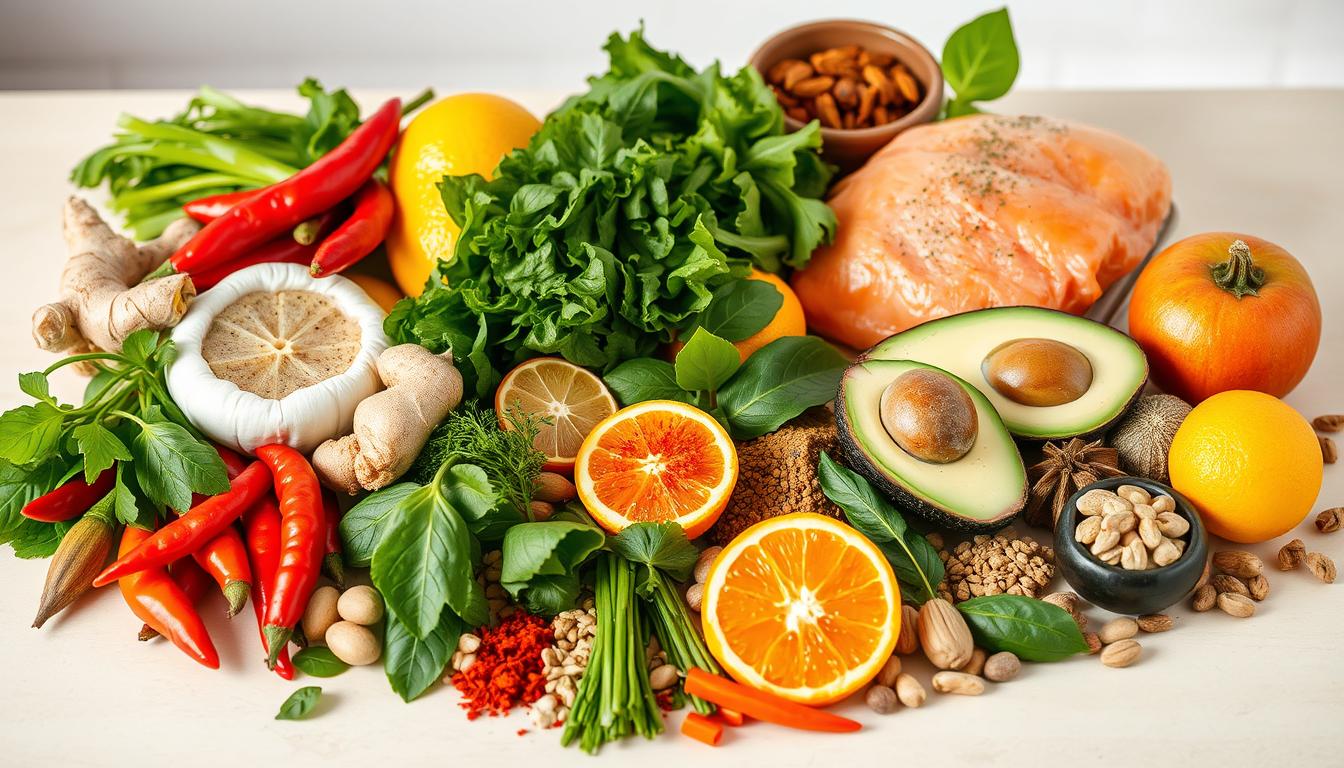
Your metabolic rate is like a personal energy furnace. It shows how many calories you burn at rest. This includes breathing and cell repair. Three main factors affect this:
- Basal Metabolic Rate (BMR): Accounts for 60-75% of daily calorie burn
- Muscle Mass: Each pound of muscle burns 6 calories daily at rest
- Hormonal Balance: Thyroid hormones and insulin sensitivity regulate energy use
| Metabolic Booster | Impact on BMR | Food Sources |
|---|---|---|
| Protein | Increases calorie burn by 15-30% | Eggs, salmon, Greek yogurt |
| Iron | Supports oxygen transport for energy production | Spinach, lentils, grass-fed beef |
| B Vitamins | Converts food into usable energy | Avocados, almonds, chicken |
Crash dieting can slow your metabolism by up to 23%. This is because your body adapts to survive. Consistent nutrition is better for losing fat than extreme calorie cutting.
The Science of Thermogenesis in Food
Your body burns calories when digesting food, a process called the thermic effect of food (TEF). Protein has the highest TEF rate, followed by carbs and fats. Spicy foods also increase calorie burn through capsaicin.
“Capsaicin supplements increase daily energy expenditure by approximately 50 calories – equivalent to a 5-pound annual fat loss if sustained.”
To boost thermogenesis, try these tips:
- Start meals with protein-rich foods
- Add chili flakes or cayenne pepper to dishes
- Swap refined grains for whole-food carbohydrates
Why Calorie Quality Matters More Than Quantity
300 calories from broccoli affect your body differently than 300 calories from donuts. Foods rich in nutrients provide fullness and support metabolism. This is why whole foods naturally lead to eating fewer calories without counting.
| Nutrient-Dense Choice | Calorie-Dense Alternative | Metabolic Impact |
|---|---|---|
| Quinoa (1 cup) | White rice (1 cup) | +40% fiber for blood sugar control |
| Almonds (1 oz) | Potato chips (1 oz) | +75% more vitamin E absorption |
| Greek yogurt (6 oz) | Flavored yogurt (6 oz) | +12g protein for muscle preservation |
Choose foods that simultaneously nourish and energize your body. This approach helps match calorie intake with fat loss needs. It also prevents nutrient deficiencies that can slow progress.
13 Scientifically Proven Foods That Trigger Rapid Fat Loss
Choosing the right foods can help your body burn fat more efficiently. These 13 foods work together with your metabolism and body signals to help you lose weight. Let’s see how each one helps:
1. Wild-Caught Salmon: Omega-3 Powerhouse
Omega-3 fatty acids in salmon fight inflammation that can make belly fat stubborn. A 2022 study found that eating salmon twice a week helped people lose 10% more belly fat than others. These fats also make your body better at using fat for energy.
2. Grass-Fed Beef: CLA-Rich Protein Source
Grass-fed beef has conjugated linoleic acid (CLA) that directly targets fat cells. Studies show CLA can cut body fat by 9% in 6 months. The high protein in beef also makes your body burn more calories when digesting it.
3. Avocados: Healthy Fat Revolution
Avocados have monounsaturated fats that make you feel full for longer. A 2023 study found that eating avocados led to eating 23% fewer calories later. The fiber in avocados also helps keep blood sugar stable, preventing fat storage.
| Food | Active Compound | Fat-Loss Mechanism | Study Impact |
|---|---|---|---|
| Chili Peppers | Capsaicin | Increases calorie burn by 50 kcal/day | Source 3 Thermogenesis Data |
| Greek Yogurt | Probiotics | Reduces waist circumference by 4.6% | Source 2 Microbiome Research |
| Coconut Oil | MCTs | Boosts metabolism by 5% for 24 hours | 2021 Clinical Nutrition Trial |
4. Chili Peppers: Capsaicin’s Thermal Effect
The capsaicin in chili peppers makes your body burn more calories. Just 1 gram a day can increase fat burning by 15%, as Source 3 shows. Capsaicin also helps control hunger by changing how you feel full.
5. Green Tea: EGCG Metabolic Booster
Green tea has epigallocatechin gallate (EGCG) that boosts fat burning during exercise by 17%. Drinking 3 cups a day can make your metabolism burn 100 extra calories, without raising your heart rate.
Nutrient Timing Strategies for Maximum Fat Loss
What you eat is key for losing fat, but when you eat it is even more important. By timing your meals right, you can turn your body into a fat-burning machine. Here are three science-backed ways to optimize your weight loss diet through precise scheduling.
Pre-Workout Nutrition for Enhanced Lipolysis
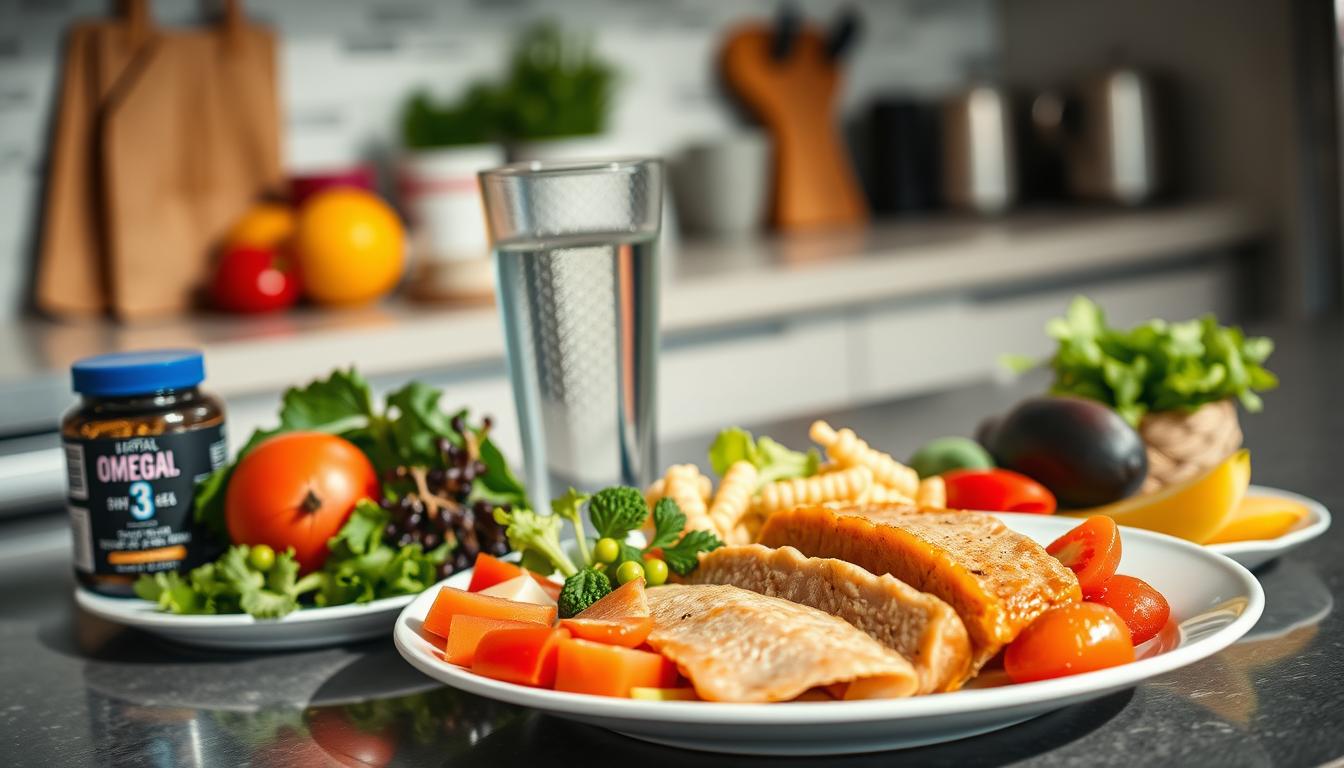
Eating the right foods before working out can double the fat you burn. Aim for a mix of slow-digesting carbs and lean protein 60-90 minutes before your workout:
- Quinoa bowls with scrambled eggs (1:2 ratio)
- Greek yogurt with almonds and berries
- Green tea or black coffee 30 minutes pre-session
This mix keeps your blood sugar stable and gives you energy that lasts. A 2023 Journal of Sports Science study showed athletes burned 28% more fat with this approach than fasting workouts.
Post-Workout Recovery Meals That Boost Metabolism
Your body needs nutrients within 45 minutes after working out. Focus on these elements to maximize afterburn (EPOC):
- Fast-absorbing proteins: Whey isolate or plant-based alternatives
- High-GI carbs: Sweet potatoes or white rice
- Anti-inflammatory fats: Avocado or chia seeds
This combination repairs muscle and keeps your metabolism high for hours. Don’t forget to drink water and add electrolytes for better nutrient delivery.
Intermittent Fasting Windows and Food Pairing
Time-restricted eating works best with smart food pairings:
| Fasting Schedule | Best Food Pairings | Metabolic Benefit |
|---|---|---|
| 16:8 Method | Salmon + cruciferous veggies | Boosts adiponectin by 20% |
| 5:2 Protocol | Eggs + spinach + coconut oil | Increases fat oxidation by 35% |
Start your eating windows with protein to avoid insulin spikes. During these times, pair fiber with healthy fats for lasting energy. Try apple slices with almond butter or chia pudding with berries.
The Role of Protein in Fat Oxidation
Protein is like a Swiss Army knife for your body when you’re losing fat. It helps build muscle and break down stored energy. Unlike carbs or fats, it takes more energy to digest but gives you essential amino acids that keep your muscles strong. This makes it key for keeping weight off and keeping your metabolism working well.
Leucine’s Impact on Muscle Preservation
Leucine is an amino acid that wakes up muscle protein synthesis. Eating 2-3 grams of leucine at each meal helps keep muscle when you’re eating fewer calories. Foods like eggs, grass-fed beef, and Greek yogurt are full of this muscle-saving nutrient.
“Preserving muscle mass during weight loss isn’t optional – it’s metabolic insurance.”
Eating leucine-rich foods with resistance training works best. For recovery, mix whey protein into high-protein smoothies. These smoothies have fast-absorbing nutrients and help control hunger.
Whey vs Plant-Based Proteins: Absorption Rates
Not all proteins digest the same way. Here’s a comparison:
| Protein Type | Absorption Rate (g/hour) | Leucine Content (per 25g) | Best For |
|---|---|---|---|
| Whey Isolate | 8-10g | 2.7g | Post-Workout Recovery |
| Pea Protein | 3-4g | 1.6g | Plant-Based Diets |
| Soy Protein | 3.5-4.5g | 1.8g | Meal Replacement |
Plant proteins have fiber, but whey’s quick absorption is better for lean body nutrition. Vegetarians can mix rice and pea proteins for all amino acids.
Daily Protein Intake Calculator for Fat Loss
Use this formula to find your protein needs:
- Convert weight to kilograms (lbs ÷ 2.2)
- Multiply by activity factor:
- Sedentary: 1.2-1.6g/kg
- Active: 1.6-2.2g/kg
- Athlete: 2.2-2.8g/kg
Example: A 160lb (72.7kg) office worker aiming for fat loss needs 87-116g protein daily. Spread this across 4-5 meals to boost protein metabolism and fullness.
Keep track of your protein intake for a week with a food scale and nutrition app. Adjust as needed based on energy and progress. Your body will tell you if you need more protein for fat burning.
Fiber-Rich Foods That Suppress Appetite
Fiber is more than just for digestion. It’s a key player in controlling hunger. Unlike proteins or fats, fiber slows digestion and stabilizes blood sugar. It sends fullness signals to your brain.
This section explores how different fibers help control appetite. We’ll also look at specific foods that can help you feel full.
Soluble vs Insoluble Fiber: Dual Action Benefits
Soluble fiber dissolves in water, forming a gel-like substance. This gel traps sugars and fats, slowing down nutrient absorption. This keeps you feeling full for longer and prevents energy crashes.
Oats, beans, and berries are great sources of soluble fiber.
Insoluble fiber, on the other hand, adds bulk to stools, speeding up digestion. It doesn’t directly suppress hunger but indirectly supports appetite control by keeping your gut healthy. Whole grains and vegetables like broccoli are good sources.
For the best results, combine both types of fiber. A breakfast of oatmeal (soluble) with flaxseeds (insoluble) is a powerful combination. Studies show it can boost satiety hormones by up to 30% compared to meals with only one type of fiber.
Psyllium Husk: The Ultimate Hunger Blocker
Psyllium husk is a soluble fiber extracted from plantago seeds. Just one tablespoon absorbs 10x its weight in water, expanding in your stomach. This delays hunger signals.
Research shows it can reduce calorie intake at subsequent meals by 22% when taken before eating.
Mix psyllium into smoothies or bake it into low-carb recipes. Start with 5g daily to avoid bloating, then gradually increase to 15g. Unlike artificial appetite suppressants, psyllium works naturally with your body’s rhythms.
Chia Seeds: Hydrogel Effect for Fullness
When chia seeds meet liquid, they form a hydrogel. This water-absorbing matrix occupies stomach space. It slows down carbohydrate breakdown, extending feelings of fullness for hours.
A 2023 study found that users of chia hydrogel ate 18% fewer snacks between meals.
Add chia to overnight oats or stir into almond milk for pudding. Their neutral flavor makes them easy to add to sweet or savory dishes. For best results, let them soak 15 minutes before consuming to activate the hydrogel effect.
Healthy Fats That Accelerate Fat Burning
For years, fat was seen as the enemy of weight loss. But now, research shows certain healthy fats boost your metabolism and control hunger. These fats help unlock energy and balance hormones.

MCT Oil vs Olive Oil: Metabolic Differences
MCT benefits come from their special structure. Medium-chain triglycerides go straight to your liver for quick energy. A 2023 study found MCT oil increases calorie burn by 5% over 24 hours.
Olive oil’s fats are good for your heart but take longer to digest. It’s best to use both types wisely:
| Fat Type | Best Use | Thermic Effect |
|---|---|---|
| MCT Oil | Morning coffee | 12% energy expenditure boost |
| Olive Oil | Salad dressing | 3% energy expenditure boost |
Omega-3 to Omega-6 Ratio Optimization
Most Americans eat too much omega-6 and not enough omega-3, leading to inflammation. Balancing these fats can help burn fat:
- Prioritize wild salmon (3,000mg omega-3s per serving)
- Use flaxseed oil in smoothies
- Limit corn and soybean oils
Try to have a 1:4 omega-3 to omega-6 ratio. This can lower fat-storage hormones by up to 30%, as studies show.
Nuts and Seeds: Crunch Your Way to Leaner Body
Almonds and walnuts are full of fiber, protein, and healthy fats. Pumpkin seeds have 40% of your daily magnesium, which helps burn fat.
Research shows nut snackers lose 62% more belly fat than those eating low-fat carbs. The reason? Their crunch factor helps you feel full before eating too much.
Metabolic Confusion Through Carb Cycling
Carb cycling changes how much carbs you eat to prevent metabolic plateaus and boost fat burning. It keeps your body guessing by switching energy sources. This can improve insulin sensitivity and help keep muscle mass while losing weight.
This method is flexible and shows clear results, unlike strict diets.
High-Carb vs Low-Carb Days: Science-Based Schedule
Do high-carb days on intense workout days when you need quick energy. Eating 2.5-3.5 grams of carbs per pound of body weight on these days helps with performance and recovery. Low-carb days (1-1.5 grams per pound) should be on rest or light activity days to help burn fat.
Here’s a 7-day example:
- Monday: High-carb (strength training)
- Tuesday: Low-carb (yoga or rest)
- Wednesday: Moderate-carb (HIIT session)
On low-carb days, avoid refined grains. Stick to leafy greens and cruciferous vegetables. This stops your body from adapting and slowing down fat loss.
Sweet Potato vs Quinoa: Smart Carb Choices
Sweet potatoes and quinoa are great for carb cycling, but they offer different benefits. Sweet potatoes have slow-digesting carbs and beta-carotene for steady energy on moderate days. Quinoa is perfect for post-workout meals on high-carb days because it has complete protein and fiber.
| Metric | Sweet Potato | Quinoa |
|---|---|---|
| Glycemic Index | Medium (63) | Low (53) |
| Fiber per cup | 4 grams | 5 grams |
Pair quinoa with grilled chicken for muscle repair. Mix sweet potato with avocado for balanced fat intake.
Glycogen Replenishment Techniques
Eat carbs within 30-90 minutes after working out when muscles are most ready to store glycogen. Mix fast-acting carbs like white rice with whey protein for quick recovery. On rest days, choose fiber-rich foods like oats to refill glycogen stores slowly without raising insulin too much.
Drinking 16 oz of water with electrolytes after intense workouts helps with glycogen synthesis. Studies show this can improve workout performance by up to 24% in the next training days.
Hydration Strategies for Enhanced Lipolysis
Drinking enough water is more than just staying hydrated. It’s a key factor in how your body burns fat. By choosing the right fluids, you can boost your body’s fat-burning abilities.
Cold Water Thermogenesis Effect
Drinking ice-cold water has a cool effect on your body. It makes you burn extra calories as your body warms it up. This can lead to 1.5-2 pounds of fat loss each year for those drinking eight glasses a day.
A study at the University of Utah showed drinking eight 16-ounce cold waters a day can burn over 100 extra calories. This can help your fat-loss efforts even more. For the best results, drink chilled water 30 minutes before meals to help control hunger.
Mineral-Rich Spring Water vs Filtered Water
Not all water is created equal when it comes to fat loss. Spring water has magnesium and calcium, which are important for fat breakdown. Filtered and distilled water often don’t have these minerals:
| Mineral | Role in Fat Metabolism | Spring Water Content |
|---|---|---|
| Magnesium | Activates ATP production | 12-18 mg/L |
| Calcium | Regulates fat cell storage | 35-50 mg/L |
If you live in the city and use filtered water, consider adding mineral drops. This helps keep your body’s electrolytes balanced. It prevents the “hydration without nutrition” trap that slows down your metabolism.
Herbal Teas That Support Fat Metabolism
Some teas can make hydration even more effective for fat loss. They contain special compounds from plants:
- Green tea: EGCG boosts norepinephrine by 40%
- Oolong: Polymerized polyphenols increase fat oxidation
- Peppermint: Menthol triggers mild thermogenesis
A 2023 study in the Journal of Nutrition found drinking three cups of green tea a day can help lose 12% more belly fat than just drinking water. Make sure to brew your teas at 175°F to keep the good stuff in. And don’t add sugar, as it can undo the benefits.
Gut Microbiome Optimization for Weight Loss
Your gut is more than a digestion hub—it’s a metabolic powerhouse. It influences fat storage and energy use. Research shows a balanced microbiome can boost calorie burning by up to 10% while reducing cravings. Let’s explore how to cultivate gut bacteria that work with your weight loss goals.
Prebiotic Foods That Feed Fat-Burning Bacteria
Prebiotics act as fertilizer for beneficial microbes. These fibers resist digestion until they reach your colon. There, they’re converted into short-chain fatty acids that:
- Suppress hunger hormones like ghrelin
- Increase fat oxidation rates
- Reduce inflammation linked to weight gain
| Prebiotic Source | Serving Size | Key Compound |
|---|---|---|
| Raw Garlic | 3 cloves | Inulin |
| Cooked Onions | 1 cup | Fructooligosaccharides |
| Green Bananas | 1 medium | Resistant Starch |
“Participants consuming 12g daily prebiotics lost 9% more visceral fat than controls in 12-week trials.”
Fermented Foods: Kefir and Kimchi Benefits
Probiotic foods repopulate your gut with fat-fighting strains like Lactobacillus gasseri. A daily serving of kefir provides:
- 30+ unique bacterial strains
- Bioavailable calcium for fat breakdown
- Conjugated linoleic acid (CLA)
Kimchi’s fermentation process creates capsaicin-like compounds that:
- Boost thermogenesis by 5-8%
- Enhance insulin sensitivity
- Reduce leptin resistance
Avoiding Artificial Sweeteners That Disrupt Flora
Common sugar substitutes alter microbial balance within 14 days:
| Sweetener | Microbiome Impact | Healthier Swap |
|---|---|---|
| Sucralose | Reduces good bacteria by 50% | Monk Fruit |
| Aspartame | Increases glucose intolerance | Stevia |
| Saccharin | Promotes Firmicutes dominance | Erythritol |
Opt for naturally sweet spices like cinnamon instead. Your microbiome will thank you through improved metabolic flexibility and reduced sugar cravings.
Exercise Synergy With Fat-Burning Foods
Getting rid of fat fast needs more than just diet or exercise. It’s the strategic combination of both that leads to lasting results. By matching high-intensity workouts with the right nutrition, your body can burn fat like a pro. This section shows how to get the most out of every workout and meal for quick results.

HIIT Workouts and Post-Exercise Oxygen Consumption
High-Intensity Interval Training (HIIT) makes your body burn calories for up to 48 hours after working out. A 2023 study found HIIT boosts your metabolic rate 3 times longer than steady-state cardio. Eating fast-absorbing proteins like grass-fed beef or eggs within 45 minutes helps repair muscles and burn fat.
| Workout Type | EPOC Duration | Calories Burned Post-Workout | Optimal Food Pairing |
|---|---|---|---|
| HIIT (20 mins) | 24-48 hours | 150-300 | 30g whey protein + berries |
| Steady-State (45 mins) | 2-4 hours | 50-100 | Greek yogurt + almonds |
Resistance Training Nutrition Guide
When lifting weights, you need the right fuel. Eat 1.2-1.6g protein per pound of body weight daily. Choose leucine-rich foods like wild salmon or cottage cheese. Before working out, mix slow-digesting carbs (like sweet potato) with branched-chain amino acids to keep your energy up:
- Post-Workout: 40g protein + 50g carbs (e.g., chicken & quinoa)
- Rest Days: Focus on anti-inflammatory fats (avocado, walnuts)
Cardio Timing Relative to Meal Consumption
Morning fasted cardio burns 20% more fat, but only if you’re fat-adapted. For afternoon workouts, eat a light meal 90 minutes before:
| Timing | Approach | Food Recommendations |
|---|---|---|
| Fasted AM | Black coffee + 5g MCT oil | Post-workout: 25g protein + greens |
| Post-Lunch | Wait 2-3 hours | Pre-workout: Apple + almond butter |
Make sure to balance hard workouts with rest. As one sports nutritionist says:
“The right meal timing turns good workouts into body recomposition breakthroughs.”
Common Fat Loss Myths Debunked
Looking for weight loss advice can be tricky because of all the wrong information out there. Let’s clear up three big myths that might slow you down. We’ll replace them with facts backed by science.
“Starvation Mode” Reality Check
The idea that eating too little makes your body store more fat is not entirely true. While eating very few calories can slow down your metabolism, true “starvation mode” only happens when you don’t eat enough for a long time. A 2022 study showed that people eating 1,200 calories a day could lose weight, but at a slower rate than expected.
Your body wants to survive, not gain weight. The real problem is yo-yo dieting. This is when you cut calories a lot and then eat too much. It makes your body better at storing fat. Instead, try eating 10-20% fewer calories and do strength training to keep your muscles.
Spot Reduction Fallacy Explained
No amount of crunches will just burn belly fat. Losing fat happens all over your body, based on your genes and hormones. A University of Connecticut study found that doing exercises on one leg for 12 weeks didn’t make fat loss uneven.
This doesn’t mean you can’t target certain areas. Building muscle in specific spots can make you look toned as your body fat goes down. Do full-body workouts and add core exercises for the best results. But remember, the scale shows changes all over, not just in one spot.
Low-Fat Product Dangers
When fat is taken out of foods, sugar or artificial sweeteners are often added instead. A comparison of popular low-fat vs regular peanut butter brands shows:
| Product | Fat Content | Added Sugars |
|---|---|---|
| Low-fat PB | 12g | 8g |
| Regular PB | 16g | 1g |
These sugar spikes can make your body store more fat. Studies link eating low-fat processed foods to a 23% higher risk of obesity than eating whole-fat foods. Always check the labels. If it says “low-fat,” look at the sugar and ingredients.
7-Day Fat Loss Meal Plan Template
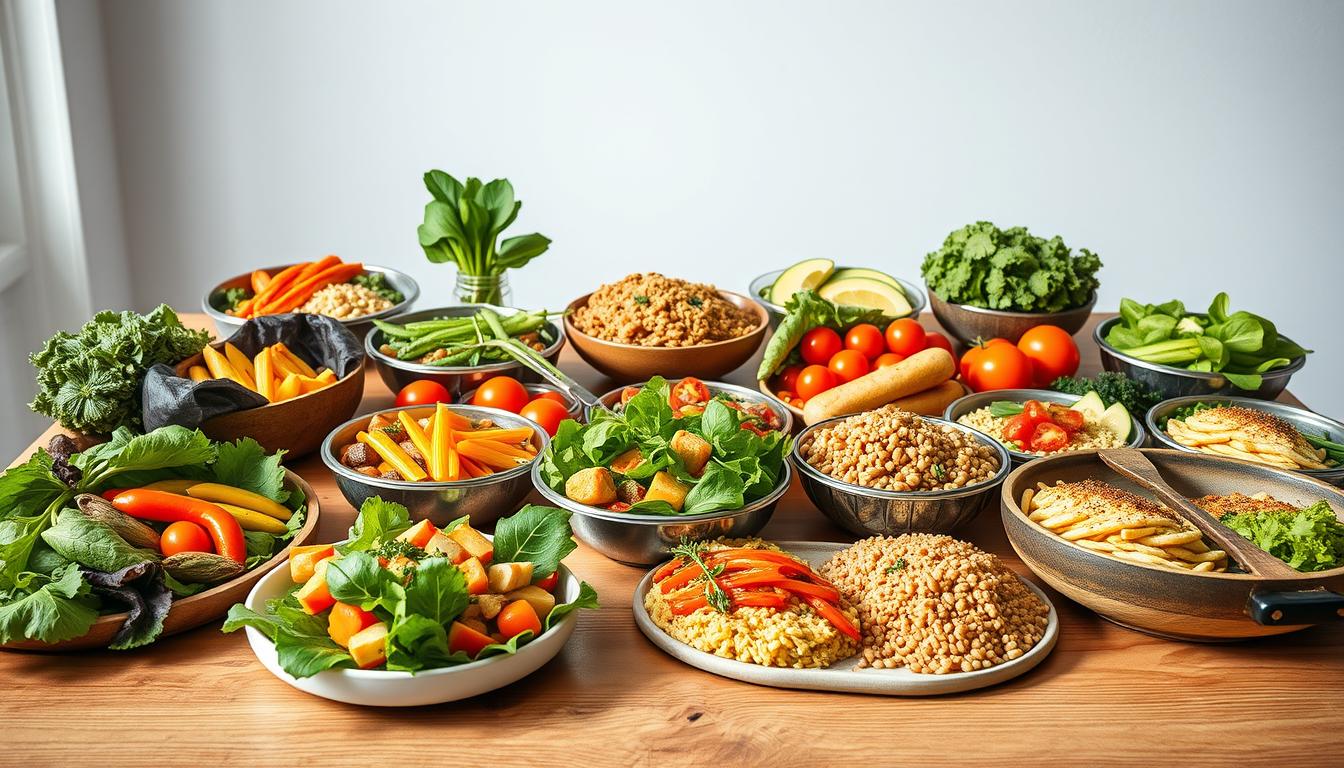
Planning your meals can boost fat loss and keep your energy up. This template uses thermogenic foods, protein-rich ingredients, and carb cycling. It turns your pantry into a fat-burning machine.
Day 1-3: Metabolic Jumpstart Phase
Start with three days of high-protein, low-carb meals. Each day has 1,500 calories:
- Breakfast: Spinach omelet with avocado + green tea
- Snack: Greek yogurt with chia seeds and raspberries
- Lunch: Grilled salmon over cruciferous veggie slaw
- Dinner: Chili-lime chicken with roasted Brussels sprouts
This phase uses caprylic acid from coconut oil and naringin from grapefruit. It boosts fat burning. Keep carbs low to use up glycogen stores.
Day 4-7: Carb Cycling Implementation
Switch between low-carb (Day 4,6) and moderate-carb (Day 5,7) days. Here’s the plan:
| Day Type | Carb Intake | Key Meal |
|---|---|---|
| Low-Carb | 50-75g | Grass-fed beef stir-fry with zucchini noodles |
| Moderate-Carb | 100-125g | Herb-roasted chicken with sweet potato mash |
Eat more carbs around workouts with quinoa or wild rice. This metabolic confusion keeps you burning fat and preserves muscle.
Grocery List for Weekly Preparation
Buy these 26 items for your fat-burning meals:
- Proteins: Wild salmon, organic chicken, pasture-raised eggs
- Vegetables: Broccoli, kale, bell peppers, asparagus
- Fats: Almonds, EVOO, MCT oil
Stay away from processed sauces and sugary dressings. Chop veggies ahead and cook proteins in bulk. Keep herbs fresh in damp paper towels.
Long-Term Weight Management Strategies
Keeping weight off is not just about quick fixes. It’s about using science-backed systems that grow with you. These strategies include tracking calories, checking progress, and adjusting for changes in your metabolism. Let’s explore three key areas for lasting success.
Maintenance Calorie Calculation Methods
Your maintenance calories change over time. Here are ways to find your ideal number:
- Mifflin-St Jeor Equation: Best for non-athletes, it considers age, weight, and activity level
- TDEE Trackers: Apps like MyFitnessPal track your calorie intake and weight changes over weeks
- Metabolic Testing: VO2 max tests give you a precise idea of how many calories you burn
Adjust your calorie intake by 100-200 calories each week if your weight changes by more than 2 pounds. Eat mindfully, focusing on whole foods that keep you full longer.
Monthly Progress Assessment Techniques
Don’t just rely on the scale. Use these methods to measure your progress:
- Body composition scans (DEXA or bioelectrical impedance)
- Clothing fit assessments using a “benchmark outfit”
- Energy levels tracked in a wellness journal
“Monthly check-ins prevent plateaus—they help you spot trends before setbacks happen.”
Adaptive Thermogenesis Countermeasures
When your metabolism slows down during weight loss, try these:
- Diet Breaks: Take 1-2 weeks at maintenance calories every 3 months
- Reverse Dieting: Slowly increase your calorie intake by 5% each week after dieting
- Strength Training: Build muscle to increase your resting metabolism all day
Support your gut health with prebiotic fibers and fermented foods. They help control hormones related to metabolic adaptation.
Conclusion
Learning how certain foods affect your metabolism is key to losing fat for good. Foods like wild-caught salmon and coconut oil boost your metabolism. They do this by increasing your body’s heat, balancing hormones, and making you feel full.
Research shows that eating nutrient-rich foods is better than just counting calories. This approach helps you stick to your diet and see better results.
To lose fat, try eating meals around your workouts and manage carbs wisely. Also, eat fermented foods to keep your gut healthy. Studies say that combining good nutrition with enough water and sleep helps burn fat better.
Remember, losing fat is about more than just diet. It’s about working on your whole body.
If you need help, talk to a registered dietitian or nutrition expert. They can make these tips fit your life. Use tools like waist measurements and energy levels to track your progress, not just the scale.
Share your experiences with these foods online. It helps you stay on track and feel supported.