Did you know a tropical plant used for over 3,000 years in traditional healing systems is now backed by modern science for weight management? The Coleus Forskohlii, a mint-family member with serrated leaves and vibrant indigo blooms, holds roots rich in a compound called forskolin. Historical records show healers in India and Nepal prized its aromatic underground stems for balancing bodily functions long before laboratories existed.
This perennial plant thrives in humid climates across South Asia, growing up to three feet tall. Its fleshy roots contain essential oils and active compounds that sparked interest in both traditional and modern medicine. Researchers have identified over 150 bioactive components in the plant, with forskolin emerging as the most studied for its potential metabolic benefits.
What makes this botanical specimen unique is its dual legacy. For centuries, it served as a cornerstone of natural wellness practices. Today, clinical trials explore how its key compound interacts with cellular processes related to fat metabolism. This bridge between historical wisdom and contemporary research offers compelling insights into holistic health strategies.
Key Takeaways
- Traditional healers used Coleus Forskohlii for wellness purposes long before modern scientific validation
- The plant contains forskolin, a compound studied for its potential metabolic effects
- Native to South Asian regions, it features distinct blue flowers and fragrant roots
- Modern research explores connections between historical uses and current health applications
- Over 150 bioactive components have been identified in the plant’s structure
The Ayurvedic Origins of Coleus Forskohlii
Aromatic roots of a tropical mint once fueled traditional healing rituals across South Asia. Known as Indian coleus or False Boldo, this Lamiaceae family member grew wild in regions spanning India to Nepal. Villagers recognized its value long before modern labs analyzed its compounds.

Historical Significance and Traditional Uses
Local healers brewed the plant’s fibrous roots into earthy teas for maintaining bodily balance. Texts from 1,000 BCE describe its use for respiratory support and digestive health. Communities in Thailand and Burma dried leaves for poultices, while Pakistani practitioners combined it with spices for tonics.
Cultural Impact in Ancient Medicine
This botanical resource became embedded in daily life. Families passed down preparation techniques through generations, often singing verses about its properties during harvests. “The land gives what the body needs,” recited Nepali elders while processing roots.
You’ll find its legacy in modern wellness routines too. Contemporary herbalists still use traditional boiling methods to extract beneficial compounds. This bridge between past and present shows how ancient people understood natural medicine centuries before clinical trials.
Unveiling Forskolin: From Ancient Herb to Modern Fat Burner: Forskolin’s Ayurvedic Roots
Hidden within the earthy depths of a tropical plant lies a metabolic key once preserved by traditional harvesters. Modern laboratories now isolate this compound—forskolin—through precision methods that honor its botanical origins while maximizing potency.

Natural Extraction and Active Compound
The journey begins with coleus forskohlii roots, where concentrated bioactive elements reside. Using cold ethanol extraction or supercritical CO₂ methods, technicians carefully separate forskolin (also called Coleonol) from other plant matter. This preserves its lipolytic properties—the ability to help your body break down stored fat.
Researchers discovered that forskolin’s unique structure activates cellular enzymes linked to metabolism. One study notes: “Its diterpene skeleton allows direct interaction with adenylate cyclase, triggering a chain reaction that elevates cyclic AMP levels.” This process essentially tells your system to prioritize energy production over storage.
| Extraction Method | Efficiency | Compound Preservation |
|---|---|---|
| Cold Ethanol | 85-90% Yield | High Stability |
| Supercritical CO₂ | 92-95% Yield | Optimal Purity |
| Traditional Water | 40-50% Yield | Variable Results |
Modern techniques outperform ancestral practices in consistency but build on centuries of observational wisdom. Standardized extracts now deliver up to 95% pure forskolin, compared to variable concentrations in raw root preparations. This ensures you receive a measurable dose with each supplement.
By stimulating basal metabolic rate, this compound helps your cells convert stored energy into usable fuel. It’s not magic—it’s biochemistry refined through both time and technology.
How Forskolin Boosts Metabolism and Aids Fat Burning
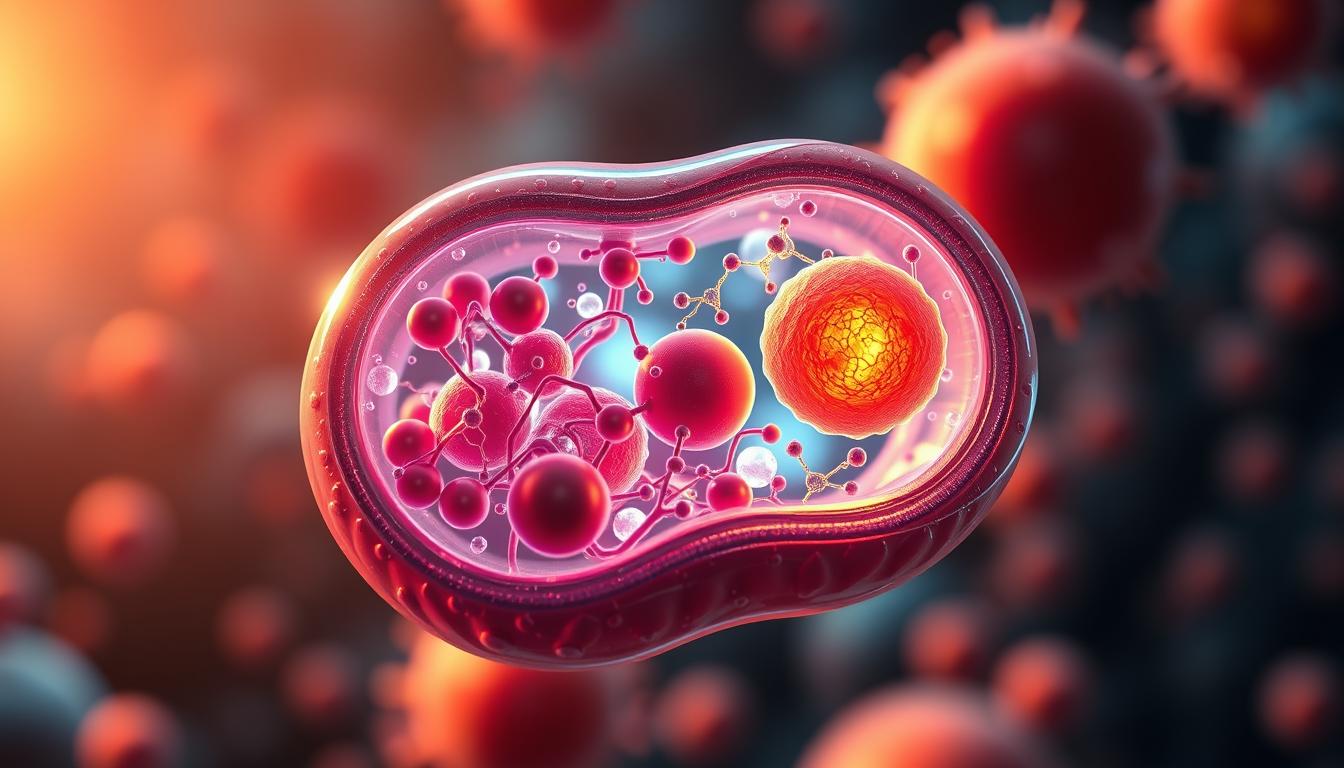
Imagine your cells receiving a biochemical signal to release stored energy. This process begins when forskolin interacts with specialized proteins in your body. The compound triggers a domino effect that transforms how your system manages fuel reserves.
Activation of Enzymes and AMPc Role
Your cells contain gatekeeper enzymes called adenylate cyclase. When activated, these proteins boost production of cyclic AMP (cAMP) – a molecular messenger. Elevated cAMP levels act like an alarm clock for fat cells, telling them to start breaking down stored lipids.
Research shows this messenger:
- Enhances communication between cells
- Accelerates metabolic reactions
- Prepares fatty acids for energy conversion
Mechanisms Behind Lipolytic Action
The real magic happens when cAMP activates lipase – the enzyme that unlocks stored fat. This biological key separates triglycerides into usable fatty acids. Once liberated, these compounds enter your bloodstream as potential fuel.
Your muscles and organs then burn these mobilized resources during activity. This dual action – releasing and utilizing energy – creates sustainable weight loss support. Combined with proper nutrition, it helps maintain metabolic efficiency without drastic measures.
While not a standalone solution, this process demonstrates how targeted energy management works at cellular levels. Understanding these mechanisms empowers smarter choices in health routines.
Scientific Studies and Evidence on Forskolin for Weight Loss
What does peer-reviewed research reveal about this plant-derived compound’s effectiveness? Clinical trials present conflicting outcomes, making it crucial to analyze specific study designs and participant profiles.

Key Research Findings from Human and Animal Studies
A 12-week trial with 23 overweight women showed daily supplement use didn’t help participants lose weight. However, it appeared to stabilize weight fluctuations during the study period. Researchers noted: “While not reducing mass, it may prevent progressive gain in certain populations.”
Male-focused studies tell a different story. Overweight men in a 2005 trial experienced reduced body fat while maintaining muscle mass – critical for metabolic health. Yet a 2015 replication with similar participants found no weight loss differences between groups taking forskolin or placebos.
These contradictions highlight how biological factors influence results. One consistent finding emerges: testosterone levels rose significantly in male subjects across multiple studies. This hormonal effect could explain why outcomes vary between genders.
When considering these findings, remember that weight management involves multiple systems. The compound might support specific aspects like fat mobilization rather than causing dramatic scale changes. Always consult healthcare providers before starting new supplements.
Exploring Additional Health Benefits of Forskolin
While weight management often takes center stage, this plant-based compound offers diverse health benefits that impact multiple bodily systems. Its ability to influence cellular processes creates ripple effects beyond metabolism.
Anti-inflammatory and Cardiovascular Effects
The extract demonstrates potent anti-inflammatory effects, potentially calming systemic inflammation linked to chronic conditions. This action stems from its ability to regulate immune responses at the molecular level.
For heart health, the compound acts as a natural vasodilator. By relaxing blood vessel walls, it helps maintain healthy blood pressure levels. Studies suggest it may also:
- Reduce platelet stickiness, lowering clot risks
- Improve circulation through widened arteries
- Support balanced cardiac rhythm patterns
Research highlights its impact on cAMP – a cellular messenger crucial for heart muscle function. Elevated cAMP levels strengthen contractions while regulating pulse rates, creating dual cardiovascular benefits.
Emerging data shows the supplement might improve insulin sensitivity, particularly for those managing blood sugar concerns. Its bronchodilating properties could aid respiratory function, and early trials note potential applications for ocular pressure reduction.
Potential Risks and Contraindications of Forskolin
While natural supplements offer potential benefits, understanding their safety profile is crucial for informed decisions. Even well-tolerated options may pose risks for certain individuals or under specific health conditions.
Who Should Avoid This Supplement
The extract isn’t suitable for everyone. Those with known allergies to Coleus forskohlii or its components should avoid it entirely. Medical professionals also advise against use during pregnancy due to insufficient safety data.
Individuals with active gastrointestinal ulcers or chronic stomach acidity may experience worsened symptoms. The compound stimulates acid production, potentially aggravating these conditions. People managing low blood pressure, thyroid disorders, or cardiovascular disorders should consult healthcare providers before use.
Common Side Effects and Safety Considerations
Some users report temporary digestive discomfort like loose stools or diarrhea. This occurs because the supplement increases gastric acid levels, accelerating bowel activity.
Less frequently, skin irritations or sleep pattern changes may develop. To minimize risks, start with low doses and monitor your body’s response. Always discuss new supplements with your healthcare provider, particularly with pre-existing conditions or medications.