Did you know campers burn 48% more calories per hour than gym-goers? A recent study found that uneven terrain and outdoor tasks like pitching tents or gathering firewood activate muscle groups most treadmills never touch. This isn’t just exercise – it’s adventure-driven fitness.
Nature transforms workouts into discoveries. Hiking trails become calorie-burning scavenger hunts, while setting up camp works your core better than crunches. Research shows outdoor activities boost metabolism 20% longer than indoor routines, thanks to fresh air and changing elevations.
You don’t need to be Bear Gryllis to start. Simple strategies like packing lightweight gear or choosing trails with gradual inclines make camping for weight loss accessible. Proper preparation – from hydration packs to nutrient-dense snacks – turns weekend trips into sustainable fitness journeys.
Key Takeaways
- Outdoor activities burn calories 48% faster than gym sessions
- Natural terrain engages overlooked muscle groups
- Metabolism stays elevated longer after wilderness workouts
- Essential gear choices simplify fitness-focused camping
- Gradual trail difficulty progression prevents burnout
Why Outdoor Activities Are Effective for Weight Loss
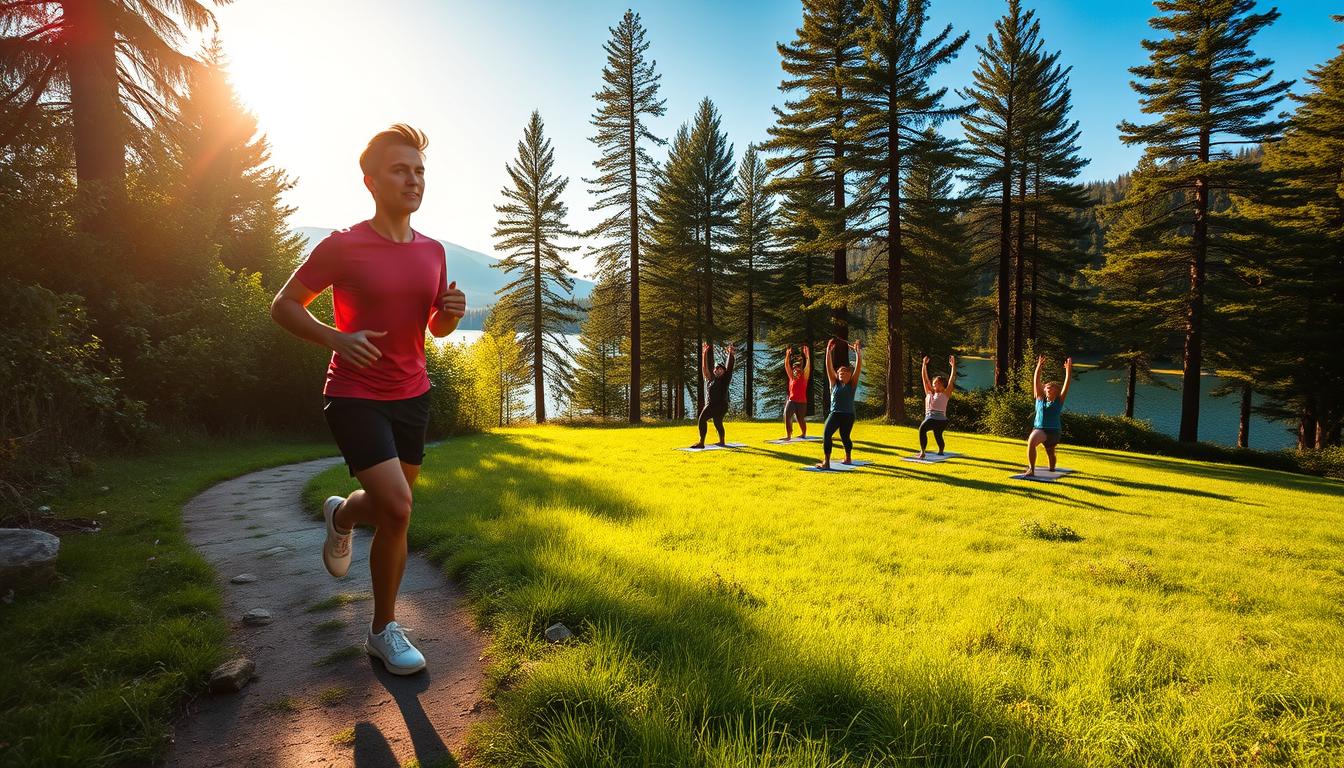
Nature is more than just beautiful views. It’s a scientifically proven way to boost fitness. Unlike the same old gym routines, outdoor activities challenge your body in new ways. They also refresh your mind.
Let’s look at how fresh air and uneven terrain help you lose weight.
The Science Behind Nature’s Gym
How Terrain Variation Boosts Calorie Burn
Walking on trails works 28% more muscles than treadmill workouts, research shows. Climbing uphill burns calories 2-3 times faster than walking on flat ground. Rocky paths also improve balance and engage your core.
Every step on uneven ground is a full-body workout. It keeps your routine exciting and effective.
Fresh Air’s Impact on Metabolic Rate
Breathing in oxygen-rich air boosts cellular energy by up to 20% (Source 3). This makes your body burn food more efficiently, which is great for long activities like hiking. Plus, cooler outdoor temperatures help your body burn more calories to stay warm.
Mental Health Benefits That Support Weight Loss
Stress Reduction and Cortisol Management
Nature reduces stress hormones 34% faster than city life, a University of Michigan study found. High cortisol levels can make you store fat around your midsection. But, calming outdoor activities can help break this cycle.
Morning sunlight also helps regulate your body’s internal clock. This improves hormone balance.
Improved Sleep Quality for Recovery
REI’s studies on wilderness sleep show campers sleep 46 more minutes deeply each night than at home. Good sleep repairs muscles and controls hunger hormones. This makes outdoor adventures a key camping health benefit for losing weight.
Outdoor activities challenge your body and calm your mind. This combo boosts calorie burn and keeps you motivated. It’s a winning strategy for losing weight.
From Couch to Campsite: A Beginner’s Guide to Losing Weight Outdoors
Changing from a sedentary life to outdoor adventures needs a smart plan. It must respect your body’s limits while embracing nature’s challenges. This beginner’s guide outdoors offers ways to build confidence and skill under the sky.
Understanding the Couch-to-Campsite Philosophy
This approach mixes learning new skills with nature’s rhythms. It makes fitness feel like an adventure, not a chore.
Gradual Progression Principles
Begin with 15-minute walks around your neighborhood, three times a week. Then, add 10% more distance each week. “The land teaches patience,” says John Reynolds, an outdoors expert. Week 1-2: Walk on flat ground | Week 3-4: Try gentle slopes | Month 2: Hike full trails
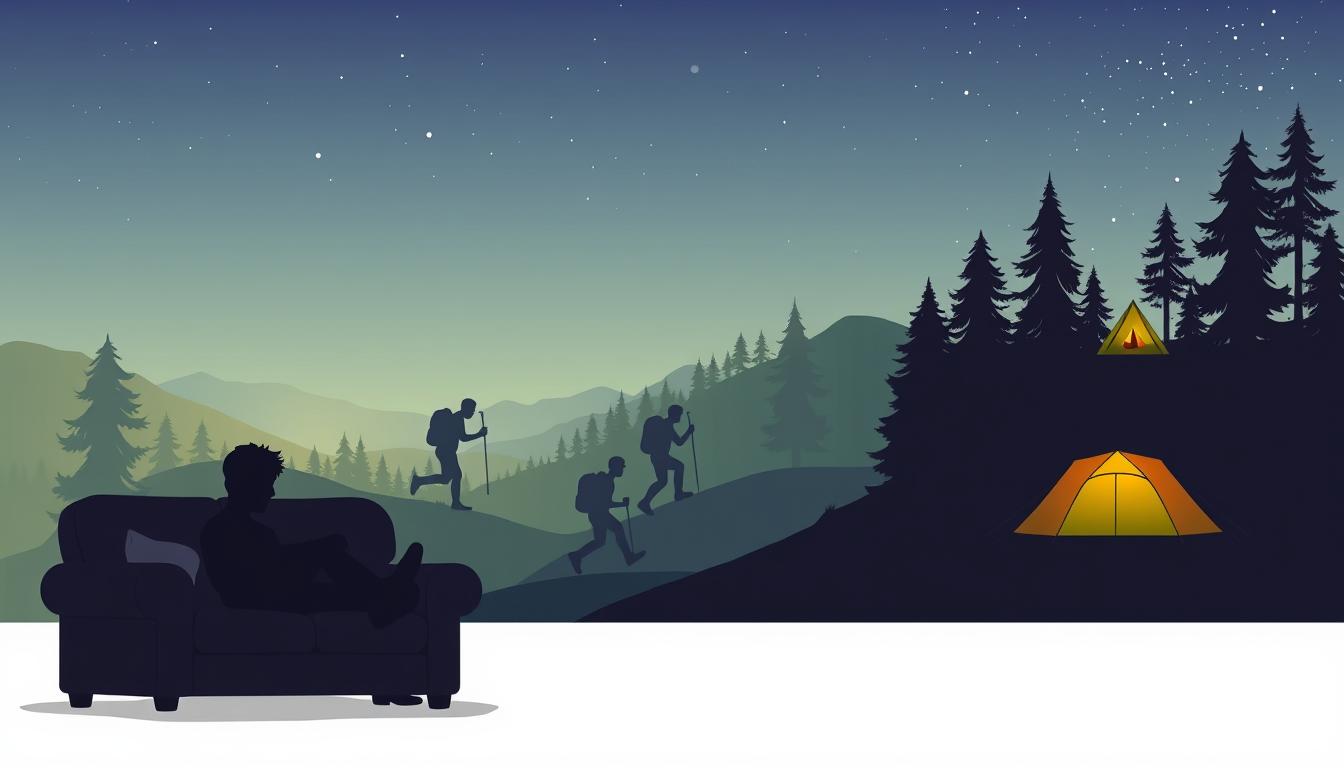
Match your workouts with daylight and seasons. Morning hikes boost your metabolism. Evening walks help with recovery. Use moon phases to plan rest days when it’s dark.
Setting Realistic Outdoor Fitness Goals
Good goals are realistic and respect your body’s limits. Use your surroundings to motivate and measure your progress.
SMART Goal Framework for Beginners
- Specific: “Hike the 2-mile Pine Ridge Loop”
- Measurable: Use trail markers to track elevation
- Achievable: Start with flat trails
- Relevant: Choose places that make you happy
- Time-bound: “Finish by Labor Day weekend”
Weight Loss vs. Fitness Milestones
| Metric | Weight Loss Focus | Fitness Focus |
|---|---|---|
| Primary Target | Pounds lost | Miles completed |
| Tracking Method | Weekly weigh-ins | Trail journal entries |
| Success Milestone | 5% body weight reduction | First 5-mile hike |
Combine your camping workout routine with healthy eating. Choose nuts over chips and drink infused water instead of soda. Remember, losing weight outdoors is about steady effort, not extreme actions.
Assessing Your Current Fitness Level
Before you start hiking, it’s important to know your physical fitness level. This ensures a safe and effective transition to outdoor exercise. It also helps tailor activities to your abilities and prevents injuries.
Basic Fitness Tests for Outdoor Readiness
Start with a 30-minute walk evaluation on flat terrain. Pay attention to your heart rate recovery time and how hard you feel you’re working. If you finish without feeling too tired, you’re ready for beginner trails. If you struggle, start with daily walks around your neighborhood to build up your endurance.
Bodyweight Exercise Benchmarks
These exercises can help predict how well you’ll handle uneven terrain:
| Exercise | Beginner Goal | Intermediate Goal | Trail Readiness Correlation |
|---|---|---|---|
| Push-Ups | 5 reps | 15 reps | Upper body strength for backpacking |
| Plank Hold | 20 seconds | 60 seconds | Core stability for balance |
| Step-Ups | 10/minute | 25/minute | Leg endurance for elevation changes |
Medical Considerations for Outdoor Exercise
When to Consult Your Physician
If you have heart conditions, joint issues, or asthma, get medical advice. Doctors can suggest safe activities and protocols for your outdoor fitness guide journey.
Allergy and Terrain Precautions
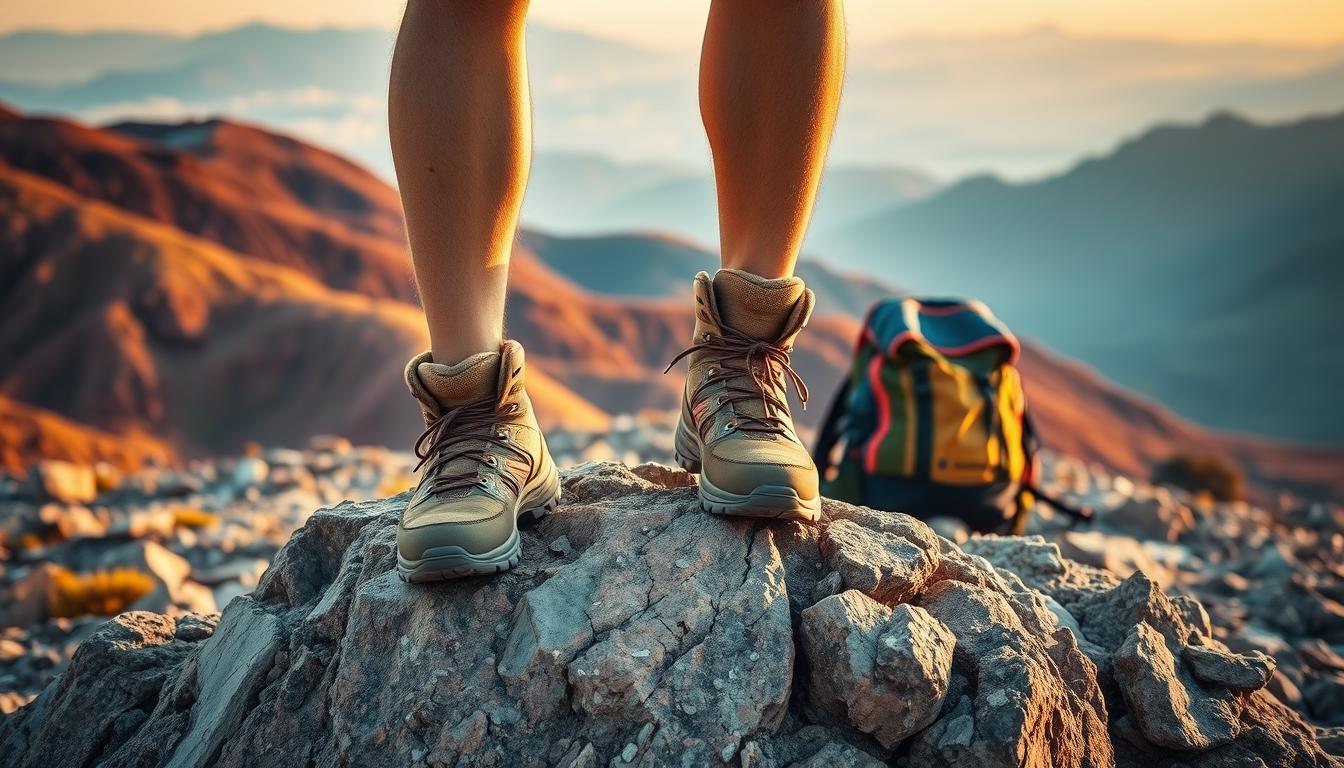
Carry antihistamines if you have pollen allergies. Check the terrain of your campsite. Rocky paths need better balance than packed dirt trails. Wear proper hiking boots with ankle support to reduce injury risks on uneven ground.
Essential Gear for Outdoor Weight Loss Adventures
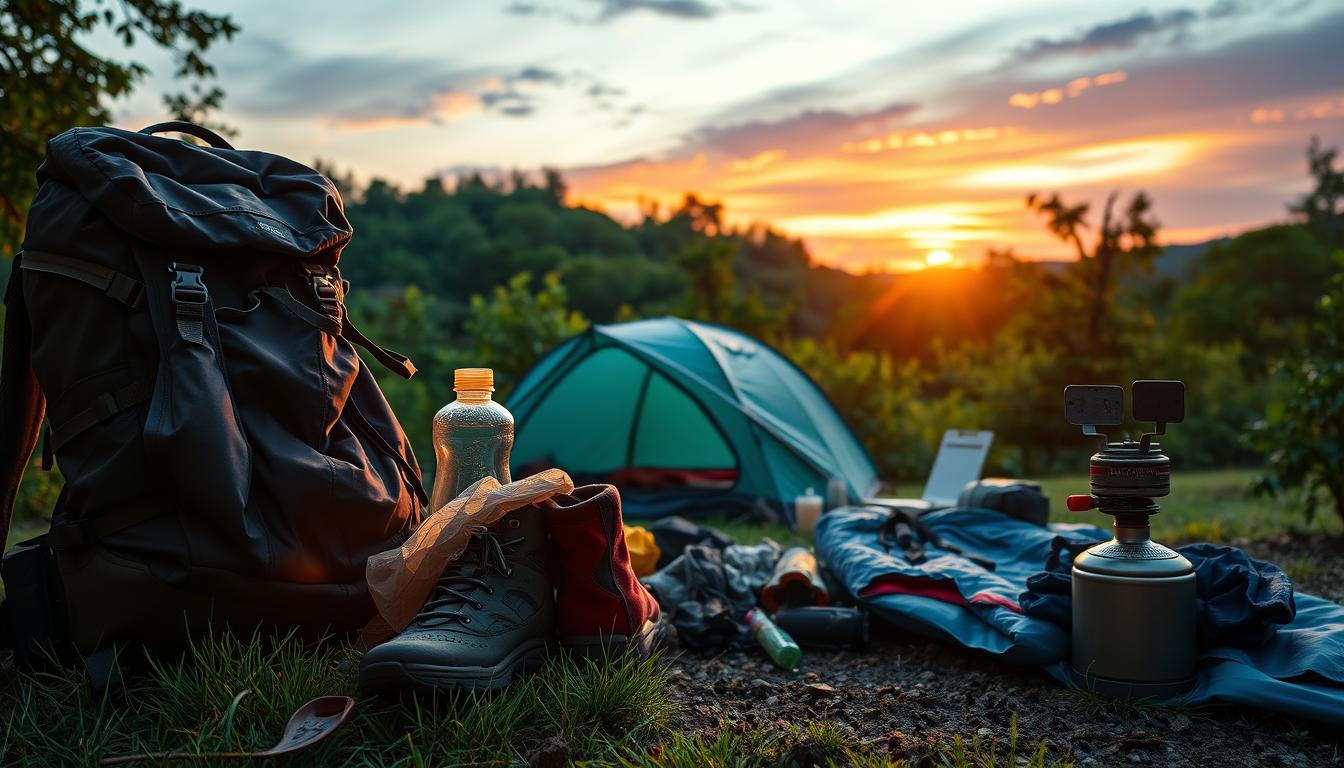
Choosing the right gear makes your outdoor weight loss journey fun. It keeps you safe, comfy, and motivated. Plus, it helps you burn calories in nature.
Footwear That Supports Your Journey
Your shoes are key to a successful hike. They can make or break your adventure. Think about these points when picking between hiking shoes and trail runners:
Hiking shoe vs. trail runner comparison
| Hiking Shoes | Trail Runners | |
|---|---|---|
| Weight | Heavier (14-20 oz) | Lighter (8-12 oz) |
| Support | Ankle protection | Flexible midsoles |
| Best For | Rugged terrain | Fast-paced hikes |
Breaking-in techniques for new boots
- Wear them during evening walks for 30-minute sessions
- Use merino wool socks to prevent friction
- Flex soles manually to soften stiff areas
Weather-Appropriate Clothing Systems
Dress in layers like an onion. This lets you adjust to changing weather while staying comfy and burning calories.
Layering for different climates
The three-layer rule works everywhere:
- Base layer: Merino wool or synthetic top
- Insulation: Fleece or down jacket
- Shell: Waterproof breathable outer layer
Moisture-wicking fabric essentials
Stay away from cotton. Go for polyester blends or Smartwool®. They:
- Pull sweat away from skin
- Dry 3x faster than cotton
- Resist odor for multi-day trips
Camping Equipment for Weight-Conscious Beginners
Light gear means you can hike farther. You’ll burn more calories without feeling weighed down.
Lightweight tent selection criteria
The North Face Wawona (6 lbs) is great for car camping. Winfields’ Featherlite (3.2 lbs) is better for backpackers. Look for:
- Aluminum poles over fiberglass
- Silnylon fabric instead of canvas
Sleeping bag temperature ratings
A 20°F bag is good for most seasons. Use it with a foam pad (R-value 3+) to keep warm at night.
Building Your Pre-Camping Fitness Foundation
Before you head out, get your body ready for the outdoors. Mix home exercises with neighborhood walks to boost endurance and stability. This prep helps you tackle uneven terrain and elevation changes.
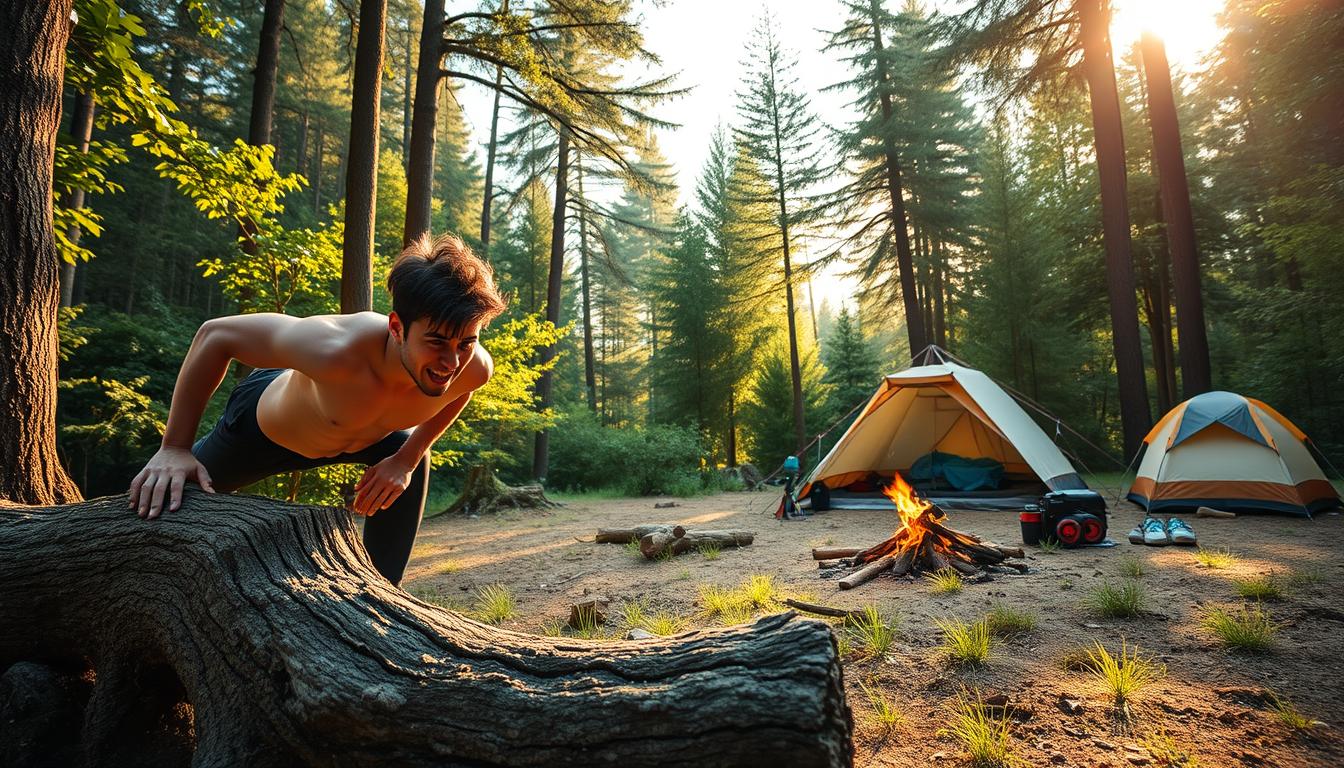
Home Exercises for Trail Readiness
Stair climbing workouts strengthen your legs like hiking uphill. Start with 5-minute sessions on your stairs or a park bleacher. Use a backpack with water bottles to add weight, starting with 10% of your body weight.
Balance training techniques
- Single-leg stands (hold for 30 seconds per side)
- Bosu ball squats (3 sets of 12 reps)
- Tightrope walks (use a 6-foot line on the floor)
| Exercise | Frequency | Progression Tip |
|---|---|---|
| Stair climbs | 3x/week | Add 1 floor weekly |
| Balance drills | Daily | Close eyes during stands |
Neighborhood Walking Progressions
“Consistent walking builds trail stamina better than sporadic intense workouts.”
Increasing distance gradually
Here’s a 4-week walking plan for streets near your home:
- Week 1: 1-mile flat routes
- Week 2: 1.5-mile loops
- Week 3: 2 miles with light slopes
- Week 4: 2.5-mile mixed terrain
Incorporating elevation changes
| Week | Hill Repeats | Gear Recommendation |
|---|---|---|
| 1-2 | 2 gentle slopes | Basic trail shoes |
| 3-4 | 4 moderate inclines | Winfields 60L pack (10 lbs) |
Remember to stay hydrated and take rest days. Your journey to camping success begins at your front door.
Choosing Your First Camping Destination
Your first outdoor fitness adventure begins with picking the right spot. State parks and car-friendly campsites are perfect for beginner camping weight loss. They offer easy access and a deep connection with nature.
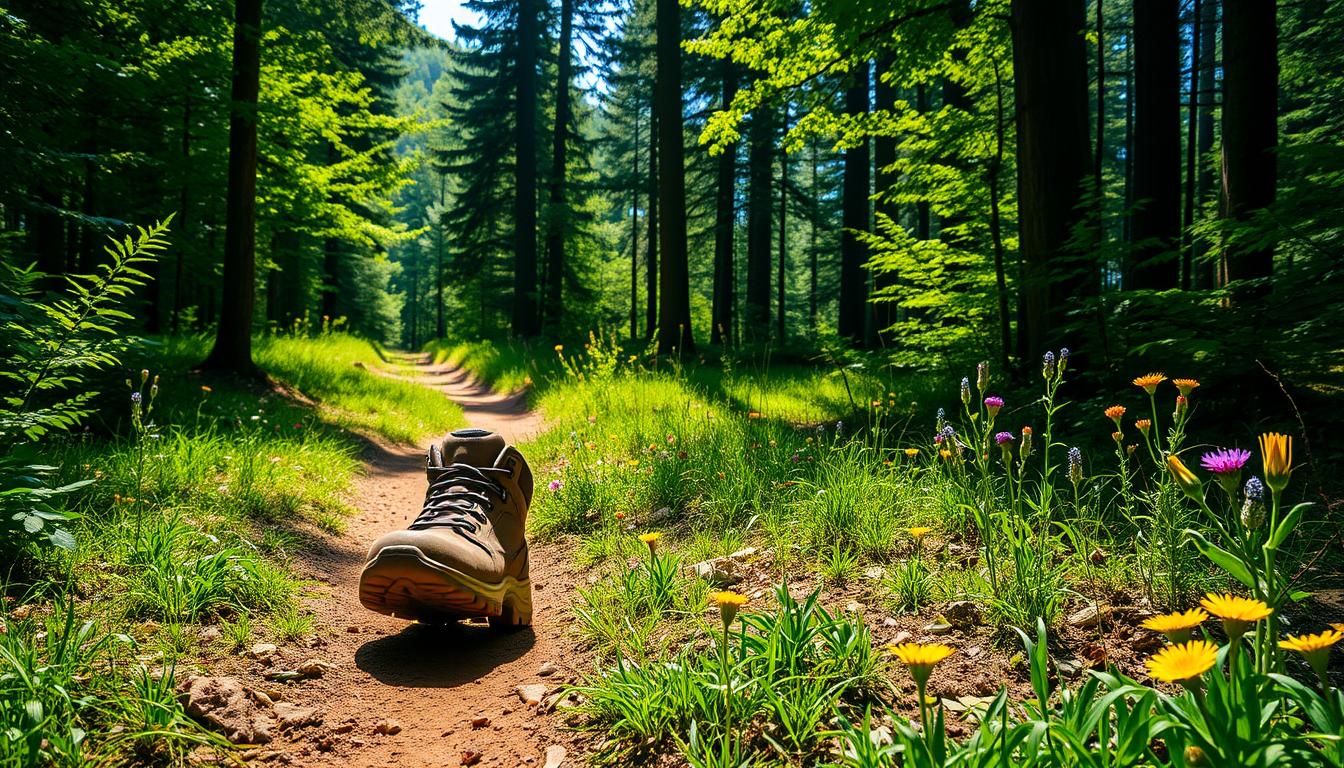
State Park Options for Beginners
National and state parks are great for new campers. Look for these features to ensure safety and comfort:
Amenities to Look For
- Drinking water stations within 1 mile of campsites
- Maintained restrooms with sanitation facilities
- Ranger stations for trail updates
Trail Difficulty Ratings Explained
Trails have ratings to match your fitness level:
- Class 1: Flat paths for casual walks
- Class 2: Gentle slopes for basic endurance
- Class 3: Steeper paths needing sturdy shoes
Car Camping vs. Backcountry Basics
| Feature | Car Camping | Backcountry |
|---|---|---|
| Resource Access | Stores within 15 minutes | Self-sufficient only |
| Setup Time | Under 30 minutes | 1-2 hours |
| Emergency Support | Ranger patrols daily | Self-rescue required |
Proximity to Resources Comparison
Car camping sites near towns offer fresh meals and camping health benefits. Backcountry sites require carrying all supplies, boosting calorie burn.
Safety Considerations for Solo Trips
- Share itinerary with two emergency contacts
- Carry whistle and signal mirror
- Choose cell-service areas for first outings
Experts at Recreation.gov suggest starting with campgrounds for beginner camping weight loss. These offer guided hikes and nutrition workshops, boosting camping health benefits with support.
Calorie-Burning Outdoor Activities for Beginners
Fresh air and nature offer more than just views. They help you lose weight in a healthy way. These activities are easy to start and don’t hurt your body too much.
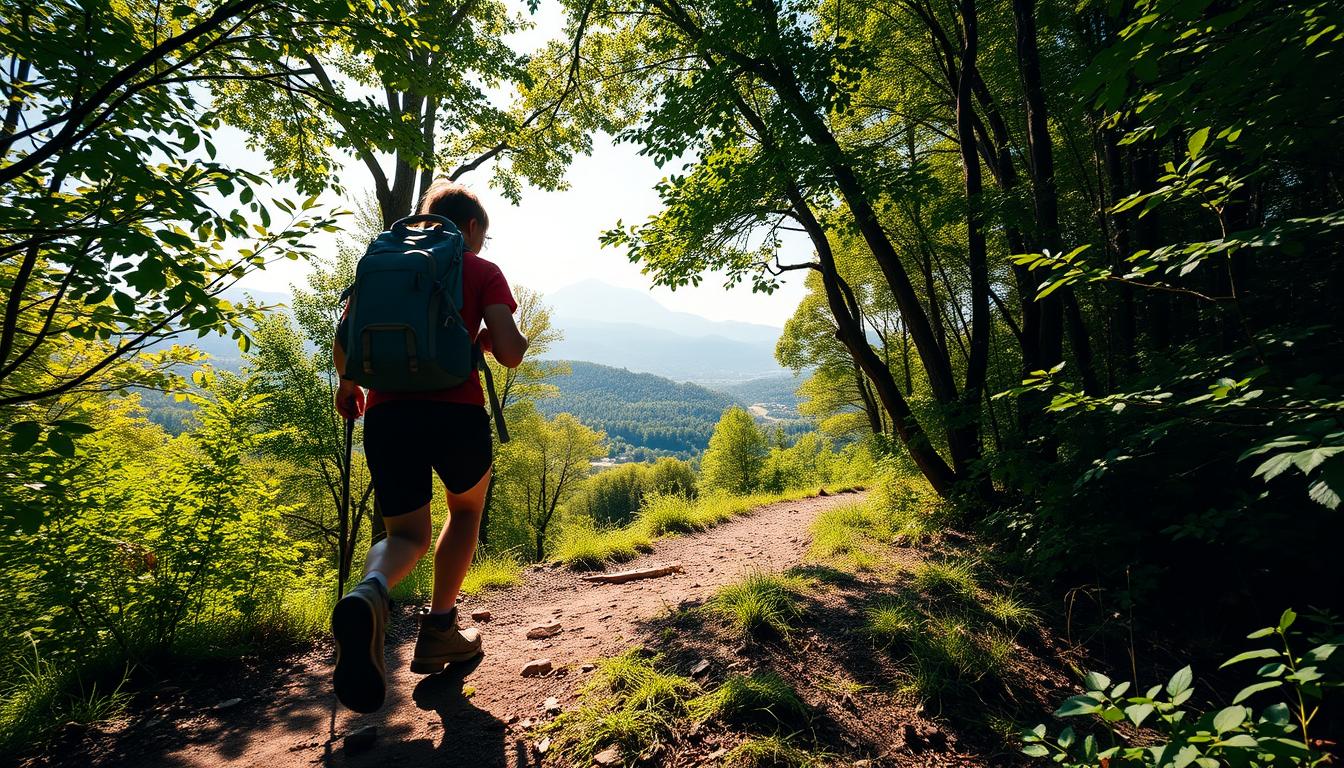
Low-Impact Hiking Techniques
Turn walks into workouts with the right steps. Good technique burns 400-550 calories an hour and keeps your joints safe.
Pole Usage for Full-Body Engagement
Trekking poles make hiking work your upper body. Here’s how to use them:
- Adjust poles to 90-degree elbow angle
- Push through palm grips, not just wrists
- Alternate arm movements with opposite legs
This method burns 20% more calories than hiking without poles, studies show.
Pacing Strategies for Endurance
Stay energized on your hike with these tips:
| Terrain Type | Ideal Pace | Calorie Burn/Hour |
|---|---|---|
| Flat trails | 3 mph | 350-400 |
| Moderate hills | 2 mph | 450-500 |
| Steep inclines | 1.5 mph | 550-600 |
Water-Based Weight Loss Activities
Aquatic exercises offer natural resistance and keep you cool. Kayaking burns 300-400 calories an hour, like jogging.
Kayaking Stroke Efficiency Tips
Improve your paddle power with these tips:
- Rotate torso instead of just using arms
- Keep paddle blade vertical during strokes
- Maintain 45-degree paddle angle
Cold Water Safety Protocols
Always be safe in water:
- Check weather forecasts before departure
- Wear Coast Guard-approved life jackets
- Use waterproof gear like Biolite headlamps
Match these activities with meals of 300-400 calories for best energy. Dehydrated meals like Wayfayrer are light and nutritious.
Creating a Balanced Camping Meal Plan
Planning meals for camping for weight loss is key. It’s about choosing foods that are nutritious and easy to carry. This way, you stay energized and avoid hunger on the trail.

Portable Protein Sources
Protein is important for keeping muscles strong during outdoor activities. It also helps you feel full. Look for protein-rich foods that are easy to pack in bear-resistant containers.
Dehydrated Meal Comparisons
Ready-made adventure meals are great for busy campers. But, making your own meals can be healthier. Think about these points when deciding:
| Type | Calories | Sodium (mg) | Prep Time |
|---|---|---|---|
| Adventure Food® Chicken Curry | 520 | 980 | 5 minutes |
| Homemade Turkey Chili | 480 | 420 | 90 minutes |
Nut-Dense Trail Mix Formulas
Make your own trail mix with a healthy mix:
- 60% raw almonds/walnuts
- 30% pumpkin/sunflower seeds
- 10% dark chocolate chips
Divide it into ¼-cup servings to control your portions.
Smart Carbohydrate Selection
Opt for carbs that give you energy over time. This is good for hiking and camp tasks.
Whole Grain Options for Sustained Energy
Whole grains are better than refined ones:
- Quinoa cups (add hot water)
- Oatmeal packets with chia seeds
- Whole grain tortillas
Fruit Preservation Methods
Keep fruits fresh and sweet:
- Dehydrate apple slices with cinnamon
- Pack single-serve peanut butter with freeze-dried berries
- Use honey sticks instead of sugary syrups
Keep all scented items in bear canisters 100+ feet from your tent. This is important for safety and outdoor fitness guide success.
Hydration Strategies for Outdoor Workouts
Staying hydrated makes outdoor workouts fun and energizing. It helps burn calories more efficiently and supports camping health benefits. This is key for losing weight in nature.
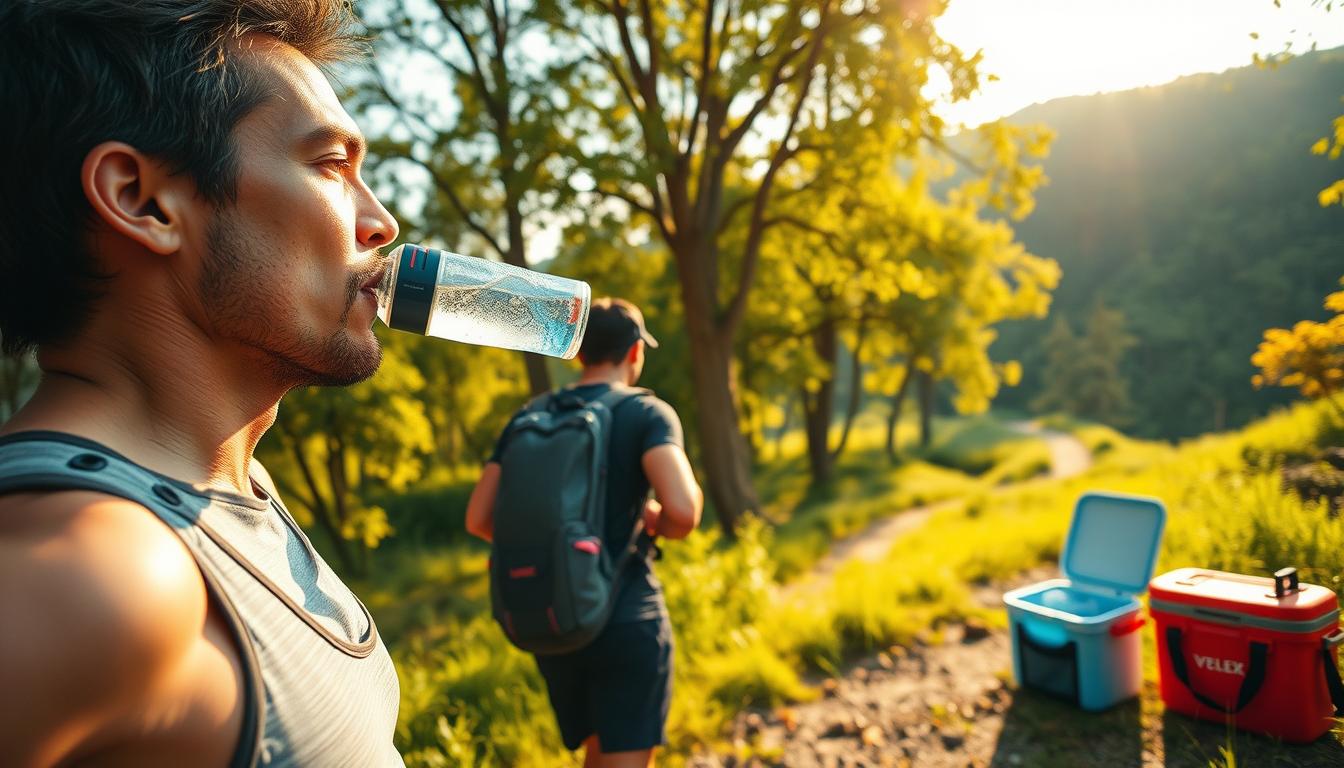
Water Carrying Solutions
Decide between hydration bladders and collapsible bottles based on your workout. CamelBak reservoirs are great for hands-free drinking on hikes. Sea to Summit’s foldable bottles are perfect for saving space on kayaking trips.
Hydration Bladder Maintenance
- Rinse with baking soda weekly to prevent mold
- Air-dry tubes completely before storage
- Replace bite valves every 6 months
Water Purification Tablet Usage
- Treat 1 liter with 1 tablet (wait 30 minutes)
- Use citrus-flavored tabs to mask chemical taste
- Carry extras for unexpected water sources
Electrolyte Management Techniques
Keep your electrolytes balanced without sugary drinks. For a 2-hour hike, aim to replace 500mg of sodium. Here are some ways to do it:
Natural vs. Commercial Supplements
- Natural: Coconut water + pinch of sea salt
- Commercial: Nuun tablets dissolved in 16oz water
Recovery Drink Recipes
- Post-hike refresher: 8oz water + 1 tsp honey + 1/4 tsp salt
- Berry recovery mix: Frozen blueberries + almond milk + chia seeds
Drink 4-6 ounces of water every 20 minutes while active. These outdoor weight loss tips help you stay energized without extra weight.
Tracking Progress Without Technology
Nature has everything you need to measure fitness gains outdoors – no screens needed. Smartwatches track steps and heart rate, but analog methods help you connect with your body and surroundings more deeply. These timeless techniques build awareness that tech-free campers have relied on for generations.
Nature’s Built-In Metrics
Landmark-Based Distance Tracking
Use trail features as personal milestones. Time how long it takes to hike between three pine trees or two creek crossings. Compare these intervals weekly – shorter travel times mean improved endurance. For beginners, this method makes progress tangible without complex calculations.
Perceived Exertion Scale
Rate workouts using this simple system:
- 1: Leisurely stroll
- 3: Steady breathing, can hold conversation
- 5: Labored breathing, short sentences
- 7: Maximum effort, single-word responses
Aim to complete identical trails at lower exertion levels over time. This approach aligns with your body’s signals better than generic calorie estimates.
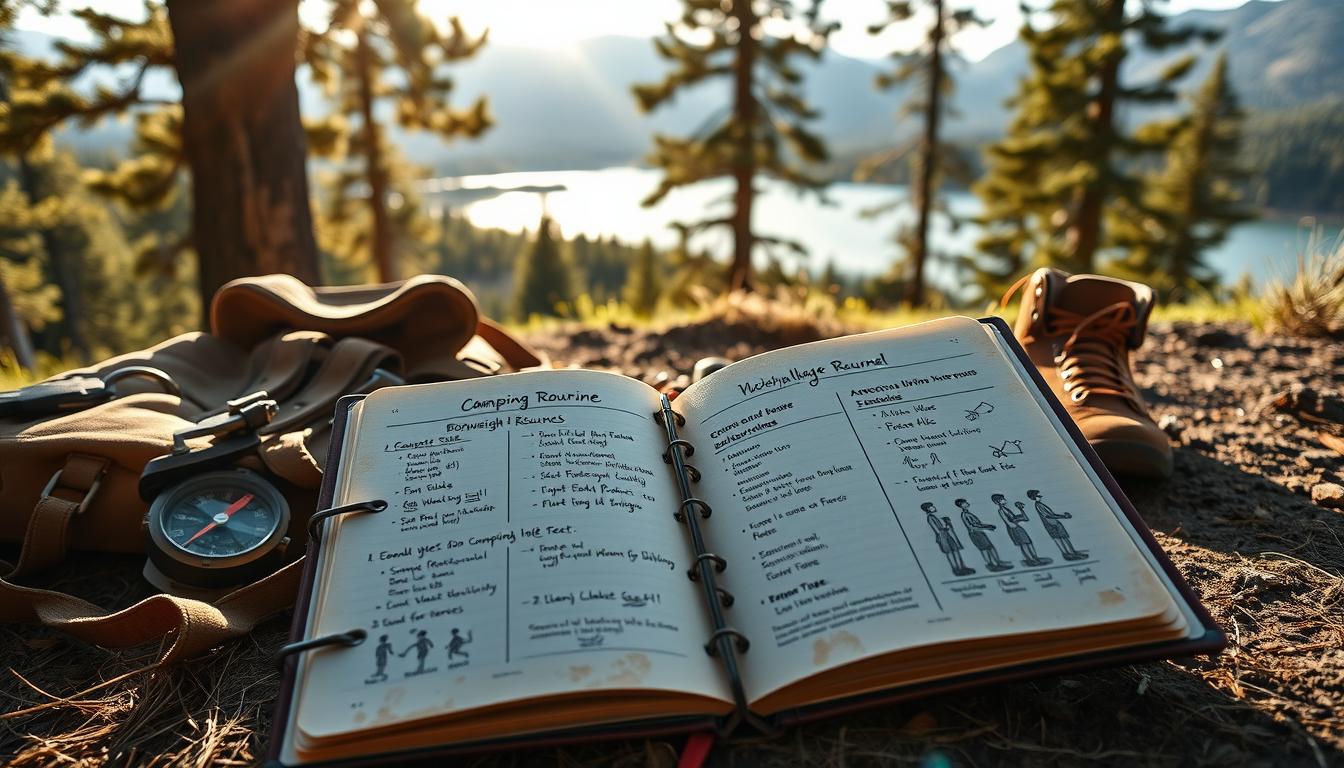
The Power of Pen and Paper
Camp Logbook Templates
Create a durable field journal using these sections:
- Pre-hike energy level (1-5 stars)
- Landmarks passed
- Post-activity mood drawing
Waterproof notebooks work best for recording data between rain showers or lake dips.
Motivational Reflection Prompts
Answer these questions nightly to stay focused:
- What natural feature challenged me today?
- How did my body feel compared to last week?
- What scenery made the effort worthwhile?
Reviewing entries helps spot patterns in your beginner’s guide outdoors journey. Many campers find handwritten notes reveal insights apps often miss.
These low-tech strategies turn every trail into a personalized fitness lab. You’ll develop sharper observation skills while building a camping workout routine that grows with your abilities.
Overcoming Common Outdoor Fitness Challenges
Nature can be unpredictable, but with the right prep, you can turn challenges into chances. Whether it’s sudden storms or wildlife, these tips will help you stay safe and keep your fitness journey going.
Weather Adaptation Strategies
Don’t let the weather stop you. Being flexible is key to enjoying outdoor workouts all year round.
Rainy Day Workout Alternatives
When it rains, find indoor activities like bodyweight exercises under a canopy. Or try resistance band training in your tent. Use waterproof gear like REI’s emergency blankets for quick hikes. Pro tip: Wear quick-dry clothes with a breathable rain jacket to stay dry.
Heat Acclimation Techniques
Work out early when it’s cooler. Drink water with electrolyte tablets. Wear moisture-wicking clothes to stay cool. Watch for signs of heat exhaustion and rest in the shade.
Wildlife Encounter Protocols
Respecting wildlife keeps you and them safe. Follow these tips from national park rangers and outdoor experts.
Bear Safety Fundamentals
Always carry bear spray and know how to use it. Make noise on trails to avoid surprises. Store food in bear-resistant containers at least 100 yards from where you sleep.
Insect Protection Methods
Use repellents with 20–30% DEET or picaridin. Treat your clothes with permethrin spray. Check for ticks after hikes. Brands like Sawyer and Ben’s are reliable in wooded areas.
Dealing with outdoor challenges makes you stronger, both physically and mentally. Keep your outdoor fitness guide close. Remember, every challenge you overcome makes you more confident in the wilderness.
Wilderness Safety Basics for New Campers
Going into the wilderness is more than just losing weight—it’s about being safe. Whether you’re hiking to lose pounds or camping, knowing how to handle emergencies is key. Here are two essential skills for beginners.
Navigation Essentials
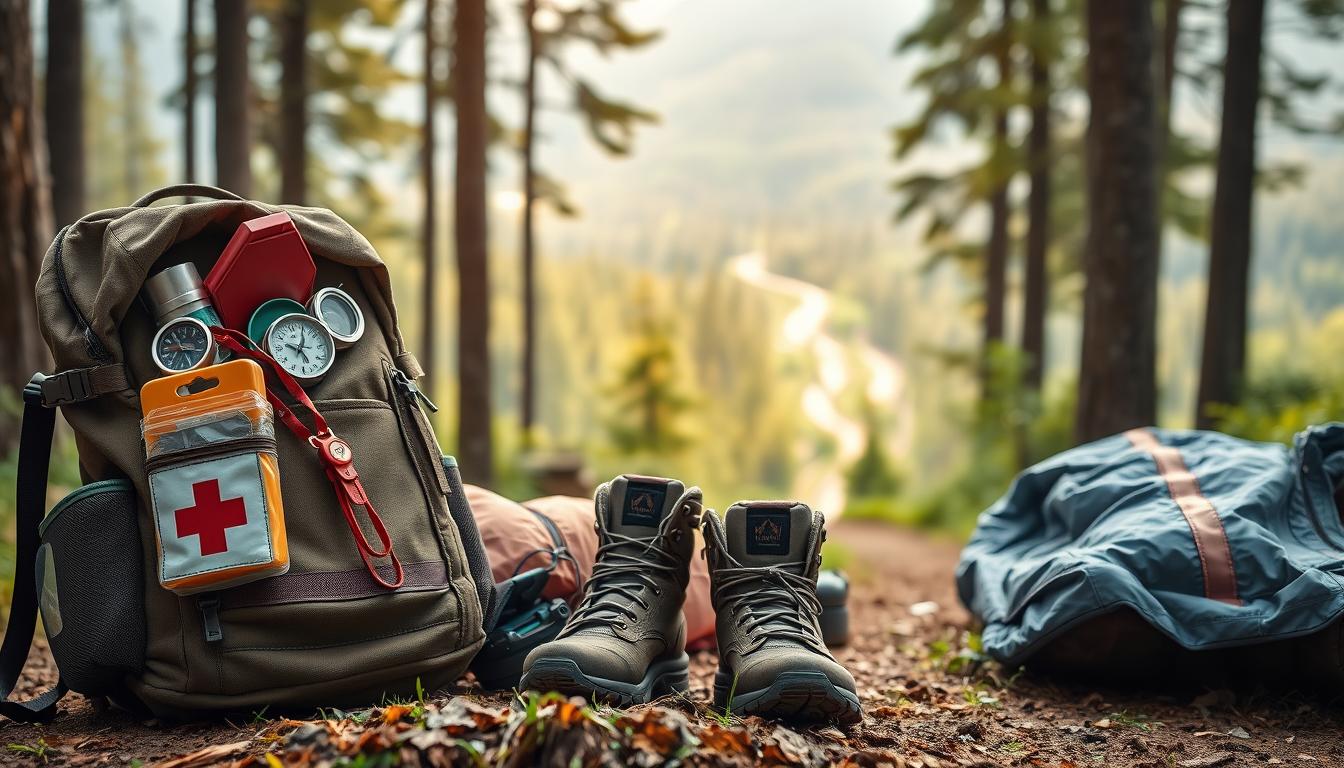
Compass and map reading basics are your outdoor GPS. Always carry a physical map, as digital devices can fail. Learn to align your compass needle with the map’s north indicator.
“A $10 compass could save you $10,000 in rescue costs,” says survival expert Alex Anderson.
Natural Landmark Identification
Use the sun’s position and unique rock formations as guides. Morning shadows fall west, and evening shadows fall east. Mark your path by noting unique trees or boulders every 15 minutes.
This helps prevent getting lost during outdoor weight loss activities.
First Aid Preparedness
Adventure Medical Kits’ Ultralight series is perfect for beginner camping weight loss fans. Customize your kit with these essentials:
- Moleskin blister pads (6+ sheets)
- Compression bandages for sprains
- Antiseptic wipes and tweezers
Blister Prevention and Treatment
Wear moisture-wicking socks and break in boots before your trip. At the first hot spot, apply moleskin in a doughnut shape. Change socks midday to keep your feet dry during outdoor workouts.
Sprain Management in Remote Areas
If you twist an ankle, use the RICE method adapted for wilderness settings:
- Rest on a stable surface
- Ice with a cold water bottle
- Compress with an elastic bandage
- Elevate on your backpack
Carry a Garmin inReach Mini for emergency SOS signals when tackling challenging weight loss trails. Pair it with your smartphone for GPS tracking without heavy battery drain.
Building a Support System for Outdoor Fitness
Creating lasting fitness habits is more than just personal willpower. It thrives on community. For those starting their camping for weight loss journey, having friends who share your passion makes challenges easier to overcome.
Finding Hiking Partners
Local clubs are great for meeting others who love nature. REI’s women-specific excursions and Hipcamp-hosted meetups are perfect for learning new skills and burning calories.
Local outdoor clubs
- Free weekly group hikes at state parks
- Skill-building workshops with certified guides
- Gear rental programs for beginners
Social media groups
- Strava hiking challenges with progress tracking
- Facebook communities for regional trail updates
- Meetup.com camping trips with fitness focuses
Accountability Systems
Staying on track with your beginner’s guide outdoors plan needs clear goals. Use these tips to stay motivated:
Photo journal sharing
- Weekly landscape shots showing increased endurance
- Side-by-side gear comparison photos
- Meal prep snapshots with camping companions
Goal-tracking partnerships
- Shared spreadsheets for mileage targets
- Monthly step-count competitions
- Post-hike reflection voice notes
Remember, every seasoned hiker began where you are. By connecting with local groups and online communities, you build a support system. This makes outdoor fitness a long-term success.
Transitioning to More Advanced Outdoor Activities
When you’re comfortable on trails and know camp life by heart, it’s time to step up your hiking for weight loss game. Aim for higher elevations and longer trips. This keeps things exciting and helps you burn more calories.
Elevation Gain Progressions
Begin with hills that match your skill level. Then, move on to steeper climbs. Remember, every pound you save means 5% less effort on the way up.
Mountain Hiking Preparation
Get your boots ready on local trails before tackling rough terrain. Osprey’s packs help distribute weight, easing back pain on long climbs.
Altitude Sickness Prevention
Acclimatize by spending nights at higher elevations. “Your body needs 1-3 days to adjust for every 1,000-foot gain above 8,000 feet,” says wilderness medic Sarah K. Thompson. Drink plenty of water and watch for signs of sickness.
Multi-Day Trek Fundamentals
Long trips turn nature into your gym. Use 3’s meal resupply tips to pack 1.5 pounds of food each day. Choose calorie-rich foods like nuts and dehydrated meals.
Pack Weight Distribution
- Heaviest items centered near your back
- Frequently used gear in top compartments
- Sleeping bag compressed at the bottom
Resupply Point Planning
Plan routes to pass water sources and towns. For outdoor fitness guide success, resupply every 3-5 days. Use USFS maps to keep your pack light and your nutrition steady.
Conclusion
Nature is more than just beautiful views; it’s a place to get fit. You’ve learned how hiking trails can help you burn calories. Camping also offers health benefits that go beyond just physical changes.
Every step you take from your couch to the campsite makes you stronger. You can learn to hike safely and cook healthy meals outdoors. REI and Winfields Outfitters teach us to focus on progress, not perfection.
Keep track of your outdoor achievements with nature-based measurements and journal entries. These small victories will motivate you for bigger adventures. As the seasons change, you might find yourself ready for longer hikes or kayaking trips.
Are you ready to explore more outdoors? BLUETTI’s solar-powered generators can help you go further while keeping your devices charged. Share your first camping story with #TrailTransformed and see how nature can change your life. The journey ahead is not just about losing weight; it’s about finding inner strength.