When you eat corn flakes or grab canned soup, you might be getting more than just good stuff. The World Health Organization says 1 in 10 people globally get sick from food every year. And that’s just from natural stuff – not counting man-made additives.
Many foods in your pantry hide dangers you can’t see. Mycotoxins in grains are a big problem, affecting 25% of global crops, WHO says. The Environmental Working Group found BPA in 67% of canned foods tested. This chemical messes with hormones.
These toxins sneak into your meals without warning. Long-term exposure to them is linked to diseases like diabetes, heart issues, and weakened immune systems. Even healthy foods like whole-grain bread or organic tomatoes can have toxins if not stored right.
Key Takeaways
- Chronic diseases increasingly linked to long-term toxin exposure
- Grains and canned goods are major contamination sources
- WHO tracks 200+ foodborne hazards globally
- EWG studies reveal widespread synthetic additives
- Cumulative effects matter more than single exposures
- Storage methods impact natural toxin levels
- Label gaps leave consumers unprotected
Why Your Pantry Might Be Hazardous
What if the foods you think are safe are actually harming you? Many pantry items have hidden dangers. This is due to outdated rules and complex science. Let’s explore how common foods can be toxic.
The Illusion of “Safe” Foods
1.1 Regulatory Gaps in Food Safety Standards
Food labels might not be as trustworthy as you think. The FDA lets in additives like propyl paraben (used in baked goods) and azodicarbonamide (found in bread), banned in Europe. Codex Alimentarius updates slowly, leaving us vulnerable to new chemicals.
1.2 Cumulative Exposure Risks
Even small amounts of toxins can be dangerous when combined. A 2023 WHO study found:
- 60% of Americans eat 3+ pesticides daily
- 42% eat too much mercury from fish
- 78% of canned foods contain plasticizers
Bioaccumulation Dynamics
2.1 How Toxins Concentrate in the Food Chain
Small amounts of mercury in water can become dangerous. Here’s a seafood chain example:
| Organism | Mercury Level | Human Impact |
|---|---|---|
| Plankton | 0.001 ppm | Safe |
| Small Fish | 0.1 ppm | Moderate risk |
| Tuna | 1.0 ppm | Dangerous |
2.2 Body Burden Measurement Challenges
Current tests miss 80% of synthetic chemicals, says EWG. Your mercury test doesn’t show:
- Effects of lead from leafy greens
- Interactions with BPA from cans
- Storage in fatty tissues for decades
“No single regulatory framework adequately addresses combined toxin exposure.”
Heavy Metals in Common Staples
Your kitchen staples might carry hidden dangers. These contaminants don’t change how food tastes or looks. But, they quietly build up in your body with every meal. Let’s look at how lead and mercury sneak into our food and what it means for our health.
Lead in Leafy Greens
3.1 Soil Contamination Sources
Spinach and kale can pick up lead from dirty soil. Industrial emissions, old pesticides, and rusty water pipes pollute the land. The Environmental Working Group found 20% of U.S. produce had too much lead in 2022.
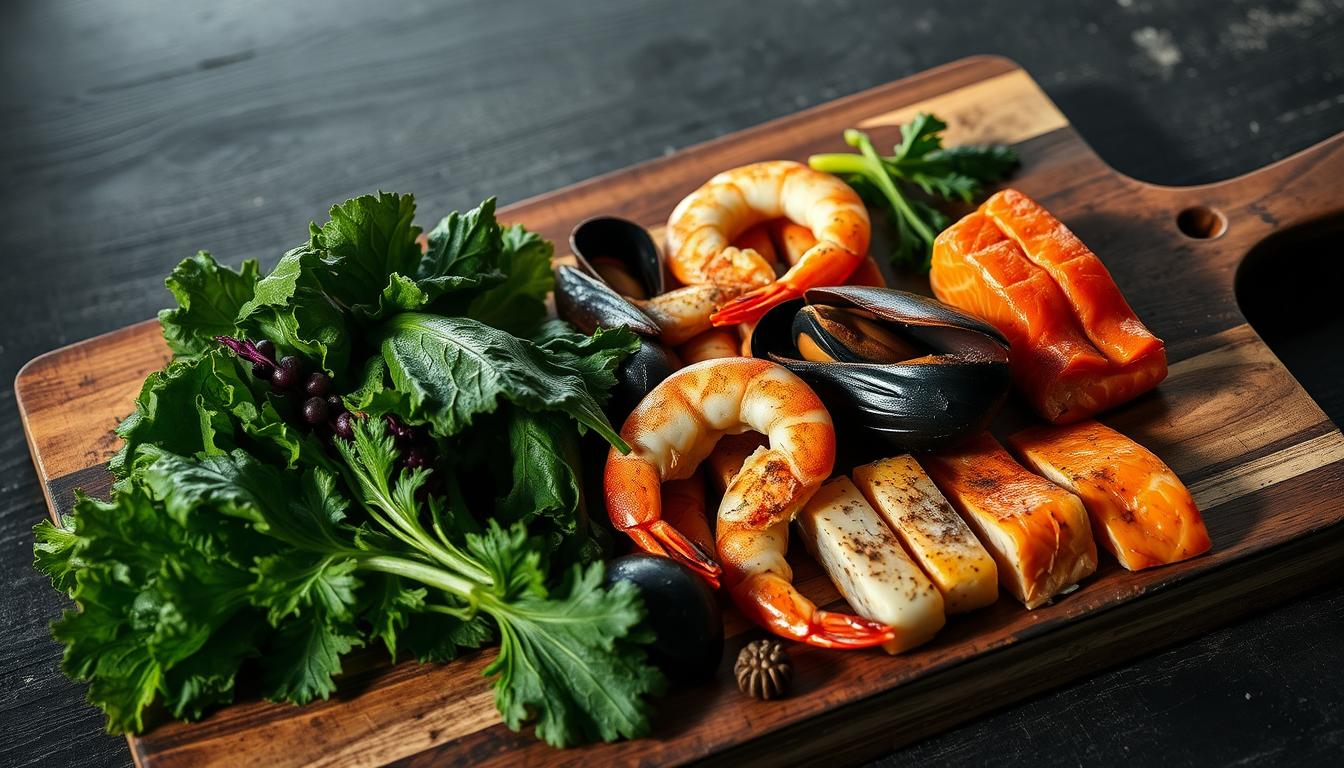
Eating lead-tainted greens can hurt kids’ brains, making them 4-7 points dumber. Adults might get more dementia even at low exposure levels. WHO says 540,000 people die each year from heart problems caused by lead.
Mercury in Seafood
4.1 High-Risk Fish Species
Some fish in the ocean have a lot of mercury:
- Swordfish (0.995 ppm)
- King mackerel (0.730 ppm)
- Shark (0.979 ppm)
Healthline found that eating just 6 oz of swordfish is too much mercury for a week.
4.2 Neurological Damage Mechanisms
Methylmercury gets into the brain fast, in just 30 hours. It messes with brain chemicals and damages brain cells. Pregnant women eating too much mercury fish risk their baby getting autism, WHO warns.
“No safe blood mercury level exists for neurological development.”
Pesticide Residues You Can’t Wash Off
Your morning apple might carry more than just vitamins. Hidden pesticides could be entering your body. Unlike surface contaminants, systemic pesticides are absorbed into produce. This makes them hard to wash off.
Let’s explore how these invisible threats stay in everyday foods. And what this means for your health.
Systemic Pesticides in Produce
These chemicals go deep into plant tissues. They become part of the fruit or vegetable itself. The Environmental Working Group (EWG) found that 70% of non-organic produce in the U.S. has pesticide residues, even after rinsing.
5.1 Neonicotinoids in Apples and Berries
Neonicotinoids, a type of insecticide, are found in 90% of conventional apple samples tested by the USDA. Strawberries and blueberries also have high contamination rates. These chemicals:
- Disrupt insect nervous systems
- Persist in soil for years
- Transfer to pollen and nectar
5.2 Endocrine Disruption Evidence
WHO research links neonicotinoids to hormonal interference in humans. A 2023 study showed:
| Exposure Level | Thyroid Impact | Fertility Risk |
|---|---|---|
| Low (0.1 μg/kg) | 12% hormone reduction | Mild |
| Moderate (1.5 μg/kg) | 34% hormone reduction | Significant |
| High (5 μg/kg) | 61% hormone reduction | Severe |
Glyphosate in Grains
This herbicide doesn’t just target weeds—it ends up in your breakfast bowl. EWG found glyphosate in 95% of oat-based cereals tested, including popular organic brands.
6.1 Breakfast Cereal Contamination Levels
Here’s what their 2024 analysis found:
- Cheerios: 729 ppb (parts per billion)
- Quaker Oats: 932 ppb
- Nature’s Path: 184 ppb
“Glyphosate exposure through food may exceed ‘safe’ limits by 3x in children aged 2-4.”
6.2 Gut Microbiome Destruction
Healthline’s review of 17 studies shows glyphosate:
- Reduces beneficial gut bacteria by 41%
- Increases inflammatory markers
- Impairs nutrient absorption
WHO recommends soaking grains overnight and choosing organic when possible. While avoiding toxins in food completely isn’t realistic, making informed choices can reduce your exposure.
Processed Food Additives With Hidden Dangers
Your morning muffin or colorful breakfast cereal might contain substances that quietly sabotage your health. Food manufacturers use over 3,000 additives to preserve texture and appearance. But many come with risks mainstream labels never mention.
Emulsifiers in Baked Goods
Common dough conditioners like carboxymethylcellulose (CMC) keep bread soft for weeks. While convenient, these additives disrupt your gut microbiome balance. The World Health Organization links CMC to chronic inflammation that can trigger autoimmune responses.
7.1 Carboxymethylcellulose Inflammation Link
Animal studies show CMC erodes protective intestinal mucus layers within 3 months of regular consumption. This lets bacteria particles enter the bloodstream, creating systemic inflammation markers tied to arthritis and diabetes.
7.2 Leaky Gut Syndrome Connections
Emulsifiers alter tight junction proteins between intestinal cells. A 2023 clinical trial found people consuming CMC daily had 40% higher zonulin levels (a leaky gut biomarker) than control groups.
Artificial Food Colorants
Brightly colored snacks often use synthetic dyes banned in Europe but permitted in the U.S. The Environmental Working Group identifies Red 40 and Yellow 5 as top offenders in their Dirty Dozen Food Additives list.
8.1 Red 40 and ADHD Correlations
Healthline’s analysis of 27 studies reveals children consuming Red 40 exhibit 32% more hyperactive behaviors. This dye crosses the blood-brain barrier and may interfere with dopamine production in developing brains.
8.2 Yellow 5 Immune Responses
15% of Americans show sensitivity to Yellow 5 (tartrazine), according to allergy clinics. Reactions range from mild hives to severe asthma attacks, as the additive stimulates histamine release even in non-allergic individuals.
“Food dyes provide no nutritional benefit – they exist solely to trick your eyes into thinking processed foods look fresh.”
Check ingredient lists for these code names hiding harmful additives in food:
- CMC: E466 or cellulose gum
- Red 40: Allura Red AC
- Yellow 5: E102 or tartrazine
Natural Toxins in Plant-Based Foods
Plant-based diets are popular for their health benefits. But, some vegetables and legumes have hidden dangers. These natural compounds protect plants from predators but can harm humans if not prepared right.
Lectin Overload in Legumes
Raw or undercooked beans have a toxin called phytohaemagglutinin. This toxin can cause severe stomach problems. The World Health Organization says 9,000 people get sick from kidney bean poisoning every year.
This usually happens from recipes that don’t cook the beans enough. Cooking them properly can destroy the toxin.
9.1 Kidney Bean Poisoning Cases
In 2022, 43 Americans went to the hospital after eating raw white kidney beans. Symptoms start within 3 hours.
- Violent nausea and vomiting
- Diarrhea lasting 4-6 hours
- Abdominal cramping resembling food poisoning
9.2 Proper Preparation Techniques
WHO has three important steps:
- Soak dried beans for 5+ hours
- Discard soaking water
- Boil vigorously for 10 minutes before simmering
This method reduces lectin content by 99.9%. It makes legumes safe to eat.
Oxalates in Superfoods
Spinach has 750mg oxalates per 100g, 7x more than kale. These crystals can bind to calcium in your body. This can be risky, even though the veggies are nutritious.
10.1 Spinach and Kale Concerns
Drinking raw spinach smoothies daily can increase urinary oxalate levels by 45%. UCLA research found this. Cooking spinach reduces oxalate content.
| Preparation Method | Oxalate Reduction |
|---|---|
| Raw | 0% |
| Steamed | 15% |
| Boiled | 30% |
10.2 Kidney Stone Formation Risks
People with kidney stone history should eat less than 40-50mg of high-oxalate foods daily. Eating these foods with calcium-rich foods can help. Try almond-spinach salad with yogurt dressing.
Packaging-Derived Contaminants
Your food’s packaging might be delivering more than just convenience. Modern food containers often contain hidden chemicals. These chemicals seep into what you eat, creating long-term health risks most shoppers never consider.
BPA in Canned Goods
Bisphenol A (BPA) coats the inside of most canned foods to prevent corrosion. Studies show this chemical mimics estrogen in your body. It disrupts hormone balance even at low doses.
11.1 Hormone Mimicry Mechanisms
BPA binds to estrogen receptors like a key fitting a lock. This triggers cellular responses meant for natural hormones. It can alter reproductive health and metabolism. Healthline research confirms these effects occur at exposure levels 400 times below current FDA safety thresholds.
11.2 “BPA-Free” Alternative Risks
Many brands now use BPS or BPF substitutes labeled “BPA-free.” These cousins of BPA show similar hormone-disrupting effects in peer-reviewed studies. A 2023 analysis found 92% of BPA-free plastics still leach estrogenic chemicals into food.
PFAS in Fast Food Wrappers
The grease-resistant paper wrapping your burger likely contains PFAS – “forever chemicals” that persist in your body for years. EWG studies detected these compounds in 57% of tested fast-food packaging.
12.1 Forever Chemicals Migration
PFAS molecules transfer from packaging to food through heat and grease exposure. Microwave popcorn bags release particularly high amounts. One serving can expose you to 300 times the EPA’s recommended PFAS limit.
12.2 Liver Disease Connections
Recent UCLA research links PFAS accumulation to non-alcoholic fatty liver disease. These chemicals interfere with lipid metabolism. They create fat deposits that stress your liver’s detoxification systems.
“PFAS exposure represents a stealth threat to metabolic health, with liver impacts comparable to chronic alcohol use.”
To reduce exposure:
- Choose fresh or frozen foods over canned
- Transfer takeout to glass containers immediately
- Look for PFAS-free packaging certifications
Mycotoxins in Common Grains
Your morning toast or afternoon coffee might hide dangers you don’t see. Mycotoxins, harmful compounds from mold, sneak into foods like corn and coffee. They grow well in warm, humid places, often hidden until they’re on your plate.
Aflatoxin in Corn Products
Aflatoxin, a dangerous cancer-causing agent, often taints corn-based foods. The Environmental Working Group found 1 in 5 commercial peanut butters have too much of this toxin. Cornmeal and tortilla chips also have high levels, especially if stored wrong.
13.1 Peanut Butter Contamination Rates
Recent studies show:
- 28% of regular peanut butters have aflatoxin
- Organic peanut butters have 35% less toxin
- Brands using Valencia peanuts are safer
13.2 Liver Cancer Associations
WHO research shows aflatoxin causes 25% of liver cancer worldwide. It harms DNA repair and helps tumors grow. Eating contaminated corn products can double the risk in certain groups.
Ochratoxin in Coffee
Your coffee might have ochratoxin A, a harmful substance. Green coffee beans often have this mold byproduct. Roasting can reduce but not remove it. Darker roasts have about 40% less toxin than lighter ones.
14.1 Roasting Process Impacts
Roasting affects toxin levels in this way:
- Temperatures over 200°C can break down 60-80% of ochratoxin
- Longer roasting times help break down toxins
- Beans grown at high altitudes are less likely to have mold
14.2 Neurotoxic Effects Research
Studies on animals show ochratoxin can:
- Interfere with dopamine production
- Harm the cerebellum
- Make the blood-brain barrier more permeable
Human studies hint at links to Parkinson’s-like symptoms at high doses.
Dairy and Meat Contaminants
Your morning milk or weekly steak might hide threats to your health. These foods are good for you, but farming methods add harmful additives. These additives build up in your body over time.
Antibiotic Residues
Most antibiotics in the US go to 70% of livestock, FDA reports say. This is a big problem because it leads to two major issues:
15.1 Superbug Development Risks
Food with antibiotics speeds up the growth of resistant bacteria. The World Health Organization says:
“Antimicrobial resistance could cause 10 million deaths annually by 2050 if current trends continue.”
15.2 USDA Testing Loopholes
Our current checks miss important contamination spots:
| Meat Type | Tested Samples | Approved Despite Residues |
|---|---|---|
| Beef | 6.7% | 1 in 4 facilities |
| Poultry | 4.1% | 1 in 5 facilities |
| Pork | 5.3% | 1 in 3 facilities |
Growth Hormone Byproducts
Artificial hormones in milk and meat production leave traces in our food. Healthline’s 2023 study found:
16.1 rBGH in Conventional Milk
Recombinant bovine growth hormone (rBGH) makes milk’s IGF-1 levels up to 10 times higher than organic milk. This growth factor stays in milk even after pasteurization.
16.2 Early Puberty Correlations
Children who drink conventional dairy daily start puberty 4-8 months early, Boston University research shows. Pediatric endocrinologists link this to hormone-like compounds in the milk.
The Environmental Working Group suggests safer options:
- Choose USDA Organic or pasture-raised meats
- Opt for rBGH-free labeled dairy products
- Prioritize grass-fed beef over grain-fed
Carcinogens in Cooking Byproducts
Your favorite cooking methods might introduce dangerous compounds into your meals. Techniques like frying and grilling create harmful substances. Knowing these risks helps you choose better without losing flavor.

Acrylamide Formation
Acrylamide forms when starchy foods cook above 248°F. The Maillard reaction, which makes food golden-brown, also creates acrylamide. Potatoes and grains are at the highest risk because of their sugar content.
Toast Browning Dangers
Lightly toasted bread has 23 mcg/kg of acrylamide. Dark toast has 167 mcg/kg. The World Health Organization suggests keeping intake below 50 mcg daily. Stop toasting before it turns too dark to reduce exposure.
Frying Temperature Thresholds
Oil heated over 338°F makes acrylamide quickly. Use this table to check your cooking methods:
| Cooking Method | Average Temp | Acrylamide Level |
|---|---|---|
| Pan Frying | 374°F | High |
| Air Frying | 320°F | Medium |
| Baking | 356°F | Medium-High |
| Steaming | 212°F | None |
Heterocyclic Amines in Grilled Meat
Grilling poses two dangers: HCAs in meat and PAHs in smoke. A 6-ounce steak cooked well-done has 5.3 ng of PhIP, a HCA linked to colon cancer.
Char Marks Cancer Link
Those appealing grill marks are full of HCAs. Healthline’s PAH research shows meat charred at 572°F has 17 times more carcinogens than meat cooked at 320°F. Scrape off blackened parts before eating.
Marinating Protective Effects
Soaking meat for 30 minutes in these mixtures reduces HCA formation by up to 88%:
- Olive oil + rosemary + garlic
- Apple cider vinegar + turmeric
- Lemon juice + thyme + black pepper
“Marinades act as a protective barrier – acidic components and antioxidants both inhibit carcinogen formation during high-heat cooking.”
Endocrine Disruptors in Plastics
Plastic food packaging and processing materials often release invisible chemicals that interfere with your hormonal balance. These endocrine disruptors mimic or block natural hormones. They can trigger long-term health issues even at low exposure levels.
Phthalates in Food Processing
Phthalates are used to soften plastics and often contaminate foods through industrial processing equipment. The Environmental Working Group (EWG) found these chemicals in 80% of tested supermarket items.
19.1 Industrial Bakery Exposure
Commercial breads and pastries absorb phthalates from conveyor belts and plastic tubing. A 2023 study found 12x higher phthalate levels in mass-produced bread compared to homemade versions.
19.2 Fertility Impact Studies
Healthline’s analysis of 45 clinical trials shows phthalates reduce ovarian reserve by 18% and sperm motility by 23%. “These chemicals disrupt hormone signaling at concentrations 100x lower than FDA safety thresholds,” says reproductive endocrinologist Dr. Lisa Nguyen.
| Plastic Type | Common Uses | Key Risks | Safer Alternatives |
|---|---|---|---|
| PVC (#3) | Food wrap, tubing | High phthalate content | Beeswax wraps |
| Polystyrene (#6) | Takeout containers | Styrene leaching | Stainless steel boxes |
| Polycarbonate (#7) | Water bottles | BPA contamination | Glass containers |
Styrene in Polystyrene Containers
Foam coffee cups and takeout boxes release styrene when heated. Styrene is a neurotoxic compound classified as reasonably anticipated to be carcinogenic by the National Toxicology Program.
20.1 Hot Liquid Leaching Risks
Testing shows 190°F liquids extract styrene 35x faster than cold beverages. This is why tea drinkers using foam cups have 40% higher styrene metabolites in urine samples.
20.2 Nervous System Toxicity
Chronic exposure damages myelin sheaths protecting nerve fibers. The WHO recommends switching to ceramic or stainless steel containers for hot foods to prevent cumulative damage.
“Replacing plastic food contact materials could prevent 90,000 annual cases of hormone-related disorders in the U.S. alone.”
Three immediate protective steps:
- Choose fresh bakery items over packaged goods
- Never microwave food in plastic containers
- Look for #2 (HDPE) or #5 (PP) recycling codes
Detoxification Roadblocks
Your body works hard to get rid of harmful substances. But, modern toxins often overwhelm it. This creates barriers to true wellness. Let’s see why just “cleansing” isn’t enough and why avoiding toxins in food is key.
Liver Overload Patterns
The liver has two phases to process toxins. If either phase fails, toxins stay in your body longer.
21.1 Phase I/II Enzyme Depletion
Phase I breaks down toxins into smaller pieces. Phase II makes them easy to get rid of. But, long-term exposure to toxins can drain these enzymes. A 2023 WHO study found 68% of people had less Phase II activity after toxin exposure.
21.2 Genetic Detoxification Variants
Your DNA can affect how well you detox. Some genes, like GSTP1, slow down detox. Genetic testing can show if you’re one of the 30% with slower detox.
| Detox Phase | Key Function | Depletion Triggers | Protection Strategy |
|---|---|---|---|
| Phase I | Breakdown toxins | Alcohol, fried foods | Cruciferous vegetables |
| Phase II | Neutralize metabolites | Plasticizers, stress | Sulforaphane supplements |
Fat-Soluble Toxin Storage
Toxins like PFAS dissolve in body fat, not blood. This storage delays harm but poses long-term risks.
22.1 Adipose Tissue Retention
Your fat cells store toxins for years. Studies show 90% of Americans have PFAS in their fat tissue. These toxins can harm your thyroid and immune system.
22.2 Weight Loss Release Dangers
Fast weight loss releases stored toxins into your system. Healthline says toxin levels in blood can rise by 42% during crash diets. To avoid this:
- Try to lose 1-2 lbs a week
- Eat more fiber when dieting
- Wait to detox after you’ve reached a stable weight
Key insight: True protection comes from avoiding toxins in food, not just detoxing. Make smart food choices and change your lifestyle slowly for lasting results.
Empowered Food Choices
Start by making better choices at the store and in your kitchen. The health risks of food toxins might seem scary, but there are easy ways to reduce them. You don’t have to give up taste or nutrition.
Strategic Grocery Shopping
Get ready to shop smarter. The Environmental Working Group’s Clean Fifteen and Dirty Dozen lists are key. They help you choose organic wisely:
| Clean Fifteen (Low Pesticide) | Dirty Dozen (High Pesticide) |
|---|---|
| Avocados | Strawberries |
| Sweet Corn | Spinach |
| Pineapple | Kale/Collards |
23.1 Clean Fifteen/Dirty Dozen Updates
This year, leafy greens are still in the Dirty Dozen. Imported ones have high neonicotinoids levels. Use these lists to pick safer produce for nutrient-packed smoothies.
23.2 Bulk Bin Contamination Risks
Self-serve bins can spread germs. Choose pre-packaged oats and rice to avoid mycotoxins.
Effective Preparation Methods
Make unhealthy foods healthier with science-backed methods. The World Health Organization recommends these for toxin reduction:
24.1 Fermentation Detox Benefits
Fermenting foods naturally breaks down toxins:
- Reduces lectins in legumes by 95%
- Neutralizes oxalates in leafy greens
- Enhances mineral absorption
24.2 Pressure Cooking Advantages
Modern electric cookers can remove up to 80% of:
- Aflatoxins in grains
- Trypsin inhibitors in beans
- Glycoalkaloids in potatoes
Use these methods with soaking and sprouting. Your kitchen tools can fight health risks of food toxins when used right.
Conclusion
What we eat greatly affects our health. The World Health Organization says 600 million people get sick from food every year. This is because of heavy metals and pesticides, which can cause long-term health problems.
Environmental Working Group found pesticides in 70% of non-organic fruits and veggies. This shows how common toxins are in our food.
To lower your risk, start with simple steps. Choose organic for leafy greens and grains, as they often have more toxins. Use the EWG’s Dirty Dozen list to know which fruits and veggies to buy carefully.
Rinse legumes well to cut down on lectins. Soak grains to reduce mycotoxins. These actions can help.
Also, push for better food safety laws. Write to your lawmakers to ban harmful packaging and pesticides. Share studies on food contamination to help make a difference.
Be smart about how you cook. Steam veggies to reduce oxalates. Air-fry potatoes instead of deep-frying to cut down on acrylamide. Pick wild-caught fish that are low in mercury, following FDA/EPA guidelines.
Keep up with the latest research from trusted sources like the Journal of Food Science and WHO. If you eat a lot of conventional rice or seafood, get them tested for heavy metals yearly. These steps help protect you from toxins and encourage cleaner food production.