Nearly 70% of keto dieters report unexpected weight plateaus after just two alcoholic drinks per week. This metabolic speed bump occurs because your liver prioritizes breaking down alcohol over fat—halting ketone production entirely. When your body shifts focus to metabolizing cocktails, it’s like pressing pause on the fat-burning benefits you’ve worked hard to achieve.
The ketogenic lifestyle thrives on low-carb, high-fat fuel. But alcohol introduces a third energy source your system can’t ignore. While spirits contain calories, they lack nutrients, creating a double challenge for maintaining nutritional balance. Your tolerance also drops dramatically on keto due to depleted glycogen stores, making moderation non-negotiable.
Not all drinks derail progress equally. Clear liquors like vodka or tequila have fewer carbs than beer or sugary mixers. Yet even “keto-friendly” options demand careful planning. Every gram of alcohol adds 7 calories—empty ones that don’t satisfy hunger or support muscle retention.
Key Takeaways
- Alcohol pauses fat burning by becoming your body’s primary fuel source
- Low-carb drinks minimize carb intake but still affect calorie counts
- Keto reduces alcohol tolerance due to altered liver metabolism
- Timing consumption around workouts can mitigate metabolic impacts
- Track alcohol macros like other nutrients to maintain ketosis
Understanding Ketosis and the Keto Diet
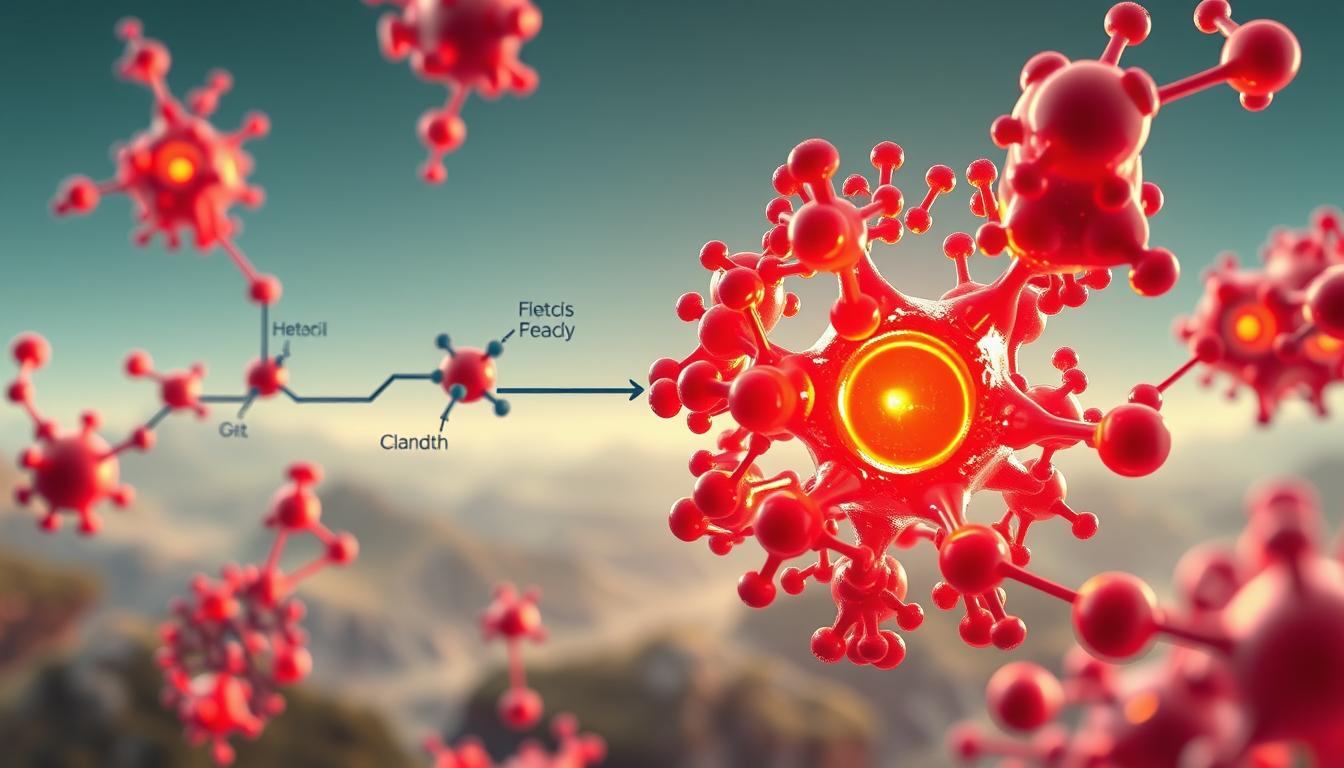
Your body becomes a fat-burning machine when carbohydrates are scarce—this is ketosis in action. The ketogenic diet trains your system to prioritize fat over sugar by drastically reducing carb intake. This metabolic reprogramming unlocks stored fat reserves, transforming them into usable fuel through a liver-driven process.
What Is Ketosis?
Ketosis occurs when your liver converts fatty acids into ketones—molecules that power your brain and muscles. Unlike glucose from carbs, these compounds provide steady energy without blood sugar spikes. Most people enter this state within 2-4 days of consuming fewer than 50 grams of carbs daily.
The Role of the Keto Diet in Weight Loss
The standard keto diet requires precise macronutrient ratios: 70-75% fat, 20-25% protein, and 5-10% carbs. This combination forces your body to tap into fat stores while maintaining muscle mass. Though ketosis enhances fat burning, weight loss still depends on consuming fewer calories than you expend.
Three critical factors sustain ketosis:
- Carb restriction (20-50g daily)
- Adequate fat intake
- Consistent protein consumption
Over time, this approach improves insulin sensitivity and increases your body’s efficiency at burning fat. However, exceeding carb limits—even temporarily—can reset the entire process, requiring days to re-enter ketosis.
Alcohol and Its Impact on Your Metabolism
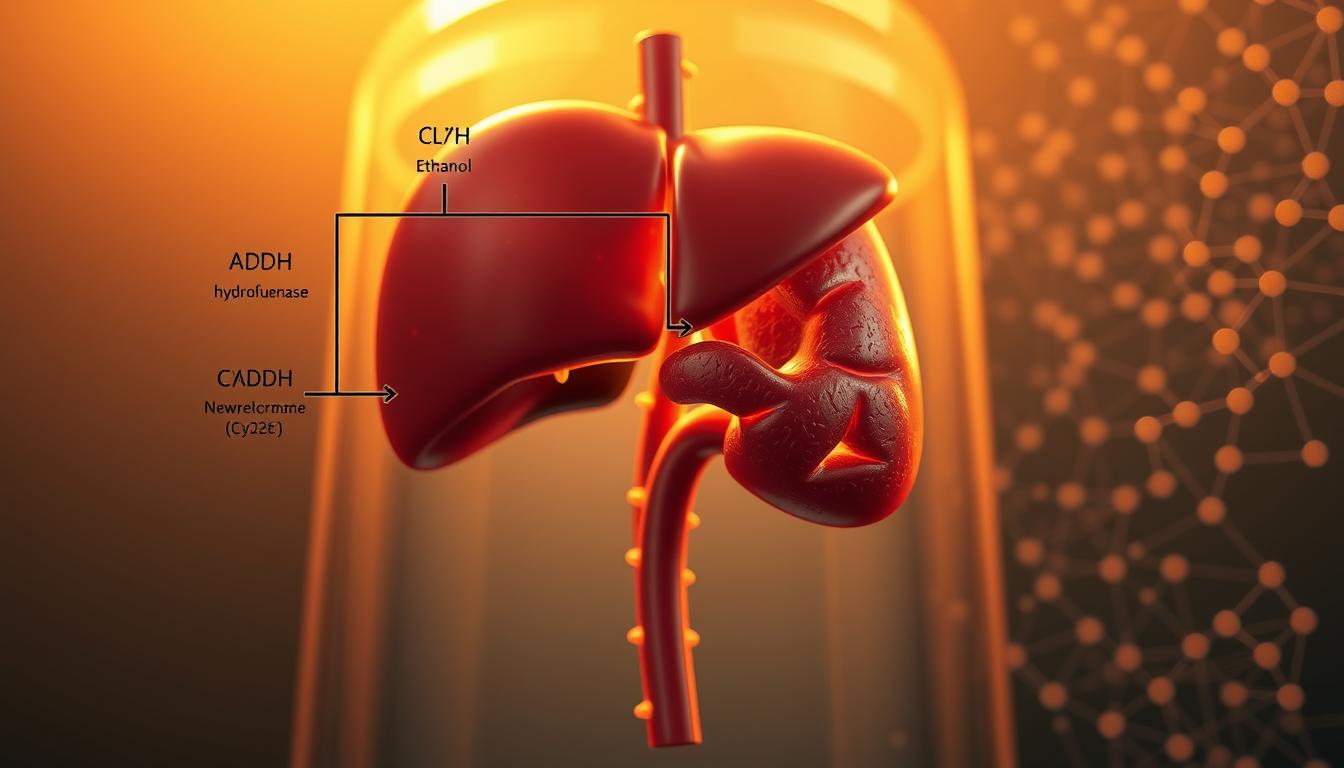
Your system treats alcohol like an uninvited guest that demands immediate attention. Unlike carbs or fats, ethanol can’t be stored—your liver must process it first. This biological protocol disrupts fat-burning modes, creating metabolic gridlock.
Why Ethanol Halts Fat Breakdown
Alcohol dehydrogenase enzymes start breaking down ethanol within minutes. This creates acetaldehyde—a toxic compound—before converting it to acetate. Your body burns this acetate for energy, sidelining ketone production entirely.
Three factors amplify this disruption:
- Zero storage capacity for alcohol
- Liver prioritizes toxin removal
- Acetate becomes primary fuel source
Metabolic Timelines and Consequences
One standard drink takes ~60 minutes to process. During this window, fat oxidation drops by 73% according to recent studies. The table below shows how alcohol intake affects metabolic priorities:
| Stage | Alcohol Metabolism | Ketosis Impact |
|---|---|---|
| 0-30 min | Enzyme activation | Fat burning pauses |
| 30-60 min | Acetate production peaks | Ketone levels drop |
| 1-3 hours | Residual processing | Partial recovery |
Zero-carb spirits still deliver 7 calories per gram—empty energy that displaces fat utilization. While occasional drinks won’t kick you out of ketosis, frequent consumption creates cumulative effects on weight management.
Smart Beverage Strategies for Metabolic Efficiency
Choosing the right beverages helps maintain metabolic efficiency while enjoying social occasions. Spirits distilled without added sugars offer clean options, while mixers make or break your carb limits.
Zero-Carb Spirit Selection
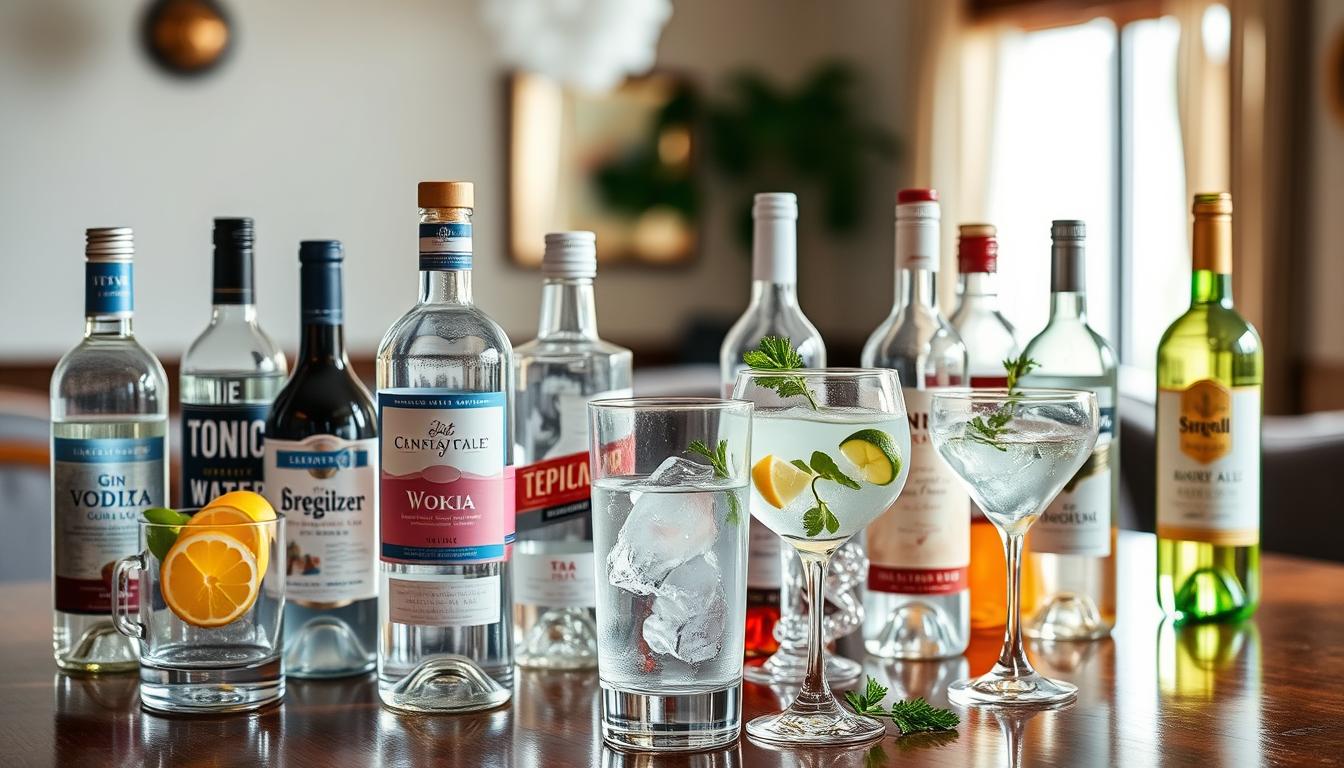
Pure distilled vodka, gin, rum, whiskey, and tequila contain no carbohydrates. Aged varieties like bourbon or scotch maintain zero-carb status despite barrel aging. Dry wines average 3-5g carbs per 5oz pour, while brut champagne stays under 5g per flute.
| Drink Type | Serving Size | Carbs | Keto Status |
|---|---|---|---|
| Vodka | 1.5oz | 0g | Optimal |
| Dry Red Wine | 5oz | 3.8g | Moderate |
| Light Beer | 12oz | 5g | Limited |
| Diet Tonic | 8oz | 0g | Ideal Mixer |
Mixer Mastery Essentials
Pair spirits with zero-carb liquids like sparkling water or sugar-free bitters. Avoid juices, regular tonic, and pre-made cocktail mixes containing up to 32g sugars per serving. Fresh lime or lemon juice adds flavor without significant carb impact.
Measure servings precisely—a standard drink equals 1.5oz liquor, 5oz wine, or 12oz light beer. Track these amounts against your daily carb allowance to prevent accidental overconsumption.
Safe Alcohol Choices for a Keto Lifestyle
Navigating social events while maintaining ketosis requires strategic drink selection. Many popular options pack more carbs than your entire daily allowance. Let’s explore beverages that align with fat-burning goals and those that sabotage progress.
Clear Spirits & Dry Wines: Minimal Carb Impact
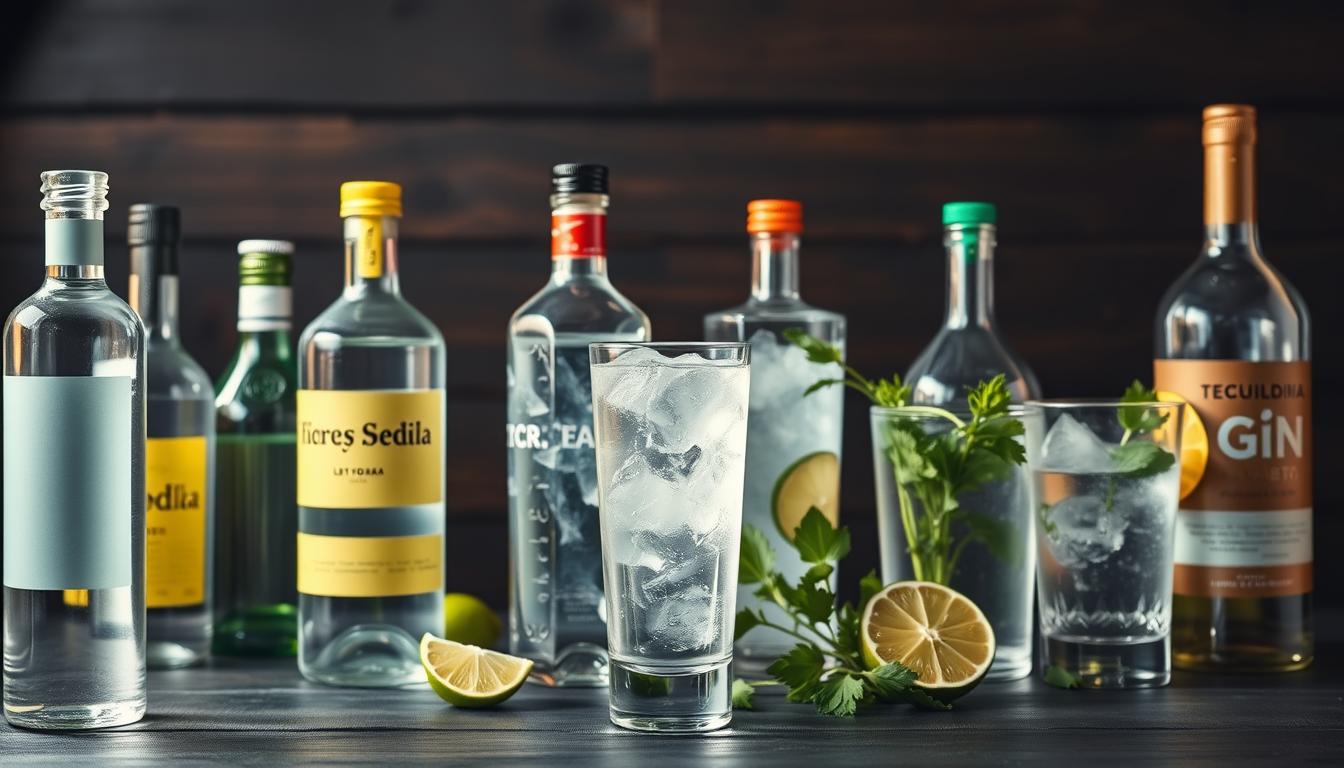
Vodka, gin, and tequila contain zero carbs when consumed straight. These distilled options bypass sugar spikes, making them ideal for metabolic efficiency. Dry wines like Sauvignon Blanc or Pinot Noir average 3-4g carbs per glass—manageable within most keto plans.
| Beverage | Serving Size | Carbs | Ketosis Risk |
|---|---|---|---|
| Margarita | 8oz | 34g | High |
| Piña Colada | 6oz | 44g | Extreme |
| Light Beer | 12oz | 5g | Moderate |
| Vodka Soda | 1.5oz + 6oz | 0g | Low |
Hidden Dangers in Common Drinks
Regular beer contains 12-15g carbs per bottle—equivalent to half a day’s carb limit for strict keto followers. Sweet cocktails often use triple sec, grenadine, or coconut cream containing 20-50g sugars per serving. Sangria and wine coolers frequently hide added sweeteners under fruity flavors.
Watch for these red flags on menus:
- Terms like “sour mix” or “simple syrup”
- Cream-based liqueurs (Baileys, Kahlúa)
- Pre-made cocktail pitchers
Opt for club soda with lime instead of tonic water, which contains 32g carbs per 12oz. Remember: even low-carb drinks delay fat burning until alcohol clears your system.
Practical Tips for Enjoying Alcohol on a Keto Diet
Balancing social enjoyment with metabolic goals requires smart planning. A landmark study tracking 49,324 women found those consuming two daily drinks gained 40% more weight over eight years than moderate drinkers. This highlights the importance of strategic consumption when following a keto lifestyle.
Calorie Management Essentials
Alcohol delivers 7 calories per gram—more than protein or carbs. These empty calories don’t provide vitamins or minerals, yet they count toward your daily energy intake. Tracking them helps prevent accidental overconsumption that stalls progress.
Consider these drink comparisons:
| Beverage | Calories | Carbs | Daily Limit Impact |
|---|---|---|---|
| Vodka (1.5oz) | 97 | 0g | 5% |
| Dry Red Wine (5oz) | 125 | 4g | 8% |
| Light Beer (12oz) | 95 | 5g | 6% |
| Whiskey (1.5oz) | 105 | 0g | 7% |
Moderation guidelines suggest one drink daily for women and two for men. Exceeding these amounts triggers fat storage mechanisms—your liver converts excess alcohol calories into adipose tissue. Pair drinks with nutrient-dense foods to offset empty calorie effects.
Time consumption wisely. Having alcohol with meals slows absorption and reduces metabolic disruption. Use apps to log servings, remembering that “one drink” means 1.5oz liquor or 5oz wine. Staying within these parameters helps maintain both ketosis and social flexibility.
Conclusion
Maintaining ketosis doesn’t mean abandoning social enjoyment. Smart selections let you navigate gatherings while preserving progress. Pure spirits like vodka or tequila shine when paired with zero-carb mixers—soda water, diet tonic, or fresh citrus. Dry wines and light beers offer occasional options if tracked against daily carb limits.
Moderation remains non-negotiable. Alcohol’s empty calories displace fat-burning opportunities, so limit intake to one drink for women or two for men daily. Hydrate between beverages to counter keto’s natural diuretic effects and reduce next-day fatigue.
Your choices directly impact results. Prioritize sugar-free mixers and measure servings meticulously. While keto-friendly beverages exist, overconsumption risks stalled weight loss and liver strain. Balance occasional indulgences with nutrient-dense meals to support metabolic health.
Success lies in strategic planning. Track alcohol’s carbs per serving as rigorously as food macros. By aligning drink choices with ketogenic principles, you sustain fat adaptation without sacrificing life’s pleasures—proving sustainability trumps restriction in long-term diet success.