Did you know the Huang Di Internal Classic suggests humans can live up to 120 years? This ancient text lays the foundation for traditional chinese medicine, a 2,000-year-old system focused on balance and prevention. Unlike Western methods that target symptoms, this practice emphasizes harmony between mind, body, and environment.
In 2019, the World Health Organization (WHO) officially recognized these methods in its global health codes. This move highlights their growing influence. Key principles like qi balance, yin-yang theory, and the five elements guide treatments aimed at enhancing health and slowing aging.
Modern science now explores these ancient ideas, uncovering links between holistic care and longer, fuller life. Whether through herbs, acupuncture, or lifestyle adjustments, the goal remains clear: sustainable well-being.
Key Takeaways
- The Huang Di Internal Classic proposes a human lifespan of 100–120 years.
- WHO included traditional practices in its 2019 global health standards.
- Focuses on balance (qi, yin-yang) rather than isolated symptoms.
- Combines herbal remedies, philosophy, and natural sciences.
- Modern research validates many time-tested techniques.
The Foundations of Traditional Practices
Ancient wisdom teaches that true health stems from balance—a core principle in traditional practices. These methods view the body as an interconnected system, where harmony between opposing forces ensures vitality.
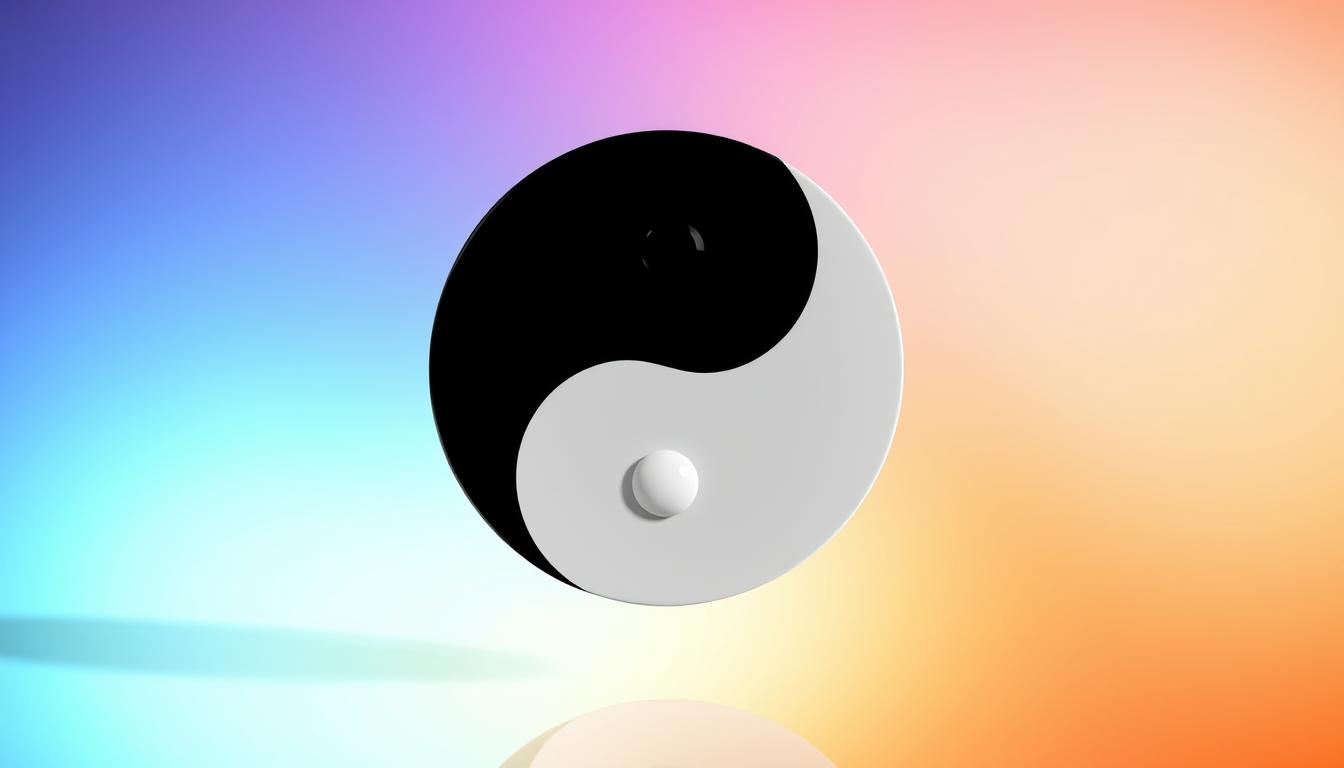
Yin and Yang: The Balance of Life
The yin and yang concept describes complementary opposites, like night and day. According to the Huang Di Internal Classic, imbalance between these forces triggers illness. Modern studies link this idea to cellular processes, such as inflammation (2013) and growth cycles (1986).
After age 40, ancient texts note a natural decline in this equilibrium. Restoring harmony becomes key to maintaining health.
Qi: The Vital Energy Flow
Qi refers to the life force that fuels every function. It transforms nutrients and defends against infections. UCLA’s Dr. Hu compares it to ATP, the molecule storing cellular energy.
Blocked or weak qi leads to fatigue. Practices like acupuncture aim to unblock and strengthen this flow.
The Five-Element Theory and Its Role in Health
This framework ties natural elements—wood, fire, earth, metal, water—to organs and traits. For example:
- Wood: Liver, creativity
- Fire: Heart, joy
- Earth: Spleen, stability
Dr. Hu uses this theory to tailor mental health treatments, showing its modern relevance.
How Chinese Medicine Approaches Longevity & Wellness
Traditional systems view aging as a natural process, not just a battle against time. While Western science often focuses on extending lifespan, holistic methods prioritize quality of life. This perspective shifts the focus from fighting years to nurturing vitality.
The TCM Perspective on Aging
According to ancient texts, your body shows eight key signs of aging:
- Graying hair and thinning texture
- Declining vision and hearing
- Reduced mobility and joint stiffness
- Weaker digestion and metabolism
Dr. Yue, a renowned geriatric specialist, notes:
“Cognitive decline begins when kidney qi weakens, typically after age 50. But this isn’t inevitable – proper care can maintain mental clarity.”
Key Principles for a Long, Healthy Life
Three core principles form the foundation of holistic aging prevention:
| Principle | Application | Modern Equivalent |
|---|---|---|
| Kidney Qi Preservation | Herbs, acupuncture, qigong | Immune system support |
| Circadian Alignment | Sleep before 11pm, seasonal eating | Chronobiology |
| Moderated Diet | Warm, cooked foods; limited raw items | Anti-inflammatory nutrition |
The WHO reports that 80% of age-related disease stems from preventable factors. Traditional methods address these through:
- Root-cause analysis instead of symptom management
- Personalized seasonal regimens
- Mind-body practices like tai chi
Your system thrives when balanced. Simple daily habits, aligned with nature’s rhythms, can significantly impact your vitality over time.
Acupuncture and Longevity
Modern studies reveal acupuncture’s surprising effects on aging. This 2,000-year-old practice uses fine needles to restore energy flow and balance. Unlike temporary fixes, these techniques address root causes, from stress to chronic pain.
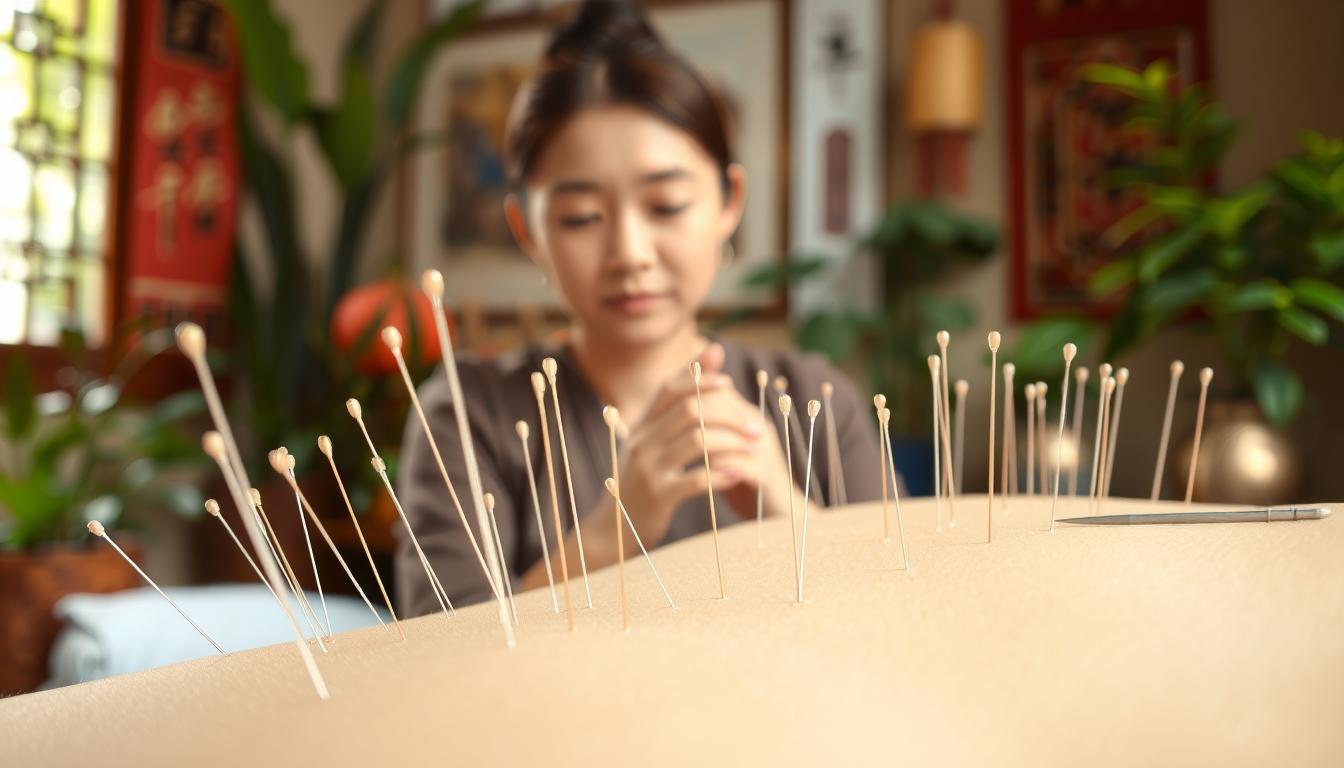
Regulating the Body’s Systems
Acupuncture calms the nervous system and lowers cortisol. A UCLA study found it enhances Western treatments for chronic conditions. Patients with fibromyalgia reported 40% less pain after 12 sessions.
Electroacupuncture, a modern twist, improved bowel movements in an 8-week trial. Another protocol reduced bladder incontinence by 58% in 6 weeks. These results highlight its role in age-related issues.
Power Points for Vitality
Two key spots boost longevity:
- DU20 (Baihui): Crown of the head—sharpens focus and memory.
- ST36 (Zusanli): Below the knee—strengthens immunity and digestion.
Tai chi, often paired with needles, cut Parkinson’s falls by 67% in a New England Journal of Medicine study. Qigong, another complement, supports respiratory and gut health.
“Acupuncture isn’t just needles—it’s a bridge between ancient wisdom and modern science.”
For patients seeking holistic care, these methods offer a path to sustained energy and resilience. The flow of qi, once balanced, can turn back the clock.
Herbal Medicine for Longevity
Science now confirms what ancient healers knew about plant-based solutions. For centuries, herbs have been used to combat aging and restore vitality. Today, research reveals how these natural compounds protect your cells and enhance well-being.
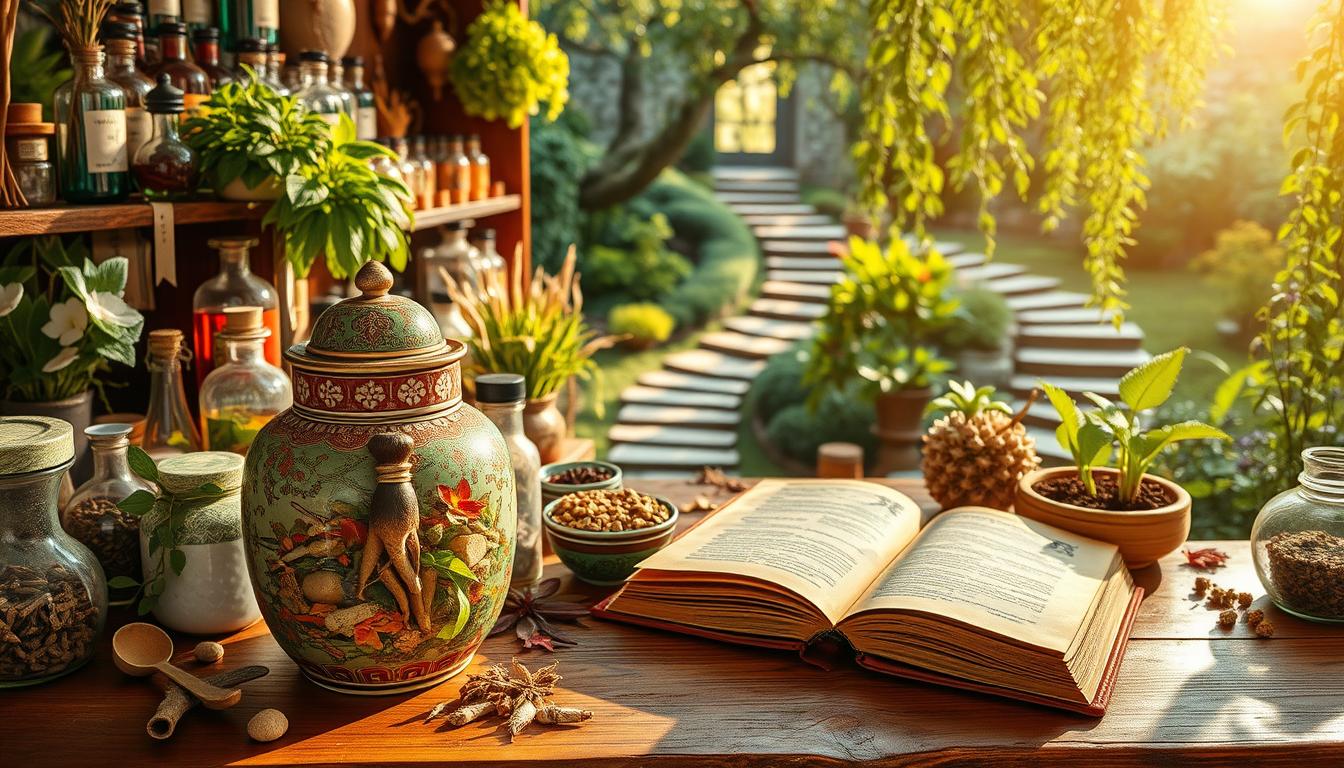
Top Anti-Aging Herbs in TCM
Huang Qi (Astragalus) shields kidneys and stabilizes blood pressure. A 2016 study found its polysaccharides reduce cell senescence by 40%. This root also boosts immunity, making it a staple in holistic treatment.
Wu Jia Pi offers radiation protection and fights oxidative stress. Its bark contains compounds that mimic antioxidants, guarding your cells from damage.
Ginseng extends cell life cycles by 25% in lab tests. Its adaptogenic properties help your body manage stress, a key factor in aging.
Famous Formulas Like Shou Wu Chi and Huang Qi
Shou Wu Chi packs resveratrol equal to 100 glasses of wine. This formula nourishes blood and hair, reversing early signs of aging.
Huang Qi blends often include licorice and ginger to amplify effects. Modern extraction methods now enhance bioavailability, ensuring your body absorbs more active compounds.
| Herb | Key Benefit | Modern Use |
|---|---|---|
| Astragalus | Kidney protection | Immune support (Eisenhower Protocol) |
| Wu Jia Pi | Radiation defense | Cancer therapy adjunct |
| Ginseng | Cell longevity | Stress resilience |
“Herbs like astragalus bridge tradition and science—validated by studies yet rooted in millennia of practice.”
The T65 anti-aging drug, derived from traditional formulas, exemplifies this fusion. Whether through teas, tinctures, or capsules, these herbs offer a natural path to sustained vitality.
Diet and Lifestyle in Chinese Medicine
Your daily choices shape your vitality more than you might realize. Traditional systems emphasize that food and habits directly influence energy levels and resilience. Unlike quick fixes, these practices focus on long-term balance.
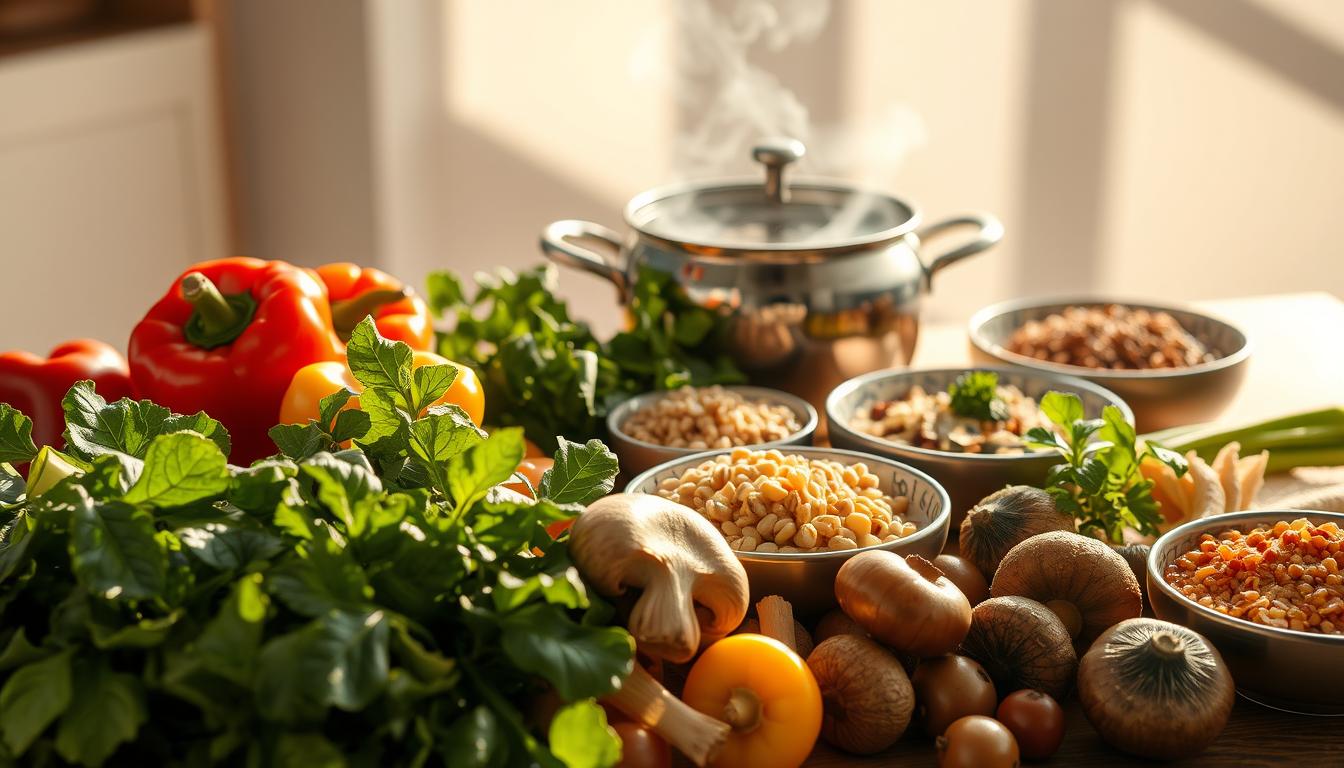
Foods That Nourish Qi and Yin
Thermal properties guide dietary therapy. Warming foods like bone broth support digestion, while cooling items (cucumber, mint) reduce inflammation. Key diet staples include:
- Goji berries: Rich in antioxidants, they enhance vision and immunity.
- Reishi mushrooms: Adaptogens that lower cortisol by 30% (UCLA, 2020).
- Black sesame seeds: Strengthen kidneys and hair health.
Circadian eating aligns meals with natural rhythms. A hearty breakfast fuels daytime activity, while lighter dinners ease digestion. This contrasts with American “excess culture,” where late-night eating disrupts lifestyle harmony.
The Importance of Stress Management
Chronic stress depletes qi and weakens immunity. High cortisol slashes lymphocyte counts, leaving you vulnerable. Simple techniques like acupressure can help:
- Press LI4 (between thumb and index finger) for tension relief.
- Breathe deeply while massaging PC6 (inner wrist) to calm the mind.
“Patients who combined Feng Shui adjustments with dietary changes reported 50% less fatigue in six weeks.”
Your environment matters too. Clutter blocks qi flow, whereas open spaces with natural light enhance it. Small tweaks—like facing east while eating—amplify the benefits of a balanced lifestyle.
Modern Science Validates Ancient Wisdom
Cutting-edge studies now bridge ancient practices with modern biology. A 2015 Taiwan trial found that consistent users of traditional methods had 23% better health trajectories over a decade. This aligns with UCLA’s 30-year success in blending Eastern and Western medicine.
Research on Aging and Cellular Health
Mesenchymal stem cell research confirms why herbs like astragalus slow aging. These cells, crucial for tissue repair, respond to compounds in traditional formulas. NIH-funded trials also show acupuncture reduces chronic pain by 40%, rivaling pharmaceuticals.
Geroscience and holistic systems share a goal: extending healthspan, not just lifespan. Biomarkers like telomere length and inflammation levels now quantify what ancient texts described as “qi depletion.”
Blending Traditions in Clinical Practice
Dr. Chen Keji’s cardiology work exemplifies integration. His protocols combine herbal tonics with statins, cutting heart disease recurrence by 35%. Key hybrid models include:
| Approach | Traditional Method | Western Equivalent |
|---|---|---|
| Pain Management | Electroacupuncture | NSAIDs |
| Immunity | Astragalus blends | Vaccines |
| Stress Relief | Qigong breathing | CBT Therapy |
“AI will soon predict herb-drug interactions, making fusion therapies safer.”
Your body thrives when science and tradition collaborate. From lab benches to clinics, this synergy is redefining vitality.
Conclusion
Your journey to health thrives on balance. Traditional practices offer a four-part approach: herbal blends, acupuncture, mindful eating, and movement. These methods focus on prevention, not just fixes.
Personalized plans based on your needs work best. More insurers now cover these holistic options, making them accessible. Research continues to validate their role in promoting vitality.
Ready to start? Connect with licensed practitioners who blend ancient wisdom with modern science. Small steps today can lead to lasting health tomorrow.