Did you know that over half of all global deaths are linked to conditions worsened by long-term inflammation? Research from the Mayo Clinic shows this silent threat fuels diseases like cancer, diabetes, and heart issues. Yet, many people don’t realize their daily habits might be making it worse.
Your body uses inflammation to heal injuries or fight infections. But when it lingers, it becomes a slow-burning fire that damages tissues over time. The good news? Simple lifestyle changes can help cool this response and protect your health.
This article breaks down why unchecked inflammation harms you and offers science-backed ways to regain balance. From diet tweaks to stress management, small steps add up to big benefits.
Key Takeaways
- Chronic inflammation contributes to 50%+ of deaths worldwide.
- It plays a dual role—healing initially but harming if prolonged.
- Conditions like diabetes and heart disease are closely tied to it.
- Lifestyle adjustments can significantly reduce risks.
- Early detection and action improve long-term outcomes.
What Is Inflammation?
Not all inflammation is created equal, and your health depends on knowing the difference. This natural immune system response acts as your body’s alarm system, triggering healing after an injury or infection. But when the alarm doesn’t shut off, it becomes a silent threat.
Acute vs. Chronic Inflammation
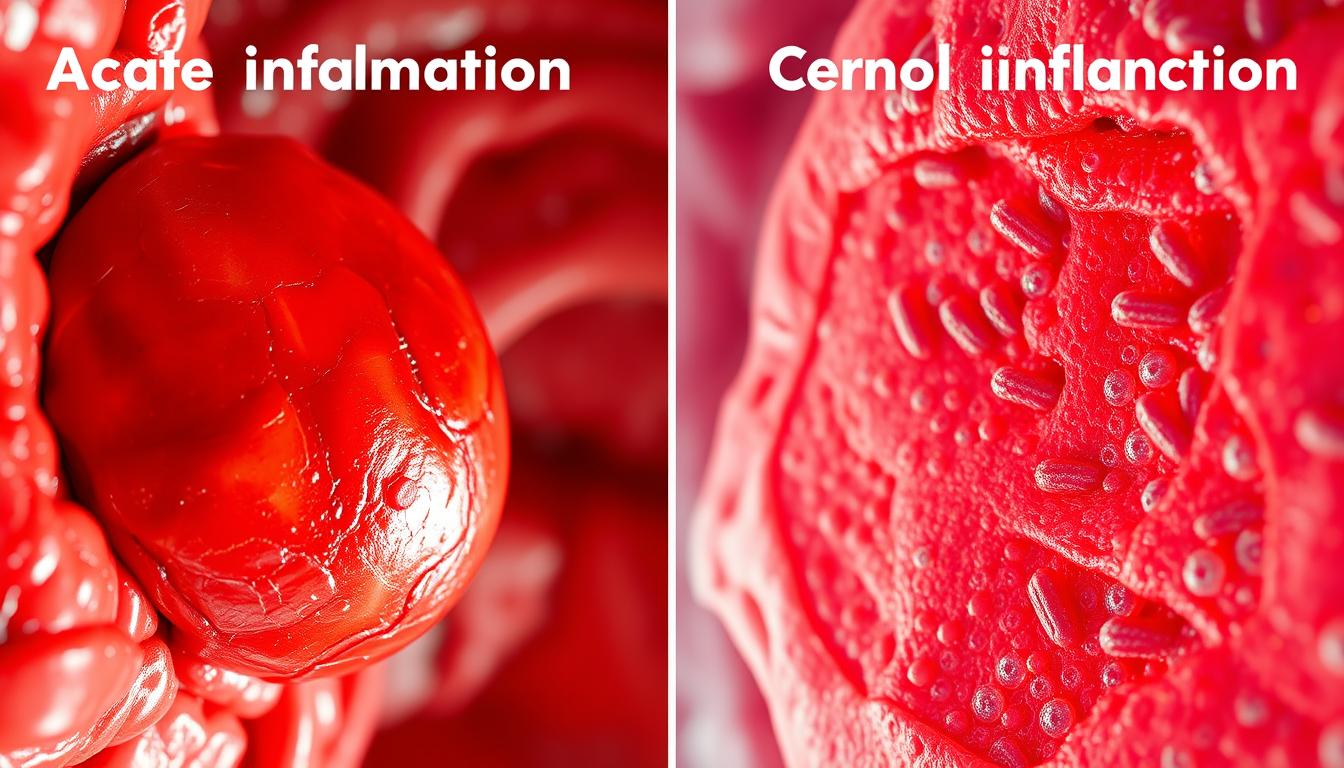
Acute inflammation is short-term, lasting less than two weeks. Think redness around a cut or swelling from a sprain—visible signs your body is repairing damage. It’s a precise, self-limiting process.
In contrast, chronic inflammation lingers for months or years, often without obvious symptoms. The Mayo Clinic notes it persists even without an injury or infection, like a fire smoldering under the skin.
The Immune System’s Role
Your immune system releases proteins like cytokines to coordinate healing. During acute response, these molecules summon white blood cells to attack invaders. But with chronic inflammation, cytokines flood tissues unnecessarily, damaging healthy cells over time.
This imbalance contributes to “inflammaging”—age-related inflammation from lifelong exposure to toxins. Healthline highlights how leukocytes (immune cells) become overactive, turning a protective mechanism into a harmful one.
Why Chronic Inflammation Is Dangerous
Behind many severe health conditions lies a common culprit: prolonged inflammation. When your immune system stays on high alert, it triggers a cascade of damage to cells and organs. Left unchecked, this process fuels some of today’s most serious diseases.

Long-Term Damage to Cells and Organs
The NF-kB pathway, a key inflammation regulator, becomes overactive in chronic cases. This sparks oxidative stress, which harms DNA and healthy tissues. Over time, it’s like rust corroding metal—your body’s structures weaken silently.
For example, arterial plaque in heart disease forms when inflammation damages blood vessel walls. Rheumatoid arthritis patients face a 50% higher risk of cardiovascular issues due to this systemic wear and tear.
Link to Life-Threatening Diseases
Research ties persistent inflammation to 60% of colorectal cancer cases, per the Mayo Clinic. In Type 2 diabetes, inflamed fat tissues disrupt insulin sensitivity—preceding 93% of diagnoses.
Even COVID-19’s worst outcomes often stem from cytokine storms, where runaway inflammation attacks lungs. Simple blood tests like CRP levels reveal your risk; readings above 3 mg/L triple stroke likelihood.
“Chronic inflammation is the match that lights the fuse for many modern diseases.”
How Chronic Inflammation Leads to Disease & How to Reverse It
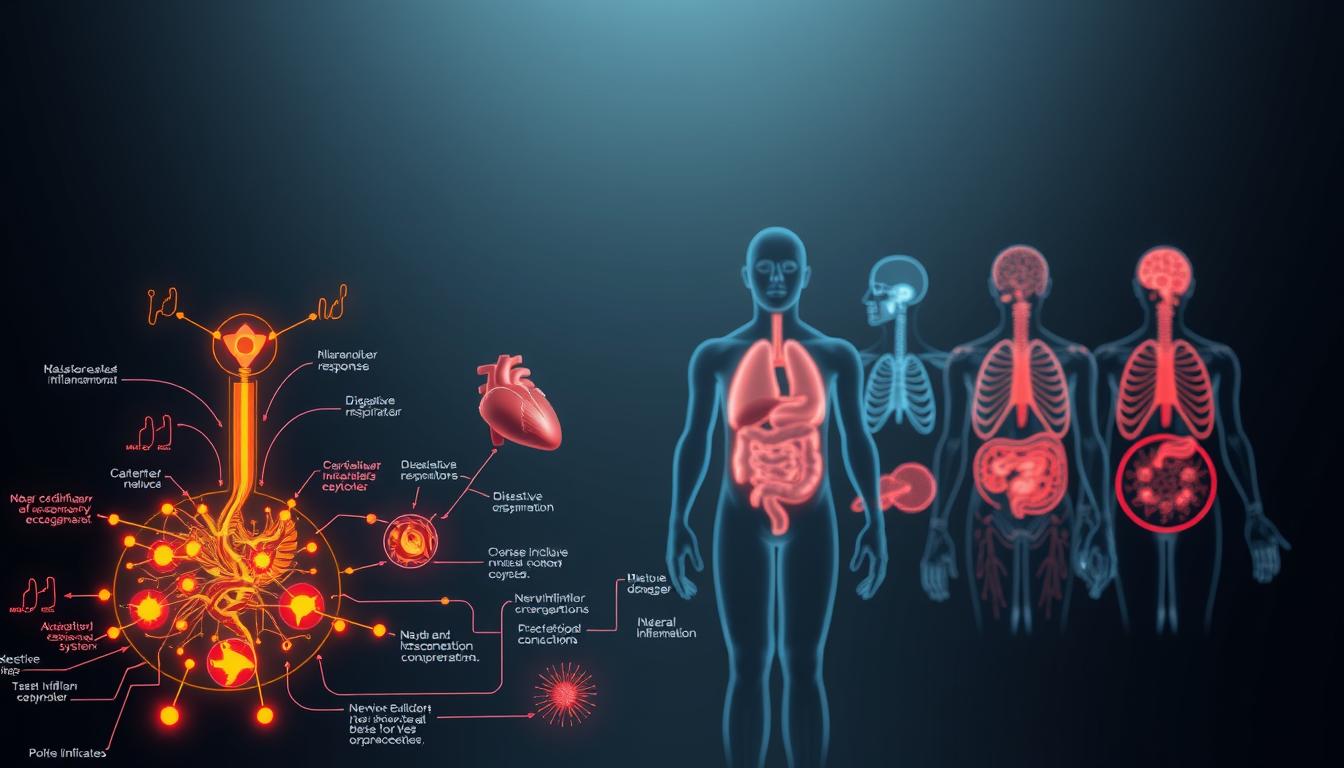
Silent, ongoing inflammation acts like a slow poison, damaging organs over time. What begins as protective cellular activity can spiral into systemic harm when left unchecked. Understanding these mechanisms helps you recognize early warning signs.
The Self-Perpetuating Damage Cycle
Visceral fat isn’t just storage—it’s metabolically active tissue pumping out IL-6 markers. These proteins trigger more inflammation, which then creates additional fat storage. Johns Hopkins research shows breaking this loop reduces cancer risk by 40%.
Senescent “zombie” cells worsen the problem. These damaged cells refuse to die, instead spewing inflammatory chemicals that corrupt neighboring tissues. The result? Accelerated aging and organ dysfunction.
Condition-Specific Breakdowns
Different diseases exploit inflammatory pathways uniquely:
| Disease | Inflammatory Trigger | Damage Mechanism |
|---|---|---|
| Type 2 diabetes | Fat tissue cytokines | Blocks insulin receptors |
| Rheumatoid arthritis | Autoantibodies | Erodes joint cartilage |
| Alzheimer’s | Microglial activation | Forms amyloid plaques |
| Stomach cancer | H. pylori infection | Damages DNA in 89% of cases |
Inflammatory bowel diseases demonstrate another pathway. Compromised gut barriers let toxins leak into the bloodstream—a condition called intestinal permeability. This sparks body-wide immune reactions.
“Reducing inflammation isn’t just symptom management—it’s preventing the root causes of degeneration.”
The reversal process involves three phases: testing biomarkers, implementing lifestyle changes, and maintaining progress through consistent habits. Blood work tracking CRP levels provides measurable benchmarks for improvement.
Common Causes of Chronic Inflammation
Many everyday habits unknowingly fuel harmful inflammation in your body. While acute inflammation helps heal wounds, chronic cases stem from repeated exposure to modern lifestyle factors and environmental threats. Identifying these triggers is the first step toward reducing their impact.
Daily Choices That Keep the Fire Burning
The Standard American Diet contains 57% ultra-processed foods—a major contributor. Mayo Clinic research shows these foods increase CRP (a key inflammation marker) by 35%. Sugar, refined carbs, and unhealthy fats trigger immune responses meant for rare emergencies.
Poor sleep patterns also play a role. Night shift workers show 29% higher inflammation due to circadian rhythm disruption. Chronic stress compounds this by keeping cortisol levels elevated, which suppresses immune regulation.

Hidden Dangers in Your Environment
Air pollution containing PM2.5 particles raises inflammation markers by 22%, according to Daily Living studies. Common toxins like BPA (in plastics), phthalates (in cosmetics), and PFAS (in non-stick coatings) mimic hormones, confusing your immune system.
Smoking delivers a double blow—each pack per day spikes IL-6 (an inflammatory protein) by 200%. These toxins create oxidative stress, overwhelming your body’s natural defenses over time.
When the Body Attacks Itself
Autoimmune conditions like rheumatoid arthritis involve “molecular mimicry.” Here, immune cells mistake healthy tissues for threats. About 23.5 million Americans suffer from these disorders, where inflammation becomes self-perpetuating.
Obesity often worsens this cycle—excess fat tissue acts as an endocrine organ pumping out inflammatory cytokines. Recognizing these early warning signs helps intervene before damage becomes irreversible.
“We’re surrounded by inflammatory triggers, but awareness gives us the power to minimize exposure.”
Signs and Symptoms of Chronic Inflammation
Your body whispers before it screams—chronic inflammation often starts with subtle signals. Unlike acute flare-ups with obvious swelling or fever, persistent inflammation reveals itself through lingering discomforts that many dismiss as “normal.” Recognizing these early warnings helps prevent progressive damage.
When Your Body Sounds the Alarm
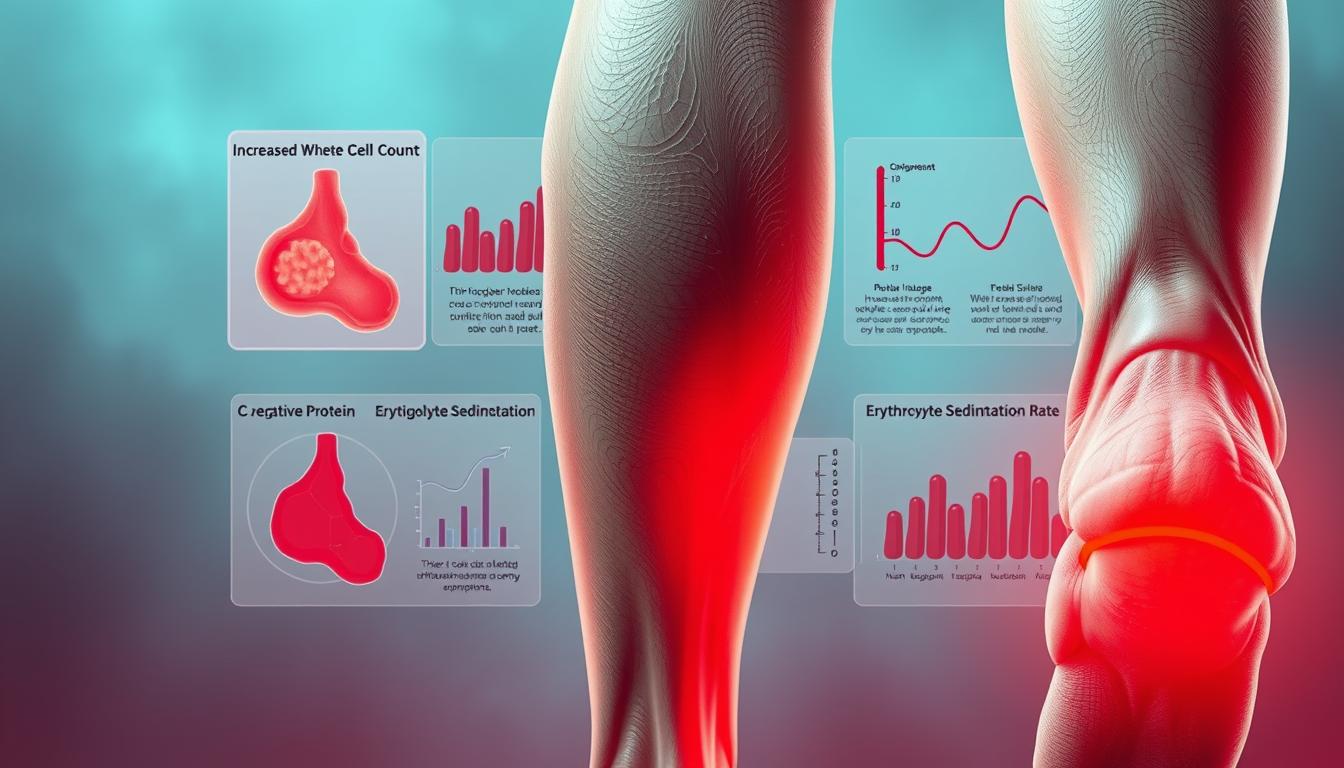
Persistent fatigue tops the list—78% of cases with elevated CRP levels report exhaustion unrelieved by sleep. Joint pain follows, often mistaken for aging but actually signaling cytokine attacks on tissues.
Digestive issues like bloating or irregularity may indicate gut lining damage. The gut-brain axis links these to mood changes, as 40% of depression cases trace back to inflamed intestinal barriers.
The Mind-Body Connection
Brain fog occurs when inflammatory cytokines cross the blood-brain barrier. This “sickness behavior”—an evolutionary response to conserve energy—manifests as poor concentration and low motivation.
Fibromyalgia patients exemplify this: Their IL-8 levels run 300% higher than average, correlating with widespread pain sensitivity and cognitive struggles.
| Biomarker | Healthy Range | Inflammation Threshold |
|---|---|---|
| CRP | <1 mg/L | >3 mg/L |
| ESR | 0-20 mm/hr | >30 mm/hr |
| TNF-α | <8.1 pg/mL | >15 pg/mL |
Key mechanisms behind these symptoms include:
- Cytokine penetration: Inflammatory proteins disrupting neural pathways
- Oxidative stress: Free radicals damaging cellular mitochondria
- Microbiome shifts: Gut bacteria imbalances triggering immune responses
“Persistent fatigue and diffuse pain are your body’s billboards advertising internal inflammation.”
How Chronic Inflammation Is Diagnosed
Your blood holds clues to silent inflammation, and modern tests reveal them. Unlike visible injuries, persistent inflammation often lacks obvious symptoms. Doctors rely on biomarkers—measurable signals—to confirm its presence and severity.

Blood Tests: CRP and Beyond
The CRP (C-reactive protein) test is the gold standard. It detects general inflammation but can’t pinpoint the cause. For heart disease risk, the high-sensitivity CRP (hsCRP) test offers finer details. Mayo Clinic research shows hsCRP >3 mg/L indicates high cardiac danger.
Five essential blood tests provide a full picture:
- CBC with differential: Checks white blood cell counts
- Fibrinogen: Measures clotting risks
- ESR: Flags inflammation if >20 mm/hr
- Omega-3 index: Tests anti-inflammatory fatty acids
- TNF-α: Reveals autoimmune activity
| Test | Normal Range | High Inflammation |
|---|---|---|
| CRP | <1 mg/L | >3 mg/L |
| hsCRP | <1 mg/L | >3 mg/L (cardiac risk) |
| Omega-3 Index | 8–12% | <4% (deficient) |
When to See a Doctor
Daily Living reports 40% of asymptomatic patients have elevated markers. Don’t wait for pain—get tested if you have:
- Unexplained fatigue lasting weeks
- Joint stiffness mornings
- Sudden weight changes
- Skin rashes or digestive issues
“A CRP test costs less than a gym membership but can save your life by catching inflammation early.”
Functional medicine digs deeper, testing vitamin D, gut health, and toxin exposure. These uncover root causes standard labs might miss.
Medical Treatments for Chronic Inflammation
Modern medicine offers powerful tools to combat persistent inflammation, but choosing wisely matters. Depending on your condition’s severity, doctors may recommend pharmaceuticals, natural compounds, or cutting-edge biologics. Each approach has distinct mechanisms and considerations.

Pharmaceutical Options
NSAIDs like ibuprofen block COX-2 enzymes, reducing pain and swelling quickly. However, Healthline warns long-term use increases ulcer risk by 400%. For autoimmune cases, DMARDs like methotrexate slow disease progression by suppressing immune overactivity.
Steroids (prednisone) provide rapid relief but require careful tapering. Abrupt stops can trigger adrenal insufficiency. Newer IL-17 inhibitors show promise for psoriasis and arthritis by targeting specific inflammatory pathways.
Nature’s Pharmacy
Clinical trials show turmeric‘s active compound curcumin reduces arthritis pain by 58% when paired with piperine for absorption. The Mayo Clinic recommends 500mg doses standardized to 95% curcuminoids.
Omega-3s (EPA/DHA) at 2g daily lower CRP markers significantly. Look for IFOS-certified fish oil to avoid contaminants. These supplements work gradually but carry fewer side effects than drugs.
| Treatment | Best For | Key Consideration |
|---|---|---|
| NSAIDs | Acute flare-ups | Limit to 10 days consecutively |
| Curcumin | Mild joint pain | Requires black pepper extract |
| Omega-3s | Systemic inflammation | Needs 8-12 weeks for full effect |
“Combining pharmaceutical precision with nutritional support often yields the best long-term results.”
Lifestyle Changes to Reverse Chronic Inflammation
Small daily choices create powerful ripple effects on your body’s inflammatory balance. Unlike quick fixes, sustainable habits rebuild health from the ground up. Research confirms consistent lifestyle changes reduce harmful markers more effectively than temporary interventions.
Fueling Your Body With Anti-Inflammatory Foods
The Mediterranean diet lowers CRP by 20% in just six weeks. Focus on these foods to cool internal fires:
- Leafy greens: Spinach and kale provide magnesium to calm immune responses
- Fatty fish: Salmon delivers omega-3s that block IL-6 production
- Berries: Anthocyanins in blueberries reduce oxidative stress
Avoid these inflammatory triggers:
| Food Category | Problem Compounds | Healthier Swap |
|---|---|---|
| Processed meats | Nitrates, AGEs | Grass-fed beef |
| Refined sugars | Fructose spikes | Raw honey |
| Industrial seed oils | Omega-6 overload | Extra virgin olive oil |
Movement as Medicine
Eleven minutes of daily exercise cuts inflammation by 15%. High-intensity interval training (HIIT) works best—20-second sprints lower IL-6 more than steady cardio. For joint issues, try:
- Swimming (reduces impact by 80%)
- Tai chi (improves mobility by 40%)
- Resistance bands (builds muscle without strain)
Stress management complements physical activity. Cortisol reduction techniques like box breathing (4-7-8 method) lower TNF-α markers within three weeks.
Restorative Sleep and Weight Balance
Each hour of lost sleep raises CRP by 8%. Optimize rest with:
- Cool, dark bedrooms (65°F ideal)
- Digital sunset (no screens 90 minutes before bed)
- Magnesium glycinate supplements
A 10% weight loss drops CRP by 34%. Gut healing protocols accelerate results—bone broth provides collagen while L-glutamine repairs intestinal lining. Track progress with waist measurements; visceral fat loss matters most.
“Sustainable inflammation reduction requires addressing diet, movement, and stress as interconnected systems.”
Conclusion
Taking control of your well-being starts with understanding inflammation’s role. Small, consistent actions create lasting change. Begin with testing biomarkers, then refine your diet and stress habits.
Most see health improvements within six months. Track progress with follow-up blood work. For meal ideas, explore anti-inflammatory cookbooks like The Inflammation Spectrum.
Remember: Your cells renew every seven years. Today’s choices shape tomorrow’s vitality. Ready to assess your risk? Take our inflammation quiz to personalize your plan.