Did you know that a simple cold water shower could slash sick days by 29%? A Netherlands study found employees who embraced this practice missed fewer workdays. It’s not just about staying healthy—ice baths and chilly showers are gaining traction for energy and recovery benefits.
UCLA Health recommends this method for athletes and fitness enthusiasts. Exposure to low temperatures helps reduce muscle soreness and speeds up healing. Even weekend warriors can benefit from the metabolic and immune perks.
From Wim Hof’s breathing techniques to post-workout routines, cold therapy is reshaping wellness. The science backs it up—better circulation, improved mood, and faster recovery are just a few advantages.
Key Takeaways
- Cold showers may reduce sick days by 29%.
- UCLA Health supports cold exposure for faster muscle recovery.
- Boosts circulation, metabolism, and mental clarity.
- Popular among athletes and wellness enthusiasts.
- Easy to integrate into daily routines.
What Is Cold Therapy?
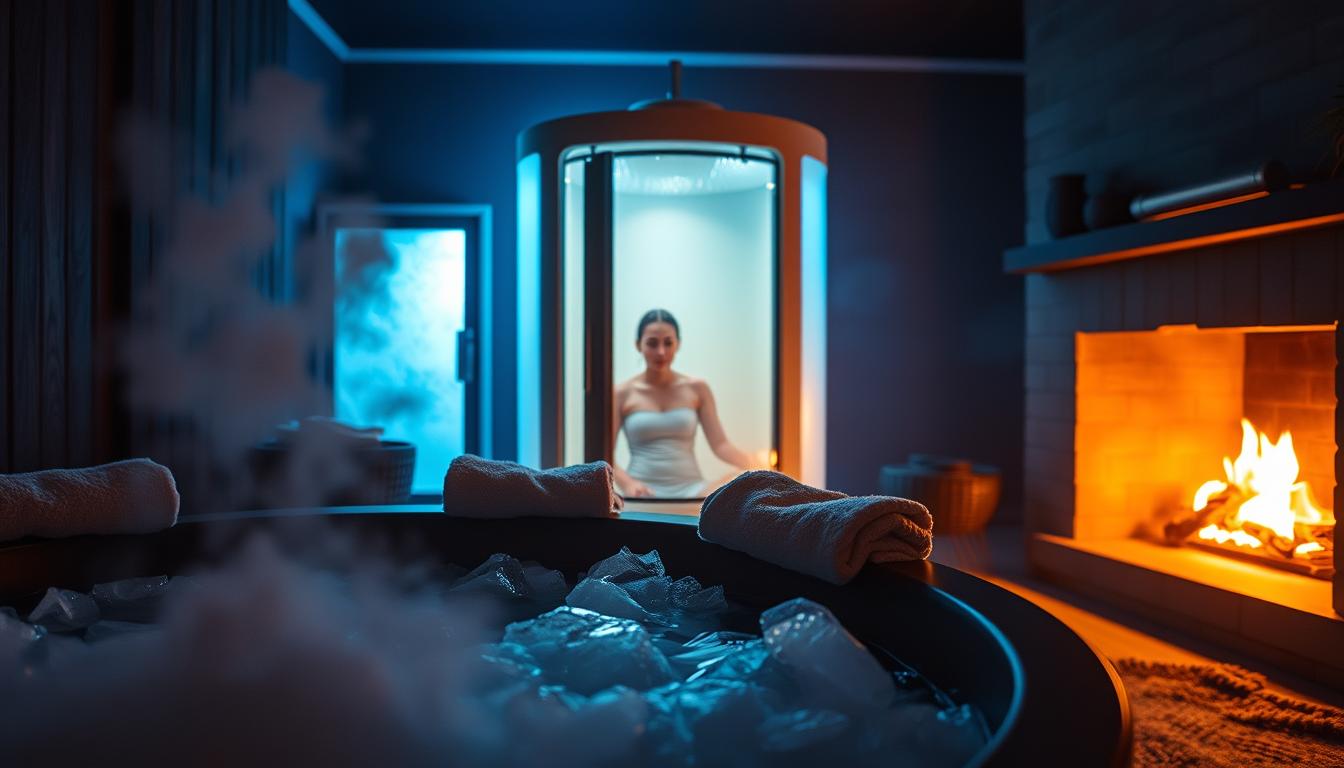
Intentional cold exposure isn’t just a trend—it’s rooted in science. Known as cryotherapy, this practice uses low temperatures to trigger therapeutic responses in your body. From reducing inflammation to sharpening mental focus, the benefits are backed by research.
Definition and Science Behind Cold Exposure
When you immerse yourself in cold water, your blood vessels tighten (vasoconstriction). This redirects blood to vital organs. Later, as you warm up, vessels expand (vasodilation), flushing tissues with oxygen-rich blood. Dr. Susanna Søeberg’s studies highlight how this cycle boosts metabolism and recovery.
“Just 2–3 minutes of cold showers daily can enhance circulation and resilience,” advises Dr. Linda Hame, UCLA Sports Medicine.
Common Methods of Cold Therapy
Different techniques suit varying comfort levels. Beginners often start with cold showers, while athletes may prefer full immersion.
| Method | Temperature | Duration | Best For |
|---|---|---|---|
| Cold Showers | Below 60°F | 2–5 minutes | Daily use, beginners |
| Ice Baths | 50–59°F | 10–15 minutes | Post-workout recovery |
| Localized Ice Packs | N/A | 20-minute intervals | Targeted soreness |
Safety first: Avoid open water immersion without supervision. Home-based methods like showers are low-risk if you avoid extreme temperatures.
How Cold Therapy Can Boost Your Energy & Recovery
Ever felt an instant jolt of alertness after stepping into chilly water? That’s your body reacting to cold exposure, releasing adrenaline to sharpen focus. Beyond the initial rush, consistent practice enhances recovery and resilience.

Immediate Effects on Energy Levels
A 20-second plunge at 40°F triggers adrenaline and noradrenaline surges. These hormones spike energy levels, akin to a natural espresso shot. Athletes use this pre-competition for heightened alertness.
Improved circulation also plays a role. Cold causes blood vessels to tighten, then flood tissues with oxygen as they reopen. UCLA Health notes this cycle combats fatigue during intense training.
Long-Term Recovery Benefits
Regular cold exposure reduces muscle soreness by flushing inflammation. A meta-analysis of 17 studies found ice baths cut post-workout pain by 30% within 48 hours.
However, Mayo Clinic warns against overuse. Daily extreme cold may hinder muscle growth by slowing adaptation signals. Balance is key.
| Effect | Short-Term | Long-Term |
|---|---|---|
| Hormonal Response | Adrenaline spike (20–30 mins) | Improved stress tolerance |
| Circulation | Vasoconstriction → vasodilation | Enhanced oxygen delivery |
| Recovery | Temporary numbness | Reduced inflammation |
“Limit ice baths to 2–3 times weekly for optimal recovery without compromising gains,” advises Dr. Mark Tarnopolsky, McMaster University.
The Science-Backed Benefits of Cold Therapy
Research confirms that brief exposure to low temperatures delivers measurable health advantages. From immune support to mental resilience, the benefits extend far beyond temporary discomfort. Here’s what peer-reviewed studies reveal.
Enhanced Circulation and Oxygen Delivery
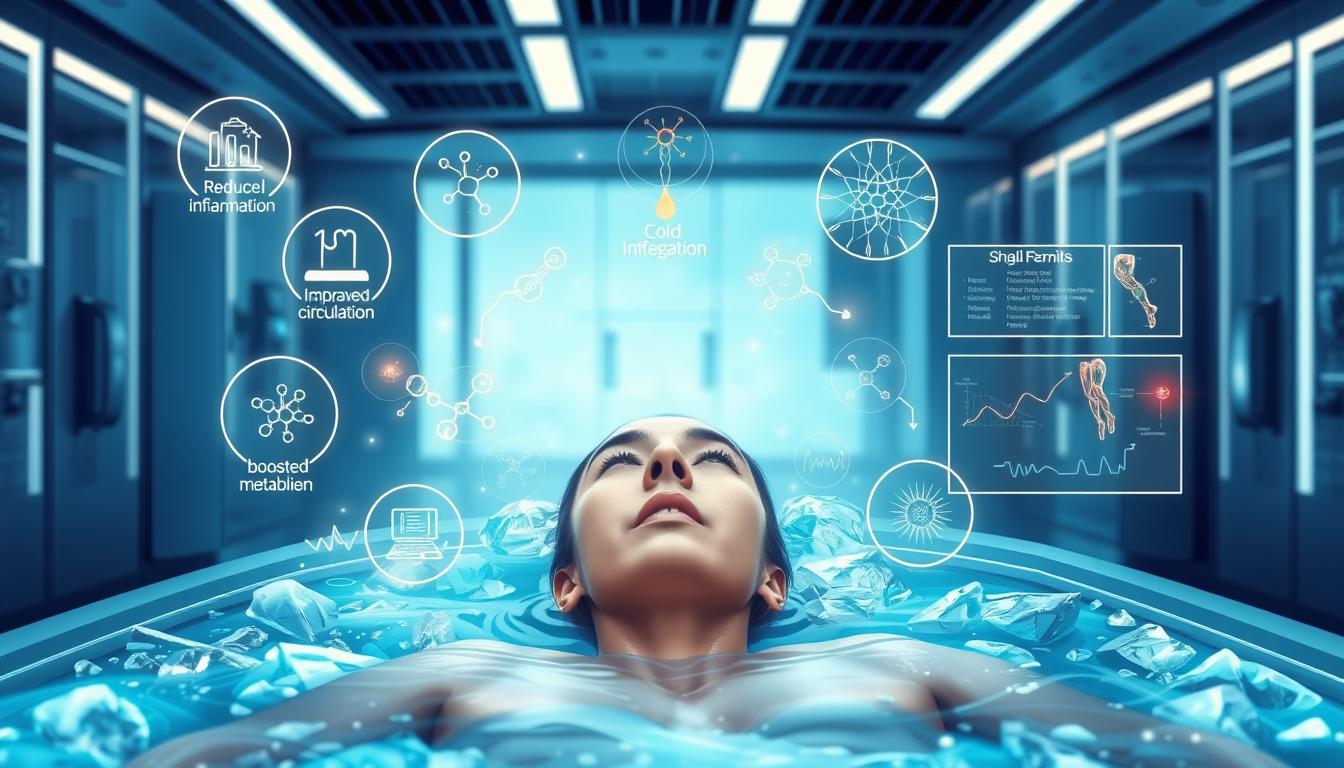
When cold hits your skin, blood vessels tighten to conserve heat. This vasoconstriction redirects oxygen-rich blood to vital organs. As you warm up, vessels expand, flooding tissues with nutrients. A 2021 study found this cycle improves endurance by 14% in athletes.
Reduced Inflammation and Muscle Soreness
Cold exposure numbs nerve endings, disrupting pain signals. It also flushes inflammatory markers from muscle tissue. A research review in the Journal of Sports Science noted:
“Ice baths cut post-exercise soreness by 30% within 48 hours, accelerating recovery.”
- Leukocyte activation: Cold showers increase white blood cell production, strengthening your immune system.
- Brown fat ignition: Shivering activates calorie-burning brown fat, per Harvard Medical School.
Mood and Mental Resilience
Three minutes of hand immersion in icy water spikes dopamine levels by 250%, per a 2020 study. This “cold shock” response sharpens brain function and combats fatigue. Regular practice may even ease mild depression symptoms.
Key benefits at a glance:
| Effect | Mechanism | Duration |
|---|---|---|
| Pain Relief | Nerve signal disruption | 1–4 hours |
| Mood Boost | Dopamine release | 2–6 hours |
| Immunity | Leukocyte production | 24+ hours |
Types of Cold Therapy and How to Use Them
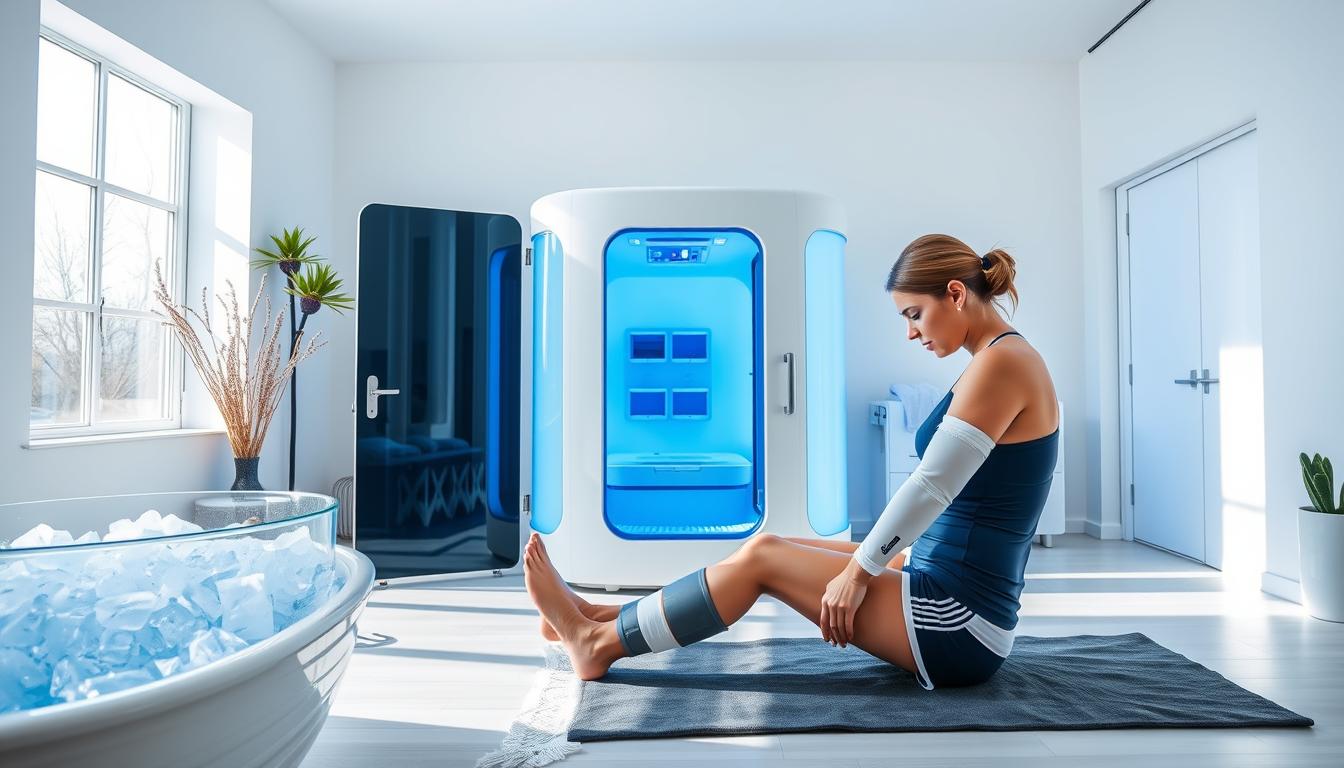
Starting with cold exposure doesn’t require extreme measures—simple methods work best. Whether you’re easing into the practice or targeting muscle recovery, there’s a way to integrate it into your routine safely.
Cold Showers: The Beginner’s Approach
Cold showers are the easiest entry point. UCLA trainers recommend contrast showers: 3 minutes hot, followed by 1 minute cold. Begin with 30 seconds and gradually increase to 3 minutes.
This method avoids shocking your body temperature while still boosting circulation. Consistency matters—daily sessions yield the best results.
Ice Baths and Cold Water Immersion
For deeper recovery, try water immersion at 50–59°F. Athletes use this post-workout to reduce soreness. Fill a tub with ice and water, then soak for 10–15 minutes.
Always monitor time to avoid overexposure. Open-water plunges risk cold shock—never attempt them unsupervised.
Whole-Body Cryotherapy vs. Localized Ice Packs
Cryotherapy chambers expose your entire body to vapors below -200°F. While effective, they’re costly compared to DIY ice packs for targeted relief.
Thomas Jefferson swore by foot-soaking in cold water. Today, localized packs offer similar benefits for injuries or joint pain.
“Contrast therapy balances cold and heat for optimal recovery,” notes Dr. Emily Cooper, UCLA Sports Medicine.
- Safety first: Never exceed 15 minutes in water immersion.
- Start slow—30-second cold showers build tolerance.
- Reserve cryotherapy for professional settings.
Cold Therapy Protocols for Optimal Results
Eleven minutes a week could transform your recovery—research reveals why. Structured sessions outperform random exposure, balancing benefits without overstressing your body. Here’s how to apply science-backed methods for the best results.

The 11-Minute Weekly Rule
Studies show 11 total minutes weekly (split into 2–4 sessions) is the minimum for measurable gains. Break it down:
- 3.5-minute sessions: Three times a week, like Monday/Wednesday/Friday.
- Temperature: 50–60°F (showers or ice baths).
- Timing: Wait 6–8 hours post-workout to avoid blocking muscle adaptation.
Dr. Craig Heller’s research at Stanford notes this aligns with natural body temperature dips for enhanced recovery.
Contrast Therapy: Alternating Hot and Cold
UCLA athletes use this method to amplify circulation. Try:
- 3 minutes hot water (104°F).
- 1 minute cold (below 60°F).
- Repeat 3 cycles.
The rapid shifts flush inflammation and reduce soreness faster than cold alone.
The Huberman Lab “Counting Walls” Technique
Neuroscientist Andrew Huberman’s method builds mental resilience during cold exposure:
“Focus on counting ‘walls’—each 30-second segment—to distract from discomfort. This trains your brain to handle stress systematically.”
Start with 2 walls (1 minute) and add more as tolerance grows.
Pro tip: Pair cold showers with deep breathing to double down on focus and recovery in one day.
Safety Considerations and Who Should Avoid It
Cold exposure isn’t for everyone—knowing the risks ensures safe practice. While many benefit from improved circulation and recovery, certain health conditions make it dangerous. Always prioritize safety over trends.

Health Conditions to Consult a Doctor About
Some medical issues amplify risks during cold exposure. Mayo Clinic advises against ice baths if you have:
- Raynaud’s disease: Extreme cold can trigger painful blood vessel spasms.
- Heart conditions: Sudden temperature drops strain cardiovascular systems.
- Cold urticaria: Allergic reactions to cold cause hives or swelling.
Pregnant women and those with hypertension should also proceed cautiously. A doctor’s approval is essential.
How to Avoid Cold Shock and Hypothermia
Sudden immersion in icy water triggers a gasping response, risking inhalation of water. Symptoms like hyperventilation signal shock. To stay safe:
- Acclimate gradually—start with 30-second cold showers.
- Never attempt open-water plunges alone; use the buddy system.
- Rewarm slowly post-session: wear dry clothes, avoid vigorous rubbing.
| Risk Group | Potential Reaction | Precaution |
|---|---|---|
| Heart Patients | Irregular heartbeat | Monitor pulse, avoid extremes |
| Raynaud’s Sufferers | Numbness/pain | Use lukewarm water only |
| Untrained Individuals | Cold shock | Gradual exposure increments |
“Sub-zero temperatures demand professional supervision—home ice baths can be lethal if misused.”
Listen to your body. If dizziness or confusion occurs, exit immediately. Safety is the most critical part of cold therapy.
Expert Tips for Maximizing Cold Therapy
Timing matters when leveraging cold exposure—strategic sessions amplify results. Whether you seek an energy boost or faster recovery, aligning sessions with your body’s rhythms is key. Here’s how experts fine-tune the practice.
When to Use Cold Exposure for Energy vs. Recovery
Morning cold showers align with natural cortisol spikes, sharpening focus for the day. For post-workout recovery, wait 4–6 hours to avoid blocking muscle adaptation. UCLA studies show this timing balances benefits.
Endurance athlete? Try pre-competition ice baths for adrenaline surges. Strength trainers should prioritize evening sessions to minimize interference with hypertrophy.
The Søeberg Principle for Metabolic Benefits
Dr. Susanna Søeberg’s research reveals a critical rule: end with cold and let your body rewarm naturally. This triggers brown fat activation, burning calories for hours. Shivering releases succinate, a compound linked to metabolic benefits.
“Avoid towels post-immersion—natural reheating doubles the metabolic effect,” advises Søeberg.
Athlete-Specific Recommendations
Tailor protocols to your sport. Marathoners benefit from 15-minute ice baths post-race, while powerlifters should limit sessions to twice weekly. Dr. Andrew Jagim compares cold therapy to garnish—it complements, but shouldn’t replace foundational content like sleep and nutrition.
| Athlete Type | Cold Protocol | Key Consideration |
|---|---|---|
| Endurance | Pre-race showers (3 mins) | Boosts alertness |
| Strength | Post-training ice packs (10 mins) | Preserves muscle growth |
| Team Sports | Contrast therapy (3 cycles) | Reduces DOMS |
Remember: limb-crossing during immersion reduces thermal layer disruption. Stay still for maximum environment adaptation.
Conclusion
Simple cold showers can unlock surprising wellness benefits. From sharpening focus to easing soreness, the perks are backed by science.
Key takeaways:
- Energy boosts: Adrenaline surges combat fatigue.
- Faster recovery: Reduces inflammation post-workout.
- Mood enhancement: Triggers dopamine release.
Start slow—30-second showers build tolerance. Always prioritize safety, especially with existing health conditions.
Prefer DIY methods? Cold showers are accessible, while ice baths suit athletes. For advanced techniques, explore the Huberman Lab Podcast.
Whether you’re an athlete or a beginner, cold therapy adapts to your routine. Small steps yield big results.