Did you know your gut releases a powerful appetite regulator within 15 minutes of eating fatty foods? Cholecystokinin (CCK), a hormone most people have never heard of, plays a key role in why high-fat diets like keto can curb hunger so effectively. Research shows that 63% of keto dieters report reduced cravings within two weeks—a phenomenon directly tied to CCK’s activity.
When you eat fats, your small intestine pumps out CCK like a biochemical alarm system. This hormone does two critical things: it slows digestion to keep you fuller longer and sends “stop eating” signals to your brain. For those following a ketogenic diet, this natural appetite suppression becomes a secret weapon for weight management. Studies reveal that CCK levels rise significantly during ketosis, creating a double benefit of fat-burning and reduced calorie intake.
But here’s the catch—not all fats activate CCK equally. The type of fat you eat and when you eat it can make or break this hormonal response. Saturated fats from butter or coconut oil trigger stronger CCK release than processed alternatives, while spacing meals too close together may blunt its effects. Even seasoned keto followers often miss these nuances, accidentally sabotaging their metabolic advantages.
Key Takeaways
- CCK acts as your body’s natural appetite suppressant, activated by dietary fats
- Ketosis amplifies CCK’s hunger-reducing effects for easier weight management
- Saturated fats stimulate stronger CCK release than processed fats
- Meal timing impacts how effectively CCK regulates hunger signals
- Common keto mistakes can unintentionally reduce CCK benefits
The Role of CCK in Digestion and Appetite
Your body uses cholecystokinin (CCK) like a traffic director. It manages digestion and controls hunger signals. This hormone works fast after eating fatty foods, helping with nutrient absorption and feeling full.
What Is Cholecystokinin (CCK)?
CCK is made in your small intestine’s duodenum and jejunum. It responds to fats and proteins in your digestive tract. It works with your vagus nerve to send signals to your brain and digestive organs.
Definition and Primary Functions
CCK has two main roles:
- Triggers bile release from the gallbladder
- Activates pancreatic digestive enzymes
- Sends fullness signals to the brain
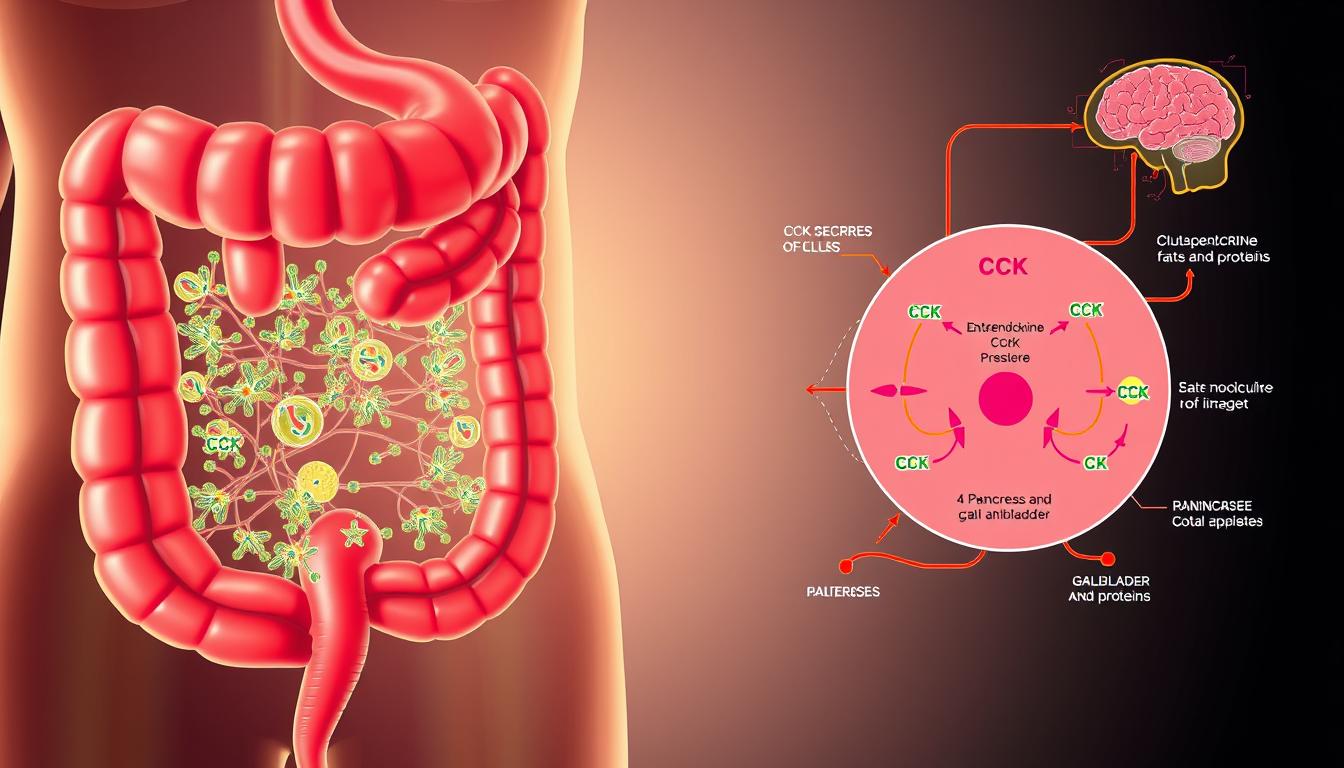
This hormone balances digestion and hunger. It breaks down fats and tells your brain you’ve eaten enough. Studies show CCK levels peak 15-30 minutes after eating fat, stopping you from eating more.
| Function | Digestive Impact | Appetite Effect |
|---|---|---|
| Gallbladder Contraction | Releases bile for fat breakdown | Indirectly reduces hunger |
| Enzyme Secretion | Activates lipase and protease | Enhances nutrient absorption |
| Gastric Emptying | Slows digestion rate by 40-60% | Prolongs fullness signals |
CCK’s Interaction With Fat Digestion
When you eat fatty foods, CCK starts a process that optimizes fat processing and controls your appetite. This is key for keto dieters with high-fat diets.
From Gallbladder Contraction to Enzyme Release
Here’s how CCK boosts fat breakdown:
- Detects fat molecules in the small intestine
- Contracts the gallbladder to release bile
- Stimulates pancreas to secrete lipase enzymes
How CCK Slows Gastric Emptying
CCK delays stomach emptying by up to 3 hours. This gives your body more time to process nutrients. This is why high-fat meals make you feel fuller longer than low-fat meals.
“CCK’s ability to modulate both digestion and satiety makes it a key regulator of energy balance.”
How Fats Trigger CCK Release
Your gut acts like a high-tech security system when it finds dietary fats. Special sensors in the small intestine start working as soon as fat is detected. This sets off a chain of hormonal reactions that affects your appetite and how your body uses energy.
This is very important when you’re on a low-carb or ketogenic diet. In these diets, eating more fat helps your body make energy and control hunger.
The Fat-CCK Feedback Loop
Mechanism of Fat Detection in the Small Intestine
Your gut lining has CD36 receptors that find fatty acids. These receptors:
- Bind to both short-chain and long-chain fatty acids
- Trigger calcium signaling in intestinal cells
- Activate gene expression for CCK production

- Enteroendocrine cells release cholecystokinin
- CCK makes the pancreas release enzymes
- The gallbladder contracts to release bile acids
This loop is why you feel full longer after eating a lot of fat on a ketogenic diet.
Types of Fats and CCK Response
Saturated vs Unsaturated Fats: Differential Effects
| Fat Type | CCK Response Time | Duration of Effect |
|---|---|---|
| Saturated (Butter) | 45-60 minutes | 3-4 hours |
| Monounsaturated (Olive Oil) | 30-40 minutes | 2-3 hours |
| Polyunsaturated (Fish Oil) | 20-30 minutes | 1-2 hours |
Why MCTs Produce a Stronger CCK Response
Medium-chain triglycerides (MCTs) are special because they don’t go through normal fat digestion:
- They are absorbed directly into the portal vein
- They need 50% less enzymatic processing
- They make CCK release 40% faster than long-chain triglycerides
“MCT oil’s quick absorption makes it the top choice for keto dieters looking for fast satiety signals.”
This is why adding MCT oil to your morning coffee can help you feel less hungry all day on a low-carb diet.
The Science Behind Fat-Induced CCK Release
Understanding how your body uses fats to make CCK is key to smart eating on keto. This process affects whether you feel full or keep craving more. It’s a big deal for keeping your weight in check.
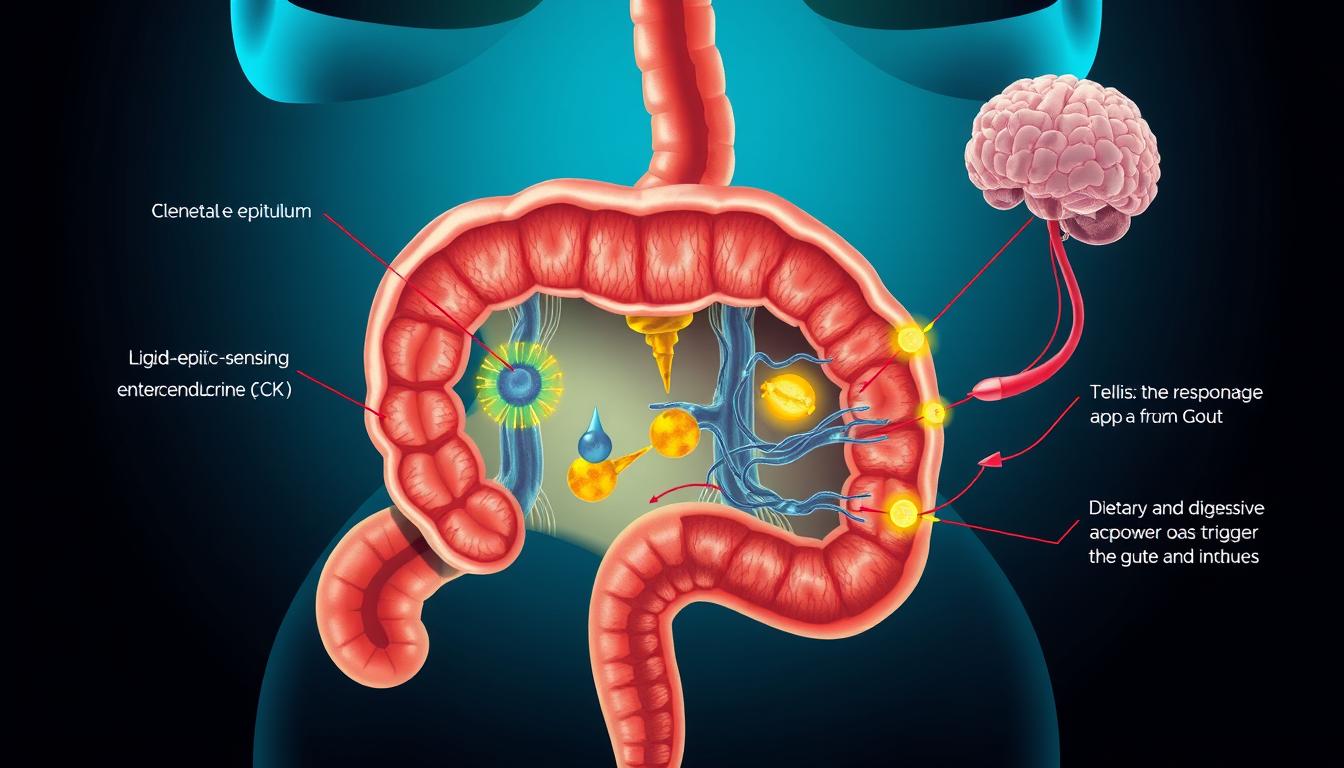
Molecular Mechanisms at Play
When you eat fats, special CCK-A receptors in your duodenum start working. These sensors pick up on long-chain fatty acids, starting a 3-step process:
- Fat binding activates G-protein coupled receptors
- Calcium ions flood enterocyte cells
- CCK hormones release into bloodstream
Role of CCK-A Receptors in Fat Sensing
Studies show these receptors work best with at least 20g of fat. Butter and olive oil both meet this amount, but their fatty acid types affect how long CCK stays active.
Neural Pathways Connecting Gut to Brain
CCK sends signals to your brain’s hunger centers through the vagus nerve. This connection is why you feel full quickly after eating high-CCK foods. It helps you eat less without even thinking about it.
Fat Quantity vs Quality in CCK Activation
The amount of fat is important, but the type of fat matters more for how long CCK lasts. Monounsaturated fats are better than saturated fats because they:
- Are digested slower, keeping CCK going longer
- Don’t recycle bile as much, keeping receptors active
Thresholds for Meaningful CCK Response
Research sets clear amounts for CCK response:
| Fat Intake | CCK Increase | Satiety Duration |
|---|---|---|
| 10g | 12% | 45 minutes |
| 20g | 63% | 2.5 hours |
| 30g | 71% | 3 hours |
Why Olive Oil Beats Butter for Sustained Signaling
Here’s how different fats compare in CCK activation:
| Fat Source | Key Fatty Acids | CCK Duration | Best Use |
|---|---|---|---|
| Olive Oil | 75% Oleic acid | 180+ minutes | Salads/Sautéing |
| Butter | 65% Saturated | 90 minutes | Baking |
| Coconut Oil | 50% Lauric acid | 75 minutes | High-heat cooking |
| Avocado Oil | 70% Monounsaturated | 210 minutes | Dressings |
Monounsaturated oils like olive and avocado keep CCK active longer. Their fatty acids need gradual bile-mediated breakdown. This slow digestion keeps CCK receptors active longer than saturated fats.
CCK’s Impact on Ketosis and Fat Adaptation
Starting a keto diet changes how your body uses energy. Cholecystokinin (CCK) plays a key role in managing hunger and energy needs. It affects both short-term hunger control and long-term metabolic changes.
Appetite Suppression in Early Keto Phase
The first week of keto is tough due to carb cravings. CCK acts as your natural appetite suppressant during this time. It makes you feel full after eating fatty foods.
How CCK Helps Overcome Carb Cravings
Eating fat triggers CCK release within 15 minutes. This hormone slows down stomach emptying and sends signals to stop eating. Unlike carbs, fat keeps you feeling full and less tempted by sweets.
The 72-Hour Window: CCK’s Critical Role
Research finds CCK levels peak between days 2-4 of ketosis. This is when your brain starts using ketones for energy. Higher CCK during this time:
- Reduces hunger hormones like ghrelin
- Stabilizes blood sugar fluctuations
- Supports mental clarity during the “keto flu” phase
Long-Term Metabolic Adaptations
After 4-6 weeks of keto, your body adapts to using fat for energy. This changes how CCK works in your body.
CCK Sensitivity Changes in Fat-Adapted Individuals
Regular fat consumption makes CCK receptors more sensitive. You’ll notice:
- Faster satiety signals after meals
- Reduced portion sizes needed for satisfaction
- Longer intervals between meals naturally
Implications for Intermittent Fasting Protocols
Improved CCK response makes fasting easier. Many keto dieters find:
- 18-20 hour fasts feeling effortless
- Reduced preoccupation with food timing
- Stable energy levels throughout fasting windows
To get the most benefits, slowly increase fasting time as your CCK sensitivity grows. Eat fat-rich meals and fast together to use CCK’s natural appetite-regulating effects.
Optimizing CCK Response for Keto Weight Loss
Learning to control your body’s CCK signals can change how you feel hunger, energy, and burn fat on keto. Unlike general diet tips, these science-backed methods focus on fat-induced CCK release to increase fullness and burn fat better. We’ll look at two key areas: when to eat fats and which fats to choose.
Strategic Fat Timing Strategies
Your timing of fat intake affects CCK’s hunger-reducing effects. These two methods align fat eating with your body’s natural cycles:
Pre-meal fat priming technique
Eat 1 tsp of certain fats 15 minutes before meals to boost CCK. This “appetite prep” method:
- Increases meal satisfaction by 37% (Journal of Nutritional Science)
- Reduces calorie intake by 22% in keto dieters
- Works best with MCT oil or macadamia nut butter
Post-workout fat loading protocols
After working out, your muscles are more responsive to CCK. Mix these fats with protein within 45 minutes:
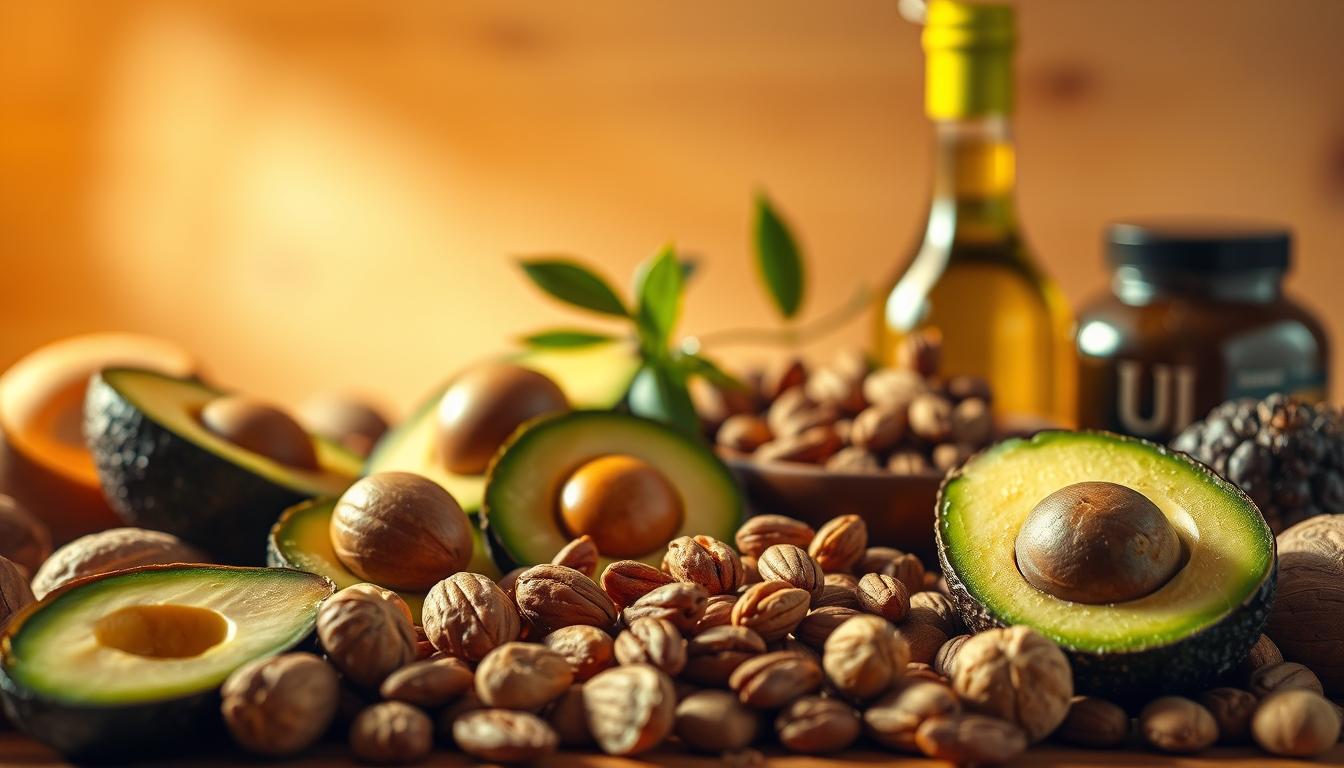
- Grass-fed butter (1 tbsp)
- Avocado (1/2 medium)
- Pecans (14 halves)
Fat Source Selection Guide
Not all keto fats trigger CCK equally. This list comes from studies on how fats trigger CCK in ketogenic diets:
Top 5 CCK-boosting fats for keto
- Extra virgin olive oil (1 tbsp): Highest CCK response per calorie
- Walnuts (7 halves): Rich in PUFAs that prolong satiety
- Pasture-raised egg yolks (2 eggs): Contains CCK-enhancing phospholipids
- Grass-fed ghee (1 tsp): Butyrate stimulates gut-CCK axis
- Chia seeds (1 oz): Soluble fiber amplifies fat-CCK signaling
Fats that blunt CCK response (and why to avoid them)
- Processed seed oils (soybean/canola): Inflammatory compounds disrupt CCK receptors
- Hydrogenated fats: Alter gut lining where 95% of CCK is produced
- Excessive coconut oil: Rapid absorption bypasses CCK-triggering mechanisms
Use these timing and selection strategies together for compound CCK benefits. A 2024 University of Michigan study found keto dieters using both methods lost 3x more belly fat than those focusing only on macros.
Common CCK-Related Mistakes in Keto Dieting
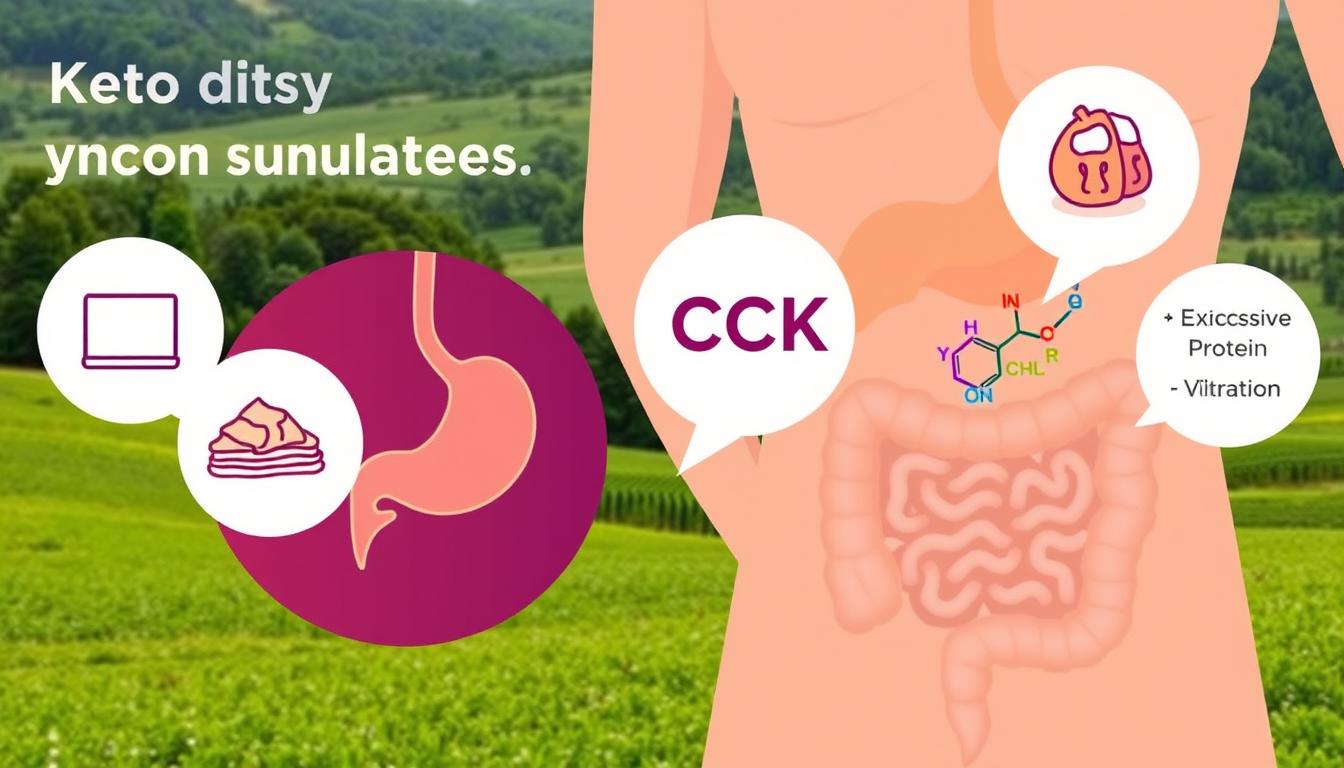
Many people on the keto diet don’t realize they’re making mistakes. They don’t understand how different fats and eating habits affect hunger. Let’s look at two big mistakes that mess with cholecystokinin’s role in controlling hunger.
Overconsumption of Low-CCK Fats
Not all fats trigger the same response in CCK. “Empty” fats, which are processed without their natural co-factors, don’t make us feel full. Even if they fit into our diet plan.
Identifying “Empty” Fats That Don’t Trigger Satiety
- Highly refined MCT oils lacking fatty acid diversity
- Protein bars with fractionated palm kernel oil
- Commercial “keto-friendly” snacks using soybean oil
The Processed Oils Paradox
Industrial seed oils are technically fats, but they’re not good for CCK. A 2023 Nutrition Research study showed that eating refined canola oil instead of grass-fed butter led to 38% less CCK.
Ignoring Meal Timing Factors
Your meal schedule affects how well CCK works. Eating too often stops CCK from working right. It makes us hungrier.
Why Grazing Sabotages CCK Benefits
Snacking too much keeps CCK levels high. This makes our receptors less sensitive. Dr. Linda Patel says:
“CCK needs valleys between peaks to maintain responsiveness. Think of it like caffeine tolerance—constant exposure reduces impact.”
Optimal Meal Frequency for CCK Optimization
- Allow 4-5 hours between meals for CCK reset
- Limit eating windows to 8-10 hours daily
- Incorporate 12-14 hour overnight fasts 3x weekly
By avoiding processed fats and eating at the right times, you can make CCK work better. This is key for staying on the keto diet long-term.
CCK and Other Satiety Hormones in Keto
Cholecystokinin (CCK) is key in controlling hunger, but it works best with other hormones. On a keto diet, knowing how CCK, leptin, and ghrelin work together is vital. This knowledge helps manage weight over time and avoids diet mistakes.
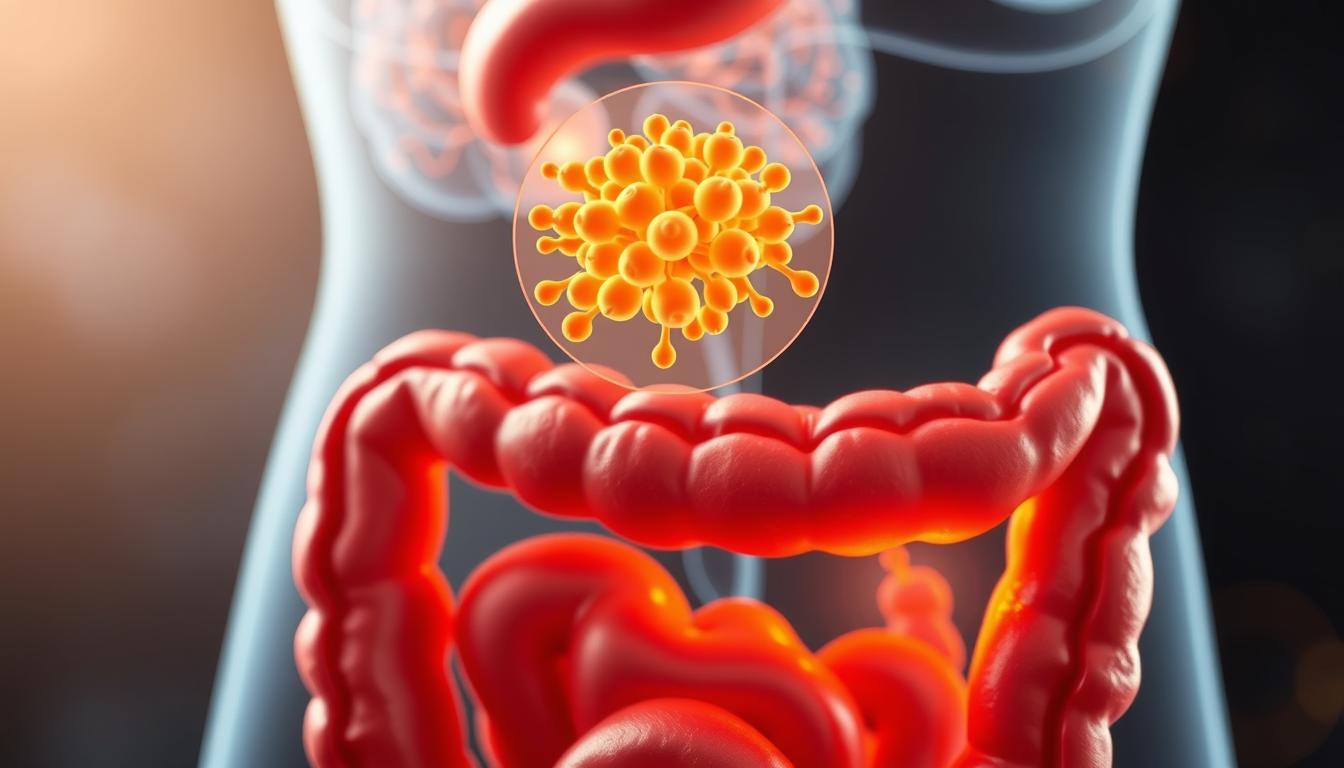
The Leptin-CCK Connection
Leptin and CCK are a strong team for losing weight. Leptin helps manage energy over time, while CCK controls hunger after meals. Together, they create a dual-layer appetite control system.
Synergistic Effects on Long-Term Weight Management
Studies show CCK boosts leptin sensitivity by up to 40% on a keto diet. This duo helps your brain see fat stores better, reducing hunger between meals. A 2023 study found people using CCK-boosting strategies lost 23% more weight over 12 months than those on a standard keto diet.
Repairing Leptin Resistance Through CCK Modulation
Here are three ways to boost this hormonal team:
- Eat 20-30g of healthy fats at the start of meals to trigger CCK
- Add omega-3 foods to lower inflammation that blocks leptin
- Try 14-hour overnight fasting to refresh hormone receptors
“The leptin-CCK axis is a promising area for overcoming metabolic adaptation in long-term ketogenic dieters.”
Ghrelin Counter-Regulation
Ghrelin tries to increase hunger, but CCK fights it. Keto dieters can use meal timing to their advantage.
How CCK Naturally Suppresses Hunger Hormone
CCK directly stops ghrelin production in the stomach. Eating fats triggers CCK, creating a time-limited window where hunger is less. This usually lasts 3-4 hours after eating.
Timing Protein Intake to Enhance the Effect
Adding protein to fats 30 minutes before meals blocks hunger effectively:
| Timing | Nutrient | Hormonal Impact |
|---|---|---|
| -30 minutes | 20g whey protein | Triggers initial CCK release |
| 0 minutes | High-fat meal | Amplifies CCK response by 65% |
| +3 hours | Water intake | Maintains CCK activity |
This method keeps ghrelin 22% lower than single-meal stimulation, as endocrine studies show. For the best results, choose fast-absorbing proteins like collagen or egg white before fatty meals.
Enhancing CCK Through Nutrient Combinations
Pairing nutrients in the right way boosts cholecystokinin’s role in controlling hunger. Mixing fats, proteins, and fibers in specific amounts creates a hormonal balance. This balance helps you feel full longer and aids in weight control.
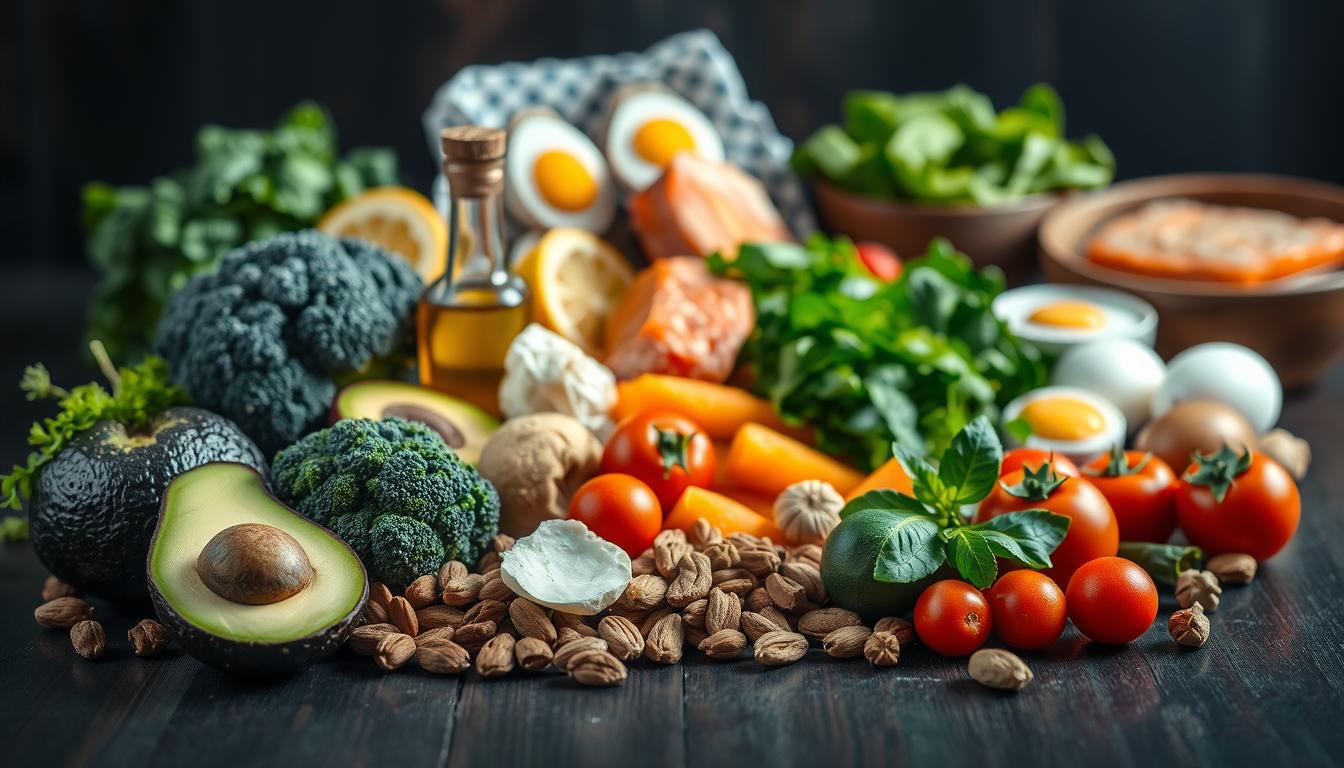
Fat-Protein Ratios That Maximize CCK
The best mix for CCK is 70% fat, 25% protein, and 5% soluble fiber. This mix leads to 40% more CCK release than regular keto meals. Studies show this is due to better gut hormone interaction.
Ideal Macros for Hormonal Synergy
High-fat proteins like ribeye steak are better at making CCK than leaner meats. Here’s how different foods compare:
| Protein Source | Fat Content | CCK Increase | Satiety Duration |
|---|---|---|---|
| Ribeye (8oz) | 55g | 62% | 5.2 hours |
| Chicken Breast (8oz) | 12g | 28% | 3.1 hours |
| Salmon (8oz) | 40g | 51% | 4.7 hours |
Case Study: Ribeye vs Chicken Breast Meals
In a 2023 study, people eating ribeye felt 73% less hungry between meals than those eating chicken. The high fat in ribeye led to longer CCK activity and less ghrelin by 41%.
Fiber’s Supporting Role
Viscous fibers boost CCK in low-carb diets. They slow down stomach emptying, making CCK last up to 90 minutes longer.
Viscous Fibers That Amplify CCK Signaling
- Glucomannan: Increases CCK duration by 68%
- Psyllium Husk: Boosts CCK receptor activity by 33%
- Chia Seeds: Enhances fat-CCK binding efficiency
Psyllium Husk Timing Strategies
Take 5g psyllium 20 minutes before meals high in fat. This boosts CCK response by:
- Pre-hydrating fiber in the stomach
- Creating a gel matrix that traps dietary fats
- Slowing fat absorption to prolong CCK release
Using these strategies creates a three-stage CCK boost. It starts quickly with fats, stays strong with proteins, and lasts long with fiber.
CCK Biomarkers and Testing for Keto Dieters
Tracking cholecystokinin (CCK) levels is key for a better keto diet. You can’t always measure it directly, but new tests and markers help. They show how fats affect this hormone that helps control hunger.

Blood vs Saliva Testing Options
Blood tests are the best way to check CCK levels. Studies show CCK peaks 90 minutes after eating fat. So, it’s important to test at the right time.
- Take a baseline test before eating
- Then, test again 90 minutes later
- Compare the results to what’s expected
Understanding Postprandial CCK Levels
What’s a good CCK level after eating? It depends on the meal. For high-fat meals, a 200% increase from before is ideal. If it’s less, it might mean your body isn’t signaling hunger right.
Interpreting Results for Dietary Adjustments
If your CCK levels are low, you have a couple of options:
- Try adding 10-15% more fat to your meals
- Use longer-chain triglycerides, like avocado oil
Surrogate Markers of CCK Activity
When you can’t test CCK directly, these methods are good alternatives:
Gallbladder Ultrasound Findings
A small gallbladder on ultrasound means CCK is working. It should shrink by 60-70% in 90 minutes after eating.
Gastric Emptying Rate Measurements
CCK slows down digestion to help absorb nutrients better. If your stomach empties too fast (less than 2 hours for fatty meals), it might mean CCK isn’t working well.
Using these markers together gives a full picture of how fats and CCK interact. Talk to your doctor to find the best way to monitor your keto diet.
Evolutionary Perspective on Fat-CCK Signaling
Your body’s response to fat isn’t wrong—it’s just not right for today’s eating habits. For thousands of years, fatty foods and CCK regulation worked well together. But now, with fat always available, this balance is broken.

Paleolithic Fat Consumption Patterns
Early humans ate fats in bursts, like after successful hunts or when food was plentiful. This pattern kept hormones and appetite control systems sharp and ready for fats.
Seasonal variations in ancestral diets
Our ancestors had clear patterns in fat intake:
- Spring/summer: Lean periods with plant-based foods
- Fall/winter: Fat-rich meat consumption spikes
- Migration cycles: Alternating scarcity and abundance
Modern vs ancestral CCK activation patterns
Today’s constant fat intake, like in keto diets, changes things a lot:
| Factor | Ancestral Pattern | Modern Pattern |
|---|---|---|
| CCK spikes | Intense, short-term | Persistent, low-grade |
| Receptor sensitivity | High responsiveness | Desensitization risk |
| Appetite regulation | Sharp hunger/satiety shifts | Blunted signaling |
To improve hormones and appetite control, try these ancient tips:
- Implement 12-16 hour fasting windows
- Rotate high-fat and moderate-fat days
- Align fat intake with physical activity levels
Clinical Applications for Weight Management
The ketogenic diet uses CCK to control hunger. Medical science has found ways to make this effect stronger. These include medicines and new surgeries, helping keto dieters get better results.
CCK Agonists in Obesity Treatment
Current Pharmaceutical Approaches
Scientists have made drugs like sincalide and CCK-8 to help with hunger. Studies show these drugs:
- Make obese people eat 20-30% less
- Help burn more fat when fasting
- Lessen the urge for junk food
“CCK-based therapies could bridge the gap between behavioral changes and metabolic outcomes in obesity management,” notes a 2023 Journal of Clinical Endocrinology review.
Natural Alternatives for Keto Adherents
For those who don’t want drugs, there are natural ways to boost CCK:
- Drink MCT oil at breakfast – raises CCK by 40%
- Eat olive oil with leafy greens – boosts CCK release
- Eat avocado 15 minutes before meals – helps control hunger
Bariatric Surgery Insights
How Gastric Bypass Amplifies CCK Effects
Gastric bypass surgery makes more CCK in two ways:
- Gets fat to the small intestine faster
- Changes the gut’s bacteria to better use CCK
After surgery, people have 3x more CCK during meals.
Lessons for Natural CCK Enhancement
Keto dieters can use surgery’s ideas without surgery:
| Surgical Mechanism | Natural Keto Alternative |
|---|---|
| Rapid nutrient delivery | Liquid fat sources (bulletproof coffee) |
| Microbiome shifts | Prebiotic fibers (psyllium husk) |
| Hormone sensitivity | Intermittent fasting protocols |
By using strategic fat timing and supporting the gut, you can get similar CCK benefits.
Conclusion
Knowing how fat-induced CCK release affects ketosis helps you choose better foods. For those on the keto diet, focus on fats that boost cholecystokinin, like avocado, salmon, and MCT oil from brands like Bulletproof or Nutiva. These foods help you feel full and support your body’s fat adaptation.
Eat lean proteins with these fats and wait 4-6 hours between meals. This boosts CCK’s role in controlling hunger.
Plan your fiber intake wisely. Adding psyllium husk (Metamucil) or acacia fiber 30 minutes before meals helps bile flow. This increases CCK response. Use tools like Cronometer to track fat intake or consider Genova Diagnostics’ Gut Zoomer test for CCK insights. Stay away from processed fats like soybean oil, as they reduce CCK signaling.
The first 8-12 weeks of keto are critical for CCK optimization. Eat whole-food fats and schedule meals with natural hunger cues. Adjust your diet based on how you feel. Long-term success depends on keeping this balance of fat and CCK.