Did you know that 63% of Americans actively seek healthier dessert options without sacrificing taste? Whether you follow a keto lifestyle or simply want to cut back on sugar, indulging in sweets doesn’t have to derail your goals. Modern baking has evolved, offering delicious alternatives that keep carbs in check.
From rich chocolate cakes to creamy cheesecakes, low-carb ingredients like almond flour and monk fruit sweetener make it easy to enjoy your favorites. These swaps mimic traditional textures while keeping sugar content minimal. Plus, they’re simple to incorporate into any recipe—no fancy skills required.
This guide explores tested techniques and ingredient swaps from trusted sources like Wholesome Yum. You’ll discover how to create crowd-pleasing treats that align with your health journey. Ready to satisfy cravings the smart way? Let’s dive in.
Key Takeaways
- Over 60% of Americans prefer healthier dessert alternatives.
- Almond flour and monk fruit sweetener replicate classic textures.
- Keto-friendly baking doesn’t require advanced skills.
- Trusted sources provide reliable low-carb recipes.
- Smart swaps let you enjoy sweets without guilt.
Why Choose Low-Carb Desserts?
Many people assume healthy desserts lack flavor, but low-carb options prove otherwise. These treats deliver rich taste while supporting your wellness goals. Whether you manage diabetes or follow a keto plan, smart swaps make indulgence guilt-free.
Health Benefits of Low-Carb Baking
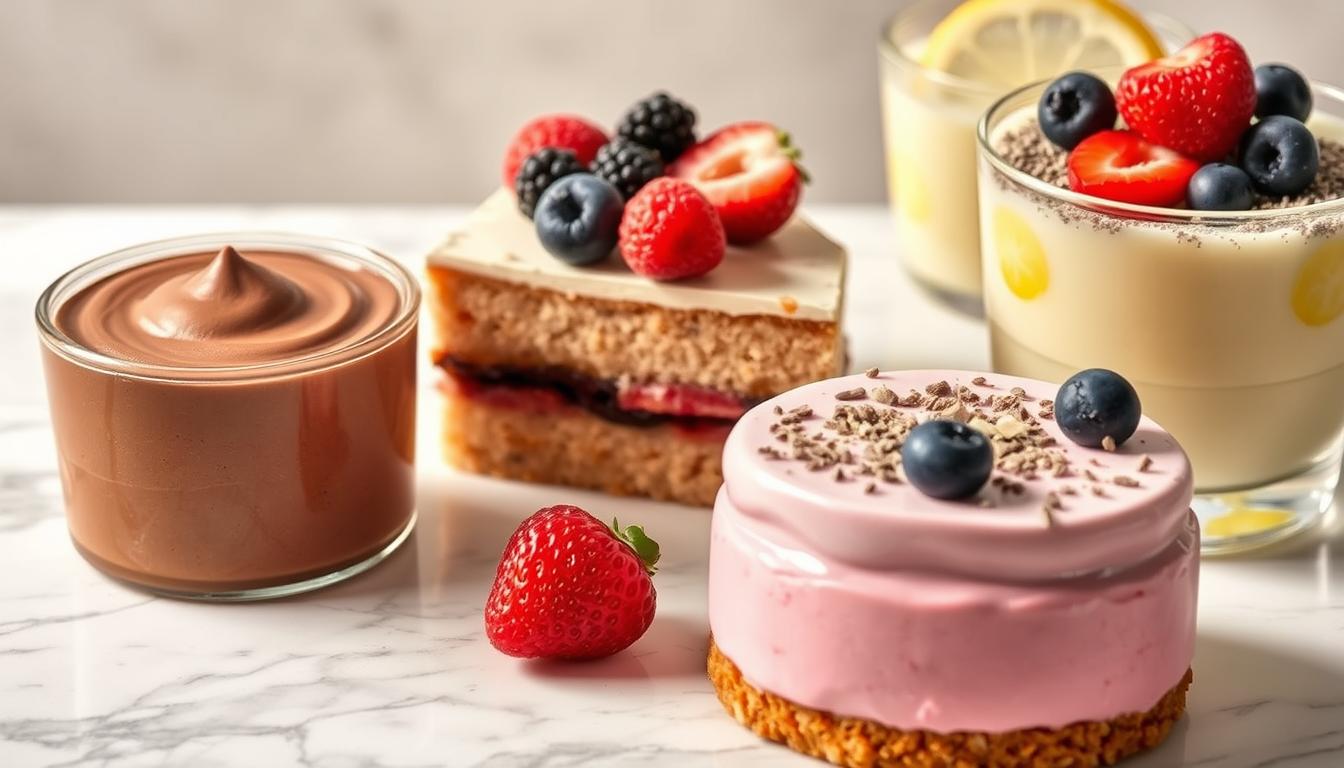
Reducing refined sugars helps stabilize blood sugar levels. Almond flour, with just 3g net carbs per ¼ cup, outperforms wheat flour (23g). This swap keeps desserts diabetic-friendly without compromising texture.
Studies show that sugar-free ingredients may also boost metabolism. For example, monk fruit sweetener doesn’t spike insulin like regular sugar. Even fruits like raspberries work in moderation, adding fiber and antioxidants.
How Low-Carb Desserts Fit Into Your Lifestyle
Busy schedules don’t have to derail healthy habits. Prepping a Wholesome Yum cheesecake (5g net carbs/slice) or fudgy brownies takes minutes. Brands like Two Good Yogurt (2g carbs/serving) simplify frosting recipes.
| Ingredient | Net Carbs (Per Serving) | Traditional Alternative | Carbs Saved |
|---|---|---|---|
| Almond flour | 3g | Wheat flour | 20g |
| Monk fruit sweetener | 0g | Sugar | 12g |
| Two Good Yogurt | 2g | Regular yogurt | 18g |
Myths about “boring” diet desserts fade when you try options like caramel pecan bars or lemon curd tarts. The table above shows how substitutions slash carbs by 70–90%.
Adopting this lifestyle means enjoying sweets that align with your health journey. From birthday cakes to midnight snacks, every bite can be both delicious and mindful.
Essential Low-Carb Ingredients for Baking
The right ingredients transform low-carb baking from bland to brilliant. Quality swaps ensure desserts stay moist, flavorful, and structurally sound. Let’s break down the must-haves for your pantry.
Best Low-Carb Flours to Use
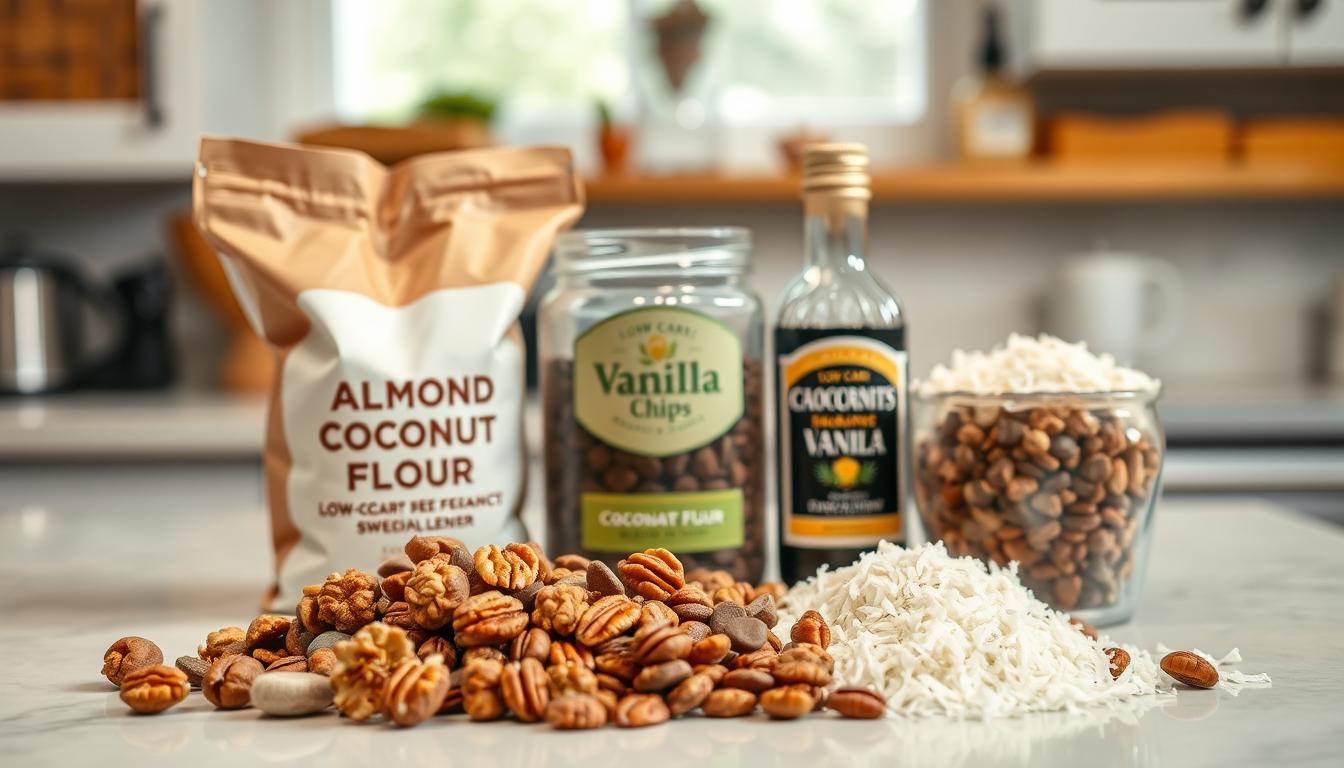
Wholesome Yum Blanched Almond Flour delivers a fine texture, ideal for cheesecake crusts. Coconut flour absorbs more liquid (4:1 ratio vs. almond flour), requiring extra eggs or oil. For nut-free options, sunflower seed flour works at a 1:1 swap.
“Almond flour’s mild taste and fine grind make it the gold standard for low-carb baking.”
Natural Sweeteners vs. Sugar
Besti Monk Fruit Allulose Blend mimics sugar’s 1:1 ratio without dryness. Erythritol, while cost-effective, may leave a cooling aftertaste. Avoid liquid stevia in crusts—it promotes sogginess.
| Sweetener | Pros | Cons |
|---|---|---|
| Monk Fruit + Allulose | No aftertaste, moist results | Higher cost |
| Erythritol | Budget-friendly | Cooling effect |
| Stevia (liquid) | Zero carbs | Alters texture |
Healthy Fats for Rich Flavor
Grass-fed butter and avocado oil add moisture to cakes and cookies. For dairy-free needs, coconut oil performs well in brownies. These fats enhance mouthfeel without spiking carbs.
- Tip: Chill doughs with almond flour to prevent spreading.
- Warning: Overmixing coconut flour batters creates grittiness.
How to Bake Guilt-Free Desserts With Low-Carb Ingredients
The secret to flawless desserts lies in technique, not just ingredients. Even with top-tier almond flour or monk fruit sweetener, small missteps can ruin texture and structure. Follow these pro strategies to avoid disappointment.
Key Tips for Success
For cream cheese-based fillings, use the low and slow mixing method. Overbeating incorporates air bubbles, causing cracks after baking. Blend just until smooth—no longer.
Always preheat oven 350°F for almond flour crusts. This temperature ensures even cooking without burning. A hot oven also helps set the structure early.
- Chill doughs: Almond flour batters spread if baked immediately. Refrigerate for 30 minutes first.
- Tap pans: Gently knock filled pans on the counter to release trapped air.
- Use parchment: Line springform pans to prevent sticking without extra carbs.
5 Common Mistakes to Avoid
Even seasoned bakers slip up. Steer clear of these errors:
- Swapping powdered and granular sweeteners—they measure differently.
- Skipping chilling steps, leading to crumbly crusts.
- Overmixing coconut flour batters, creating grittiness.
- Baking at high temps, which dries out desserts.
- Ignoring pan prep—greasing isn’t enough; parchment is essential.
“A perfectly baked cheesecake should jiggle slightly in the center when shaken. Residual heat finishes the setting process as it cools.”
With these adjustments, your treats will rival traditional versions. Patience and precision make all the difference.
Delicious Low-Carb Dessert Recipes
Craving something sweet without the sugar rush? These low-carb dessert recipes deliver. From creamy cheesecakes to quick mug cakes, each option balances flavor and nutrition. Best of all, they’re simple enough for beginners.
Keto Cheesecake
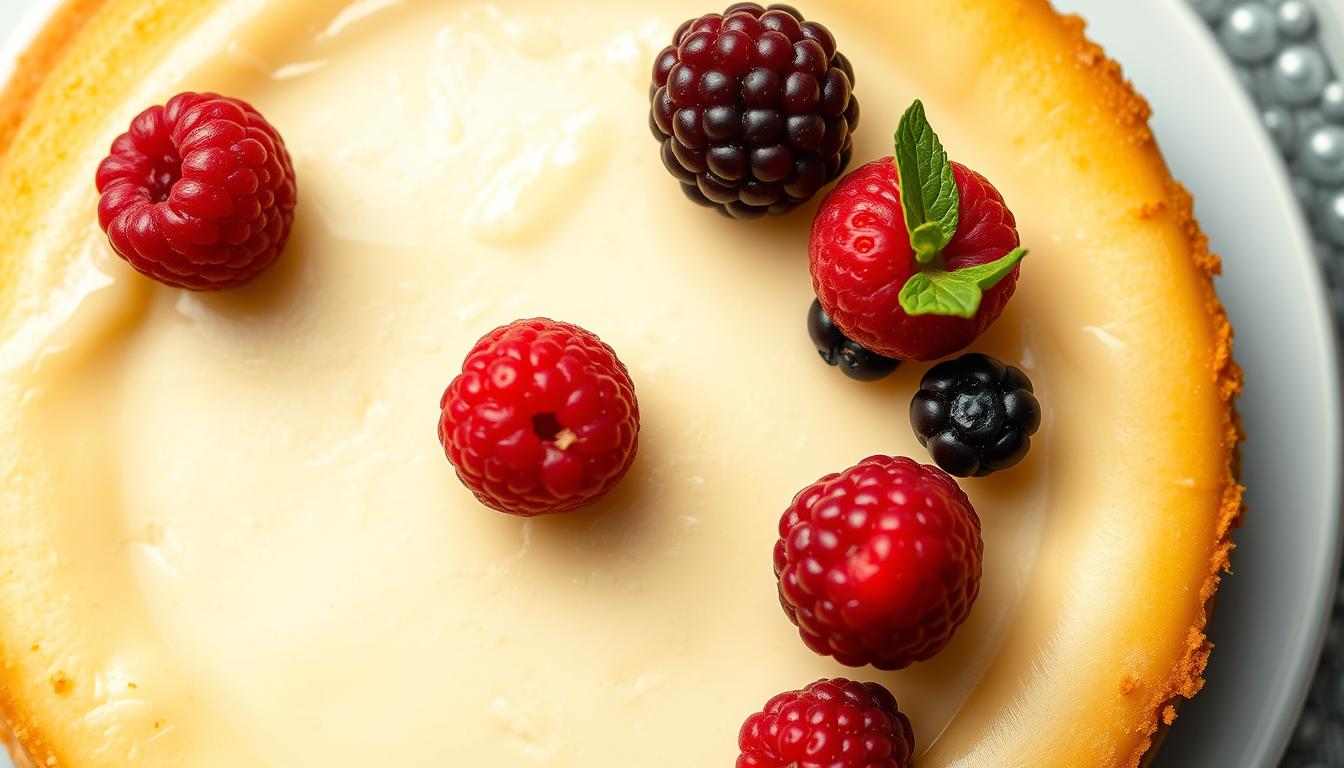
This keto cheesecake uses 32oz cream cheese and powdered Besti for a silky texture. Each slice packs just 5g net carbs and 325 calories. Top with raspberry sauce (1g net carbs/tbsp) for a tangy twist.
Pro tip: Use Two Good Yogurt in the frosting—it’s a sugar-free alternative with 2g carbs per serving. For nut-free crusts, swap almond flour for sunflower seed flour.
Low-Carb Chocolate Mug Cake
Need dessert in minutes? This recipe requires no flour—just cocoa powder, eggs, and monk fruit sweetener. Microwave for 50-60 seconds for a fudgy, single-serving treat.
- No oven needed: Perfect for late-night cravings.
- Customize: Add peanut butter or vanilla extract.
Almond Flour Carrot Cake
Shredded carrots (1 cup = Almond flour replaces wheat flour, slashing carbs without sacrificing texture. Frost with cream cheese or coconut whipped cream.
“Real veggies in desserts? Absolutely. Carrots add natural sweetness and moisture, debunking the ‘keto dryness’ myth.”
Step-by-Step Baking Instructions
Mastering low-carb baking starts with precision—every step matters. Whether you’re crafting a cheesecake or mug cake, proper technique ensures flawless texture and taste. Let’s break down the process from prep to finish.
Preparing Your Ingredients
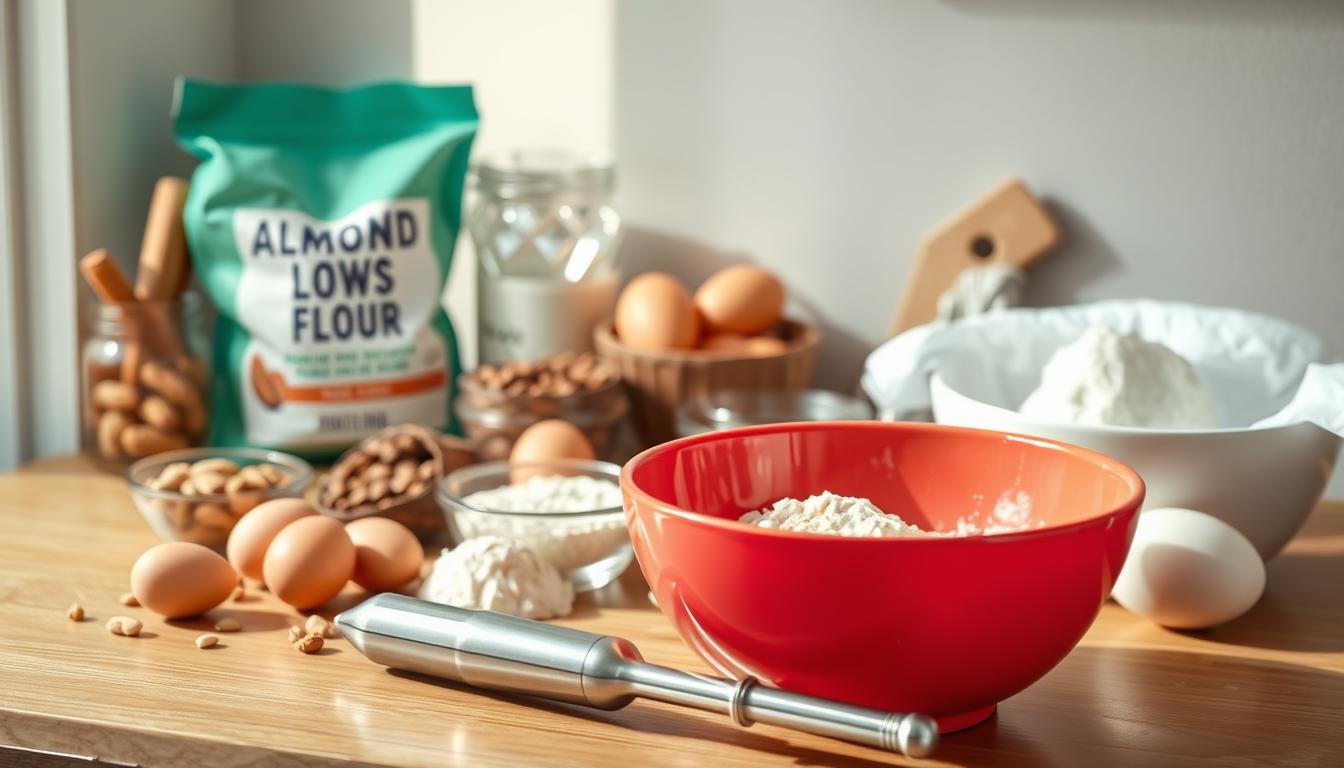
Softened cream cheese blends smoothly, while room-temperature eggs prevent clumping. Measure Wholesome Yum almond flour and Besti sweetener accurately—a kitchen scale boosts consistency.
For crusts, preheat oven 350°F and line pans with parchment paper. Pre-bake crusts 10–12 minutes until golden. A knife test ensures edges are set before filling.
Mixing and Baking Techniques
Beat cream cheese and sweetener until fluffy peaks form. Add eggs one at a time, mixing just until combined. Overbeating introduces air bubbles that crack during baking.
Pour filling into cooled crusts. Bake 40–55 minutes; the center should jiggle slightly when shaken.
“Residual heat finishes the setting process—never overbake cheesecakes.”
Testing for Doneness
Compare bake times for pans: springform (50 mins) vs. silicone molds (35 mins). Tent underbaked centers with foil to prevent browning. Cool desserts gradually to avoid sinking.
- Pro tip: Chill slices 2 hours for clean cuts.
- Warning: Skipping parchment paper risks sticking.
Creative Topping Ideas for Low-Carb Desserts
Elevate your desserts with creative, sugar-free toppings that enhance both taste and presentation. From velvety whipped cream to vibrant berry sauces, these additions add texture and depth without extra carbs. Perfect for cheesecakes, mug cakes, or even yogurt parfaits.
Sugar-Free Whipped Cream
Whip up a cloud-like topping in minutes using just two ingredients: heavy cream and Besti vanilla powder. Chill your bowl and beaters first for maximum volume. For a dairy-free version, coconut cream works equally well.
Pro tip: Fold in a pinch of cinnamon or cocoa powder for extra flavor. Homemade versions save 3g carbs per serving compared to store-bought alternatives.
Fresh Berry Compote
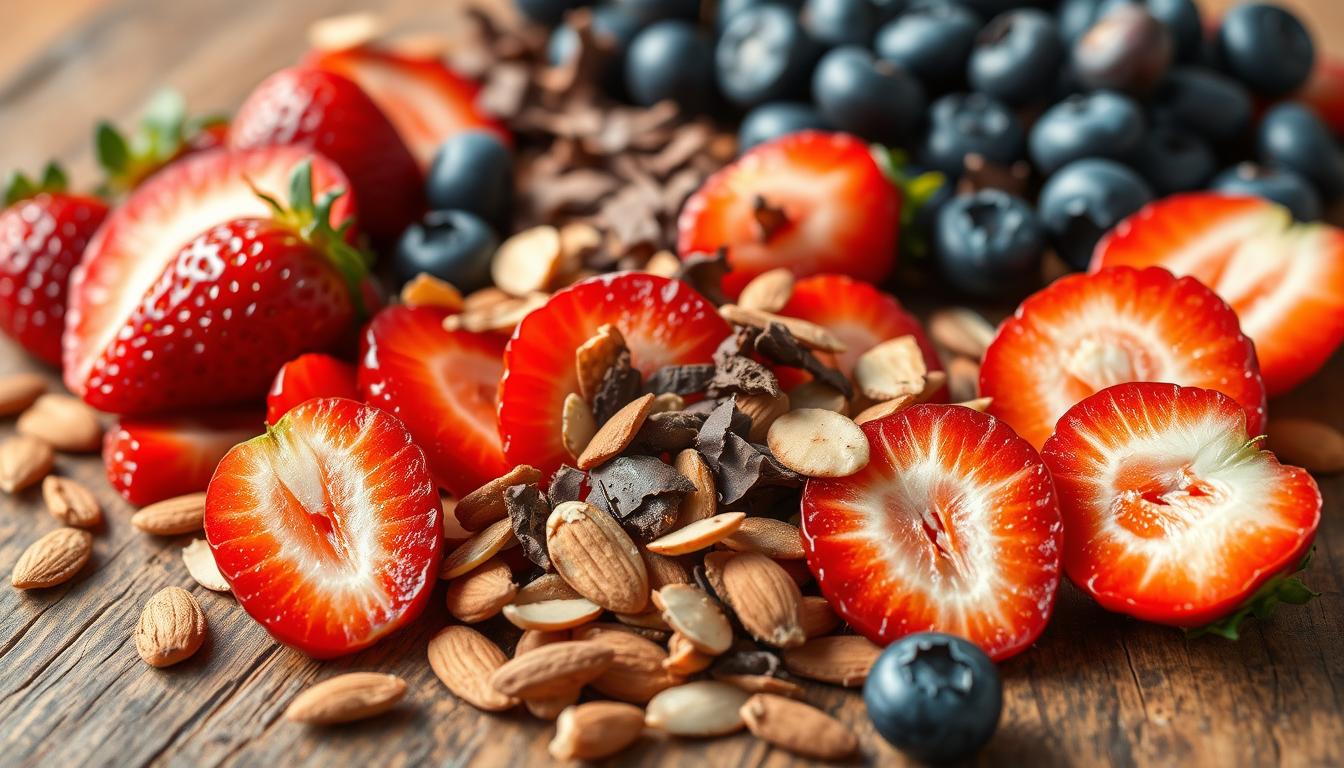
Simmer frozen raspberries or strawberries with Besti powdered sweetener on low heat. This preserves nutrients while thickening naturally. Stir in chia seeds for a jam-like consistency.
- Nutrient boost: Berries add antioxidants and fiber.
- Versatility: Drizzle over cakes or mix into Greek yogurt.
Low-Carb Chocolate Drizzle
Melt ChocZero chips using a double boiler for a glossy finish. Tempering ensures smoothness—avoid microwaving, which can seize the chocolate. Perfect for topping brownies or almond flour pancakes.
“A well-tempered chocolate drizzle hardens with a snap, adding professional flair to any dessert.”
| Topping | Net Carbs (Per Serving) | Best Pairings |
|---|---|---|
| Whipped Cream | 1g | Cheesecake, hot cocoa |
| Berry Compote | 2g | Pancakes, ice cream |
| Chocolate Drizzle | 1g | Brownies, strawberries |
Garnish with mint leaves or edible flowers for Instagram-worthy finishes. These toppings prove that sugar-free can still mean decadent.
Serving and Presentation Tips
Presentation transforms simple treats into showstoppers for friends and family. A well-plated dessert enhances flavor perception and makes every bite feel special. Whether hosting a dinner party or enjoying a solo treat, these strategies elevate your creations.

Mastering Plating Techniques
Negative space on plates draws attention to your gluten free desserts. Use squeeze bottles for precise sauce swirls—a trick pastry chefs swear by. For height, layer cakes with whipped cream or berries between tiers.
- Contrast colors: Dark chocolate against white plates pops visually.
- Garnish smartly: Mint leaves or edible flowers add freshness.
Perfect Beverage Pairings
Black coffee cuts through the richness of cheesecake, while chai tea complements carrot cake’s spices. For gluten free brownies, try a bold red wine to highlight cocoa notes.
“Temperature matters—serve cheesecakes chilled, but warm mug cakes slightly for gooey centers.”
| Dessert | Ideal Temp | Portion Size |
|---|---|---|
| Cheesecake | Chilled (40°F) | 1/8 slice |
| Mug Cake | Warmed (100°F) | 6 oz ramekin |
| Lemon Bars | Room temp (68°F) | 2″ square |
Buffet tip: Pre-portion desserts to avoid overindulgence. Small plates encourage sampling without waste.
Storing and Freezing Low-Carb Desserts
Proper storage keeps your treats fresh while preserving their nutritional value. Whether you’re saving cheesecake slices or prepping batches ahead, these methods lock in flavor and texture.
Best Practices for Freshness
For cream-based fillings, airtight glass containers prevent separation. Cheesecakes last 3–5 days in the refrigerator, while unfrosted carrot cake freezes well for a month.
Vacuum-sealing outperforms parchment wrapping for freezing. It blocks freezer burn and extends shelf life. Label packages with dates to track expiration.
“Thaw cheesecakes gradually—24 hours in the fridge beats 4 hours on the counter for even consistency.”
How to Reheat Without Drying Out
Mug cakes revive with 15-second microwave bursts. Cover them with a damp paper towel to retain moisture. For larger desserts, a 250°F oven warms gently without compromising structure.
| Method | Best For | Time |
|---|---|---|
| Refrigerator | Cheesecake, custards | 24 hrs |
| Microwave | Mug cakes, brownies | 15 sec bursts |
| Oven | Frosted cakes | 10 mins at 250°F |
Frosted items? Store them upside down to prevent topping cracks. These small steps ensure every bite tastes freshly made.
Conclusion
Sharing desserts with loved ones just got healthier—and tastier. With the right sweeteners and moisture-retention tricks, it’s easy make crowd-pleasing treats that align with your goals.
Start with the Wholesome Yum cheesecake—a foolproof recipe that proves keto desserts can dazzle. Serve it at gatherings to wow friends family without mentioning it’s sugar-free.
For quick reference, grab a downloadable conversion chart to simplify swaps. Remember, guilt-free indulgence isn’t about sacrifice—it’s about savoring every bite, your way.