Did you know that your mitochondria produce 90% of the energy your body needs to function? These tiny cellular powerhouses play a critical role in everything from aging to disease prevention. Yet, many modern homes are filled with hidden hazards that disrupt their efficiency.
Environmental toxins like synthetic fragrances, mold, and volatile organic compounds (VOCs) can impair mitochondrial health. Even everyday items like plastic containers or cleaning products may contain harmful chemicals like BPA and phthalates. These substances interfere with adenosine triphosphate (ATP) production, leaving you feeling drained.
Research by Taylor Appel highlights the importance of clean air and water in reducing cellular stress. By addressing these factors, you can create a living space that supports your mitochondria and boosts overall well-being. Let’s explore expert strategies to transform your home into a sanctuary for cellular health.
Key Takeaways
- Mitochondria are essential for energy production and overall health.
- Environmental toxins like VOCs and BPA can harm mitochondrial function.
- Clean air and water reduce cellular stress and improve efficiency.
- Everyday household items may contain harmful chemicals.
- Expert strategies can optimize your living space for mitochondrial support.
Understanding Mitochondria and Their Role in Your Health
Mitochondria are the unsung heroes of your body’s energy system. Found in nearly every cell, these tiny structures are responsible for producing adenosine triphosphate (ATP), the molecule that fuels your body. Without them, your energy production would grind to a halt.
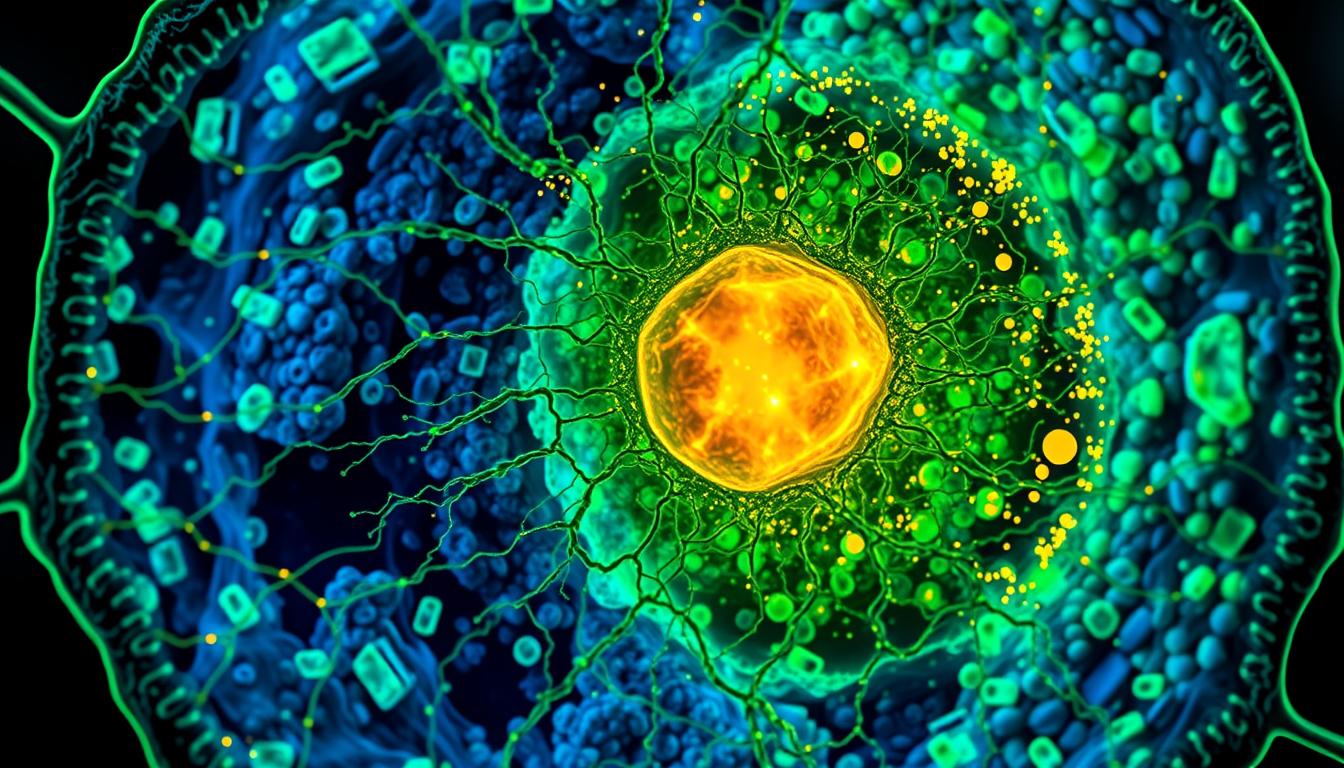
Each mitochondrion has a unique double-membrane structure. The inner membrane houses enzymes like ATP synthase, which play a critical role in the process of converting nutrients into energy. This mitochondrial function is essential for everything from muscle movement to brain activity.
Interestingly, mitochondria have their own circular DNA (mtDNA). This genetic material helps regulate energy production and can be influenced by environmental factors. When mtDNA is damaged, it can lead to a decline in mitochondrial function, causing symptoms like chronic fatigue, brain fog, and temperature sensitivity.
What Are Mitochondria and Why Are They Important?
Mitochondria are often called the “powerhouses of the cell” because they generate ATP through a series of biochemical reactions known as the Krebs cycle and electron transport chain. This process ensures your body has the energy it needs to perform daily tasks.
Beyond energy, mitochondria also play a role in regulating metabolism and protecting against disease. When they function optimally, they help maintain a healthy metabolic rate and support your immune system. However, dysfunction can lead to a 40% reduction in ATP, as shown in a 2023 study on polluted environments.
How Mitochondrial Health Impacts Your Well-Being
Your mitochondria are directly linked to your overall health. When they’re working efficiently, you feel energized and focused. But when their function is impaired, you may experience symptoms like light sensitivity, muscle weakness, and persistent fatigue.
Maintaining healthy mitochondria is crucial for preventing chronic conditions and supporting longevity. By understanding their role and taking steps to protect them, you can enhance your energy production and improve your quality of life.
How to Create a Mitochondria-Friendly Home Environment
Your living space plays a vital role in supporting your cellular energy production. By making a few strategic changes, you can create an environment that enhances mitochondrial health and boosts your overall well-being.

Optimize Air Quality for Better Mitochondrial Function
Clean air is essential for your cells to function efficiently. Airborne pollutants like mold spores and volatile organic compounds (VOCs) can harm mitochondrial dna and reduce ATP production. A 2022 study found that reducing VOCs led to a 27% increase in ATP levels.
To improve air quality, consider using HEPA filters, which remove 99.97% of airborne particulates. MERV 13+ filters with UV-C light are particularly effective at eliminating mold spores. For a budget-friendly option, EPA-certified air purifiers under $300 are a great choice.
Choose Non-Toxic Cleaning and Personal Care Products
Many household products contain harmful chemicals that disrupt mitochondrial health. Ingredients like parabens, sulfates, and formaldehyde donors can decrease mitochondrial dna copy numbers by up to 18%.
Switch to non-toxic alternatives for cleaning and personal care. DIY vinegar-based solutions with essential oils are effective and safe. For personal care, look for products free of phthalates and other harmful chemicals. Shower filters that remove 98% of chlorine can also protect your body from toxins.
| Product Type | Recommendation | Benefit |
|---|---|---|
| Air Purifier | EPA-certified models under $300 | Reduces airborne pollutants |
| Cleaning Solution | DIY vinegar + essential oils | Non-toxic and effective |
| Shower Filter | Chlorine-removing filters | Protects skin and cells |
By focusing on clean air and non-toxic products, you can create a home environment that supports your energy production and overall health. Small changes can make a big difference in protecting your mitochondrial health.
Dietary Adjustments to Support Mitochondrial Health
The food you eat directly impacts your cellular energy production. Your diet can either enhance or impair mitochondrial function, making it essential to choose wisely. By incorporating nutrient-rich foods and avoiding harmful ones, you can optimize your body’s energy-generating process.

Incorporate Mitochondria-Boosting Foods into Your Diet
Certain foods are particularly beneficial for mitochondrial health. Omega-3 fatty acids, found in fatty fish like wild salmon, help maintain mitochondrial membrane integrity. Resveratrol, a compound in berries, increases mitophagy by 40%, promoting cellular repair.
Here’s a 7-day meal plan to get you started:
- Day 1: Wild salmon with quinoa and steamed broccoli.
- Day 2: Walnut and spinach salad with purple sweet potatoes.
- Day 3: Grilled mackerel with asparagus and brown rice.
- Day 4: Blueberry and almond butter smoothie with chia seeds.
- Day 5: Sardines on whole-grain toast with a side of kale.
- Day 6: Avocado and walnut-stuffed bell peppers.
- Day 7: Elderberry and Greek yogurt parfait with flaxseeds.
For a shopping list, focus on high-polyphenol foods like capers, elderberries, and dark chocolate. These support mitochondrial function and reduce oxidative stress.
Avoid Inflammatory Foods That Harm Mitochondria
Processed foods can increase D-loop methylation by 33%, impairing mitochondrial function. Advanced glycation end products (AGEs) in grilled meats also contribute to cellular damage. Opt for organic produce to minimize pesticide exposure, which can harm mitochondrial DNA.
Intermittent fasting is another effective strategy. It induces autophagy, a cellular cleanup process that removes damaged mitochondria. For those with MTHFR gene variants, focus on folate-rich foods like leafy greens to support methylation.
By making these dietary adjustments, you can create a diet that supports your mitochondrial health and boosts overall energy. For more healthy meal ideas, check out these smoothie recipes.
Lifestyle Habits That Enhance Mitochondrial Function
Your daily habits play a crucial role in maintaining mitochondrial health. Simple changes in your routine can significantly boost your energy levels and support cellular repair. Let’s explore two key areas: sleep and physical activity.

Prioritize Quality Sleep for Mitochondrial Repair
Sleep is essential for mitochondrial biogenesis, the process of creating new mitochondria. Research shows that 8 hours of quality sleep can increase this process by 56%. To optimize your sleep, consider tracking your sleep stages with tools like the Oura ring.
For deeper sleep, try the 4-7-8 breathing technique. Inhale for 4 seconds, hold for 7 seconds, and exhale for 8 seconds. This method helps calm your nervous system and improves sleep quality. Additionally, avoid blue light exposure after 7 PM to regulate your circadian rhythm.
Engage in Regular Physical Activity
Physical activity is a powerful way to enhance mitochondrial function. High-intensity interval training (HIIT) boosts Complex IV activity by 49%, improving energy production. A 20-minute HIIT routine requiring no equipment can be highly effective.
Zone 2 training, on the other hand, focuses on steady-state cardio. It’s excellent for building endurance and supporting mitochondrial health. Both methods offer unique benefits, so consider incorporating a mix into your routine.
For added benefits, try sauna sessions at 180°F for 15 minutes. This activates heat shock proteins (HSPs), which protect and repair mitochondria. Combined with exercise, these habits can transform your body’s energy production.
By prioritizing sleep and staying active, you can prevent mitochondrial dysfunction and maintain optimal health. For more tips on managing your weight and energy levels, check out these symptoms of overweight individuals.
Supplements and Natural Compounds for Mitochondrial Support
Natural compounds and supplements offer powerful ways to enhance mitochondrial function. While diet and lifestyle are foundational, targeted supplementation can provide the extra support your mitochondrial dna needs to thrive. Whether you’re looking to boost energy, combat fatigue, or prevent disease, the right nutrients can make a significant difference.
Key Supplements to Boost Mitochondrial Health
Certain supplements are particularly effective for supporting mitochondrial dna and function. PQQ (Pyrroloquinoline quinone), for example, increases mitochondrial density by 37%, helping your cells produce more fuel. NAC (N-Acetyl Cysteine) replenishes glutathione by 200%, protecting your mitochondria from oxidative stress.
When choosing supplements, consider the form and absorption rates. Ubiquinol, the active form of CoQ10, is absorbed 8 times better than standard CoQ10. Brands like Pure Encapsulations and Thorne are known for their high-quality formulations. Synergistic stacks, such as ALA (Alpha-Lipoic Acid) combined with ALCAR (Acetyl-L-Carnitine), can further enhance results.
Herbal and Botanical Remedies for Mitochondrial Function
Herbs and botanicals provide natural ways to support mitochondrial health. Berberine, for instance, activates AMPK, a key enzyme in energy regulation. Adaptogens like rhodiola combat fatigue, while ashwagandha helps manage stress, both of which are crucial for maintaining mitochondrial dna integrity.
Green tea extract, rich in EGCG, enhances ATP synthase activity, improving cellular energy production. However, be cautious with timing—alpha-lipoic acid should not be taken with thyroid medications, as it can interfere with their absorption.
By incorporating these supplements and natural compounds, you can create a robust strategy to support your mitochondria and optimize your overall health.
Conclusion: Building a Mitochondria-Friendly Lifestyle
Transforming your daily habits can significantly enhance your mitochondrial health and overall well-being. Research shows that cumulative lifestyle changes can increase mtDNA copies by 62%, leading to better energy production and cellular repair. Start with small, actionable steps to see lasting results.
Focus on high-impact changes first, such as improving sleep quality and incorporating regular physical activity. Over time, these adjustments will support your body’s natural process of maintaining healthy mitochondria. Community support and habit-tracking apps can keep you motivated throughout your journey.
For long-term resilience, consider functional testing and maintenance protocols. These ways ensure your human health remains optimized. By committing to these changes, you’ll create a lifestyle that fosters vitality and longevity.