Your body is already equipped with powerful systems to remove toxins. The liver, kidneys, and digestive tract work daily to filter waste—no extreme diets required. Yet, misconceptions about quick fixes persist in the $4.8 billion detox industry.
Research shows over 80,000 chemicals exist in modern environments (CDC). While exposure is real, your health thrives when you support—not override—your body’s innate processes. Sustainable lifestyle adjustments prove more effective than restrictive plans lacking scientific backing.
This guide focuses on evidence-based habits. You’ll learn simple ways to enhance natural detoxification through hydration, nutrition, and movement—all without drastic measures.
Key Takeaways
- Your liver and kidneys naturally filter toxins daily.
- Extreme detox diets often lack scientific support.
- Over 80,000 chemicals exist in modern environments.
- Small lifestyle changes boost your body’s cleansing ability.
- Hydration and whole foods are foundational for health.
Understanding Natural Detoxification: What Your Body Already Does
Modern detox trends often overlook your body’s built-in purification systems. Your liver, kidneys, and digestive system work synergistically to neutralize and eliminate toxins daily—no expensive supplements required.
Your Built-In Detox Powerhouses
The liver processes 1.4 liters of blood per minute, filtering bile and activating enzymes like glutathione to break down harmful compounds. Meanwhile, your kidneys sieve 180 liters of blood daily, flushing waste through urine.
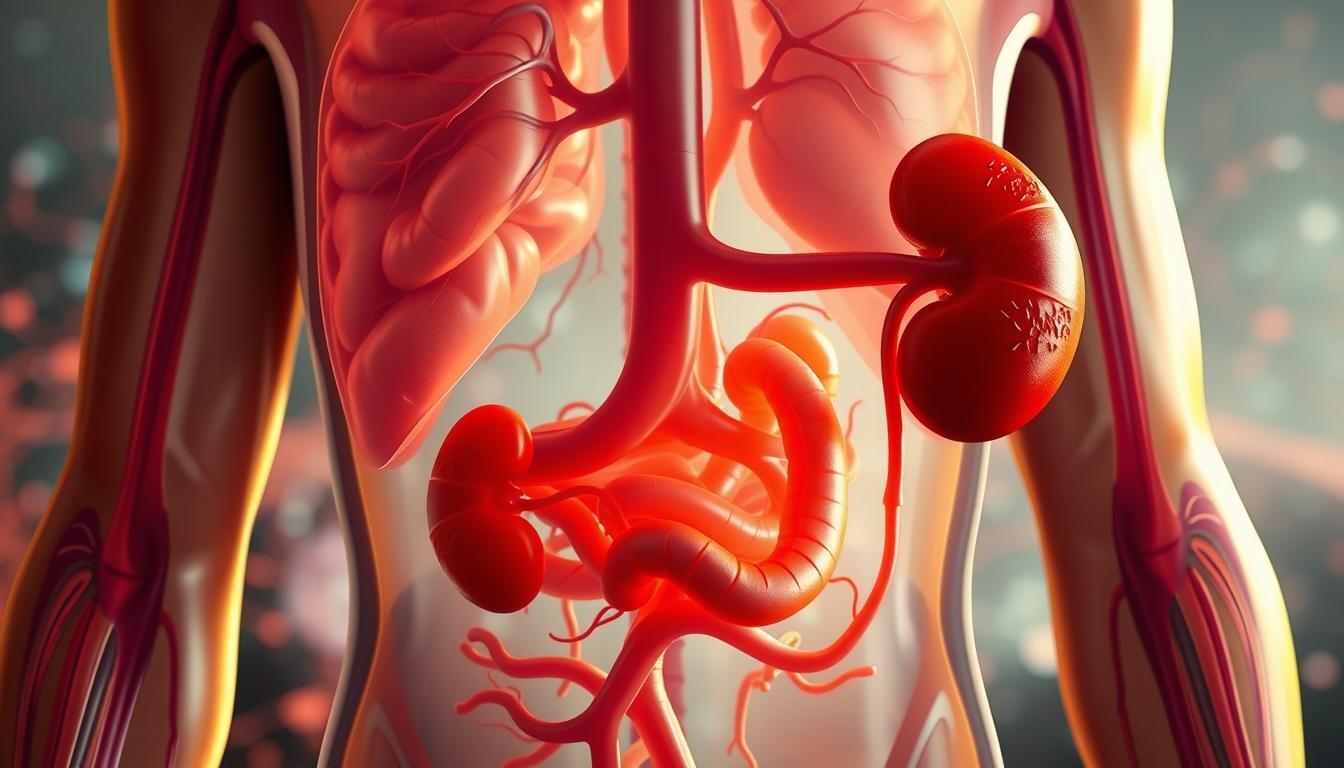
Your gut completes the triad. A diverse microbiome strengthens the intestinal barrier, preventing toxins from re-entering the bloodstream. Think of this system as a 24/7 purification plant—far more efficient than any weekend cleanse.
Debunking Detox Myths
Despite marketing claims, detox diets rarely outperform your body’s natural processes. A Johns Hopkins study found no difference in toxin levels between participants on juice cleanses and those eating normally.
The FDA warns that 78% of detox diets and teas lack approval, with some causing dehydration or electrolyte imbalances. As hepatologist Dr. David Bernstein notes:
“Your liver doesn’t need a $300/month supplement—it needs consistent hydration and whole foods.”
Instead of restrictive plans, focus on supporting your innate detoxification pathways. The next sections reveal practical, science-backed ways to enhance what your biology already excels at.
Hydration: The Simplest Way to Support Detox
Proper hydration fuels your body’s natural cleansing processes effortlessly. The CDC reports 75% of Americans operate in chronic dehydration, impairing vital detoxification pathways. Water acts as both solvent and transport medium, enabling your kidneys to filter waste and your cells to produce energy.
The Science Behind Water’s Cleansing Power
Every biochemical reaction in your body requires water, including ATP production. Research shows proper hydration:
- Boosts neurotransmitter function for brain toxin removal
- Maintains blood volume for efficient organ perfusion
- Prevents urinary stone formation by 39% (Journal of Urology)
Calculate your ideal intake: divide your weight (lbs) by 2 for daily ounces. A 150-pound person needs 75 oz—more if active or in hot climates.
Lemon Water: Morning Ritual With Benefits
Starting your day with 16oz warm lemon water (½ lemon) offers clinical advantages:
- Increases urinary citrate levels, preventing kidney stones
- Stimulates bile production for liver support
- Provides vitamin C for glutathione synthesis
“Participants in a 30-day lemon water challenge showed 22% improved ALT liver enzymes,” notes a Nutrition Research study.
Track hydration with apps like WaterMinder or MyWater. Pale yellow urine indicates optimal status—dark shades signal dehydration.
Avoid sugary “detox” drinks that spike blood sugar. Plain water, herbal teas, and infused waters support health without empty calories. Your body’s detoxification system thrives on simplicity.
Eating for Detox: Foods That Enhance Natural Cleansing
Nutrient-dense choices amplify your body’s detox pathways effortlessly. Research shows certain foods boost glutathione—a key antioxidant—by 30%, while others strain your liver. This section reveals what to prioritize and avoid for optimal toxin removal.
Antioxidant-Rich Vegetables and Fruits
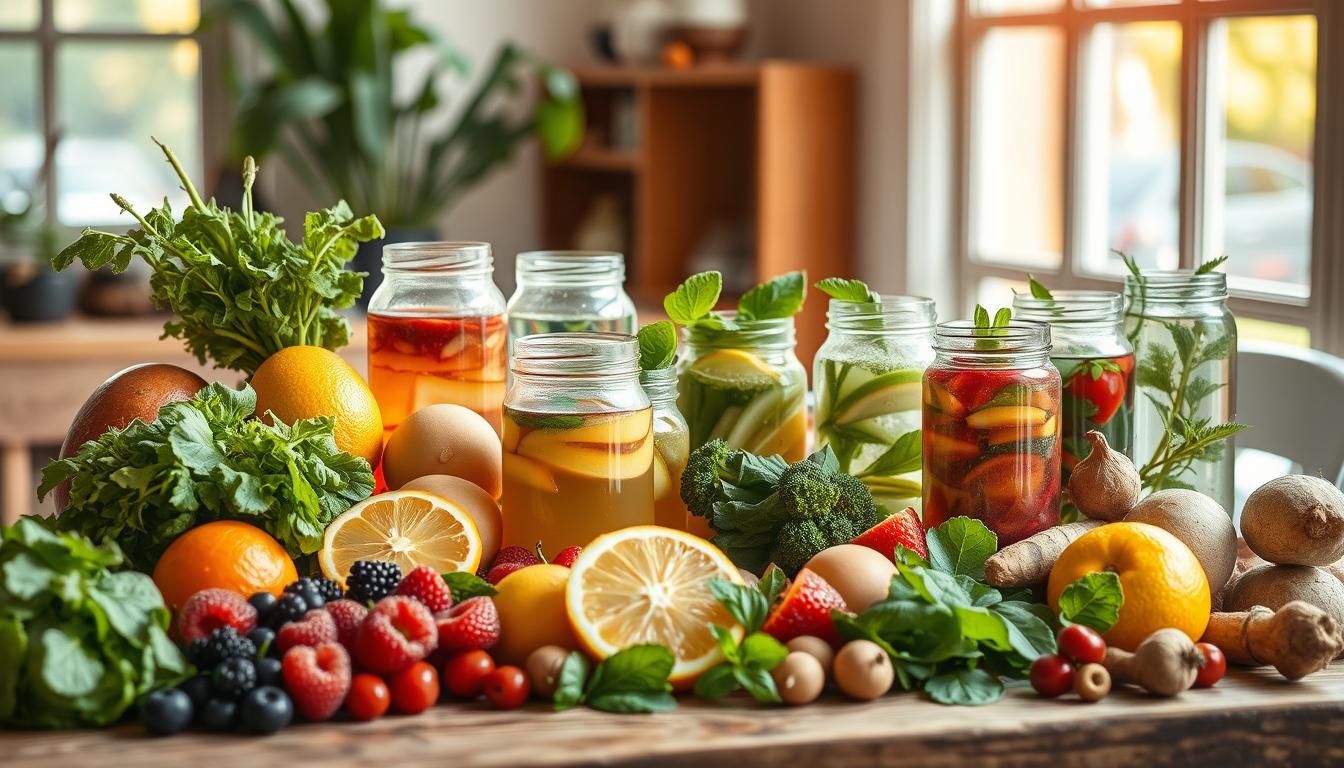
Colorful produce packs flavonoids and sulfur compounds that neutralize toxins. A Johns Hopkins study found cruciferous vegetables (kale, broccoli) increase glutathione levels significantly. Top picks include:
- Garlic: Activates liver enzymes for toxin breakdown
- Beets: Betalains support phase 2 liver detoxification
- Artichokes: Stimulate bile production for fat-soluble waste removal
Fiber’s Dual Role in Digestion and Detox
Fiber acts like a broom for your digestive tract. NIH data links 38g daily intake to a 40% lower colon cancer risk. Understand the two types:
| Type | Function | Sources |
|---|---|---|
| Soluble | Binds toxins for excretion | Apples, oats, flaxseeds |
| Insoluble | Adds bulk to stool | Whole grains, celery |
Foods That Hinder Detoxification
Some foods trigger inflammation or overload detox organs. Limit these:
- Sugar: Spikes insulin, impairing liver function
- Processed foods: Contain preservatives like BHT/BHA
- Alcohol: Metabolizes into acetaldehyde, a known carcinogen
“Even ‘healthy’ snacks like granola bars often contain hidden sugar,” warns nutritionist Dr. Emily Ruiz.
Steam vegetables to preserve nutrients, and try a 12-hour overnight fast to activate glymphatic cleansing. Small swaps—like herbal tea instead of cocktails—yield lasting benefits.
Prioritize Sleep to Let Your Body Recharge and Detoxify
Your brain flushes toxins most effectively during deep sleep. Research shows a 60% increase in waste removal compared to waking hours. This nightly maintenance keeps your body functioning optimally.
The Glymphatic System: Your Nighttime Cleansing Crew
During NREM sleep, cerebrospinal fluid pulses through brain tissue. This “glymphatic system” removes metabolic waste like beta-amyloid—a protein linked to cognitive decline. Harvard studies confirm proper sleep prevents toxin buildup.

Circadian Rhythm Optimization
Melatonin, your sleep hormone, peaks around 10 PM. Blue light from screens delays its release by 23% per hour. Try these adjustments:
- Use amber lenses after sunset
- Set bedroom temperature to 68°F (ideal for sleep onset)
- Consider magnesium glycinate (200-400mg) for deeper sleep
A healthy nighttime routine enhances results. Military sleep techniques—like relaxing each muscle group—help shift workers adapt.
Prioritizing sleep isn’t just about rest. It’s a lifestyle choice that supports your body’s natural ability to maintain health. Small changes yield measurable improvements in detox efficiency.
Move Your Body: Exercise as a Detox Tool
Exercise isn’t just for fitness—it’s a powerful detox tool. Physical activity stimulates your lymphatic system, a network that removes waste 300% faster during movement. Unlike restrictive diets, movement supports your body’s natural processes without extreme measures.

Lymphatic Drainage Through Movement
Your lymphatic vessels lack a pump; they rely on muscle contractions to flow. Research shows rebounding (jumping on a mini-trampoline) boosts lymph circulation by 15x. Other effective methods:
- Yoga: Twists and inversions enhance drainage
- Walking: 30 minutes daily increases flow by 78%
- Dry brushing: Stimulates lymph nodes pre-workout
Optimal Exercises for Detoxification
Not all workouts are equal for toxin removal. Balance intensity and duration:
| Type | Duration | Benefits |
|---|---|---|
| Low-intensity (yoga, walking) | 45+ mins | Reduces inflammation, supports lymph flow |
| High-intensity (HIIT, CrossFit) | 20–30 mins | Induces sweat, releases heavy metals |
Post-workout, hydrate with electrolytes and antioxidants. A 2023 study found sauna sessions post-exercise increased mercury excretion by 3x. As trainer Jillian Michaels notes:
“Consistency beats intensity. Move daily, even if it’s just stretching.”
Reduce Stress to Optimize Your Detox Pathways
Chronic stress directly impacts your body’s ability to eliminate toxins. Research shows prolonged tension reduces liver detox enzymes by 40%, slowing waste processing. Your nervous system and detox organs are deeply connected—when one struggles, the other follows.

The Science Behind Stress and Toxin Buildup
When cortisol spikes, your HPA axis (hypothalamus-pituitary-adrenal) triggers fight-or-flight mode. This diverts energy from digestion and detoxification. Key effects include:
- Reduced glutathione production—your liver’s primary antioxidant
- Slowed lymphatic flow due to muscle tension
- Increased gut permeability, allowing toxins to re-enter circulation
Adrenal fatigue is often misunderstood. While burnout is real, the term oversimplifies complex hormonal interactions. Focus instead on supporting overall health through stress management.
Practical Techniques to Lower Stress Fast
Breathing exercises like the 4-7-8 method (inhale 4 sec, hold 7 sec, exhale 8 sec) lower cortisol 28% in minutes. Pair this with:
- Yoga twists: Stimulate organs while calming the mind
- Forest bathing: Phytoncides in nature reduce stress hormones
- Laughter yoga: Boosts endorphins and lymphatic drainage
“Biofeedback devices like HeartMath show real-time stress reduction progress,” notes Dr. Sarah Thompson, a functional medicine specialist.
For workplace tension, try desk stretches or 5-minute meditation breaks. Consistency matters more than duration—even small daily habits rewire your nervous system over time.
Support Your Liver and Kidneys for Effective Detox
Your liver and kidneys work tirelessly to filter waste. Providing the right nutrients and hydration ensures they function optimally. Simple dietary adjustments and herbal support can enhance their natural cleansing abilities.
Essential Nutrients for Liver Health
Sulfur-rich foods like garlic and cruciferous vegetables activate detox enzymes. Studies show NAC (N-acetylcysteine) boosts glutathione levels by 30%, aiding toxin breakdown. Consider these supplements with professional guidance:
- Milk thistle: 150–300mg daily supports liver cell regeneration
- Bile salts: 500mg with meals improves fat-soluble toxin removal
- Protein: 0.8g per pound of body weight provides amino acids for detox pathways
Herbal Teas for Kidney Function
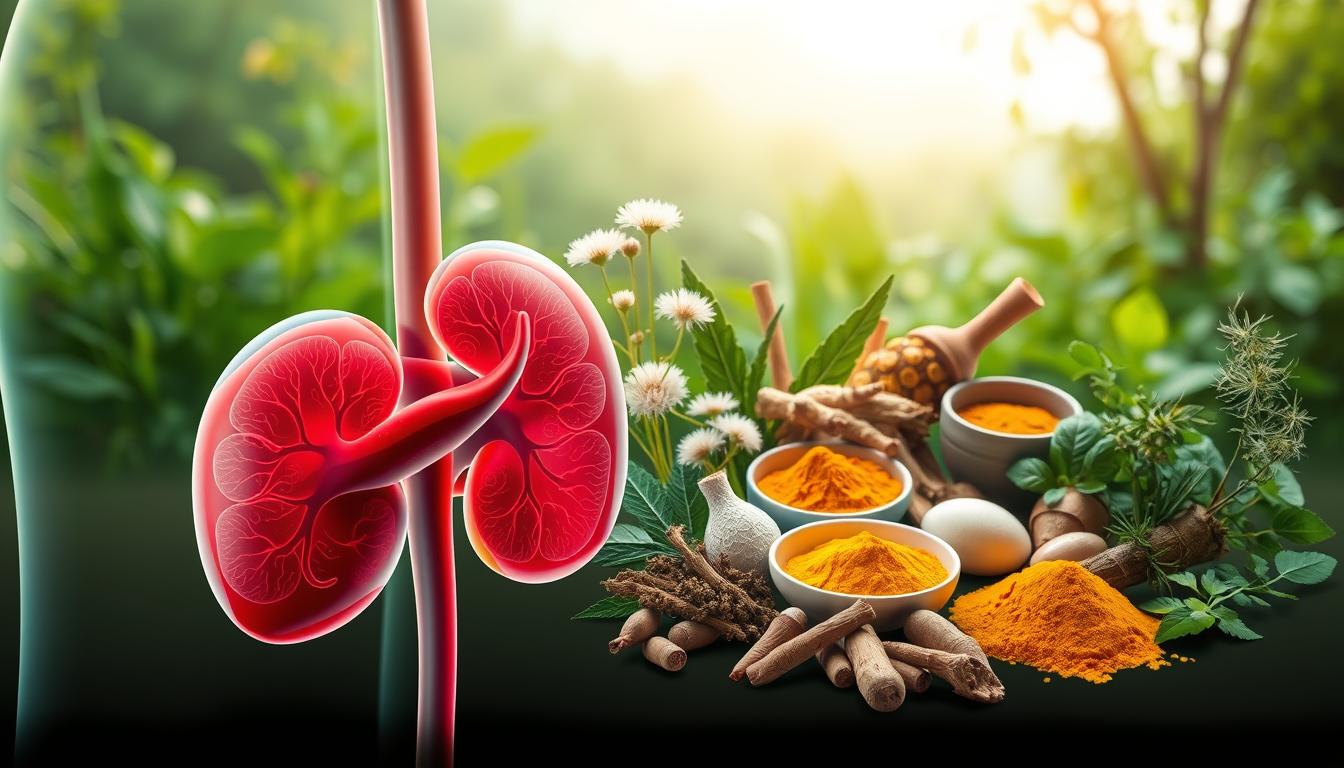
Certain herbal teas promote kidney filtration without harsh diuretics. Research indicates dandelion root tea increases urine output by 37%. Try these options:
- Organic Traditional Medicinals Dandelion Root Tea (2 cups daily)
- Yogi Tea Kidney Support blend (contains marshmallow root and juniper berry)
- Homemade parsley tea (steep 1/4 cup fresh parsley in hot water for 5 minutes)
“Liver function tests (ALT, AST) should be monitored when using detox supplements,” advises functional medicine practitioner Dr. Mark Hyman.
Note potential pharmaceutical interactions—milk thistle may affect blood thinners. Always consult your healthcare provider before starting new supplements, especially with existing conditions.
Additional Natural Detox Boosters to Consider
Beyond diet and exercise, several lesser-known methods enhance your body’s detox processes. These tools work synergistically with your liver and kidneys, offering targeted support for toxin elimination.
Harnessing Heat Therapy
Infrared saunas penetrate deeper than traditional models, promoting detoxification at the cellular level. Studies show they remove BPA three times faster through sweating.
- Infrared: Best for heavy metal removal (60°F lower than traditional)
- Steam rooms: Ideal for respiratory detox (add eucalyptus oil)
- DIY setups: Portable tents with infrared bulbs (cost-effective)
Post-sauna, replenish electrolytes with coconut water or trace mineral drops. Always consult your doctor if you have cardiovascular concerns.
Lymphatic Support Techniques
Your lymphatic system relies on movement to flush waste. Dry brushing before showers stimulates lymph flow by 78%, according to lymphatic studies.
Follow these steps for effective brushing:
- Use a natural bristle brush (medium firmness)
- Stroke toward the heart (5–10 minutes daily)
- Focus on skin areas with dense lymph nodes (armpits, groin)
Pair with castor oil packs for enhanced effects. Apply organic castor oil to your abdomen, cover with a cloth, and place a heating pad for 20 minutes. This ancient remedy supports both liver and lymphatic function.
“Lymphatic massage devices like the Renpho roller show measurable improvements in circulation within 14 days,” reports physical therapist Dr. Lisa Chen.
For deeper support, consider binders like activated charcoal or bentonite clay. These supplements trap toxins in the gut for safe elimination. Always take them away from medications or meals.
Conclusion: Embracing a Sustainable, Natural Detox Lifestyle
Sustainable habits create lasting change—not quick fixes. Research shows 92% of people maintain benefits by adopting a healthy lifestyle over restrictive plans. Your body thrives when supported consistently.
Start small with a 30-day habit tracker. Focus on hydration, whole foods, and movement. Seasonal adjustments—like citrus in winter or leafy greens in spring—align with your body’s natural rhythms.
Download our maintenance checklist to simplify the process. Join local wellness groups for accountability. Remember, natural detoxification isn’t about perfection—it’s progress.
Prioritize sleep and stress management to sustain energy. Test biomarkers annually to track improvements. You’ve got this—your healthy lifestyle is the ultimate detox tool.