Did you know 92% of restaurant meals exceed recommended daily calorie limits? Dining out doesn’t have to ruin your health goals. With smart strategies, you can enjoy your favorite meals and stay healthy.
Starting with the right mindset is key to nutrition goals dining out. Small, consistent choices like choosing grilled over fried help more than big restrictions. This way, you can manage your weight without feeling like you’re perfect.
Restaurant menus are made to tempt you, but knowing what to look for can help. Look for words like “roasted,” “steamed,” or “seasonal” to find healthier dishes. And don’t be shy about asking for special requests like dressings on the side or extra greens.
Ready to take charge? Begin with a health assessment to learn what you need. Remember, healthy dining tips work best when they fit your life and tastes.
Key Takeaways
- Restaurant meals average 1,200+ calories—nearly half a day’s intake for many adults
- Strategic menu decoding helps identify nutrient-dense options
- Customization is key to reducing hidden fats and sugars
- Portion control techniques prevent overeating
- Alcohol choices significantly impact meal nutrition
Plan Ahead for Success
Eating out doesn’t have to ruin your diet plans. It’s all about preparation. Think of it as your guide for making restaurant healthy choices while having fun. Let’s explore how to turn good plans into real actions.

Researching Restaurant Options
Before you leave, technology is your best friend. It lets you see what’s in restaurant kitchens and make smart choices. Here’s how to use it well:
Using Nutrition Apps and Websites
Apps like MyFitnessPal and Nutritionix have changed mindful eating out. They help you:
- Check calorie counts for popular places
- Find menus that fit your diet (keto, vegan, etc.)
- Keep track of macros before you order
| App | Key Feature | Best For |
|---|---|---|
| MyFitnessPal | Barcode scanner | Comprehensive tracking |
| Lose It! | Restaurant menu database | Quick comparisons |
| HealthyOut | Diet-specific filters | Specialized needs |
“Not planning is planning to fail with restaurant nutrition. Just five minutes checking a menu online can save 500 calories.”
Identifying Diet-Friendly Establishments
Some places make restaurant healthy choices easier than others. Look for these signs:
- Clear allergen labels on menus
- Grilled vs. fried protein options
- Whole grain choices available
Great options include Sweetgreen for salads, Chipotle for bowls, and The Cheesecake Factory’s “Skinnylicious” menu.
Strategic Pre-Meal Preparation
What you do before you go out is just as important as what you order. These tips help you eat mindfully:
Hydration and Healthy Snacking
Drink 16oz of water 30 minutes before eating. It can cut calorie intake by 13%. Also, have a snack like almonds or Greek yogurt to avoid bad choices.
Calorie Budgeting Strategies
Try the “carb-fat swap” trick. If you want a richer dish, balance it with a veggie starter. For example:
- Start with grilled asparagus (80 cal)
- Enjoy salmon with béarnaise sauce (550 cal)
- Skip the dinner roll (150 cal saved)
This way, you can enjoy rich flavors while keeping your calorie count in check.
Decoding Restaurant Menus Like a Pro

Learning to read menus well can make eating out a smart choice for healthy eating. We’ll look at tricky words and hidden calories that can ruin your diet.
Understanding Cooking Terminology
Menu descriptions tell us more than just what tastes good. They also give clues about what’s in the food. Chefs use certain words to show how they cook:
Grilled vs Fried Preparation Methods
At Chili’s, a grilled salmon has 360 calories. But the fried version has 720 calories. This shows why how food is cooked is important.
| Preparation Method | Menu Item | Restaurant | Calories |
|---|---|---|---|
| Grilled | Chicken Breast | Applebee’s | 380 |
| Fried | Crispy Chicken | Applebee’s | 890 |
| Baked | Atlantic Salmon | Cheesecake Factory | 670 |
| Sautéed | Shrimp Scampi | Olive Garden | 810 |
“Asking for sauces on the side can cut calories by up to 40%. It’s a simple trick for balanced meals dining out.”
Identifying Hidden Calorie Bombs
Some ingredients can sneak up on you, turning healthy dishes into calorie traps. Be on the lookout for these sneaky culprits:
Creamy Sauces and Dressings
Outback Steakhouse’s ranch dressing has 290 calories per 2oz. Choose vinaigrettes or lemon wedges instead.
Unexpected Sugar Sources
- BBQ sauce (45 calories/tbsp)
- Teriyaki glaze (22g sugar/serving)
- chili paste carbs>
Many restaurants use sweeteners to flavor their dishes. Always ask about how your food is made to keep your diet balanced.
Smart Ordering Tactics
Mastering restaurant menus is more than just wanting to eat well. It’s about using strategies that fit your health goals. These methods let you enjoy your meals while controlling what you eat, how much, and hidden calories.

Appetizer Selection Strategies
Begin by picking appetizers that fit your meal plan. Choose protein-rich starters like grilled shrimp or edamame to fill you up without too many carbs. Opt for broth-based soups and crudité platters for a low-calorie, crunchy snack.
Sharing vs Individual Portions
Appetizers at restaurants are often for 2-3 people. Here’s how to manage:
- Share fried items with the table to enjoy without overeating
- Keep salads for yourself for a healthy choice
- Ask to box half of your food before it’s served, like for loaded nachos or dips
Entrée Customization Techniques
Most restaurants will adjust dishes if you ask nicely. Places like Olive Garden and Cheesecake Factory see more healthy choices dining out when customers make special requests.
Vegetable Substitutions
Ask for healthier sides by saying:
“Could I substitute the fries for steamed broccoli?”
Choosing double vegetables instead of rice or potatoes boosts fiber and cuts down on empty carbs by up to 60%.
Sauce and Dressing Modifications
Here’s a quick guide for common sauces:
| Sauce | Calories | Healthier Alternative |
|---|---|---|
| Alfredo | 450/tbsp | Marinara (80/tbsp) |
| Ranch Dressing | 145/tbsp | Balsamic Vinaigrette (45/tbsp) |
| Teriyaki Glaze | 110/tbsp | Ponzu Sauce (35/tbsp) |
Always ask for sauces and dressings on the side. You’ll likely use half as much as the kitchen adds.
Follow the 80% full rule: Stop eating when you’re comfortably full, not stuffed. This simple trick helps avoid eating 30-50% more calories than you need at restaurants.
Portion Control Mastery
Managing restaurant portions is easy without a food scale or calculator. Just use smart visual strategies. By learning to estimate serving sizes and plan for leftovers, you can keep meals in line with your nutrition goals while eating out.
Visual Measurement Techniques
Your hand is the ultimate guide for portion sizes. Try these quick-reference comparisons:
- Protein: Palm-sized (3-4 oz)
- Grains: Cupped hand (1/2 cup)
- Veggies: Fist-sized (1 cup)
- Fats: Thumb tip (1 tsp)

Restaurants often serve 2-3 times the standard portion size. At Denny’s Fit Fare meals, compare the chicken breast to your palm. If it’s larger, set aside the excess before eating.
“Divide your plate visually: 1/2 vegetables, 1/4 lean protein, 1/4 whole grains.”
Leftover Management Strategies
Request a to-go box when your meal arrives, not after you’ve started eating. This helps avoid overeating.
Boxing Half Before Eating
Immediately box 50% of pasta, rice dishes, or casseroles. For example:
| Strategy | Benefit | Example |
|---|---|---|
| Pre-box proteins | Preserves meal balance | Grilled salmon filet |
| Split starches | Controls carb intake | Mashed potatoes |
| Isolate sauces | Reduces hidden calories | Alfredo dressing |
This approach turns one restaurant meal into two balanced servings. It helps you maintain nutrition goals while eating out without feeling deprived.
Navigating Different Cuisine Types
Learning about restaurant nutrition is not the same for every cuisine. Each type has its own challenges and benefits. By mastering strategies for popular cuisines, you can enjoy eating out smartly without losing flavor.
Italian Restaurant Survival Guide
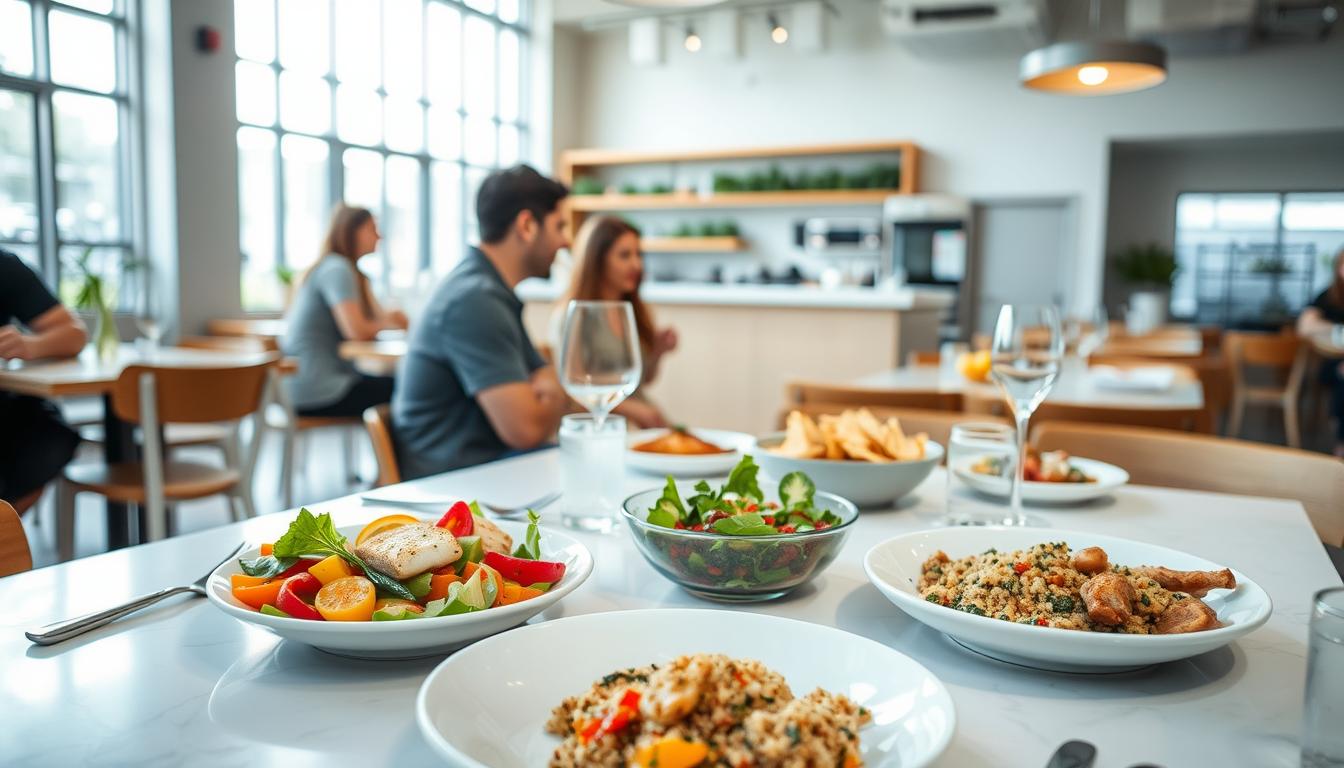
Italian food is tempting with creamy sauces and lots of carbs. But, you can make smart choices to keep your meal balanced. Always choose a plate with protein, veggies, and controlled carbs.
Choosing Whole Grain Pastas
At places like Pizza Hut, choose whole grain pasta bowls. Ask for marinara sauce instead of alfredo to cut down on saturated fat by 60%. Add grilled chicken and roasted veggies for a meal under 600 calories.
Mexican Food Modifications
Chipotle’s build-your-own model shows how small changes can make a big difference. Focus on fresh ingredients and avoid fried shells and heavy cheeses.
Healthy Taco Customizations
- Swap hard shells for lettuce wraps (saves 150 calories)
- Choose black beans over refried (reduces fat by 75%)
- Top with fresh salsa instead of queso (cuts sodium by 40%)
Asian Fusion Adaptations
Asian restaurants often have hidden sodium in sauces and fried sides. Use the ABC strategy to choose steamed proteins and lots of veggies.
Steamed vs Fried Rice Options
Fried rice has 240 calories per cup, while steamed has 150. Ask for brown rice for more fiber. Pair with stir-fried veggies and lean proteins like shrimp or tofu for balanced nutrition.
Remember, eating out smartly means applying these tips to all cuisines. Whether you’re eating pasta or tacos, making smart choices lets you enjoy different flavors while staying on track with your nutrition goals.
Alcohol and Beverage Choices
Your drink choice affects your meal’s nutrition more than you think. Drinks can add lots of hidden calories to your meal. Learning about mindful eating out helps keep your meal balanced and fun.

Low-Calorie Cocktail Options
Opt for spirits mixed with zero-calorie drinks to stay on track. A vodka soda with lime has 100-120 calories, beating a sugary margarita’s 500+ calories. Here are some comparisons:
- Skinny margarita (150 cal) vs traditional (550 cal)
- Wine spritzer (120 cal) vs frozen daiquiri (280 cal)
- Light beer (100 cal) vs craft IPA (220 cal)
Vodka Soda vs Margaritas
Club soda is better because it’s not sweet. Margaritas have triple sec and sour mix, adding lots of calories. Ask for fresh lime juice instead of syrups.
Non-Alcoholic Alternatives
Many places now have fancy drinks without alcohol. Try these:
- Sparkling water with muddled berries
- Iced green tea with mint
- Virgin bloody mary (hold the vodka)
Infused Water Benefits
Drinking water helps with digestion and hunger control. “Adding citrus or cucumber slices turns plain water into a flavorful appetite regulator,” says Dr. Emily Carter. Most places will add this for free if you ask.
Social Dining Strategies
Going out with friends or family can be tough if you’re watching what you eat. But, with some planning and knowing how to say no, you can keep your diet on track. This way, you can enjoy meals out without feeling left out.

Handling Peer Pressure Tactics
When friends want you to try something you shouldn’t, being firm is key. Amber, a marketing director from Austin, says: “I used to give in to ‘just one bite’ requests until I realized my goals were more important than pleasing everyone.”
Polite Declination Phrases
- “That looks amazing, but I’m saving room for my main course!”
- “I’d love to split something lighter – maybe a veggie platter?”
- “Let’s circle back to dessert after we finish our meals.”
Group Ordering Dynamics
Family-style meals can be tricky. Try the One Plate Method suggested by nutritionists. Think of how much food you want before you start eating.
Family-Style Meal Management
- Survey all dishes before filling your plate
- Allocate 50% of space to vegetables
- Use salad plates instead of dinner plates
- Pause for 5 minutes between servings
This strategy helped Amber enjoy Italian dinners without going over her calorie limit. Pro tip: Start with a healthy choice, like a big salad, to guide the group’s order.
Breakfast and Brunch Solutions
Finding healthy breakfast options is easier than you think. You can enjoy your favorite dishes while keeping your diet in check. Restaurants like Denny’s now offer Sous Vide Egg Bites, showing that tasty and healthy can go hand in hand.

Omelette Customization Tips
Omelettes are a great choice for breakfast. By choosing egg whites over whole eggs, you cut cholesterol by 100% and reduce calories.
Egg White Alternatives
- Ask for 2 egg whites + 1 whole egg for richer flavor with less fat
- Choose veggie-packed fillings like spinach, mushrooms, and peppers
- Opt for lean proteins like turkey sausage instead of bacon
Healthy Pancake Modifications
Craving pancakes doesn’t mean you have to give up on health. Many brunch spots now offer batter options that are higher in fiber and lower in refined carbs.
Whole Grain Batter Options
- Request oatmeal or buckwheat pancakes for sustained energy
- Substitute syrup with fresh berries and a dollop of Greek yogurt
- Split a short stack and pair with scrambled eggs for balance
Remember, “The first meal sets your nutritional tone for the day”. By making smart swaps and focusing on protein, you can have a fulfilling breakfast without losing your way.
Dessert Decision Making
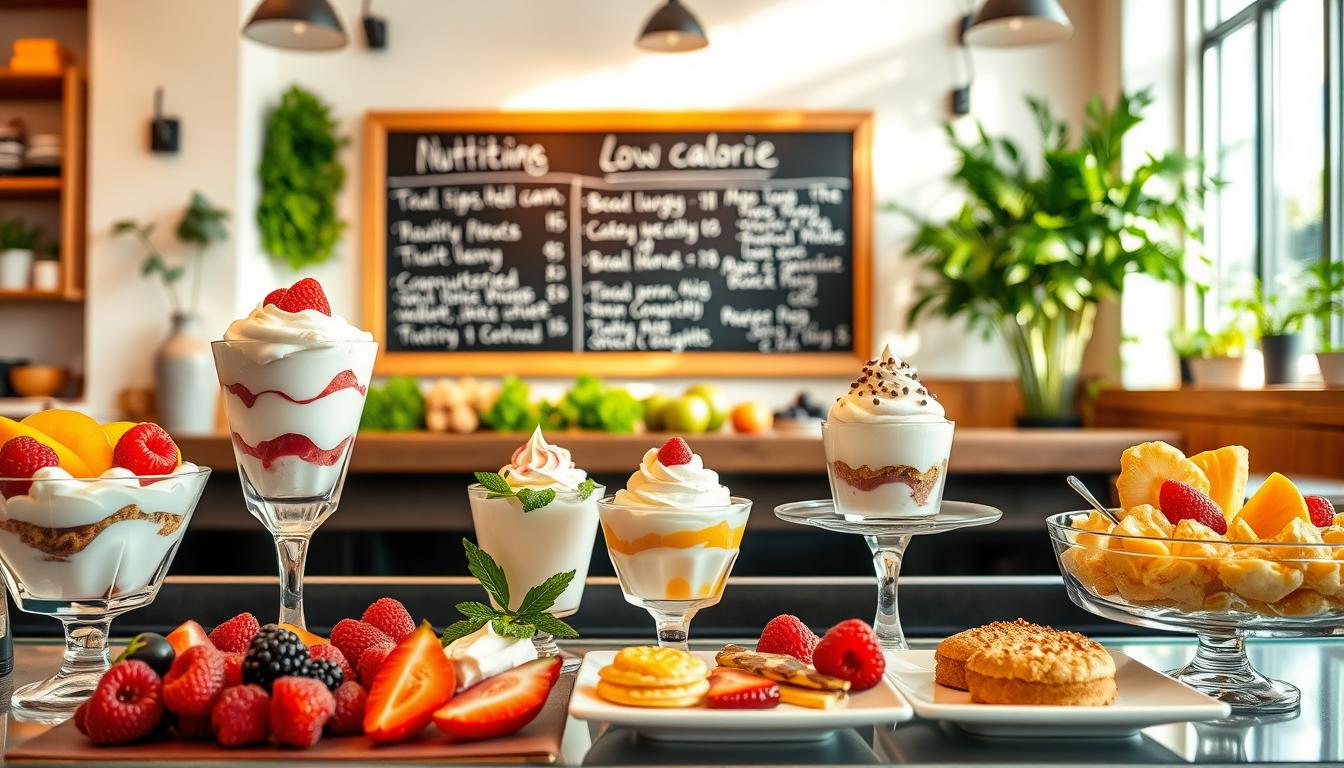
Choosing desserts can be tricky. The smart splurging method lets you enjoy sweet treats without ruining your diet. Opt for quality over quantity and keep healthy choices in mind.
Sharing Sweets Strategically
Sharing desserts can help control portions. Many places offer “mini-dessert” options for individual treats. For bigger desserts:
- Use separate plates to avoid overeating
- Pair with coffee or tea to slow down
- Choose one rich element (like chocolate ganache) over many sugary parts
Master the Three-Bite Rule
The first three bites give you most of the flavor. Take your time with each bite. Then, decide if you really want more. This trick works well with:
- Dense cheesecakes
- Rich chocolate tortes
- Caramel-drenched pastries
Fruit-Focused Alternatives
Many restaurants now have fancy fruit desserts that are healthier. Look for:
- Grilled pineapple with coconut foam
- Berry parfaits with Greek yogurt layers
- Poached pears in red wine reduction
Sorbet vs Ice Cream Showdown
Sorbet has less fat, but its sugar content is often the same as ice cream. Compare popular chain options:
| Dessert | Calories | Sugar (g) |
|---|---|---|
| Mango Sorbet (1 scoop) | 120 | 28 |
| Vanilla Ice Cream (1 scoop) | 137 | 14 |
Choose based on texture preference, not just health benefits.
Fast Food Navigation

Fast food is convenient but can be high in hidden calories. You can enjoy quick meals without losing your nutrition goals. The trick is to customize and be aware of common mistakes.
Drive-Thru Survival Guide
Before you order, check menu items with apps like MyFitnessPal. For instance:
- McDonald’s grilled chicken sandwich has 380 calories vs. 520 in the crispy version
- Wendy’s chili contains 170 calories per cup compared to 320 in their fries
Burger Customizations
Make high-calorie burgers healthier with these changes:
- Ask for no mayo (saves 90-110 calories)
- Choose lettuce wraps instead of buns at places like Hardee’s
- Add extra veggies for fiber without adding many calories
Salad Bar Pitfalls
Salads seem healthy, but restaurant versions often have:
- Fried protein (crispy chicken adds 250+ calories)
- Cheese sprinkles (1/4 cup ≈ 110 calories)
- Candied nuts (¼ cup ≈ 200 calories)
Dressing Selection Tips
Dressings can make your salad’s calorie count double. Choose:
| Choice | Calories | Smart Alternative |
|---|---|---|
| Ranch | 145/tbsp | Balsamic vinegar (14/tbsp) |
| Caesar | 160/tbsp | Lemon juice + olive oil (50/tbsp) |
Always ask for dressings on the side to control how much you use. A single pump of creamy dressing can have more calories than the salad itself.
Special Diet Accommodations
Understanding how to ask for what you need at restaurants makes eating out easier. Whether you eat plant-based or need gluten-free options, many places offer ways to customize. This helps you enjoy balanced meals even when dining out.
Vegetarian/Vegan Options
Many restaurants now have plant-based proteins. But, don’t be shy to ask for changes. For example, at Chipotle, you can swap meat for sofritas (spicy tofu) or black beans. Make sure to ask if dishes have hidden animal products like cheese or broth.
Protein Substitute Requests
Here are some phrases to help you get the meal you want:
- “Can I substitute grilled tempeh for the chicken?”
- “Are your veggie burgers cooked separately from meat patties?”
Gluten-Free Considerations
Even if menus say something is gluten-free, there’s always a risk of cross-contamination. Always ask about kitchen practices, like how fried foods are cooked. Choose items like corn tortillas or rice bowls that are naturally gluten-free.
Cross-Contamination Prevention
Here are some important questions to ask:
- Do you use separate cutting boards for gluten-free prep?
- Are sauces made with wheat-based thickeners?
- Can you prepare my dish first to avoid utensil mixing?
| Cuisine Type | Safe Choices | Common Pitfalls |
|---|---|---|
| Mexican | Corn tortillas, grilled meats | Flour tortilla cross-contact |
| Italian | Polenta dishes, risotto | Pasta water reuse |
| Asian | Stir-fried rice noodles | Soy sauce containing wheat |
Use apps like MyFitnessPal to track your meals. Enter your custom orders to stay on track with your diet. Most restaurants have allergen guides online. Check these before you go to make ordering easier.
Technology-Assisted Dining
Your smartphone is more than just for taking pictures. It’s a tool to help you stick to your diet when eating out. It turns guessing into real data, helping you choose wisely before you go to a restaurant.

Calorie Tracking Apps
Apps like MyFitnessPal let you scan menu items or search their huge food database. You can sync your meal with your daily goals using barcode scanning or manual entry. This way, you can avoid eating too much and stay on track.
MyFitnessPal Integration
Link the app to fitness trackers for a full health view. Save your favorite restaurant meals as custom entries for easy logging next time. The “Quick Add” feature estimates calories when exact data isn’t available, great for small places without nutrition facts.
Menu Preview Websites
Big chains like Applebee’s and Chili’s share detailed nutrition PDFs online. Sites collect this data, letting you search by calories, protein, or allergens. Looking at menus ahead of time helps you choose healthier options before you get hungry.
Nutrition Information Databases
Platforms like Nutritionix check data directly with restaurants. Use their filters to find meals under 600 calories or low-sodium options. Some show how changing sides or dressings can cut a meal’s calories by 40%.
Mindful Eating Practices
Turning restaurant meals into nourishing experiences starts with awareness. Mindful eating out lets you enjoy flavors fully while listening to your body. This way, you find a balance between feeling satisfied and feeling full.

Eating Pace Strategies
20-Minute Meal Rule
Your brain takes 20 minutes to feel full. Here are ways to slow down:
- Set a timer for 15 minutes before considering seconds
- Chew each bite 10-15 times
- Pause between courses to check if you’re hungry
| Fast Eating | Slowed Eating | Result |
|---|---|---|
| Meal in 12 minutes | Meal in 25 minutes | 23% fewer calories consumed* |
| 1 conversation partner | 3+ conversation partners | Natural pacing through social engagement |
Sensory Engagement Techniques
Flavor Appreciation Methods
Improve meal satisfaction without eating too much by using all five senses:
- Describe the dish’s aroma before tasting
- Notice texture contrasts in each bite
- Identify at least three distinct flavors
People using these methods eat 40% less dessert. One diner said: “Now I leave restaurants content, not stuffed – it’s changed how I travel for work.”
Recovery Strategies for Indulgences

Enjoying restaurant meals doesn’t have to stop your progress. With smart recovery tactics, you can quickly get back on track. This way, you can also enjoy life’s culinary delights.
Next-Day Adjustment Techniques
Think of indulgence recovery as a “windshield wiper” approach. It’s about small, consistent actions that remove excess without harsh measures. Start with these basics:
Hydration and Exercise Tips
- Drink 16 oz of water first thing to flush sodium
- Choose brisk walks over intense workouts – gentle movement aids digestion
- Pair electrolytes with herbal teas for balanced rehydration
Guilt-Free Mindset Development
One rich meal won’t undo weeks of healthy choices dining out. Nutritionists suggest the maintenance calorie strategy. For 1-2 days, slightly reduce portions while keeping meals satisfying.
Balanced Approach Philosophy
- Use 80/20 rule: 80% nutrient-dense foods, 20% flexibility
- Track macros instead of calories for 48 hours post-indulgence
- Reframe slips as data points, not failures
Remember: Sustainable habits thrive on adaptability. Your next meal is always a fresh chance to make nutritious choices.
How to Eat Out Without Blowing Your Nutrition Goals: Key Takeaways
Eating out doesn’t have to ruin your nutrition goals. It’s all about smart habits and being flexible. Here are the key strategies to help you enjoy meals out while keeping your goals in mind.
Essential Habit Formations
Successful dining starts long before you reach the restaurant. Start by previewing menus online or using apps to track calories. Restaurants like Olive Garden and Chipotle make it easy by sharing nutritional info ahead of time.
Consistent Planning Routines
| Strategy | Action | Benefit |
|---|---|---|
| Menu Preview | Review dishes 24hrs before dining | Avoid impulsive choices |
| Hydration Focus | Drink water before meals | Reduce overeating risks |
| Meal Tracking | Log choices in apps like MyFitnessPal | Stay accountable |
Lifelong Strategy Implementation
Choose strategies that fit your lifestyle, not the other way around. The 80/20 rule helps by eating mindfully most of the time and indulging a bit. Try splitting entrees or boxing half your meal to stay on track.
Flexible Dieting Approaches
| Tactic | Implementation | Outcome |
|---|---|---|
| Protein Priority | Start with grilled chicken/fish | Control hunger |
| Veggie Boost | Request extra greens | Increase fiber intake |
| Sauce Control | Ask for dressings on the side | Cut hidden calories |
Remember, balance is key, not restriction. Use these tips to create a system that lets you enjoy dining out while staying on track.
Conclusion
Eating out can be healthy if you know how. Studies from the American Journal of Preventive Medicine show that healthy dining tips lower health risks. They also keep social meals fun. People have lost weight and felt more energetic without giving up dining out.
See menus as chances, not challenges. Try portion splitting, swap ingredients, and order mindfully. Restaurants like Chipotle and Olive Garden now let you customize to fit your diet.
It’s okay to have a treat sometimes. One big meal won’t ruin your diet if you make better choices later. Use apps like MyFitnessPal to track your progress. The National Institutes of Health suggests looking at weekly averages for better results.
Try these healthy dining tips next time you eat out. Check out free meal-planning guides from registered dietitians at EatRight.org. With the right approach, you can keep your nutrition goals and social life in balance.