Did you know losing just 10% of your body weight can boost insulin sensitivity by 30%? A Yale School of Medicine study found this amazing link between lifestyle and health. It shows you don’t need medication to fix insulin resistance.
Insulin resistance is when your cells don’t respond well to blood sugar. It affects 1 in 3 Americans. But the good news is, your body can heal itself with the right steps.
This isn’t about quick fixes. A holistic approach to insulin resistance works best. It combines smart eating, exercise, and managing stress. Simple changes like eating whole grains instead of processed carbs can help.
Strength training also helps. It makes muscles better at taking in glucose. This is key to lowering blood sugar spikes.
Your liver is also important. Conditions like fatty liver syndrome often come with insulin resistance. Daily walks and cutting down on added sugars can help both your liver and insulin levels.
Key Takeaways
- Yale research confirms 10% weight loss dramatically improves insulin sensitivity
- Diet changes targeting blood sugar balance are more effective than medication alone
- Strength training enhances muscle glucose absorption by up to 40%
- Sleep quality and stress management directly impact metabolic healing
- Liver health improvements support insulin regulation naturally
You don’t have to rely on pills or endless finger pricks. By understanding how food, exercise, and sleep interact, you can create a plan to reverse insulin resistance. Let’s dive into how to make these science-backed strategies work for your unique body.
Understanding Insulin Resistance
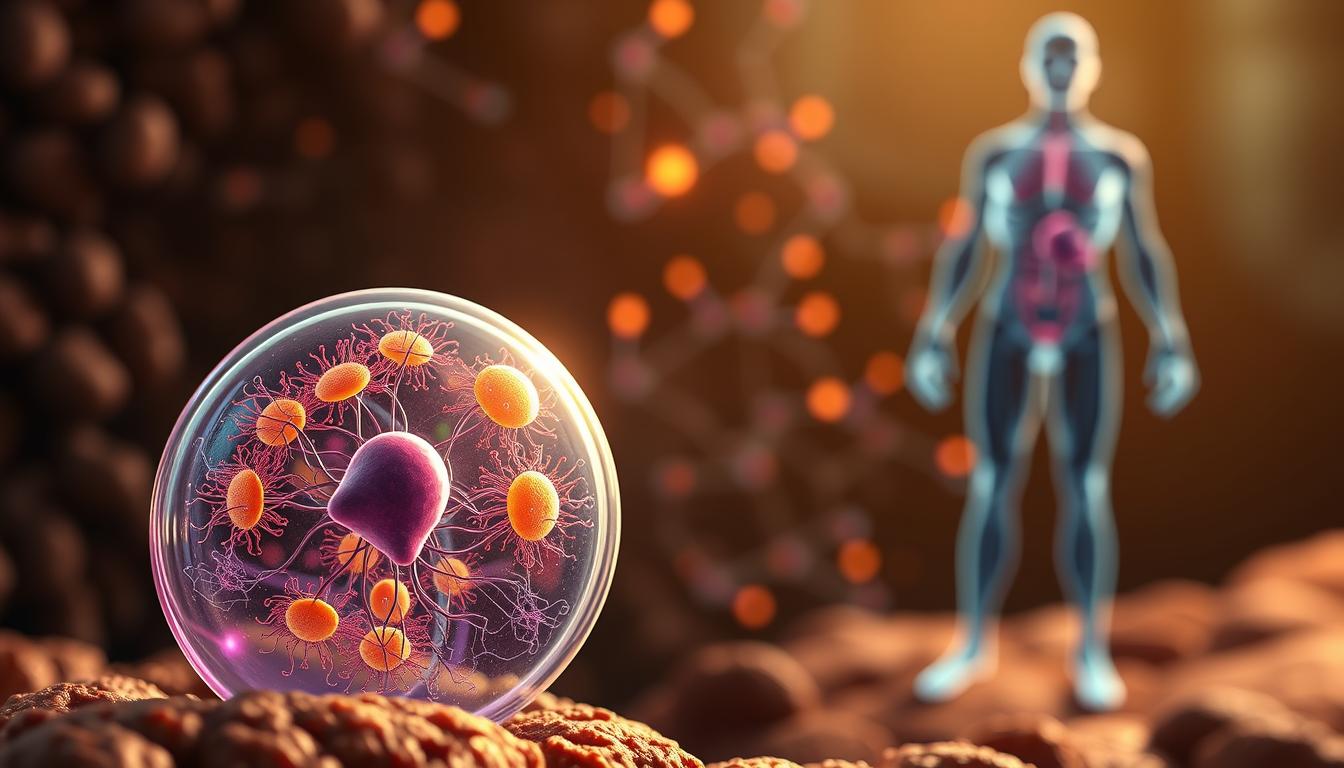
To tackle insulin resistance, you must understand how your body handles fuel. This issue happens when cells ignore insulin signals, like not seeing a text from your pancreas.
What Is Insulin Resistance?
Think of insulin as a key that unlocks your cells for glucose. But with resistance, your pancreas makes more insulin to force entry. This can cause pancreatic burnout and high blood sugar.
The Role of Pancreas and Liver
Your pancreas is like an insulin factory, and your liver is a glucose storage and recycling spot. Yale researchers found that fat in these organs messes up their work – a concept called ectopic fat theory.
| Organ | Normal Function | Insulin Resistance Impact |
|---|---|---|
| Pancreas | Produces precise insulin doses | Overworks, leading to beta cell fatigue |
| Liver | Stores/manages glucose reserves | Releases excess glucose unnecessarily |
| Muscle Cells | Absorb 80% of circulating glucose | Become “locked gates” for fuel intake |
Muscle and Fat Cell Interactions
Your muscles soak up glucose when you move. But too much fat, especially visceral fat, makes them store lipids. This, Dr. Shulman says, causes “cellular traffic jams” that block insulin signals.
Three main things happen:
- Muscle cells reject glucose despite having energy
- Fat cells send out inflammatory signals
- Liver makes more glucose than needed
This is why natural remedies for insulin resistance aim to cut organ fat and improve cell communication. The best part? You can reverse these changes with the right lifestyle choices.
Causes and Contributing Factors
Your body’s fight against insulin resistance often comes from daily habits and food choices. While genetics play a role, lifestyle changes for insulin resistance can greatly change your metabolic path.

Primary Drivers of Metabolic Dysfunction
Modern life creates perfect conditions for insulin issues through two key pathways:
Sedentary Lifestyle Impacts
Sitting more than 4 hours daily reduces GLUT4 transporters. These proteins help muscles absorb glucose. Just 3 days of inactivity can decrease insulin sensitivity by 30%, studies show.
Chronic Stress Effects
Constant stress keeps cortisol levels high for weeks. This stress hormone tells your liver to pump out glucose. It also blocks insulin’s signals, making blood sugar regulation harder.
“Lifestyle factors account for up to 70% of insulin resistance cases, even in genetically predisposed individuals.”
Dietary Triggers to Avoid
Certain foods act like gasoline on the fire of metabolic dysfunction:
Added Sugars and Refined Carbs
Fructose from sweeteners and processed grains overloads your liver. This forces excess sugar conversion into fat deposits. It disrupts insulin signaling.
Processed Seed Oils
Common cooking oils like soybean and corn oil contain unstable omega-6 fats. Yale lipid researchers found these promote cellular inflammation. This inflammation interferes with insulin receptor function.
- Sugar-sweetened beverages increase diabetes risk by 26% per daily serving
- Fried foods cooked in seed oils reduce insulin sensitivity within 48 hours
Symptoms and Diagnostic Methods
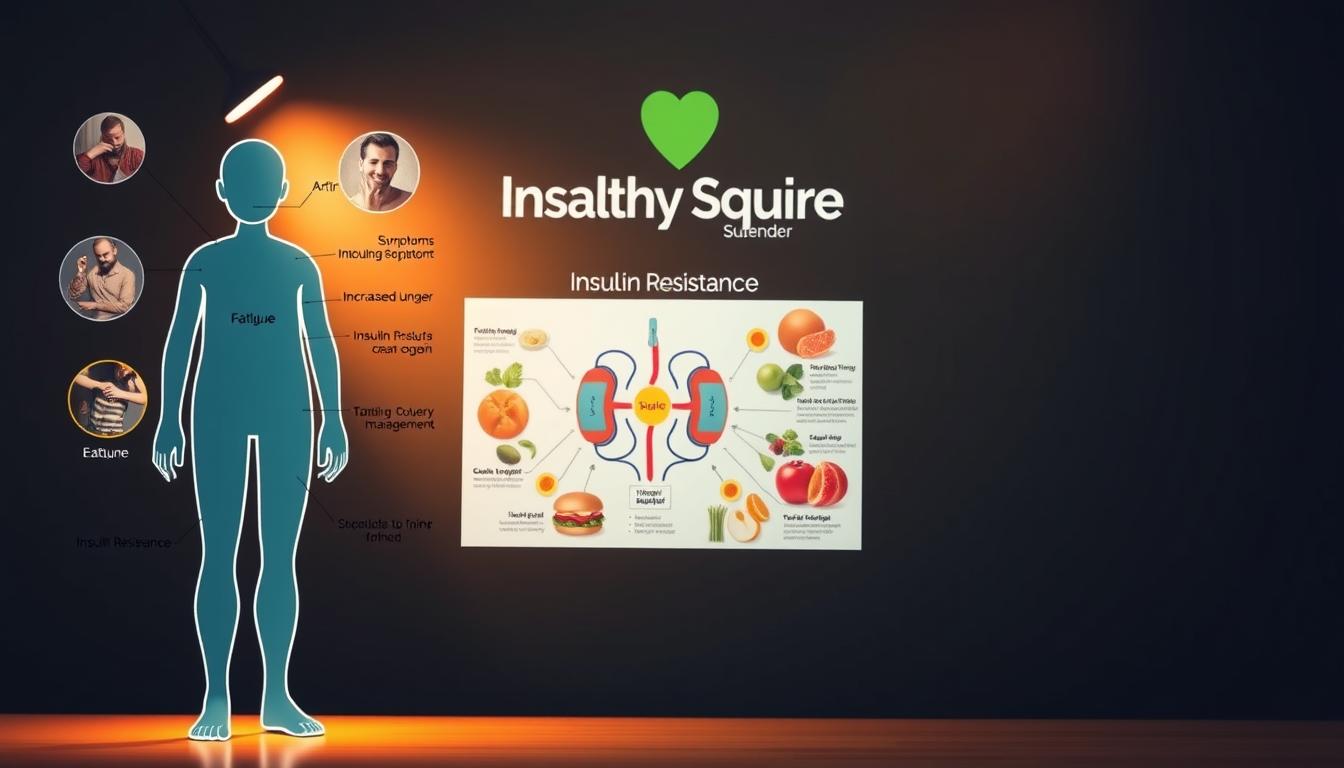
Spotting insulin resistance early is key to reversing it naturally. Symptoms might be slight, but knowing your body’s cues is crucial. We’ll look at the warning signs and the tests that really count.
Early Warning Signs
Your body sends out signals before it gets loud. Feeling fatigued after meals, especially those high in carbs, is a big one. This is because your cells aren’t taking in glucose well, leaving you tired.
Skin Changes and Acanthosis Nigricans
Dark skin patches in folds like your neck or armpits are a sign. Yale researchers found these patches, known as acanthosis nigricans, in 74% of people with severe insulin resistance. It’s your skin’s way of saying, “Help!”
Medical Tests That Matter
Lab tests clear up any confusion. While fasting glucose tests are useful, they might not catch early problems. Cleveland Clinic experts suggest these two tests for better management:
HOMA-IR Calculation
This formula uses your fasting insulin and glucose levels to gauge resistance. A score over 2.0 means your cells are having trouble. It’s a cost-effective test, but you need to get your blood drawn in the morning.
Oral Glucose Tolerance Test
The OGTT checks how your body handles sugar over 2-3 hours. You’ll drink a glucose solution and have your blood drawn hourly. High insulin levels after two hours show metabolic issues that simple tests might miss.
Pro tip: Use these tests with a hemoglobin A1C test for a full picture. They show both immediate and long-term blood sugar levels.
How to Fix Insulin Resistance Without Medication
Fixing insulin resistance doesn’t need drugs. It needs smart lifestyle changes that tackle the real issues. Studies highlight three key principles for metabolic healing: lowering inflammation, enhancing cell function, and teaching your body to use fuel right.
Core Principles of Natural Reversal
Think of your metabolism as a high-performance engine. To fix insulin resistance, you must remove harmful elements (inflammation), improve key parts (cell receptors), and make your body better at using fuel (metabolic flexibility). Here’s how:
Reducing Inflammatory Triggers
Chronic inflammation blocks insulin receptors like gum in a lock. Start by cutting out these common culprits:
- Processed seed oils (soybean, corn, canola)
- Refined sugars and artificial sweeteners
- Gluten-containing grains for sensitive individuals
“Our Yale study participants who ate 1,200 calories a day and avoided inflammatory foods saw 27% better insulin sensitivity than those on medication.”

Your cells’ insulin receptors need two things to work right: activation signals and structural integrity. Try these proven methods:
- Strength training 3x/week to increase glucose transporter proteins
- Cold exposure (60-second cold showers) to boost receptor sensitivity
- Magnesium-rich foods like pumpkin seeds and spinach
Use these strategies with targeted fasting windows to teach your body to switch between fuel sources easily. This combo repairs existing receptors and grows new ones through cell renewal.
Designing an Insulin-Sensitive Diet
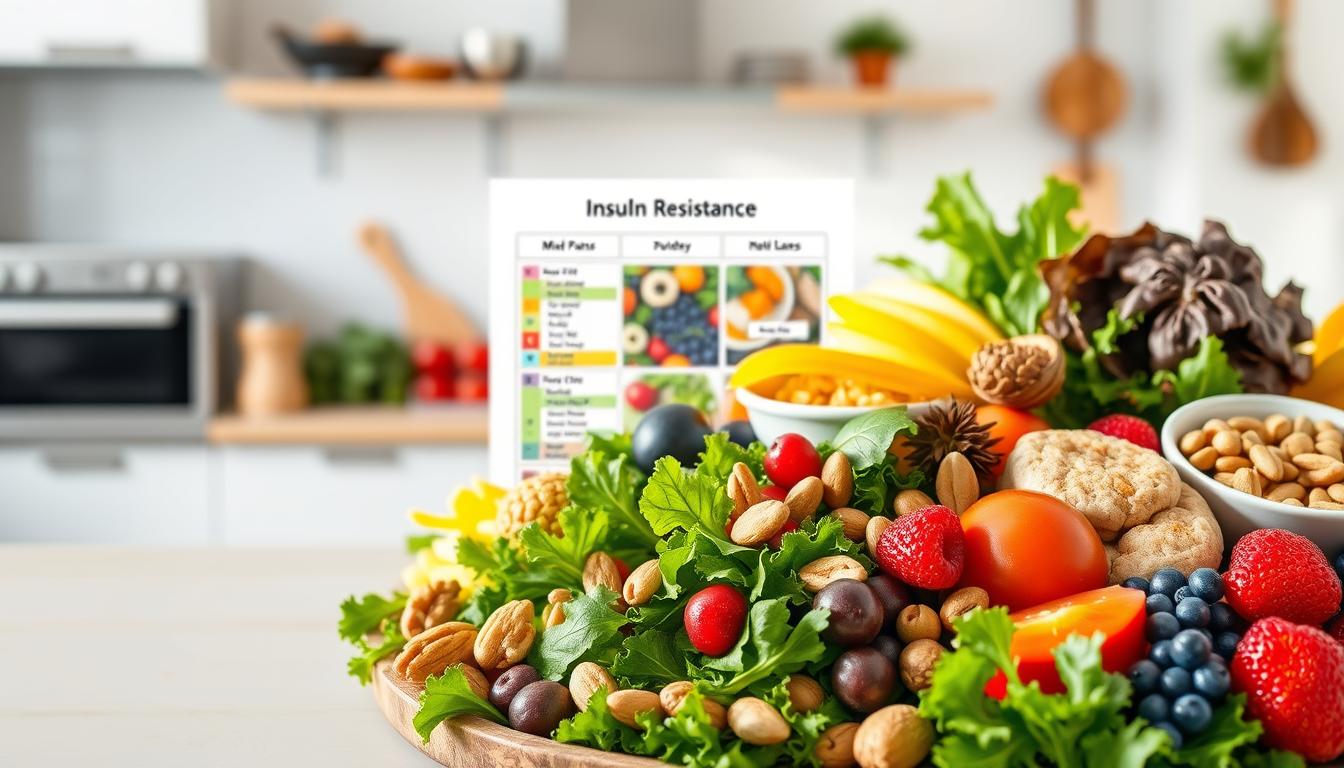
Creating an insulin-friendly diet means balancing nutrients and avoiding metabolic disruptors. The right foods can help stabilize blood sugar, reduce inflammation, and improve hormone signals. Let’s explore the science-backed ways to make your meals better.
Macronutrient Balance Strategies
Protein is key for metabolic repair. Eat 40% of your daily calories from high-quality proteins like pasture-raised eggs, wild-caught fish, and grass-fed beef. This helps your muscles grow and keeps you full longer.
Optimal Protein Intake
- 25-30g per meal (about palm-sized portions)
- Whey protein isolate post-workout
- Collagen peptides for morning coffee
Healthy Fat Sources
Choose monounsaturated (MUFAs) and polyunsaturated fats (PUFAs) to boost adiponectin. This hormone improves insulin sensitivity. Good sources include:
- Avocados and extra virgin olive oil
- Walnuts and flaxseeds
- Fatty fish like salmon 3x weekly
Best and Worst Food Choices
Not all calories impact insulin the same. Yale research shows some carbs turn to fat faster. Here’s a guide for grocery shopping:
Low-Glycemic Vegetables
- Leafy greens (spinach, kale)
- Cruciferous veggies (broccoli, cauliflower)
- Fermented options (kimchi, sauerkraut)
Blood Sugar-Spiking Foods
Avoid these common culprits:
- High-fructose fruits (mangoes, grapes)
- Refined grains (white bread, instant rice)
- Sugary beverages (sodas, sweet teas)
| Food Type | Best Choices | Worst Choices |
|---|---|---|
| Carbohydrates | Quinoa, black beans | White pasta, corn flakes |
| Fats | Avocado oil, chia seeds | Vegetable shortening, margarine |
| Proteins | Grass-fed beef, lentils | Processed deli meats, breaded chicken |
“Carb cycling paired with nutrient timing creates metabolic flexibility – the key to reversing insulin resistance.”
Exercise Regimens for Metabolic Health
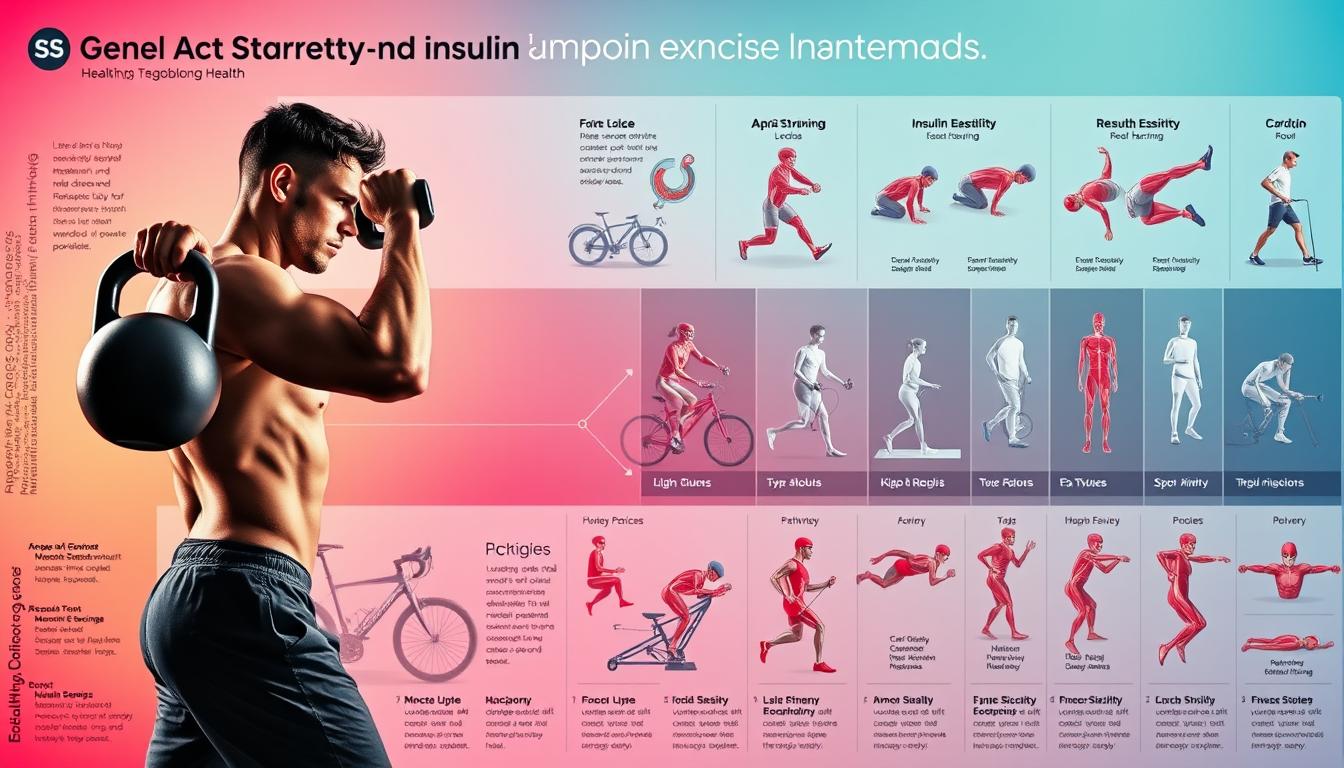
Physical activity is more than just burning calories. It’s a way to change how your body uses energy. The right workouts can improve how you handle glucose and insulin. Let’s explore the best ways to do this.
Resistance Training Protocols
Lifting weights does more than build muscle—it rewires your metabolism. Yale researchers found that strength training activates AMPK pathways. These are cellular sensors that help your body take in glucose better. Focus on compound movements for the best results.
Compound Movement Benefits
Squats, deadlifts, and push-ups work many muscles at once. These exercises:
- Increase post-workout calorie burn by 7-10%
- Enhance insulin receptor sensitivity for 48+ hours
- Trigger mitochondrial growth in fast-twitch fibers
“Three weekly strength sessions improved glucose transport efficiency by 27% in prediabetic adults.”
Weekly Workout Structure
Follow this science-backed routine:
- Day 1: Lower body focus (squats, lunges)
- Day 3: Upper body emphasis (rows, presses)
- Day 5: Full-body circuit (deadlifts, carries)
HIIT vs Steady-State Cardio
High-intensity interval training (HIIT) and traditional cardio both support metabolic health. But they work in different ways. Here’s how to choose:
| Factor | HIIT | Steady-State |
|---|---|---|
| Time Efficiency | 20-min sessions | 45+ minutes |
| EPOC Effect | Burns 6-15% extra calories | Minimal afterburn |
| Mitochondrial Growth | Fast adaptation | Gradual improvement |
Post-Exercise Oxygen Consumption
HIIT creates an “oxygen debt” that keeps your metabolism high for hours. This process:
- Burns stored glycogen first
- Prioritizes fat oxidation during recovery
- Enhances insulin sensitivity improvement
Mitochondrial Biogenesis
Both exercise types stimulate new energy-producing mitochondria. But HIIT does it faster. For best results:
- Combine 2 HIIT sessions weekly (e.g., sprints)
- Add 1-2 moderate cardio days (brisk walking)
- Allow 48 hours between intense workouts
Sleep’s Impact on Glucose Regulation
Your body recovers at night, which affects blood sugar levels. Poor sleep can make insulin resistance worse by up to 40%. So, getting quality sleep is key for your metabolic health.

Circadian Rhythm Optimization
Keeping your sleep-wake cycle in sync with daylight helps control blood sugar. Research shows that irregular sleep can harm your pancreas and lead to symptoms of being overweight, like midnight cravings.
Light Exposure Management
- Wear amber-tinted glasses 2 hours before bed to block blue light
- Get 15 minutes of morning sunlight within 30 minutes of waking
- Install smart bulbs that automatically dim after sunset
Bedtime Routine Adjustments
Develop a 45-minute wind-down routine with these steps:
- Stop eating 3 hours before bed to avoid glucose spikes
- Practice box breathing (4-7-8 pattern) to calm your body
- Take magnesium glycinate supplements to improve sleep quality
Sleep Quality Enhancements
Deep REM sleep triggers growth hormone release, which helps control morning blood sugar. Missing these phases can lead to dawn phenomenon – an early glucose surge.
Temperature Control Techniques
Keep your bedroom cool, between 64-66°F (18°C), using these tips:
- Chill your pillow with cooling gel inserts
- Use moisture-wicking bamboo sheets
- Take warm (not hot) baths 90 minutes before bed
Blue Light Blocking Strategies
Electronic emissions can affect melatonin and glucose processing at night. Use these strategies to protect yourself:
- Enable red-light mode on devices after 7 PM
- Install F.lux software on computers
- Use blackout curtains with light-blocking seals
Stress Management for Hormonal Balance
Chronic stress is like fuel for the fire of insulin resistance. It messes with hormone signals that control blood sugar. A holistic approach to insulin resistance means fighting stress. This lowers cortisol and trains your nervous system.

Cortisol Reduction Methods
High cortisol levels make your body burn sugar more. This worsens metabolic problems. Here are some proven ways to break this cycle:
Breathwork Protocols
The 4-7-8 breathing method can lower cortisol by 22%. Here’s how to do it:
- Inhale quietly through your nose for 4 seconds
- Hold breath for 7 seconds
- Exhale forcefully through pursed lips for 8 seconds
“Four weeks of daily breathwork reduced cortisol spikes by 31% in adults with metabolic syndrome.”
Adaptogenic Herb Usage
Ashwagandha root extract helps your body handle stress better. Studies show:
- 600mg daily lowers cortisol by 27%
- Improves insulin sensitivity by 15%
- Enhances sleep quality by 34%
Nervous System Regulation
Your vagus nerve is like a natural insulin switch. It helps you burn fat and lower inflammation.
Vagus Nerve Stimulation
Try this 2-minute ear massage technique:
- Gently rub the outer ridge of your right ear
- Apply light pressure behind the earlobe
- Repeat on left ear while humming deeply
Grounding Practices
Walking barefoot on natural surfaces can lower inflammation by 29%. Do it for 20 minutes daily on:
- Grass
- Sand
- Soil
This holistic approach to insulin resistance works by tackling stress at all levels. Pair these methods with dietary changes for the best results.
Supplements to Enhance Insulin Sensitivity
Diet and exercise are key for metabolic health. But, certain supplements can offer extra help for better insulin function. Let’s look at nutrients and herbs backed by science that help your body use glucose better.
Essential Nutrients
Magnesium Glycinate Benefits
Many Americans lack magnesium, a vital mineral for insulin signaling. Magnesium glycinate boosts tyrosine kinase enzymes, helping cells respond to insulin. Research shows 400mg daily can lower fasting blood sugar by 10-15%.
Chromium Picolinate Research
Chromium helps insulin move glucose into cells. Yale studies found chromium picolinate supplements:
- Lowered HbA1c by 0.5% in prediabetic adults
- Improved lipid profiles better than placebo
- Worked best at doses of 600-1000mcg daily
Herbal Support Options
Berberine Dosing Guidelines
Known as “nature’s metformin,” berberine is impressive. 500mg taken three times daily matches prescription meds in lowering blood sugar. Take it with meals to avoid stomach issues.
Cinnamon Varieties Comparison
Not all cinnamon is good for your metabolism:
| Type | Coumarin Content | Daily Limit | Best Use |
|---|---|---|---|
| Ceylon | 0.004% | Up to 6g | Daily supplementation |
| Cassia | 5% | Max 1.5g | Occasional seasoning |
Use Ceylon cinnamon regularly for its safer coumarin levels and more antioxidants.
Implementing Intermittent Fasting Safely
Looking into alternative methods for insulin resistance? Intermittent fasting is a strong option if done right. It involves timing your meals and understanding your body’s natural rhythms. This can greatly improve your metabolic health without needing medication.

Fasting Windows That Work
Your eating schedule is key, not just cutting calories. Yale research found that eating with your circadian rhythm boosts insulin sensitivity by up to 30%. This is better than eating late at night.
16:8 Method Breakdown
This well-known method works like this:
- Eat within an 8-hour window (like 10 AM – 6 PM)
- Consume 70% of your daily calories before 3 PM
- Focus on protein and healthy fats first
Circadian-Aligned Eating
Your body digests food best when it’s light outside. Eat dinner 3-4 hours before bedtime to match your natural cortisol levels. People who fast in the morning tend to manage glucose better than those who snack at night.
Autophagy Activation Tips
Extended fasting helps clean out cells. For safe autophagy activation:
Electrolyte Management
Drink Himalayan pink salt water during fasting. It keeps your blood pressure stable and prevents dizziness. Stay away from artificial sweeteners, as they can raise insulin levels even without calories.
Breaking Fast Properly
Begin with bone broth or fermented veggies. They ease your gut into digestion without shocking it. Wait 20 minutes before eating a big meal to avoid refeeding risks.
“Morning-focused eating patterns create metabolic advantages that persist throughout the day.”
Weight Management Techniques That Work

Managing weight is more than just counting calories. It’s about changing your body’s biology and keeping your energy up. We’ll look at ways to improve your body’s shape and make your metabolism work better.
Body Composition Focus
Visceral fat reduction begins with knowing your waist-to-height ratio. Yale research shows losing 10% of your body weight can cut down belly fat by 30%. To check your waist, measure at your belly button. Your waist should be less than half your height in inches.
To keep your muscles, eat 20-30g of high-quality protein at each meal. Studies from Cleveland Clinic show keeping muscle during weight loss boosts your metabolism by 42%.
Metabolic Flexibility Training
Carb cycling approaches help your body switch between fuel sources. Try this 5-day plan:
- 2 high-carb days (1.5g per pound of body weight)
- 3 moderate-carb days (0.75g per pound)
- 2 low-carb days (0.3g per pound)
Ketosis induction methods don’t need extreme fasting. Add 1 tbsp of MCT oil to your morning coffee. It boosts ketone production by 48% in 3 hours. Pair it with resistance training to burn fat while keeping muscle.
“Nutritional ketosis becomes sustainable when combined with strategic carb refeeds – it’s about flexibility, not deprivation.”
Use bioimpedance scales to track your progress, not BMI charts. Focus on weekly waist measurements and strength gains. True metabolic health means losing fat and gaining energy, not just losing weight.
Reducing Environmental Toxin Exposure
Your body fights insulin resistance in many ways, not just diet and exercise. Hidden dangers in everyday products can slow your progress. Studies show that certain chemicals can change how your body handles sugar. This makes avoiding toxins a key part of fighting insulin resistance.
Endocrine Disruptor Avoidance
Many chemicals that mess with hormones are everywhere. Thermal receipts have BPA that can get into your skin. Vinyl shower curtains release harmful chemicals into the air. Here are some safer choices:
BPA-Free Alternatives
- Use glass containers instead of plastic for food storage
- Choose ceramic-coated water bottles over metal-lined ones
- Request digital receipts at checkout counters
Phthalate Sources Identification
Phthalates are in many products, especially those with strong smells. Look for:
- “Fragrance” in lotions and air fresheners
- Recycling codes #3 (PVC) in packaging
- Flexible plastic shower liners
Detoxification Support
Your body can get rid of toxins if you help it. Use sweat therapy and special nutrients to boost detox.
Sweat Induction Methods
Using an infrared sauna at 120-140°F for 20-30 minutes can help remove toxins. Exercise also helps you sweat. Try to sweat 3 times a week.
“Regular sauna use improves glucose tolerance by 30% in prediabetic adults, according to a 2023 metabolic study.”
Liver Support Nutrients
- N-acetylcysteine (600mg daily) boosts glutathione production
- Milk thistle (150mg standardized extract) protects liver cells
- Sulforaphane from broccoli sprouts activates detox enzymes
By tackling both how toxins get in and how they get out, you protect yourself from insulin resistance. This approach works well with diet changes to improve your metabolism.
Conclusion
Combining eight evidence-based strategies offers a strong plan to reverse insulin resistance. Yale School of Medicine research shows that structured lifestyle changes can be as effective as medicine. These tips work together to make cells more responsive and improve how the body handles sugar.
Begin with a diet rich in whole foods like leafy greens, wild-caught fish, and nuts. Avoid processed carbs. Add resistance training three times a week and take daily breaks to move. It’s also key to get seven hours of quality sleep each night.
Morning sunlight and evening digital breaks help keep your body clock in sync. Use adaptogens like ashwagandha to manage stress and practice breathwork. Remember to get quarterly blood tests to track your progress.
After talking to your doctor, try time-restricted eating. Use glass containers and natural cleaners to reduce plastic use. These steps tackle the root causes of insulin resistance, not just the symptoms.
Studies show that sticking to these changes can lead to big improvements in 12 weeks. It’s a journey that requires dedication but offers many benefits. Your choices today can make a big difference in your health tomorrow. Start with one change and keep adding more for lasting results.