Did you know that walking just one mile can burn around 100 calories? According to a 2021 study, this simple activity can significantly contribute to your fitness goals. Walking is a low-impact exercise that’s accessible to almost everyone, making it an excellent choice for weight loss and overall health.
The CDC recommends at least 150 minutes of moderate-intensity exercise weekly. Incorporating strategies like pace optimization, interval training, and incline walking can maximize your calorie burn. Combining walking with strength exercises can also help target stubborn belly fat.
Building a consistent routine is key to long-term success. Whether you’re new to exercise or looking to enhance your current fitness plan, walking offers a sustainable way to improve your health. Ready to take the first step? Let’s explore how to make your walks more effective.
Key Takeaways
- Walking one mile burns approximately 100 calories.
- The CDC suggests 150+ minutes of moderate-intensity exercise weekly.
- Pace optimization and interval training can boost calorie burn.
- Incline walking targets more muscles and increases intensity.
- Combining walking with strength exercises enhances fat loss.
- Consistency is crucial for long-term weight management.
Introduction: Why Walking is a Powerful Tool for Fat Loss
Walking is a simple yet effective way to support your fitness goals. It’s an activity that requires no equipment and fits seamlessly into your daily routine. Whether it’s during your commute or a lunch break, walking can help you lose weight while improving your overall health.

Research shows that walking preserves lean muscle, reducing age-related loss by up to 88%. It also targets visceral fat, decreasing it by 12-16% over 3-4 months. This makes it a powerful tool for reshaping your body and enhancing your metabolism.
Walking burns 100-250+ calories in just 30 minutes, depending on intensity. For those at risk of diabetes, it can reduce the likelihood by 58%. Additionally, it lowers cortisol levels, which helps minimize stress-related belly fat storage.
By incorporating walking into your routine, you’re not just working toward weight loss. You’re also building a sustainable habit that supports long-term health and well-being.
Understanding the Science Behind Fat Burning
Understanding the science behind fat burning can transform your walking routine. When you walk, your body taps into stored energy, primarily from fat and carbohydrates. This process is influenced by factors like intensity, duration, and your metabolism.
One key mechanism is EPOC, or the afterburn effect. After your walk, your body continues to burn calories at a higher rate—up to 15% more. This means even a short walk can have lasting benefits for weight management.

Walking also targets visceral fat, the stubborn fat around your abdomen. Studies show that regular walking mobilizes these fat stores, reducing visceral fat by 12-16% over a few months. This not only improves your body composition but also lowers health risks.
Another benefit is improved insulin sensitivity. Walking regularly can lower fasting insulin levels by 18%, helping your body process sugar more efficiently. This reduces fat storage and supports weight loss.
Walking also enhances your VO₂ max, which increases your capacity to burn fat during exercise. Additionally, walking in the morning, especially in a fasted state, can boost fat utilization by 20%. This makes morning walks a powerful tool for fat loss.
- EPOC boosts calorie burn by 15% post-walk.
- Walking reduces visceral fat by 12-16% over time.
- Regular walks improve insulin sensitivity by 18%.
- VO₂ max improvements enhance fat oxidation.
- Morning walks increase fat utilization by 20%.
By understanding these mechanisms, you can tailor your walking routine to maximize fat burning and achieve your fitness goals.
Optimize Your Walking Pace for Maximum Fat Burn
Your walking pace plays a crucial role in maximizing calorie burn. Walking at a brisk speed not only boosts your fitness but also helps you achieve your weight loss goals more effectively. A brisk walk typically ranges between 3.5 to 4 mph, which translates to 15-17 minutes per mile.

To determine if you’re walking at the right pace, use the “talk test.” You should feel slightly breathless but still able to speak in short phrases. This ensures you’re working at a moderate intensity, which is ideal for fat loss.
What is a Brisk Pace?
A brisk walk is faster than a casual stroll but not as intense as a jog. It’s a sustainable speed that keeps your heart rate elevated without overexertion. Studies show that walking at 4.5+ mph can burn 33% more calories compared to slower speeds.
To measure your speed, you can use GPS apps or manually count your steps. For example, count your steps for 20 seconds and multiply by three to get your steps per minute. Aim for a cadence of 130+ steps per minute for optimal fat burn.
How to Measure Your Walking Speed
Tracking your activity is essential for progress. Use tools like fitness trackers or apps to monitor your speed and distance. Alternatively, you can calculate your pace by timing how long it takes to walk a mile.
Here are some tips to measure and improve your walking speed:
- Use the “talk test” to gauge intensity.
- Target 50-70% of your maximum heart rate (220 minus your age).
- Alternate between 2 minutes at 4 mph and 1 minute of recovery for interval training.
By optimizing your pace, you can make every walk count toward your fitness goals.
Incorporate Interval Walking for Enhanced Fat Loss
Interval walking can take your fitness routine to the next level. This method alternates between high-intensity bursts and recovery periods, making your workout more effective. Studies show that 3-month HIIT walkers lost four times more belly fat than those who maintained a steady pace.

How to Structure Your Interval Walks
Start with a 30:60 ratio—30 seconds of brisk walking followed by 60 seconds of recovery. This beginner-friendly approach helps you build endurance. Over time, progress to a 2:1 work-to-rest ratio for more intensity.
Here’s a sample progression:
- Weeks 1-2: Complete 10 intervals.
- Weeks 3-4: Increase to 15 intervals.
Using apps like WalkDJ can help you sync your pace with music beats, making the workout more engaging.
Benefits of Interval Walking
Interval walking boosts your heart rate, helping you burn calories more efficiently. The afterburn effect, or EPOC, keeps your metabolism elevated for up to 14 hours post-exercise. This means you continue to burn calories long after your walk ends.
Additionally, this method targets stubborn fat, particularly around the abdomen. Over a few weeks, you’ll notice improved results in both fat loss and overall fitness.
By incorporating interval walking into your routine, you’ll maximize your time and achieve your goals faster.
Add Inclines to Your Walking Route
Adding inclines to your walking route can significantly enhance your calorie burn and muscle engagement. Walking uphill challenges your body in a unique way, making your workout more effective. Studies show that a 5% incline boosts calorie burn by 50% compared to walking on flat ground.

Finding the Right Incline
When choosing an incline, consider your fitness level and goals. A 3% grade on a treadmill mimics mild outdoor hills, while a 10% grade resembles steep trails. Outdoor routes with natural hills offer variety and engage different muscle groups. Start with smaller inclines and gradually increase the difficulty to build strength.
Tips for Walking Uphill
Walking uphill requires proper technique to maximize benefits and reduce strain. Lean forward slightly, about 5-10 degrees, to engage your core and protect your knees. Shorten your stride by 20% to maintain a steady cadence. Using Nordic walking poles can increase calorie burn by 46% on inclines, making your workout even more efficient.
Track your progress by monitoring elevation gain. Aim for 500-1,000 feet weekly to steadily improve. This approach ensures you’re challenging your body while avoiding overexertion. Incorporating inclines into your routine is a powerful way to target stubborn fat and enhance overall fitness.
- Treadmill vs. outdoor hills: 3% mimics mild inclines, 10% equals steep trails.
- Lean forward 5-10 degrees to engage core and reduce knee strain.
- Shorten stride by 20% on ascents to maintain cadence.
- Nordic walking poles increase calorie burn by 46% on inclines.
- Track elevation gain: Aim for 500-1,000 feet weekly progressions.
Use Walking as Part of a Daily Routine
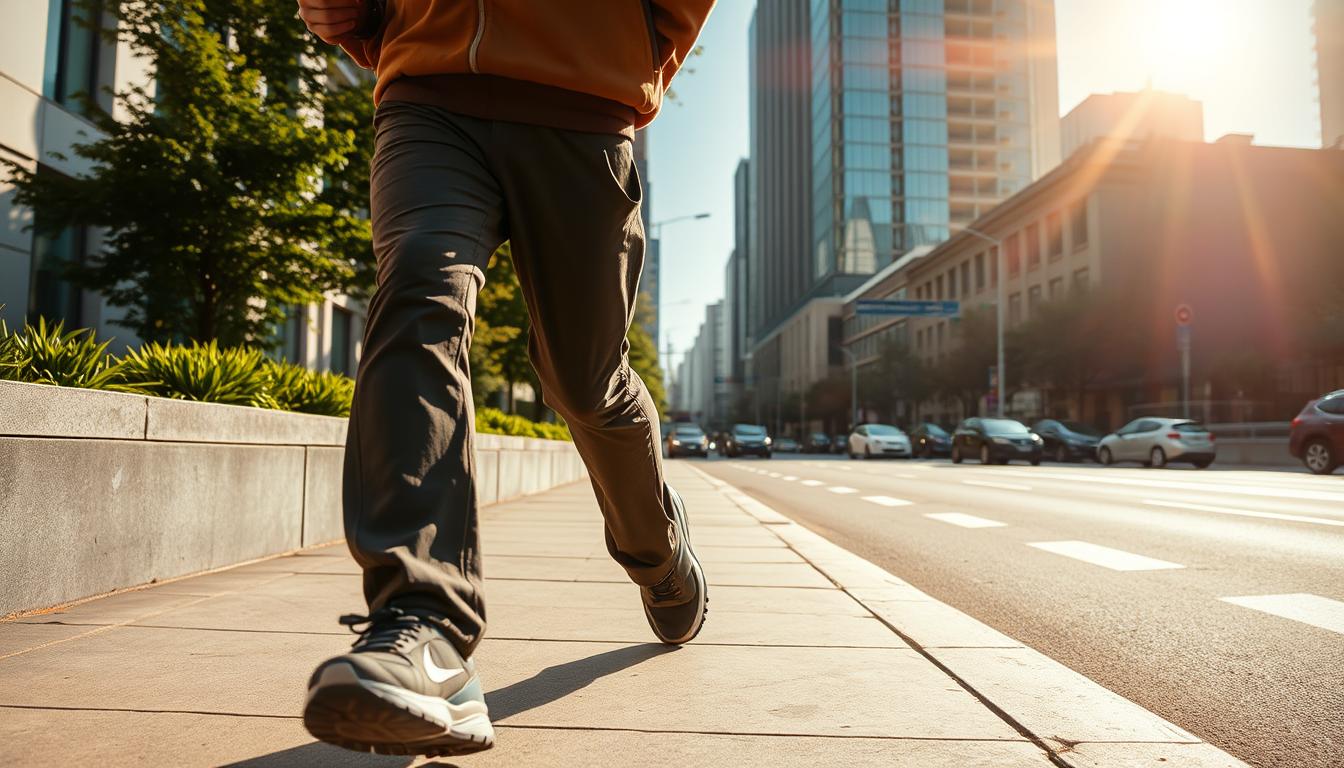
Integrating walking into your daily routine can transform your health and fitness effortlessly. Small changes, like walking to work or taking breaks, can add up to significant benefits over time. Research shows that office workers who replace 50% of their sitting time with walking reduce their waist circumference by 1.1 inches in just six months.
Walking to Work or Errands
Walking to work or running errands is a simple way to incorporate more activity into your day. Parking half a mile from your destination adds an extra 2,000 steps daily. This small adjustment can make a big difference in your overall fitness.
For grocery shopping, try walking three laps around the store perimeter before starting your shopping. This strategy not only increases your steps but also helps you stay focused on your shopping list.
Taking Walking Breaks
Taking short walking breaks throughout the day can offset the risks of a sedentary lifestyle. According to the Mayo Clinic, a 5-minute walk every hour can improve circulation and reduce fatigue. If you work in an office, consider using the stairs instead of the elevator. Climbing five flights daily burns an extra 302 calories each week.
Dog owners naturally walk more, averaging 22% more steps than non-owners. If you have a pet, use this as an opportunity to stay active every day.
| Activity | Benefits |
|---|---|
| Parking 0.5 miles away | Adds 2,000 steps daily |
| 5-minute hourly walks | Reduces sedentary risks |
| Grocery store laps | Increases steps and focus |
| Dog walking | Boosts steps by 22% |
| Climbing stairs | Burns 302 calories weekly |
Combine Walking with Strength Training
Pairing walking with strength training can amplify your fitness results significantly. This combination not only enhances weight loss but also builds lean muscle, improving your overall body composition. According to an ACSM study, walkers who add resistance training twice a week lose 40% more fat mass.

Simple Strength Exercises to Pair with Walking
Incorporating strength exercises into your routine doesn’t have to be complicated. Post-walk circuits are an excellent way to start. Try bodyweight squats, lunges, and push-ups for a full-body workout. These exercises require no equipment and can be done anywhere.
Resistance bands are another great tool. Lateral walks and overhead presses target different muscle groups, adding variety to your exercise plan. Aim for 15-minute sessions four times a week to see noticeable results.
Benefits of Combining Walking and Strength Training
This dual approach offers numerous advantages. Enhanced bone density is one key benefit, with walkers who strength train showing a 12% improvement. Additionally, your metabolism gets a boost, adding 100-200 daily calories to your baseline burn.
Here’s a quick summary of the benefits:
- Increased fat loss by 40%.
- Improved bone density by 12%.
- Boosted metabolism for extra calorie burn.
- Enhanced overall fitness and strength.
By combining walking with strength training, you’ll achieve your goals faster and more effectively.
Track Your Progress with a Fitness Tracker
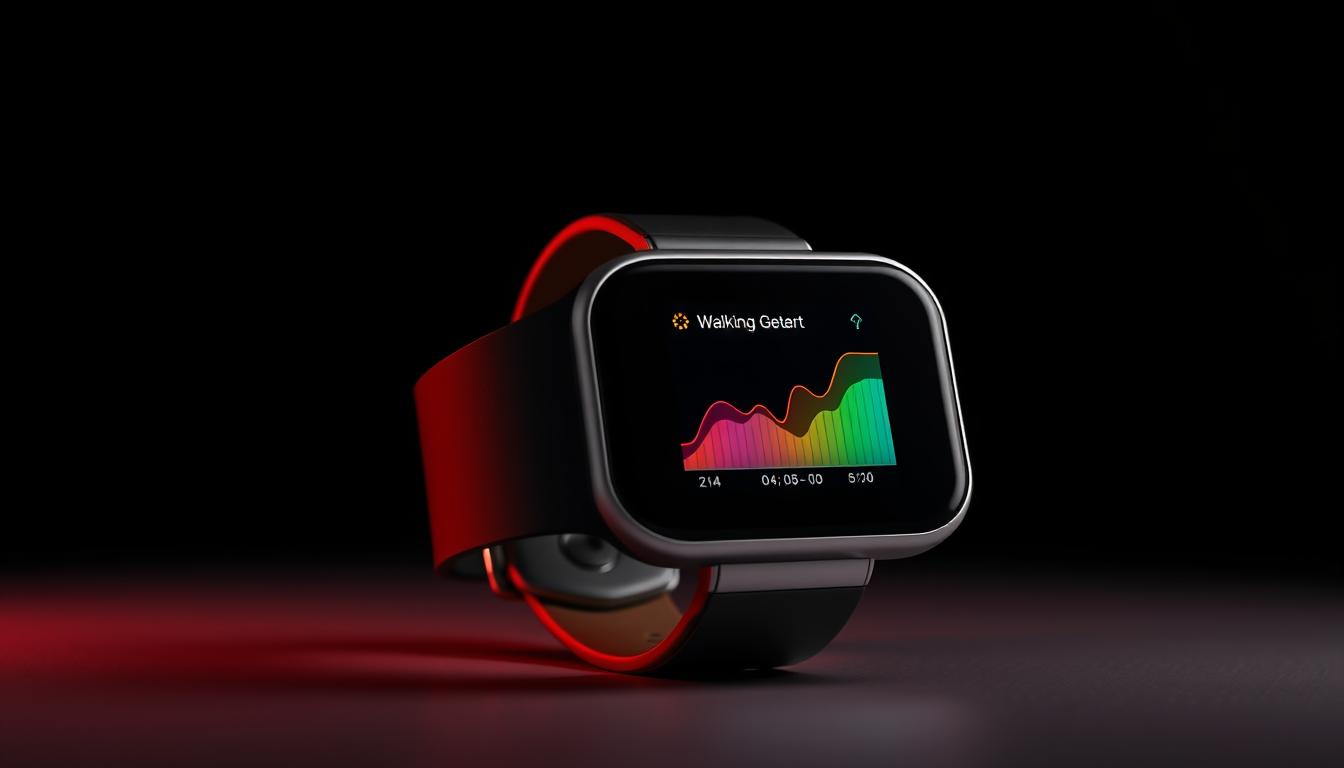
Using a fitness tracker can significantly boost your daily activity levels. Studies show that tracker users average 2,500 more daily steps than non-users. This simple device provides valuable insights to help you achieve your fitness goals more effectively.
Choosing the Right Fitness Tracker
Selecting the right fitness tracker depends on your needs and preferences. Popular options like Garmin, Fitbit, and Apple Watch offer varying features. Accuracy studies show these devices excel in tracking steps, heart rate, and calories burned.
Consider battery life when choosing a tracker. A device lasting 7+ days ensures consistent monitoring without frequent charging. Syncing with apps like MyFitnessPal can also provide integrated calorie tracking for better results.
Setting Realistic Goals
Setting achievable goals is key to staying motivated. Use the SMART framework—Specific, Measurable, Achievable, Relevant, and Time-bound. For example, aim to increase your weekly steps by 10% every two weeks.
Targeting the right heart rate zone can optimize fat oxidation. Aim for 60-70% of your maximum heart rate during your walk. This ensures you’re working at a moderate intensity for maximum benefits.
| Feature | Benefit |
|---|---|
| Step Tracking | Monitors daily activity levels |
| Heart Rate Monitoring | Optimizes workout intensity |
| Calorie Tracking | Provides insights into energy expenditure |
| Battery Life | Ensures consistent usage |
| App Integration | Offers comprehensive fitness tracking |
Focus on Consistency and Long-Term Habits
Building long-term habits is the key to achieving lasting fitness results. Research from the European Journal of Social Psychology shows it takes an average of 66 days to form a new habit. This means staying committed to your routine is essential for success.

Building a Walking Habit
Start small to make walking a part of your every day life. Habit stacking, like walking for 10 minutes after your morning coffee, can help integrate this activity seamlessly. Over time, these small efforts add up to significant progress.
Prepare for weather-related challenges by having backup plans. Mall walking routes or under-desk treadmills ensure you stay active regardless of conditions. Rewarding milestones, such as new walking gear, can also keep you motivated.
Overcoming Common Challenges
Plateaus are a natural part of any fitness journey. To push past them, increase your weekly distance by 5% or add one incline level to your walk. Social accountability, like joining WalkFit challenges via Strava, can also keep you on track.
Here’s a quick guide to staying consistent:
| Strategy | Benefit |
|---|---|
| Habit stacking | Integrates walking into daily routines |
| Weather contingencies | Ensures activity regardless of conditions |
| Reward milestones | Boosts motivation |
| Social accountability | Keeps you committed |
| Plateau strategies | Reignites progress |
By focusing on consistency and addressing challenges, you’ll build a walking habit that supports your long-term goals.
Pair Walking with a Healthy Diet
Combining walking with a balanced diet can significantly enhance your fitness journey. Proper nutrition fuels your body, helping you lose weight more effectively while preserving lean muscle. Research shows that walkers with high-protein diets (30% of calories) preserve 23% more muscle during weight loss.

Nutrition Tips for Fat Loss
Focus on nutrient-dense foods that support your walking routine. Pre-walk fuel, like a banana with almond butter, provides energy 30-60 minutes before your walk. Post-walk recovery meals should follow a 3:1 carb-to-protein ratio within 45 minutes to replenish energy and repair muscle.
Hydration is equally important. Aim for 5-7 ounces of water every 15 minutes during your walk. Anti-inflammatory foods, such as wild salmon, tart cherries, and walnuts, can reduce recovery time and improve overall health.
Foods to Support Your Walking Routine
Incorporate fiber-rich foods to target visceral belly fat. Aim for 14 grams of fiber per 1,000 calories consumed. This not only aids digestion but also helps lose weight more effectively.
Here’s a quick guide to foods that can enhance your walking routine:
| Food | Benefit |
|---|---|
| Banana + Almond Butter | Pre-walk energy boost |
| Wild Salmon | Reduces inflammation |
| Tart Cherries | Speeds up recovery |
| Walnuts | Supports heart health |
| High-Fiber Foods | Reduces visceral fat |
By pairing walking with a healthy diet, you’ll achieve better results and maintain long-term health.
How to Increase Fat Burning During Your Walks: Advanced Tips
Taking your walking routine to the next level requires strategic adjustments. By incorporating advanced techniques, you can maximize your calorie burn and improve overall fitness. Let’s explore two effective methods: using weighted vests or ankle weights and exploring challenging walking routes.
Using Weighted Vests or Ankle Weights
Adding extra weight to your workout can significantly increase intensity. A study by ACE Fitness found that a vest weighing 10% of your body weight boosts calorie burn by 13%. This simple addition engages more muscle groups, making your walk more effective.
However, safety is crucial. Never exceed 10% of your body weight to protect your joints. Start with lighter weights and gradually increase as your strength improves. Ankle weights are another option, but they should be used cautiously to avoid strain.
Exploring Challenging Walking Routes
Varying your terrain can make a big difference. Uneven surfaces, like trails, engage 35% more muscles compared to flat ground. This not only enhances your workout but also improves balance and coordination.
Here are some ideas for challenging routes:
- Trail walking: Natural paths with hills and obstacles.
- Altitude training: Walking at 8,000+ feet boosts EPOC by 37%.
- Sand walking: Burns 2.1x more calories than pavement.
- Obstacle courses: Parkour-inspired drills for urban settings.
By incorporating these advanced tips, you’ll elevate your walking routine and achieve better results.
Conclusion: Start Your Fat-Burning Walking Journey Today
Embarking on a walking routine can transform your health and fitness journey. By incorporating strategies like interval training, inclines, and strength pairing, you can maximize your results. Over 12 weeks, consistent effort can lead to noticeable improvements in weight loss and overall well-being.
Local resources like MapMyWalk routes and REI walking clinics can help you stay motivated and explore new paths. Once you achieve your goals, adjust your calorie intake and activity levels to maintain stability. Walking 150 minutes weekly can reduce all-cause mortality by 20%, offering long-term benefits.
Start today and take the first step toward a healthier, more active lifestyle. Your journey to better health begins with each step you take.