Did you know that 63% of keto dieters get tired of food in the first month? You don’t have to eat the same old grilled chicken and broccoli every day. With some planning, you can make delicious dishes like Fluffy Low-Carb Pancakes and Beef Jerky Pizza and stay in ketosis.
Adding variety is key to staying on the keto diet long-term. You can get creative with meals, from avocado breakfast stacks to zoodle dinners with garlic butter shrimp. The trick is to mix up flavors, textures, and meal types to keep things interesting.
This guide will show you how to make your weekly meal prep more exciting. You’ll learn to cook proteins for different meals, use herbs and spices for new flavors, and turn leftovers into new dishes. Plus, we’ve got tips from nutrition experts to make your kitchen work easier.
Key Takeaways
- Rotate proteins and vegetables weekly to prevent flavor burnout
- Incorporate unexpected ingredients like cloud bread or fathead dough
- Prep versatile bases (cauliflower rice, shredded chicken) for quick meal assembly
- Use theme nights (Taco Tuesday, Pizza Friday) to maintain excitement
- Invest in quality storage containers to preserve freshness and texture
- Combine crunchy, creamy, and savory elements in every meal
Understanding Keto Meal Prep Fundamentals
Starting keto meal prep means mastering two key areas: metabolic precision and culinary creativity. Unlike other diets, keto needs strict control over macronutrients. This ensures you stay in fat-burning ketosis while keeping your meals tasty. Let’s explore the science-backed strategies for achieving this balance.

Why Meal Prep is Essential for Keto Success
Consistency is key for keto success. Meal prep helps you avoid accidental carb intake and keeps fat levels right. It also cuts down on food waste by planning portions.
- Avoid accidental carb overload from rushed decisions
- Maintain optimal fat intake throughout the day
- Reduce food waste through planned portions
A 2023 nutrition study showed pre-planners stayed in ketosis 23% longer than those who didn’t plan. Your weekly prep session acts as a shield against unhealthy temptations.
Macronutrient Ratios Made Simple
Your plate should follow a keto calculator: 70% fats, 25% protein, and 5% carbs. This ratio helps your body burn fat instead of glucose. Here’s what that looks like daily:
| Macronutrient | Calorie % | Gram Target* |
|---|---|---|
| Healthy Fats | 70-75% | 120-150g |
| Protein | 20-25% | 70-100g |
| Net Carbs | 5% | <20g |
*Based on 2000-calorie diet | Source: Keto Macro Calculator v3.2
Calculating Your Fat-Protein-Carb Balance
Here’s a 3-step method to tailor your ratios:
- Determine daily calorie needs using your BMR + activity level
- Multiply calories by 0.7 to get fat grams (9 calories/gram)
- Calculate protein at 0.8g per pound of lean body mass
For example, a 150lb active woman needs 165g fat, 85g protein, and 18g net carbs. Use apps like Carb Manager to track these without math stress.
Building Your Keto Pantry Staples
Starting a keto kitchen means choosing the right ingredients. Look for foods that are full of nutrients and fit your diet. Here are the key items you’ll need for low carb meal prep.
Must-Have Low-Carb Vegetables
Vegetables are key to keto meals. Choose ones with less than 5g net carbs per serving. Keep leafy greens fresh by storing them in containers with paper towels.
Best Leafy Greens and Cruciferous Options
- Spinach (0.4g net carbs per cup)
- Kale (2.4g net carbs per cup)
- Broccoli florets (3g net carbs per cup)
- Cauliflower (2g net carbs per cup)
| Vegetable | Net Carbs (per 100g) | Prep Tip |
|---|---|---|
| Zucchini | 2.1g | Spiralize for noodles |
| Brussels Sprouts | 5.2g | Roast with bacon fat |
| Asparagus | 1.8g | Quick-pickle for snacks |

Quality Protein Sources to Stock
Protein is essential for feeling full. Mix up your protein sources to avoid getting bored. Try different meats and freeze them for later.
Grass-Fed Meats vs Conventional Options
| Factor | Grass-Fed Beef | Conventional Beef |
|---|---|---|
| Omega-3 Fatty Acids | 2-4x higher | Standard levels |
| Conjugated Linoleic Acid | 300-400% more | Lower amounts |
| Price per Pound | $9-$12 | $5-$7 |
Grass-fed meats are healthier, but conventional options work too. Mix both to save money. Always dry meats before freezing to avoid freezer burn.
How to Meal Prep for a Week on the Keto Diet Without Getting Bored
Sticking to keto doesn’t mean eating the same thing every day. You can make meals that feel new and exciting. The trick is using strategic theme variations and flavor layering to keep things interesting while staying low-carb.

Theme-Based Meal Planning Strategy
Using daily themes makes meal prep easier and keeps things fresh. It’s like having a culinary roadmap that guides your choices without being too strict.
Example: Taco Tuesday Keto Style
Make Taco Tuesday keto-friendly with some simple swaps:
- Use romaine lettuce “shells” instead of tortillas
- Season ground beef with cumin and smoked paprika
- Make avocado crema with lime juice and cilantro
- Add crumbled queso fresco for texture
Prep each part separately for easy assembly. Use leftover taco meat in stuffed peppers or salad bowls later in the week.
Flavor Rotation System
Five versatile sauces can change up basic proteins all week. Store them in small mason jars for quick use:
5 Sauce Variations for Protein
- Lemon-Herb Aioli: Mix mayo with lemon zest and fresh dill
- Spicy Almond Satay: Blend almond butter with chili garlic paste
- Avocado Lime Dressing: Puree avocado with apple cider vinegar
- Smoky Chipotle Mayo: Combine mayo with adobo sauce
- Green Goddess Dip: Blend Greek yogurt with basil and parsley
Pair these sauces with proteins like shredded chicken or pork carnitas. A simple swap can turn Monday’s chicken into Wednesday’s Thai-inspired salad topper.
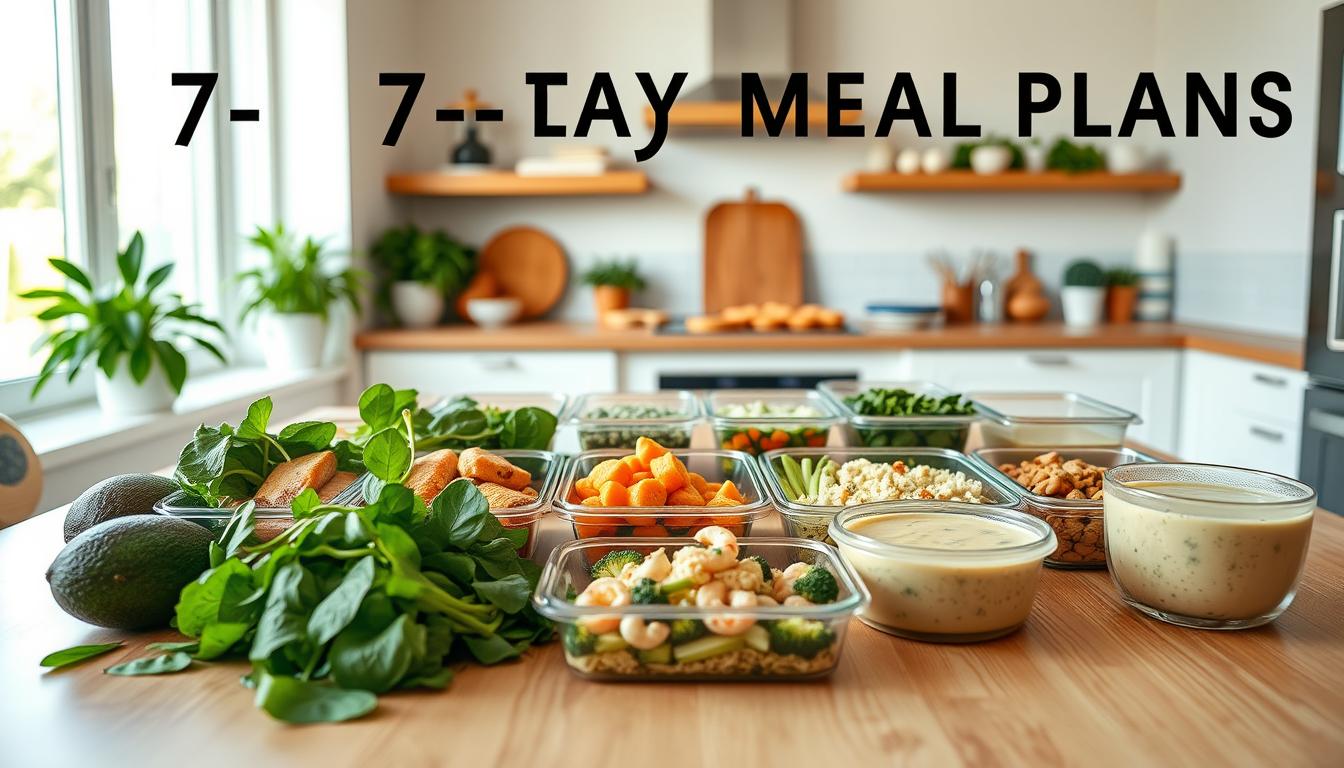
7-Day Meal Variety Framework
Following keto doesn’t mean eating the same thing every day. The key to success is strategic variety. This keeps your meals interesting and meets your dietary needs. It’s all about mixing up proteins and veggies to keep your meals feeling new.
Protein Cycling Technique
Switching up your protein sources prevents boredom and ensures you get a wide range of nutrients. Try a four-day rotation of beef, chicken, fish, and pork. It’s simple and doesn’t make your shopping list too long.
Beef-Chicken-Fish-Pork Rotation
Here’s a simple schedule for balanced meals:
- Day 1: Garlic-herb butter steak strips
- Day 2: Lemon-pepper baked chicken thighs
- Day 3: Blackened salmon with dill sauce
- Day 4: Apple cider vinegar pork chops
This pattern helps you avoid meal prep boredom. It also ensures you get all the amino acids you need. Fish days give you omega-3s, while red meat boosts iron for energy on keto.
Vegetable Texture Variation
Changing up veggie textures makes the same ingredients feel new. Research shows this can reduce food boredom by 43% in diets with fewer choices.
Raw vs Roasted vs Pureed
Try different prep methods throughout the week:
- Raw: Zucchini noodles with olive oil
- Roasted: Crispy Brussels sprouts with bacon
- Pureed: Cauliflower mash with roasted garlic
Switching up textures keeps your side dishes interesting. Use our visual calendar to pair different veggie styles with your protein rotation. Your meals will feel like they’re from a restaurant, all while staying keto-friendly.
Efficient Cooking Methods

Learning to cook efficiently makes your keto diet easier. Smart cooking tips help you keep your macros right and save time. This is key to sticking with a low-carb diet.
Batch Cooking Proteins
Make proteins in big batches to always have keto-friendly building blocks ready. Choose versatile options like chicken thighs, ground beef, and salmon fillets. They work well for many meals.
Oven vs Instant Pot Comparison
Your choice of appliance affects energy use and how much time you save:
- Oven roasting (45-60 mins): Great for crispy textures and big batches
- Instant Pot (25-35 mins): Best for tender meats and quick meals
Start by measuring spices and lining baking sheets while your appliances heat up. This parallel prep saves you 10 minutes.
Vegetable Prep Shortcuts
Low-carb veggies are meal stars when prepped right. Spend 20 minutes a week on:
- Pre-washed salad mixes in breathable containers
- Blanched broccoli florets for quick stir-fries
- Roasted radish “potatoes” for ahead-of-time sides
Spiralizing vs Ricing
Turn veggies into tasty keto staples:
- Spiralized zucchini: Acts like pasta in 90 seconds
- Cauliflower rice: Soaks up flavors like grains
Keep prepped veggies raw for the best crunch. This saves 40% of your daily cooking time.
“A well-organized prep station cuts meal assembly time in half while keeping ingredients at peak freshness.”
Use these methods with your keto pantry to make endless easy keto meal prep dishes. The right techniques turn simple ingredients into exciting keto meal ideas. This prevents meal boredom all week.
Flavor Boosters That Keep It Keto

Keeping your keto meals exciting doesn’t need carbs. Just use your creativity. The right spices and fats can turn simple ingredients into mouthwatering dishes. This makes it easy to stick to your macros.
Homemade Seasoning Blends
Store-bought seasonings often have sugars or fillers. Making your own blends lets you control what goes in. Start with these three basic profiles:
Smoky vs Herbal vs Spicy Mixes
Smoky blends are great on meats. Mix smoked paprika, garlic powder, and cumin. For herbal freshness, try dried basil, oregano, and lemon zest. It’s perfect for keto-friendly chimichurri on grilled chicken. Spicy fans can mix cayenne, black pepper, and onion powder for a carb-free kick.
Try blending toasted almonds and roasted red peppers for a keto romesco sauce. It’s amazing on steamed veggies or cauliflower rice.
Healthy Fat Enhancements
Fats are more than just macros—they carry flavors. The right fat for each cooking method prevents blandness and keeps meals satisfying.
Avocado Oil vs Ghee Uses
Avocado oil is great for high-heat cooking (up to 520°F). Use it for searing steaks or roasting Brussels sprouts. Ghee (clarified butter) is best for medium-heat sautéing. It adds rich flavor to scrambled eggs or roasted squash.
Infuse these fats with rosemary or garlic for extra aroma. A drizzle of chili-infused avocado oil can make simple zucchini noodles into restaurant-worthy keto recipes.
Portion Control Strategies
Getting the right portion size is key to success on the keto diet. Having a variety of meals keeps things interesting. But, it’s also important to measure your food accurately to stay on track with your macros. Here are some tips to help you portion your meals without losing convenience.

Macro-Based Measuring System
Start with proteins and use Source 1’s guidelines. For a 1,800-calorie keto diet, aim for 4-6 oz of cooked meat or fish per meal. Use a tracking app to figure out how much fat you can have. For example, a tablespoon of olive oil has 14g of fat, and ¼ avocado has 8g.
Adjust your portions based on how active you are:
- Sedentary days: Eat 5% fewer calories from fats
- Workout days: Increase your protein by 10-15%
Food Scale vs Volume Measurements
Digital scales show that what looks like 1 oz of almonds is often 1.5 oz. This means it has 9g of carbs, not 6g. Here’s how different methods compare:
| Method | Accuracy | Best For |
|---|---|---|
| Food Scale | ±2% margin | Nuts, cheeses, meats |
| Measuring Cups | ±15% variance | Leafy greens, broth |
Volume measurements are okay for things like spinach (2 cups = 2g net carbs). But, always weigh keto-bomb ingredients like nut butters. Use 100-calorie containers for snacks to avoid eating too much.
Storage Solutions for Freshness
The secret to vibrant keto meals lies in how you store them. Proper food preservation keeps texture, prevents waste, and balances macros. Let’s explore container choices and temperature strategies that protect your meal prep investments.

Glass vs Plastic Container Showdown
Your container choice impacts food quality and safety. Glass options dominate for reheating and long-term use, while plastic works better for portioned snacks. Consider these factors when building your storage arsenal:
| Feature | Glass Containers | Plastic Containers |
|---|---|---|
| Heat Resistance | Oven-safe up to 450°F | Max 250°F (check labels) |
| Chemical Leaching | None | BPA-free versions only |
| Eco-Friendliness | Infinitely recyclable | Limited reuse cycles |
| Weight | Heavier for transport | Lightweight stacking |
Freezing vs Refrigeration Guidelines
Maximize freshness with these temperature strategies from food safety experts:
- Freeze immediately: Soups, chili, and casseroles (portion before freezing)
- Refrigerate short-term: Prepped veggies, cooked proteins, fat bombs
| Keto Food | Fridge Life | Freezer Life |
|---|---|---|
| Cooked Chicken | 4 days | 3 months |
| Cauliflower Rice | 5 days | Not recommended |
| Beef Chili | 6 days | 4 months |
| Keto Casserole | 5 days | 6 months |
Always label containers with preparation dates using freezer-safe markers. For best results in healthy keto meal prep, freeze liquids in wide-mouth jars leaving 1-inch headspace. Thaw frozen meals overnight in the refrigerator before reheating.
Time-Saving Kitchen Tools
Mastering easy keto meal prep is not just about recipes. It also needs the right tools to save time and boost flavor. Choosing the right tools helps keep your Keto meal ideas varied without spending hours cooking. Let’s look at the tools that make complex dishes quick and easy.

Essential Gadgets for Keto Cooks
These five tools are key for efficient low-carb cooking:
- Spiralizers turn zucchini into noodles for “pasta” nights
- Fat separators make clear bone broths in minutes
- High-speed food processors make cauliflower rice fast
- Precision scales measure macros to 0.1-gram accuracy
- Multi-cookers cook slow-braised meats and keto cheesecakes
Spiralizer and Fat Separator Uses
The Paderno spiralizer is great for Source 3’s cauliflower mac and cheese. It makes veggie sauces that feel like the real thing. Use it with OXO’s fat separator for beef tallow. Pour pan drippings in, and pure fat comes out.
| Tool | Key Benefit | Top Brand | Price Range |
|---|---|---|---|
| Spiralizer | Creates low-carb noodle alternatives | Inspiralized | $25-$50 |
| Fat Separator | Removes impurities from cooking fats | OXO | $18-$35 |
| Digital Scale | Ensures precise macro tracking | Escali | $20-$45 |
Invest in these tools early, and you’ll save 3-4 hours a week. That’s more time to enjoy your Keto meal ideas instead of making them. The right tool doesn’t just speed up cooking. It also makes your easy keto meal prep experience better.
Snack Preparation Techniques
Innovative snacks keep your diet interesting and your ketosis on track. Fat bombs are key for fighting cravings and staying low in carbs. These tasty bites fill the gap between meals without messing up your diet.

Portable Fat Bomb Recipes
These snacks are great for when you’re on the move. They mix convenience with delicious keto meal prep ideas. You can play with different textures and tastes to keep things exciting. Here are three favorites:
Sweet vs Savory Options
Sweet: Chocolate-Peanut Butter Bombs mix unsweetened cocoa, natural peanut butter, and coconut oil. Matcha Fat Bombs from Source 3 add a green tea and vanilla twist. Savory: Cheddar-Bacon Bites offer a cheesy, bacony flavor with cream cheese.
| Recipe | Net Carbs | Fat (g) | Protein (g) |
|---|---|---|---|
| Chocolate-Peanut Butter | 1.5 | 14 | 3 |
| Matcha Green Tea | 2 | 12 | 2 |
| Cheddar-Bacon | 0.8 | 16 | 5 |
Keep fat bombs fresh by storing them in airtight containers. This depends on their ingredients:
- Coconut oil-based: Freeze up to 3 months
- Cream cheese-based: Refrigerate 7–10 days
- Nut butter-based: Room temperature (2–3 days)
Hydration and Electrolyte Management
Staying hydrated on keto is more than just drinking water. It’s about keeping the right minerals in balance. This helps keep your energy levels up. When you cut carbs, your body loses electrolytes quickly. It’s important to replace them to avoid feeling tired or getting muscle cramps.
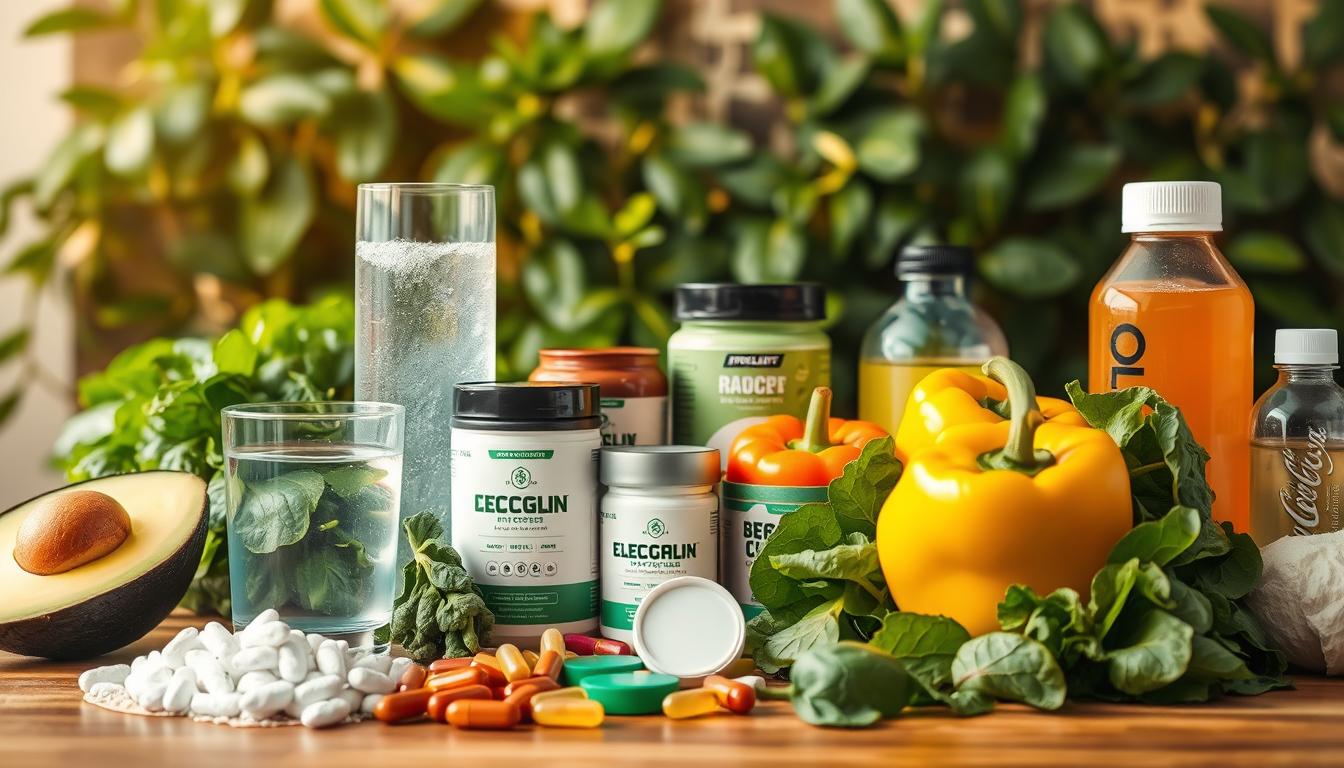
Homemade Ketoade Recipes
Don’t use sugary sports drinks. Here are two keto-friendly recipes for staying hydrated:
- Classic Citrus Boost: Mix 1 tsp sea salt, ½ tsp NoSalt (potassium chloride), and ¼ tsp food-grade magnesium powder in 32oz water. Add lemon juice and stevia to taste.
- Berry Hydration Mix: Combine ½ tsp Himalayan pink salt, ¼ tsp potassium citrate, and 200mg magnesium glycinate in sparkling water. Muddle fresh raspberries for natural flavor.
Sodium-Potassium-Magnesium Balance
Research shows keto followers need:
| Mineral | Target Intake | Food Sources |
|---|---|---|
| Sodium | 5,000-7,000mg | Bone broth, olives |
| Potassium | 3,000-4,500mg | Avocado, spinach |
| Magnesium | 400-600mg | Pumpkin seeds, dark chocolate |
Ignoring these mineral ratios can cause “keto flu” symptoms like headaches or dizziness. Make sure to include electrolyte-rich foods in your healthy keto meal prep. This will help you stay at your best all week long.
Sample 7-Day Meal Plan
Eating keto doesn’t mean you have to eat the same old things. This meal plan mixes different textures, flavors, and cooking methods. It keeps your diet balanced at 75/20/5 macronutrients. You’ll learn how to make easy keto meal prep fun and exciting, with restaurant-style dishes all week.
Day 1: Asian-Inspired Bowls
Start your week with dishes full of umami, using coconut aminos and sesame oil:
| Meal | Dish | Macros (g) | Calories |
|---|---|---|---|
| Breakfast | Scrambled eggs + kimchi | F:32 P:18 C:3 | 380 |
| Lunch | Thai beef salad | F:40 P:29 C:6 | 525 |
| Dinner | Sesame salmon + cauliflower rice | F:45 P:34 C:5 | 560 |
| Snack | Seaweed chips | F:14 P:2 C:1 | 150 |
Day 4: Mediterranean Platters
Make midweek meals brighter with olive oil and crisp veggies:
| Meal | Dish | Macros (g) | Calories |
|---|---|---|---|
| Breakfast | Zucchini feta frittata | F:38 P:22 C:4 | 420 |
| Lunch | Greek chicken skewers | F:42 P:30 C:5 | 530 |
| Dinner | Lamb kebabs + tzatziki | F:47 P:36 C:6 | 610 |
| Snack | Olive tapenade | F:18 P:3 C:2 | 190 |
Day 7: Comfort Food Remakes
Finish the week with keto versions of your favorite dishes:
| Meal | Dish | Macros (g) | Calories |
|---|---|---|---|
| Breakfast | Fluffy almond pancakes* | F:35 P:14 C:4 | 390 |
| Lunch | Cheeseburger lettuce wraps | F:40 P:28 C:5 | 510 |
| Dinner | Beef chili + avocado | F:44 P:32 C:7 | 580 |
| Snack | Peanut butter fat bombs | F:21 P:6 C:2 | 230 |
*Pro Tip: Double the pancake batch and freeze for quick breakfasts. Pair with CookUnity’s pre-made keto meals when short on time.
“The key to sustainable keto is making your favorite foods work within macro limits – it’s about reinvention, not deprivation.”
Conclusion
Learning to meal prep for a week on the keto diet without boredom is easy. Just follow the main strategies shared here. Balance your macronutrients, try different global flavors, and mix up your protein sources. This way, your meals will be both healthy and tasty.
Use a 7-day plan with dishes based on themes to avoid eating the same thing every day. Add texture to your veggies and use homemade seasonings to keep your meals exciting. Cooking proteins like grass-fed beef or wild-caught salmon in advance saves time. Then, just add prepped veggies and avocado oil dressings for a quick meal.
Sticking to your keto diet long-term is all about consistency. Use Glasslock containers to keep your food fresh and portion it out according to your macros. The example meal plan shows how to make comfort foods and international dishes without getting bored. Always have keto-friendly snacks like Perfect Keto bars ready for when you’re in a rush.
If you need help, talk to Berry Street Nutrition’s keto dietitians. They offer meal planning tips and advice on managing electrolytes. Start your next meal prep with these tips and see how easy and fun it can be to keep up with your keto diet all week.