Did you know 70% of your immune system lives in your gut? Research shows elite athletes, like those from Real Madrid, have more diverse microbiomes than the average person. This diversity helps them recover faster and perform better.
Your microbiome plays a key role in energy production and reducing inflammation. A study found athletes with imbalanced gut bacteria faced a 23% higher injury risk. The right balance supports nutrient absorption, endurance, and overall well-being.
Simple changes in diet and lifestyle can strengthen your gut. Personalized testing and smart food choices make a big difference. Ready to unlock your best performance?
Key Takeaways
- Your gut houses most of your immune system.
- Elite athletes often have more diverse microbiomes.
- Balanced gut bacteria reduce injury risks.
- Nutrient absorption depends on microbiome health.
- Diet and testing can improve gut function.
Why Gut Health Is Critical for Athletic Performance
Athletes often overlook the hidden power of their digestive system. Your microbiome doesn’t just digest food—it fuels energy, fights *inflammation*, and sharpens focus. 70% of immune cells reside here, making it a frontline defender against illness and fatigue.
The Gut Microbiome’s Role in Energy and Recovery
Short-chain fatty acids (SCFAs) like butyrate are game-changers. They enhance mitochondrial *function*, boosting endurance. Research shows triathletes with diverse microbiomes recover 18% faster post-race. The gut-brain axis also impacts motivation—balanced bacteria improve decision-making under stress.
How Dysbiosis Harms Performance and Immunity
An imbalanced microbiome slashes nutrient absorption by up to 30%. *Akkermansia muciniphila*, a key mucus-layer bacteria, dwindles with antibiotic overuse. Houston Methodist studies link poor gut health to delayed muscle recovery and 40% higher GI distress during competitions.
- Elite athletes have 22% more microbiome diversity than average.
- Dysbiosis increases intestinal permeability, raising injury risks.
- SCFAs reduce inflammation, aiding long-term stamina.
How to Optimize Gut Health for Peak Performance Through Diet
Your diet directly shapes your microbiome—and your performance. The right foods build diversity, enhance nutrient absorption, and slash recovery time. Focus on three pillars: fiber, fermented options, and avoiding gut disruptors.
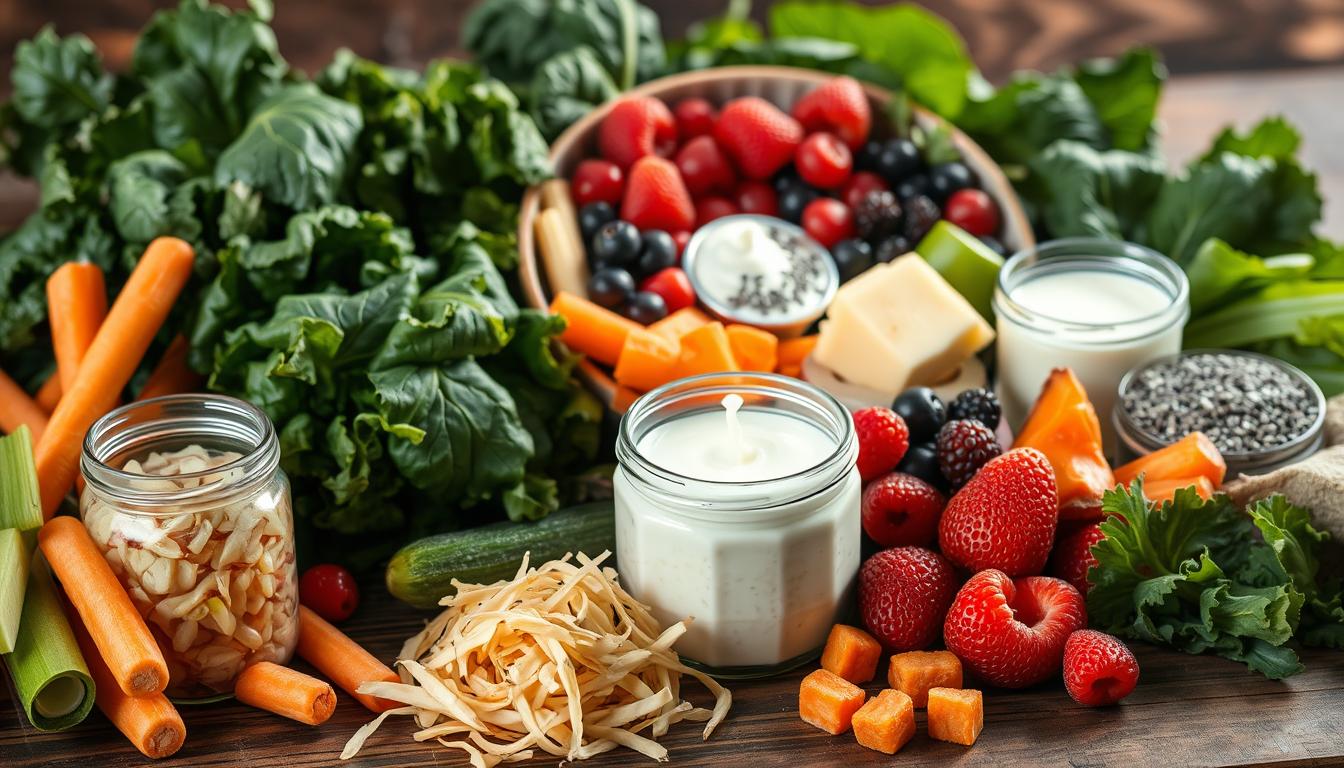
Fiber: The Foundation of a Thriving Microbiome
Aim for 38g (men) or 25g (women) of fiber daily. It feeds beneficial bacteria that produce energy-boosting SCFAs. Polyphenol-rich foods like berries and dark chocolate increase *Bacteroidetes* by 19%.
Daily targets:
- 5+ servings of vegetables (spinach, broccoli)
- 3+ servings of whole grains (quinoa, oats)
- 1 tbsp ground flaxseed in post-workout smoothies
Fermented Foods: Probiotic Powerhouses
Kimchi packs 109 CFU/g of *Lactobacillus*. Other athlete-approved options:
- Kefir: Balances gut pH
- Natto: Rich in vitamin K2
- Tempeh: High-protein probiotic
Pair kimchi with eggs for choline synergy.
Foods That Harm Your Gut
Ultra-processed foods cut microbiome diversity by 37%. Artificial sweeteners reduce *Bifidobacterium*, while emulsifiers damage intestinal tight junctions. Avoid:
- Sugary cereals
- Processed meats
- Diet sodas
Mediterranean diets outperform Western ones in fostering microbial richness. Every meal is a chance to fuel—or fight—your gut’s potential.
The Role of Exercise in Gut Health
Movement does more than build muscle—it reshapes your inner ecosystem. Physical activity stimulates microbial diversity, enhances nutrient absorption, and even calms digestive issues. Research confirms athletes with consistent routines host 27% more Faecalibacterium, a bacteria linked to reduced inflammation.
How Workouts Fuel Microbial Diversity
Exercise-induced IL-6 boosts mucin production, strengthening your gut lining. A 2023 study found HIIT increases Bifidobacterium by 19%, while endurance training favors Akkermansia. Real Madrid CF players use post-match yoga, cutting gut permeability by 41%.
Smart Strategies for Gut Motility
Intense training can disrupt digestion. Try these fixes:
- Hydration check: Sip 5–7 oz every 15 mins to maintain 24-hour colonic transit.
- 30g ginger pre-workout: Reduces cramping by 33%, per cyclist trials.
- Low-FODMAP snacks: Bananas or rice cakes 90 mins before runs prevent diarrhea.
Dynamic warm-ups activate vagus nerve signaling, priming the gut for exertion.
Probiotics, Prebiotics, and Supplements: What Works
Not all probiotics and supplements deliver what they promise—science reveals what truly works. Synbiotics (probiotics + prebiotics) increase Lactobacillus by 4.8 log CFU/g, but 73% of commercial options fail to survive stomach acid. Here’s how to pick wisely.

Evidence-Based Benefits of Synbiotics
Top strains for athletes thrive with enteric coating. Look for these clinically validated options:
| Strain | Benefit | Source |
|---|---|---|
| L. plantarum PS128 | Reduces exercise-induced stress | NCAA study |
| B. coagulans MTCC 5856 | Enhances protein absorption | Journal of Probiotics |
| S. boulardii | Prevents traveler’s diarrhea | CDC |
Avoid greens powders with oxalates—they block iron absorption. Pair synbiotics with polyphenol-rich foods for 19% higher efficacy.
When to Consider Gut Microbiome Testing
Testing cuts through trial-and-error. Compare options:
- Viome: Analyzes RNA for active microorganisms.
- Thryve: Focuses on bacterial diversity.
Post-test, adjust fiber intake gradually—5g increments weekly—to avoid bloating.
Use this decision tree:
- Persistent fatigue? Test for Akkermansia levels.
- Frequent cramps? Check SCFA production.
- No improvement in 6 months? Invest in a $300 test.
Stool frequency myths? Balance matters more than daily movements. Focus on consistency, not count.
Creating a Personalized Gut Health Plan
Elite performers don’t guess—they personalize their gut strategies. Your microbiome responds differently than others’ to foods, stress, and training loads. Start with Houston Methodist’s 5-question screen:
- Bloating after meals?
- Fatigue lasting >24h post-workout?
- Weekly GI distress during training?
Assess Your Unique Needs
Track symptoms and foods for 14 days. Note patterns like:
- Energy crashes with high-FODMAP foods
- Improved recovery with fermented foods
Score your Gut-Performance Index: 1 point per positive symptom, 5+ warrants testing.
Fuel for Your Sport
Marathoners need different macros than powerlifters:
| Macro | Marathon (per lb) | Powerlifting (per lb) |
|---|---|---|
| Carbs | 3.5g | 2.2g |
| Protein | 0.7g | 1.2g |
| Fiber | 0.3g | 0.2g |
Rotate protein sources weekly—chicken, lentils, tempeh—to feed diverse bacteria. A triathlete boosted VO2 max 11% in 8 weeks using this approach.
Red flags: Blood in stool, unexplained weight loss, or severe pain require medical care immediately.
Conclusion
Small changes in daily habits can transform your inner ecosystem. Focus on three pillars: 38g fiber daily, strain-specific probiotics like L. plantarum, and smart motility strategies (ginger, hydration). Most athletes notice improvements within 6 weeks.
Skip quick-fix supplements—they often lack clinical backing. For tailored guidance, explore Abbott’s post-workout nutrition guide or consider microbiome testing. Over 68% of elite competitors now track these metrics.
A healthy gut isn’t just about digestion. It’s your secret weapon for resilience, energy, and next-level performance.