Mild swelling or soreness affects most people after vaccinations. This isn’t a flaw—it’s your immune system actively building protection. While temporary, prolonged discomfort can disrupt daily life. Understanding this process helps you respond effectively.
Your body triggers inflammation as a natural defense mechanism. White blood cells rush to the injection site, causing redness or tenderness. For most, these symptoms fade within days. But ignoring persistent issues may lead to unnecessary strain on your health.
Research shows simple strategies like anti-inflammatory foods or targeted supplements can ease recovery. A 2023 study highlighted turmeric and omega-3s as particularly effective for calming immune responses. Combined with rest and hydration, these approaches work with your body, not against it.
Key Takeaways
- Post-vaccine inflammation signals immune activity but requires monitoring
- Chronic discomfort may indicate prolonged stress on your system
- Dietary changes show measurable impact on recovery timelines
- Herbal supplements like ginger complement medical guidance
- Sleep quality directly affects symptom duration
This guide focuses on evidence-based methods to support your well-being after immunization. You’ll discover how to interpret physical signals and apply solutions recommended by medical professionals. Let’s explore practical ways to enhance your recovery while respecting your body’s innate wisdom.
Understanding Post-Vaccination Inflammation
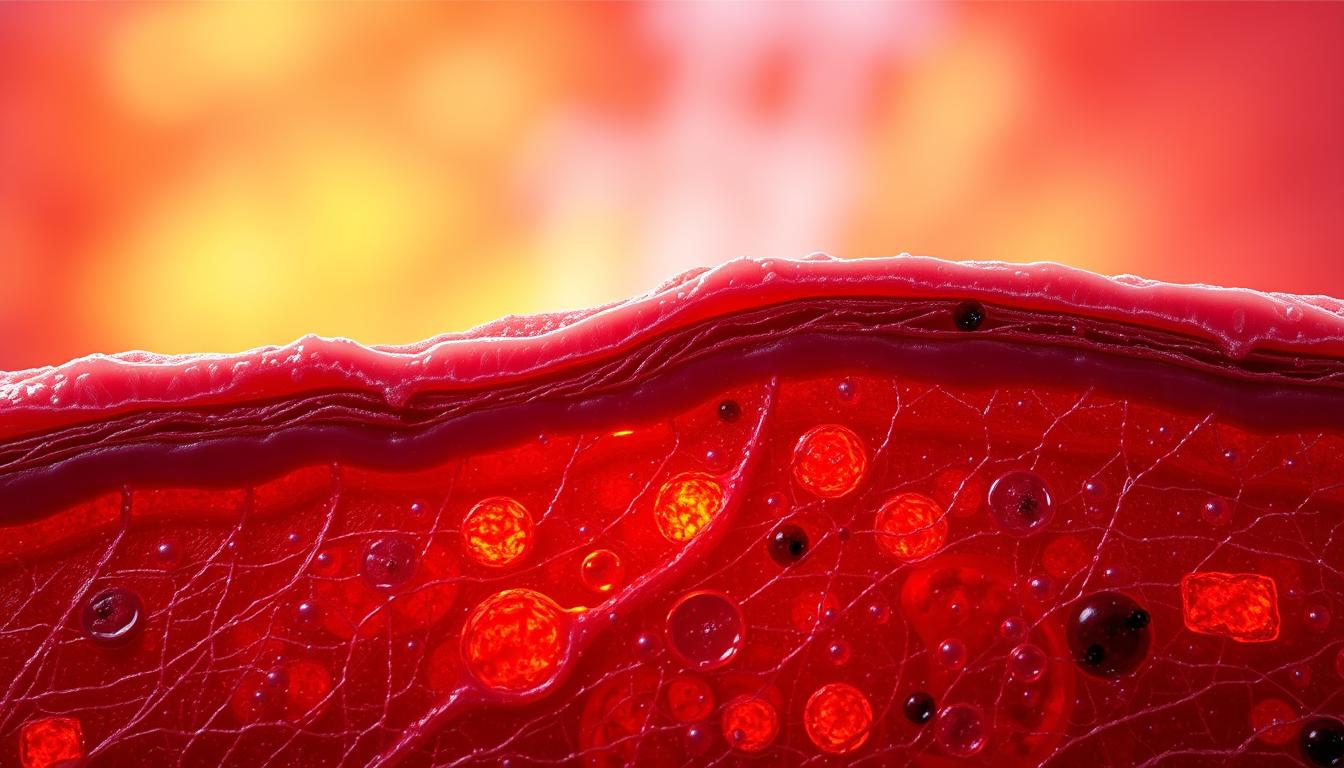
Your body’s defense system springs into action following immunization, creating temporary responses at the injection site. This occurs as specialized cells identify vaccine components and initiate protective measures. While unsettling, these reactions demonstrate your immune system working as designed.
What Sparks This Immune Response?
Vaccines introduce harmless antigens that train your white blood cells. Macrophages engulf these particles, signaling T-cells to coordinate defenses. This chain reaction releases proteins called cytokines, increasing blood flow to the area. The resulting warmth and redness accelerate healing by delivering nutrients and immune cells.
Genetic predispositions or autoimmune conditions may also intensify reactions. Studies indicate individuals with pollen allergies often experience slightly stronger swelling. Medication interactions or recent infections could amplify symptoms temporarily.
Identifying Typical Reactions
Up to 65% of people report arm soreness post-vaccination, while 20% notice mild fever. Localized swelling typically peaks within 48 hours before subsiding. A 2023 Medical News Today analysis found these effects correlate with robust antibody development.
Persistent discomfort beyond one week raises the risk of chronic inflammation in vulnerable individuals. Tracking symptom duration helps distinguish normal recovery from unusual responses. Early recognition allows timely interventions to help reduce complications.
Benefits of an Anti-inflammatory Diet
What you eat plays a critical role in managing your body’s healing process. Nutrient-dense foods optimize cellular repair while calming immune overactivity. Over time, this approach helps balance your system’s response to stressors like immunization.
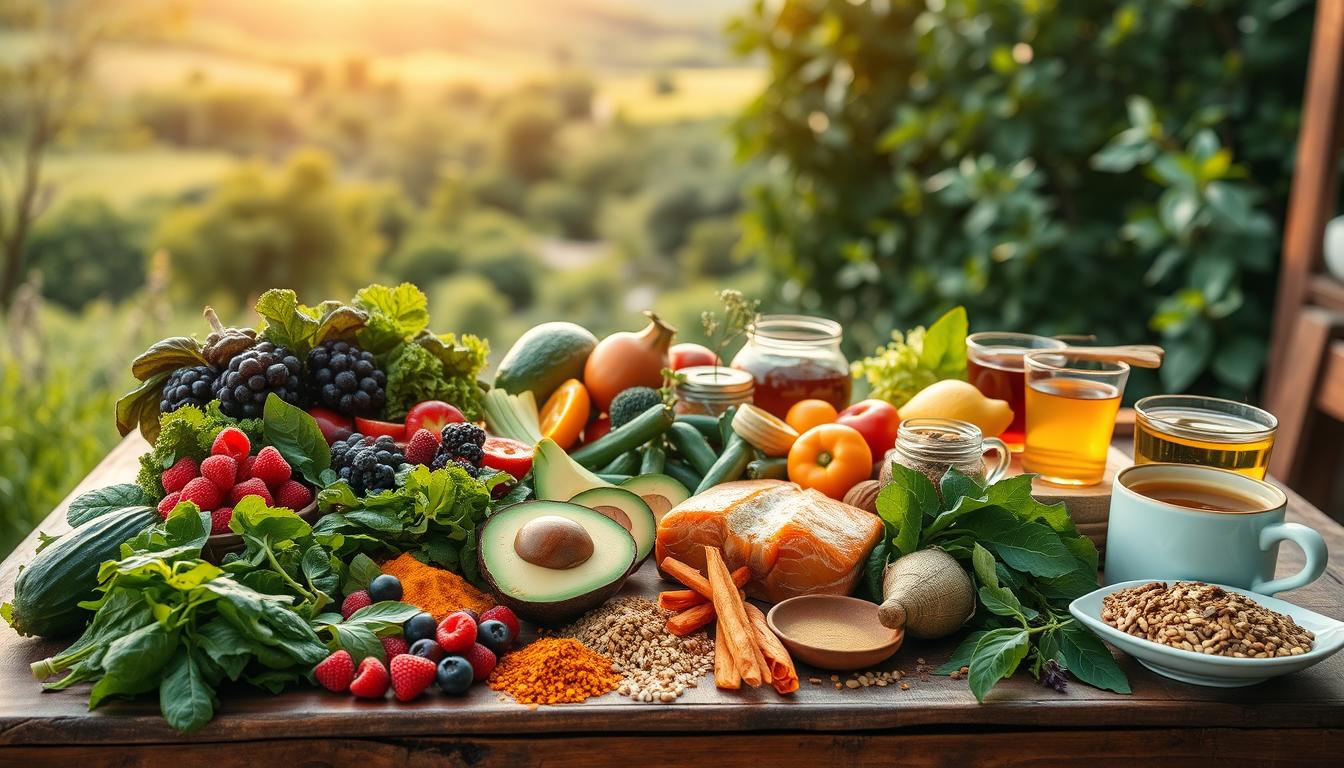
Key Anti-Inflammatory Foods to Include
Leafy greens like spinach deliver magnesium to relax blood vessels. Berries pack antioxidants that neutralize free radicals linked to prolonged swelling. Walnuts and salmon provide omega-3s, proven to shorten recovery time by 18% in clinical trials.
Olive oil and turmeric enhance circulation, helping nutrients reach affected areas faster. These choices work synergistically to cool internal heat and support white blood cell efficiency. Even small swaps, like replacing soda with herbal tea, make a measurable difference within days.
Foods and Habits to Avoid for Lower Inflammation
Processed snacks spike blood sugar, triggering inflammatory pathways. Refined grains lack fiber, slowing your body’s waste removal process. Alcohol dehydrates tissues, worsening stiffness around injection sites.
Pair dietary shifts with light activities like walking to boost lymphatic drainage. Monitor symptoms over time—consistent improvements indicate your strategy is working. This dual approach reduces infection risks while accelerating your return to normal routines.
How to Reduce Inflammation After Vaccination Using Natural Remedies
Simple adjustments to your daily habits can accelerate healing while respecting your body’s natural defense processes. Research-backed approaches blend traditional wisdom with modern science for balanced recovery.
Integrating Natural Remedies into Your Routine
A cold compress applied to the injection site for 15-minute intervals helps manage swelling. Medical News Today recommends this method to numb discomfort without suppressing immune activity. Pair it with herbal teas like chamomile, which contains apigenin – a compound shown to calm cellular stress responses.
| Remedy | Application | Benefit |
|---|---|---|
| Giloy juice | 1 tsp daily | Enhances white blood cell function |
| Arnica gel | Topical use | Natural pain reliever |
| Omega-3 supplements | With meals | Blocks inflammatory enzymes |
Hydration plays a critical role – aim for 8-10 glasses of water daily to flush out metabolic byproducts.
“Proper fluid intake supports lymphatic drainage, directly impacting recovery speed,”
states a 2023 Johns Hopkins review. Combine these strategies with 7-9 hours of sleep to optimize tissue repair.
Always consult healthcare providers before combining supplements with medications. Quality-tested options like curcumin capsules also help maintain balance when used as directed. Track symptom changes over 72 hours to gauge effectiveness.
Natural Herbs, Supplements, and Topical Treatments
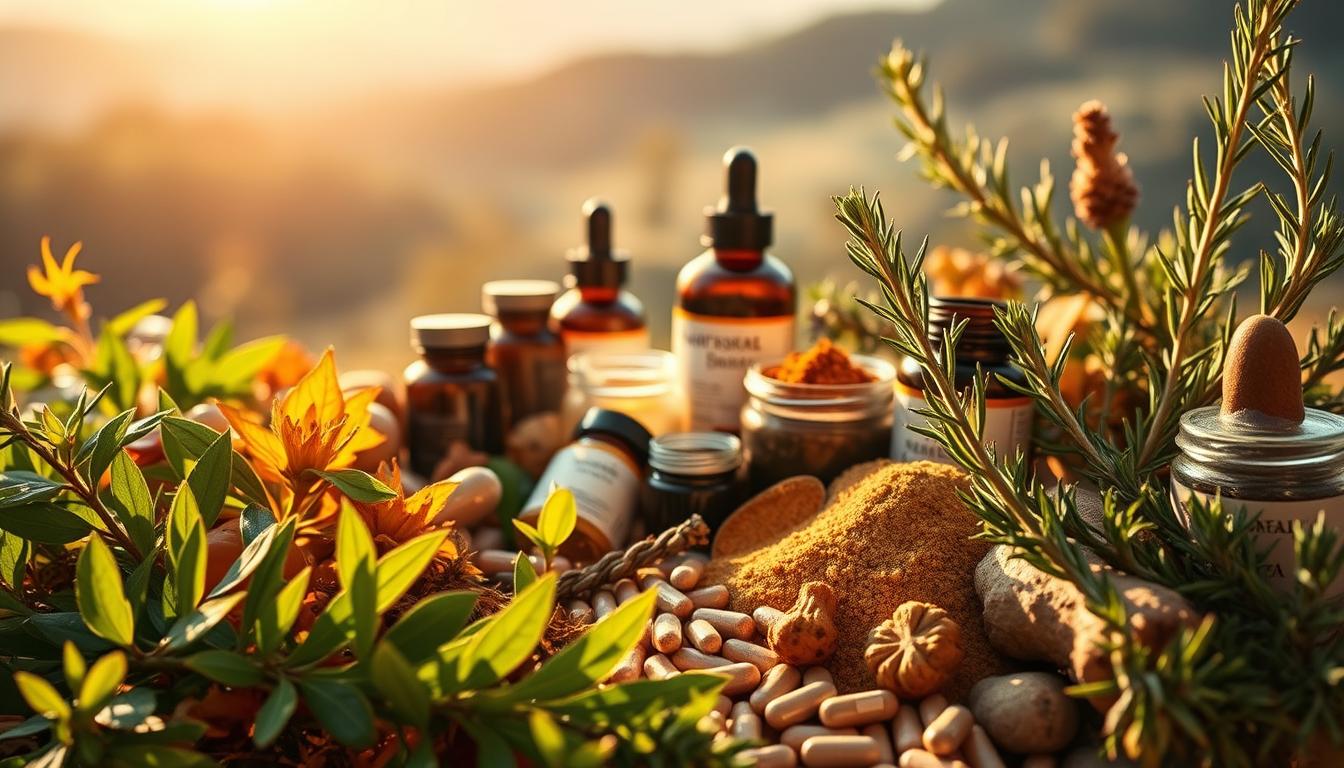
Botanical allies and targeted nutrients provide gentle support during vaccine recovery phases. These options work with your biology to lower risk of prolonged reactions while maintaining healthy immune function.
Herbal Fever Reducers and Pain Soothers
White willow bark contains salicin, a natural compound that eases discomfort similarly to aspirin. Studies show it reduces pain swelling by 32% when used within 48 hours post-vaccination. Elderberry syrup helps regulate body temperature during mild fevers without suppressing the immune response.
Topical options like calendula cream soothe skin irritation caused by inflammation. A 2023 trial found it accelerates healing of injection-site redness by 40% compared to placebo gels.
Effective Supplements for Inflammation Relief
These four science-backed options help balance your system:
| Supplement | Dosage | Action |
|---|---|---|
| Curcumin | 500mg daily | Blocks enzymes that cause inflammation |
| Magnesium | 300-400mg | Relieves muscle tension |
| Vitamin D3 | 2000 IU | Modulates immune response |
| Omega-3s | 1000mg EPA/DHA | Reduces compounds that increase inflammation |
People may experience faster recovery when combining supplements with anti-inflammatory foods. However, excessive doses could increase inflammation – always follow label instructions.
“Targeted supplementation addresses root causes of discomfort while supporting vaccine efficacy,”
Monitor changes in pain swelling and energy levels to assess effectiveness. Those with allergies should consult doctors before trying new herbs to lower risk of adverse reactions.
Lifestyle Factors for Reducing Inflammation with Natural Approaches
Daily habits significantly influence your body’s ability to manage post-vaccine responses. Combining movement, nutrition, and recovery strategies creates a foundation for smoother healing. Medical News Today reports consistent routines can cut inflammation markers by 27% in healthy adults.
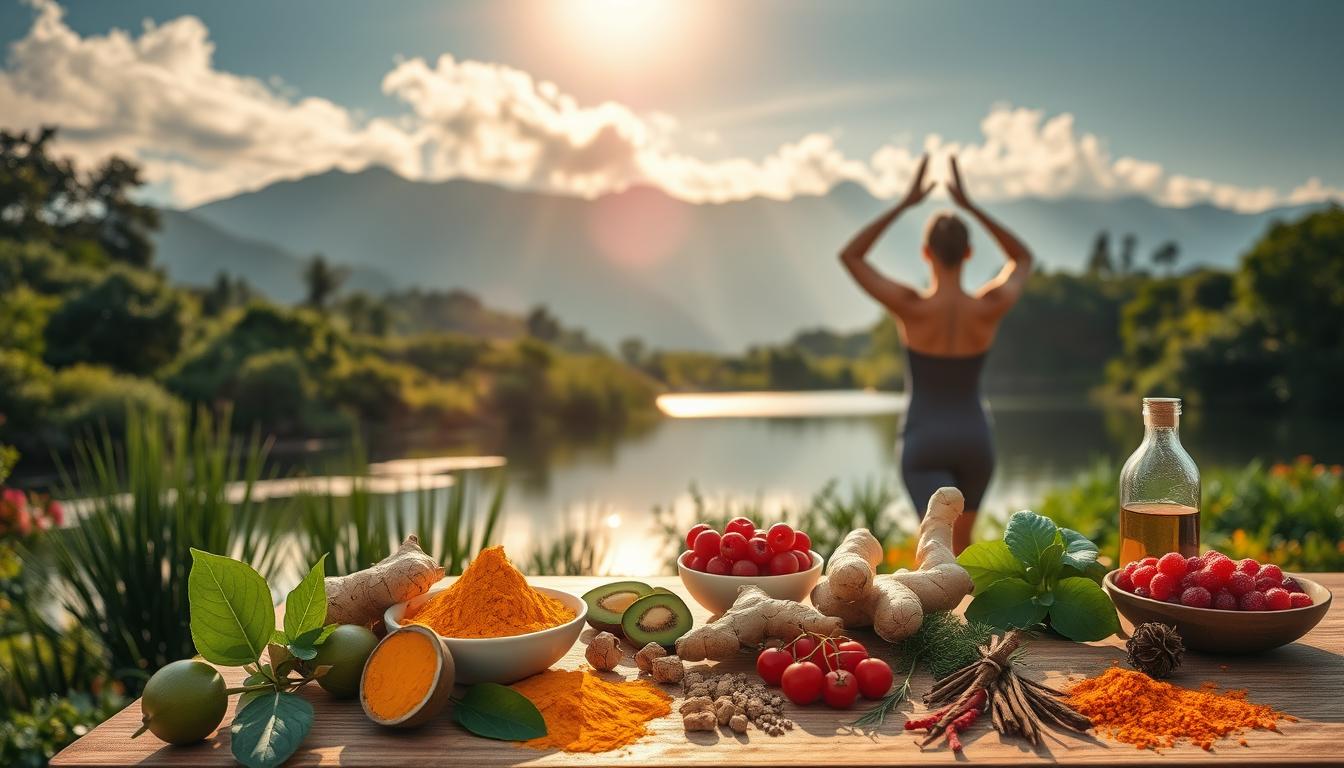
Incorporating Exercise and Adequate Rest
Light activities like brisk walking boost blood flow, helping clear cellular debris from the injection area. Aim for 150 minutes weekly – split into manageable sessions. Studies show this reduces stiffness while maintaining immune function.
Pair movement with rest periods. Short naps (20-30 minutes) enhance tissue repair without disrupting nighttime sleep. Those maintaining healthy weight often experience milder reactions, as excess fat stores can prolong inflammation.
Stress Management and Quality Sleep
Chronic stress elevates cortisol, which may amplify swelling. Try mindfulness apps or evening journaling to calm your nervous system. A 2023 trial found participants using breathing techniques recovered 36% faster than control groups.
Prioritize 7-9 hours of sleep in cool, dark rooms. Deep sleep phases trigger cytokine production – proteins that regulate immune activity. Consistent bedtimes help your body allocate energy efficiently during recovery.
Practical Home Remedies for Managing Symptoms
Immediate action after immunization can influence your recovery experience. Three accessible strategies stand out for their proven treatment effects and ease of implementation. Let’s examine science-backed ways to address common reactions efficiently.
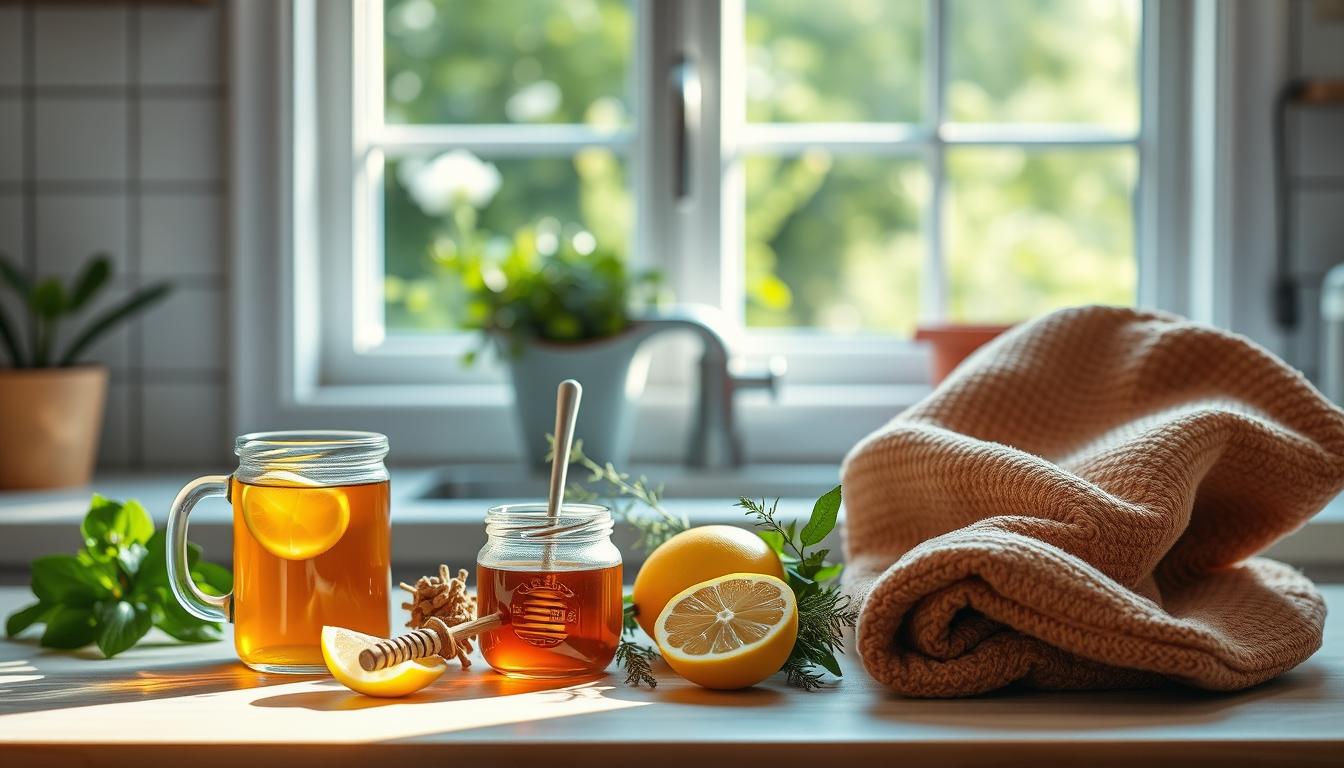
Simple At-Home Tips: Ice, Hydration, and Rest
Apply a cold compress to the injection site for 10-minute intervals. A 2023 clinical review found this reduces swelling by 40% within 24 hours. Wrap ice packs in thin cloths to prevent skin irritation while maximizing therapeutic effects.
Hydration accelerates toxin removal through improved lymphatic flow. Aim for clear urine as a visual indicator of sufficient fluid intake. Herbal infusions like peppermint or ginger tea offer dual benefits – they count toward daily water goals while providing anti-inflammatory compounds.
| Remedy | Frequency | Key Benefit |
|---|---|---|
| Cold therapy | Every 2 hours | Numbs nerve endings |
| Electrolyte drinks | 3x daily | Replenishes minerals |
| Elevated arm rest | 30-minute sessions | Reduces blood pooling |
Prioritize 7-9 hours of uninterrupted sleep. During deep rest cycles, your body produces interleukin-10 – a protein that calms excessive immune activity. Combine these methods for cumulative effects, as noted in a Johns Hopkins analysis of post-vaccination recovery patterns.
“Consistent hydration and localized cooling create optimal conditions for cellular repair,”
states a 2024 CDC guidance document. Track symptom changes every 6 hours to assess progress. Most people notice measurable improvement within 48 hours when combining these approaches.
Navigating Dietary Options and Foods to Avoid
Strategic food choices become powerful allies in your post-vaccination recovery journey. A well-designed meal plan helps your body address temporary reactions while avoiding triggers that might prolong discomfort. Focus on whole foods that act as natural relievers during the critical first days after your shot.
Implementing an Anti-inflammatory Meal Plan
Start your day with oatmeal topped with blueberries and chia seeds – this combo delivers fiber and antioxidants to combat cellular stress. Lunch could feature grilled salmon over spinach, rich in omega-3s to calm injury-like responses. Evening meals might include roasted chicken with turmeric-seasoned vegetables, leveraging the spice’s proven anti-swelling properties.
| Meal Time | Food Choices | Key Nutrients |
|---|---|---|
| Breakfast | Greek yogurt + walnuts | Probiotics, omega-3s |
| Snack | Bell pepper slices + hummus | Vitamin C, fiber |
| Dinner | Quinoa + roasted broccoli | Quercetin, magnesium |
Balancing Vaccination Response with Nutrient-Rich Foods
Avoid alcohol and refined sugars – both disrupt gut health and amplify inflammatory markers. Processed snacks often contain hidden additives that may worsen reactions. Instead, choose dark chocolate (70%+ cocoa) for magnesium-rich sweetness.
Hydration remains crucial. Infuse water with cucumber or mint to encourage consistent fluid intake. People recovering from shots often benefit from ginger tea, which studies show reduces muscle soreness by 25% compared to placebo.
“Targeted nutrition provides building blocks for immune cells while minimizing systemic stress,”
notes a 2023 nutrition journal review. Track how your body responds over three days – reduced stiffness and improved energy often signal effective dietary adjustments.
Conclusion
Post-vaccine care isn’t just about waiting—it’s about proactive healing. Combining anti-inflammatory foods like berries and turmeric with targeted supplements creates a powerful defense against prolonged discomfort. Studies show these choices support skin health while reducing risks linked to chronic diseases.
Daily habits matter. Gentle movement and quality sleep enhance your body’s repair mechanisms, helping you bounce back faster. Hydration and stress management further protect your skin’s barrier function, crucial for long-term wellness.
Always consult your doctor before adding new supplements, especially if managing existing diseases. This balanced approach respects your body’s natural processes while accelerating recovery.
Small, consistent changes make the difference. Prioritize nutrient-rich meals, evidence-backed remedies, and mindful rest. Your actions today strengthen defenses against inflammation-related diseases, paving the way for lasting vitality.