Did you know the average home contains 62 toxic chemicals in dust alone? The EPA warns that lead paint, banned in 1978, still lingers in 37 million U.S. homes. Even bottled water isn’t safe—EWG found 38 contaminants, including industrial compounds.
Research shows 93% of Americans have detectable BPA levels. Mount Sinai scientists link household toxins to a 28% higher risk of chronic diseases. Children face greater dangers—40% are exposed to secondhand smoke at home.
These substances disrupt hormones and accumulate over time. Small daily exposures add up, affecting your health and the environment. Awareness is the first step toward safer choices.
Key Takeaways
- Lead paint remains in millions of homes despite being banned decades ago.
- Common household dust contains dozens of hazardous substances.
- BPA and other industrial chemicals are found in most Americans’ bodies.
- Children face higher risks from secondhand smoke and toxin exposure.
- Long-term contact with low-level toxins increases chronic disease risks.
1. Minimize Toxins in Your Home
Your home may harbor hidden dangers in plain sight. From dust packed with pesticides to lead lurking in old paint, everyday items can harm your health. Simple changes slash risks dramatically.
Vacuum Frequently with a HEPA Filter
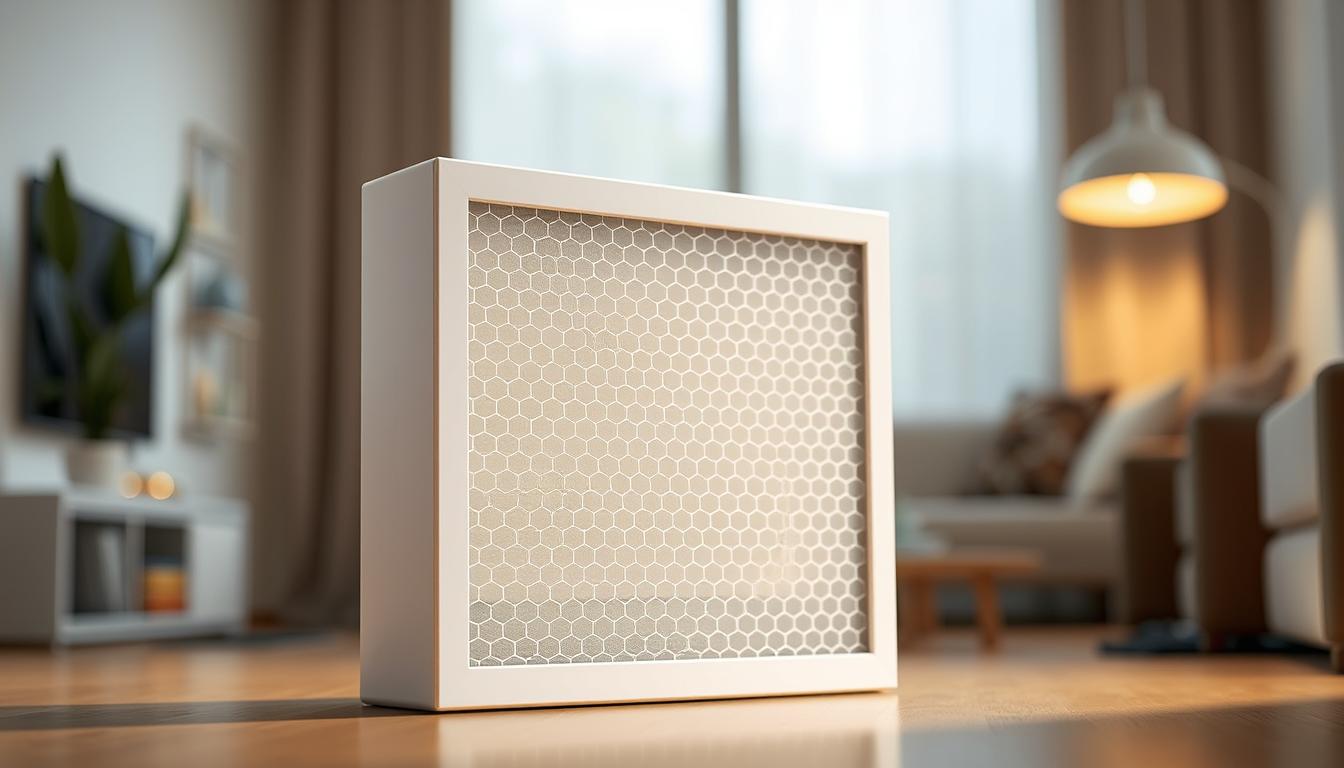
HEPA filters trap 99.97% of particles, including flame retardants and allergens. The EPA recommends weekly vacuuming, especially in high-traffic areas. Focus on carpets, upholstery, and pet bedding—hotspots for toxins.
Replace Carpets with Hard Flooring
Carpet dust holds 42 times more pesticides than outdoor soil, per EWG. Hard surfaces like tile or hardwood simplify cleaning. If removal isn’t possible, steam-clean carpets quarterly.
Test for Lead and Radon
Older homes often contain lead paint. DIY test kits ($20–$50) detect hazards. For radon, EPA-approved $20 tests reveal invisible threats. Mitigation systems cut levels by 99%.
“Encapsulating lead paint with sealants is safer than sanding,” advises CPSC.
Watch for child symptoms: developmental delays, irritability, or appetite loss. Proactive testing prevents long-term problems.
2. Choose Safer Drinking Water
The water you drink daily might contain hidden contaminants. EWG’s database reveals 268 pollutants in U.S. supplies, from lead to pesticides. Simple swaps protect your health.
Invest in a Quality Water Filter
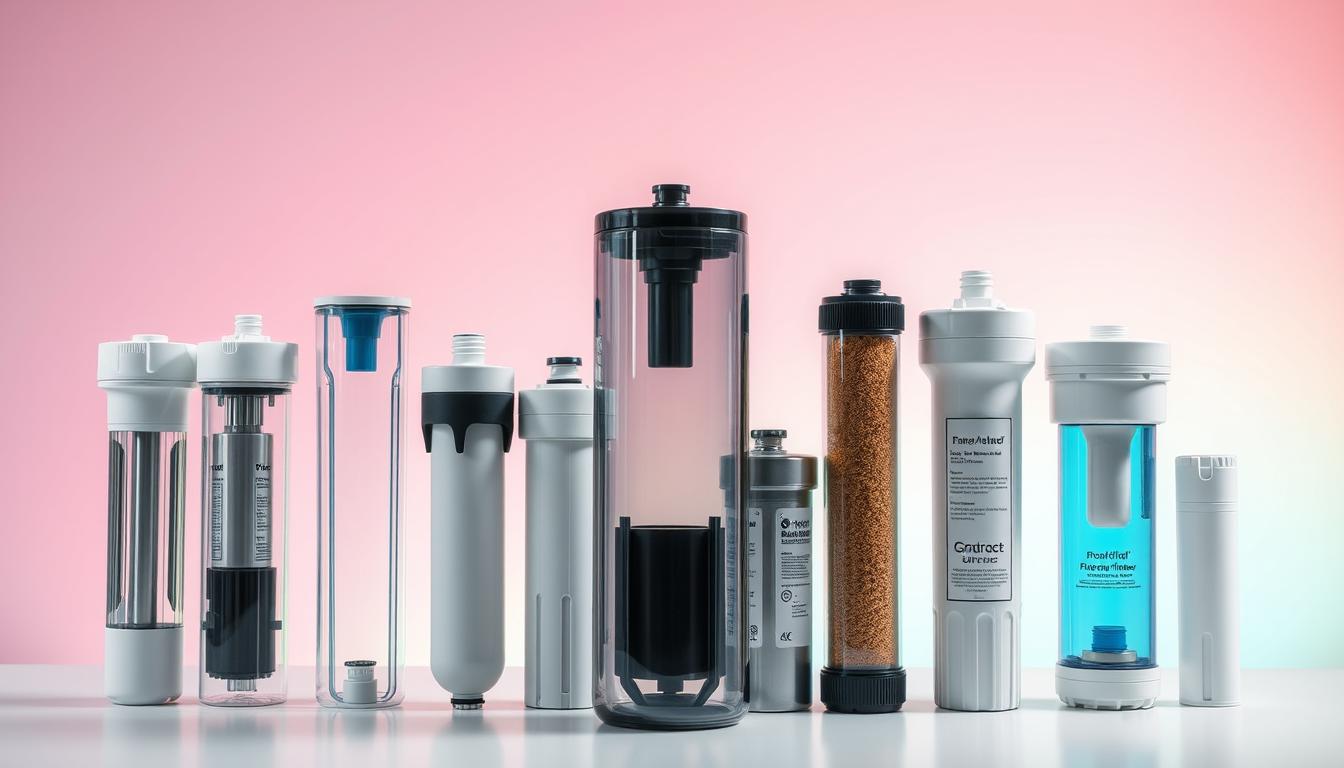
NSF/ANSI 53 certified filters remove 82+ contaminants, including lead. Compare options:
| Type | Cost | Contaminants Removed | Best For |
|---|---|---|---|
| Pitcher | $20–$50 | Chlorine, heavy metals | Small households |
| Faucet-mounted | $30–$100 | Pesticides, microplastics | Easy installation |
| Whole-house | $500+ | All NSF/ANSI 53 listed | Full-home protection |
EWG’s Water Filter Buying Guide matches filters to local tap water issues. Check your zip code first.
Avoid Bottled Water with Plastic Contaminants
A 2023 EPA report found microplastics in 56% of tested bottled waters. Opt for these safer brands:
- S’well (stainless steel)
- Klean Kanteen (glass-lined)
- Hydro Flask (BPA-free coatings)
“‘BPA-free’ labels often hide equally harmful substitutes like BPS,” warns EWG senior scientist Tasha Stoiber.
Test Your Tap Water for Pollutants
Under the EPA’s Lead and Copper Rule, utilities must provide annual quality reports. Follow these steps:
- Request a report from your provider (often free online).
- Look for violations—especially lead above 15 ppb.
- Use a $20 test kit for immediate checks.
High pesticide levels? Activated carbon filters reduce them by 99%.
3. Reduce Exposure from Plastics and Cookware
Many everyday kitchen items silently introduce harmful substances into your meals. Plastics and nonstick coatings often leach chemicals, especially when heated. Simple swaps can significantly lower risks.
Switch to Glass or Stainless Steel Containers
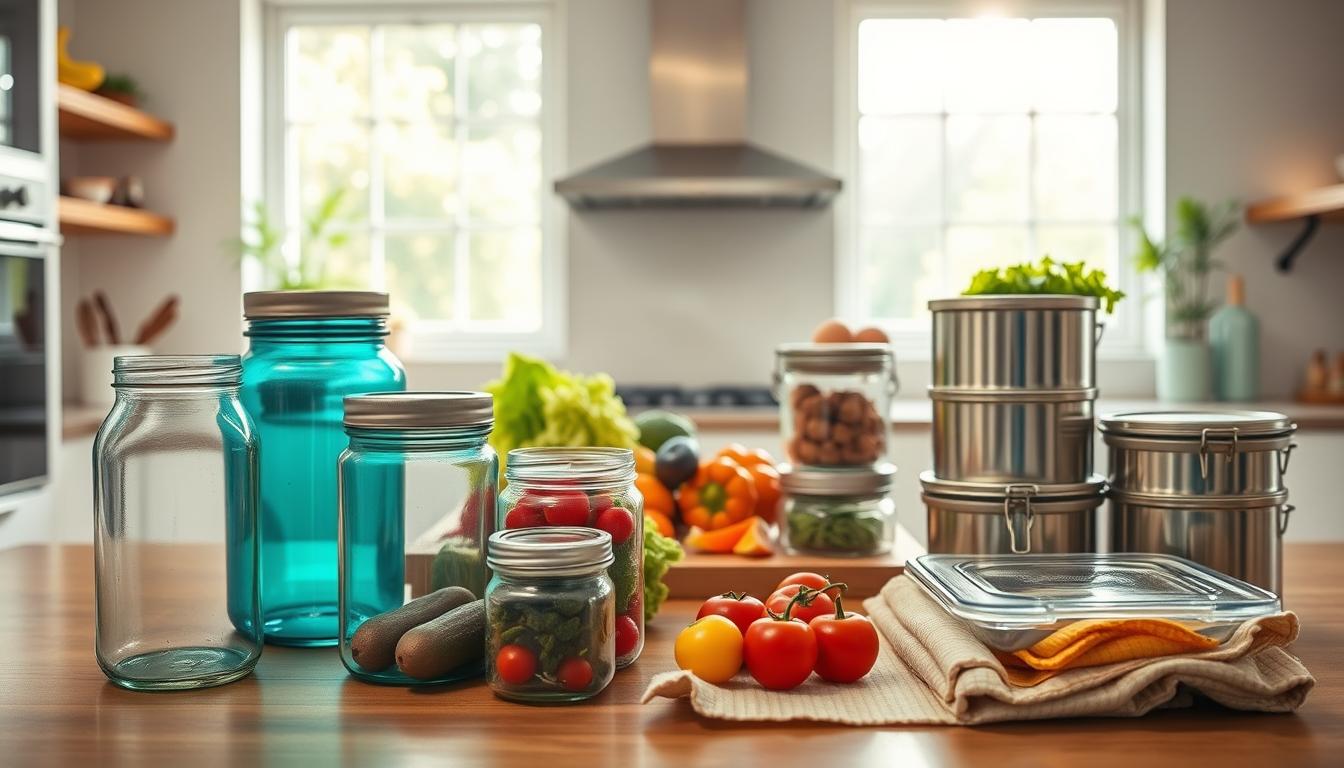
Avoid plastic containers marked with resin code #7 (polycarbonate), which may contain BPA. Safer options:
| Resin Code | Safety | Common Uses |
|---|---|---|
| #1 (PET) | Single-use only | Water bottles |
| #2 (HDPE) | Low risk | Milk jugs |
| #5 (PP) | Heat-resistant | Yogurt cups |
For microwaving, USDA recommends glass or ceramic labeled “microwave-safe.” Never reheat food in takeout containers.
Avoid Nonstick Pans with PFCs
Nonstick cookware often contains perfluorinated chemicals (PFCs), linked to thyroid issues. Though PFOA was phased out in 2023, similar compounds persist. Opt for these PFC-free brands:
- GreenPan (ceramic coating)
- Caraway (non-toxic mineral-based)
- Lodge (pre-seasoned cast iron)
“Cast iron reduces chemical leaching by 89% compared to nonstick pans,” notes an NIH study.
Limit Canned Foods with BPA Linings
67% of canned goods still use BPA epoxy linings (Consumer Reports). Choose brands like Eden Foods or Amy’s, which use BPA-free alternatives. Rinse canned beans and veggies to reduce residue.
Store leftovers in glass jars instead of plastic wrap. Your body will thank you.
4. Opt for Non-Toxic Cleaning and Personal Care Products
Common household cleaners often hide dangerous ingredients behind pleasant scents. The EPA’s Safer Choice program certifies 2,500+ products, but many others contain phthalates or undisclosed chemicals. Simple swaps reduce your risk significantly.
Use Vinegar and Baking Soda for Cleaning
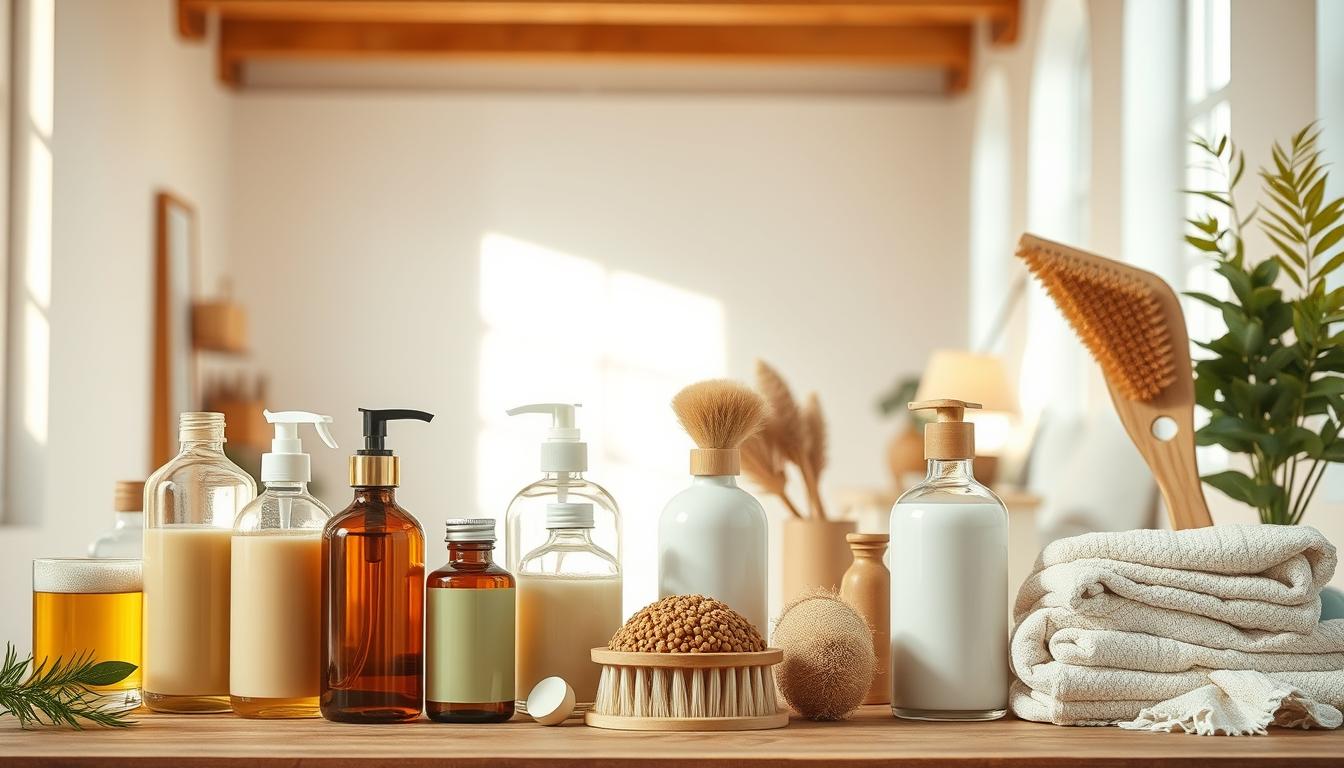
Skip commercial sprays with synthetic fragrances. Try these DIY recipes:
- All-purpose cleaner: 1 cup water, 1 cup white vinegar, 10 drops lemon oil.
- Scrubbing paste: ½ cup baking soda, 3 tbsp tap water.
Vinegar disinfects surfaces naturally, while baking soda removes stains without chemicals.
Skip Antibacterial Soaps with Triclosan
The FDA banned triclosan in 2023, but similar phthalates persist. Opt for alternatives like benzalkonium chloride or plant-based formulas. Look for these eco-certifications:
| Label | Focus |
|---|---|
| ECOLOGO | Low environmental impact |
| Green Seal | No carcinogens |
“‘Fragrance’ labels mask 3,163 potential ingredients, including hormone disruptors,” warns EWG.
Select Fragrance-Free or “Safer Choice” Labels
EPA’s 2024 restricted list targets cleaning products with flame retardants. Dispose of toxic cleaners at hazardous waste sites—never pour them down drains. For personal care, choose:
- Unscented lotions
- Mineral-based sunscreens
- Shampoos with the Safer Choice logo
Small changes shield your family from cumulative chemical exposure.
5. Adopt Healthy Daily Habits
Simple daily routines can significantly lower your exposure to harmful substances. While big changes help, consistent small actions protect your family from cumulative toxin buildup. These practical strategies fit seamlessly into existing schedules.
Master Proper Handwashing Techniques
The CDC confirms proper wash hands protocols reduce pathogen transfer by 58%. Follow this WHO-approved method:
- Wet hands with clean, running water
- Lather with plain soap for 20 seconds (sing “Happy Birthday” twice)
- Scrub between fingers and under nails
- Rinse thoroughly
- Dry with a clean towel
Avoid antibacterial soaps containing triclosan substitutes. Plain soap works equally well without exposing kids to unnecessary chemicals.
Implement a No-Shoes Policy Indoors
NIH research shows shoe soles carry 96% of outdoor pesticides inside. Homes with shoe removal policies have:
- 42% lower pesticide levels in dust
- Reduced lead and mercury contamination
- Fewer outdoor allergens
Place a shoe rack by entryways and keep indoor slippers handy. This simple switch protects your environment and reduces cleaning time.
Prioritize Organic for High-Risk Produce
EWG’s 2024 Dirty Dozen lists these as most pesticide-heavy:
| Food | Pesticide Residues Found | Organic Price Premium |
|---|---|---|
| Strawberries | 22 different pesticides | +28% |
| Spinach | 18 neurotoxic compounds | +35% |
| Apples | 15 residues average | +22% |
USDA Organic certification requires:
- No synthetic pesticides for 3+ years
- Non-GMO seeds
- Soil health practices
“Washing removes surface pesticides but can’t eliminate systemic chemicals absorbed by plants,” notes EWG analyst Alexis Temkin.
For budget-conscious consumers, focus organic purchases on the Dirty Dozen. Conventional versions of the Clean Fifteen (avocados, sweet corn) pose lower risks.
Pediatricians recommend soaking produce in baking soda water (1 tsp per 2 cups) for 15 minutes. This removes up to 96% of surface pesticides, protecting children’s developing brain and nervous systems.
Conclusion
Small changes create big impacts when limiting contact with harmful substances. Start with one swap each week—like switching to glass containers or testing your water. Within 30 days, these habits become second nature.
Check the EPA’s Safer Choice database for certified products. Many insurers offer discounts for lead or radon mitigation. Your actions protect both health and the environment.
Share knowledge with neighbors to amplify results. Together, communities can push for stricter regulations on toxic chemicals. Every step counts toward a safer future.
Need more guidance? Bookmark these resources:
- EWG’s Skin Deep® Cosmetics Database
- EPA’s Water Quality Reports by Zip Code
- Consumer Reports’ Non-Toxic Product Guides