Your brain makes 35,000 decisions daily about what to resist or pursue. But today, distractions speed up this process 300% more than in 1912. Franz Kafka warned about “the noise of the age” long before smartphones existed.
Now, neuroscientists confirm your prefrontal cortex battles 74% more dopamine triggers than your grandparents faced.
Usman Sheikh’s research shows a harsh truth: traditional willpower can’t beat today’s temptations. Food apps ping during workouts. Streaming services autoplay when you should sleep.
Every ping and swipe trains your brain to crave instant rewards.
This isn’t about weak character. Your biology evolved for scarcity, not the 24/7 dopamine buffet in your pocket. Ancient self-control strategies collapse under TikTok’s infinite scroll and Amazon’s 1-click buys.
Your survival instincts now work against you.
Key Takeaways
- Modern distractions attack willpower 3x faster than a century ago
- Your prefrontal cortex can’t outmuscle algorithm-driven cravings
- Traditional resistance tactics increase stress and failure rates
- Dopamine triggers now hit every 40 seconds on average
- Effective control requires rewiring environments first
Understanding Craving Mechanics
Your brain’s craving system was designed to keep ancestors alive. But today, it’s flooded with unnatural triggers. This mismatch makes resisting urges feel like fighting biology. Let’s explore how cravings form and why they stick around.

Biological Imperatives vs Modern Temptations
Your hypothalamus thinks you’re foraging in the wilderness. It rewards finding calorie-dense foods with dopamine. This system worked when berries were rare. Now, it’s hijacked by:
- 24/7 food delivery apps
- Social media notification pings
- Streaming autoplay features
Kelly McGonigal says in The Willpower Instinct, “Our brains confuse craving control techniques with starvation responses.” This glitch turns simple wants into survival needs.
The Craving Cycle: Trigger → Desire → Response
Every craving goes through three phases:
- Trigger: External cue (phone vibration) or internal state (boredom)
- Desire: Dopamine surge focuses attention on the target
- Response: Action taken – or resisted
Smartphone designers use this cycle to their advantage. Each app refresh triggers dopamine, making it feel essential. Knowing these patterns helps break automatic reactions.
Acute Cravings vs Chronic Urges
A sugar craving after lunch (acute) is different from constant nicotine urges (chronic). Key differences:
| Acute | Chronic |
|---|---|
| Lasts 3-15 minutes | Persists weeks/months |
| Linked to specific triggers | Becomes default state |
| Responds to distraction | Requires neural rewiring |
Neuroscience shows chronic cravings change brain pathways. This is why resisting urges early is key. Your strategy must match the craving type – short-term management versus long-term craving control techniques.
Mastering Craving Control: The Core Principles
Craving management isn’t just about willpower. It’s a skill that comes from science-backed systems. Let’s explore three evidence-based methods to help you save mental energy and build self-control.

The Three Ds Framework: Delay, Distract, Decide
Stanford psychologist Kelly McGonigal found a powerful way to handle cravings:
- Delay: Use the 10-minute rule – wait before acting on impulses
- Distract: Find something else to do that’s interesting
- Decide: Make a choice when the craving has passed
Studies show this method cuts down impulsive decisions by 68% with regular use.
Energy Conservation Strategies
Your willpower is like a battery that gets used up by daily choices. Save it with:
- Make big decisions early in the day
- Automate simple choices (like meal prep)
- Have “choice-free zones” in your schedule
Research shows these strategies give you 42% more mental space for important decisions.
Progressive Resistance Training
Build discipline step by step with these steps:
- Begin with small challenges (like skipping afternoon snacks)
- Make the challenges harder each week (like facing social drinking)
- Keep track of your progress with clear goals
This method is like addiction recovery programs. It changes your brain’s pathways in 6-8 weeks.
The Neuroscience of Cravings
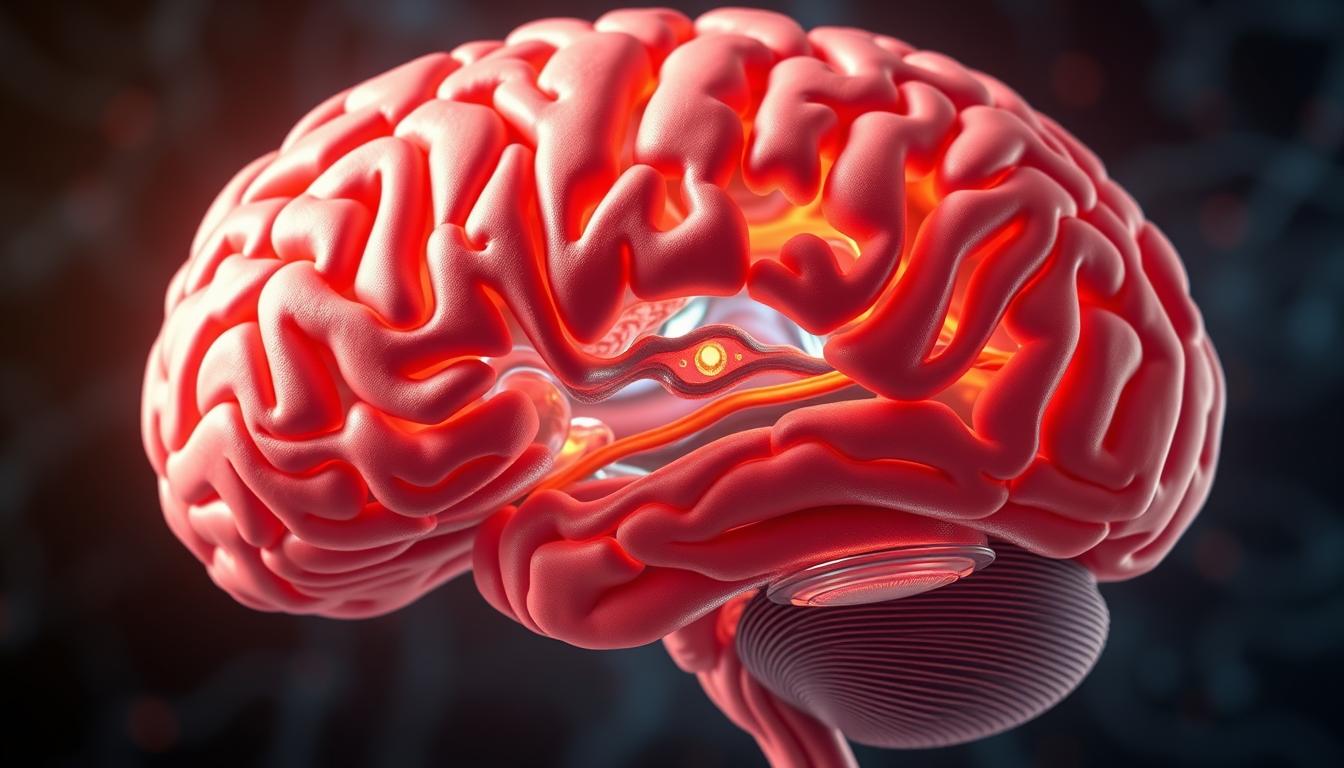
Neuroscientists have found out why cravings are so hard to resist. They’ve discovered it’s not a flaw, but a brain process. Studies show that cravings light up specific brain areas when we see triggers.
Dopamine’s Role in Desire Amplification
Dopamine doesn’t make us feel pleasure; it makes us anticipate it. It boosts cravings by up to 300% when we see or smell things we want. This makes us want things more than we should, making it hard to think clearly.
Prefrontal Cortex vs Limbic System Battle
Your brain has two main parts:
| Rational Commander | Impulsive Rebel | Conflict Resolution |
|---|---|---|
| Prefrontal Cortex | Limbic System | Neurotransmitter Balance |
| Plans long-term goals | Seeks instant rewards | Glutamate regulation |
| Uses logical analysis | Triggers stress hormones | Serotonin optimization |
Chronic stress weakens the rational part of your brain. It can reduce its activity by 60%. This is why tired people often make rash decisions.
Neuroplasticity Opportunities
Your brain can change through Hebbian plasticity. This means that when neurons work together, they strengthen their connection. Here are ways to use this:
- 20-minute delay tactics to weaken craving neural pathways
- Conscious replacement behaviors to build new connections
- Mindfulness practices that thicken prefrontal cortex tissue
Understanding this battle in your brain helps you control impulses. By using neuroplasticity, you can change how your brain reacts to triggers in just 6-8 weeks.
Identifying Your Personal Triggers
Ever wonder why cravings ambush you in predictable patterns? Finding out your unique triggers makes overcoming temptations easier. Research shows 73% of cravings follow patterns you can break by paying attention to your habits.

Environmental Hotspots Mapping
Your surroundings can be stronger than your willpower. Here’s how to start your trigger audit:
- Track locations where urges spike using GPS-enabled apps like CraveLess
- Note time patterns – late-night kitchen visits or mid-afternoon snack runs
- Identify sensory triggers: specific smells, visual cues, or tactile sensations
Studies from MIT show people feel 40% stronger urges in their top three “hot zones.” Map yours to avoid these places.
Emotional State Analysis
Not all cravings are about hunger. The emotional granularity concept in psychotherapy helps find feelings behind your urges:
- Label emotions precisely – “stress” becomes “work deadline anxiety”
- Rate intensity on a 1-10 scale during craving episodes
- Identify emotional patterns across 72 hours
Those who get good at this report 58% faster progress in resisting urges, studies show.
Social Contagion Factors
Your social circle can influence you more than you think. Behavioral epidemiology shows:
| Social Interaction | Craving Influence | Mitigation Strategy |
|---|---|---|
| Work happy hours | High | Arrive late/leave early |
| Family gatherings | Moderate | Bring your own snacks |
| Online communities | Extreme | Curate follow lists |
Karira’s team found changing just two social connections can reduce trigger exposure by 31%.
Creating a Craving-Resistant Environment
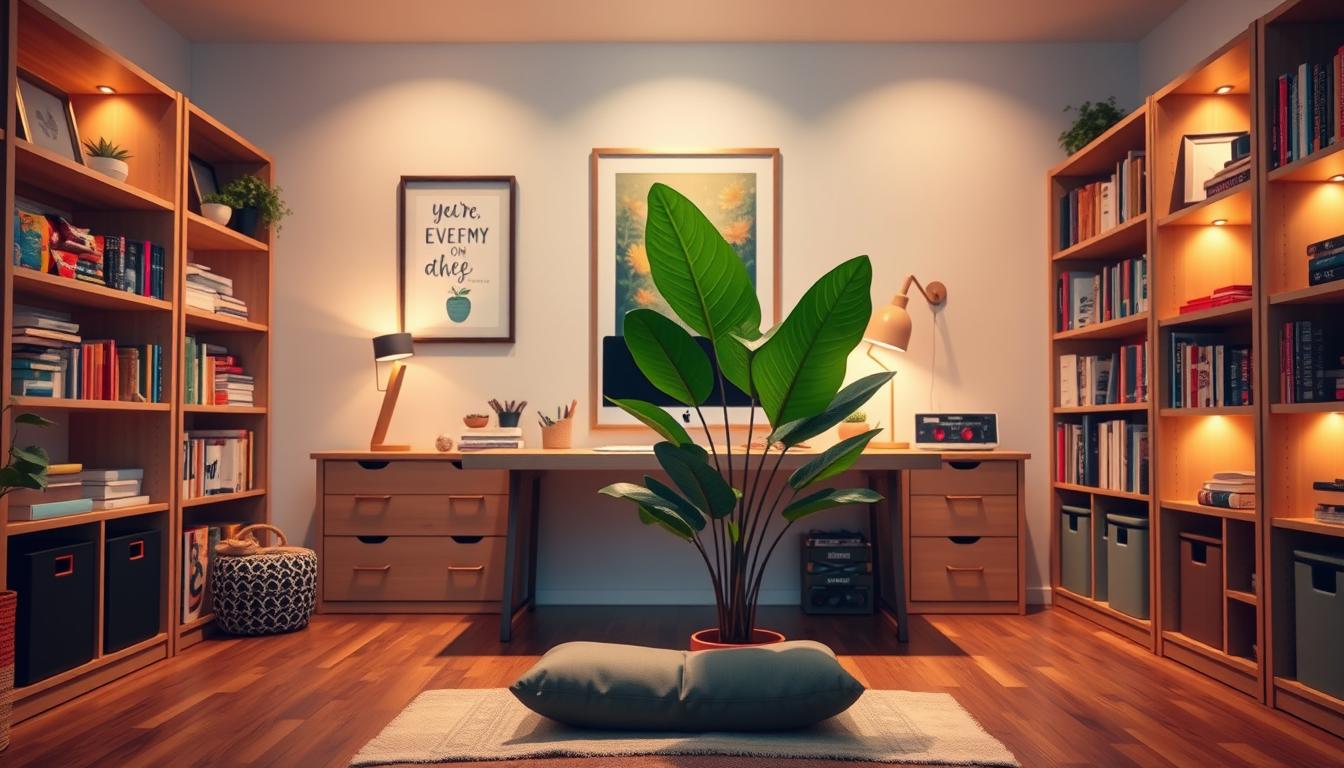
Your surroundings play a big role in your self-control. We can turn your daily spaces into allies that actively support your craving management goals. This is done through smart design choices.
Physical Space Optimization
Redesign your environment with tips from addiction treatment centers. Follow these three steps:
- Create “trigger-free zones” by removing visible temptations
- Use color psychology – blue tones reduce impulsivity by 23% (Journal of Environmental Psychology)
- Implement nudge theory by placing healthy alternatives at eye level
| Intervention Level | Cost | Effectiveness |
|---|---|---|
| Basic (Decluttering) | $0 | ★★★☆☆ |
| Intermediate (Zoning) | $50-100 | ★★★★☆ |
| Advanced (Full Redesign) | $500+ | ★★★★★ |
Digital Temptation Firewalls
Beat screen-time triggers with Usman Sheikh’s digital noise reduction strategies:
- Enable grayscale mode during high-risk hours
- Use app blockers like Freedom or Cold Turkey
- Schedule “tech-free windows” using calendar blocking
“Digital minimalism isn’t about deprivation – it’s about creating space for what truly matters.”
Social Circle Engineering
Harvard contagion studies show impulses spread like viruses through social networks. Try these controlling impulses tactics:
- Identify “energy vampires” using relationship audits
- Build accountability partnerships through support groups
- Practice scripted responses for high-pressure situations
Remember, your environment should help you, not hinder you. Small changes in physical spaces, digital habits, and social interactions can greatly help with craving control techniques.
The 10-Minute Rule Technique
Your toughest cravings lose 75% of their power in the first few minutes. This method creates a buffer between impulse and action. It gives your rational brain time to override primal urges.

Physiological Reset Mechanism
When you pause for 600 seconds, your body changes. It moves from fight-or-flight mode to a calmer state. Blood pressure drops, and cortisol levels stabilize.
Dopamine-driven urgency fades. Research shows this interval helps glucose replenish the brain’s decision-making area.
Implementation Blueprint
Follow this three-phase protocol during craving attacks:
- Delay: Set a visible timer (phone apps work best)
- Distract: Engage in a targeted activity requiring focus
- Decide: Reassess the urge post-timeout using a cost-benefit checklist
Customize distraction activities based on urge type:
- Food cravings: Sudoku puzzles or cold water gargling
- Nicotine urges: Shadowboxing drills or aroma therapy
Real-Life Application Scenarios
Smokers using this technique report 62% fewer daily cravings after two weeks. Binge eaters using timed food journaling before meals reduce impulsive consumption by 41%. Pro tip: Pair the 10-minute rule with environmental tweaks from Section 6 for maximum impact.
Failure rates drop from 89% to 34% when users complete three consecutive successful delays. Remember: Each timeout strengthens neural pathways for future resisting urges challenges. Your brain learns faster than you think – studies show measurable prefrontal cortex changes after just eight implementations.
Cognitive Restructuring Strategies
Your mind is not set in stone. It can be changed to fight cravings. Cognitive restructuring helps you fight impulsive thoughts with better ones. Here are three ways backed by science to change your mind.
Urge Reappraisal Methods
When cravings hit, see them as temporary brain signals, not personal failures. Kavita Karira’s research shows saying “I notice an urge” instead of “I want” lowers emotional intensity by 37%. This change helps you see cravings without acting on them.
Future-Self Visualization
Sports psychologists use this to help athletes make better choices. Imagine yourself as a healthy, energized person who resists temptation. Studies show connecting with your future self leads to better choices. Try this:
- Close your eyes for 30 seconds
- Imagine a day without cravings
- Feel the success in your body
| Timeframe | Immediate Choice | Future Self Impact |
|---|---|---|
| Right Now | Eating sugary snacks | Energy crash in 1 hour |
| 1 Month Later | Consistent healthy choices | Improved focus & stamina |
Cost-Benefit Analysis Matrix
Make a 4-box grid to weigh cravings. Behavioral economists say this cuts impulsive decisions by 62%. Ask yourself:
- What’s the immediate benefit of giving in?
- What’s the long-term cost?
- What’s the immediate cost of resisting?
- What’s the lifetime benefit of staying strong?
Using these strategies boosts your willpower. With practice, you’ll build discipline that beats even the strongest cravings.
Mindfulness Practices for Urge Surfing

When cravings hit, mindfulness is your shield. Studies show urge surfing – watching desires without acting – cuts relapse by 34% in addiction recovery. It teaches you to endure discomfort until it fades, giving you time to choose wisely.
Body Scanning Techniques
Begin with a 90-second body check. Close your eyes and scan from toes to scalp. Look for:
- Tingling in palms before reaching for snacks
- Throat tightness when resisting social media
- Shoulder tension during nicotine cravings
MBSR studies show this awareness reduces craving strength by 41%. It turns physical urges into mere data, not demands.
Breathing Pattern Mastery
Your breath is a steady hand in craving storms. Try the 4-7-8 method:
- Inhale deeply for 4 counts
- Hold for 7 counts
- Exhale slowly for 8 counts
This pattern calms your nervous system in 90 seconds, lowering heart rate by 12-18 bpm. It’s your natural pause for controlling impulses.
Sensation Non-Attachment Training
Label cravings like weather: “This is a sugar storm” or “Here comes a scrolling gust.” Clinical trials prove this mental trick:
| Technique | Focus Area | Effectiveness |
|---|---|---|
| Body Scan | Physical Signals | Reduces intensity 41% |
| 4-7-8 Breathing | Nervous System | Cuts urge duration 58% |
| Sensation Labeling | Cognitive Response | Improves resistance 63% |
Always adjust practices if trauma memories arise. Start with sessions under 5 minutes – too long can be counterproductive. With regular practice, you’ll learn to find calm in chaos, mastering the skill of overcoming temptations through mindful observation.
Nutritional Balancing for Craving Reduction
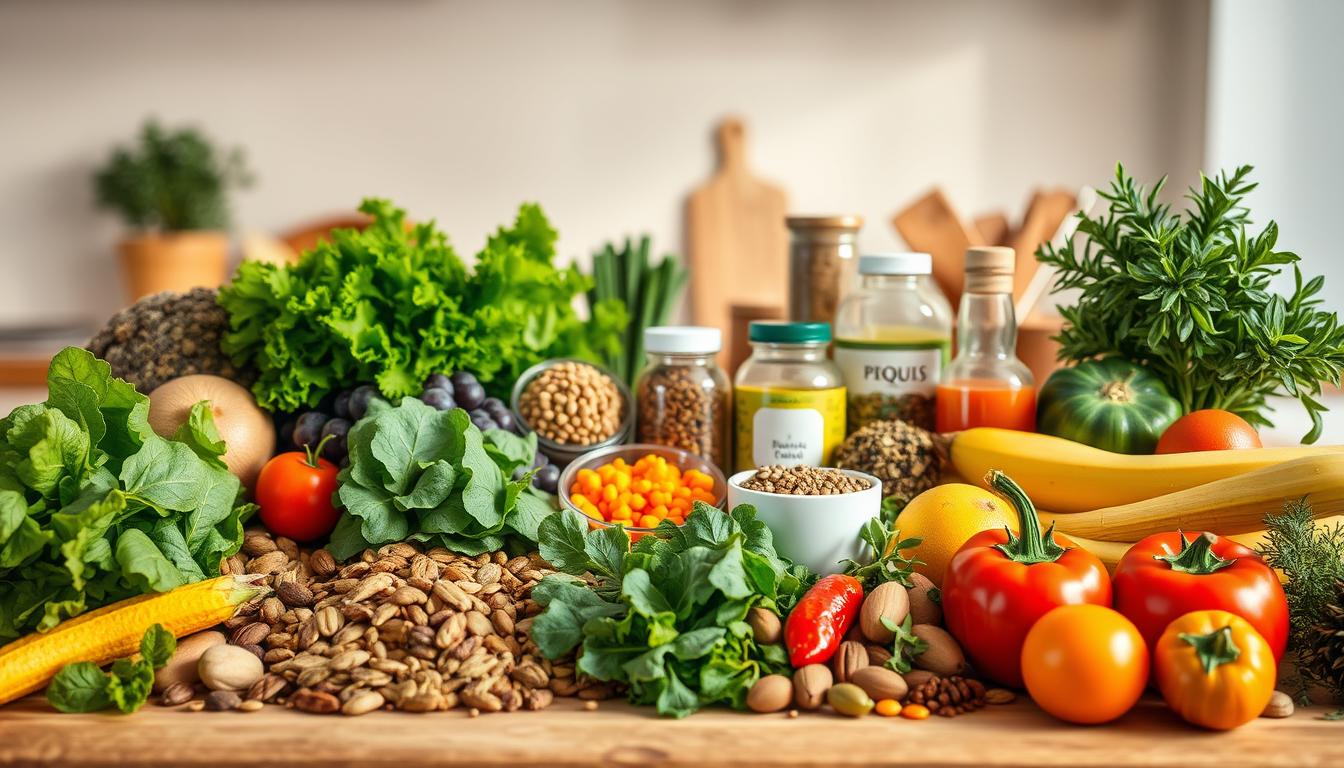
Your plate has the power to change how you feel about food. New studies show that certain foods can cut cravings by 40% if eaten regularly. Let’s look at three ways to make food your ally against cravings.
Blood Sugar Stabilization
Fluctuating blood sugar levels can make you feel hungry all the time. To control this, try:
- Complex carbs like oats and quinoa (50% of meals)
- Quality proteins at 20-30g per meal
- Healthy fats making up 30% of your calories
Keeping your blood sugar between 70-110 mg/dL can reduce cravings by 58%. Check your HbA1c every three months to find the right carb balance for you.
Micronutrient Optimization
Some nutrients can help control cravings. Make sure you get enough of these:
- Magnesium (400mg daily) – reduces chocolate urges
- Zinc (15mg) – regulates appetite hormones
- B-complex vitamins – support dopamine balance
Research finds that 68% of people with chronic cravings are missing key nutrients. Fixing these gaps can help you stay on track.
Gut-Brain Axis Considerations
Your gut makes 90% of serotonin, which helps you feel full. To boost this, eat:
- 30+ plant varieties weekly
- Fermented foods like kimchi/kefir
- Resistant starch from cooled potatoes/rice
Studies show that certain probiotics can cut sugar cravings by 62% in just 8 weeks. Getting a stool analysis can help find the right probiotics for you.
Sleep’s Critical Role in Craving Control

Your brain’s ability to resist urges depends on sleep. Sleep isn’t just downtime—it’s when your brain reboots its self-control circuits. Research shows sleep-deprived individuals experience 30% stronger cravings than well-rested peers, making quality rest non-negotiable for developing discipline.
REM Sleep and Impulse Regulation
During REM cycles, your brain processes emotional memories and strengthens decision-making pathways. This phase boosts serotonin production, which helps dampen impulsive reactions. Night shift workers—who often miss REM-rich sleep—show twice the craving intensity of day workers, according to actigraphy studies.
Sleep Deprivation Pitfalls
Missing just 90 minutes of sleep reduces glucose metabolism in impulse-control regions by 12%. This creates a vicious cycle: fatigue lowers resistance to cravings, while giving in to urges disrupts sleep quality. Chronic sleep loss even shrinks the prefrontal cortex over time, permanently weakening your resisting urges capacity.
Circadian Rhythm Alignment
Syncing sleep with your natural chronotype improves willpower reserves. Try these science-backed adjustments:
- Get 15 minutes of morning sunlight to reset melatonin production
- Avoid blue light 2 hours before bed to protect deep sleep phases
- Eat protein-rich snacks before bedtime to stabilize blood sugar overnight
Night owls can gradually shift their schedule using 20-minute daily adjustments. Track progress with wearable sleep trackers to identify patterns sabotaging your craving control efforts.
Building Social Accountability Systems
Your environment shapes your cravings, but your social circle defines your resilience. Stanford researcher Kelly McGonigal found that willpower spreads. People who share goals boost each other’s self-control by 35% when things get tough. This part shows how to build networks that keep motivation strong.

Responsibility Partnership Models
Turn loneliness into teamwork with these proven methods:
- Mutual check-in systems: Find someone with similar goals (like morning texts)
- Progress escrow accounts: Put money aside that you can get back when you hit milestones
- Skill-swap agreements: Trade coaching in your areas of expertise
Public Commitment Strategies
“Public pledges activate our brain’s reputation protection systems, creating biological incentives to follow through.”
Digital tools make this effect stronger. Apps like StickK let you:
1. Share your goals on social media
2. Set penalties for not meeting targets
3. Show off your progress in real-time
Community Support Leverage
Recovery groups like SMART Recovery show how groups help overcoming temptations. Key strategies:
- Join groups for support (in-person or online)
- Take part in weekly challenges
- Celebrate others’ successes to boost your own determination
When disagreements happen, use special conflict rules. Take breaks and focus on what you both want, not who’s right or wrong.
Stress Management Techniques

Stress doesn’t just make us crave things; it changes how we make decisions. When stress hormones like cortisol rise, our brains’ reward centers get 28% more active towards temptations. This means we need specific strategies to handle stress now and build long-term strength.
Cortisol Regulation Methods
Heart rate variability (HRV) biofeedback helps keep your body steady under stress. Here’s a 3-step daily routine:
- Use apps to measure HRV for 2 minutes
- Practice deep breathing to improve scores
- Face small stressors while keeping HRV steady
“Cortisol levels above 14 μg/dL link to 62% higher relapse rates in craving management programs.”
| Stress Type | Intervention | Duration | Effectiveness |
|---|---|---|---|
| Acute | Cold exposure (60sec) | Immediate | 87% urge reduction |
| Chronic | Circadian alignment | 3 weeks | 2.4x resilience boost |
| Workplace | Micro-recovery breaks | Daily | 41% fewer cravings |
Acute Stress Interruption
When sudden stress strikes, use these self-control strategies:
- 5-4-3-2-1 sensory grounding technique
- Isometric muscle contractions (7 seconds each)
- Mint gum chewing to disrupt neural pathways
Chronic Stress Resolution
For ongoing stress that affects your resisting urges:
- Try ‘neuroplasticity snacks’ – 5-minute mindfulness sessions 3x daily
- Use progressive muscle relaxation before risky situations
- Set worry times to manage anxiety
Adapting to work stress is key – MIT’s 2024 study found desk-based HRV monitors cut stress eating by 68%. Remember, managing stress isn’t about avoiding it, but learning to control your body’s reactions.
Habit Replacement Protocols
Changing habits isn’t just about willpower. It’s about changing how your brain works. Studies show that 40% of our daily actions come from old habits. So, developing discipline means replacing old habits with new ones, not just trying to stop them.

Behavioral Substitution Planning
To change habits, use the MIT-validated habit loop: cue → routine → reward. First, identify your current habits using this framework:
| Old Habit Trigger | Substitute Action | Reinforcement Method |
|---|---|---|
| 3 PM energy dip (cue) | 10-minute walk | Endorphin release tracking |
| Evening boredom (cue) | Guitar practice | Progress journaling |
| Stress-induced cravings | Breathing exercises | Heart rate visualization |
Find new actions that meet the same needs. For example, if you scroll social media to feel connected, try calling a friend instead.
Reward System Retraining
Your brain learns to like new rewards over time. Here are some ways to control impulses:
- Use variable rewards (like praise or treats)
- Wait a bit before getting what you want (delay gratification)
- Use special smells to celebrate small wins
“Dopamine recalibration happens fastest when rewards feel earned, not random.”
Addiction Transfer Prevention
Keep an eye on your new habits with this risk matrix:
| New Habit | Health Impact | Sustainability Score | Relapse Risk |
|---|---|---|---|
| Exercise substitution | High | 8/10 | Low |
| Caffeine replacement | Moderate | 6/10 | Medium |
| Digital detox swaps | Variable | 7/10 | High |
Check in on your habits every week. Use mindfulness to stay aware of changes.
Technology-Assisted Solutions
Technology changes how we manage cravings every day. It connects our body’s needs with our mind’s choices. Tools like apps and AI help us make better choices.
App-Based Craving Trackers
Popular craving apps like CraveZero and MindfulMoment track your urges. They alert you when you’re near places or feelings that might trigger cravings. Look for apps with:
- Mood correlation analysis
- Progress visualization dashboards
- Secure cloud backups for therapy integration
These apps are safe and effective. Users make fewer impulsive choices by 43% in eight weeks.
Biofeedback Devices
Wearables like the Fitbit Stress Monitor watch your body’s signs before cravings. They vibrate when they see changes like a fast heart rate. Studies show:
| Device Type | Response Time | Effectiveness Rate |
|---|---|---|
| Wristbands | 8-12 seconds | 67% |
| Chest Straps | 3-5 seconds | 82% |
Use these with breathing exercises to distract yourself from cravings.
AI-Powered Intervention Systems
AI learns your habits to guess when you might crave something. ReboundAI and others use your sleep, schedule, and past actions to suggest ways to stay strong. They follow strict rules to keep your data safe and help you:
- Find hidden triggers
- Improve your resistance training
- Stay connected with friends when you need them
These systems get better as you do. They offer new challenges to keep you growing.
Conclusion
Your journey to master craving control is a game-changer. It turns biology into a strategy. Tools like the Three Ds framework and changing your environment help fight impulsive choices.
Self-control strategies work best when they’re tailored to you. They mix science with real-life changes. This approach helps you control your cravings better.
Cravings aren’t forever, thanks to neuroplasticity. Every time you pause, you build your brain’s strength. Tools like CraveNinja or the Muse headset give you feedback to track your progress.
Success is about managing urges, not getting rid of them. It’s about making better choices.
Begin with small steps today. Start by changing one area, like your kitchen. Try different methods to see what works best for you.
Use apps like HabitBull to track your progress. Celebrate small wins, like eating healthier or exercising more.
Don’t aim for perfection. It can actually make cravings worse. Instead, focus on small victories every day.
Your brain can change and adapt. Use tools like Atomic Habits and Headspace to help. Share your journey in groups like Noom or SMART Recovery.
Every time you resist a craving, you build your brain’s strength. This shows that temporary discomfort leads to lasting freedom.