Did you know that over 80% of people who switch to an animal-based lifestyle report higher energy levels within weeks? The carnivore diet eliminates processed foods and plants, focusing solely on nutrient-dense meats. This approach can transform your health, but preparation is key.
Simple, high-protein snacks like Carnivore Snax—made with just steak, brisket, or lamb—help curb cravings during the transition. Unlike typical diets, this plan cuts carbs and sugars, which may reduce inflammation and support weight loss.
Success depends on planning. Hydration, electrolytes, and meal prep prevent common pitfalls. Social adjustments and budget management also play a role. Ready to explore a meat-focused lifestyle? Let’s break it down.
Key Takeaways
- Animal-based eating boosts energy and mental clarity.
- Minimal-ingredient meat snacks ease cravings.
- Eliminating plants may reduce inflammation.
- Hydration and electrolytes are critical.
- Meal planning simplifies the transition.
What Is the Carnivore Diet?
Ever wondered why some people thrive on meat alone? This way of eating strips nutrition back to basics—only animal products. No plants, grains, or sugars. Just meat, fish, eggs, and select dairy.

Definition and Core Principles
The carnivore diet is 100% animal-based. It eliminates carbs and plant compounds linked to inflammation. Advocates argue it mirrors how ancestors like the Inuit and Neanderthals ate.
“Our bodies evolved on meat-heavy diets—plants were survival foods, not staples.”
Shawn Baker’s MeatRx platform popularized this approach. His work highlights muscle growth, mental clarity, and joint pain relief as key benefits.
How It Differs from Keto and Paleo
Unlike keto, which allows low-carb veggies, this diet bans all plants. Paleo includes fruits and nuts—another stark contrast.
- Keto: Focuses on *ketosis* but permits spinach, avocado.
- Paleo: Embraces “ancestral foods” like berries and seeds.
- Carnivore: Zero plant matter—just protein and fat.
For those seeking simplicity, this diet cuts decision fatigue. No macros to track—just eat until satisfied.
Benefits of the Carnivore Diet
Cutting out plants may unlock surprising benefits for your body and mind. Anecdotal reports and emerging studies highlight improvements in weight, focus, and chronic conditions. Here’s how a meat-focused approach could transform your health.
Weight Loss and Fat Adaptation
Your body shifts from burning carbs to fat as its primary fuel. This metabolic state, called fat adaptation, helps torch stored body fat. Unlike calorie-restrictive diets, satiety from protein reduces overeating naturally.
Improved Mental Clarity and Focus
Ketones, produced during fat metabolism, are neuroprotective. Many report sharper concentration and fewer brain fog episodes. Stable blood sugar levels eliminate energy crashes tied to carb-heavy meals.
Reduced Inflammation and Joint Pain
Animal collagen supports connective tissues, easing stiffness. Case studies show autoimmune sufferers experience fewer flare-ups. Eliminating plant toxins like lectins may lower systemic inflammation.
Enhanced Energy Levels
No more midday slumps. Fat provides steady, long-lasting energy without spikes. Athletes often notice improved endurance and faster recovery times.
| Energy Source | Impact | Example Foods |
|---|---|---|
| Carbohydrates | Quick spikes, crashes | Bread, fruit |
| Fat | Slow, stable release | Ribeye, eggs |
Beyond weight loss, this way of eating may reset metabolic health. Always consult a doctor before major dietary changes.
Is the Carnivore Diet Right for You?
Before diving into this meat-centric lifestyle, ask yourself key questions. It eliminates 95% of typical foods—a drastic shift that demands careful evaluation.

Assessing Your Health Goals
Your reasons matter. This approach suits different health goals:
- Weight management: Fat adaptation may torch stored fat efficiently.
- Muscle gain: High protein supports hypertrophy and recovery.
- Chronic conditions: Some report reduced inflammation and autoimmune relief.
Compare it to keto or paleo. Unlike keto’s plant allowances, this diet is zero-carb. Paleo includes nuts and berries—options you’ll lose here.
Lifestyle and Commitment Considerations
Your lifestyle must adapt. Meal prep becomes essential, and budgets may shift toward quality meats. Social flexibility helps when dining out or attending events.
Challenges like initial fatigue or cravings are common. Limited restaurant options test consistency. Always consult a doctor if managing pre-existing conditions.
What Can You Eat on the Carnivore Diet?
Your plate looks drastically different on this animal-based plan—here’s what stays and what goes. Focus on whole animal products to fuel your body without plants or processed items. Quality matters, so prioritize grass-fed, wild-caught, and pasture-raised options.
Allowed Foods: Meat, Fish, Eggs, and More
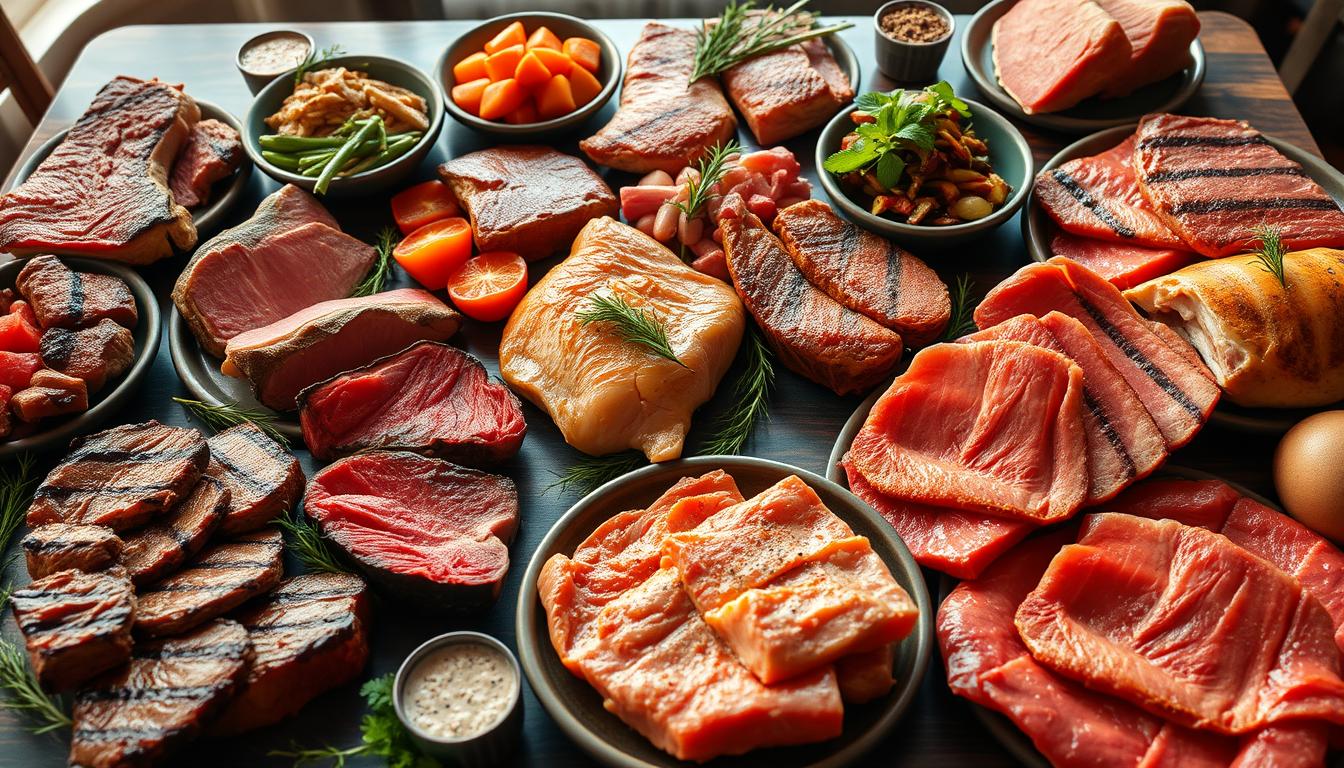
Build meals around these nutrient-dense foods:
- Fatty cuts of meat: Ribeye, lamb, pork belly (skin-on).
- Organ meats: Liver, heart, and bone broth for micronutrients.
- Wild-caught fish: Salmon, sardines, and mackerel for omega-3s.
- Eggs: Pasture-raised for optimal protein and fats.
- A2 dairy (if tolerated): Butter, hard cheeses, heavy cream.
Nose-to-tail eating maximizes nutrient density. Spices like salt and pepper are debated—use minimally if needed.
Foods to Avoid: Plants, Dairy, and Processed Items
Eliminate anything that didn’t walk, swim, or lay an egg. Forbidden foods include:
- All plant-based items: Fruits, vegetables, grains, legumes.
- Processed meats: Hot dogs, deli meats with additives.
- Sugars and sweeteners: Even natural ones like honey.
- Most dairy products: Skip milk and yogurt (high in lactose).
Save money by buying meat in bulk from local butchers. Frozen options like beef patties offer convenience without compromising quality.
Potential Challenges and How to Overcome Them
Transitioning to an all-meat lifestyle isn’t without hurdles—here’s how to tackle them. Adaptation symptoms like fatigue or headaches typically fade within 1–4 weeks. With the right plan, you’ll navigate cravings, social settings, and budget shifts smoothly.

Cravings and Adaptation Period
Your body may rebel initially as it switches fuel sources. Combat cravings with high-protein snacks like Carnivore Snax or electrolyte supplements. Mental prep is key—expect a brief “keto flu” phase.
Community forums (e.g., MeatRx) offer support during this time. Remember: withdrawal from carbs is temporary. Stick with nutrient-dense products to ease the transition.
Social and Dining Out Challenges
Restaurants can test your resolve. Scan menus for plain meat options or eat beforehand. Politely request modifications—most chefs will grill a steak without seasoning.
Friends may question your diet. Share your goals briefly, then steer conversations elsewhere. Your lifestyle shift shouldn’t hinge on others’ approval.
Managing Costs
Quality meat impacts your budget. Save by buying cheaper cuts (chuck roast, ground beef) or purchasing in bulk. Meal prepping reduces waste and cost over time.
Prioritize fatty cuts for satiety. Organ meats like liver deliver nutrients affordably. A solid plan turns financial concerns into non-issues.
How to Start the Carnivore Diet: Step-by-Step Guide
Ready to shift to a meat-only lifestyle? A structured approach ensures success. Follow these seven steps to transition smoothly and sustain long-term results.

Step 1: Educate Yourself and Set Goals
Knowledge fuels commitment. Read resources like The Carnivore Code to understand the science. Define your goals—weight loss, muscle gain, or inflammation reduction—to tailor your plan.
Step 2: Clear Out Non-Carnivore Foods
Remove temptations. Toss grains, sugars, and processed snacks. A pantry purge minimizes slip-ups and reinforces your new diet mindset.
Step 3: Plan Your Meals and Portions
Calculate protein and fat ratios based on activity levels. Batch-cook fatty cuts like ribeye or ground beef for easy meal plan adherence. Portion control isn’t strict—eat until satiated.
Step 4: Prioritize Hydration and Electrolytes
Water and minerals prevent fatigue. Add salt to meals and consider magnesium supplements. Electrolytes stabilize energy during the adaptation phase.
Step 5: Monitor Your Body’s Adjustment
Track changes in a journal. Note body composition, sleep quality, and digestion. Photos provide visual progress markers.
Step 6: Incorporate High-Quality Snacks
Combat cravings with zero-carb options like Carnivore Snax. These meat crisps offer convenience without compromising your meal plan.
Step 7: Adjust and Optimize Over Time
Refine based on feedback. Experiment with fasting windows or dairy tolerance. Your body will signal what works best—listen closely.
Meal Planning and Preparation Tips
Strategic planning turns this way of eating into a sustainable habit. With a focus on animal-based meals, you’ll streamline grocery trips and minimize decision fatigue. Here’s how to optimize your meal plan for efficiency and flavor.
Sample 7-Day Carnivore Meal Plan
Stick to this template for balanced protein and fat intake:
- Breakfast: Ribeye steak with bone marrow.
- Lunch: Lamb liver pan-fried in tallow.
- Dinner: Wild-caught salmon with butter.
- Snacks: Beef jerky or Carnivore Snax crisps.
Rotate cuts like brisket and pork belly for variety. Organ meats pack micronutrients—aim for 2–3 servings weekly.
Buying in Bulk and Saving Money
Reduce cost by sourcing directly from farms or butchers. Freeze large orders of ground beef, chuck roast, or whole chickens. Look for sales on frozen products like shrimp or sardines.
Pro tip: Split a grass-fed cow with friends for premium quality at lower prices.
Cooking Methods for Variety
Prevent boredom with diverse techniques:
- Slow-roasting: Tenderizes tough cuts like oxtail.
- Sous-vide: Ensures perfect doneness for lean meats.
- Grilling: Adds smoky flavor to chops and burgers.
Repurpose leftovers into steak bites or bone broth. Use drippings for added richness.
Supplements to Consider
Optimizing your nutrient intake is crucial when focusing solely on animal-based foods. While meat provides most essentials, strategic supplements can fill potential gaps and support long-term health.

Essential Vitamins and Minerals
Fresh meat supplies vitamins like B12 and C (preventing scurvy), but some minerals may need reinforcement. Key additions include:
- Omega-3s: Wild-caught fish or algae-based capsules combat inflammation.
- Vitamin D3: Critical for immunity, especially with limited sun exposure.
- Magnesium/Zinc: Support muscle function and metabolic processes.
- Liver capsules: Concentrated source of vitamin A and iron.
When and How to Supplement
Listen to your body. Electrolyte mixes (sodium/potassium) ease adaptation fatigue. Blood tests pre- and post-diet identify deficiencies—adjust accordingly.
Avoid synthetic multivitamins with fillers. Prioritize single-nutrient formulas for better absorption. For example, take magnesium glycinate at night to improve sleep.
Tracking Progress and Staying Motivated
Seeing tangible results keeps you committed to your meat-focused journey. Regular check-ins reveal how your body adapts—whether it’s weight loss, better sleep, or sharper focus. Data-driven adjustments ensure long-term success.

Measuring Health Improvements
Quantify changes with these metrics:
- Body composition: Waist circumference, scale weight, or body fat percentage.
- Blood markers: Cholesterol, triglycerides, and fasting glucose.
- Energy levels: Rate daily vitality on a 1–10 scale.
Self-reported surveys show 72% of followers improve BMI within 8 weeks. Use apps like MyFitnessPal to log macronutrients—though minimal tracking is a perk of this diet.
Using Journals and Photos
Document non-scale victories:
- Snap monthly progress photos—lighting and angles matter.
- Journal digestion, mood swings, or joint pain relief.
- Note social wins, like navigating restaurant menus confidently.
“My before-and-after photos silenced skeptics—proof this works.”
Online communities (e.g., MeatRx forums) offer accountability. Share struggles and wins to stay motivated over time.
Common Myths About the Carnivore Diet
Misconceptions about meat-only eating persist despite growing evidence. Critics often cite nutrient gaps or heart risks, but research and ancestral patterns tell a different story. Let’s dismantle the top myths with science-backed facts.

Nutrient Deficiency Claims Debunked
Myth: “No fiber causes constipation.” Yet, many report improved digestion. Animal foods lack fiber but are easier to break down. The result? Fewer bloating episodes and better gut motility.
Myth: “You’ll get scurvy without plants.” Fresh meat contains trace vitamin C. Organ meats like liver are potent *sources*. Ancestral groups like the Inuit thrived without fruits.
“LDL cholesterol isn’t inherently harmful—it’s a carrier molecule for immunity and repair.”
Heart Health Concerns Addressed
Myth: “Red meat clogs arteries.” Studies show no direct link between LDL and heart disease in low-carb contexts. Processed meats, not whole cuts, correlate with risks.
Health benefits like lower *inflammation* often accompany this *diet*. Stable blood sugar and reduced oxidative stress support cardiovascular function.
| Myth | Fact | Evidence |
|---|---|---|
| High *fat* causes heart attacks | Fat fuels energy; LDL roles are complex | Dr. Ali’s research on lipid metabolism |
| Meat lacks *nutrients* | Liver provides B12, iron, vitamin A | Inuit longevity studies |
This way of eating prioritizes *protein* and *fat* for metabolic flexibility. Misinformation often stems from outdated studies. Modern science supports its viability.
Success Stories and Testimonials
Nothing proves the power of an animal-based lifestyle like real-world results. From autoimmune reversals to athletic breakthroughs, these stories showcase what’s possible when you commit to meat-focused eating.
Real-Life Transformations
Jordan Peterson and his daughter Mikhaila gained fame for reversing severe autoimmune conditions. Their health benefits included reduced joint pain and mental clarity. Clinical studies back similar outcomes—one patient cut diabetes medication by 80% within months.
Shawn Baker, a 52-year-old orthopedic surgeon, shattered age stereotypes. He deadlifted 500 pounds and set rowing records after adopting this way of eating. His story proves energy and performance don’t decline with age on proper fuel.
- Eczema relief: Multiple reports show skin clearing without topical steroids.
- Arthritis improvements: Less stiffness and swelling in hands and knees.
- Mood stabilization: Anxiety and depression symptoms often decrease.
Lessons from Long-Term Carnivores
Veterans of this lifestyle share wisdom for sustained success. Rotating protein sources—beef, lamb, seafood—prevents taste fatigue. Weekly organ meat intake ensures micronutrient diversity.
“Patience during adaptation is non-negotiable. Your body needs 30-90 days to fully optimize.”
Sleep quality emerges as a common theme. Many report deeper rest without nighttime cravings. Tracking biomarkers annually helps fine-tune individual needs.
These success stories aren’t outliers—they’re replicable with consistency. Whether your goal is weight loss or disease reversal, real people prove this approach works.
Conclusion
Meat-focused eating simplifies nutrition while delivering powerful results. By prioritizing education, meal prep, and smart supplementation, you unlock health benefits like sustainable weight loss and mental clarity.
Snacks like Carnivore Snax—made from ribeye or lamb—make this lifestyle easier. Always consult a doctor before major dietary changes.
Ready to experience the benefits carnivore diet offers? Explore high-quality products to stay on track. Your body will thank you.