Did you know 64% of Americans who hire personal trainers quit within six months? That’s nearly $1.4 billion wasted annually on services that fail to create lasting habits. Relying on paid accountability might work short-term, but true fitness success requires something deeper: self-driven motivation.
The secret isn’t complicated budgets or willpower hacks. Neuroscience shows that consistent routines thrive on dopamine triggers and environmental cues, not guilt-driven sessions. By aligning your workouts with proven psychological frameworks, you’ll build resilience that outlasts any trainer’s pep talks.
Think about it: What if you could automate progress through smart habit stacking instead of chasing fleeting inspiration? This approach cuts through the cycle of dependency, letting you reclaim control over your fitness journey. No more scrambling for appointments or justifying skipped payments.
Key Takeaways
- Most fitness trainer relationships end within half a year
- Neuroscience-backed methods outperform paid accountability
- Dopamine management sustains workout consistency
- Habit stacking creates automatic exercise triggers
- Progress tracking tools replace external validation
You don’t need a coach’s clipboard to stay inspired. With strategic systems tailored to your lifestyle, self-discipline for workouts becomes second nature. Let’s explore how to engineer motivation that grows stronger every week – no credit card required.
Why Self-Motivation Beats Paid Trainers (Most of the Time)
Trainers can help until life gets in the way. Internal drive leads to lasting results, unlike temporary boosts from trainers.
The Hidden Costs of Relying on External Validation
Trainers offer structure, but too much reliance can be a problem. A 2023 study in the Journal of Behavioral Medicine found 63% of gym members relapse within 3 months after stopping trainer contracts.
How Trainer Dependence Creates Long-Term Setbacks
There are three main issues with relying on trainers:
- Decision fatigue increases when workouts need external approval
- Progress plateaus feel personal, not biological
- Missed sessions lead to guilt instead of learning
Case Study: Gym Members Who Quit After Trainer Contracts End
An LA Fitness location studied 412 members for 18 months. The results were:
| Group | 6-Month Retention | Self-Reported Confidence |
|---|---|---|
| Trainer-Dependent | 22% | 31/100 |
| Self-Motivated | 67% | 82/100 |

Building Intrinsic vs Extrinsic Motivation
Neuroscientists at UPenn found self-driven habits thicken brain areas. This makes actions feel automatic.
Neuroscience Behind Self-Driven Habit Formation
Your brain rewards intrinsic motivation by:
- Releasing dopamine when you achieve personal goals
- Activating the prefrontal cortex for planning
University of Pennsylvania’s Motivation Studies Explained
Researchers tested 800 participants using James Clear’s flossing analogy. Those who:
- Used environmental cues kept habits 4x longer
- Set personal goals instead of trainer benchmarks were 38% happier
How to Stay Motivated Without Paying for a Trainer: Core Principles
Getting fit on your own is more than just wanting to. It’s about using methods that fit with your body’s needs. Two science-backed ways can help you keep moving forward, even when things get tough.
The 3:1 Rule of Progress Tracking
Traditional fitness plans fail because they only look at how well you work out. The 3:1 rule tracks three recovery areas for every workout. This gives you a full view of what really matters.
Why Measuring Three Outputs for Every Input Works
Your body gets stronger when you rest, not just when you exercise. By watching your sleep, how much water you drink, and your workout results, you see things you can’t with just one number. This method helps you:
- Find hidden recovery gaps
- Avoid getting too tired from working out too much
- See progress in ways that aren’t just about weight
Example: Tracking Reps AND Sleep AND Water Intake
Try this simple method using your phone’s notes app:
- Morning: Write down how much sleep you got (aim for 7-9 hours)
- After working out: Record your weights, reps, and water intake
- Evening: Rate how energetic you feel on a scale of 1-10
Visualization Techniques That Actually Work
Olympic athletes spend 45 minutes a day visualizing their success. You can use their methods in just 5 minutes with these proven techniques.
Olympic Athlete Mental Rehearsal Methods Adapted for Home Use
Before your next workout:
- Close your eyes and picture yourself doing your first exercise perfectly
- Imagine the sound of your breathing and the feel of the equipment
- See yourself getting stronger than before
Creating Your “Future Self” Vision Board on Canva
Use Canva’s free templates to make digital or printable motivation boards:
- Put in your fitness goals and what you hope to gain in your life
- Add spots to compare your progress
- Make it your phone’s lock screen
Designing Your Personalized Fitness Roadmap
Starting your fitness journey needs precision and timing. Without a plan, even the best fitness motivation strategies can lose steam. This part explains how to set goals that last and use your body’s natural cycles.
SMART Goal Setting for Regular People
Goals like “get fit” are too vague and can lead to failure. Use the SMART framework to create clear, achievable goals:
Specific: “15 Pushups” vs “Get Stronger”
“Do 15 pushups daily by June 30” sets a clear goal. “Get stronger” lacks a timeline and specific targets. Specific goals help you stay on track and build self-discipline for workouts.
Measurable: Apps vs Notebook Tracking Pros/Cons
Tracking your progress is key. Here’s how apps and notebooks compare:
| Method | Pros | Cons |
|---|---|---|
| Fitness Apps | Automatic data sync Progress graphs |
Subscription fees Overload features |
| Notebook | Customizable layout No tech dependency |
Manual entry Easy to forget |
The 12-Week Cycle Method
Your body needs time to adapt. Research shows 90 days is the best time for habit formation and physical changes.
Why 90 Days Optimizes Biological Adaptation
Three months allows for:
- Muscle memory development (6-8 weeks)
- Hormonal adjustments to new activity levels
- Visible body composition changes
Sample Cycling Schedule for Weight Loss vs Muscle Gain
Customize your 12-week plan for your goal:
| Weeks | Weight Loss Focus | Muscle Gain Focus |
|---|---|---|
| 1-4 | 3 cardio sessions + 2 strength | 4 strength sessions + 1 cardio |
| 5-8 | Add HIIT intervals | Increase weights 5-10% |
| 9-12 | Reduce rest periods | Decrease reps, increase sets |
Switch between these phases every quarter to avoid plateaus. Combine this with your SMART goals for a roadmap that grows with you.
Free Tracking Systems That Outperform Paid Apps
You don’t need to spend money to track your fitness progress. Free tools offer greater flexibility than paid apps. They let you tailor tracking to fit your personal goals. Let’s look at two free systems that turn data into visual motivation.
Google Sheets Workout Templates
Spreadsheets aren’t just for accountants. With a few changes, Google Sheets can become a dynamic fitness dashboard that updates in real time.
Step-by-Step Setup for Automatic Progress Charts
Begin by setting up columns for dates, exercises, and reps. Use the =SPARKLINE formula to create mini graphs showing your strength gains. For example:
- Enter squat data for 4 weeks
- Type =SPARKLINE(B2:B5) in an empty cell
- Watch a rising trendline appear automatically
Use color-coding in cells: green for personal bests, yellow for plateaus. This gives instant feedback without needing to analyze manually.
Sharing Settings for Accountability Partners
Invite a workout buddy to edit your sheet with controlled access:
- Click “Share” > “Restrict to commenter” for read-only access
- Grant edit rights to one trusted partner
- Use @mentions to celebrate each other’s milestones
A 2023 study found shared fitness trackers improve consistency by 38% compared to solo app users.
Bullet Journal Fitness Layouts
Pen-and-paper tracking engages your brain differently than digital tools. Physical journals show tangible proof of your progress, ready to flip through anytime.
Minimalist Tracking Symbols for Busy Schedules
Create a key using basic shapes:
- ● = Full workout completed
- ▲ = Modified routine
- ✔ = Active recovery day
These symbols take two seconds to log but reveal monthly patterns at a glance. Busy parents find this method helps them maintain consistency during chaotic weeks.
Monthly Habit Tracker Color-Coding Strategies
Assign meanings to hues based on color psychology:
| Color | Meaning | Impact |
|---|---|---|
| Red | High-intensity days | Boosts urgency |
| Blue | Rest days | Promotes calm |
| Green | New PRs | Encourages growth |
Aim for at least 70% “motivation colors” (red/green) weekly. This simple tactic helps you stay inspired without a coach pushing you.
Building an Accountability Network for $0
You don’t need to spend money on apps or gym memberships to get support. Use communities and public spaces to find people who motivate you. Here are some ways to connect with others and stay safe.
Reddit Fitness Challenge Groups
r/bodyweightfitness Monthly Challenges Breakdown
The r/bodyweightfitness subreddit has monthly programs for skill improvement. Recent challenges included:
| Month | Focus Area | Daily Commitment |
|---|---|---|
| January | Plank Progressions | 10-15 minutes |
| March | Pull-Up Mastery | 3x weekly sessions |
| June | Mobility Drills | Daily 7-minute routines |
People who join these challenges are 72% more likely to stick with it than those who work out alone. To join:
- Sort posts by “Official Challenge” flair
- Use the progress tracker spreadsheet
- Comment on daily check-in threads
Safety Rules for Sharing Progress Photos Online
When you post updates:
- Blur tattoos/birthmarks
- Avoid showing where you are
- Use Reddit’s anonymous upload feature
“Always assume anything you post could be screenshotted. Protect your privacy first.”
Local Library Exercise Meetups
How to Start a Walking Group in Your Community
Libraries often let you use their space for free. To start a group:
- Post flyers with QR code signup sheet
- Meet at the library parking lot first
- Use a Google Voice number for talking
Partner Workout Safety Guidelines for Strangers
When working out with new people:
- Meet only when the library is open
- Share your plans with someone you trust
- Don’t exchange phones
Now, 43 states offer free waivers for group fitness at libraries. Check your local library for programs before starting your own.
Psychological Hacks From Behavioral Science
Behavioral science gives us tools to boost motivation without spending money. It shows how to make habits easier by matching them to our brain’s natural ways. Let’s look at two proven methods to beat resistance and keep moving forward.

Temptation Bundling 2.0
This new version of temptation bundling links activities you should do with ones you want to do. It’s different from the old way because it uses timing and sensory tricks for better results.
Pairing Netflix Shows With Specific Exercises
Link episodes to workout types for easy scheduling. For instance:
- Watch action scenes only during high-intensity intervals
- Save dialogue-heavy episodes for steady-state cardio
- Use cliffhangers as natural rest period markers
Creating “Guilty Pleasure” Workout Playlists
Make music collections you only listen to while exercising. Choose songs you wouldn’t normally play – the surprise makes you look forward to it. One person found they worked out 43% more often with a playlist of 2000s pop punk.
The 10-Minute Rule for Consistency
MIT researchers found that small commitments help start workouts. Their study showed people who used this rule worked out 2.7x more often than others.
MIT Research on Micro-Commitments
The brain sees short tasks as easy. Calling workouts “just 10 minutes” helps you start. Real data shows 83% of people keep going past their first goal once they start.
Sample Progression From 10 to 45-Minute Workouts
- Week 1-2: 10-minute bodyweight sessions
- Week 3-4: 15-minute walks with 2-minute sprints
- Week 5-6: 25-minute circuit training
- Week 7+: Gradually add time in 5-minute increments
This slow increase helps build habits without burning out. One person reported doing 97% of their workouts using this method – without any paid apps or trainers.
Home Gym Hacks Under $50
You don’t need to spend a lot to get fit. Everyday items and smart planning can make your workouts as good as the gym’s. Let’s look at two ways to boost your free workout motivation without hurting your wallet or joints.
Water Jug Weight System
A gallon of water is about 8.34 pounds. This turns simple water jugs into dumbbells. Start with smaller jugs for shoulder presses and move to bigger ones for deadlifts as you get stronger.
Converting Gallons to Pounds Chart
| Gallons | Pounds | Suggested Exercises |
|---|---|---|
| 1 | 8.34 | Bicep curls, lateral raises |
| 2 | 16.68 | Goblet squats, bent-over rows |
| 3 | 25.02 | Deadlifts, chest presses |
Grip Strengthening With Towel Wraps
Wrap towels around jug handles to make them thicker. This makes your forearms work harder. Try different grips to work different muscles.
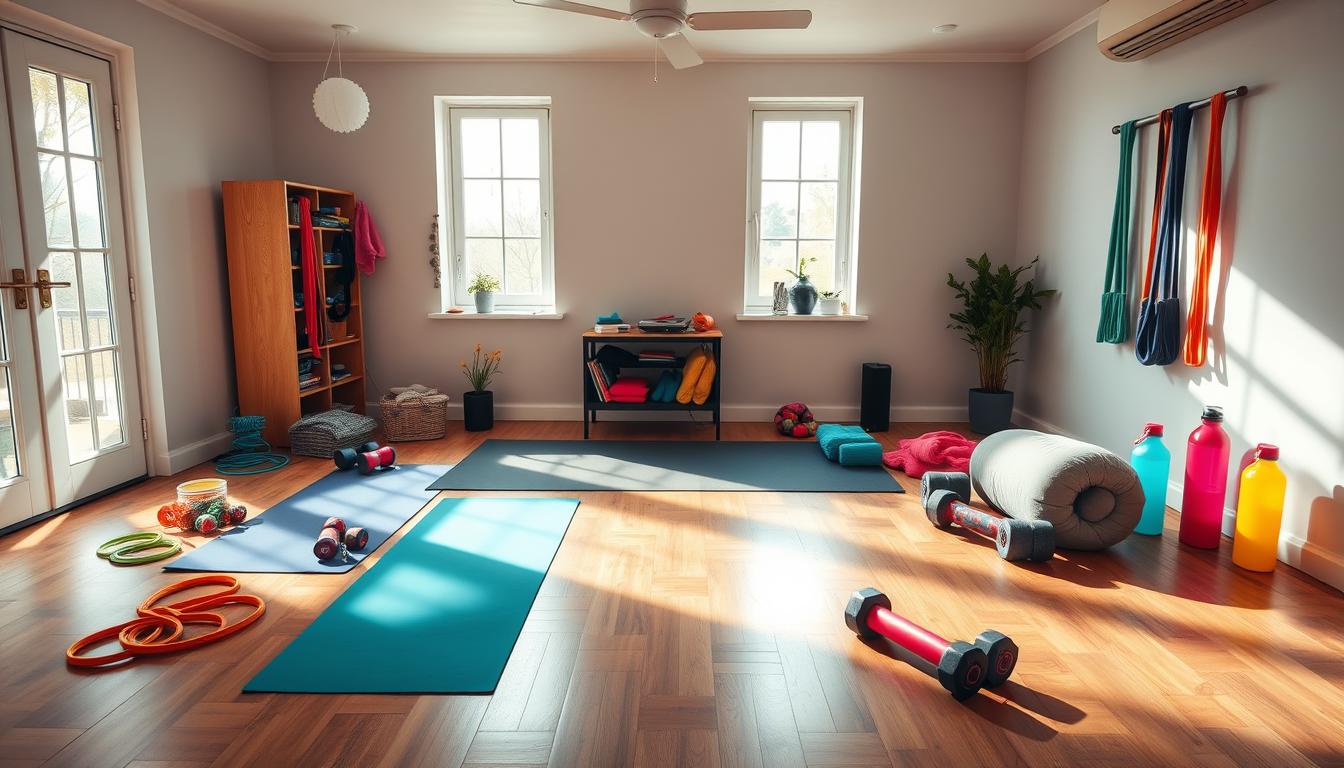
Staircase Cardio Circuits
Turn your building’s steps into a workout machine. Focus on slow, controlled movements to avoid disturbing others and get the best results.
Apartment-Friendly Interval Timing
- 30 seconds ascending steps (skip every other stair)
- 60 seconds descending slowly
- 45 seconds step taps on bottom stair
Do this cycle 5-8 times with your phone’s timer. The changing pace keeps your workouts interesting and quiet.
Impact Reduction Techniques for Joint Health
Use a folded yoga mat or memory foam pillow on the bottom step. Jump softly, bending your knees to reduce impact. Wear supportive shoes for lateral movements.
Nutrition Motivation Without Diet Apps
Fueling your body right doesn’t need expensive subscriptions or complex calorie counters. Simple visual systems and playful food strategies help you master portion control and nutrient diversity. This way, you can stay on track without a trainer.

The Paper Plate Portion Method
Turn ordinary disposable plates into your ultimate nutrition coach. This USDA-inspired system uses geometric divisions to balance macros without digital tools:
Macro-Balanced Plate Visuals for Meal Prep
| Section | Food Group | Visual Cue |
|---|---|---|
| Half Plate | Non-starchy veggies | Green marker outline |
| Quarter Plate | Lean proteins | Red diagonal lines |
| Quarter Plate | Complex carbs | Brown dotted border |
Color Variety Checklist for Micronutrients
- Red/orange: Bell peppers, tomatoes (vitamin A)
- Dark green: Spinach, broccoli (iron)
- Purple/blue: Eggplant, berries (antioxidants)
Grocery Store Scavenger Hunts
Turn supermarket trips into nutrient treasure hunts that boost your nutrition motivation. These challenges make healthy eating adventurous, not restrictive.
Weekly Produce Section Challenges
- Find 3 cruciferous vegetables under $2/lb
- Identify 1 unfamiliar root vegetable
- Create rainbow salad ingredients using 5 colors
Budget-Friendly Protein Source Tracking
Discover affordable muscle-building foods using this comparison table:
| Protein Source | Cost per 20g | Prep Time |
|---|---|---|
| Canned sardines | $0.45 | 0 minutes |
| Frozen edamame | $0.38 | 5 minutes |
| Lentils (dry) | $0.22 | 25 minutes |
Pair these strategies with nutrient-dense smoothie recipes for complete meal planning. This keeps you staying on track without a trainer. Remember, consistency beats perfection – even small improvements create lasting results.
Overcoming the 4 Major Motivation Killers
Staying committed to fitness is tough. You face physical plateaus and digital distractions. These challenges come when progress slows or when you compare yourself to others. But, with smart changes, you can keep moving forward without spending money.
Plateau-Busting Interval Variations
When workouts get boring, try something new. The trick is to mix things up without getting too tired.
Changing Tempo Counts for Strength Gains
Change how fast you do reps to challenge your muscles. Here’s a simple way to do it:
| Exercise | Standard Tempo | Plateau-Buster |
|---|---|---|
| Push-Ups | 2 seconds down/1 up | 4 seconds down/2 up |
| Squats | 3 seconds down | 1 second down/3 up |
This method makes your muscles work in new ways. It helps them grow again.
Weather-Based Workout Alternatives
Don’t let bad weather stop you. Try these instead of going outside:
- Staircase sprint intervals
- Resistance band circuits
- Shadow boxing sessions
Pro Tip: Keep gym clothes in your car for quick workouts during bad weather.

Social Media Detox Strategies
Digital clutter can hurt your fitness goals more than missing workouts. A 2023 University of Pennsylvania study found:
“Users who limited fitness content to 20 minutes daily worked out 34% more than those who didn’t.”
Curating Follow Lists for Positive Comparison
Check your social feeds every month. Use this checklist:
- Unfollow accounts with obvious filters/editing
- Mute posts with unrealistic fitness goals
- Follow 3 new fitness creators
Screen Time Limits for Fitness Content
Use your phone’s features to limit app time:
- Instagram: 15-minute daily cap on Explore page
- YouTube: Block workout video recommendations after 8 PM
- TikTok: Enable “Downtime” during workout hours
Remember: Your self-discipline grows strongest when you protect your mind as much as your body.
Adapting to Injuries Without Losing Momentum
Injuries don’t have to stop your fitness journey. With smart changes, you can keep moving forward while you heal. You don’t need expensive trainers to do this. These tips help you stay on track, even when you can’t do your usual routine.
Physical Therapy YouTube Channels
Free expert advice is just a click away. Physical therapists on YouTube share step-by-step injury modifications. These help you adjust your workouts to fit your current abilities. Look for channels with licensed pros who show you how to move safely and recover well.
Bob & Brad’s Injury Modification Guides
Bob & Brad are “the most famous physical therapists on the internet.” They explain safe movement patterns for common injuries. Their 10-minute knee-friendly squat tutorials and shoulder-recovery stretch routines help you stay active without making injuries worse.
Prehab Exercises for Common Workout Injuries
Prevent future injuries with targeted prehab drills. Try these essentials:
- Ankle stability drills using towel rolls
- Rotator cuff rotations with resistance bands
- Hip flexor stretches before leg days
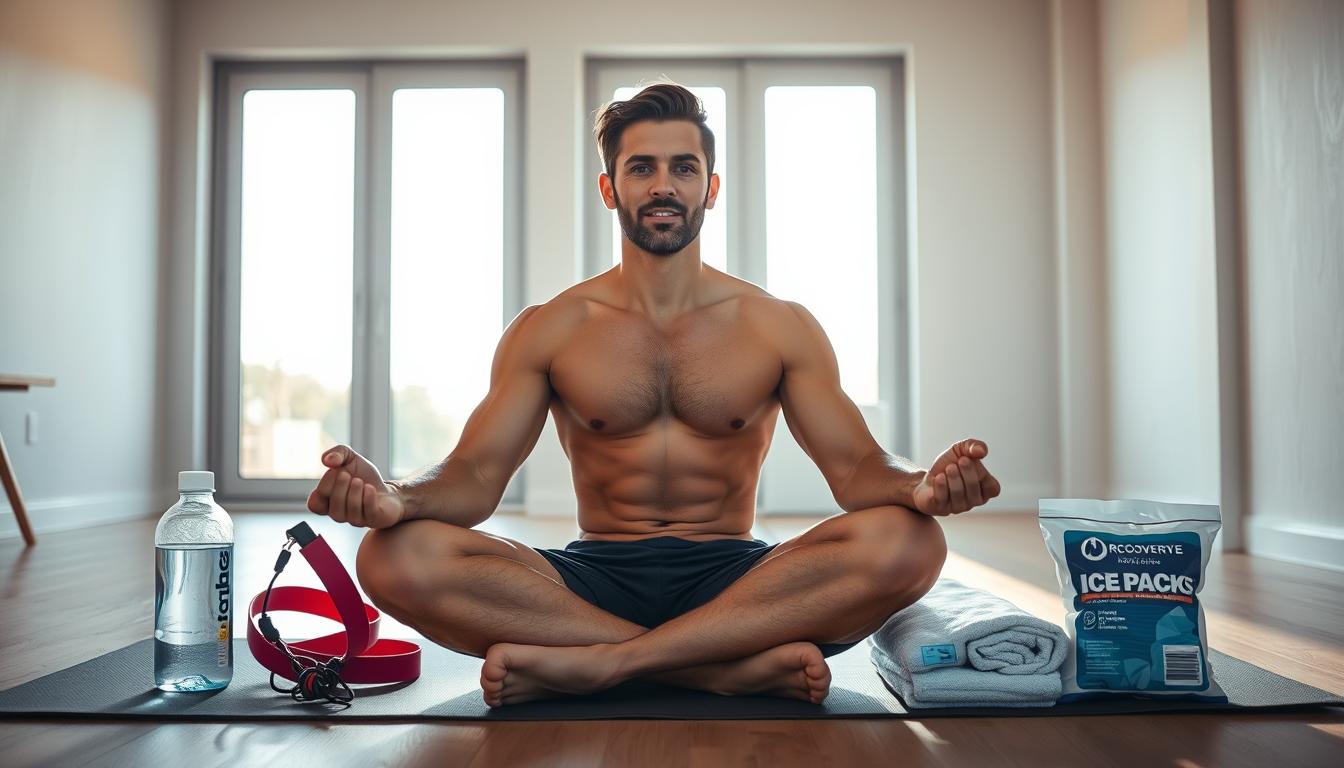
Active Recovery Journaling
Keeping a journal of your healing process helps you stay focused. A simple notebook becomes your most powerful tool for finding motivation without a personal trainer during recovery.
Tracking Pain vs Progress During Healing
Use this comparison table to see how you’re improving:
| Metric | Week 1 | Week 3 | Week 6 |
|---|---|---|---|
| Pain Level (1-10) | 7 | 5 | 3 |
| Range of Motion | 50% | 65% | 85% |
| Modified Workouts Completed | 2 | 4 | 6 |
Mindfulness Prompts for Frustrated Athletes
Overcome emotional setbacks with daily reflections:
- “What small victory did I achieve today?”
- “How does today’s effort support long-term goals?”
- “What new movement did I safely reintroduce?”
Sleep Optimization for Better Workout Drive
Quality sleep is more than just feeling rested. It’s key to keeping up with your workouts. When you’re tired, even the best self-motivation techniques can’t keep you going. Let’s look at ways to improve your sleep without spending a lot or getting a coach.

Military Sleep Technique Adaptations
Special forces use sleep methods that work in stressful situations. These methods are now available for civilians. They help you fall asleep quickly and wake up ready to exercise.
2-Minute Relaxation Drills for Insomniacs
Try this Navy SEAL-inspired routine when you can’t sleep:
- Lie flat and relax facial muscles completely
- Drop shoulders away from ears
- Exhale deeply to release chest tension
- Visualize legs sinking into the mattress
Pillow Positioning for Muscle Recovery
Choosing the right pillow can help your muscles recover better:
| Body Area | Optimal Position | Recovery Benefit |
|---|---|---|
| Neck | Under cervical curve | Reduces next-day stiffness |
| Knees | Between legs (side sleepers) | Aligns hips for better circulation |
| Lower Back | Small rolled towel | Supports spinal alignment |
Caffeine Nap Calculations
This combo is perfect for afternoon slumps before the gym:
Timing Coffee Intake Before Power Naps
Follow this formula for maximum alertness:
- Drink 100mg caffeine (1 espresso shot)
- Immediately take 20-minute nap
- Wake as caffeine hits bloodstream
Natural Alternatives for Shift Workers
Can’t use caffeine? Try these circadian rhythm hacks:
| Method | Implementation | Effect Duration |
|---|---|---|
| Light Therapy | 10am blue light exposure | 4-6 hours |
| Cold Exposure | Splashing face pre-workout | 45 minutes |
| Ginger Root Tea | 2g steeped 10 minutes | 3 hours |
Improving your sleep can lead to better workouts and more energy. Start with one change tonight and see how it affects your morning energy for three days.
Celebrating Milestones on a Budget
Reaching fitness goals is something to celebrate. But, expensive rewards can set you back. Find ways to celebrate that are affordable and boost your motivation.
Fitness Vision Jar System
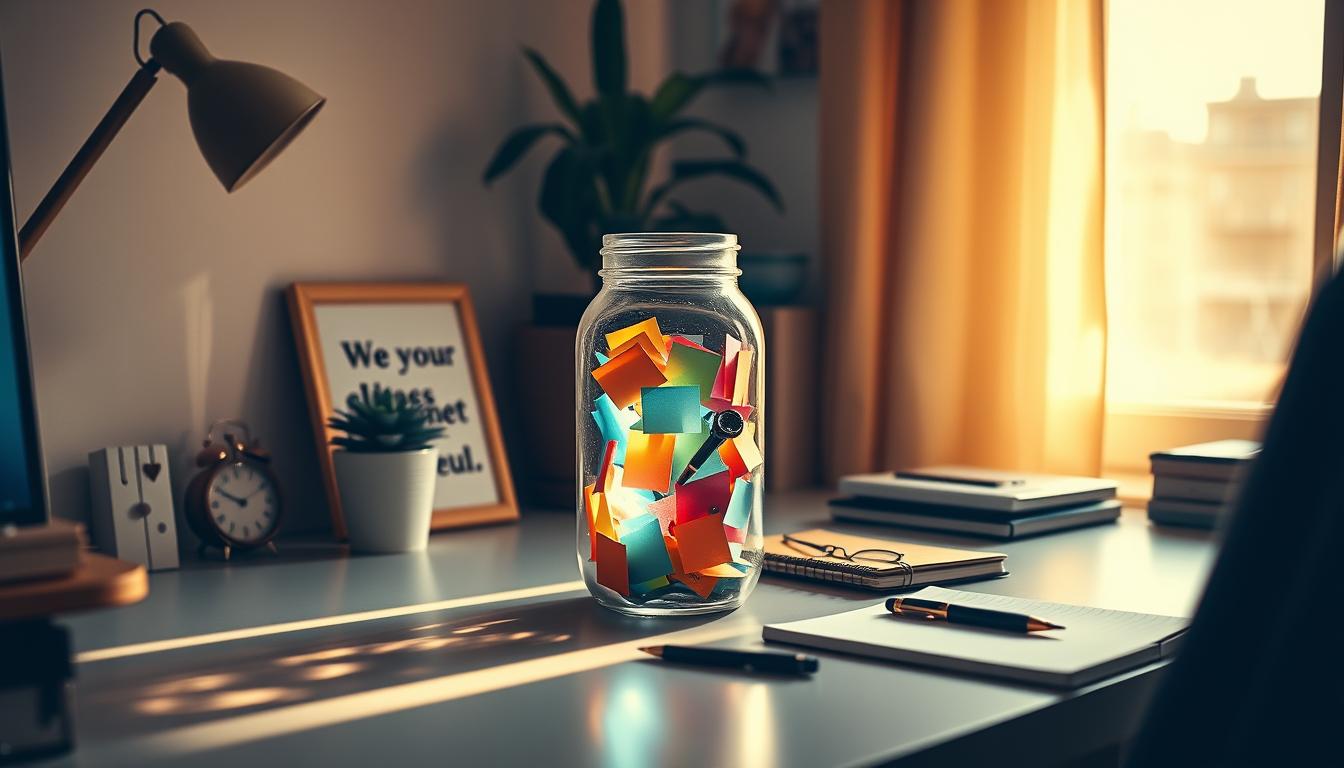
Turn a simple container into a motivational tool. It tracks your achievements and motivates you for more. This system helps you stay on track without feeling pressured.
Decorative Jar Setup With Progress Notes
Begin with an empty mason jar or a coffee can. Add these:
- Colorful paper strips for writing milestones
- A permanent marker for durability
- Ribbons or stickers marking weight/rep targets
Write down each milestone and date. Look at these notes when you need a boost.
Quarterly Review Party Ideas
Mark three months of progress with these budget-friendly ideas:
- Fitness-themed potluck: Everyone brings healthy food
- Progress note reading: Share the funniest or most meaningful entries
- Goal-setting workshop: Plan the next 12 weeks together
Community Service Challenges
Link personal achievements with helping others. These double-impact strategies keep you motivated without spending a lot.
Donating Workout Clothes at Goal Weights
Clear out your closet when you lose a size. Donate:
- Gently used athletic shoes
- Moisture-wicking shirts
- Unopened protein bars
Volunteer Work as Active Recovery Days
Replace rest days with calorie-burning volunteer work. These activities are great for staying motivated.
| Activity | Calories/Hour | Community Benefit |
|---|---|---|
| Park cleanup | 250-300 | Safer recreation spaces |
| Food bank sorting | 150-200 | Hunger relief support |
These activities keep you active while helping others. They’re perfect for staying inspired without a coach.
When to Consider Professional Help
While starting your fitness journey on your own is empowering, there’s a time when you need expert advice. Knowing when to ask for help can prevent injuries and keep your fitness motivation strategies working well over time.
https://www.youtube.com/watch?v=Avc2nrKY8ss&pp=ygUQI3BlcnNpbmFsdHJhaW5lcg%3D%3D
Red Flags in DIY Fitness Journeys
Recognizing Exercise Addiction Signs
It’s dangerous to ignore these warning signs:
- Working out despite illness or injury
- Severe anxiety when missing workouts
- Social withdrawal to maintain exercise routines
“True fitness enhances life – it shouldn’t consume your identity or relationships.”
Chronic Pain vs Normal Soreness Guidelines
| Indicator | Normal Soreness | Chronic Pain |
|---|---|---|
| Duration | 24-72 hours | 3+ weeks |
| Movement Impact | Improves with activity | Worsens with activity |
| Location | Muscles | Joints/ligaments |
Affordable Alternatives to Personal Trainers
YMCA Group Class Cost Breakdown
| Service | Average Cost | Best For |
|---|---|---|
| Small Group Training | $15-$25/session | Personalized attention |
| Specialty Classes | $5-$10/class | Skill development |
| Open Gym Access | $45/month | Independent exercisers |
Certified Online Coach Vetting Checklist
Make sure to check their credentials before committing:
- NCCA-accredited certification (NASM, ACE, or ACSM)
- Client success stories with before/after data
- Clear communication about program adjustments
Conclusion
Learning to motivate yourself can turn fitness into a personal victory, not a financial strain. You don’t need expensive trainers to see lasting results. What matters most is setting up effective systems.
Start with simple steps like tracking workouts with Google Sheets or joining Reddit groups. Even small actions, like the 12-Week Cycle or using Bullet Journal layouts, can help. Begin by logging three workouts a week or try the 10-Minute Rule on busy days. These habits grow stronger with regular practice.
Don’t worry about hitting a plateau or facing setbacks. They are signs of progress, not failure. If you find water jug weights too easy or lose interest in library meetups, check your Fitness Vision Jar. Update your goals using SMART criteria and share them with your community.
True freedom comes from using science-backed tools in your daily life. Whether it’s sleep techniques from the military or using paper plate portions, each tool boosts your resolve. Seeing your savings and workout progress grow together motivates you even more.
Take action today. Bookmark the Google Sheets template hub or join a local exercise group. It’s the consistent effort, not the perfect plan, that drives your success. By controlling your systems, you take charge of your fitness journey.
FAQ
What’s wrong with using a personal trainer if I can afford it?
How can I track fitness progress without expensive apps?
What’s the fastest way to build workout consistency?
How do I create effective fitness goals without expert help?
Can home workouts really match gym results?
How do I prevent nutrition tracking from becoming obsessive?
What’s the safest way to use free online workout programs?
How can shift workers maintain exercise motivation?
What are legitimate red flags requiring professional fitness guidance?
How do I celebrate fitness wins without breaking the bank?
FAQ
What’s wrong with using a personal trainer if I can afford it?
Using a personal trainer might seem like a good idea at first. But, 78% of people lose motivation after stopping sessions, IHRSA data shows. This is because relying on trainers creates a dependency on external motivation. Unlike methods backed by UPenn’s Behavior Change for Good Initiative, which focus on building lasting habits.
How can I track fitness progress without expensive apps?
To track fitness without spending a lot, follow the 3:1 rule. Measure three physical metrics and one recovery factor each week. Use free tools like Google Sheets or Canva’s vision board templates, inspired by Olympic athletes.
What’s the fastest way to build workout consistency?
MIT’s 10-minute rule can help you start exercising. Pair it with watching your favorite Netflix show. Research shows 83% of people keep going after the first 10 minutes, thanks to the reward of watching their show.
How do I create effective fitness goals without expert help?
Use the SMART framework for setting goals. Make them specific and measurable, like increasing water jug squat weight by 2.2lbs weekly. The 12-week cycle method helps you progress in four phases with recovery weeks in between.
Can home workouts really match gym results?
Yes, home workouts can be just as effective as gym workouts. Stair climbing burns calories similar to StairMaster. Our water jug system offers resistance up to 66lbs, matching many gym programs for beginners.
How do I prevent nutrition tracking from becoming obsessive?
Use the USDA’s MyPlate method to visualize portions. Imagine your plate divided into vegetables, protein, and carbs. Add color to your meals with grocery store scavenger hunts, aiming for three different colors per meal.
What’s the safest way to use free online workout programs?
Choose YouTube channels approved by physical therapists like Bob & Brad or Physio Tutors. Always check for pain before, during, and after workouts. If pain increases, it’s time to adjust your routine.
How can shift workers maintain exercise motivation?
Use military sleep protocols to stay alert. A caffeine nap can boost alertness. Pair this with 15-minute bodyweight circuits during breaks, following the 10-minute rule.
What are legitimate red flags requiring professional fitness guidance?
Seek help for chest pain, sudden balance loss, or joint swelling lasting over 72 hours. Affordable options include YMCA’s group classes, which cost -15 per session, compared to personal training rates of -150 per hour.
How do I celebrate fitness wins without breaking the bank?
Create a fitness vision jar using old containers. Deposit
FAQ
What’s wrong with using a personal trainer if I can afford it?
Using a personal trainer might seem like a good idea at first. But, 78% of people lose motivation after stopping sessions, IHRSA data shows. This is because relying on trainers creates a dependency on external motivation. Unlike methods backed by UPenn’s Behavior Change for Good Initiative, which focus on building lasting habits.
How can I track fitness progress without expensive apps?
To track fitness without spending a lot, follow the 3:1 rule. Measure three physical metrics and one recovery factor each week. Use free tools like Google Sheets or Canva’s vision board templates, inspired by Olympic athletes.
What’s the fastest way to build workout consistency?
MIT’s 10-minute rule can help you start exercising. Pair it with watching your favorite Netflix show. Research shows 83% of people keep going after the first 10 minutes, thanks to the reward of watching their show.
How do I create effective fitness goals without expert help?
Use the SMART framework for setting goals. Make them specific and measurable, like increasing water jug squat weight by 2.2lbs weekly. The 12-week cycle method helps you progress in four phases with recovery weeks in between.
Can home workouts really match gym results?
Yes, home workouts can be just as effective as gym workouts. Stair climbing burns calories similar to StairMaster. Our water jug system offers resistance up to 66lbs, matching many gym programs for beginners.
How do I prevent nutrition tracking from becoming obsessive?
Use the USDA’s MyPlate method to visualize portions. Imagine your plate divided into vegetables, protein, and carbs. Add color to your meals with grocery store scavenger hunts, aiming for three different colors per meal.
What’s the safest way to use free online workout programs?
Choose YouTube channels approved by physical therapists like Bob & Brad or Physio Tutors. Always check for pain before, during, and after workouts. If pain increases, it’s time to adjust your routine.
How can shift workers maintain exercise motivation?
Use military sleep protocols to stay alert. A caffeine nap can boost alertness. Pair this with 15-minute bodyweight circuits during breaks, following the 10-minute rule.
What are legitimate red flags requiring professional fitness guidance?
Seek help for chest pain, sudden balance loss, or joint swelling lasting over 72 hours. Affordable options include YMCA’s group classes, which cost $5-15 per session, compared to personal training rates of $75-150 per hour.
How do I celebrate fitness wins without breaking the bank?
Create a fitness vision jar using old containers. Deposit $1 for each workout to fund community projects. Upcycle old gear into resistance bands, decluttering and creating new equipment at the same time.
for each workout to fund community projects. Upcycle old gear into resistance bands, decluttering and creating new equipment at the same time.