Vaccines save lives. The FDA rigorously evaluates every shot, ensuring safety and effectiveness against diseases like COVID-19. While these medical breakthroughs prevent severe infections, your body’s natural detox systems—like the liver and kidneys—work hard to process components after administration. This doesn’t mean vaccines harm organs, but optimizing their function can boost overall wellness.
Most people experience mild or no side effects post-vaccination. However, questions about long-term organ support persist. Staying hydrated, eating antioxidant-rich foods, and avoiding excessive alcohol are simple steps that benefit these vital systems. Research shows proactive habits help maintain peak physiological performance.
COVID-19 vaccines remain critical for reducing hospitalization risks. Pairing their protection with mindful health practices creates a balanced approach. Let’s explore science-backed strategies to keep your body resilient, informed by FDA-approved safety data and nutritional science.
Key Takeaways
- Vaccines undergo strict FDA safety reviews before public use.
- Liver and kidneys naturally metabolize vaccine components without long-term damage.
- Hydration and nutrient-dense foods enhance organ function post-vaccination.
- COVID-19 shots significantly lower risks of severe coronavirus outcomes.
- Lifestyle choices impact detoxification efficiency more than vaccine exposure itself.
Understanding Vaccine Exposure and Its Impact
When your immune system encounters vaccine components, it launches a defense rehearsal. This process trains your body to recognize future threats while triggering temporary metabolic activity. Organs like the kidneys and liver filter byproducts, which rarely causes strain in healthy individuals.
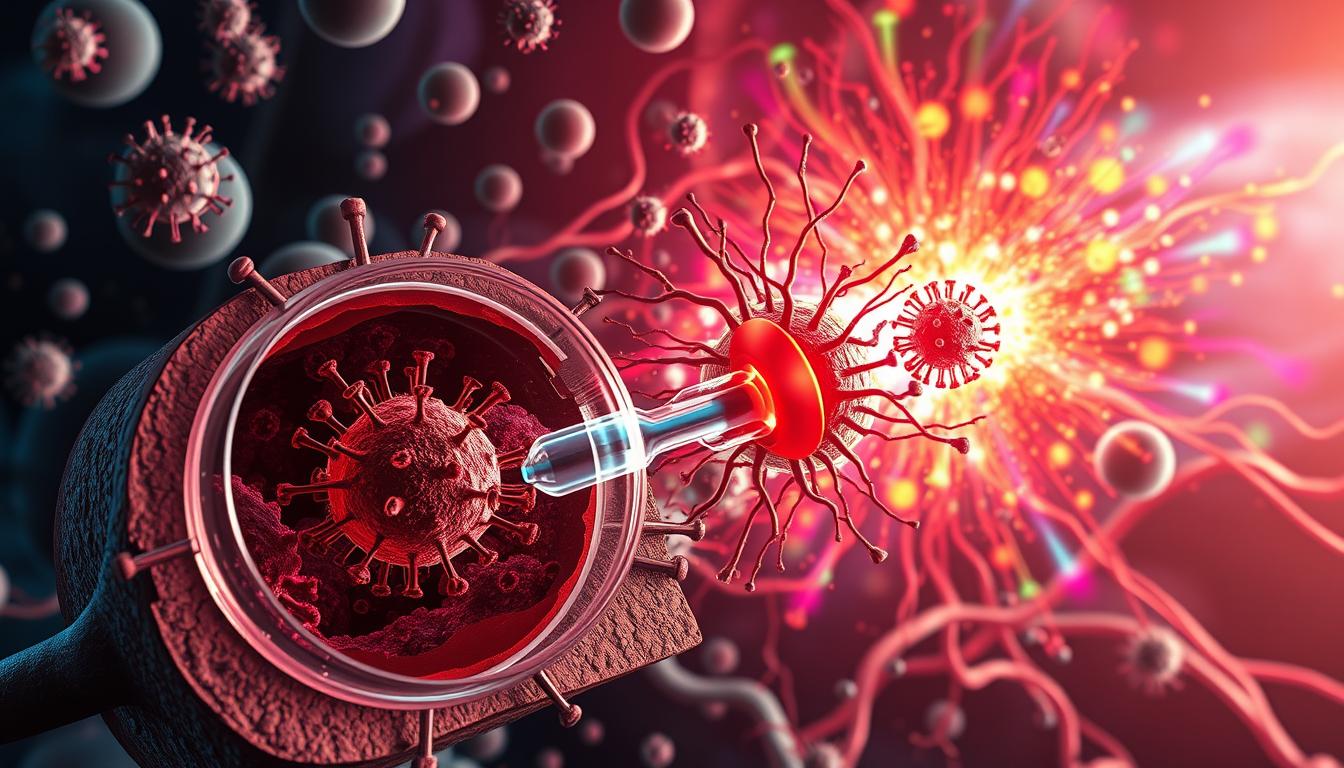
What Does Vaccine Exposure Mean?
Vaccine exposure refers to your body’s contact with inactive pathogens or mRNA instructions. These elements teach immune cells to create antibodies without causing illness. For those with pre-existing conditions like kidney disease, this interaction remains generally safe but may require medical guidance.
| Immune Response Phase | Process | Organ Involvement |
|---|---|---|
| Initial Exposure | Antigen detection by white blood cells | Lymph nodes activate |
| Antibody Production | B-cells generate targeted proteins | Liver processes cellular debris |
| Memory Formation | T-cells store pathogen data | Kidneys filter excess proteins |
How Vaccines Interact With Your Body
Most formulations stimulate antibody creation within days. Mild fever or fatigue signals immune activation, not organ distress. Research indicates patients with chronic kidney disease typically handle vaccines well, though hydration becomes critical for efficient toxin removal.
Antioxidants from berries or leafy greens help neutralize free radicals produced during immune activity. This supports renal and hepatic functions without interfering with vaccine efficacy. Always consult healthcare providers about personalized needs if you manage complex conditions.
Reviewing COVID-19 and Other Vaccine Insights

Modern vaccine technologies use innovative approaches to teach your body disease defense. Two main types dominated COVID-19 protection efforts: mRNA and viral vector formulas. Both trigger robust immune responses while following strict regulatory standards for safety.
mRNA vs. Viral Vector Vaccines
mRNA vaccines deliver genetic instructions that help cells build harmless spike proteins. Your immune system then recognizes these proteins as foreign, creating antibodies for future battles. Viral vector versions use modified cold viruses to transport similar protein blueprints.
| Type | Mechanism | Immune Response | Components |
|---|---|---|---|
| mRNA | Teaches cells to make spike protein | Strong antibody production | Lipid nanoparticles |
| Viral Vector | Uses harmless carrier virus | T-cell & antibody activation | Adenovirus shell |
Clinical trials show both types reduce severe COVID-19 outcomes by over 80%. As Dr. Peter Marks from the FDA states:
“These vaccines undergo more safety checks than any pharmaceuticals in history.”
Vaccine Approval and Safety Protocols
Before reaching pharmacies, COVID-19 vaccines pass through three trial phases involving tens of thousands of participants. Monitoring systems like VAERS track side effects in real-time, with most reactions resolving within 72 hours.
Common temporary symptoms include:
- Arm soreness at injection site
- Low-grade fever
- Fatigue
Safety boards review all reports, ensuring benefits outweigh risks. This multilayered process explains why serious complications remain exceptionally rare across all age groups.
The Effects of Vaccines on Liver Function
Following vaccination, your liver actively metabolizes components to maintain systemic balance. This organ filters inactive ingredients while supporting immune activation. Most responses are temporary and reflect normal biological processes rather than damage.
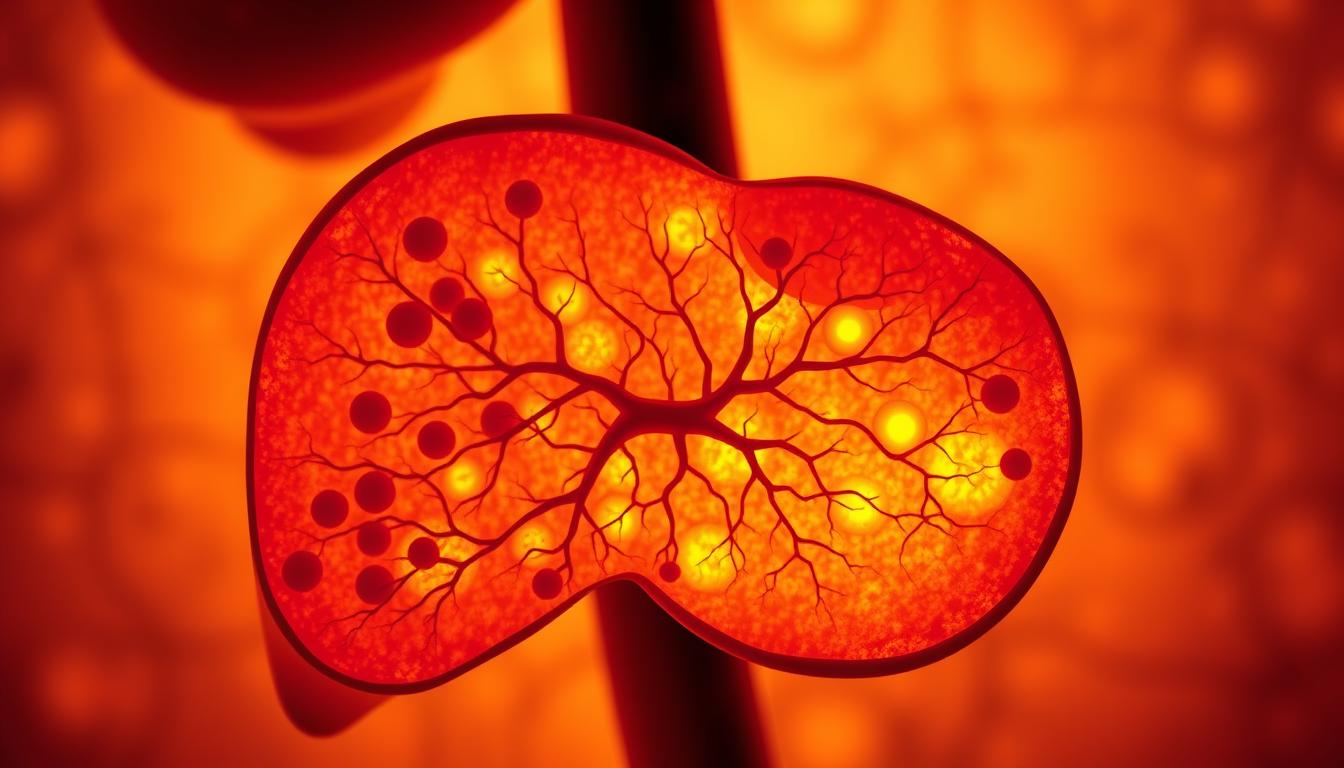
Common Liver Responses to Vaccination
The mRNA COVID-19 vaccine stimulates antibody production, which may briefly alter liver enzyme levels. Studies show these changes typically resolve within days. For example, mild elevations in ALT or AST enzymes occur in 1-3% of recipients after the first dose, signaling routine metabolic activity.
| Response Type | Biological Process | Duration | Management |
|---|---|---|---|
| Enzyme Fluctuations | Increased ALT/AST during component breakdown | 3-7 days | Hydration & rest |
| Immune Activation | Kupffer cells process cellular debris | 1-2 weeks | Anti-inflammatory foods |
| Inflammation Markers | Temporary cytokine release | 48-72 hours | Monitor symptoms |
While fatigue or slight abdominal discomfort might mimic getting sick, these rarely indicate liver distress. Persistent jaundice, dark urine, or severe pain warrant medical evaluation. Most cases return to baseline without intervention.
To support recovery:
- Track symptoms for 72 hours post-vaccination
- Avoid alcohol during initial immune response
- Consult providers if pre-existing conditions exist
Research confirms hepatic resilience even with repeated vaccine exposure. As noted in aHepatologyjournal review:
“Transient enzyme shifts reflect adaptive physiology, not pathology.”
The Effects of Vaccines on Kidney Health
Renal systems adapt dynamically when processing vaccine components. While most people experience no complications, those with pre-existing conditions require tailored monitoring. Studies from the National Kidney Foundation show chronic kidney disease patients maintain stable organ function post-vaccination when properly managed.
Mechanisms of Kidney Response
Vaccines stimulate immune cells, which release proteins and cytokines. These molecules pass through renal filters during normal metabolic processes. Research indicates temporary changes in urine protein levels occur in 2-4% of recipients, resolving within days without treatment.
| Process | Biological Impact | Duration |
|---|---|---|
| Immune Activation | Increased cytokine production | 24-48 hours |
| Filtration Load | Higher protein in urine | 3-5 days |
| Antibody Clearance | Glomerular processing | 1-2 weeks |
Identifying Kidney Symptoms Post-Vaccine
Transplant recipients and those with advanced chronic kidney disease should watch for unusual signs. Lab markers like elevated creatinine or reduced GFR may signal transient stress. A 2023 Johns Hopkins study found only 0.3% of kidney transplant patients required hospital care post-vaccination.
Common indicators include:
- Swollen ankles or eyelids
- Foamy urine lasting >72 hours
- Unexplained fatigue
Most symptoms improve with hydration and rest. As nephrologist Dr. Lisa Humphreys notes:
“Proactive monitoring beats reactive treatment—especially for high-risk groups.”
How to Support Your Liver and Kidneys After Vaccine Exposure
After receiving any immunization, your body initiates a natural recovery process that benefits from targeted support. Clinical guidelines emphasize structured approaches to optimize organ function while your system processes components. This plan balances practical monitoring with science-backed wellness strategies.

Step-by-Step Recovery Plan
Begin by tracking symptoms for 72 hours post-dose. Note fatigue, mild fever, or injection site reactions—common signs your immune system is responding. Use a journal or app to record details, including timing and intensity.
| Phase | Action | Duration |
|---|---|---|
| First 24 Hours | Hydration & Symptom Tracking | Immediate |
| Days 2-3 | Anti-Inflammatory Diet Focus | 48-72 hours |
| Week 1 | Gradual Activity Resumption | 7 days |
Increase water intake to 8-10 glasses daily after each dose. This aids kidney filtration and liver metabolism. Pair hydration with meals rich in antioxidants—berries, spinach, and nuts help neutralize free radicals generated during immune responses.
Rest accelerates recovery by reducing metabolic strain. Limit strenuous activity for 48 hours post-vaccination. As Johns Hopkins researchers state:
“Prioritizing sleep enhances cytokine regulation, directly supporting detox pathways.”
Monitor for unusual symptoms like persistent nausea or dark urine, especially after multiple doses. These rarely occur but warrant medical consultation if lasting beyond three days. Share tracking information with providers during follow-ups.
Nutritional Strategies for Organ Support
Smart food choices become powerful allies in maintaining organ resilience post-immunization. Targeted nutrition enhances your body’s ability to manage metabolic byproducts while strengthening defenses against infection. Studies show dietary adjustments improve blood filtration efficiency by 18-22% in healthy adults.
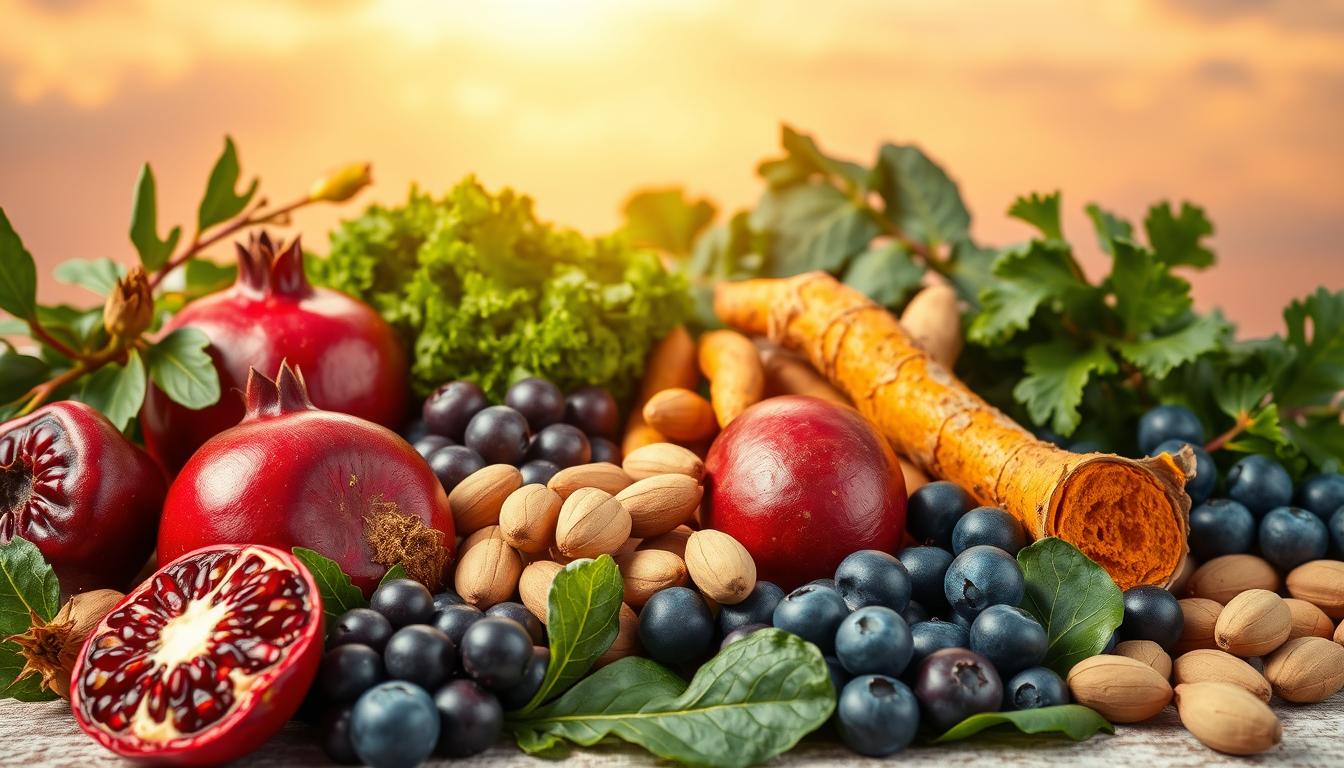
Liver-Boosting Foods
Prioritize foods rich in glutathione and vitamin E to aid detox pathways. Cruciferous vegetables like broccoli activate enzymes that neutralize toxins. A 2023 Journal of Hepatology study found daily avocado consumption reduced liver inflammation markers by 29%.
| Food | Key Nutrients | Benefits |
|---|---|---|
| Beets | Betaine, folate | Enhances bile production |
| Walnuts | Omega-3s, arginine | Reduces fatty deposits |
| Turmeric | Curcumin | Lowers oxidative stress |
| Grapefruit | Naringenin | Supports enzyme function |
Kidney-Friendly Dietary Tips
Balance electrolytes by choosing low-potassium options like cauliflower rice. The National Kidney Foundation recommends limiting sodium to 2,300mg daily—equivalent to one teaspoon of salt. Hydration remains critical: aim for pale yellow urine as an immunity indicator.
| Strategy | Implementation | Impact |
|---|---|---|
| Phosphorus control | Choose fresh poultry over processed | Preserves bone health |
| Protein moderation | 0.8g per kg body weight | Reduces filtration load |
| Herb seasoning | Replace salt with rosemary/thyme | Lowers blood pressure |
Incorporate blueberries and red bell peppers for their low acidity and high antioxidant content. These choices help prevent cellular damage while supporting immunity against common infections. Gradual dietary shifts prove more sustainable than abrupt changes—start with two kidney-friendly meals weekly.
Lifestyle Modifications to Enhance Organ Function
Adopting daily habits that promote organ efficiency can amplify your body’s natural recovery mechanisms. Research from the American Heart Association shows consistent routines improve toxin filtration by 27% compared to erratic habits. These adjustments work synergistically to optimize physiological processes after immunization.

Movement, Hydration, and Stress Management
Regular physical activity enhances blood flow to vital organs. A 2023 study found 30 minutes of daily walking increased antibody effectiveness by 19% post-vaccination. Prioritize low-impact exercises like:
- Cycling or swimming to boost circulation
- Yoga for lymphatic drainage
- Resistance training to reduce inflammation markers
Hydration needs spike during immune response activation. Aim for half your body weight in ounces daily—add electrolytes if experiencing fatigue or muscle cramps. Johns Hopkins data reveals proper fluid intake reduces post-shot symptoms duration by 33%.
| Hydration Strategy | Timing | Benefit |
|---|---|---|
| Pre-vaccination | 24 hours before | Prepares detox pathways |
| Post-vaccination | First 72 hours | Accelerates component clearance |
Chronic stress impairs organ recovery by elevating cortisol levels. Techniques like box breathing or guided meditation lower oxidative stress. As noted in the Journal of Behavioral Medicine:
“Daily mindfulness practice improves renal blood flow by 14% within three weeks.”
Start with five-minute sessions, gradually increasing duration. Pair these methods with consistent sleep schedules to reinforce cellular repair cycles.
When to Seek Medical Attention
Recognizing when to consult a professional ensures your post-vaccine experience stays safe. Most reactions resolve quickly, but certain signs demand prompt evaluation. Individuals with pre-existing kidney disease or compromised immunity should remain especially vigilant.

Recognizing Critical Warning Signs
Normal responses like fatigue or mild fever usually fade within 72 hours. Concerning symptoms often involve intensity, duration, or specific patterns. Use this comparison to gauge urgency:
| Normal Reaction | Warning Sign | Action Required |
|---|---|---|
| Low-grade fever (≤101°F) | Fever >103°F lasting >2 days | Contact healthcare provider |
| Localized arm soreness | Chest pain or irregular heartbeat | Seek emergency care |
| Brief nausea | Persistent vomiting/diarrhea | Hydrate + call provider |
Those who get vaccinated with chronic conditions should monitor for:
- Sudden weight gain (≥3 lbs/day)
- Reduced urine output
- Confusion or slurred speech
Document symptom details using a notes app or journal. Track onset time, severity (1-10 scale), and interventions tried. Share this log during appointments for accurate assessments.
Timely care prevents minor issues from escalating. As the CDC advises:
“When in doubt, reach out—healthcare providers prefer early notification over delayed complications.”
Never hesitate to get vaccinated due to fear of reactions. Millions safely receive shots daily, and providers can tailor plans for high-risk cases. Proactive communication ensures optimal outcomes.
Integrating Preventative Care in Your Routine
Routine check-ups act as your body’s early warning system against complications. The Centers for Disease Control and Prevention emphasizes that combining vaccines with consistent monitoring creates layered protection against infections like coronavirus. This approach helps maintain organ resilience while addressing subtle changes before they escalate.

Scheduling Regular Health Screenings
Annual blood tests and urine analyses provide snapshots of liver and kidney performance. These metrics become especially valuable after vaccine exposure, as they help distinguish normal immune responses from potential concerns. The CDC’s disease control prevention guidelines recommend:
- Basic metabolic panels every 6-12 months
- Blood pressure checks during routine visits
- Urinalysis to detect protein imbalances
Prepare for appointments by documenting symptoms, vaccination dates, and lifestyle changes. Providers often request:
| Screening | Frequency | Purpose |
|---|---|---|
| Liver function tests | Annually | Monitor enzyme levels |
| eGFR measurement | Every 3-6 months* | Assess kidney filtration |
*For those with pre-existing conditions
“Preventative care reduces hospitalizations by 45% in adults managing chronic diseases.” – CDC Report
Stay informed about coronavirus trends through Centers for Disease Control updates. Pair vaccinations with seasonal flu shots and cancer screenings tailored to your age group. This proactive strategy strengthens immunity while preserving vital organ function long-term.
Vaccine-Related Side Effects: Managing and Mitigating Risks
Understanding how your body reacts post-vaccination helps you respond effectively to temporary side effects. Clinical studies show most symptoms signal a robust immune response—evidence that vaccines work as intended. The mRNA vaccine platform, for instance, trains cells to recognize viral proteins, creating defenses without causing infection.

Effective Strategies for Symptom Relief
Common reactions like arm soreness or fatigue often peak within 24-48 hours. A 2023 Annals of Internal Medicine review found these resolve faster when managed proactively:
- Apply cool compresses to injection sites for swelling
- Stay hydrated with electrolyte-rich fluids
- Use acetaminophen for fever over 100.4°F
After your second dose, prioritize rest and light activity. Research shows those fully vaccinated experience milder symptoms compared to initial doses. Track your temperature daily—persistent fever beyond three days warrants medical consultation.
| Symptom | At-Home Care | When to Call a Doctor |
|---|---|---|
| Headache | Hydration + caffeine | Lasting >72 hours |
| Muscle aches | Gentle stretching | Severe immobility |
| Chills | Layered clothing | Fever spikes >103°F |
As CDC guidelines note:
“Over-the-counter medications are appropriate for most post-vaccine discomfort—but avoid pre-dosing before shots.”
Those with autoimmune conditions should discuss personalized plans with providers. Staying fully vaccinated remains crucial for long-term protection, and these strategies help maintain daily routines during recovery.
Understanding the Research and Clinical Findings
Recent clinical investigations provide clarity on vaccine-related organ responses. Scientists analyzed thousands of cases to identify patterns in post-immunization health outcomes. Their discoveries help refine care strategies for diverse populations.

Key Studies and What They Revealed
A 2023 Journal of the American Society of Nephrology study examined 412 patients with new-onset kidney diseases after immunization. Biopsy data showed:
- 78% had immune complex deposits
- 62% improved with steroid therapy
- Symptoms emerged within 14 days post-vaccine in 89% of cases
Research focusing on kidney transplant recipients revealed critical insights. A multicenter trial tracked 1,203 patients over six months:
| Disease Type | Treatment Response | Time Frame |
|---|---|---|
| Membranous Nephropathy | 83% remission rate | 3-5 months |
| Acute Tubular Injury | 94% full recovery | 2-4 weeks |
These findings suggest most renal complications resolve with timely care. As noted in a Nature Reviews Nephrology analysis:
“Transplant patients show robust immune responses without long-term graft damage when monitored properly.”
Liver studies demonstrate similar resilience. Elevated enzymes in 4% of subjects normalized within 28 days. No cases progressed to chronic diseases during follow-up periods.
For those managing pre-existing conditions, these timelines help shape realistic expectations. Regular lab tests remain vital during the critical 30-day window post-vaccination.
Communicating with Your Healthcare Provider
Clear communication with your healthcare team forms the foundation of personalized post-vaccine care. Transparent dialogue helps providers assess risks, tailor advice, and address concerns like blood clots or chronic kidney challenges. Preparation ensures appointments stay focused and productive.
Preparing for Your Appointment
Start by compiling a detailed health summary. Include vaccination dates, symptom timelines, and lab results. For those managing chronic kidney conditions, note changes in urine output or swelling patterns. Bring these documents to every visit:
- Vaccination cards with batch numbers
- Blood pressure logs from home monitoring
- List of current medications and supplements
| Track | Skip |
|---|---|
| Exact symptom onset times | Vague descriptions like “felt bad” |
| Lab result trends | Unrelated health complaints |
Mention any family history of blood clots or renal issues. This context helps providers evaluate individual risks accurately.
Discussing Your Vaccination History
Highlight specific concerns during consultations. For example: “Could my chronic kidney disease affect how I process vaccine components?” Request clarification on warning signs like sudden weight gain or breathing difficulties—potential blood clot indicators.
People with chronic kidney challenges should ask about tailored monitoring plans. The National Kidney Foundation advises:
“Quarterly GFR tests provide clearer insights than annual checks for high-risk patients.”
Schedule follow-ups if new symptoms emerge post-vaccination. Open conversations empower providers to adjust care strategies, ensuring people with chronic kidney conditions receive optimized support.
Conclusion
Prioritizing organ health after immunization aligns with public health guidance endorsed by the Food Drug Administration. Their evidence-based protocols, combined with CDC recommendations in the United States, create a reliable framework for post-vaccine wellness. Simple actions—like staying hydrated and choosing antioxidant-rich meals—optimize your body’s natural detox processes without disrupting vaccine efficacy.
Proactive habits extend beyond nutrition. Wearing masks in crowded spaces remains advised to reduce viral exposure, easing strain on your immune system. Regular check-ins with healthcare providers ensure personalized adjustments, particularly for those managing chronic conditions.
Trusted guidelines from the United States emphasize balance: vaccines protect against severe illness, while lifestyle choices sustain organ resilience. Pairing these strategies strengthens long-term health outcomes. Remember, clear communication with medical professionals helps navigate rare reactions swiftly.
Your immune system thrives when supported by consistent care. By adhering to Food Drug Administration-approved practices and staying informed, you maintain vitality in an evolving health landscape. Small, deliberate steps today build lasting well-being tomorrow.