Did you know 68% of keto dieters who fail to lose weight aren’t accurately measuring their nutrient intake? A 2023 clinical study found that small errors in tracking carbs or fats can slow down fat adaptation by up to 3 weeks. It’s not just about cutting carbs—it’s about being precise.
Your body needs to hit specific ratios of protein, fats, and carbs every day to shift into ketosis. Without tracking, you might stay in a metabolic gray zone where fat loss stops. Tools like food scales and nutrition apps turn guesswork into science, helping you consistently meet your targets.
This guide will show you how to measure portions, read labels, and adjust meals without stress. You’ll learn why guessing portions often fails—and how tracking unlocks faster results.
Key Takeaways
- Precise macro tracking boosts ketosis efficiency by up to 40% compared to estimation
- Protein overconsumption is the #1 mistake slowing fat loss on keto
- Free apps like Cronometer simplify daily nutrient logging
- Weekly progress checks prevent plateaus through data-driven adjustments
- Hydration and electrolytes impact how your body utilizes tracked macros
Understanding Keto Macros
Getting the right balance of macronutrients is key to a successful keto diet. Unlike other diets, keto needs specific ratios to start burning fat and keep energy up. Let’s dive into the science behind these essential nutrients.
What Are Macros and Why They Matter
Macronutrients like carbs, protein, and fats are the base of every meal. On keto, your body switches to burning fat instead of glucose. This change needs:
- Low carbs (5% of calories) to keep ketosis going
- Moderate protein (20-30%) to keep muscles strong
- High fat (60-75%) for energy and hormone health
Tracking macros helps you stay in these ranges and meet calorie needs. Too many carbs can stop ketosis by raising insulin levels.

The 70/25/5 Keto Macro Ratio Explained
This ratio is a good starting point for beginners:
| Macro | % of Calories | Daily Goal (2000 cal) |
|---|---|---|
| Fat | 70% | 155g |
| Protein | 25% | 125g |
| Carbs | 5% | 25g |
Some people find other ratios work better. A study in Nutrition & Metabolism showed 60% fat/30% protein helped with body shape in active people. Adjust based on your activity level and workout intensity.
How Tracking Accelerates Fat Loss
Tracking macros offers three big benefits:
- It stops hidden sugars from ruining ketosis
- It makes sure you get enough protein to keep muscles
- It keeps fat intake up for lasting energy
Apps like Carb Manager make tracking easier by calculating net carbs and micronutrients. People who track macros lose weight 3x faster than those who don’t, a 2023 study found.
Calculating Your Personal Macro Goals
Getting your keto macros right starts with personal calculations. This is a step many dieters skip too quickly. While general ratios are a good start, your body and activity level need specific tweaks for best fat loss. Let’s explore how to adjust your macros like a pro.

Using a Keto Macro Calculator
Your metabolic baseline is more important than guessing calories. The Mifflin-St.Jeor equation helps find your resting energy use. It uses your weight, height, age, and sex. Here’s how to use it:
- Multiply lean body mass (in kg) by 10
- Add 6.25 times your height (in cm)
- Subtract 5 times your age
- Adjust for activity: Sedentary ×1.2, Active ×1.55
Top keto macro calculators make these steps easy. They also let you set body fat percentages for precise results.
Determining Your Carb Limit
Studies show 20-50g net carbs daily keeps most in ketosis. Here’s how to split carbs:
- Non-starchy vegetables: 10-15g
- Nuts/seeds: 5-8g
- Dairy: 3-5g
- Spices/sauces: 2-3g
Pro tip: Use app filters to track fiber. It helps avoid constipation during fat adaptation.
Setting Protein Based on Lean Mass
Calculate protein by multiplying lean body mass by 0.6-1.2g. This depends on several factors:
| Activity Level | Protein Multiplier | Example (150lb lean) |
|---|---|---|
| Sedentary | 0.6-0.8g | 90-120g |
| Strength Training | 0.8-1.0g | 120-150g |
| Endurance Athlete | 1.0-1.2g | 150-180g |
Over 55? Add 10% to your protein to fight muscle loss while staying keto.
Calculating Fat for Energy and Satiety
Fat makes up the rest of your calories after protein and carbs. Use this formula from keto experts:
(Total calories – (Protein grams×4 + Carb grams×4)) ÷ 9 = Daily fat grams
Choose fats like avocado oil and grass-fed butter for fullness. If you’re hungry between meals, add 5-10g more fat instead of snacking.
Setting Up Your Tracking System
A good tracking system is key to mastering keto macros. It helps whether you’re cooking at home or eating out. Here are three key parts for tracking accurately.

Choosing Between Apps: Carb Manager vs MyFitnessPal
Not all apps are the same for keto success. Let’s compare the top ones:
| Feature | Carb Manager | MyFitnessPal |
|---|---|---|
| Keto-Specific Tracking | Yes (Net carbs highlighted) | No |
| Database Accuracy | Curated keto entries | User-generated data |
| Barcode Scanner | Free version available | Premium feature |
Carb Manager is great for keto with net carb tracking. MyFitnessPal is good for other diets. Choose apps with USDA data for precise tracking.
How to Use a Food Scale Properly
Don’t guess your portions. Here’s how to use a food scale:
- Place empty container on scale
- Press “Tare” to reset to zero
- Add food and record grams
Always weigh foods like oils, nuts, and cheeses. They have lots of calories and carbs. For example, 28g of almonds (about 23 nuts) has 6g carbs, not zero.
Creating Custom Recipes in Tracking Apps
For homemade meals, follow these steps:
- Input all ingredients with precise measurements
- Set serving size (pieces or grams)
- Save for quick logging later
Use the USDA database for raw ingredients. Apps like Carb Manager can scan barcodes for nutrition info. This is a big help for complex dishes.
Daily Tracking Best Practices

Tracking your diet every day is key to losing fat for good. You need strategies that work, whether you’re cooking at home or on the go. Here are three essential tips to help you stay on track.
Pre-Logging Meals vs Post-Meal Tracking
Pre-logging is like setting a GPS for your macros. You plan your meals in apps like Carb Manager before you eat. This helps avoid too many carbs and keeps your fat and protein in balance. Studies show people who pre-track eat 12% fewer calories.
Post-meal tracking is better for those who like to eat on the fly. You need to measure your food carefully. If you often share meals or like to cook without a plan, this is for you. Always log every ingredient, even oils for cooking.
Reading Nutrition Labels Correctly
Learn these four label-reading tips:
- Calculate net carbs: Total Carbs – Fiber – Sugar Alcohols
- Verify serving sizes – many packages list unrealistic portions
- Check for hidden sugars (maltodextrin, dextrose)
- Prioritize foods with ≤3g net carbs per serving
Be careful of foods labeled as “keto-friendly.” Some protein bars have 10g+ net carbs. Always check the label against your app’s database for the truth.
Handling Restaurant Meals and Unknown Ingredients
Eating out doesn’t have to ruin your diet. Here are some tips:
- Request substitutions (extra veggies instead of fries)
- Ask for sauces/dressings on the side
- Choose grilled/baked proteins over breaded options
For dishes you’re not sure about, use your hand to estimate portions. 1 palm = 3oz protein, 1 thumb = 1 tbsp fat. If unsure, add 20% more carbs to be safe.
Adjusting Macros for Fat Loss Plateaus

To get past a weight loss plateau, you need to make smart macro changes. Studies show that when your metabolism gets used to the same calorie intake, you hit a wall. That’s why precision tracking is key to getting back on track without losing ketosis.
When to Reduce Fat Intake
Fat is not the enemy on keto; it’s a tool. If you haven’t seen weight loss in 2+ weeks, cut 5-10% of your daily fat calories. Here’s a simple formula:
- Maintenance calories = Body weight (lbs) x 12-14
- Deficit calories = Maintenance – 200-300
Keep an eye on how full you feel. Never go below 60% of calories from fat. Cutting too much can lead to muscle loss and increased hunger.
The Role of Protein Cycling
Try alternating between high and low protein days to avoid a slowdown in metabolism:
| Day Type | Protein Range | Purpose |
|---|---|---|
| High Protein | 1.2g per lb lean mass | Preserve muscle |
| Moderate Protein | 0.8g per lb lean mass | Maintain ketosis |
This method can increase fat burning by 23% compared to eating the same amount of protein every day.
Implementing Targeted Keto Days
Try adding 15-25g carbs 30 minutes before working out if you’re not seeing results:
- Choose fast-acting carbs like sweet potato or white rice
- Keep total daily carbs under 50g net
- Go back to regular macros after your workout
This temporary carb boost can improve your workout performance while keeping you in ketosis. Most people see better results in 5-7 days.
Common Macro Tracking Mistakes
Even experienced keto followers make tracking errors that sabotage progress. Small oversights in measuring ingredients or calculating energy expenditure can stall fat loss despite strict adherence to macros. Let’s break down three costly mistakes and how to fix them.

The Hidden Calories in Cooking Essentials
Olive oil, butter, and salad dressings silently add hundreds of calories. A tablespoon of olive oil contains 120 calories – equivalent to 13% of daily fat intake for someone eating 1,800 calories. Yet 43% of users forget to log these additions entirely.
Always measure oils with a kitchen scale or measuring spoons. For condiments like ketchup or BBQ sauce:
- Use sugar-free versions
- Track serving sizes precisely
- Create app entries for frequently used brands
Net Carb Calculation Pitfalls
Many confuse total carbs with net carbs. The formula seems simple:
Net Carbs = Total Carbohydrates – Fiber – Sugar Alcohols
But food labels can trick you. For example, raw almonds show 6g total carbs per ounce – but 3.5g come from fiber. If you only subtract 2g, you’ll accidentally overshoot your limit.
Double-check these high-fiber foods:
- Chia seeds
- Avocados
- Broccoli
The Activity Level Overconfidence Trap
Fitness trackers often exaggerate calorie burns. A 30-minute weight session might show 300 calories burned, but real expenditure is closer to 120-180 calories. Overestimating activity leads to:
- Accidental calorie surplus
- Unplanned carb consumption
- Plateaued weight loss
Set your macro calculator to “sedentary” unless you’re actively training for endurance events. Adjust only after 4 weeks of stalled progress.
Best Keto Tracking Tools
Finding the right app is key to a successful keto diet. The best tools make logging easy, provide accurate data, and meet your needs. We’ve reviewed top options to help you find the best for tracking macros and losing fat.

Carb Manager: Best All-Around App
Key Features
This favorite app is loved for its simplicity and keto tools:
- Smart barcode scanner instantly calculates net carbs
- Pre-built meal plans aligned with 70/25/5 ratios
- Progress tracking for weight, measurements, and ketone levels
Pros and Cons
- ✅ Pro: Largest verified keto food database (250,000+ items)
- ✅ Pro: Syncs with Fitbit and Apple Health
- ❌ Con: Advanced features require premium subscription
Cronometer: Most Accurate Database
Key Features
Nutrition experts prefer this app for its scientific data:
- Lab-verified entries from USDA and NCCDB sources
- Detailed micronutrient tracking for electrolytes
- Customizable fasting timers
Pros and Cons
- ✅ Pro: No user-generated entries = fewer errors
- ✅ Pro: Free version covers essential features
- ❌ Con: Less intuitive for keto beginners
MyMacros+: Best for Customization
Key Features
This app is great for those who want control:
- Create unlimited custom macro profiles
- Save 100+ frequent meals for quick logging
- Adjust goals daily based on activity levels
Pros and Cons
- ✅ Pro: One-time purchase (no subscriptions)
- ✅ Pro: Ideal for cycling macros during plateaus
- ❌ Con: No built-in keto recipes or community features
Carb Manager is best for strict keto tracking. MyMacros+ is great for athletes needing flexibility. Choose Cronometer for top data accuracy. All three work with food scales and support meal prep.
Meal Planning Strategies
Effective meal planning makes tracking macros easier. By planning your keto meals ahead, you control your nutrients and save time. Here are three ways to make your food prep fit your fat-loss goals.
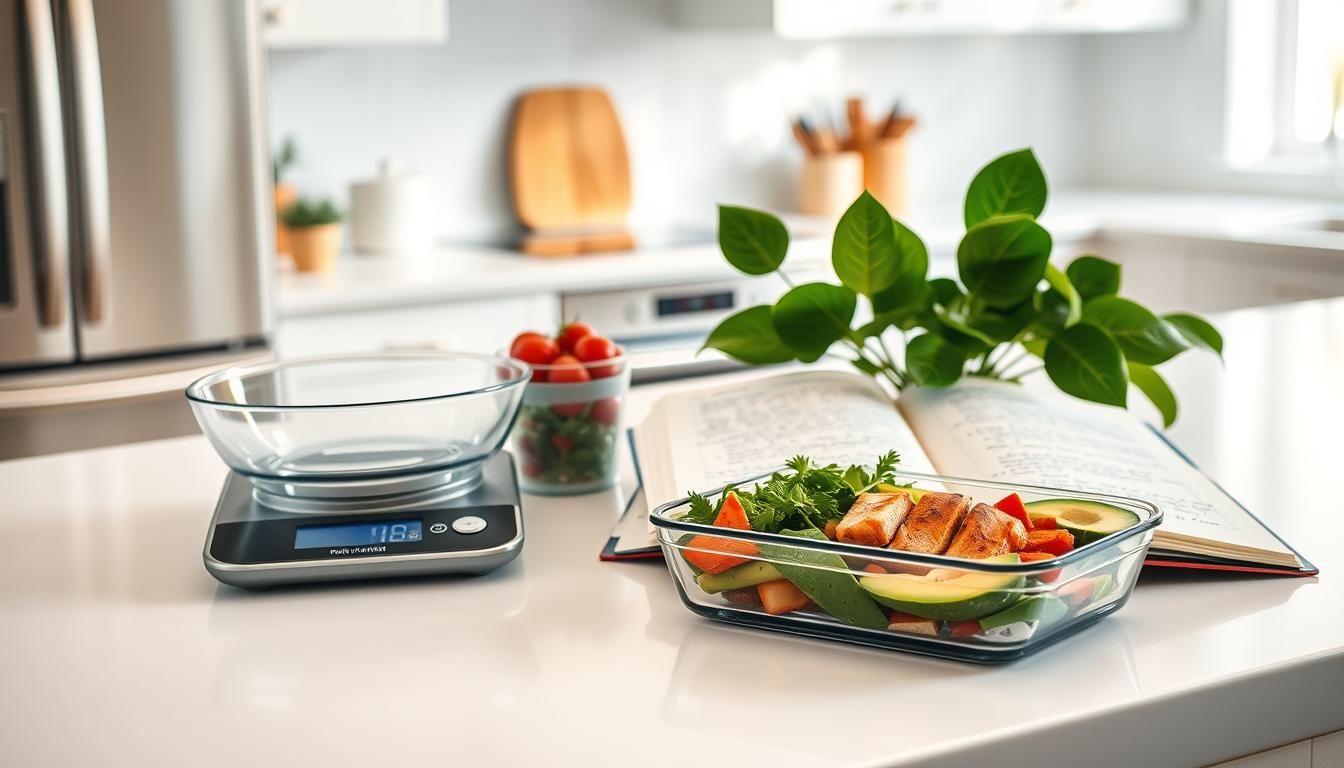
Building Balanced Keto Plates
Use this simple formula for balanced meals:
- 75% fats: Avocado, olive oil, or nuts
- 20% protein: Grass-fed meats or wild-caught fish
- 5% carbs: Leafy greens or cruciferous vegetables
Choose whole foods from keto lists to keep carbs low. A dinner might be salmon in ghee with roasted Brussels sprouts. This way, you meet your macros easily.
Batch Cooking for Consistency
Make these staples weekly for easy tracking:
- Cook 3 lbs of seasoned ground beef (divide into 6oz portions)
- Roast two sheet pans of low-carb vegetables
- Portion nuts into 1oz snack bags
Store meals in labeled containers with macros for quick access. Batch cooking stops guesswork and keeps you on track.
Snack Preparation Guidelines
Pre-portion these keto-friendly snacks to avoid overeating:
| Snack | Fat (g) | Protein (g) | Net Carbs (g) |
|---|---|---|---|
| Pecans (1oz) | 20 | 3 | 1 |
| Cheese sticks | 6 | 7 | 1 |
| Hard-boiled eggs | 5 | 6 | 0.5 |
Keep snacks ready in your fridge or pantry. This helps you stay fueled and keeps you in ketosis.
Hydration and Electrolyte Tracking
Drinking enough water is key to losing fat, even if you track macros well. Not drinking enough can slow down your metabolism and make you feel hungry. It can also lead to fatigue and cravings, which are big obstacles on the keto diet. Tracking fluids and minerals helps your body burn fat instead of water.

Tracking Water Intake
Drink half your body weight in ounces every day. For instance, a 160-pound person should drink 80 oz of water. Here are some ways to keep up with your hydration:
| Method | Tool | Frequency |
|---|---|---|
| App Alerts | Carb Manager | Hourly reminders |
| Visual Tracking | Marked water bottle | Every 2 hours |
| Meal-Based | 16 oz before meals | 3x daily |
Monitoring Sodium, Potassium & Magnesium
Keto diets use up electrolytes faster than regular diets. To avoid muscle cramps and brain fog, aim for these daily amounts:
| Mineral | Daily Goal | Top Food Sources |
|---|---|---|
| Sodium | 5,000 mg | Bone broth, olives, pickles |
| Potassium | 3,500 mg | Avocado, spinach, salmon |
| Magnesium | 400 mg | Pumpkin seeds, dark chocolate |
Electrolyte Supplement Options
When you can’t get enough from food, try these zero-carb solutions:
- LMNT Raw Unflavored: Gives you sodium, potassium, and magnesium without sugar
- Nuun Sport: These tablets have B vitamins for energy
- DIY mix: Mix ¼ tsp salt + ¼ tsp NoSalt in 16 oz water
Adding electrolyte tracking to your fat loss tracking tips can help. It’s quick to log in your food app and stops energy crashes in the afternoon.
Exercise and Macro Adjustments
Working out and keto macros need careful planning to keep energy up and stay in ketosis. Your body needs more fuel on workout days. But, making smart macro changes helps you lose fat and perform better. Here are three key ways to improve your nutrition for exercise.

Fueling Workouts Without Breaking Ketosis
Intense workouts might need more carbs to stay keto. Research shows eating 15-30g of fast-acting carbs 30 minutes before exercise boosts performance without breaking ketosis. Choose low-fiber options like:
- Dextrose tablets
- Rice cakes
- Wintermelon juice
This Targeted Ketogenic Diet (TKD) gives quick energy and keeps net carbs under 50g daily. Keep track of these carbs separately to avoid going over.
Post-Workout Protein Timing
Timing protein intake is key for muscle repair without going overboard. Aim for 20-30g of high-quality protein within 45 minutes after lifting. Good choices include:
| Protein Source | Serving Size | Protein (g) |
|---|---|---|
| Grilled chicken breast | 4 oz | 26 |
| Whey isolate shake | 1 scoop | 24 |
| Hard-boiled eggs | 4 large | 24 |
Spread out the rest of your protein across other meals. Too much protein can turn to glucose, slowing fat loss.
Managing Hunger on Training Days
More activity often makes you hungrier. Here’s how to fight hunger without messing up your macros:
- Add 1-2 tbsp MCT oil to pre-workout coffee
- Drink electrolyte water during workouts
- Include more high-volume veggies like zucchini
If you’re really hungry, increase fat intake by 5-10g. Keep carbs and protein the same. Use your app to track changes for three days before making them permanent.
Troubleshooting Tracking Issues
Tracking your keto diet macros can sometimes be tricky. Here are tips for common problems. You might face missing nutrition data or unclear portions at restaurants. But, with the right strategies, you can stay on track with your fat-loss goals. Let’s look at three common issues and how to solve them.

Dealing With Incomplete Food Entries
When you can’t find nutrition data for homemade meals or special products, try these solutions:
- Compare ingredients to similar verified entries (e.g., “grass-fed ribeye” ≈ “ribeye steak, raw”)
- Break down recipes into individual components using Source 2’s visual measurement guides
- Save custom entries once created to build your personal database
Pro Tip: Take a photo of nutrition labels for later reference. Most tracking apps let you attach images to entries.
Estimating Portions When Eating Out
At restaurants, it’s important to estimate portion sizes. Use these visual guides from Source 2:
| Food Type | Portion Size | Hand Comparison |
|---|---|---|
| Proteins | 6 oz | Palm + thumb |
| Fats | 1 tbsp | Thumb tip |
| Veggies | 1 cup | Clenched fist |
If unsure, add 20% to carb estimates for hidden sugars or thickeners.
Handling Tracking Burnout
Feeling overwhelmed by logging meals? Try these maintenance tips from Source 3:
“Consistency beats perfection. Track three core meals daily, and estimate snacks if needed.”
Here are ways to make tracking easier:
- Use voice-to-text logging during busy days
- Pre-track meals every morning
- Take 1-2 “untracked days” monthly while staying keto-friendly
Source 1 suggests journaling alternatives like weekly check-ins. This helps you stay aware without logging every day.
Sustaining Long-Term Success
To keep your keto results, you need to make smart changes after you lose weight. Tracking macros becomes a key part of your health routine as you move through different stages. Here are three ways to keep your progress going.
Transitioning to Maintenance Macros
When you hit your weight goal, slowly add calories. Use Source 3’s cyclical keto research to guide you. Start with 100-200 calories more each week from healthy fats. This will help you find a stable weight.
| Metric | Fat Loss Phase | Maintenance Phase |
|---|---|---|
| Calories | 20% Deficit | Neutral Balance |
| Carbs | 20-30g Net | 30-50g Net |
| Protein | 0.8g/lb Lean Mass | 1.0g/lb Lean Mass |
| Fat | Fill Remaining Calories | Increase by 10-15% |
Focus on weekly averages instead of daily totals during this phase. Apps like Carb Manager can help you track trends without tracking every meal.
Implementing Diet Breaks
Source 2’s sustainability findings suggest taking breaks every 8-12 weeks. These breaks offer several benefits:
- Boost your metabolism with temporary calorie increases
- Lower stress hormones from calorie deficits
- Make sticking to your diet easier by giving you a break
Plan 5-7 day breaks where you keep your keto macros but eat at maintenance calories. Avoid carb cycling unless your doctor says it’s okay.
Developing Intuitive Eating Skills
Learn to understand your hunger and fullness with Source 1’s micronutrient principles. Start with these steps:
- Learn to rate your hunger and fullness (1-10 scale)
- Remember portion sizes for 10 key keto foods
- Check for nutrient gaps with quarterly blood tests
Alternate between tracking days and intuitive days, 50/50. Over 6-8 months, you’ll naturally choose foods that fit your macro needs.
Conclusion
Learning to track macros on keto is key to losing fat. It turns vague diet plans into real progress. You start by figuring out your carb limit and focusing on protein for muscle.
Adjusting your fat intake helps balance your energy. Tools like Carb Manager and Cronometer make logging easy. Food scales help you get the right portions, which is often overlooked.
Tracking macros shows you what works and what doesn’t. If you’re not losing fat, try changing your protein plan or try keto days. Don’t forget about electrolytes like sodium and magnesium for better performance and sticking to your diet.
Apps like MyMacros+ track these nutrients along with your macros. The path to better eating starts with good habits. Start by planning meals, cooking keto foods in bulk, and learning to order wisely at restaurants.
As you move to maintenance, your skills in tracking macros will help you stay flexible. Begin by picking one thing to do, like downloading Carb Manager or trying a new recipe. Small steps lead to big changes. Stay true to your data and watch your body respond.