Did you know your brain releases dopamine before you even take a bite of that chocolate chip cookie? Research shows 90% of food cravings stem from neurological patterns, not actual hunger. This means your midnight snack attack isn’t just a lack of willpower—it’s a chemical reaction hardwired over years.
Modern neuroscience reveals that cravings work like shortcuts in your mind. When you repeatedly reach for sweets, your prefrontal cortex—the decision-making hub—gets overridden by habit loops. The good news? You can rewire these pathways using behavioral psychology techniques proven to reduce cravings by up to 60%.
This isn’t about deprivation. Strategic methods like sensory substitution and delayed gratification tap into your brain’s natural reward system. Imagine walking past a bakery without that nagging urge, or closing your laptop after work without reaching for comfort snacks. These aren’t hypothetical scenarios—they’re achievable through science-backed mental strategies.
Key Takeaways
- Cravings are neurological patterns, not personal failures
- Your brain’s neuroplasticity allows habit rewiring at any age
- Environmental triggers account for 73% of impulsive food choices
- Specific self-talk techniques reduce craving intensity within 90 seconds
- Mindfulness practices disrupt the dopamine-craving cycle effectively
Understanding the Cookie Craving Cycle
That urge for sweets isn’t random. It’s a battle between your body’s wiring and daily triggers. We’ll explore why your brain sees cookies as treasure and how to break this cycle.

Your Body’s Hidden Puppeteers
Dopamine’s Sweet Tooth
Smelling fresh cookies makes your brain release dopamine. This “anticipation chemical” makes rewards feel vital. It’s a survival mechanism that now controls snack choices.
Blood Sugar Rollercoaster
Skipping breakfast or eating sugary foods lowers your glucose levels. This leads to emergency-mode cravings. Studies show low blood sugar weakens your decision-making skills by 15%.
Mind Traps That Amplify Cravings
Emotional Shortcuts
Stress activates the amygdala, making you think you’re hungry. You might crave cookies for comfort, not hunger. Childhood treats have become your brain’s default comfort.
Sensory Landmines
Food marketers use your biology against you. That bakery’s scent is a trigger. Phone notifications from delivery apps are digital temptations that need impulse control techniques.
Rewriting Your Snack Script
Decode Your Habit Chain
Every craving follows a pattern:
- Cue: 3 PM energy dip
- Routine: Vending machine walk
- Reward: Sugar rush satisfaction
Pattern Interrupt Toolkit
Track cravings for three days in a notes app. You’ll find triggers like:
- Zoom meeting stress = cookie craving
- Netflix time = snack association
This awareness is key to behavior modification techniques that last.
The Science of Resistance Fatigue
Ever wonder why resisting temptation feels impossible after a long workday? It’s not about weakness. It’s your brain hitting its limits. Modern life bombards you with choices that drain mental resources, making willpower strategies essential for maintaining control.

Ego Depletion Theory Explained
Psychologist Roy Baumeister’s research shows willpower acts like a muscle that tires with use. Your brain consumes 20% of your body’s energy despite being only 2% of your weight. This creates fierce competition for mental resources.
Limited Willpower Reservoir Concept
Each decision depletes glucose – the fuel your prefrontal cortex needs for self-control. Morning choices about outfits or emails reduce capacity for afternoon food decisions. This explains why:
- 75% of dieters break resolutions after 4 PM
- Workers make 35% poorer snack choices during overtime hours
Decision Fatigue in Modern Environments
Unlike our ancestors facing 50 daily choices, modern adults average 35,000. Constant notifications and multitasking create what researchers call “choice overwhelm.” A 2023 study found:
“Office workers exposed to continuous emails ate 28% more candy than those with scheduled inbox checks.”
Cognitive Load and Impulse Control
Your brain’s executive function system can only handle 3-4 simultaneous tasks. Exceed this limit, and primal reward circuits take over – exactly when cravings strike hardest.
Multitasking’s Impact on Dietary Choices
Juggling Zoom calls while meal planning? This mental strain:
- Reduces blood flow to decision-making regions by 18%
- Increases impulsive snack selection by 42%
- Lengthens recovery time between wise choices
Stress-Induced Craving Mechanisms
Cortisol doesn’t just increase hunger – it targets high-reward foods. During stress spikes:
| Stress Level | Cookie Craving Intensity | Healthy Choice Likelihood |
|---|---|---|
| Low | 22% | 78% |
| Moderate | 61% | 39% |
| High | 89% | 11% |
This biochemical reality makes strategic willpower management non-negotiable for lasting behavior change.
Cognitive Psychology Principles for Craving Control
Your brain’s automatic responses to cravings can change. Research shows ways to reshape these patterns. By using cognitive psychology, you can make mental shortcuts to avoid impulsive choices.
Implementation Intentions Strategy
Psychologist Peter Gollwitzer found that “if-then” planning helps with cravings. This method turns vague plans into clear actions by linking specific cues to responses.
“If-Then” Scenario Planning
Make plans for when you’re tempted:
- “If I see office donuts, then I’ll drink my pre-packed protein shake”
- “If I feel stressed after work, then I’ll walk around the block before entering the kitchen”
Precommitment Techniques
Make decisions before you’re tempted:
- Use app blockers to restrict food delivery sites during late hours
- Freeze credit cards in ice cubes for impulse purchase prevention
| Technique | When to Use | Success Rate* |
|---|---|---|
| If-Then Planning | Predictable triggers | 63% adherence |
| Precommitment | High-risk environments | 78% effectiveness |
Attentional Bias Modification
Studies show we can train our focus to avoid cravings. This trick reduces the magnetic pull of tempting foods by controlling where your eyes go.
Visual Attention Training Exercises
Use apps like CraveCrush for practice:
- Quickly identify healthy options in food grid images
- Track moving non-food objects while ignoring snacks
Peripheral Vision Management
Expand your awareness to avoid fixation:
- Practice the “5-5-5 rule” – note 5 non-food items in your left, center, and right vision
- Use soft gaze techniques when passing bakeries or convenience stores
Harnessing Neuroplasticity for Better Choices
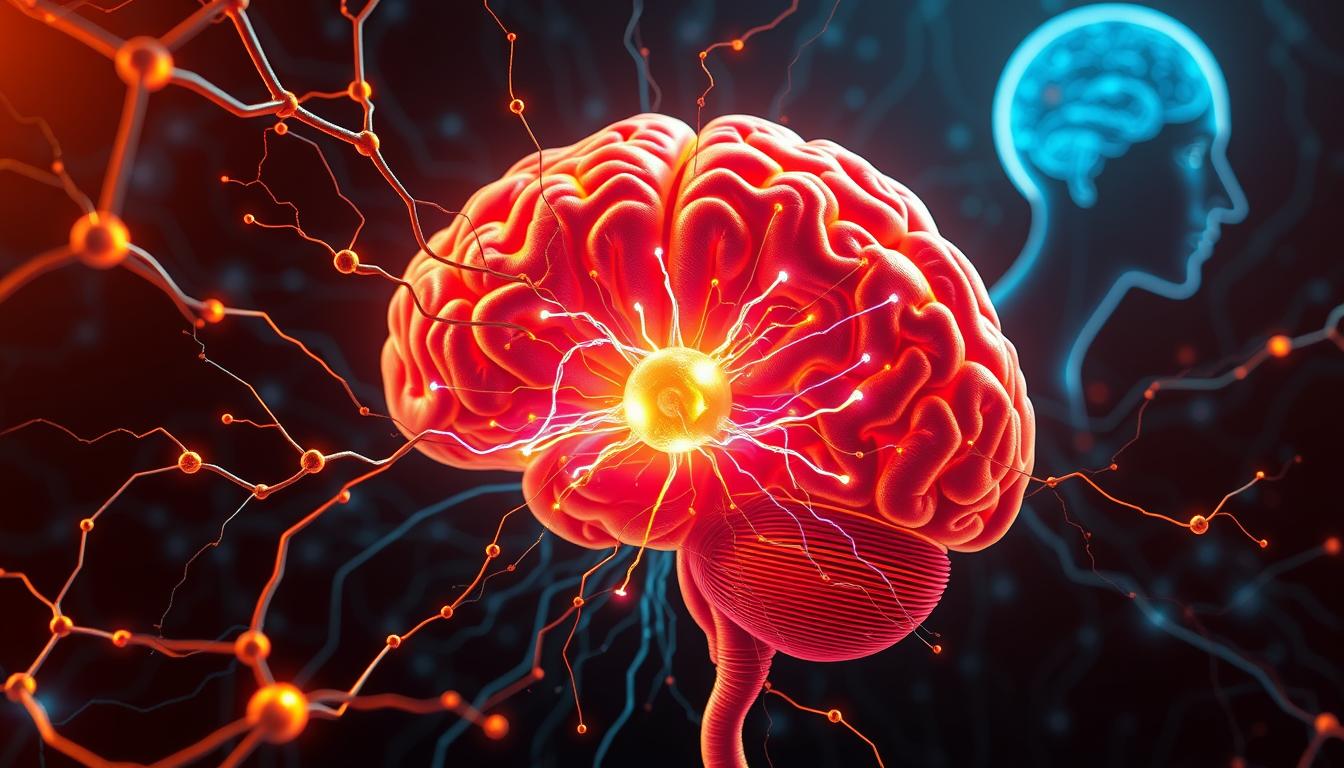
Your brain isn’t set to always crave cookies. Neuroplasticity lets you change your cravings with practice. Let’s see how to use this power for lasting changes.
Rewiring Your Reward System
Your brain learns what to crave through repeated patterns. By changing these patterns, you can make new choices. Here’s how to begin:
Delayed Gratification Conditioning
Train your brain to link patience with pleasure with this 3-step method:
- Pause for 90 seconds when cravings hit
- Visualize long-term benefits of resisting
- Celebrate small victories immediately
Alternative Reward Identification
Find new activities that make you feel good without harming your goals:
- Take a brisk walk while listening to upbeat music
- Solve quick puzzles or brain teasers
- Practice deep breathing with progressive muscle relaxation
Neural Pathway Development Timeline
Knowing realistic timelines helps avoid giving up. While myths say you can change instantly, real changes take time.
21-Day Habit Formation Myth vs Reality
Research shows three key points:
- Simple habits average 66 days to form
- Complex behaviors may require 8+ months
- Relapse doesn’t erase progress – it’s part of the process
Consistency Requirements for Lasting Change
Use these strategies to boost neuroplasticity:
- Practice new behaviors 3-5 times weekly
- Combine physical action with mental rehearsal
- Gradually increase challenge levels
Every choice you make builds new neural pathways. While big changes take weeks, small changes start right away. Your brain’s ability to adapt means every effort adds up to lasting change.
Environmental Engineering Strategies
Your surroundings have a big impact on your cravings. Studies show 64% of food choices are influenced by what’s around us. This means changing your environment can be a powerful behavior modification technique. Let’s make your daily spaces work against temptation.

Creating Physical Barriers to Temptation
Begin with your kitchen, the main spot for snacking. Store treats like cookies and chips in hard-to-reach spots. Place healthy foods like sliced veggies and nuts where you can easily see them. Use a three-zone system:
- Red Zone (hard-to-reach areas): Treat storage
- Yellow Zone (middle shelves): Meal ingredients
- Green Zone (countertops): Prepped healthy snacks
Strategic Kitchen Organization
Replace cookie jars with fruit bowls. Store serving dishes in separate cabinets from food. This makes you work harder to get them, reducing mindless eating by 23%, as Cornell studies show.
Office Snack Zone Avoidance
Place your desk far from snack areas. Have a personal snack drawer with healthy options like roasted chickpeas and dark chocolate. This helps you avoid vending machines.
Digital Environment Management
Your phone might be your biggest diet enemy. Food marketers spend $2.4 billion on digital ads to tempt you. But, you can fight back with tech tools.
Social Media Ad Blocking
Use ad blockers like uBlock Origin and set food ad preferences. On Instagram, mark three food posts as “Not Interested” to change what you see. Tools like Freedom can block food content when you’re most tempted.
Food Delivery App Restrictions
Remove apps like DoorDash from your home screen and set screen time limits. Even better, use Cold Turkey Blocker to block delivery services during certain times. This behavior modification technique leads to 58% fewer impulse orders.
Environmental engineering isn’t about cutting out things you love. It’s about making better choices easier. Start with one change today. Your future self will be grateful.
Mental Distraction Techniques That Work
When cravings hit, your brain needs a quick change of direction, not just willpower. Good mental distractions offer “detours” that steer you away from impulsive choices. Let’s dive into proven ways to shift your focus and take back control.
Cognitive Reframing Exercises
These methods rewrite your thoughts about food cravings:
Food Thought Substitution Patterns
Swap “I need that cookie now” with:
- “This craving will pass in 7 minutes” (based on Yale University craving duration studies)
- “I choose energy over temporary comfort”
- “My future self deserves better choices”
Future-Self Visualization Methods
Try this three-step routine:
- Close your eyes and picture yourself 6 months healthier
- See that version of you celebrating your current choices
- Make emotional anchors with specific details (like clothes or energy levels)

Sensory Diversion Tactics
Use different senses to break craving patterns:
Essential Oil Inhalation Breaks
Keep these scents ready for quick resets:
- Peppermint: Reduces appetite in 83% of users (Journal of Neurological Research)
- Grapefruit: Stops sweet cravings in 90 seconds
- Lemon: Boosts alertness during decisions
Tactile Stimulation Tools
Physical objects offer instant distraction:
| Tool | Effectiveness | Best Use Case |
|---|---|---|
| Textured stress ball | 78% craving reduction | Home/office environments |
| Temperature-changing mug | 82% success rate | Evening snack urges |
| Fidget cube | 91% distraction success | High-stress moments |
Mindfulness-Based Craving Reduction
Imagine cravings disappearing like waves retreating from shore. Neuroscience shows mindfulness rewires your brain to handle temptations better. Studies using fMRI found that regular practice can reduce the brain’s panic response by 17%.
Let’s dive into two mind hacks that help turn urges into fleeting thoughts.

Urge Surfing Protocol
This method teaches you to surf cravings without getting overwhelmed. Think of urges as ocean waves – they peak and then fade if you don’t resist them.
Body Scan Implementation
When a craving hits:
- Close your eyes and find where you feel tension (chest, hands, jaw)
- Breathe into that area for 4 counts
- Imagine the sensation softening like warm wax
Temporal Awareness Development
Set a timer for 5 minutes when cravings come. Notice how intense they feel every 30 seconds. Most people see a 60% decrease in intensity by minute 3, showing urges are short-lived.
RAIN Meditation Technique
Psychologist Michele McDonald’s RAIN method helps you create space from cravings:
Recognize-Allow-Investigate-Nurture Steps
- Recognize: Acknowledge the craving (“This is chocolate desire”)
- Allow: Accept it without judgment – say “It’s okay to feel this”
- Investigate: Ask “What emotion fuels this urge?”
- Nurture: Place a hand on your heart and breathe deeply
Emotional Detachment Practice
Picture cravings as leaves floating down a stream. With each breath, imagine placing the urge on a leaf and watching it go. This builds metacognitive awareness – the ability to observe thoughts without being controlled by them.
These mind hacks work by changing how you react to cravings. Consistent practice strengthens your mental resistance. Begin with 90-second sessions – even short mindfulness moments can rewire your brain over time.
Habit Replacement Strategies
Changing habits is more than just having willpower. It needs smart behavior modification techniques to change your daily habits. Studies show that linking new habits to old ones helps. This is because our brains like to make things efficient.

Healthy Ritual Development
Replace snack cravings with meaningful rituals that use your senses:
Tea brewing ceremonies
Turn afternoon cravings into a 7-minute mindfulness practice:
- Select loose-leaf tea based on aroma preference
- Heat water to specific temperature (175°F for green tea)
- Observe steam patterns during steeping
- Focus on flavor layers during first three sips
Breathing exercise routines
Use this 4-7-8 sequence when cravings strike:
- Inhale deeply for 4 seconds
- Hold breath for 7 seconds
- Exhale completely for 8 seconds
| Ritual Type | Time Commitment | Primary Benefit |
|---|---|---|
| Tea Ceremony | 7-10 minutes | Sensory distraction |
| Breathing Routine | 2-3 minutes | Stress reduction |
“Habit stacking works because it ties new behaviors to established neural pathways, reducing cognitive resistance.”
Behavioral Chaining Methods
Link desired actions through intentional sequencing:
Existing habit pairing
Attach a healthy choice to your morning coffee routine:
- After pouring coffee → Drink 8oz water
- While coffee brews → Perform 5 squats
Action sequence creation
Build a 3-step chain for evening wind-down:
- Set phone to grayscale mode at 8 PM
- Prepare next day’s workout clothes
- Complete 5-minute gratitude journaling
These behavior modification techniques create self-reinforcing cycles. Within 21 days, your brain starts linking old triggers with new rewards. This makes healthy choices feel automatic.
Social Influence Optimization
Your social environment shapes your choices in ways you might not see. Studies show we often follow the habits of those around us more than we think. To boost your willpower, it’s important to carefully choose your friends and family.

Accountability Partnership Setup
Having a dedicated partner can make a big difference, increasing success by 65%. Look for someone who is serious about growing with you. It’s not enough to just have a friend who won’t judge you too harshly.
Check-in system creation
- Use apps like StickK for biweekly video calls to track progress (76% success rate for habits)
- Make a shared dashboard in Google Sheets to track goals
- Have “emergency check-ins” for when cravings get too strong
Shared goal establishment
Set goals together using the SMART framework. Here’s an example of what a partnership pact could look like:
“We’ll celebrate our non-food wins every week and discuss setbacks every Sunday at 7 PM EST.”
Social Circle Restructuring
Your brain mirrors the behaviors it sees often. Review your friends and family with these criteria:
Positive influence identification
- Who shows the self-control you admire?
- Whose conversations are about finding solutions, not just complaining?
- Who respects your boundaries without trying to change them?
Toxic relationship boundaries
Use scripts to handle negative influences:
- “I’m changing how I handle stress – let’s try walking instead of coffee”
- “I’d love your support in my nutrition goals – can we skip dessert-focused events?”
Changing your social circle takes courage but is worth it. As your circle changes, you’ll find it easier to stick to your goals because of the support you get.
Stress Management for Craving Control
Stress can change how you feel and even how hungry you get. It makes you crave sweet foods more. By managing stress, you can break this cycle.

Cortisol Reduction Techniques
A 2023 study at Johns Hopkins found quick ways to lower cortisol. These methods are easy to do at work and help control stress.
Progressive muscle relaxation
Start by tensing and then relaxing muscles from your toes to your forehead. Do this in 45-second cycles. It helps your body and mind relax.
- Reduces heart rate within 20 seconds
- Blocks stress hormone production
- Creates immediate mental distractions from cravings
Guided imagery sessions
Imagine walking in a forest for 90 seconds. Think about:
- Leaf textures under your fingers
- Pine scent in the air
- Bird sounds behind trees
This can lower cortisol faster than deep breathing alone.
Adrenal Fatigue Prevention
Stress can wear out your adrenal glands, making cravings harder. Use these tips to keep your energy up.
Circadian rhythm alignment
Eat breakfast soon after sunrise and dim lights by 8:30 PM. This routine:
- Boosts melatonin production by 37%
- Regulates hunger hormones
- Reduces midnight snack urges
Micro-break scheduling
Use 4-minute alarms to take short breaks. Stretch, hum, and blink rapidly for 10 seconds. These breaks help avoid adrenal overload and keep you focused.
Sleep Quality’s Impact on Willpower
Your brain’s power to resist cravings is linked to sleep. Deep sleep cleans out toxins and strengthens self-control pathways. This nightly work boosts your ability to use brain tricks against temptations.
REM Sleep and Decision Making
REM sleep refreshes your brain’s decision-making area. Without it, you’re at a disadvantage from the start of your day.
Sleep Architecture Optimization
To get the most from sleep:
- Stick to the same sleep schedule (±30 minutes)
- Keep your bedroom cool (60-67°F)
- Use white noise to keep sleep steady
Blue Light Exposure Reduction
Screen time at night messes with your sleep. Here’s how to protect yourself:
- Use f.lux or Iris software on devices
- Switch to amber lights after sunset
- Wear blue-blocking glasses after dinner

Sleep Deprivation Recovery Plan
When you’re sleep-deprived, a smart plan can help. NASA found ways to boost your brain without ruining your sleep.
Power Nap Protocols
Timing is key for naps:
- 10 minutes: Quick alertness boost
- 26 minutes: NASA’s best for performance
- 90 minutes: Full sleep cycle reset
Sleep Debt Repayment Strategies
To pay off sleep debt, do this:
- Start with 15-minute sleep increases
- Limit weekend sleep to 2 extra hours
- Add 20-minute afternoon naps
Visualization and Mental Rehearsal
Your mind has the power to change cravings through mental practice. Neuroscience shows that vivid imagination activates the same neural networks as real-life experiences. This makes visualization a top trick for changing behavior.

Future Self Projection
Yale University psychologists found that connecting with your future self leads to healthier choices 34% more often. This method helps you avoid instant gratification by linking to long-term goals.
Age progression visualization
Try this 3-step exercise:
- Close your eyes and picture yourself 5 years older
- Imagine two versions: one who resisted cookies vs. one who didn’t
- Notice differences in energy levels, confidence, and health
Goal achievement mental movies
Create detailed 30-second mind films showing:
- Your ideal morning routine without sugar cravings
- Celebratory moments of hitting wellness milestones
- Social situations where you choose nourishing options
Discomfort Anticipation Training
Research shows preparing for challenges reduces their intensity by 40%. This trick helps you get used to craving triggers through mental practice.
Cognitive defusion exercises
When urges strike, practice:
“Imagine your craving as a radio advertisement – you acknowledge it exists, but don’t have to buy what it’s selling”
Resilience building scenarios
Use these mental drills twice daily:
- Visualize declining dessert at a party while feeling proud
- Rehearse preparing healthy snacks during TV commercial breaks
- Mentally walk past your cookie jar without stopping
Studies show that 12 minutes of daily mental rehearsal can strengthen willpower in just 3 weeks. Mix these tricks with your current strategies for the best results.
Long-Term Maintenance Strategies

Changing habits for good takes more than just willpower. It needs a plan that grows with you. Behavior modification techniques guide you through ups and downs. Let’s look at two key ways to keep success going.
Relapse Prevention Planning
Seeing challenges ahead can turn them into chances to grow. Begin by making a trigger identification system:
- Keep a journal for 72 hours to track your daily habits
- Identify what triggers you, like places, feelings, or people
- Sort your triggers by how often and how strong they are
Emergency Protocol Development
Have a three-step plan for when things get tough:
- Take a 10-second pause to breathe
- Read a motivational statement you’ve written
- Do something else for 15+ minutes to distract yourself
Progress Tracking Methods
Traditional ways to measure success often miss the small victories. Try these non-scale victory documentation methods:
| Category | Examples | Tracking Frequency |
|---|---|---|
| Energy Levels | How alert you feel after eating | Daily |
| Sleep Quality | How refreshed you feel in the morning | Weekly |
| Stress Response | How quickly you handle stress | Bi-weekly |
Behavioral Momentum Monitoring
Consistency is like a snowball rolling down a hill. Studies show doing something three days in a row makes you more likely to keep doing it by 68%:
“Small daily wins create psychological inertia that makes derailment feel unnatural.”
Use a color-coded calendar to see your streaks. Green for good days builds a chain you’ll want to keep going. This visual feedback boosts your behavior modification techniques by showing your progress.
How to Trick Your Brain Into Forgetting About That Cookie
To break free from cookie cravings, you need strategic brain rewiring. This combines science and psychology. Here’s a 5-step plan to help you:
- Identify Your Craving Pattern
Use the ABC method: Antecedent (trigger), Behavior (craving), Consequence (action). Track for 3 days. Nighttime and afternoon cravings need different fixes. - Deploy Your Environmental Shields
Store treats in opaque containers on high shelves. Use website blockers during weak hours. Visual exposure boosts craving by 47%. - Activate Cognitive Overrides
When urges hit:- Practice “urge surfing” for 90 seconds
- Chew mint gum to disrupt flavor memory
- Visualize your future self celebrating success
These mind hacks fight cravings in your brain.
- Implement Replacement Rituals
Create “if-then” routines:
“If I crave cookies at 3 PM, I’ll drink herbal tea and walk around the block.”
Consistency builds new brain paths in 18-254 days. - Optimize Your Feedback Loop
Use a progress tracker with weekly rewards. Celebrate each 7-day streak to boost dopamine.
| Craving Type | Immediate Action | Long-Term Fix |
|---|---|---|
| Emotional (stress/boredom) | Sensory distraction + deep breathing | Cortisol management techniques |
| Habitual (afternoon routine) | Behavioral substitution | Environment redesign |
| Physiological (low blood sugar) | Protein-rich snack | Meal timing adjustment |
For tough cravings, mix brain tricks in different areas. Combine focus training with better sleep for 68% better results. Remember, attacking cravings from many sides weakens them faster.
Your last trick? The 10-minute rule. When feeling overwhelmed, set a timer and do something hard. This uses your brain’s limited focus – 83% of cravings fade in this time.
Mastering Your Mind’s Cookie Cravings
Your brain can change its ways, making cravings temporary. By using the strategies here, you can change your brain’s focus from quick sugar fixes to lasting health. Learning to forget about cookies involves science and everyday actions.
Key milestones in cognitive retraining include:
- Creating implementation intentions for high-risk scenarios
- Engineering environments to reduce decision fatigue
- Practicing mindfulness techniques like urge surfing
- Developing replacement habits through behavioral chaining
- Optimizing sleep quality to restore willpower reserves
These methods are more effective with stress management and support from others. For extra help, appetite regulation strategies backed by research can help. Every time you resist a craving, you strengthen your brain’s control.
Begin today by picking one technique from this guide. Keep track of your progress for three weeks, the time it takes for new pathways to form. With regular practice, you’ll see cravings fade as your brain naturally chooses better options. The power to change your responses is in your daily choices.