Did you know 1 in 8 Americans will develop a thyroid disorder in their lifetime? According to the American Thyroid Association, 20 million people currently live with these conditions nationwide – yet 60% remain unaware of their diagnosis. This silent epidemic impacts everything from energy levels to heart health, often disguised as everyday stress or aging.
Your thyroid acts like a metabolic thermostat, regulating how fast your body burns energy. When it produces too many hormones (hyperthyroidism), you might experience rapid weight loss or a racing heartbeat. Conversely, insufficient hormone production (hypothyroidism) can leave you feeling exhausted despite adequate rest.
These opposing conditions create mirror-image symptoms that frequently confuse patients. While hyperthyroidism accelerates bodily processes, hypothyroidism slows them down. Both disrupt metabolism but require completely different treatment approaches.
Understanding these differences empowers you to recognize warning signs early. Left untreated, thyroid disorders can lead to cardiovascular complications, fertility issues, and cognitive changes. Knowledge about your body’s hormonal balance becomes your first line of defense.
Key Takeaways
- 20 million Americans have thyroid disorders, with many cases undiagnosed
- Hyperthyroidism speeds up metabolism; hypothyroidism slows it down
- Common symptoms include weight fluctuations and heart rate changes
- Thyroid hormones impact nearly every organ system
- Accurate diagnosis requires blood tests and clinical evaluation
- Treatment success depends on identifying the specific condition
Understanding Thyroid Function and Hormones
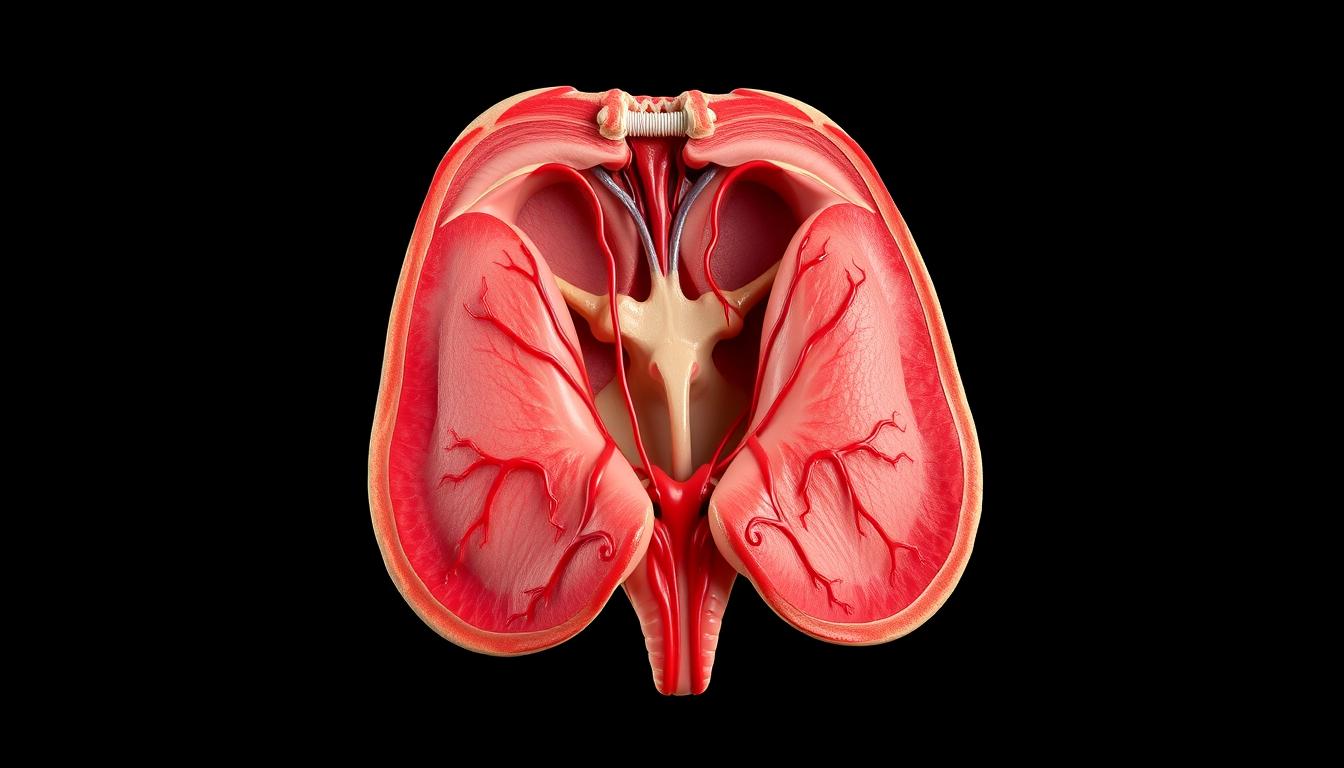
Your thyroid gland operates like a biological power plant, quietly directing energy distribution through chemical messengers. This butterfly-shaped organ sits at the base of your neck, weighing less than an ounce yet influencing every cell in your body.
The Body’s Metabolic Command Center
The thyroid gland produces two crucial hormones: thyroxine (T4) and triiodothyronine (T3). T4 serves as a reservoir hormone, while T3 acts as the active form that directly impacts your metabolism. These chemical messengers travel through your bloodstream, regulating how quickly your cells convert nutrients into energy.
| Hormone | Production % | Key Function |
|---|---|---|
| T4 (Thyroxine) | 80% | Stable energy reserve |
| T3 (Triiodothyronine) | 20% | Immediate metabolic control |
Hormonal Regulation Network
Your pituitary gland acts as quality control, releasing TSH (thyroid-stimulating hormone) when hormone levels dip. This feedback loop ensures precise regulation of body temperature, heart rhythm, and calorie burning. Even slight imbalances can affect muscle strength, memory, and cholesterol levels.
The thyroid’s influence extends beyond basic metabolism. It helps maintain skin texture, regulates menstrual cycles, and supports nervous system development. Proper hormone balance keeps these systems working in harmony, like instruments in a well-conducted orchestra.
Exploring Hyperthyroidism
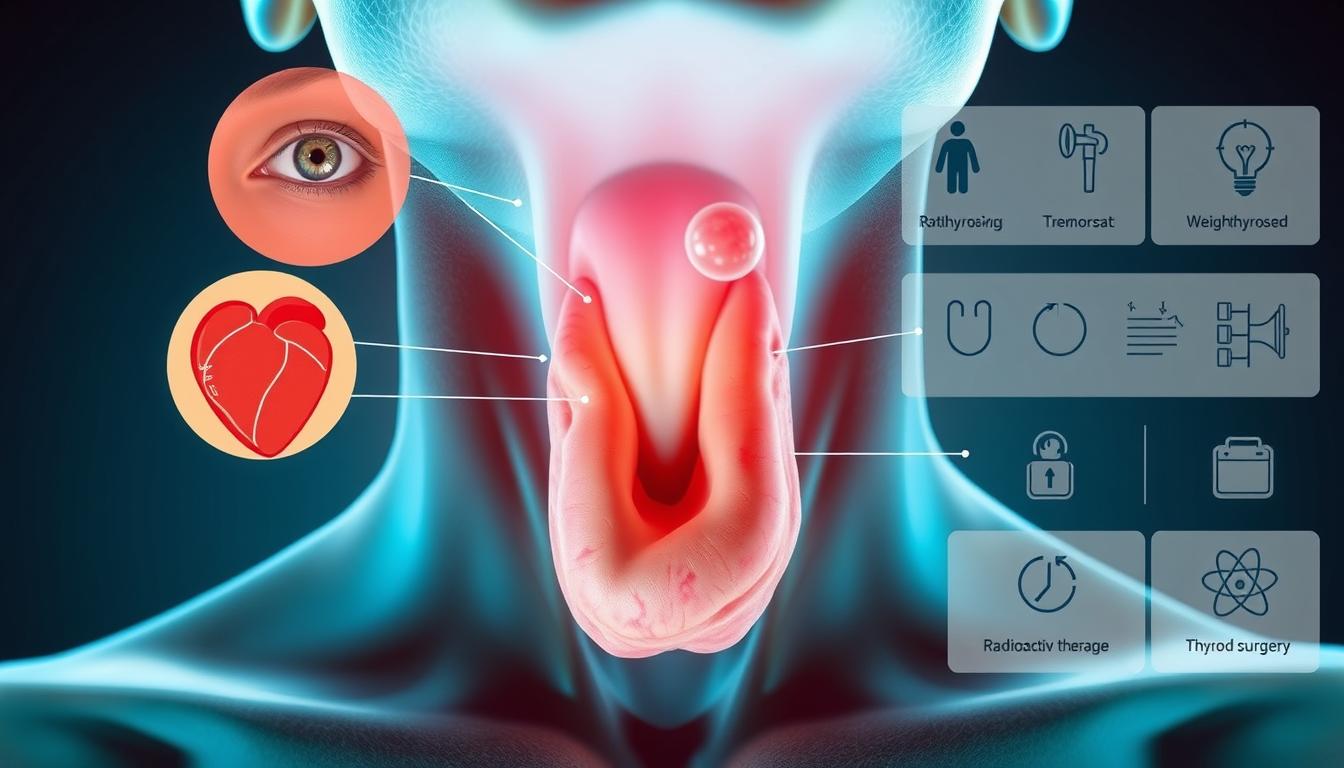
An overactive thyroid doesn’t just affect metabolism—it sends your entire system into overdrive. When your gland produces too much thyroid hormone, you might notice sudden changes like trembling hands or feeling hot in normal temperatures. This condition accelerates processes from digestion to heart rate, creating a cascade of physical and emotional effects.
Common Symptoms and Effects on Your Body
Your body sends clear signals when thyroid levels surge. A racing heartbeat often accompanies unexplained weight loss, even with increased appetite. Heat intolerance might make you sweat excessively, while muscle weakness could turn simple tasks into challenges.
Nervousness and irritability frequently surface as hormones flood your system. Sleep disturbances compound these issues, creating a cycle of fatigue and restlessness. Some people experience frequent bowel movements or noticeable tremors in their fingers.
Primary Causes and Risk Factors
Graves’ disease triggers nearly 80% of hyperthyroidism cases. This autoimmune disorder tricks your immune system into attacking thyroid tissue, forcing excessive hormone production. Women under 40 face higher risks, particularly those with family histories of thyroid issues.
Other causes include inflamed thyroid glands (thyroiditis) and overactive nodules. Surprisingly, some medications containing iodine or thyroid hormones can also push your system into overdrive. Excessive iodine intake from supplements occasionally plays a role.
Treatment Options for an Overactive Thyroid
Doctors typically start with antithyroid drugs like methimazole to slow hormone production. Beta-blockers help manage rapid heartbeats and shaking hands during initial treatment phases. For longer-term solutions, radioactive iodine therapy gradually reduces thyroid activity over several weeks.
When medications prove ineffective or nodules appear suspicious, surgery becomes necessary. Removing part or all of your gland requires lifelong hormone replacement but eliminates immediate symptoms. Regular blood tests ensure proper dosage adjustments post-treatment.
Defining Hypothyroidism
When your body’s energy production slows to a crawl, hypothyroidism might be the hidden culprit. This condition develops when your gland fails to make enough thyroid hormones, putting essential functions on standby. Unlike its overactive counterpart, this imbalance creates a systemic slowdown affecting every organ.

Recognizing the Signs and Symptoms
Your body sends subtle warnings when thyroid levels drop too low. Persistent fatigue often appears first – the kind that persists despite full nights of sleep. You might notice new sensitivity to cold temperatures or unexplained weight gain, even with careful eating habits.
Skin and hair changes frequently occur, becoming dry and brittle over time. Slowed digestion leads to constipation, while muscle weakness makes routine tasks feel exhausting. Some people experience “brain fog” – difficulty concentrating or remembering details.
Underlying Causes and Contributing Factors
Hashimoto thyroiditis causes nearly 90% of hypothyroidism cases in the US. This autoimmune disorder gradually destroys thyroid tissue, like friendly fire in your endocrine system. Women face eight times higher risk than men, particularly those aged 30-50.
Surgical removal of the gland and radiation treatments for overactive thyroid conditions also frequently lead to hormone deficiencies. Certain medications – including lithium and some heart drugs – can interfere with normal thyroid function. In rare cases, babies are born with underdeveloped glands, requiring immediate treatment to prevent developmental delays.
Hyperthyroid vs. Hypothyroid: Key Differences
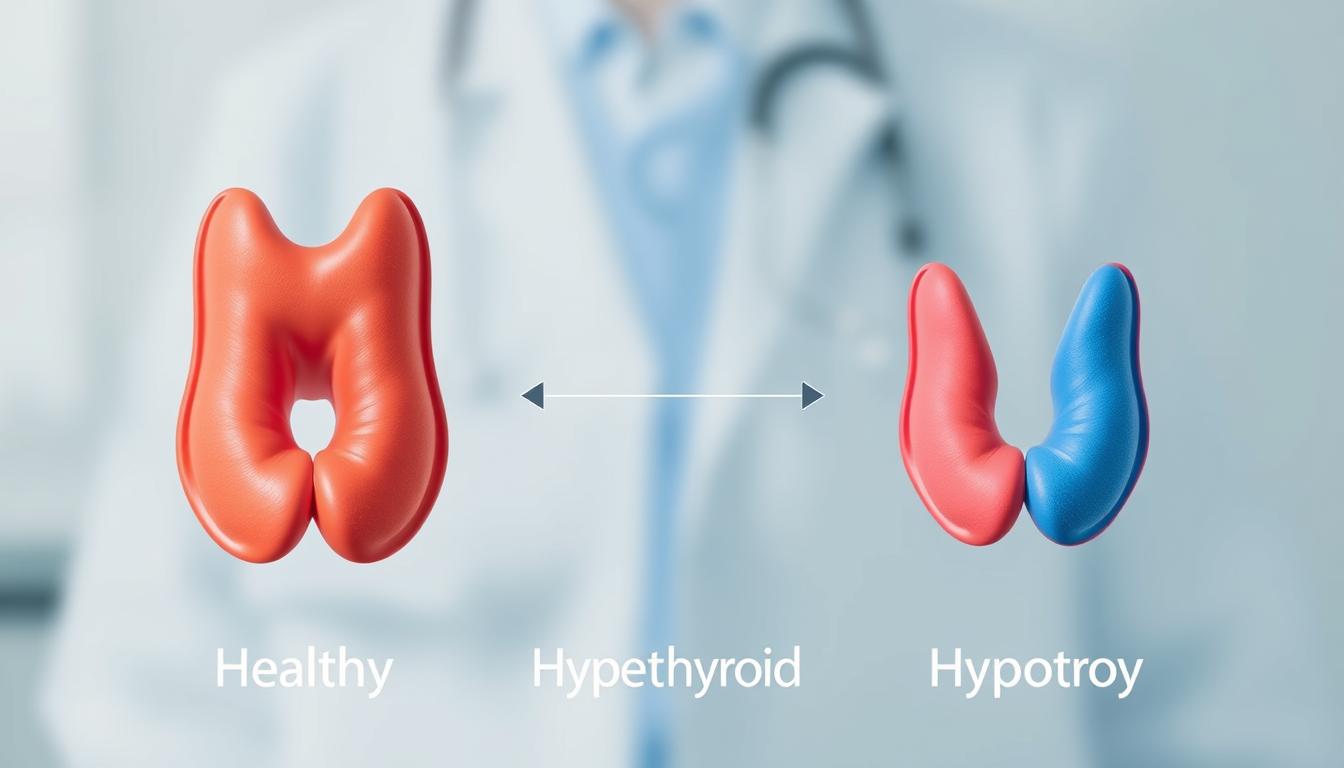
Imagine your body’s thermostat stuck on opposing extremes. Thyroid disorders create polar experiences through identical biological pathways. While both conditions stem from hormonal imbalances, their effects mirror each other like photographic negatives.
Contrast in Hormonal Production and Effects
Your thyroid acts as either an accelerator pedal or parking brake. Hyperthyroidism floods your system with T3 and T4 hormones, revving up cellular activity. This surge makes hearts race like sprinters and turns calories into energy too quickly.
| Symptom | Hyperthyroidism | Hypothyroidism |
|---|---|---|
| Heart Rate | Racing/irregular | Slowed |
| Weight Changes | Loss despite eating | Gain despite dieting |
| Temperature | Heat intolerance | Cold sensitivity |
| Mental State | Anxiety/restlessness | Depression/fogginess |
How These Conditions Impact Your Daily Life Differently
Morning routines reveal stark contrasts. With excess hormones, you might skip breakfast due to nausea yet feel jittery by noon. Low hormone levels could leave you needing multiple alarms and still feeling drained.
Energy management becomes opposite challenges. Hyperthyroidism burns through reserves like wildfire, causing eventual exhaustion. Hypothyroidism starves cells of fuel, making stairs feel like mountain climbs.
Treatment paths diverge completely. Doctors prescribe beta-blockers or radioactive iodine to calm overactive glands. Underactive conditions require daily hormone replacements to restart stalled systems.
Diagnostic Approaches to Thyroid Conditions
Accurate identification of thyroid disorders requires precise detective work. Your doctor uses multiple tools to decode your body’s hormonal signals. Blood analysis forms the foundation, while imaging techniques reveal structural clues.
Importance of Blood Tests and TSH Levels
The TSH test acts as your body’s thyroid dashboard light. This hormone spikes when your gland underperforms and drops when it overworks. Doctors typically order this first – like checking engine codes before repairs.
Your results get compared to standard ranges:
- TSH above 4.5 mU/L often signals hypothyroidism
- TSH below 0.4 mU/L usually indicates hyperthyroidism
T4 and T3 tests confirm suspicions raised by TSH readings. High T4 with low TSH confirms an overactive gland. Low T4 paired with elevated TSH reveals underactivity. Antibody tests expose autoimmune triggers – like finding fingerprints at a crime scene.
Imaging and Additional Diagnostic Tools
Ultrasounds map your thyroid’s landscape, spotting nodules or inflammation. This painless scan uses soundwaves to create real-time images. Suspicious findings might lead to a radioactive iodine uptake test.
Specialized scans measure how your gland absorbs tracer materials. Hot nodules (absorbing lots of iodine) are usually benign. Cold nodules (low absorption) sometimes require biopsies. Fine-needle aspiration extracts cells for cancer checks when needed.
Your medical team combines these clues – blood patterns, scan results, and symptom timelines – to build your treatment roadmap. Regular retesting ensures accuracy as conditions evolve.
Treatment Strategies and Management
Effective thyroid care combines precise medical interventions with ongoing health monitoring. Your treatment path depends on whether hormone production needs boosting or slowing, requiring personalized approaches for lasting results.
Medications, Radioiodine Therapy, and Surgical Options
For underactive thyroid cases, levothyroxine replaces missing hormones through daily pills or liquid forms. Doctors start with low doses, adjusting based on blood tests every 6-8 weeks. Overactive conditions often begin with methimazole to block excess hormone creation, paired with beta-blockers for rapid heart rate relief.
When medications prove insufficient, radioactive iodine therapy targets overproductive cells. This outpatient procedure frequently leads to stabilized hormone levels within months. Surgical removal becomes necessary for large nodules or cancer concerns, followed by lifelong hormone replacement.
Long-Term Care and Monitoring of Thyroid Levels
Consistent follow-ups prevent complications like heart issues or bone density loss. You’ll track TSH and T4 levels through regular bloodwork, especially after dosage changes or pregnancy. Those receiving radioiodine need annual checks since many develop manageable hypothyroidism post-treatment.
Weather shifts and aging may require medication adjustments. Keep a symptom journal to spot patterns, and inform providers about new supplements or prescriptions that could affect thyroid function. With proper monitoring, most people maintain stable energy and metabolism long-term.