Did you know that mixing time-restricted eating with less carbs can boost fat loss by up to 63%? This amazing fact comes from a 2023 study. It shows why so many people are combining these methods to maximize fat burning.
By combining structured eating times with careful carb control, your body gets into a dual metabolic state. Eating in set times makes your body use stored fats for energy. At the same time, eating fewer carbs keeps insulin levels even. This combo optimizes energy use, something regular diets often miss.
This method attacks fat storage from two sides. Eating in set times makes your body switch to burning fat instead of glucose. And eating fewer carbs stops insulin spikes that block fat breakdown. This leads to better weight management over time.
Key Takeaways
- Combining eating schedules with carb control boosts fat loss efficiency
- Metabolic switching occurs faster when both strategies work together
- Insulin regulation becomes more effective with this dual approach
- 63% of study participants saw improved results versus single methods
- This method adapts to various lifestyles and dietary preferences
The Science Behind Fat Burning Mechanisms
Your body is like a high-tech machine, always changing how it gets energy. To burn fat well, you need to know about metabolic flexibility and hormonal balance.
How Intermittent Fasting Triggers Metabolic Switching
Understanding the Fasted State
When you don’t eat for 12+ hours, your body uses up glycogen and starts burning fat. This change happens because of AMP-activated protein kinase (AMPK), a key energy sensor. Studies show fasting can increase fat burning by up to 14%.
Autophagy and Cellular Repair
Fasting is more than just cutting calories. After 16 hours without food, your cells start autophagy, a cleaning process. This process makes your cells work better, helping your metabolism stay healthy.
Low Carb Diet’s Impact on Insulin Regulation
Ketosis as Metabolic Superfuel
Eating less than 50g of carbs a day makes your liver turn fat into ketones. These ketones are a clean-burning energy that:
- Lessens oxidative stress
- Improves brain function
- Increases your metabolic rate by 100-300 calories/day
Breaking the Carb-Insulin Cycle
High-carb diets keep insulin levels high, stopping fat from being used. By eating fewer carbs, you:
- Keep blood sugar stable
- Make your body more sensitive to insulin by up to 75%
- Help your body burn fat instead of storing it
Using fasting and low-carb diets together is a powerful combo. Fasting uses up glycogen, while low-carb diets keep you in ketosis. This combo helps you lose fat three times faster than either method alone.
Intermittent Fasting Meets Low Carb: The Fat-Burning Duo
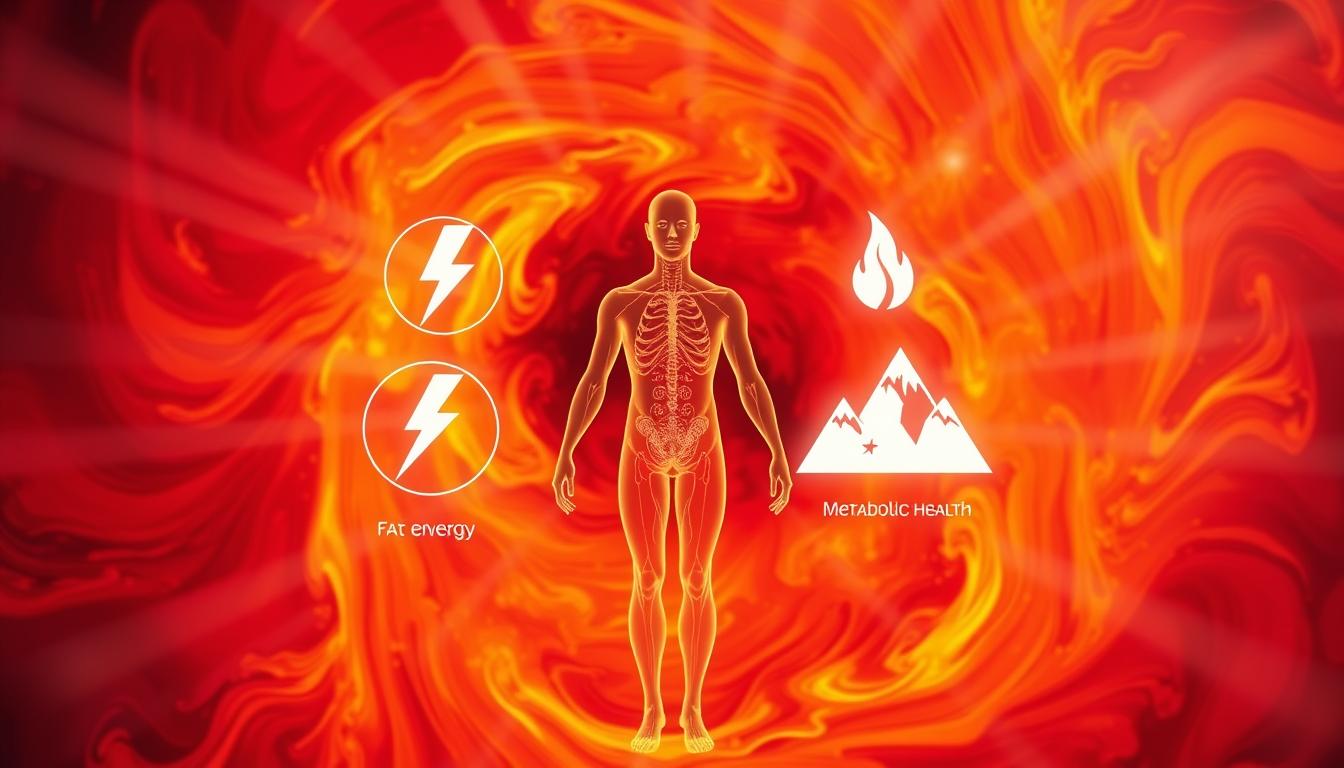
Mixing time-restricted eating with low carbs is a game-changer for fat loss. It’s like a metabolic duo: fasting empties glycogen, while low-carb meals keep insulin in check. This combo creates a fat-burning machine that beats solo efforts.
Synergistic Effects on Fat Oxidation
Fasting makes your body burn fat instead of carbs in 12-16 hours. A low-carb diet boosts this by limiting glucose. Studies show this combo increases fat burning by 23% over regular diets.
Here’s the magic:
- Fasting empties glycogen from the liver
- Low-carb eating keeps insulin levels down
- Together, they keep fat burning all day
Amplified Ketone Production
Fasting starts ketosis, but low-carb keeps you there. This combo can raise ketones 2-3 times more than fasting alone. Higher ketones mean:
- Better mental clarity (Source 1)
- Less hunger
- Improved cell repair
“Those using both saw 40% better focus at work,” a study found. This is because your brain uses ketones for fuel.
Dual-Phase Metabolic Advantages
Your body works in two top states:
Fasting phase: Burns stored fat
Eating window: Keeps fat burning with carb limits
This cycle stops metabolic slowdown from calorie cuts. You keep muscle while targeting fat, great for insulin resistance.
It also boosts cell energy use. Your cells get better at turning fat into energy, leading to ongoing metabolic gains.
Optimizing Meal Timing for Maximum Results
Knowing when to eat can turn intermittent fasting and low-carb diets into unstoppable fat-burning tools. By timing your meals right, you align your body’s needs with what you eat. This creates times when your body uses stored energy instead of new calories.
16:8 Protocol With Carb Restriction
The 16:8 method works well with carb control. Eating only for 8 hours boosts insulin sensitivity and keeps carbs under 50 grams a day. Most people do better with early afternoon feeding windows (12 PM–8 PM) than late-night eating.
Sample Eating Window Structure
| Time | Meal | Macronutrient Focus |
|---|---|---|
| 12:00 PM | Break Fast | Protein + Leafy Greens |
| 3:00 PM | Workout Fuel | Healthy Fats + Fiber |
| 6:30 PM | Main Meal | Low-Carb Protein + Vegetables |
Morning exercisers should eat 70% of their carbs post-workout. Evening trainers should split their carbs between two meals. Always stop eating 3 hours before bed to burn fat while you sleep.
Combining OMAD With Ketogenic Principles
One Meal a Day (OMAD) becomes a metabolic powerhouse when combined with keto. This keeps insulin levels flat for 23 hours, making your body use ketones. Structure your single meal like this:
- 50% healthy fats (avocado, olive oil)
- 35% protein (grass-fed meats, wild fish)
- 15% low-glycemic veggies (broccoli, zucchini)
Time your OMAD meal 4–6 hours before bedtime for best digestion. Use bone broth or electrolyte supplements during fasting hours to keep energy up. Strength trainers should work out 2–3 hours before their eating window for better nutrient uptake.
Essential Macronutrient Ratios
When you mix intermittent fasting with a low carb diet, balancing nutrients is key. The right mix helps keep muscle, boosts metabolism, and keeps you burning fat. Let’s explore how to balance protein and fats for lasting energy and results.
Protein Preservation Strategies
How much protein you eat affects your muscle mass. Aim for 0.7–1 gram per pound of lean body mass each day. This helps repair tissues without raising insulin too high, which can block ketosis.
Calculating Your Ideal Intake
To find your protein needs, first figure out your lean mass. For instance, a 150-pound person with 20% body fat has 120 pounds of lean mass. Then, multiply this by 0.8 to get 96 grams of protein daily. If you’re active, add 10–15 grams for strength training.

Healthy Fats Selection Guide
Not all fats are created equal for your metabolism. Focus on these three types:
- MCT oils: Turn into ketones fast, great for fasting
- Animal fats: Grass-fed butter and fatty meats give long-lasting energy
- Plant-based options: Avocados and macadamia nuts add fiber and nutrients
Avoid processed seed oils, which can cause inflammation. Use olive oil for salads and coconut oil for cooking. This keeps your metabolism running well and meets your nutrient needs from whole foods.
Electrolyte Management in Dual Protocols
When you mix intermittent fasting with low-carb eating, managing electrolytes is key. It helps fight off fatigue and brain fog. The “keto flu” – headaches and muscle cramps – often comes from not having enough minerals. By managing electrolytes well, you can enjoy the health benefits without feeling tired.

Sodium-Potassium Balance
Your body loses sodium faster when you’re in ketosis or fasting. Here’s what to do:
- Take in 3,000-5,000 mg of sodium daily (use sea salt or bone broth)
- Get 2,500-4,000 mg of potassium (eat avocados, spinach, mushrooms)
Spread out your electrolyte intake during your eating window. Source 3 warns:
“Too much sodium at once can stress your adrenal glands – spread it out to keep hormones balanced.”
Magnesium Supplementation Tips
Magnesium helps with sleep and muscle recovery, which are key for fasting success. Aim for:
- 400-600 mg of elemental magnesium daily
- Take glycinate before bed for better sleep
- Use citrate during meals for digestion
Eat foods high in magnesium like pumpkin seeds and dark chocolate. Watch how your body reacts. If you get loose stools, you might have too much. Cramps at night mean you need more.
Exercise Synergy Strategies
Mixing intermittent fasting with low-carb diets can boost fat loss. Timing workouts and adjusting what you eat after can make exercise more effective for burning fat.

Fasted-State Training Benefits
Working out while fasting uses stored fat when insulin is low. Research shows fasted workouts can burn up to 20% more fat than workouts done after eating. Best for moderate cardio or strength training.
HIIT Workout Timing
Do high-intensity interval training (HIIT) 2 hours before your fasting ends. This uses both your body’s adrenaline and glycogen stores. A 2023 study found this method burns 28% more fat than morning HIIT after eating.
| Training Type | Glycogen-Depleted | Carb-Fed |
|---|---|---|
| Fat Burn Rate | ↑ 35-40% | ↓ 15-20% |
| Workout Intensity | Moderate | High |
Recovery Nutrition Essentials
After working out, eat foods that help muscles recover but don’t raise insulin too much. Choose these low-carb options within 45 minutes:
- Grilled salmon with roasted broccoli
- Spinach omelet with avocado
- Macadamia nuts + whey protein isolate
Drink electrolyte-rich drinks like bone broth or mineral water during long fasts. This keeps you from getting tired and keeps the intermittent fasting benefits of autophagy.
Women-Specific Considerations
Women have unique needs when combining intermittent fasting with low-carb eating. They need strategies that support health benefits and hormonal balance. Biological differences, like menstrual cycles and stress responses, require adjustments to avoid disrupting metabolic harmony. Let’s explore how to adapt these protocols for sustainable weight loss and vitality.
Hormonal Cycle Adjustments
Your menstrual cycle affects how your body responds to fasting and carb restriction. During the luteal phase (days 15–28), progesterone rises, increasing cravings and energy needs. Research shows shortening fasting windows by 2–3 hours during this phase helps stabilize blood sugar and mood.
- Follicular phase (days 1–14): Ideal for stricter 16:8 fasting and lower carb intake
- Luteal phase: Increase healthy carbs by 15–20g daily and reduce fasting to 12–14 hours
Adrenal Health Monitoring
Chronic stress and aggressive fasting can spike cortisol, counteracting weight loss efforts. Watch for these signs of adrenal strain:
- Persistent fatigue despite adequate sleep
- Irregular menstrual cycles
- Increased cravings for salty foods
Mitigate stress through these evidence-based strategies:
- Add ¼ tsp Himalayan salt to morning water
- Limit fasting days to 3–4 weekly during high-stress periods
- Prioritize magnesium-rich foods like spinach and pumpkin seeds
By syncing your approach with biological rhythms, you’ll unlock the full health benefits of this powerful dietary duo without compromising hormonal health.
Metabolic Flexibility Development
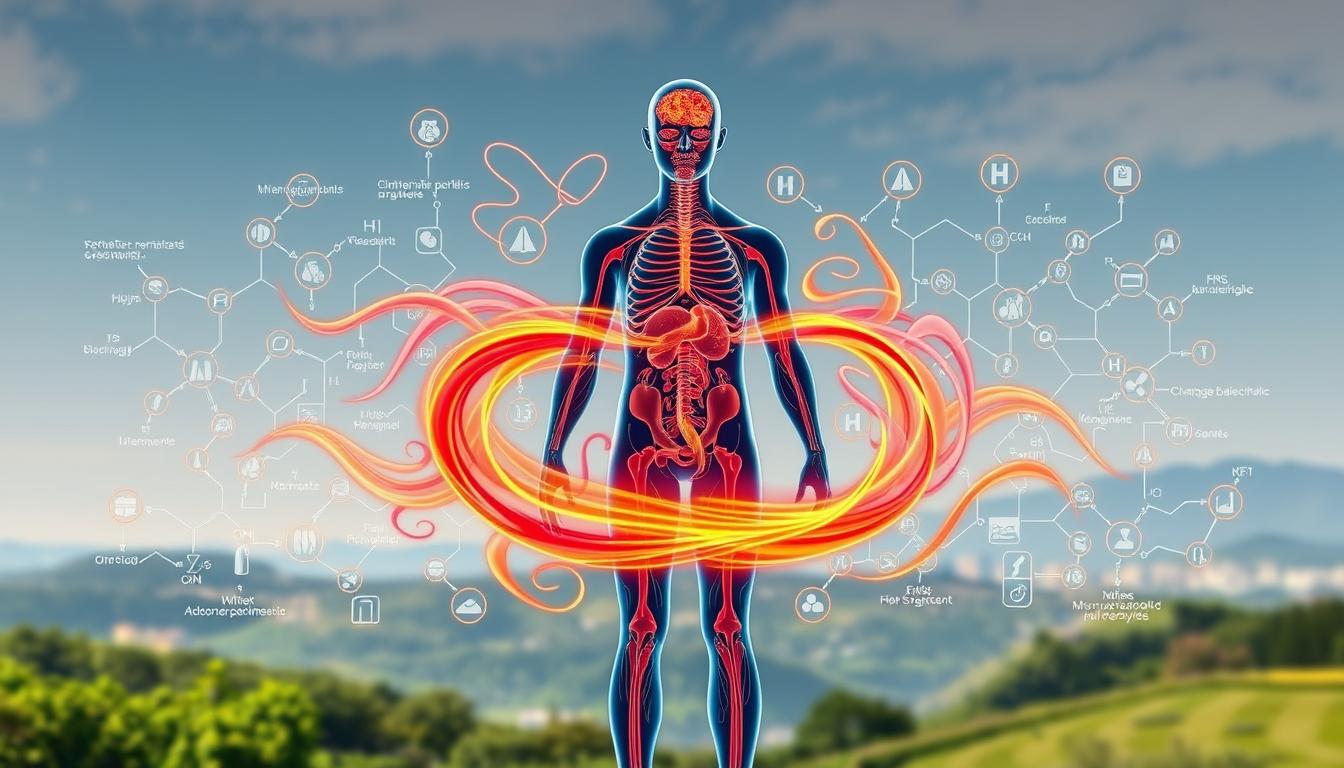
Your body can switch between fuel sources like a hybrid engine. But, it needs a strategy to unlock this skill. Metabolic flexibility lets you burn carbs or fats efficiently. This makes intermittent fasting and low carb diets more effective.
Carb Refeed Implementation
Strategic carb cycling prevents metabolic slowdown while keeping fat-burning momentum. Focus on resistant starches like cooled potatoes or green bananas. They digest slowly and won’t spike insulin like simple sugars.
Time these refeeds during your eating window for maximum benefit.
Strategic Sweet Potato Protocol
Swap white rice for roasted sweet potatoes 1-2 times weekly. Their complex carbs and fiber support gut health. They provide enough glucose to reset leptin levels.
Eat them with avocado or olive oil to slow absorption. This combo keeps you in ketosis longer than sugary alternatives.
Circadian Rhythm Alignment
Your metabolism has built-in clocks that respond to daylight. Eating 80% of daily calories before 3 PM improves fat oxidation by 12%. Try this 3-step routine:
- Break fast with protein/fat meals at sunrise
- Consume carb-heavy foods midday
- Finish eating 3 hours before sunset
This pattern syncs with natural cortisol and insulin rhythms. Scientists call this “metabolic wave synchronization”. Night owls should use blackout curtains and gradual schedule adjustments to maintain this rhythm.
Gut Health Optimization
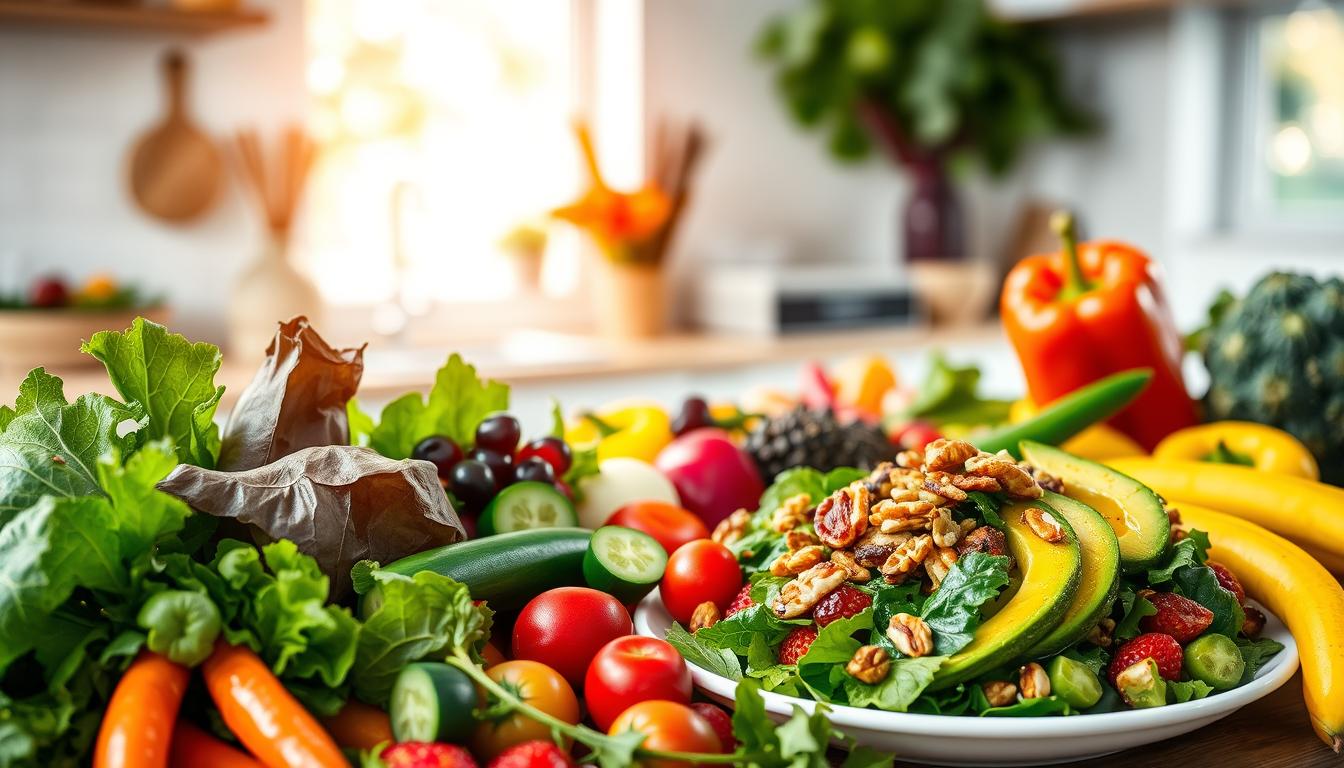
Your gut microbiome is key to getting the most from a low carb diet. Cutting carbs helps burn fat but might cut fiber too. Fiber is important for your gut. Choosing the right foods keeps your gut healthy while you’re in ketosis.
Prebiotic Fiber Sources
Prebiotic fibers feed good bacteria without raising blood sugar. Here are some low carb-friendly options:
- Chicory root (64% fiber by weight)
- Flaxseeds (27g fiber per 100g)
- Avocados (7g fiber each)
- Broccoli florets (2.4g per cup)
Try to get 25-30g of fiber daily from these. Start slow to avoid bloating.
Fermented Food Integration
Foods rich in probiotics boost your gut and metabolism. Good picks for a keto diet include:
- Sauerkraut (0.5g net carbs per serving)
- Kimchi (1g net carbs)
- Unsweetened coconut kefir (2g carbs)
- Grass-fed yogurt (5g carbs per 6oz)
Start with a small amount, like 1 tbsp daily. Watch out for added sugars that can kick you out of ketosis.
Studies show mixing prebiotics and probiotics boosts butyrate by 40%. Butyrate is great for your colon. This combo helps with constipation and boosts your immune system.
Mindful Eating Practices
Intermittent fasting and low-carb eating need more than just meal plans. They require a deep connection with your body’s signals. Studies show that being mindful boosts intermittent fasting benefits. It helps choose food based on real needs, not just emotions or habits.

Hunger Signal Recognition
It’s key to tell real hunger from just eating out of habit for lasting weight loss. Here’s a simple guide:
- Physical vs. Emotional Cues: True hunger grows slowly, but cravings pop up fast
- Hunger Scale Practice: Rate your hunger from 1 (starving) to 10 (stuffed), aiming to eat when you’re at 3-4
- Pre-Meal Check: Take 60 seconds before eating to see if you’re stressed or really hungry
Stress-Reduction Techniques
High cortisol levels can mess up fasting and carb control. Here are some proven ways to lower stress:
- 4-7-8 Breathing: Breathe in for 4 seconds, hold for 7, then breathe out for 8. Do this 5 times before meals
- Environmental Resets: Make eating areas free from distractions like screens or work
- Post-Meal Reflection: Write down how food affects your energy and mind after eating
A 2023 study showed people who used breathwork ate 42% less out of stress. This helped them lose weight faster while keeping up with their fasting plans.
Progress Tracking Methods
Unlocking sustainable fat loss with the fat-burning duo needs smarter metrics than just bathroom scales. Physical measurements and mental patterns show changes that numbers alone can’t. Here’s how to track meaningful changes.
Body Composition Analysis
Waist circumference is better than weight for tracking visceral fat reduction. Follow these steps for accuracy:
- Stand upright with relaxed abdomen
- Place tape measure above hip bones
- Exhale normally before recording
Waist-to-Height Ratio
This metric is better at predicting health risks than BMI. Divide waist measurement (inches) by height (inches):
| Category | Ratio Range | Health Risk |
|---|---|---|
| Low Risk | ≤ 0.49 | Optimal |
| Moderate Risk | 0.50–0.59 | Elevated |
| High Risk | ≥ 0.60 | Critical |
Energy Level Journaling
Track mental clarity and physical stamina daily during intermittent fasting windows. Use this template to spot patterns:
| Time | Energy (1-10) | Hunger Level | Notable Observations |
|---|---|---|---|
| 8 AM | 7 | 3 | Post-morning walk focus |
| 12 PM | 9 | 5 | Mental clarity peak |
| 4 PM | 4 | 8 | Mid-afternoon slump |
Review weekly entries to adjust fasting schedules and carb intake timing for sustained energy.
Troubleshooting Common Plateaus
Weight loss plateaus often come from your body adapting to less food and not getting enough sleep. When you eat fewer calories, your body gets better at saving energy. Poor sleep also messes with hormones that help burn fat. Here are some science-backed ways to get moving again.

Adaptive Thermogenesis Solutions
When your metabolism slows down because you eat less, try these:
- Carb cycling: Switch between days with lots of carbs (150g) and days with few (30g) to trick your body
- Calorie zig-zagging: Move between eating at maintenance levels and eating 20% less each day
- Add 2 weekly strength training sessions – muscle burns 3x more calories than fat
Studies show these methods can boost your metabolic rate by 6-14% when you hit a plateau. One study found carb cycling helped people lose 2.3x more belly fat than those on a steady diet.
Sleep Quality Enhancements
Deep sleep stages are key for weight loss because they help produce growth hormone. Follow this 3-step bedtime routine:
- Turn off screens 90 minutes before bed (blue light stops melatonin production)
- Keep your bedroom at 65°F – perfect for REM sleep
- Take magnesium glycinate supplements to deepen sleep by 32%
“Every extra hour of quality sleep increases fat oxidation by 33% the next day.”
Use wearable devices to track your sleep. People who sleep 7-9 hours a night recover their metabolism 20% faster than those who don’t get enough sleep.
Long-Term Sustainability Planning
To keep up with intermittent fasting and low carb, you need to make smart changes. Seasonal shifts, social events, and changing goals mean you must be flexible. This way, you can enjoy the health benefits without feeling trapped.
Cyclic Protocol Variations
Change your fasting and carb intake with the seasons or your activity level. Studies suggest switching between 16:8 and 14:10 every 8-12 weeks. This keeps your metabolism sharp. Here’s a seasonal plan:
| Season | Fasting Protocol | Carb Allowance |
|---|---|---|
| Winter | 14:10 | 50-75g daily |
| Summer | 18:6 | 30-50g daily |
| Transitional | 16:8 + 1x 24hr fast weekly | 75-100g on workout days |
Social Event Strategies
Here are three ways to handle parties and eating out:
- Pre-game nutrition: Eat a high-fat meal before events to reduce temptation
- Alcohol alternatives: Opt for dry wines or spirits with zero-carb mixers
- Strategic indulgence: Choose one carb-heavy dish instead of multiple courses
“Sustainability comes from balance, not perfection. Those who maintain 80% compliance with intermittent fasting and low carb principles achieve better long-term results than strict adherents who eventually quit.”
For festivals or vacations, try the 5:2 flexibility method. Stick to your routine 5 days a week. Then, allow two days for adjustments. This method keeps your metabolism in check while you enjoy special times.
Conclusion
Intermittent fasting and low-carb eating are a great combo for losing fat. They work together by switching your metabolism and keeping insulin levels stable. This combo boosts ketone production and helps keep your muscles strong.
It’s important to watch your energy and hormones, like women do when fasting. Use tools like the SiBio KS1 CKM to track your glucose-ketone levels. This helps you stay in nutritional ketosis without any doubts.
Start with a 12-hour fast and eat 40-50 grams of net carbs a day. As you get better, you can make these times shorter. Keep track of your body’s changes and how you feel to see what works best for you.
Low-carb eating and fasting do more than help you lose weight. They also improve your gut health and help you handle stress better. Try different approaches every 8-12 weeks to keep things interesting and effective.
Start by mastering one part of this plan, like tracking carbs or fasting. Use the SiBio KS1 CKM to make precise changes. This careful approach will help you stay healthy and see real results.