A low-carb, high-fat eating plan reshapes more than just your waistline. Research shows this nutritional approach alters gut microbiota composition by up to 50% within 48 hours. These microscopic residents influence everything from metabolism to mood, making their relationship with dietary changes critical to understand.
The metabolic shift to fat burning creates molecules called ketones. These compounds don’t just fuel your brain – they also serve as chemical messengers for digestive-system organisms. Studies reveal specific microbial strains thrive on this energy source, while others diminish without carbohydrates.
Emerging science positions your intestinal ecosystem as a biological control center. Its 100 trillion microorganisms produce neurotransmitters, regulate inflammation, and even communicate with organs like the liver. When dietary patterns change dramatically, this microbial community adapts – sometimes in ways that surprise researchers.
Key Takeaways
- Low-carb nutritional plans trigger rapid changes in digestive-system microorganisms
- Ketones influence microbial behavior and population dynamics
- Gut organisms affect multiple body systems beyond digestion
- Dietary fat intake modifies bacterial growth patterns
- Microbial shifts may explain some weight management effects
- Long-term impacts require further scientific investigation
This complex interaction between food choices and microscopic life holds particular significance for metabolic conditions. Recent clinical trials demonstrate improved insulin responses correlate with specific bacterial changes during nutritional transitions. However, scientists caution that individual variations in starting microbiome profiles create different outcomes.
Introduction to Keto and Gut Health
Shifting your body’s fuel supply triggers systemic changes beyond weight management. The ketogenic approach, first used medically in 1921, modifies how cells generate energy through precise macronutrient ratios. Two primary versions exist:

Understanding Fuel-Source Modifications
The classic protocol maintains a strict 4:1 fat-to-carb-plus-protein ratio. This medical-grade plan differs from modified versions focusing on metabolic wellness. When carb intake falls below 50g daily, your liver produces ketones from fats – a state called nutritional ketosis.
| Diet Type | Macronutrient Ratio | Daily Calories |
|---|---|---|
| Classic Ketogenic | 4:1 (fat:carbs+protein) | Normocaloric |
| VLCKD | 15-30g fat, 1-1.5g protein/kg | 500-800 |
Microbial Communities in Metabolic Processes
Your intestinal microbiome contains 100+ species processing food remnants into bioactive compounds. These organisms influence neurotransmitter production, immune responses, and metabolic regulation. Research shows dietary fats alter bacterial growth patterns within 48 hours.
Specific microbes thrive on ketones, while others decline without fermentable carbs. This population shift affects inflammation markers and hormone signaling. Understanding this interaction helps explain why nutritional plans produce varied effects across individuals.
Exploring the Ultimate Guide to Keto Benefits
Adopting a nutritional strategy focused on fat metabolism unlocks multiple physiological advantages beyond simple calorie reduction. Clinical evidence reveals this approach enhances metabolic flexibility while addressing chronic health concerns.

Research spanning multiple clinical trials confirms this approach often outperforms low-fat alternatives for sustained weight management. A 12-month meta-analysis demonstrated 28% greater fat loss compared to standard calorie-restricted plans in obese participants.
Three key mechanisms drive these results:
- Ketone production naturally curbs hunger hormones
- Enhanced fat oxidation preserves muscle mass
- Stable blood sugar levels reduce cravings
The metabolic state induced by this nutritional plan shows particular promise for neurological conditions. Medical literature documents 50-90% reduction in seizures among epilepsy patients following strict protocols – results unmatched by pharmaceutical interventions alone.
Emerging studies suggest broader implications for brain health. Preliminary data indicates improved cognitive markers in adults with early-stage memory decline, though long-term outcomes require further investigation.
Cardiovascular improvements often accompany proper implementation, particularly through triglyceride reduction and HDL elevation. Individual responses vary based on genetic factors and food quality, emphasizing the need for personalized adaptation.
The Impact of Keto on Weight Loss and Metabolic Balance
Metabolic transformations through nutritional changes reveal surprising patterns in body composition management. Research shows low-carb plans trigger initial weight reduction comparable to severe calorie cuts. In mouse studies, subjects eating high-fat meals matched the pound-shedding results of 66% restricted diets within nine weeks.
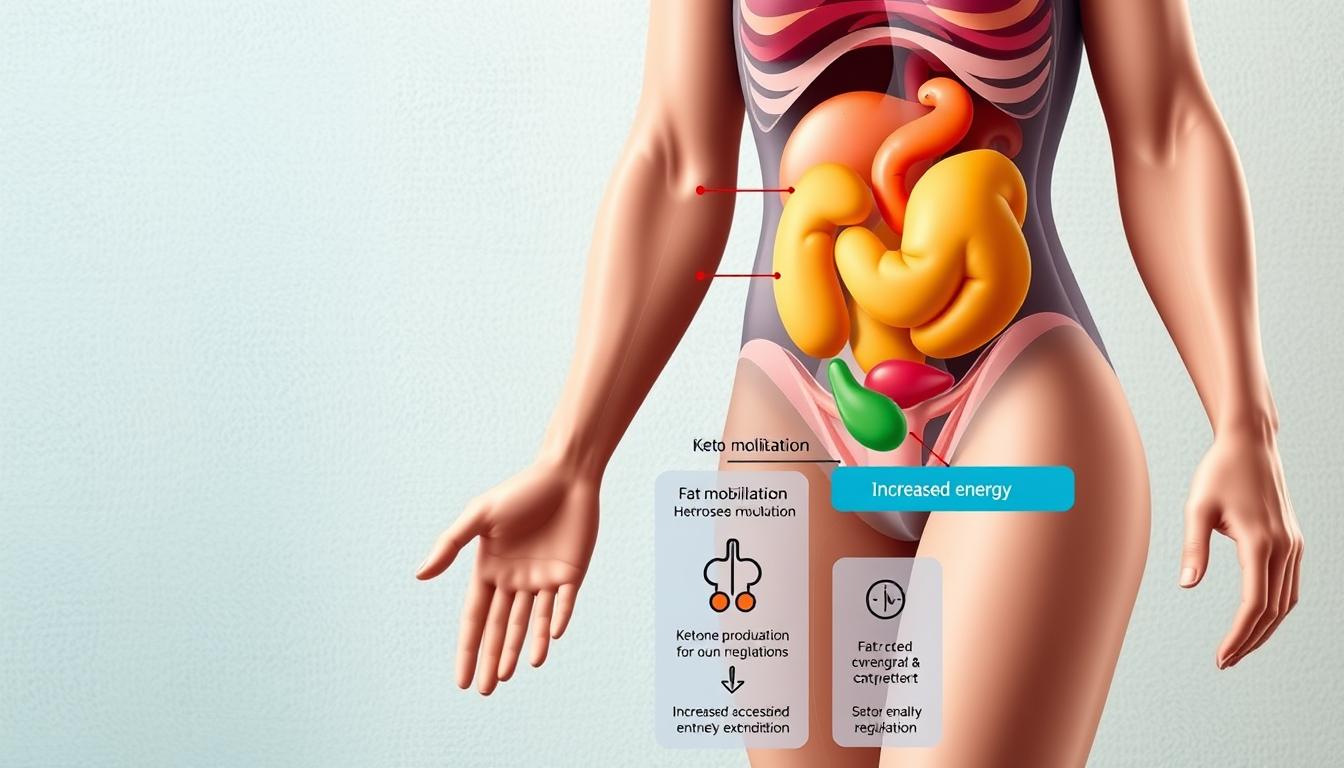
- Ketones naturally suppress hunger hormones like ghrelin
- Higher protein intake extends feelings of fullness
- Fat-burning efficiency increases by 23-65% in ketosis
However, sustainability remains a key concern. Follow-up studies found no continued weight loss after 22 weeks, suggesting metabolic adaptation. This highlights the need to distinguish between short-term water-weight shifts and lasting fat reduction.
| Timeframe | Weight Change | Metabolic Markers | Key Factors |
|---|---|---|---|
| 0-12 Weeks | Rapid loss | Ketones ↑ 300% | Appetite suppression |
| 13-22 Weeks | Plateau | Leptin ↓ 18% | Hormonal adaptation |
Your body’s response depends on multiple variables. Those with higher starting weight often see faster initial results. Metabolic health and meal quality also influence outcomes – processed fats yield different effects than whole-food sources.
While the diet demonstrates clear metabolic advantages, long-term success requires personalized adjustments. Monitoring energy levels and body signals helps maintain progress beyond the first few months.
Addressing Insulin Resistance with a Ketogenic Diet
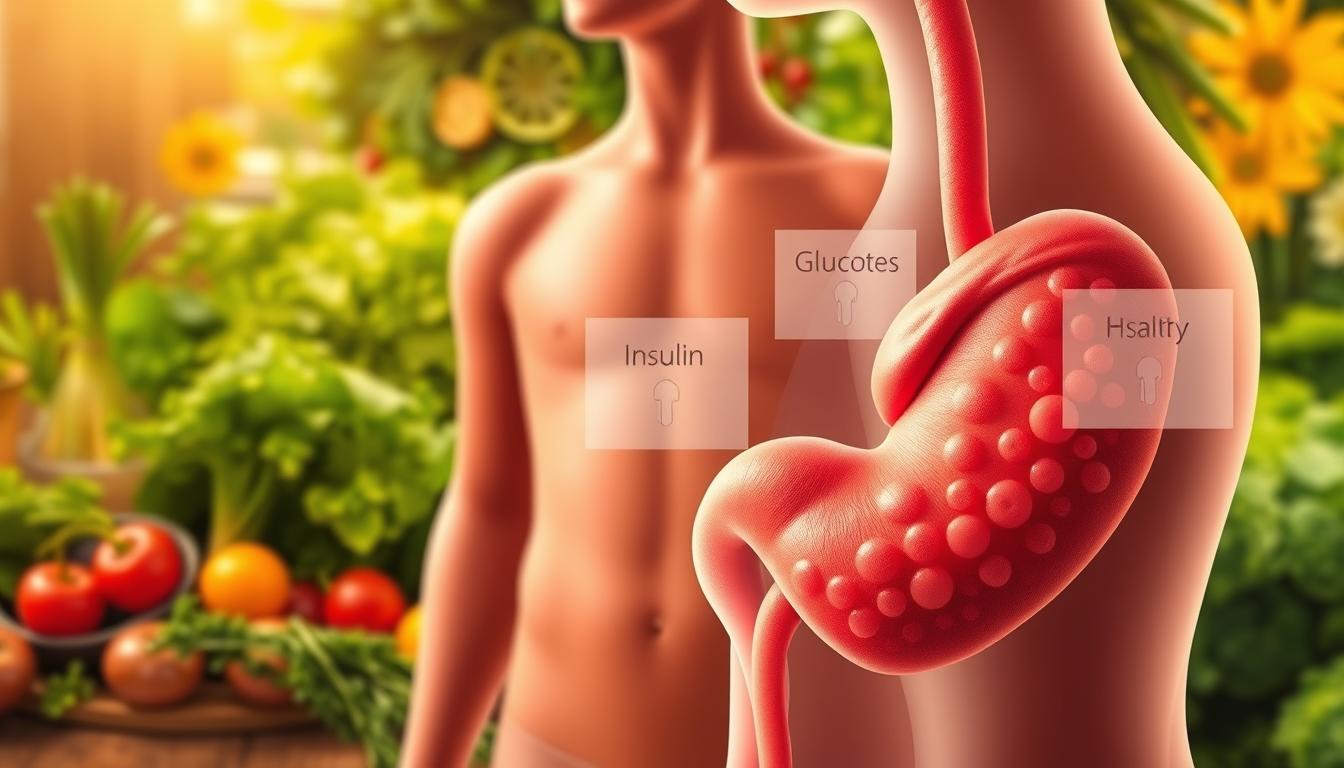
Managing blood sugar effectively requires understanding how dietary patterns influence metabolic pathways. Insulin resistance – a key driver of type 2 diabetes – develops when cells stop responding properly to this crucial hormone. Cutting carbohydrate intake directly reduces the glucose surge that overwhelms insulin signaling systems.
How Carbohydrate Restriction Affects Glucose Levels
When you consume fewer than 50g of carbs daily, your body stops relying on constant glucose supply. This gives pancreatic beta cells much-needed rest from overproduction cycles. Research shows three-day carb restriction can lower fasting insulin levels by 34% in adults with prediabetes.
| Diet Type | Avg. Glucose Spike | Insulin Response | Microbial Activity |
|---|---|---|---|
| High-Carb | +45 mg/dL | Prolonged secretion | Fermentation-focused |
| Low-Carb | +12 mg/dL | Brief secretion | Ketone utilization |
The Gut-Pancreas Connection
Your intestinal bacteria produce metabolites that directly influence insulin sensitivity. Bacteroides vulgatus, when overabundant, generates inflammatory compounds that impair glucose regulation. Nutritional ketosis starves these problematic strains while nourishing microbes that enhance metabolic flexibility.
“Microbial shifts during carb restriction correlate with improved HbA1c levels independent of weight loss.”
This dietary approach shows particular promise for type 2 diabetes management. Patients following strict protocols often reduce medication needs while achieving steadier daily glucose patterns. However, individual microbiome differences mean results vary – continuous monitoring remains essential.
Keto and Gut Health: What You Should Know
Emerging research reveals your intestinal bacteria act like a metabolic command center. When adopting low-carb nutrition, these microscopic communities undergo rapid reorganization. Gut microbiota composition shifts within days, altering their production of bioactive compounds that influence entire body systems.
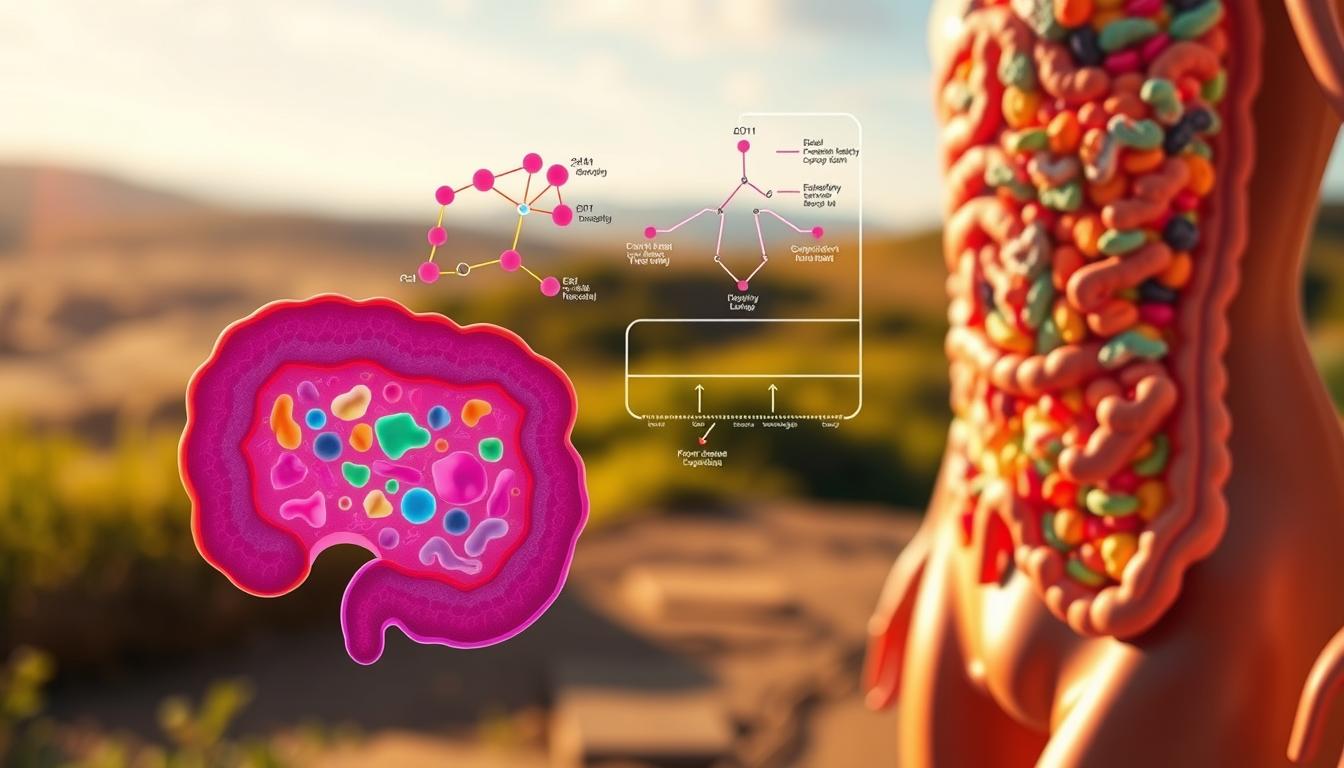
Reduced fiber intake starves carb-dependent bacteria while fat-digesting strains flourish. This population change affects more than digestion – microbial metabolites impact neurotransmitter production and immune cell activity. Certain organisms even generate appetite-regulating hormones, demonstrating why some people experience reduced cravings.
The ketogenic diet creates an environment where specific microbes thrive:
- Butyrate producers decline without complex carbs
- Bile-tolerant species multiply with increased fat intake
- Ketone-utilizing strains become dominant energy harvesters
These shifts explain why two people following identical meal plans might experience different outcomes. Your starting microbial profile acts as a biological filter, modifying nutritional interventions’ effectiveness. Recent studies show particular bacterial combinations predict success with carb-restricted protocols better than traditional biomarkers.
“Microbial endocrine activity directly interfaces with human metabolism through multiple signaling pathways.”
While some diversity loss occurs initially, strategic fiber sources and fermented foods can help maintain balance. Monitoring energy levels and digestive patterns provides insight into your unique microbial adaptation process.
Alterations in Gut Microbiome Composition on Keto
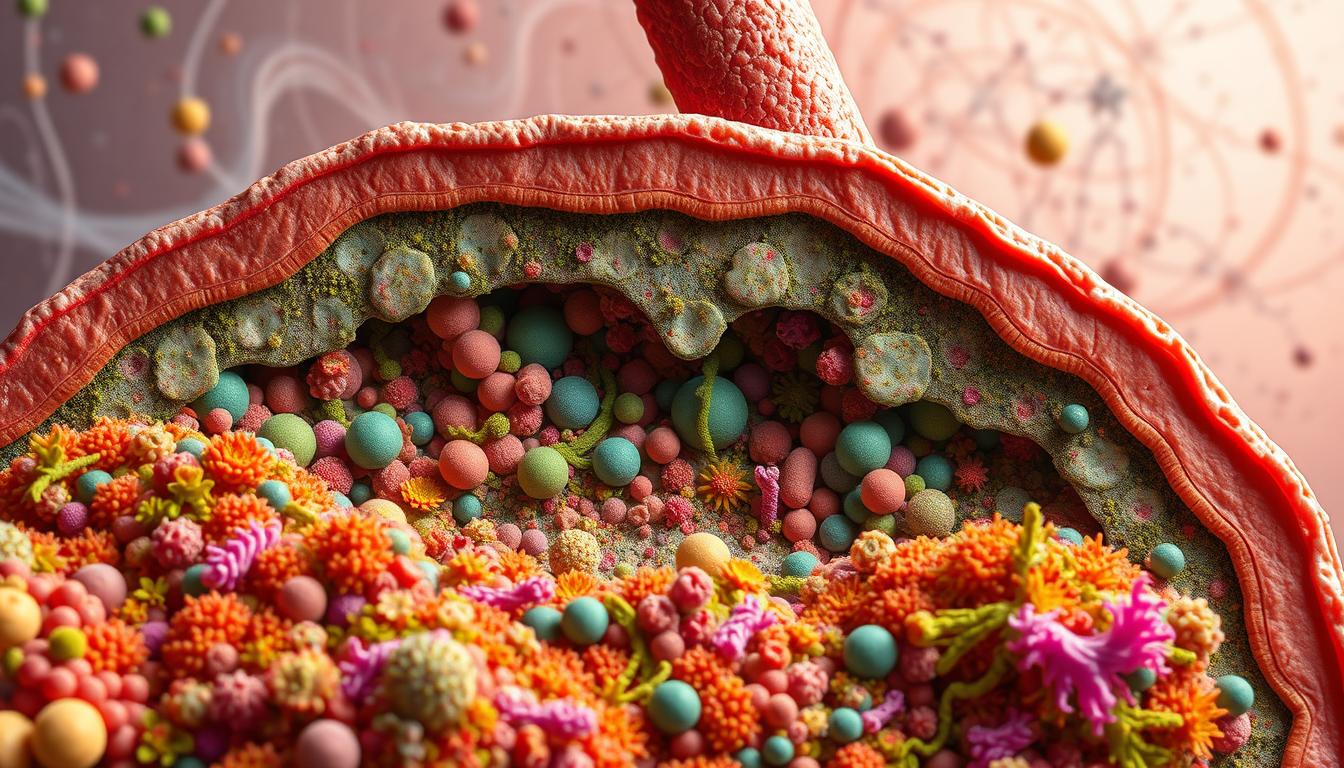
Your digestive ecosystem undergoes significant restructuring when carbohydrate intake plummets. Research reveals specific microbial populations rise while others decline, creating new metabolic partnerships. These microbiome composition changes occur rapidly, often within the first week of dietary modification.
Shifts in Bacteroidetes and Firmicutes
Two bacterial phyla dominate intestinal landscapes. Studies show Firmicutes populations shrink by 19-37% during carb restriction, while Bacteroidetes increase up to 42%. This ratio change correlates with improved fat metabolism markers in clinical trials.
| Protein Source | Firmicutes Change | Bacteroidetes Change | Alpha Diversity |
|---|---|---|---|
| Animal Proteins | -21% | +29% | ▼ 15% |
| Whey/Vegetable | -34% | +53% | ▼ 9% |
Implications for Inflammation and Metabolism
Akkermansia muciniphila thrives in low-carb environments, increasing up to 8-fold. This mucus-layer protector enhances insulin sensitivity and reduces inflammatory cytokines. However, overall microbial diversity typically drops by 12-18% during prolonged carb restriction.
“Higher Akkermansia levels predict better glucose regulation, independent of weight loss.”
Strategic protein choices influence these gut microbiome shifts. Plant-based options preserve more diversity than animal-focused plans. While reduced carb intake starves some bacteria, ketones feed others – creating a delicate balance between metabolic benefits and microbial richness.
The Science Behind Ketone Bodies and Gut Function
Ketones do more than fuel your brain – they reshape your digestive ecosystem. When carb intake drops, your liver pumps out these organic compounds, creating ripple effects across microbial communities. Beta-hydroxybutyrate, the most abundant ketone body, acts as both energy currency and chemical messenger.

Research reveals a fascinating trade-off. Bifidobacterium populations – known for supporting immune function – decline by up to 40% during strict low-carb phases. This shift correlates with ketone levels, suggesting these molecules directly influence microbial survival strategies.
| Microbial Factor | Change Observed | Health Impact |
|---|---|---|
| Bifidobacterium | ▼ 32-40% | Reduced fiber fermentation |
| Th17 Cells | ▼ 61% | Lower inflammation markers |
| Butyrate Production | ▼ 27% | Altered colon cell fuel |
These changes carry mixed implications. While reduced Th17 cells ease inflammation, diminished butyrate may affect gut lining repair. Your microbial balance ultimately determines whether benefits outweigh drawbacks.
Ketones also moonlight as signaling molecules. They suppress genes linked to inflammatory responses while activating cellular repair pathways. This dual role explains why some people experience improved metabolic markers despite reduced microbial diversity.
“Beta-hydroxybutyrate directly inhibits inflammatory pathways in gut immune cells, creating systemic anti-inflammatory effects.”
These compounds even influence brain-gut communication. Animal studies show ketones alter neurotransmitter production in digestive tissues, potentially affecting mood and appetite regulation. The full scope of these interactions remains an active research frontier.
Impact on Seizure Activity and Epilepsy Management
For over a century, nutritional interventions have offered hope where medications fall short. The 4:1 fat-to-carb ratio protocol demonstrates particular promise for managing treatment-resistant neurological conditions. A 1998 breakthrough study revealed 50% fewer seizures in children within three months of starting this regimen – results that reshaped therapeutic approaches.
Microbial Mediators of Neurological Effects
Animal research uncovers surprising gut-brain connections. When mice received antibiotics, the diet’s seizure protection weakened by 72%. Restoring specific bacterial colonies reinstated benefits, proving microbes play active roles beyond digestion.
| Study Type | Participants | Key Finding | Microbial Impact |
|---|---|---|---|
| Clinical | 45 children | 62% seizure reduction | Bifidobacteria ▲ 40% |
| Animal | Mice models | Protection lost post-antibiotics | Akkermansia ▼ 89% |
| Human Trial | Adult patients | Response varies by baseline flora | Diversity predicts outcomes |
Fecal transplant experiments reveal microbial transferability. Recipients gaining donors’ bacterial profiles experienced 58% fewer seizures without dietary changes. This suggests certain strains produce neuroprotective compounds.
“Microbial metabolites modulate neuronal excitability through direct blood-brain barrier penetration.”
Individual responses depend heavily on starting microbiome composition. Those with higher Prevotella levels often see faster improvements, while Clostridium-dominant profiles correlate with delayed effects.
Effects on Dyslipidemia and Cardiovascular Risk
Heart disease remains a leading health concern, but dietary strategies may influence key risk markers. Research shows low-carb nutrition alters blood lipid levels differently across individuals. Some experience improved HDL cholesterol while others see temporary LDL increases during rapid weight loss phases.
Triglyceride reduction often occurs first. Studies document 20-30% drops within weeks as carb intake plummets. These fatty acids in blood correlate strongly with cardiovascular disease progression when elevated long-term.
The diet’s effects on cholesterol profiles remain debated. Certain genetic profiles show better LDL particle size optimization, reducing arterial plaque risks. Regular monitoring helps identify patterns requiring adjustment.
Balancing fat sources proves critical. Replacing processed fats with olive oil or avocados supports healthier lipid levels. Omega-3 intake also modulates inflammatory responses linked to heart disease.
While short-term improvements in metabolic markers are common, sustained benefits depend on food quality and individual biology. Working with healthcare providers ensures blood work guides personalized approaches to cardiovascular risk management.