63% of women report unexpected hormonal changes within three months of starting a low-carb lifestyle. This statistic reveals a critical gap in mainstream nutrition advice—most plans aren’t designed for female biology.
Your body’s response to carb restriction isn’t just about weight fluctuations. Hormonal systems governing metabolism, stress, and reproductive health react differently than in men. Yet popular strategies often ignore these distinctions, leading to frustration and stalled progress.
This guide breaks down how menstrual cycles influence energy needs, why cortisol levels matter more than calorie counts, and what science says about sustainable fat reduction. You’ll discover why some approaches backfire despite strict adherence—and how to adapt them for better results.
Key Takeaways
- Hormonal responses to carb restriction vary significantly between genders
- Menstrual cycle phases directly impact nutritional requirements
- Extreme calorie deficits often disrupt endocrine function
- Personalized strategies outperform generic diet plans
- Metabolic flexibility matters more than ketone levels
Understanding Keto for Women: Hormones, Cycles, and Fat Loss Myths
Carbohydrate restriction triggers unique biological responses that demand careful navigation. When you reduce carb intake below 50 grams daily, your system switches from glucose dependence to fat-based energy production. This metabolic state—ketosis—requires precise macronutrient balance to support hormonal equilibrium.
Redefining Low-Carb Nutrition
A ketogenic diet typically involves 70-80% of calories from fats like avocados and nuts. Protein remains moderate while carbs stay under 5% of daily intake. However, “low carb” definitions vary—some plans permit 45% carb calories for gradual adaptation.
Hormonal Pathways in Focus
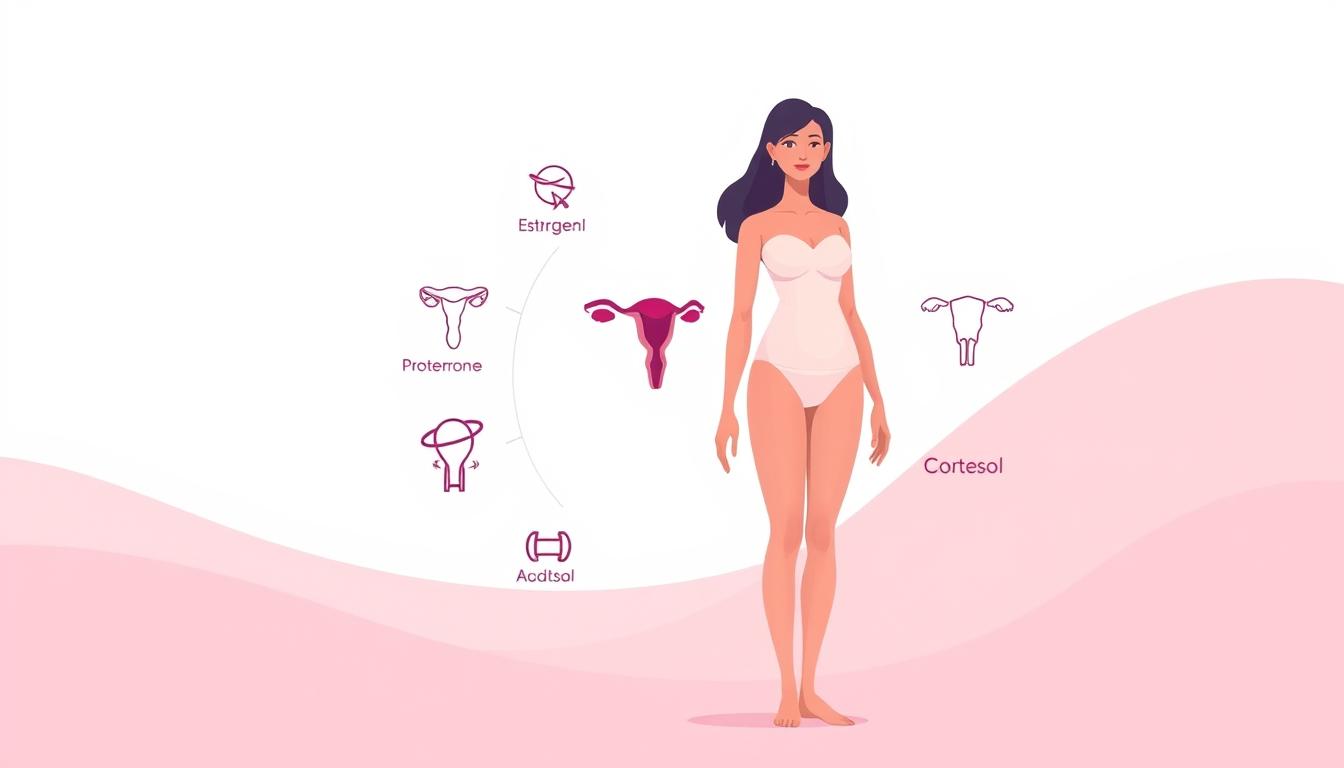
Estrogen and progesterone fluctuations directly interact with ketone production. Your brain’s GnRH signals dictate ovarian function through FSH and LH release. During dietary transitions, the HPA axis modulates stress responses that influence digestion and energy levels.
Rapid weight changes can disrupt these delicate systems. Monitoring cycle patterns helps identify imbalances early. Sustainable approaches prioritize metabolic flexibility over strict ketone measurements.
The Science Behind Hormonal Changes on Keto

Emerging research reveals a direct connection between metabolic shifts and reproductive hormone fluctuations. When body composition changes rapidly, endocrine systems scramble to adapt—often prioritizing survival over fertility.
How Weight Loss Shapes Estrogen Balance
Your fat tissue acts as an estrogen reservoir. Studies show that shedding 17 pounds reduces estrone by 5.7% and estradiol by nearly 10%. This occurs because:
- Adipose tissue stores aromatase enzymes converting androgens to estrogen
- Calorie deficits lower leptin, signaling energy scarcity to reproductive systems
One Journal of Translational Medicine paper notes:
“Participants with PCOS saw improved LH/FSH ratios after 12 weeks of carb restriction, suggesting better ovarian communication.”
GnRH’s Critical Role in Cycle Stability
Your hypothalamus releases gonadotropin-releasing hormone (GnRH) like a metronome—timing follicle-stimulating and luteinizing hormone pulses. Rapid weight loss disrupts this rhythm, potentially causing:
- Delayed ovulation from altered GnRH frequency
- Reduced estrogen production affecting uterine lining
Research confirms that extreme caloric deficits trigger protective mechanisms. Your body interprets sudden changes as threats, temporarily pausing non-essential functions like reproduction.
Navigating Menstrual Cycles and Keto Diet Adjustments
Dr. Thoppil explains: “Your brain orchestrates menstrual rhythms through precise hormone pulses. When dietary changes disrupt this system, cycles often become irregular.” A 2018 study found low-carb plans altered hormonal communication in 68% of participants within 12 weeks.
Identifying Signs of Cycle Disruption
Track flow patterns and timing like vital signs. Missing three consecutive periods signals amenorrhea – your body’s red flag for metabolic stress. Other warning signs include:
- Cycle length variations exceeding 7 days
- Unusual cramping without bleeding
- Spotting between phases
These changes often stem from leptin drops triggered by rapid weight loss. Your reproductive system interprets severe calorie deficits as environmental threats.
Strategies to Maintain Regularity
Adjust carb intake based on cycle phases. During luteal phases, increase complex carbohydrates to 75-100 grams daily. This supports progesterone production without exiting fat-burning modes.
Three evidence-based approaches:
- Consume maintenance calories 5-7 days monthly
- Pair carb refeeds with strength training days
- Monitor basal body temperature for ovulation cues
“Women using cyclical carb strategies maintained regular cycles 83% more often than strict keto adherents,” notes the Journal of Obesity research team.
Work with nutritionists to personalize macronutrient ratios. Blood tests can reveal if cortisol or thyroid shifts require protocol modifications.
Debunking Common Fat Loss Myths on a Keto Diet
Nearly 1 in 3 dieters regain lost weight within a year, according to obesity research. This reality check exposes widespread misunderstandings about low-carb nutrition. Let’s cut through the noise with evidence-based insights.

Separating Fact from Fiction on Weight Loss
The belief that carb restriction guarantees fat reduction for everyone crumbles under scientific scrutiny. A landmark 2017 study tracking 89,000 women revealed those following low-carb plans had 23% lower risk of postmenopausal weight gain. However, researchers noted significant variation in individual responses.
Three critical truths often get overlooked:
- Metabolic health improvements don’t always correlate with scale numbers
- Rapid results may indicate hormonal disruption, not success
- Sleep quality impacts fat loss more than strict carb counting
Dr. Linda Harris emphasizes: “Sustainable changes require aligning diet strategies with your body’s unique signals, not chasing ketone levels.” This approach helps avoid common symptoms of metabolic imbalance like fatigue and irregular cycles.
Your menstrual phase, stress tolerance, and protein intake all influence outcomes. One participant in the Women’s Health Initiative study lost 18 pounds in three months while maintaining cycle regularity—by adjusting carb intake weekly based on energy needs.
Remember: Effective strategies honor biological individuality. What works for your friend might derail your hormonal balance. Track non-scale victories like improved sleep and stable energy alongside weight measurements.
Balancing Low Carb Diets and Nutrient Needs
Starting a carbohydrate-restricted eating plan often brings unexpected challenges beyond initial hunger pangs. Your body requires strategic support during this metabolic transition to maintain optimal function.
Managing Keto Flu and Nutrient Shortages
Up to 75% of people report temporary “keto flu” symptoms when reducing carbs below 50 grams daily. These side effects stem from electrolyte imbalances and metabolic adaptation. Fatigue and brain fog typically peak within 72 hours as your cells switch energy sources.
Combat these effects with targeted nutrition strategies:
- Consume 4,700mg sodium daily through broth or mineral salts
- Add avocado and spinach for potassium needs
- Choose magnesium-rich foods like pumpkin seeds
Your diet must prioritize nutrient density to prevent deficiencies. Research shows low-carb plans often deliver only 65% of recommended fiber intake. Focus on cruciferous vegetables and chia seeds to meet daily targets without exceeding carb limits.
Critical adjustments:
- Rotate vegetable choices weekly for micronutrient variety
- Include fatty fish twice weekly for omega-3s
- Consider supplements for vitamins D and B-complex
A 2023 clinical trial found participants maintaining 35g daily fiber on low-carb plans experienced 42% fewer digestive side effects. Track your intake using apps to ensure you’re meeting both macro and micronutrient needs.
How to Implement a Women-Focused Keto Plan
Customizing your nutrition strategy requires understanding your body’s unique signals. Active individuals or those with metabolic adaptations often thrive with 50-100 grams of daily carbs instead of strict restriction. This balanced approach supports recovery and hormonal balance without sacrificing progress.
Practical Meal Prep Strategies
Batch-cook fatty proteins like salmon and chicken thighs alongside roasted low-carb veggies. Store pre-portioned meals with avocado slices for added healthy fats. Those with thyroid concerns or stalled results might add strategic carb days using sweet potatoes or berries.
Movement and Recovery Essentials
Prioritize resistance training over marathon cardio sessions to protect hormonal health. Pair workouts with electrolyte-rich snacks to maintain energy. Track sleep patterns and stress levels through apps—these metrics often reveal when your plan needs tweaking.
Remember: Your cycle dictates nutritional needs more than generic guidelines. Sync higher-carb days with luteal phases, and always pair dietary changes with stress-reduction practices. This personalized method helps maintain metabolic flexibility while reaching your goals.