Imagine reclaiming 3 weeks of your life annually. That’s how much time the average person wastes choosing meals. For those juggling careers, parenting, and health goals, this hidden time tax derails low-carb diets faster than stale bread cravings.
Lisa Mislevy MS, RD explains why most fail: “Planning isn’t scribbling notes while microwaving lunch. It’s intentionally designing meals that fit your macros and calendar.” Her research reveals a truth busy professionals ignore — feeding yourself well requires strategy, not luck.
This isn’t another rigid protocol demanding spreadsheet mastery. The solution lies in a lazy keto approach — tracking only net carbs while letting proteins and fats naturally balance. Combined with batch cooking techniques, you’ll create grab-and-go dishes that keep you in ketosis without chef-level skills.
Your chaotic mornings transform when breakfasts materialize from fridge to table in 90 seconds. Weeknight dinners become stress-free with pre-portioned proteins and veggie sides. Suddenly, “I’ll just order pizza” evolves into “I’ve got this” confidence.
Key Takeaways
- Save 70+ hours yearly through strategic meal planning
- Use lazy keto principles to simplify carb tracking
- Design meals aligning with energy needs and schedules
- Batch-cook core ingredients for mix-and-match flexibility
- Prevent diet derailment with ready-to-eat options
Introduction to the 5-Day Keto Meal Prep Strategy
The secret to keto consistency isn’t willpower—it’s preparation. Nutrition studies show people using structured meal systems achieve 43% higher adherence rates than those winging it daily. This approach turns dietary success into a repeatable process rather than a guessing game.
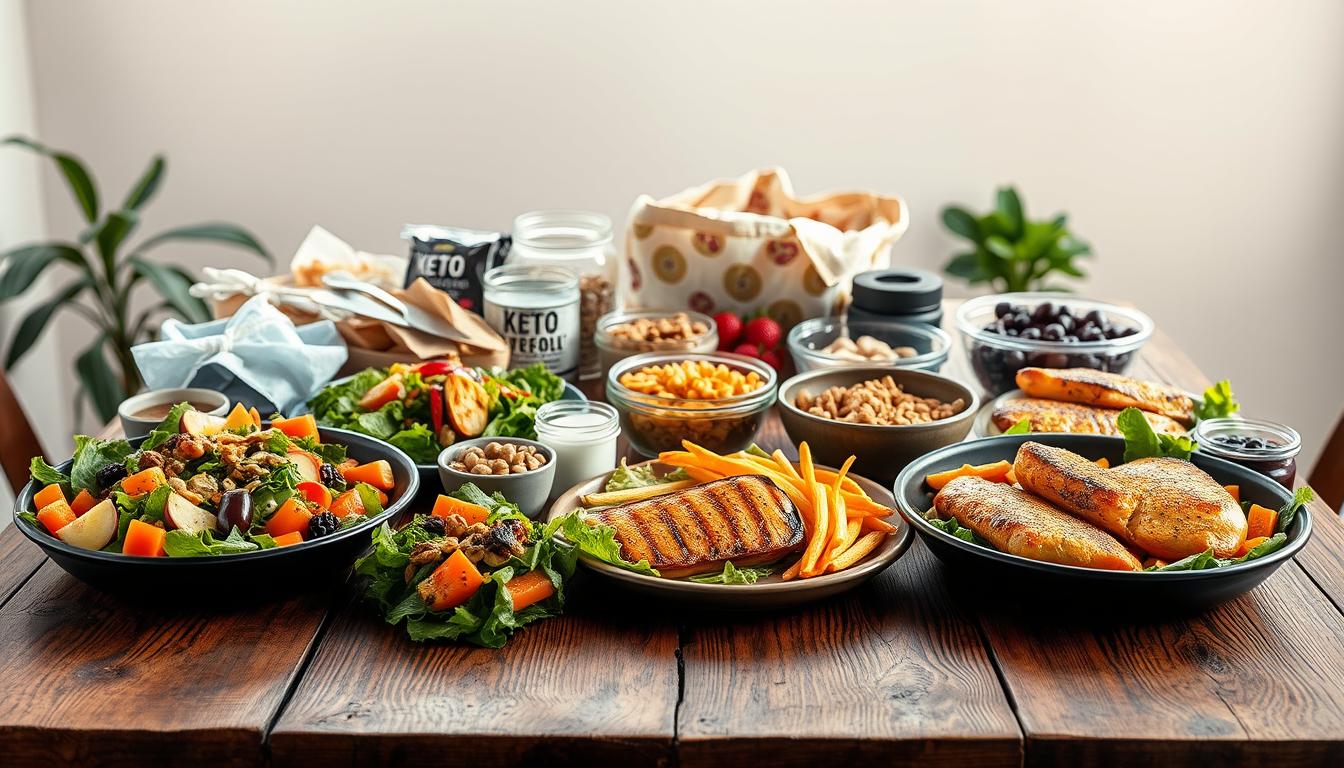
Why Strategic Food Planning Matters
Low-carb eating demands precision. One hidden carb-heavy sauce or snack can reset your metabolic progress. As researcher Dr. Ethan Briggs notes: “The ketogenic diet’s effectiveness hinges on maintaining nutritional boundaries—boundaries that crumble without forethought.”
Pre-made meals act as guardrails. They eliminate impulsive decisions when hunger strikes, which research confirms leads to 68% fewer carb slip-ups. You’re not just organizing food—you’re designing protection against dietary derailment.
Simplifying Your Weekly Routine
The 5-day framework targets peak stress periods. Instead of daily kitchen marathons, you’ll spend 2-3 hours weekly creating:
| Factor | With Prep | Without Prep |
|---|---|---|
| Time Spent Daily | 8 minutes | 47 minutes |
| Carb Control | Pre-tracked | Guesswork |
| Stress Levels | Low | High |
This system leverages batch cooking and ingredient overlap. Roast three proteins simultaneously while oven space is hot. Steam extra veggies for next-day stir-fries. Suddenly, eating well becomes automatic—not another task on your mental checklist.
Understanding the Keto Diet and Its Benefits
Your body’s energy system operates differently when fueled by fats instead of sugars. This metabolic shift unlocks advantages ranging from steady productivity to efficient fat burning—critical for professionals managing packed schedules.
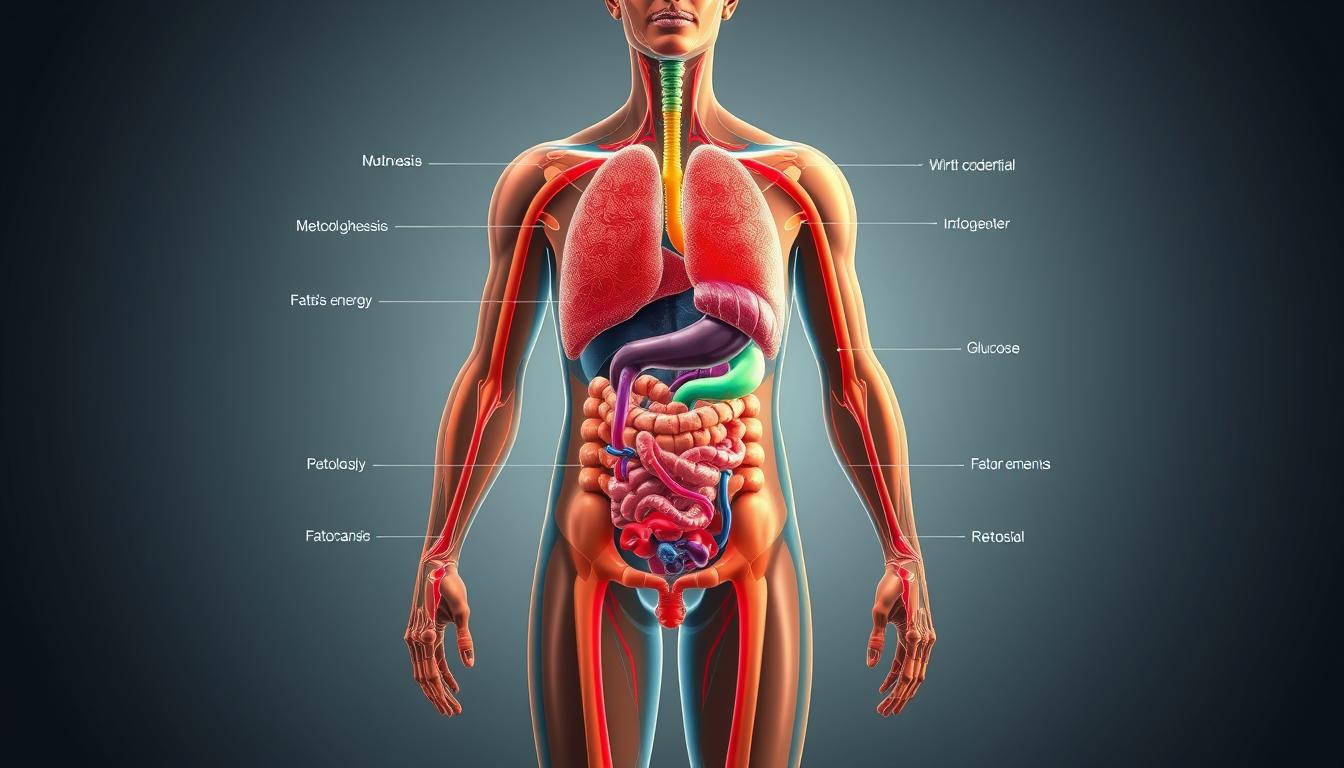
What Is Ketosis and How It Works
Ketosis occurs when carb intake drops below 50 grams daily. Your liver converts stored fats into ketones, molecules that power cells better than glucose. Studies show this process begins within 2-4 days of strict carb restriction.
Three factors maintain this state:
| Fuel Source | Glucose System | Ketosis System |
|---|---|---|
| Primary Fuel | Sugars/Carbs | Fat Stores |
| Energy Stability | Peaks & Crashes | Consistent Output |
| Appetite Regulation | Frequent Hunger | Natural Suppression |
| Metabolic Impact | Insulin Spikes | Fat Burning |
Health, Energy, and Weight Loss Benefits
Ketones provide 30% more energy per unit than glucose, according to metabolic research. This explains why adherents report enhanced mental clarity during work tasks. The state also activates hormones that break down stored fats.
Additional advantages include:
- 28% faster triglyceride reduction compared to low-fat diets
- Improved HbA1c levels in 89% of prediabetic patients
- 75% fewer midday energy slumps reported
By stabilizing blood sugar, this nutritional approach helps avoid decision fatigue—a key hurdle for busy individuals balancing multiple responsibilities.
Getting Started with Your Meal Planning
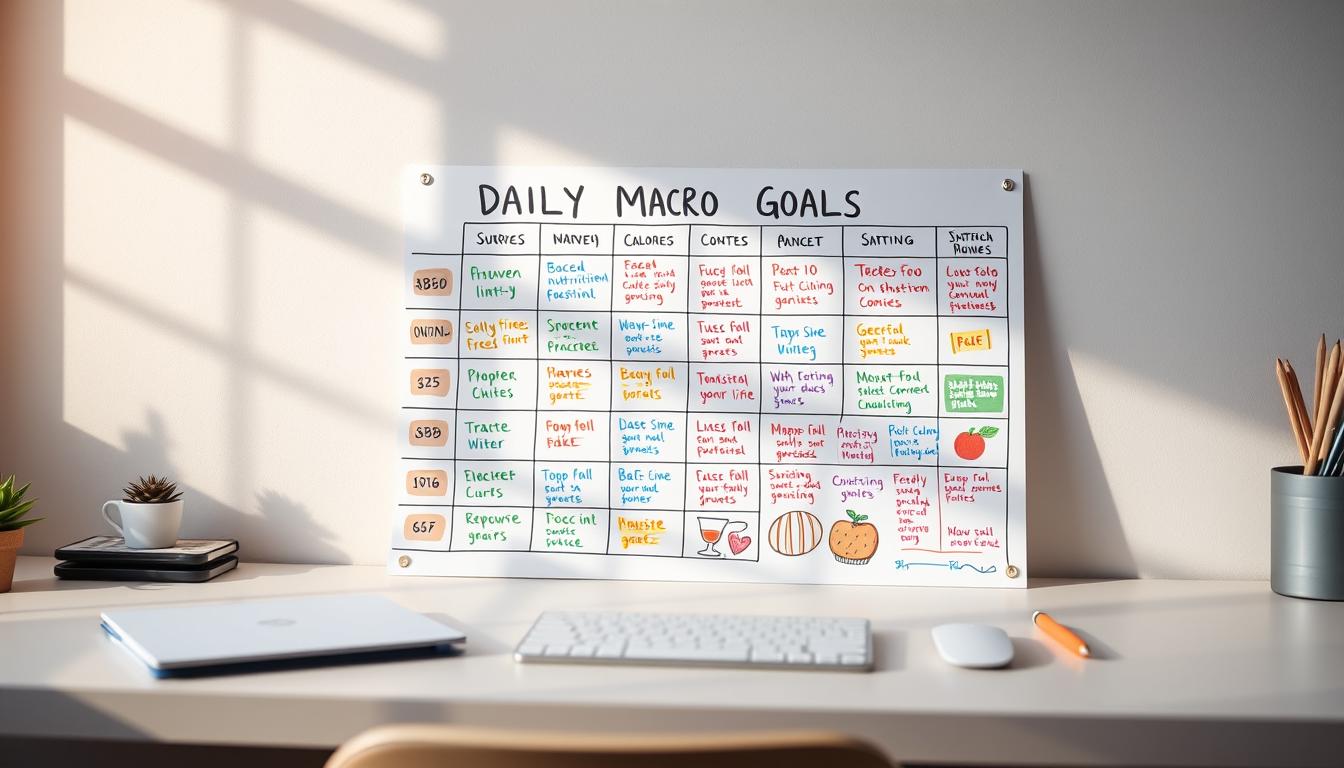
Mastering your nutrition starts with numbers that matter—not complex equations. Forget rigid tracking apps that demand hour-long data entries. The modern approach balances precision with practicality.
Assessing Your Daily Calorie and Macro Goals
Begin by calculating your baseline calorie needs. Online calculators using the Mifflin-St Jeor equation provide starting points. Adjust for activity: desk jobs add 10-15%, while physical labor may require 25% more.
Protein intake anchors your plan. Aim for 0.8-1.2 grams per pound of body weight. A 150-pound person needs 120-180 grams daily. This preserves muscle during weight loss without disrupting ketosis.
| Nutrient | Traditional Keto | Lazy Keto |
|---|---|---|
| Fat | 60-70% calories | Natural balance |
| Carbs | 20-50g total | 20-50g net |
| Tracking Focus | All macros | Net carbs only |
Prioritize net carbs (total carbs minus fiber). This lets you enjoy broccoli, avocados, and berries without math headaches. Use simple tools like Carb Manager for quick checks—no obsessive logging required.
Quality fats like olive oil and nuts keep you full longer. They naturally align with calorie targets when paired with adequate protein. Your meals become metabolic allies, not guessing games.
Day-by-Day Meal Plan Overview
Structure meets flexibility in this five-day roadmap designed for clock-watchers and multitaskers. Nutrition expert Lisa Mislevy crafts morning-to-evening eating patterns that align with professional demands while keeping carb counts locked down.
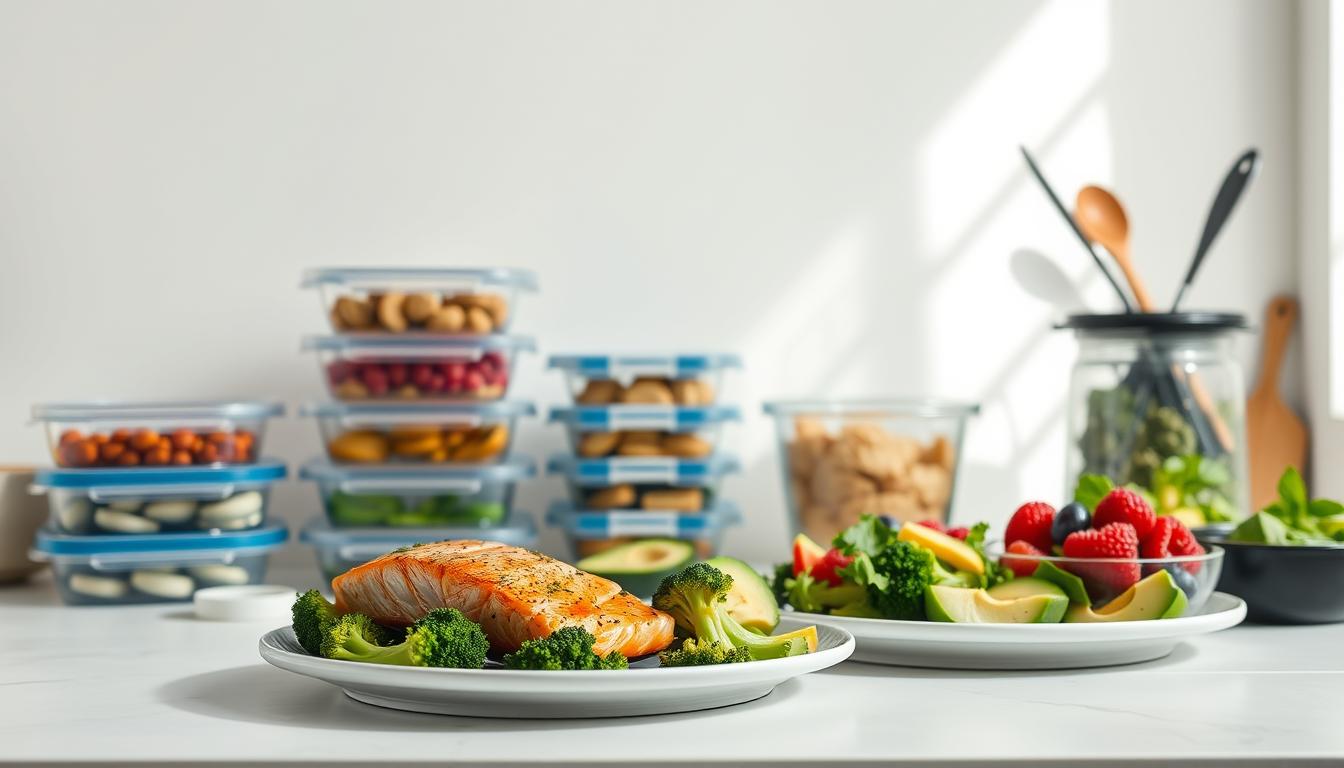
Structuring Breakfast, Lunch, Dinner, and Snacks
Mornings start strong with high-fat, low-prep options. Monday’s ratio yogurt with peanut butter delivers 4g net carbs, while Tuesday’s boiled eggs with sausage provide grab-and-go convenience. Lunch solutions prioritize portability – think romaine wraps stuffed with chicken or charcuterie boards requiring zero cooking.
| Day | Breakfast | Lunch | Dinner |
|---|---|---|---|
| Monday | Yogurt + nut butter | Lettuce wraps | Pulled pork + slaw |
| Tuesday | Eggs + sausage | Charcuterie spread | Mushroom alfredo |
| Wednesday | Bulletproof coffee | Restaurant salad | Grilled salmon |
| Thursday | (Fasting) | Turkey roll-ups | Zucchini lasagna |
Flexible Adjustments for Your Routine
Midweek dining out? Wednesday’s plan suggests “choose grilled proteins and double vegetables” when eating at restaurants. Thursday incorporates intermittent fasting – skip breakfast entirely by pushing your first meal to noon. This adapts to back-to-back meetings or early workouts.
Snack strategically with dark chocolate squares or cheese sticks. These prevent energy crashes without derailing progress. The system bends around your life – not the other way around.
Keto Meal Prep for Busy People: 5-Day Plan That Works
Transforming your weekly routine requires more than good intentions—it demands actionable systems. This blueprint eliminates guesswork with pre-portioned dishes that adapt to your schedule. You’ll start Monday energized and finish Friday satisfied, all while maintaining nutritional precision.
Each day balances convenience with metabolic efficiency:
| Day | Focus | Time Saver | Key Benefit |
|---|---|---|---|
| Monday | No-cook options | Pre-made yogurt bowls | Instant breakfasts |
| Tuesday | Batch cooking | Multi-use sausage | Flavor variety |
| Wednesday | Social flexibility | Restaurant hacks | Stress-free dining |
| Thursday | Time optimization | Fasting integration | Fewer meals |
| Friday | Leftover mastery | Pre-cooked bacon | Zero prep dinners |
Wednesday’s dinner strategy proves you can maintain progress during business lunches. Choose grilled proteins with steamed vegetables at restaurants—most chefs accommodate requests. Thursday’s Mississippi pot roast uses a slow cooker, freeing your evening for family or deadlines.
Friday’s frittata repurposes leftover veggies and bacon from earlier meals. This approach cuts shopping lists by 30% while reducing food waste. You’ll spend Sundays prepping core ingredients instead of cooking every dish.
The system works because it mirrors real-world demands. Whether you’re managing Zoom calls or carpools, your nutrition stays on autopilot. No willpower required—just open the fridge and grab your next victory.
Incorporating Time-Saving Cooking Techniques
Smart kitchen strategies turn meal creation into time leverage. By reimagining how you use appliances and ingredients, you’ll slash hours off weekly food prep while maintaining nutritional precision.
Strategic Parallel Preparation
Lisa Mislevy advises cooking tomorrow’s breakfast alongside tonight’s dinner. Roast chicken thighs while boiling eggs. Sauté veggies for omelets as steak sears. This layered approach doubles output without adding minutes.
Brandy Monge recommends tripling casserole batches on Sundays. Freeze portions for hectic days. Ground beef becomes taco bowls, stuffed peppers, or salad toppers—one base ingredient, three distinct meals.
Planned leftovers transform dinners into ready-made lunches. Bake extra salmon fillets to top tomorrow’s greens. Roast two sheet pans of Brussels sprouts—one for sides, another for quick stir-fries.
Limit new recipes to two weekly. Stick with familiar flavors on busy days. Your system stays efficient when 80% of meals use mastered techniques. Time savings compound as these methods become routine.