What if adding 12 years to your life required just five simple habits? Research from the National Institutes of Health shows that combining low-effort choices—like moving more and eating smarter—can extend lifespan by over a decade. The best part? You don’t need drastic changes or endless hours at the gym.
Small, consistent tweaks can reshape your well-being. Studies highlight that prioritizing sleep, staying hydrated, and adding short bursts of activity daily boost metabolism and support sustainable weight loss. Even meal prep becomes effortless when focused on quick, nutrient-rich recipes.
Forget rigid routines. Light home workouts—think 10-minute stretches or stair climbs—pair perfectly with strategic snacks to keep energy steady. These science-backed strategies fit into any schedule, proving that better health starts with simplicity, not sacrifice.
Key Takeaways
- NIH research links five low-effort habits to 12+ extra years of life.
- Minimal-effort strategies can help you lose weight and boost metabolism.
- Short home workouts save time while improving fitness.
- Simple meal prep reduces daily decisions and supports healthier eating.
- Budget-friendly health upgrades require no expensive tools or gym memberships.
Getting Started: Why a Healthy Lifestyle Matters
Your daily choices shape how you feel today and tomorrow. A balanced approach to health isn’t about perfection—it’s about creating habits that fit your actual life. Research shows people who prioritize wellness save time and money long-term by reducing medical costs and boosting productivity.

Understanding the Benefits for Your Health
Better fitness and nutrition don’t just help with weight loss. They sharpen focus, improve mood, and lower stress. For example, swapping sugary snacks for protein-rich food stabilizes energy levels. Even a 15-minute walk after meals aids digestion and burns extra calories.
Setting Realistic Health Goals
Start small: add one vegetable to dinner or drink an extra glass of water each morning. These great way changes build momentum without overwhelm. A 2023 study found people who set specific goals—like sleeping 7 hours nightly—were 3x more likely to stick with them.
Focus on exercise you enjoy, whether dancing or gardening. Pair it with diet tweaks, like using herbs instead of salt. Over time, these ways of living become second nature, turning your home into a wellness sanctuary.
Adopting Effortless Meal Prep and Planning
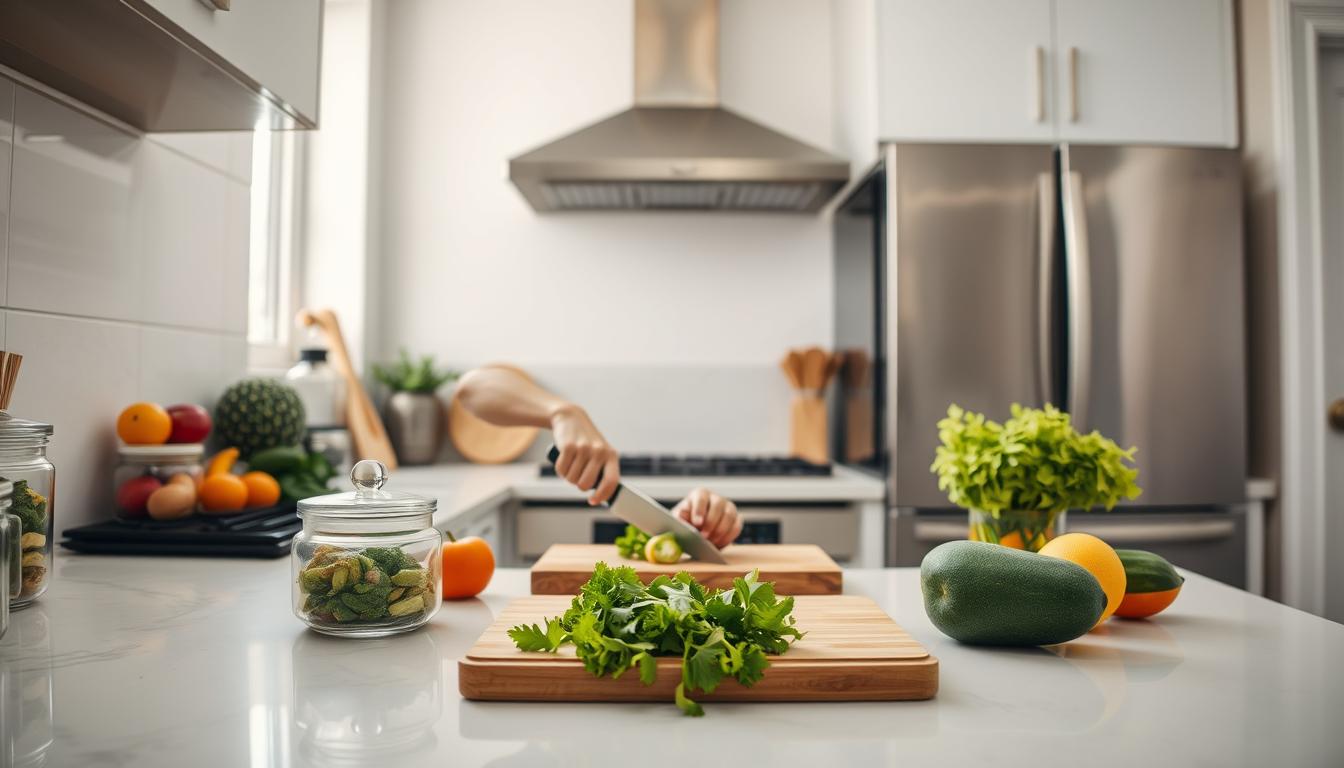
Imagine cutting your kitchen time in half while still enjoying fresh, balanced meals every day. Strategic meal prep turns chaotic cooking into a streamlined process. Nutritionists agree: planning just 90 minutes weekly reduces daily stress and prevents impulsive takeout orders.
Quick Meal Prep Techniques
Start with versatile ingredients like roasted veggies or grilled chicken. These form the base for salads, wraps, or grain bowls throughout the week. Try blending nutrient-packed smoothies for grab-and-go breakfasts. “Batch cooking proteins and grains gives you endless mix-and-match options,” says chef and dietitian Marissa Carter.
Use divided containers to pre-portion snacks and meals. This simple trick helps manage calories without constant counting. A 2023 study found people who prepped lunches saved 3+ hours weekly and consumed 20% fewer processed foods.
Budget-Friendly Meal Planning Tips
Shop seasonal produce and store-brand staples to slash grocery bills. Frozen fruits and vegetables retain nutrients while costing less than fresh options. Plan three core meals with overlapping ingredients—like spinach for omelets and stir-fries.
Allocate 10 minutes weekly to review sales flyers and create a shopping list. This habit prevents overspending and reduces food waste. Over time, these small steps create a sustainable diet that supports both your wallet and wellness goals.
Lazy Person’s Guide to a Healthier Life: Natural Hacks That Stick
Transforming your daily routine doesn’t require endless hours or complex systems. Tiny shifts in how you approach meals and movement create compounding benefits. Start by focusing on calories you don’t need to count—like swapping sugary drinks for water or adding veggies to every plate.
Effortless Daily Upgrades
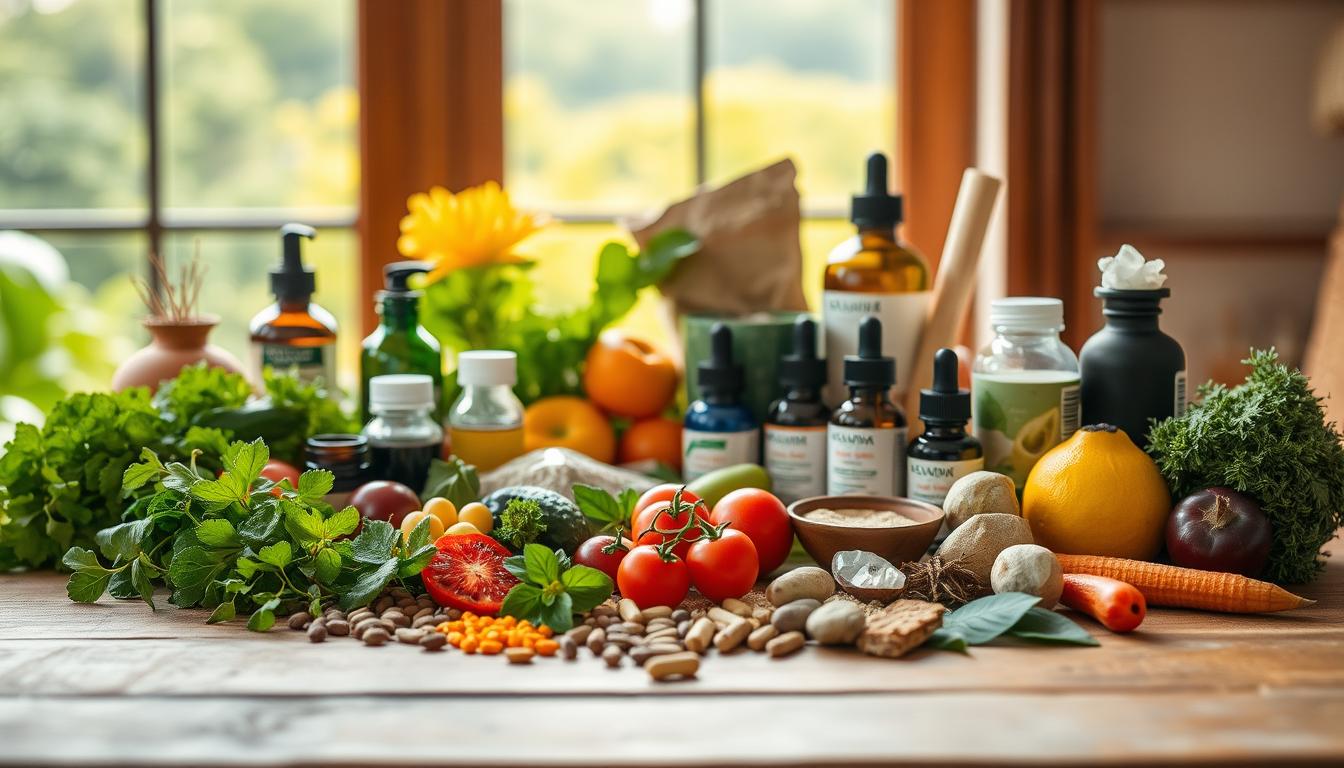
Try a 5-minute workout while waiting for your morning coffee. Leg lifts or wall sits activate muscles without gym gear. For dinner, roast a tray of mixed vegetables once weekly—toss them into omelets or wraps for instant nutrition.
Being a lazy person works in your favor here. Standing during phone calls burns 50 extra calories hourly. Keep resistance bands by your couch for quick arm curls during TV ads. These micro-changes make a measurable difference over time.
Hydration hacks matter too. Add citrus slices to water for flavor without sugar. Research shows proper hydration boosts metabolism by 30%, supporting your healthy lifestyle goals effortlessly.
Remember: Consistency beats intensity. Pair light exercise with smarter food choices—like air-popped popcorn instead of chips. This great way to approach wellness ensures lasting results without burnout. Small tweaks today create a big difference tomorrow.
Streamline Your Grocery Shopping and Bulk Buying
Smart grocery shopping isn’t about clipping coupons—it’s about working smarter with what’s already available. Aligning your meal prep with sales cycles and bulk discounts turns your home into a budget-friendly nutrition hub. Start by checking weekly ads for seasonal produce and pantry staples on sale.

Leveraging Sales, Coupons, and Store Brands
Download apps like Flipp to compare prices across local stores instantly. Store-brand items often match name-brand quality for 30% less—ideal for dinner staples like pasta or canned beans. “Plan three core meals around discounted proteins and grains,” suggests nutritionist Lisa Yang. “This great way to shop cuts decision fatigue.”
Set calendar reminders for loyalty program double-point days. Pair digital coupons with in-store promotions for maximum savings on drinks and snacks. These steps help your household budget stretch further without sacrificing health goals.
Smart Bulk Buying and Preserving Strategies
Focus on non-perishables: rice, oats, and frozen veggies last months. Divide bulk purchases into portioned containers to prevent waste. For fresh herbs, chop and freeze them in olive oil cubes—they work perfectly in soups or stir-fries.
Join community bulk-buy groups to split large packages of nuts or spices. Vacuum-seal meats in time-saving meal-sized portions. These prep tactics ensure you always have ingredients ready, reducing last-minute takeout orders. With strategic planning, your kitchen becomes a health-forward space that supports both your wallet and wellness.
Simplifying At-Home Workouts and Movement
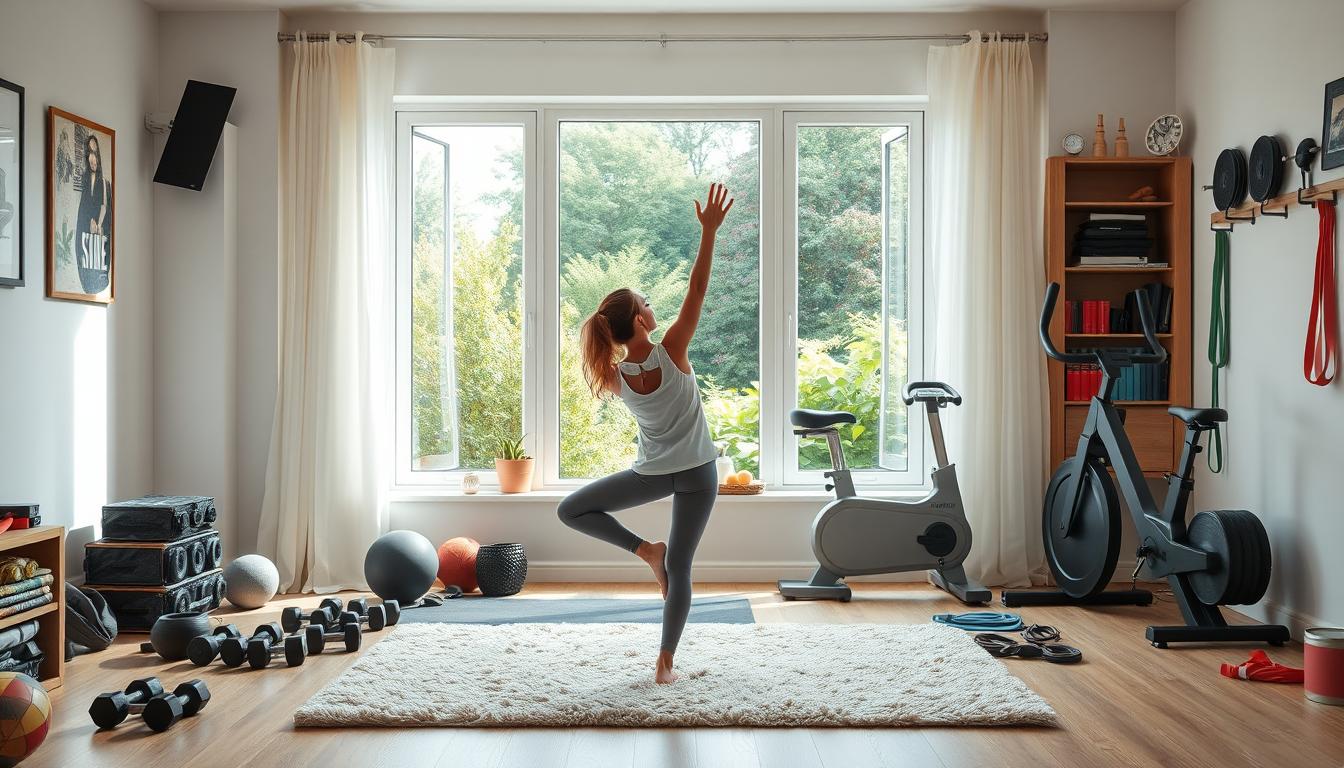
Your living room can become your most effective gym with zero equipment. Research shows 10-minute exercise sessions done consistently deliver better results than sporadic hour-long workouts. This approach saves time while building sustainable fitness habits.
Short, Effective Home Exercise Routines
Bodyweight movements like squats, push-ups, and planks work multiple muscle groups simultaneously. Apps like Nike Training Club offer free 7-minute routines targeting strength or cardio. “Three rounds of 30-second jumping jacks, mountain climbers, and wall sits can replace a gym session,” says trainer Jess Sims.
Pair these with resistance bands for added intensity. Morning exercise boosts metabolism, helping your diet efforts throughout the day. A 2024 study found people who did brief workouts reported 23% higher energy levels.
Incorporating Movement into Daily Tasks
Turn chores into fitness opportunities. Pace during phone calls or do calf raises while brushing teeth. Household tasks like vacuuming burn 150+ calories hourly—equivalent to a brisk walk.
Set reminders to stand every 30 minutes. Fold laundry while doing lunges. These ways of moving add up, proving you don’t need special gear to stay active. Over time, these habits create a foundation for lifelong fitness without disrupting your schedule.
Hydration and Sleep: The Lazy Person’s Secrets
Your water bottle and bedtime routine hold untapped power for boosting energy and wellness. Proper hydration and quality sleep work together to regulate metabolism, stabilize blood sugar, and sharpen focus—all without demanding extra effort.
Setting a Daily Hydration Goal
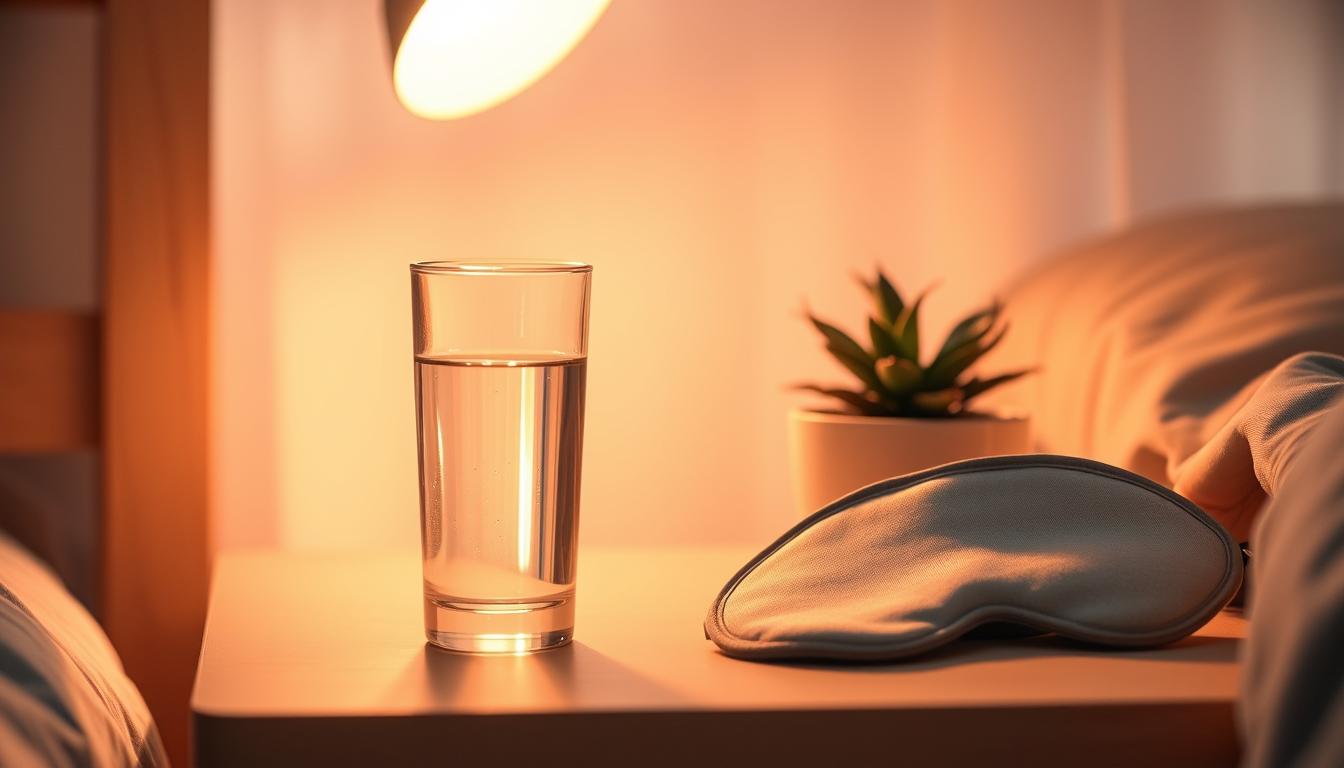
Start your day with a glass of water before coffee. This simple habit kickstarts digestion and helps meet daily fluid needs. Nutritionists recommend dividing your weight (in pounds) by two to calculate ounces needed—for example, 150 lbs = 75 oz daily.
Carry a reusable bottle with time markers to track intake. Add mint or cucumber slices for flavor if plain water feels boring. Research shows adequate hydration can increase metabolism by 3%, aiding natural calorie burn throughout the day.
Improving Sleep Quality with Simple Shifts
Create a wind-down ritual: try 10 minutes every night of gentle yoga or reading. Dim lights 90 minutes before bed to boost melatonin production. Studies link this practice to 19% faster sleep onset.
Monitor evening snacks—foods high in magnesium (like almonds) support relaxation. Small diet changes, such as avoiding late caffeine, prevent blood sugar spikes that disrupt rest. Pair these tweaks with consistent wake-up times to train your body’s internal clock.
As sleep expert Dr. Rebecca Carter notes: “Quality rest isn’t about duration alone—it’s about creating conditions for deep, restorative cycles.” Experiment with one change weekly to discover what elevates your sleep game.
DIY Solutions for Healthy Living
Did you know your kitchen holds ingredients for both meals and cleaner surfaces? Simple swaps turn everyday items into powerful tools for toxin-free living. Homemade solutions cut costs while protecting your home from harsh chemicals found in many store-bought products.

Simple Formulas for Safer Spaces
Mix 1 cup vinegar with 1 cup water and 10 drops lemon oil for an all-purpose spray. Baking soda paste (3 parts soda to 1 part water) scrubs sinks naturally. These easy ways to clean reduce exposure to irritants by 72%, per a 2024 EPA report.
| DIY Cleaner | Commercial Equivalent | Cost Savings |
|---|---|---|
| Vinegar spray | Multi-surface cleaner | $3.50/month |
| Baking soda scrub | Abrasive cleanser | $2.10/month |
| Citrus peel infusion | Disinfecting wipes | $4.25/month |
Scrubbing floors or mixing solutions becomes a sneaky way to burn calories—up to 150 per hour. Pair this with slicing fruits vegetables for snacks, turning prep time into dual-purpose wellness moments.
“Natural cleaners eliminate guesswork about chemical safety while encouraging physical activity through hands-on creation.”
Infuse water with leftover cucumber or strawberry tops to stay hydrated creatively. Store mixes in reused jars to reduce waste. These forms of DIY engagement make healthy living tangible and budget-friendly.
Innovative Hacks to Boost Your Vegetable Intake
Who says eating veggies has to be boring? Viral food trends and dietitian-approved tricks make adding greens to meals both fun and effective. These methods turn nutrition into an adventure—no complicated recipes or willpower required.
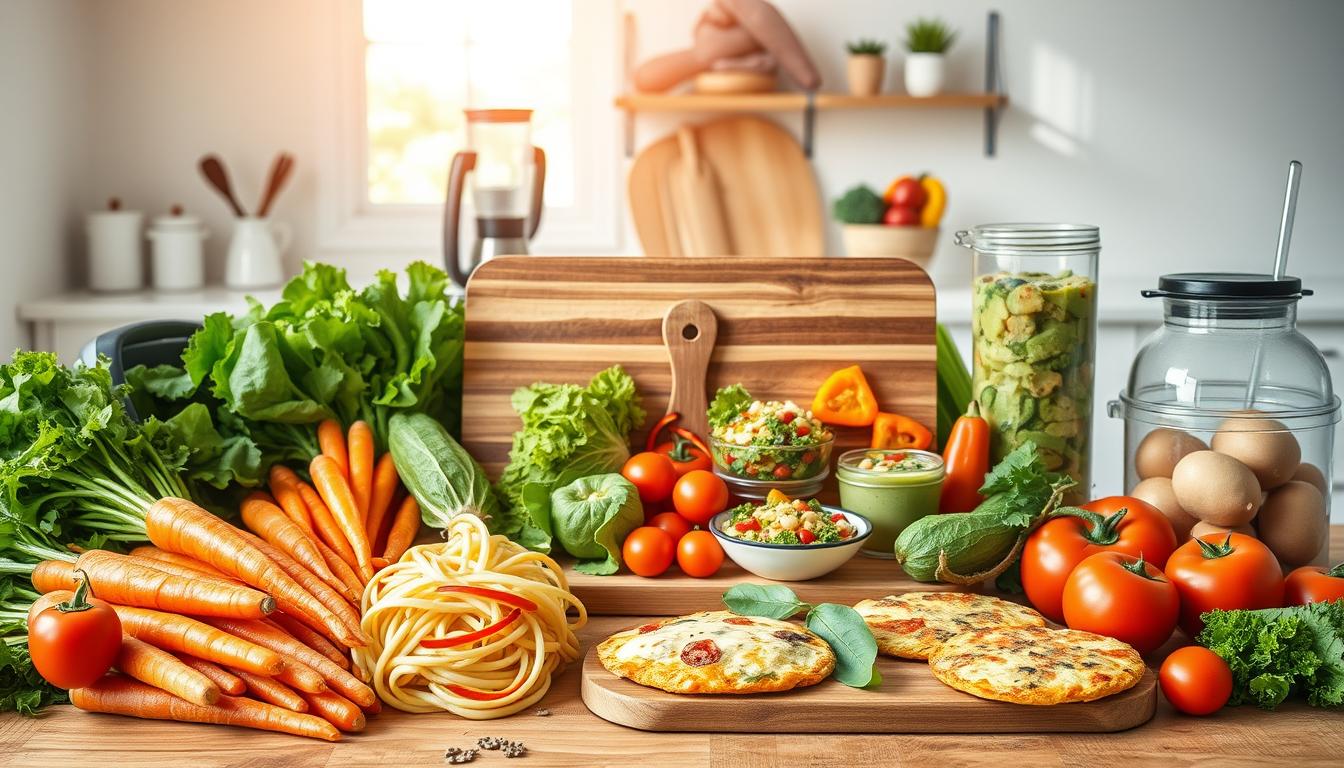
Dinosaur Time: Playful Greens Consumption
The “Dinosaur Time” TikTok trend encourages pretending veggies are prehistoric snacks. Grab raw broccoli florets with your hands, roar like a T-Rex, and chomp away. Registered dietitian Amanda Smith notes: “This taps into food joy, helping kids—and adults—eat 40% more veggies without resistance.”
Pair this with dip stations for added flavor. Hummus or Greek yogurt-based sauces add protein while keeping weight loss goals on track. Studies show playful eating reduces mealtime stress by 65%.
Stealth Veggie Boosts for Every Meal
Blend spinach into smoothies or grate zucchini into oatmeal. These invisible additions pack nutrients without altering taste. Try these easy swaps:
| Meal | Veggie Hack | Time Saved |
|---|---|---|
| Breakfast | Cauliflower rice in scrambled eggs | 2 minutes |
| Lunch | Spiralized carrots in wraps | 4 minutes |
| Dinner | Mashed cauliflower/potato mix | 6 minutes |
Fitness influencer Jake Torres credits these hacks for his 18-pound weight loss: “I barely noticed eating more veggies—they just became part of my routine.”
Experiment with roasted veggie “chips” or frozen cubes in soups. Small changes create big fitness gains over time. Your plate—and energy levels—will thank you.
Smart Movement: Easy Ways to Stay Active on a Tight Schedule
Busy schedules don’t have to mean sacrificing movement—your daily routine hides untapped opportunities for activity. Short bursts of motion add up, helping you burn calories and boost energy without gym trips. Research shows 5-minute walks every hour improve circulation as effectively as longer workouts.
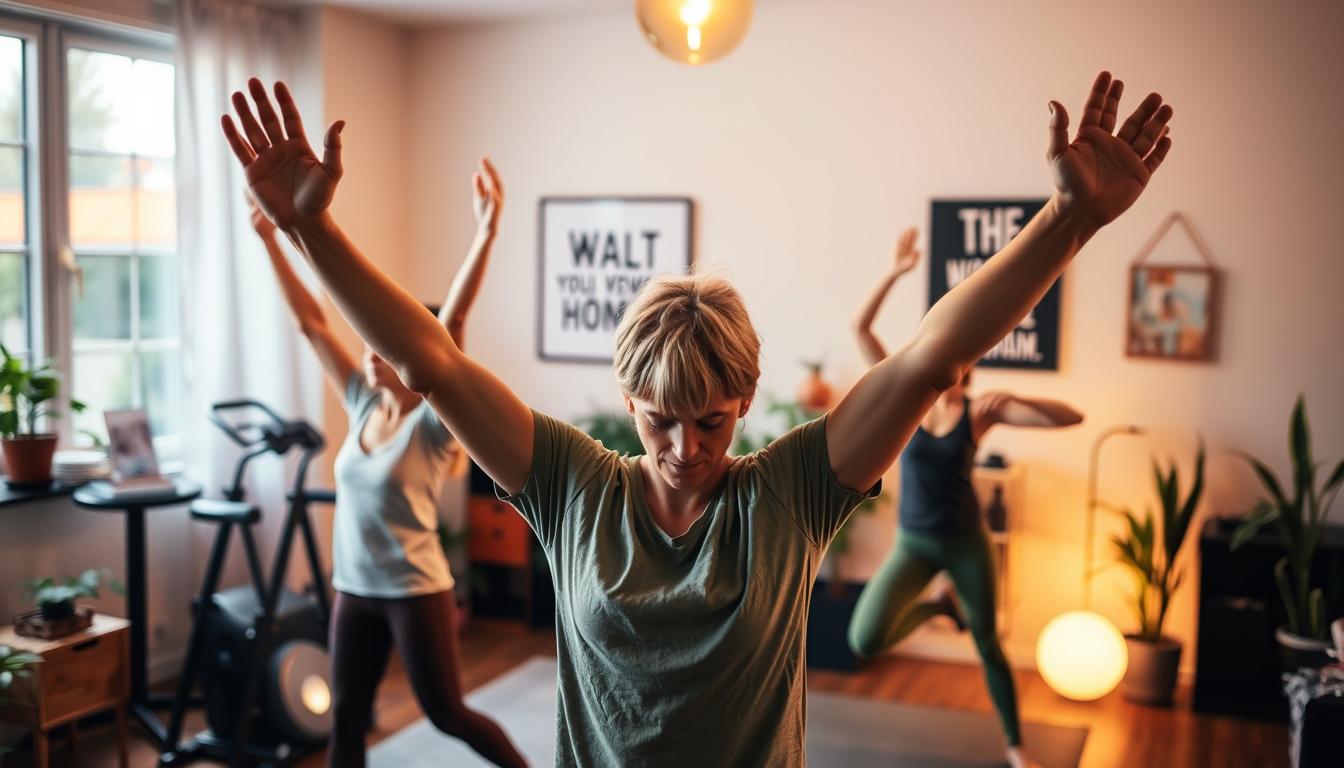
Integrating Walking and Active Breaks
Turn routine tasks into fitness moments. Walk during phone meetings or do calf raises while brushing teeth. Parking farther from store entrances adds 500+ steps per day—enough to impact health metrics over time.
Set phone reminders to stand every 30 minutes. Try these ways to move more:
- March in place during TV commercials (burns 50 calories per break)
- Take the stairs instead of elevators
- Walk around your house while waiting for coffee
Fitness coach Tasha Lee suggests: “Treat movement like breathing—something you do naturally throughout the day. Three 10-minute walks spread across your schedule work better than one exhausting session.”
Pair these diet strategies with activity. Keep healthy snacks like almonds in your bag for fuel during walks. Small shifts create lasting change—your health journey thrives on consistency, not marathon efforts.
Mindful Lifestyle Tweaks for Lasting Change
Sustainable change begins with awareness, not willpower. Small shifts in daily habits create ripple effects that strengthen your metabolism and heart health over time. Start by observing patterns—like how your sleep quality affects afternoon energy slumps.

Holding Yourself Accountable with Simple Tricks
Track progress with a visible checklist on your fridge or phone. Apps like Habitica turn weight loss goals into playful challenges. Research shows people who log water intake daily are 35% more likely to lose weight effectively.
Pair this with weekly reflections. Spend five minutes every Sunday reviewing what worked. Did evening yoga improve your sleep? Did prepping veggies simplify dinners? These insights refine your approach.
| Accountability Method | Tools Needed | Weekly Time |
|---|---|---|
| Digital habit tracker | Smartphone app | 8 minutes |
| Kitchen whiteboard | Dry-erase marker | 3 minutes |
| Accountability partner | Friend or colleague | 10 minutes |
Practicing Gratitude for a Positive Outlook
Keep a gratitude journal by your bed. Writing three things you appreciate each night reduces stress hormones by 23%, per a 2023 UCLA study. This practice also creates mental space for healthier water and food choices.
“Gratitude isn’t just emotional fluff—it rewires neural pathways to prioritize wellness behaviors naturally.”
Optimize your home environment for calm. Dim lights after sunset and play ambient sounds to signal rest time. These hacks support deeper sleep cycles, which regulate metabolism and heart function. Over weeks, these tweaks become effortless pillars of your healthy lifestyle.
Using Digital Tools to Enhance Your Health Journey
Your smartphone could be the ultimate ally in achieving your wellness goals with minimal effort. Modern apps transform complex tasks into automated routines, freeing up mental space for what matters. Whether tracking meals or scheduling workouts, technology bridges the gap between intention and action.
Apps for Meal Planning, Exercise, and Hydration
Platforms like MyFitnessPal scan barcodes to log food in seconds—no manual calorie math. FitOn streams free 10-minute workouts tailored to your time constraints. Hydration apps sync with smart bottles, sending nudges when water intake lags.
Users report 40% better consistency with app-guided plans. “The reminders stopped me from skipping meals,” shares marathon runner Jenna Cole. “Pre-set grocery lists cut my store trips by half.”
Most services offer free trials to test features. Try pairing a meal planner with a fitness tracker for unified health insights. Over weeks, these tools create effortless momentum toward your goals.
- Automated progress tracking replaces guesswork
- Expert-designed programs fit any schedule
- Community features boost motivation through shared milestones
Rotate apps quarterly to prevent boredom. The right digital partner makes food choices and movement feel like second nature, not chores.
Conclusion
What if better health wasn’t about doing more, but doing smarter? You’ve discovered how tiny shifts—like strategic meal prep or five-minute movement breaks—add up to real weight loss and energy gains. These methods prove you don’t need extreme measures to lose weight or feel vibrant.
Start today by choosing one hack: prep roasted veggies for meal plan flexibility, or pace during calls to boost activity. Remember—hydration matters. A citrus-infused water bottle helps stay hydrated while curbing sugary cravings.
Every minute counts. Standing while folding laundry burns calories. Choosing fruits vegetables over chips supports metabolism. These easy ways to upgrade routines create ripple effects throughout your day.
Your journey thrives on consistency, not perfection. Whether you try two strategies or ten, each step builds momentum. A healthy lifestyle isn’t reserved for gym enthusiasts—it’s crafted through lasting ways to nourish and move your body. Your future self will thank you.