Did you know that over 90% of people struggling to shed pounds are unaware of the hidden factors slowing their progress? Environmental and biological toxins play a surprising role in disrupting your body’s natural balance, making it harder to achieve your fitness goals.
Modern lifestyles expose us to chemicals like BPA, found in plastics, which can lead to hormonal imbalances. These imbalances often stall metabolic health, even when you’re eating right and exercising regularly. Rising obesity rates are closely linked to increased chemical exposure, making it essential to address these invisible barriers.
This article provides actionable strategies to identify and eliminate toxin-related obstacles. By understanding their impact, you can take control of your health and finally reach your desired results. Let’s explore how small changes can lead to big transformations.
Key Takeaways
- Environmental toxins can disrupt your body’s natural balance.
- Chemicals like BPA may cause hormonal imbalances.
- Modern lifestyles increase exposure to harmful substances.
- Rising obesity rates correlate with chemical exposure.
- Actionable strategies can help eliminate toxin-related barriers.
Introduction: How Toxins Impact Your Weight Loss Journey
It’s not just about calories—hidden factors could be holding you back. Research shows that internal dialogues and external exposures play a significant role in your physical well-being. Negative self-talk, combined with environmental toxins, can create biological roadblocks that go beyond simple calorie math.
Over time, the cumulative effect of dietary and environmental toxins can disrupt your body’s natural balance. For example, studies link pesticide exposure to a 37% higher obesity risk. These substances interfere with metabolic processes, making it harder to achieve your goals.

The concept of toxic overload is critical to understand. When your liver becomes overwhelmed by harmful substances, it struggles to function efficiently. This can lead to hormonal imbalances, fat storage, and stalled progress.
To combat these challenges, a structured approach is essential. In the following sections, we’ll introduce a 6-step framework for detoxification-supported weight loss. By addressing these hidden barriers, you can take control of your health and achieve lasting results.
1. How Toxins Sabotage Your Weight Loss Goals
Achieving your fitness goals isn’t just about exercise and diet. Hidden factors in your environment and lifestyle can significantly impact your progress. Understanding these barriers is the first step toward overcoming them.

The Role of Toxins in Slowing Metabolism
Organochlorines, commonly found in pesticides, can reduce your metabolic rate by 15-20%. This slowdown makes it harder to burn calories efficiently, even with a healthy diet and regular exercise. USDA data shows higher toxin levels in the bloodwork of obese individuals, highlighting this connection.
How Toxins Disrupt Hormonal Balance
Chemicals like BPA and phthalates mimic hormones in your body, leading to imbalances. For example, phthalates lower testosterone levels, which can affect muscle growth and recovery. Artificial sweeteners also decrease insulin sensitivity, further complicating your health journey.
The Connection Between Toxins and Fat Storage
Obesogens, such as PFOA, reprogram fat cell development, making it easier to gain and harder to lose fat. When your liver becomes congested, it stores toxins in adipose tissue, contributing to weight gain. Addressing these factors is crucial for sustainable weight loss.
By identifying and reducing your exposure to these harmful substances, you can take control of your health and achieve your goals more effectively.
2. Common Sources of Toxins in Your Daily Life
Many everyday items you use could be silently affecting your health. From the meals you eat to the products in your home, harmful substances are often hidden in plain sight. Understanding these sources is the first step toward reducing your exposure and improving your well-being.

Processed Foods and Artificial Additives
Processed foods are a major source of harmful additives. Ingredients like carrageenan and MSG can trigger inflammation, making it harder to maintain a healthy weight. Even seemingly healthy options like protein bars and granola often contain hidden sugars and artificial sweeteners linked to weight gain.
Here are some common additives to watch out for:
- Carrageenan: Found in dairy alternatives, it can cause digestive issues.
- MSG: Often in snacks, it may lead to headaches and cravings.
- Artificial sweeteners: Linked to metabolic disruptions.
Environmental Pollutants and Their Effects
Urban areas with high air pollution levels often correlate with higher BMI clusters. Pollutants like particulate matter can interfere with metabolic processes, making it harder to achieve your fitness goals. Studies show that exposure to these substances increases the risk of weight-related issues.
Hotspots include:
- Major cities with heavy traffic.
- Industrial zones with high emissions.
- Areas near waste disposal sites.
Household Products and Personal Care Items
Many everyday products contain harmful chemicals. Parabens, found in 85% of personal care items, can disrupt hormonal balance. Flame retardants in furniture accumulate in body fat, contributing to long-term health issues.
To reduce exposure:
- Choose non-toxic cleaning products.
- Opt for paraben-free cosmetics.
- Select furniture without flame retardants.
By identifying these sources, you can make informed choices to support your health and fitness journey. Small changes in your daily routine can lead to significant improvements over time.
3. The Hidden Dangers of Detox Diets and Cleanses
Detox diets are often marketed as quick fixes, but they can do more harm than good. While they promise rapid results, many fail to deliver sustainable benefits. Instead, they can lead to muscle loss, nutrient deficiencies, and even slower metabolism.

Why Detox Diets Often Backfire
A 2023 study revealed that 72% of people regain lost weight after completing a cleanse. Detox diets often rely on extreme calorie restriction, which can deplete your energy levels and disrupt your metabolism. For example, juicing removes essential proteins, slowing your metabolic rate by up to 23%.
The Risks of Extreme Calorie Restriction
Extreme calorie restriction can lead to muscle loss and nutrient deficiencies. When your body doesn’t get enough fuel, it starts breaking down muscle tissue for energy. This not only hampers your weight loss efforts but also weakens your overall health.
Healthier Alternatives to Detox Diets
Instead of extreme cleanses, consider gradual elimination diets. These protocols focus on removing processed foods while maintaining balanced nutrition. For example, a 14-day plan can help you transition to whole foods without the risks of detox diets.
“Nutrient-dense meals are far more effective than restrictive cleanses for long-term health.”
Here are some safer options to support your goals:
- Replace kale or celery juice with balanced meals rich in protein and fiber.
- Try supported fasting methods under clinical supervision.
- Focus on building healthy habits rather than quick fixes.
By choosing sustainable strategies, you can achieve lasting results without compromising your health. Small, consistent changes are the key to success.
4. How Toxins Affect Your Eating Habits
Your eating habits might be influenced by more than just hunger or stress. Hidden factors in your environment and lifestyle can hijack your body’s signals, leading to unhealthy patterns. Understanding these influences is key to making better choices.

The Link Between Toxins and Cravings
Certain chemicals can disrupt your hunger signals. For example, MSG and high-fructose corn syrup are known to trigger cravings for sugary and salty snacks. These substances interfere with your brain’s ability to recognize fullness, making it harder to stick to healthy meals.
NIH research shows that BPA exposure increases emotional eating by 30%. This chemical mimics hormones, causing imbalances that lead to frequent cravings. Reducing your exposure to these substances can help you regain control over your diet.
How Toxins Influence Emotional Eating
Negative self-talk often correlates with unhealthy eating habits. Late-night eating patterns, influenced by stress or fatigue, can also impact your weight. Toxins like BPA exacerbate these behaviors by altering your mood and energy levels.
Mindfulness techniques can help you distinguish between true hunger and detox symptoms. Practices like deep breathing or journaling can reduce emotional eating and support your loss goals.
Breaking the Cycle of Toxic Eating Patterns
To break free from these patterns, consider a craving-reduction meal plan. Include chromium-rich foods like broccoli and whole grains, which stabilize blood sugar levels. This approach can reduce cravings and support healthier choices.
A 7-day food-mood journaling protocol can also help. Track what you eat, when you eat, and how you feel. This practice highlights patterns and empowers you to make lasting changes.
5. The Role of Nutrition in Combating Toxins
The right nutrition can be your strongest ally in overcoming hidden health challenges. What you eat directly impacts your body’s ability to eliminate harmful substances and maintain balance. By focusing on the right foods and habits, you can support your natural detox processes and achieve sustainable results.
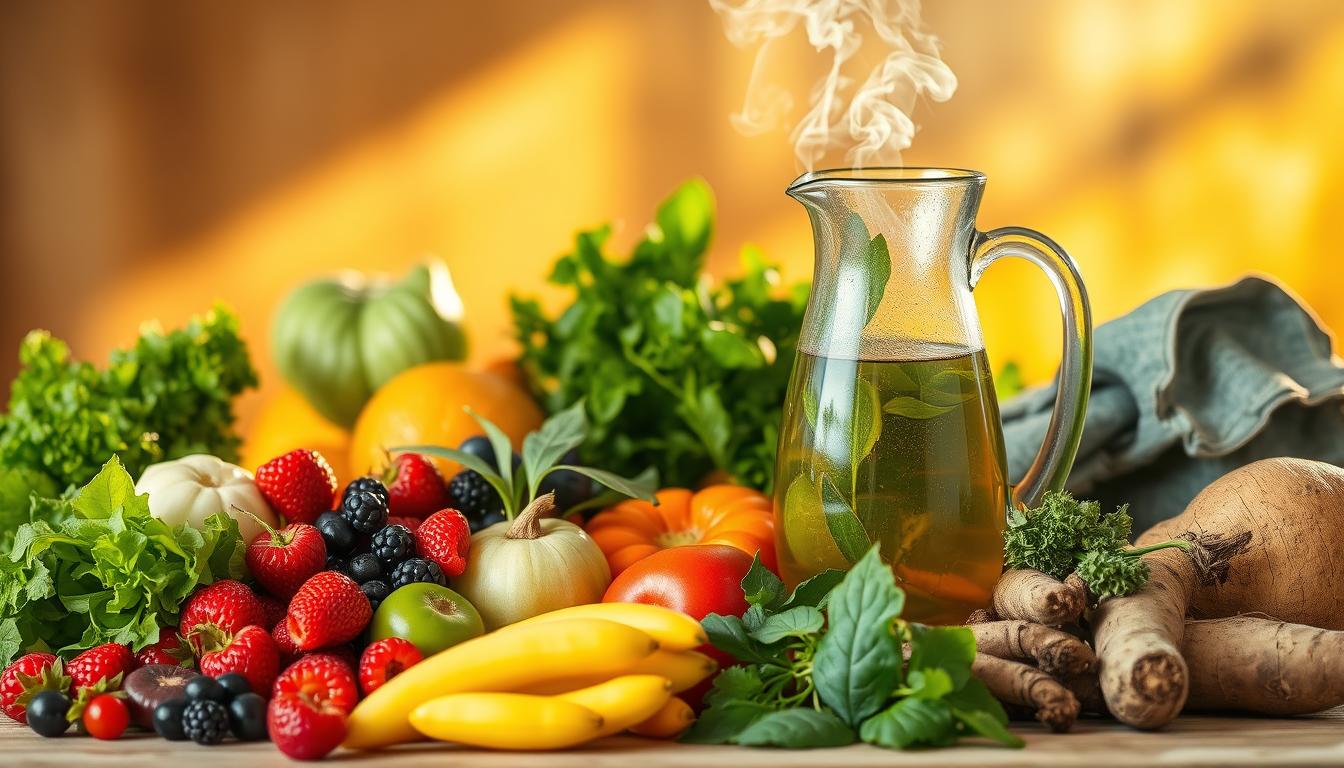
Foods That Naturally Detoxify Your Body
Certain foods are known for their detoxifying properties. Dandelion greens, for example, support liver function, while Brazil nuts are rich in selenium, which helps neutralize harmful substances. Including these in your diet can enhance your body’s ability to flush out toxins.
Here are some top USDA-approved detox foods:
- Cruciferous vegetables like broccoli and cauliflower.
- Leafy greens such as spinach and kale.
- Berries packed with antioxidants.
The Importance of Hydration in Flushing Toxins
Water is essential for detoxification. It helps your kidneys and liver process and eliminate harmful substances. A simple formula to calculate your daily water intake is: body weight (lbs) ÷ 2 = daily ounces. Staying hydrated ensures your body functions optimally.
Nutrient-Dense Meals to Support Weight Loss
Balanced meals are key to maintaining health and achieving weight loss. Aim for plates with 40% cruciferous veggies, 30% lean protein, and 30% healthy fats. Avocados and nuts are excellent sources of good fats but require portion control to avoid excess calorie intake.
Clinical studies show that a 12-week phytonutrient-rich meal plan can significantly improve detoxification and weight loss outcomes. Focus on whole, unprocessed foods to maximize results.
6. Practical Strategies to Reduce Toxins in Your Life
Small changes in your daily routine can make a big difference in reducing harmful exposures. By focusing on clean eating, non-toxic products, and regular physical activity, you can support your body’s natural detox processes and enhance your overall well-being.
Switching to Clean, Whole Foods
Start by overhauling your pantry with whole, unprocessed foods. A 21-day plan can help you transition to healthier options. Focus on EWG-verified brands for kitchen staples and hygiene products to minimize chemical exposure.
Here’s a quick shopping list to get started:
- Organic fruits and vegetables.
- Grass-fed meats and wild-caught fish.
- Whole grains like quinoa and brown rice.
Choosing Non-Toxic Household Products
Many everyday items contain harmful chemicals. Swap out conventional cleaning supplies and personal care products for non-toxic alternatives. Look for certifications like EPA Safer Choice to ensure safety.
Key swaps include:
- Natural cleaning agents like vinegar and baking soda.
- Paraben-free cosmetics and skincare products.
- Furniture and mattresses without flame retardants.
Incorporating Regular Exercise to Boost Detoxification
Physical activity is a powerful tool for eliminating toxins. HIIT workouts, for example, can increase sweat toxin excretion by up to 40%. Aim for at least 30 minutes of moderate exercise most days of the week.
Here’s a simple HIIT protocol to try:
- Warm up for 5 minutes.
- Alternate 30 seconds of high-intensity effort with 1 minute of rest for 20 minutes.
- Cool down with stretching.
By combining these strategies, you can create a healthier environment and support your fitness goals effectively.
Conclusion: Take Control of Your Weight Loss Journey
Taking charge of your health starts with understanding the factors that influence your progress. Sustainable habits outperform quick fixes, offering long-term benefits for your body and overall well-being. Professional guidance can enhance your results, helping you stay on track toward your goals.
Clinical trials show that a 6-month implementation timeline leads to lasting change. Participants who followed structured plans reported significant improvements in their weight loss journeys. Trusted certification programs, like EWG Verified and NSF Certified, provide reliable resources for toxin-free living.
Ready to make a change? Start with a 30-day challenge to reduce harmful exposures and adopt healthier habits. Small steps today can lead to big transformations over time. Take control of your life and achieve the results you deserve.