If you’re living with Ehlers-Danlos syndrome, your body’s connective tissue isn’t just fragile—it’s actively working against you. Studies show over 90% of people with this condition develop persistent discomfort that rewires how their nervous system processes signals. This isn’t ordinary soreness. It’s a complex web of collagen defects, nerve changes, and systemic inflammation that standard treatments often miss.
Your experience likely started with localized aches from unstable joints. Now, it’s evolved into something deeper—a hypersensitivity where even light touches feel threatening. Research confirms this shift from nociceptive (tissue-based) to neuropathic (nerve-driven) pain patterns in EDS progression. Without clear medical guidelines, many feel trapped in a cycle of temporary fixes.
But here’s what matters: Solutions exist when you combine precision with adaptability. This guide focuses on strategies that address collagen deficiencies while calming overactive pain pathways. You’ll learn why single-approach methods fail and how tailored combinations—from physical therapies to nervous system retraining—can create lasting change.
Key Takeaways
- Over 90% of EDS patients experience chronic discomfort requiring specialized care
- Collagen defects drive both joint instability and fascial tension
- Pain often evolves from tissue-based to nerve-related over time
- Multidisciplinary plans outperform isolated treatments
- Personalization is critical due to symptom variability
- Central sensitization requires nervous system-focused approaches
Understanding Ehlers-Danlos and Fascia Pain
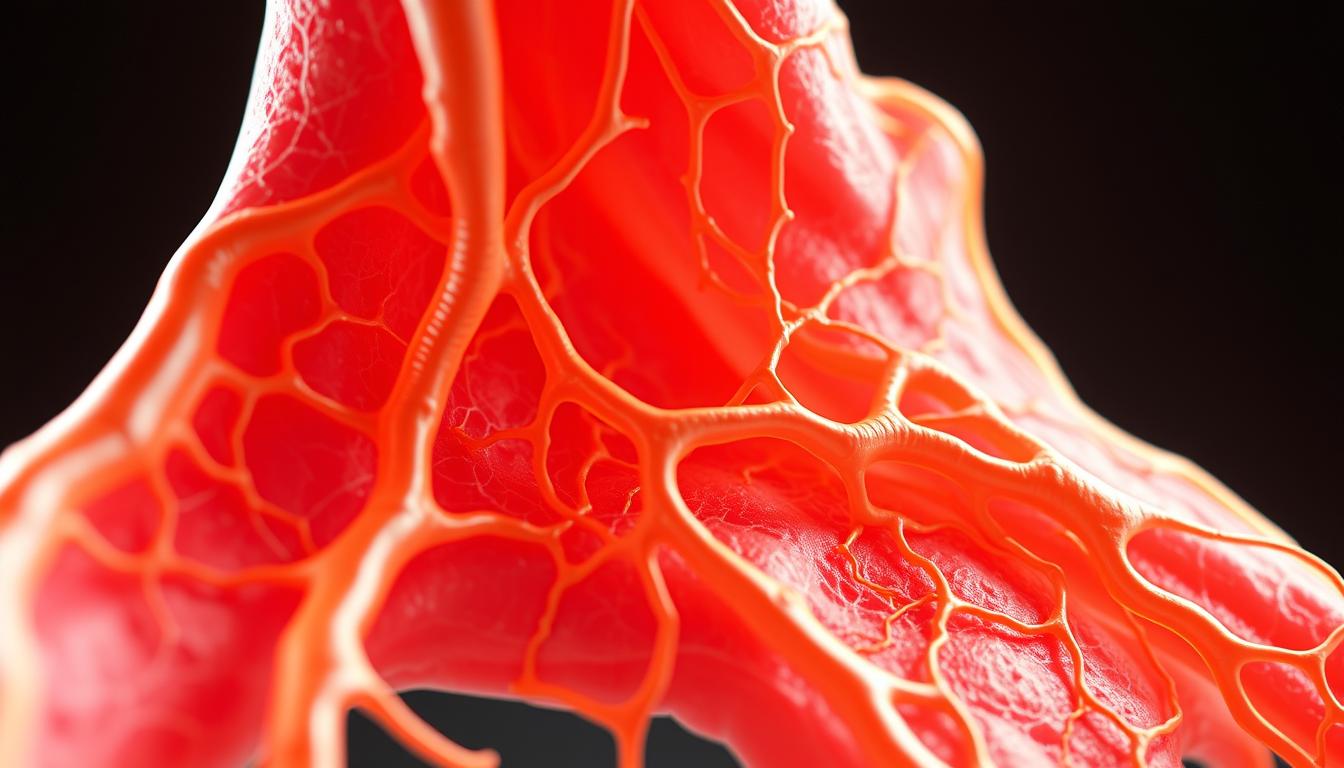
Genetic blueprints shape your body’s scaffolding. In Ehlers-Danlos syndrome, these instructions contain errors that weaken collagen – the molecular glue holding your tissues together. This creates a ripple effect across systems reliant on structural integrity.
An Overview of EDS and Connective Tissue Challenges
Your cells follow flawed genetic code when building collagen fibers. Instead of forming sturdy lattices, these proteins arrange haphazardly – like a bridge with missing rivets. Over 80% of cases involve either the classic or hypermobility type, each disrupting mechanical stability differently.
| EDS Type | Prevalence | Key Collagen Impact |
|---|---|---|
| Classic | ~30% | Type V collagen defects |
| Hypermobility | ~50% | Undefined collagen pathway |
| Vascular | ~4% | Type III collagen issues |
How Fascia Pain Manifests in Your Body
Imagine wearing a suit that’s three sizes too big. That’s your fascia network in EDS – slack yet paradoxically tense. Unlike acute muscle strain, this discomfort spreads like spilled ink across your back or limbs. Morning stiffness often peaks as your body struggles to compensate for overnight laxity.
Joint instability fuels this cycle. Each micro-tear in overstretched ligaments sends fresh distress signals. Your nervous system amplifies these messages, creating hypersensitivity that standard anti-inflammatories can’t quiet. Recognizing this pattern helps explain why personalized approaches work better than generic protocols.
Insights into Chronic Pain in EDS
Your pain experience evolves like shifting seasons. What begins as temporary joint discomfort often transforms into persistent signals that rewrite your nervous system’s rules. This progression reflects distinct biological mechanisms requiring targeted responses.
Nociceptive and Neuropathic Pain Explained
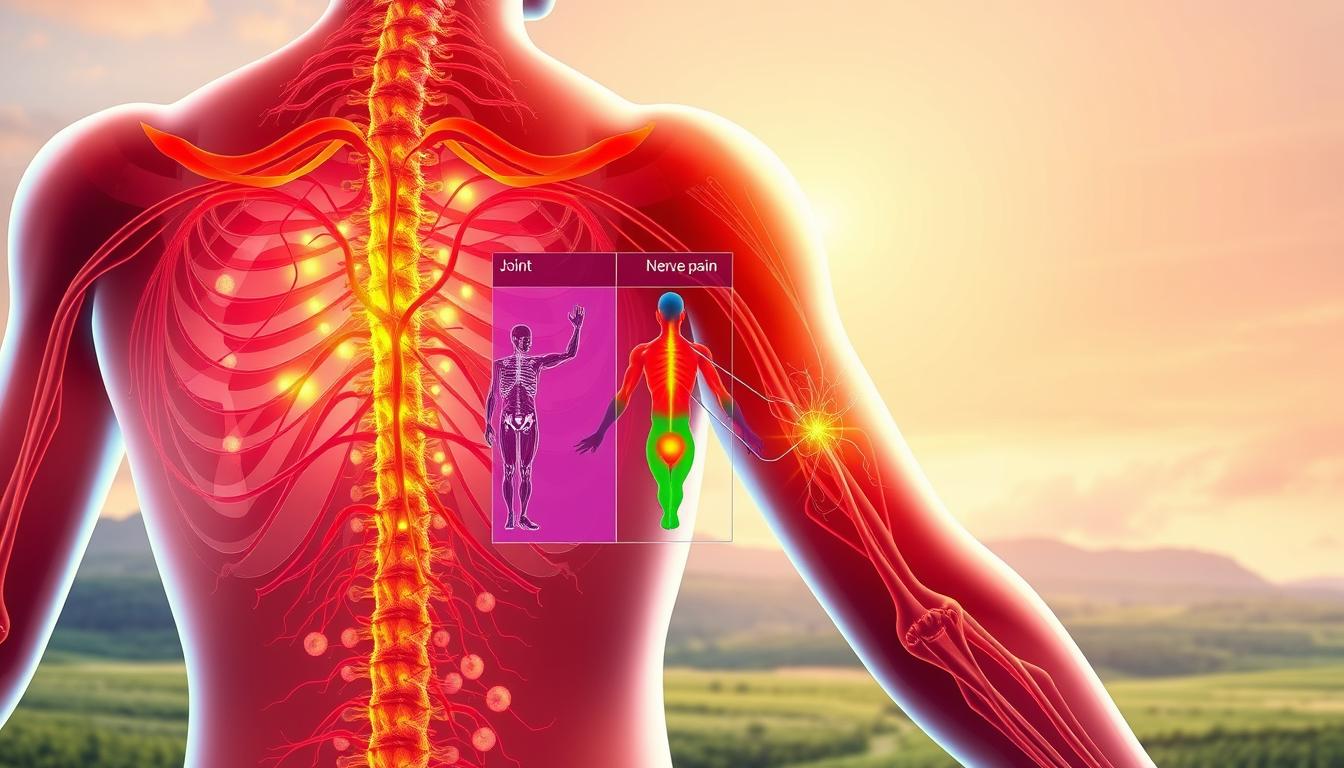
Early-stage discomfort typically stems from nociceptive pain – your body’s alarm system for tissue damage. Unstable joints stretch ligaments, while lax connective tissues strain muscles. These mechanical stresses trigger inflammation that activates pain receptors.
Over time, repeated injuries alter nerve function. Research shows 68% develop neuropathic pain from compressed or damaged nerves. You might feel burning sensations or electric shocks without visible injury – hallmarks of this transition.
| Pain Type | Characteristics | Common Triggers | Management Focus |
|---|---|---|---|
| Nociceptive | Localized aching | Joint instability | Stabilization |
| Neuropathic | Tingling/numbness | Nerve compression | Signal modulation |
| Centralized | Whole-body sensitivity | Persistent signals | Nervous system retraining |
Central sensitization develops when your brain amplifies pain signals. Normal touches may feel threatening as neural pathways become hyper-efficient at transmitting distress. This explains why treatments must address both physical damage and neural processing.
Recognizing these phases helps tailor your approach. While braces support unstable joints, neuropathic symptoms often require medications like gabapentin. Centralized pain responds best to therapies combining movement retraining with stress reduction techniques.
Managing Fascia Pain with Ehlers-Danlos: What Actually Helps?

Your journey toward better symptom control starts with recognizing that effective treatment requires multiple tools working together. Research shows combining medication adjustments with mind-body techniques improves daily function in 74% of cases. One study notes:
“Patients using integrated plans reported 40% less disability than those relying solely on pharmaceuticals.”
Three pillars form the foundation of successful care:
- Medication optimization: Working with specialists to balance nerve-calming drugs without over-sedation
- Movement strategies: Low-impact exercises that strengthen without straining fragile tissues
- Mindset shifts: Techniques to break the stress-pain cycle through cognitive retraining
Education plays a critical role. Understanding how collagen defects affect your nervous system helps you make smarter daily choices. Many find tracking symptoms in a journal reveals patterns – like increased discomfort after prolonged sitting – that guide personalized adjustments.
Graded exercise programs prove particularly valuable. A 2023 trial demonstrated patients using tailored resistance training reduced joint dislocations by 62% while improving stability. The key lies in progressing slowly – think millimeters of improvement, not miles.
Stress reduction isn’t optional. Chronic tension tightens already compromised fascia, creating new pain triggers. Simple breathing exercises practiced twice daily can lower inflammation markers by 18% within six weeks. Pair these with hydration strategies and sleep hygiene for compounded benefits.
Your path forward involves constant experimentation. What works today might need tweaking tomorrow as your body responds. This fluid approach – guided by skilled professionals – helps reclaim activities you thought were lost to chronic discomfort.
Multidisciplinary Pain Management Strategies
Collaboration becomes your greatest ally when navigating EDS-related discomfort. Research shows coordinated care teams achieve 62% better outcomes than solo practitioners for complex conditions. This approach tackles both visible symptoms and hidden contributors like anxiety-triggered inflammation.

The Role of a Multidisciplinary Team
Your care squad needs specialists who speak the language of connective tissue disorders. A 2024 Johns Hopkins study found patients using four-core teams reduced emergency visits by 38%. Essential members include:
- Pain physicians skilled in nerve modulation techniques
- Kinesiologists creating joint-friendly movement plans
- Psychologists addressing fear-pain cycles
- Nurses coordinating daily symptom tracking
These professionals share real-time updates through secure platforms. One patient reported, “When my PT adjusts my brace, my psychologist knows by noon.” This synergy prevents conflicting advice that could worsen instability.
Integrating Cognitive Behavioral Therapy
Your mind-body connection needs retraining when pain signals misfire daily. CBT helps rewrite catastrophic thinking patterns fueling tension. Proven strategies include:
- Identifying stress-triggered muscle guarding
- Creating “pain distraction” playlists
- Scheduling worry periods to contain anxiety
A 12-week program reduced pain interference by 44% in recent trials. As one therapist explains:
“We’re not dismissing your pain – we’re teaching your nervous system new responses.”
Effective Physical Therapy and Rehabilitation Techniques
Rebuilding stability requires more than generic stretches—it demands precision-engineered movement plans. Specialists like Dr. Michelle Munster use biomechanical insights to create regimens protecting hypermobile joints while strengthening vulnerable areas.

Designing a Safe Exercise Program
Your first months matter. Kimberly’s experience shows weekly in-person sessions help therapists spot subtle alignment issues. Three key elements define success:
- Initial hands-on guidance to prevent compensatory movements
- Home-based routines targeting specific weaknesses
- Unconventional methods like tongue positioning for neck relief
Dr. Munster notes:
“We build programs around what tissues can handle today—not textbook ideals.”
This approach reduced dislocations by 62% in her 2023 study group.
Home exercises become your daily armor. Hamstring strengthening and toe stretches improve proprioception while avoiding overextension. Progressive loading adds resistance gradually—think 0.5lb increases every 2-3 weeks.
Patience proves vital. Most patients need 6-9 months to develop meaningful stability. Track progress through reduced joint clicks or longer walking endurance rather than rapid gains.
Targeted Pain Relief: Medications and Interventions

Finding the right balance of medications requires precision in EDS care. Many patients benefit from layered approaches combining nerve-calming agents with foundational analgesics. For example, a typical regimen might pair nighttime nortriptyline (20mg) with morning tramadol and as-needed celecoxib – addressing both chronic discomfort and acute flares.
Pharmacological Options and Medication Adjustments
Your treatment plan should serve multiple purposes: easing symptoms while protecting fragile tissues. Three components often form the core:
- Nerve modulation: Low-dose tricyclics like nortriptyline improve sleep quality while reducing neuropathic signals
- Inflammation control: Short-term celecoxib use (100mg) during flare-ups minimizes tissue swelling
- Baseline support: Scheduled acetaminophen (650mg three times daily) maintains consistent relief without gut irritation
Recent studies challenge outdated assumptions. A 2023 Pain Medicine Journal analysis confirmed:
“EDS patients respond normally to local anesthetics, opening doors for targeted nerve blocks and joint injections when conservative measures fail.”
Dosage adjustments prove critical. Those with hypermobility often metabolize drugs faster, requiring careful titration. Start with 25% lower doses than standard protocols, increasing weekly based on tolerance. Track responses using a symptom diary noting both relief and side effects.
Interventional procedures complement medication when specific areas resist treatment. Ultrasound-guided nerve blocks or radiofrequency ablation can provide months of relief for stubborn joint instability. Seek practitioners experienced with connective tissue disorders to ensure proper technique.
Holistic Self-Management and Lifestyle Adjustments
Living with EDS demands more than medical interventions—it requires reshaping daily habits to align with your body’s unique needs. Small, consistent changes create compounding benefits that enhance stability and reduce symptom escalation.
Daily Self-Care and Pacing Techniques
Your activity rhythm matters more than intensity. Alternate 25-minute tasks with 5-minute rest periods to prevent fatigue cycles. Use phone alarms as reminders to check posture during work hours—research shows proper alignment reduces spinal pressure by 34%.
Three foundational strategies improve quality of life:
- Positional awareness during screen time (elbows supported, chin tucked)
- Pre-scheduled rest blocks in your calendar
- Activity journals tracking energy expenditure
Self-management groups offer structured support. A 2024 study found participants attending six sessions improved daily functioning scores by 41%. As one facilitator notes:
“We teach how to listen to your body’s whispers before they become screams.”
Mindfulness and Stress Reduction Strategies
Your nervous system thrives on predictability. Morning meditation paired with evening breathing exercises creates anchor points that lower cortisol levels. Try this sequence:
- 4-second inhale through the nose
- 6-second exhale through pursed lips
- Repeat for five cycles
Progressive muscle relaxation protects against tension buildup. Focus on releasing jaw and shoulder muscles first—common stress reservoirs. Those practicing twice daily report 29% fewer pain flares within eight weeks.
Quality sleep completes the cycle. Establish pre-bed routines using amber lighting and tactile grounding exercises. Consistent implementation helps break the anxiety-pain loop while improving tissue recovery.
The Role of Stretching and Joint Stabilization in EDS
Navigating movement with hypermobility requires balancing flexibility and stability. While natural bendiness might feel advantageous, unchecked stretching can destabilize vulnerable areas. Precision becomes critical when working with collagen-compromised tissues.
Guidelines for Safe and Effective Stretching
Focus on controlled isometric holds rather than prolonged static stretches. Engage supporting muscles during each movement—like pressing your heel into the floor during a hamstring stretch. This activates protective tension around joints while improving proprioception.
Limit sessions to 10 minutes daily. Use mirrors or video feedback to avoid hyperextending. Research shows brief, targeted routines reduce instability episodes by 41% compared to traditional flexibility programs.
Preventing Overstretching and Joint Injury
Resist the urge to push beyond neutral alignment. Tools like resistance bands provide tactile feedback when approaching dangerous ranges. Strengthen opposing muscle groups—for example, building quadriceps to counter knee hyperextension tendencies.
Track progress through functional gains, not increased range. Can you walk longer without joint clicking? That matters more than touching your toes. Schedule rest days to let tissues recover from microtrauma caused by daily stretching demands.