Did you know that just 10 minutes a day can rewire your brain? Research from Headspace reveals that consistent practice reduces stress by 33% and boosts life satisfaction. You don’t need special tools—just your breath and a quiet space.
Many assume this practice requires hours of silence. In reality, short sessions work wonders. Even a single 5-minute moment helps calm the mind. Think of it like brushing your teeth—small, daily efforts create lasting change.
Worried about noise or a busy schedule? You can adapt sessions to your routine. Try morning breathing exercises or nighttime reflection. A chair, cushion, or even your bed works perfectly.
Key Takeaways
- Daily sessions as short as 5 minutes make a difference
- Stress drops by 33% after one month of consistency
- No special equipment needed—just focus on your breath
- Flexible timing fits into any routine
- Guided options help newcomers stay on track
What Is Meditation?
Contrary to popular belief, this practice isn’t about achieving a blank mind—it’s about training awareness. Rooted in 3,000+ years of tradition, it’s a structured method to manage attention and cultivate mental clarity.
Definition and Purpose
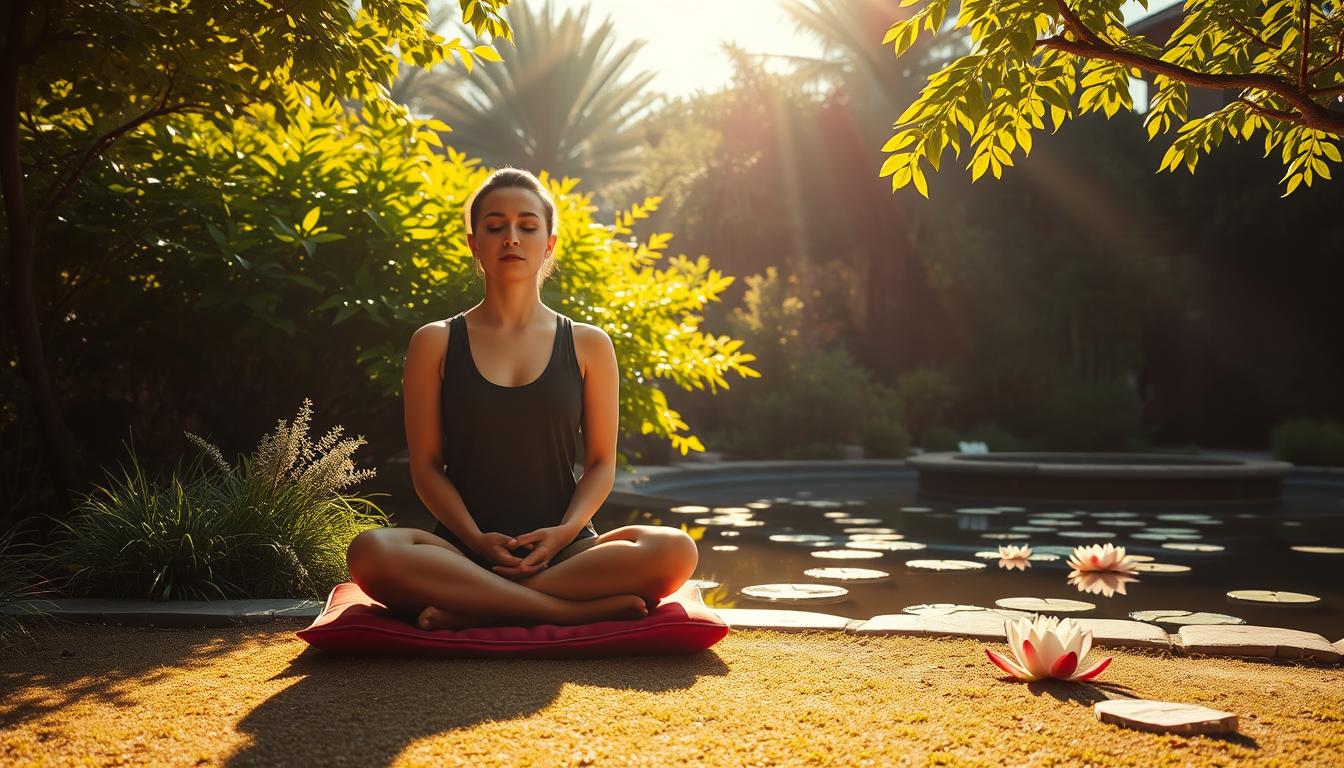
Meditation is mental training that anchors you to the present moment, often using breath or body sensations. Peloton’s research highlights its role in attention management, while studies show it strengthens the mind-body connection.
“You’re not failing if thoughts arise. The practice is noticing them and gently refocusing,” says Aditi Shah, Peloton instructor.
Common Misconceptions
Many assume meditation requires:
- Silencing thoughts: Instead, observe them without judgment.
- Spiritual alignment: It’s a secular tool for focus and stress relief.
- Perfection: Even experts experience wandering minds.
Arizona State University’s Center for Mindfulness confirms: formal practice differs from mindfulness, which is broader lifestyle awareness. Start simple with box breathing—inhale for 4 counts, hold for 4, exhale for 4—to build foundational skills.
Benefits of Meditation for Beginners
Science confirms that small daily sessions create lasting improvements in well-being. From lowering stress hormones to sharpening focus, the rewards are both immediate and cumulative. Here’s how structured practice transforms your health and mindset.

Physical Health Benefits
A 30-day Headspace study found a 33% reduction in stress levels. Cortisol drops, easing tension in muscles and improving sleep quality. The Art of Living research highlights stronger immunity and stabilized blood pressure.
Chronic pain sufferers report better management through breath-focused techniques. Even 5-minute sessions activate the parasympathetic nervous system, signaling your body to rest and recover.
Mental and Emotional Benefits
Peloton’s 3-week course participants noted enhanced focus during meetings and quicker decision-making. Observing thoughts without judgment reduces anxiety symptoms, per Art of Living data.
“Regular practice rewires neural pathways, boosting emotional resilience,” explains a Peloton mindfulness instructor.
Neuroplasticity improvements sharpen memory, while consistent practice fosters balanced emotions. Workplace productivity climbs as mental clarity deepens.
- Stress: Cortisol levels drop within weeks
- Health: Immunity strengthens, sleep deepens
- Anxiety: Symptom severity decreases by 27%
- Emotions: Reactions become more measured
How to Start Meditating Today
Creating a sustainable practice begins with simple, intentional steps. Focus on two pillars: your environment and timing. These elements remove friction, making consistency effortless.
Setting Up Your Space
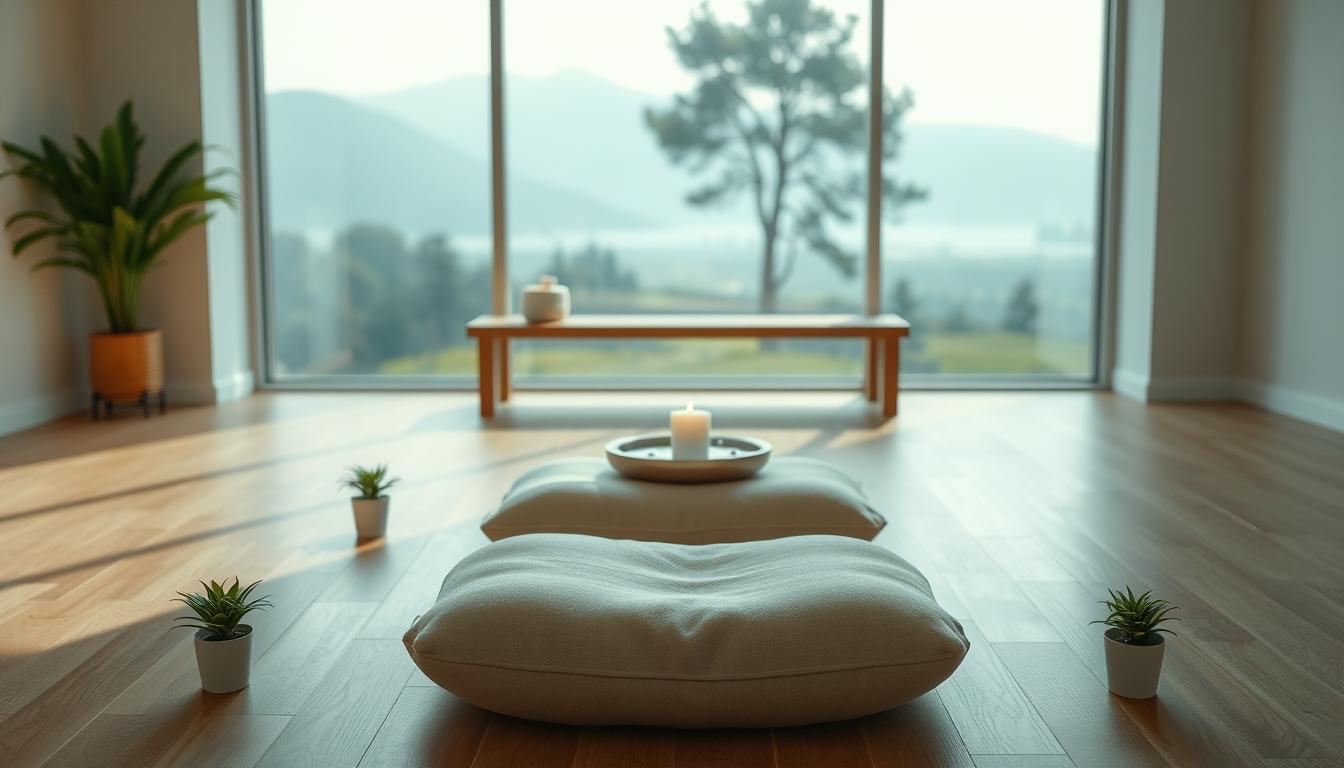
Your surroundings shape your focus. Peloton instructors recommend pairing sessions with existing habits, like morning coffee. This builds habit stacking—a psychological hack for adherence.
- Seating: Choose a stable chair or cushion. Keep your spine straight and shoulders relaxed.
- Noise: Headspace suggests noise-canceling headphones or white noise apps for urban settings.
- Clothing: Wear non-restrictive fabrics. Remove watches or tight accessories.
“Adaptability is key. A corner of your bedroom or office works if it’s distraction-free.” — Headspace Guide
Choosing the Right Time
Align sessions with your body’s natural rhythms. Circadian science favors mornings or evenings for mental clarity.
- 5-minute sessions: Try before showering or commuting.
- Transitional cues: Pair with yoga or a short walk to signal focus time.
- Tech aids: Use focus music tracks in apps like Headspace for immersion.
Remember: Short, daily efforts outperform occasional long sessions. Your routine should feel sustainable, not strenuous.
Basic Meditation Techniques for Beginners
Mastering simple techniques makes your practice effective from day one. Start with these three foundational meditation techniques, each tailored for different needs. Whether you seek calm, focus, or body awareness, one will resonate with you.

Breath Awareness Meditation
Anchor your mind using your breath. Peloton’s box breathing method follows a 4-4-4-4 rhythm: inhale, hold, exhale, pause—each for 4 seconds. This regulates your nervous system.
For anxiety, try the 4-7-8 pattern:
- Inhale for 4 counts
- Hold for 7 counts
- Exhale for 8 counts
Repeat for 5 cycles. It signals your body to relax.
Guided Meditation
Ideal for newcomers, mindfulness meditation apps like Headspace provide focus music. Teacher-led sessions explain each step, while apps offer flexibility. Transition to unguided practice after 2 weeks.
“Guided sessions build confidence. Notice thoughts without judgment—this is the core skill.” — Art of Living Instructor
Body Scan Meditation
Release tension systematically. Start at your feet, moving upward to your crown. Notice sensations without reacting. Harvard studies show this technique reduces physical stress markers by 22%.
| Technique | Best For | Duration |
|---|---|---|
| Breath Awareness | Instant calm, focus | 3–10 minutes |
| Guided | Learning structure | 5–30 minutes |
| Body Scan | Physical relaxation | 10–20 minutes |
Preparing for Your First Meditation Session
Your first session sets the foundation for a rewarding practice—small adjustments make a big difference. Focus on posture, clothing, and environment to create a seamless experience.
Posture and Comfort
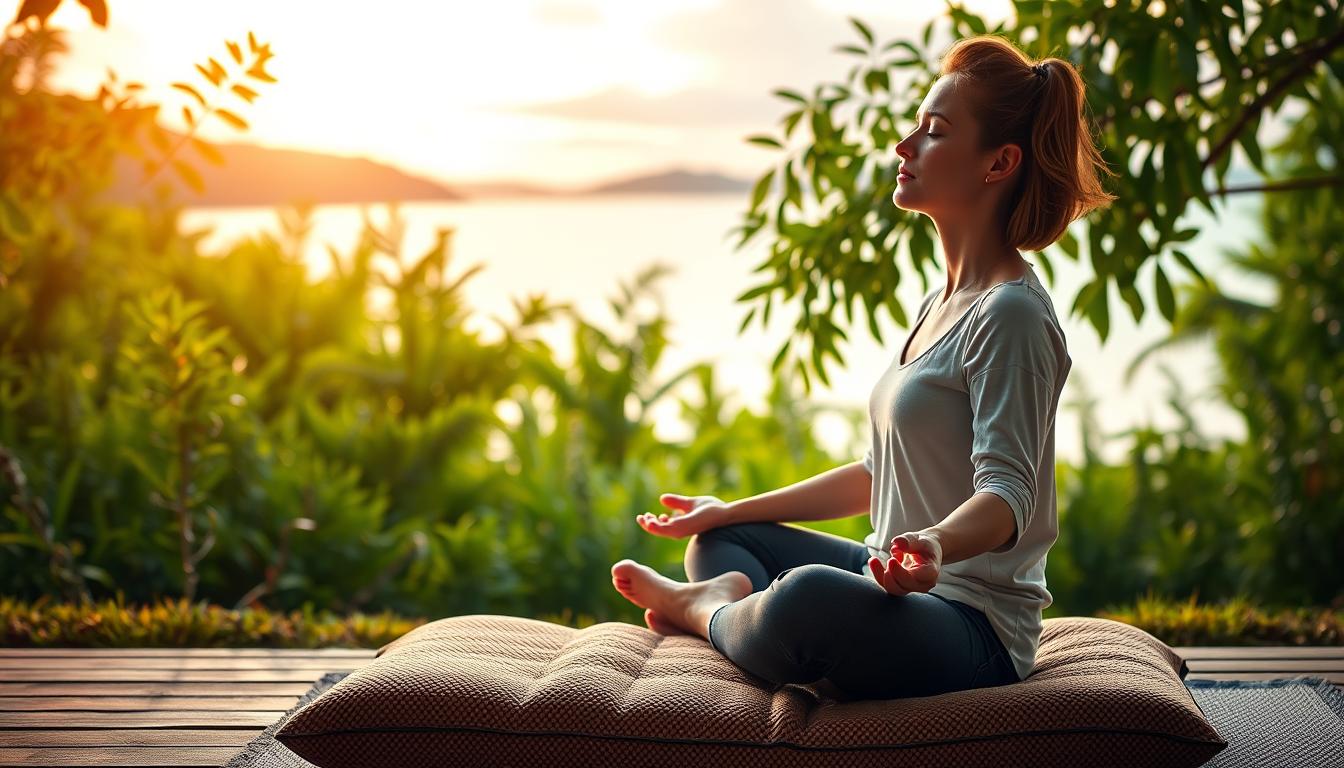
Prioritize a straight back and relaxed neck, as Headspace recommends. Slouching strains muscles, while alignment aids breath control. Choose from these seated positions:
- Burmese style: Cross-legged with knees lowered (use a cushion for support).
- Chair-sitting: Feet flat, spine upright, hands resting on thighs.
Avoid meditating in bed—sleep associations disrupt focus. Gurudev Sri Sri Ravi Shankar’s Yoga Nidra protocol suggests light stretching first to release tension.
Clothing and Environment
Wear non-restrictive fabrics like cotton or linen. Tight waistbands or sleeves distract from awareness. Keep essential things nearby: an eye mask, water, and layers for temperature shifts.
Optimize your space with these steps:
- Set phones to Do Not Disturb and preload guided apps.
- Use an essential oil diffuser (lavender or sandalwood for calm).
- Time sessions after showering, avoiding caffeine for 30 minutes prior.
“A dedicated corner signals your brain it’s time to focus—even a quiet closet works.” — Art of Living Instructor
Common Challenges and How to Overcome Them
Facing obstacles is normal when developing a new skill—here’s how to navigate them. Whether it’s external noise or an active mind, solutions exist to keep you on track.
Dealing with Distractions
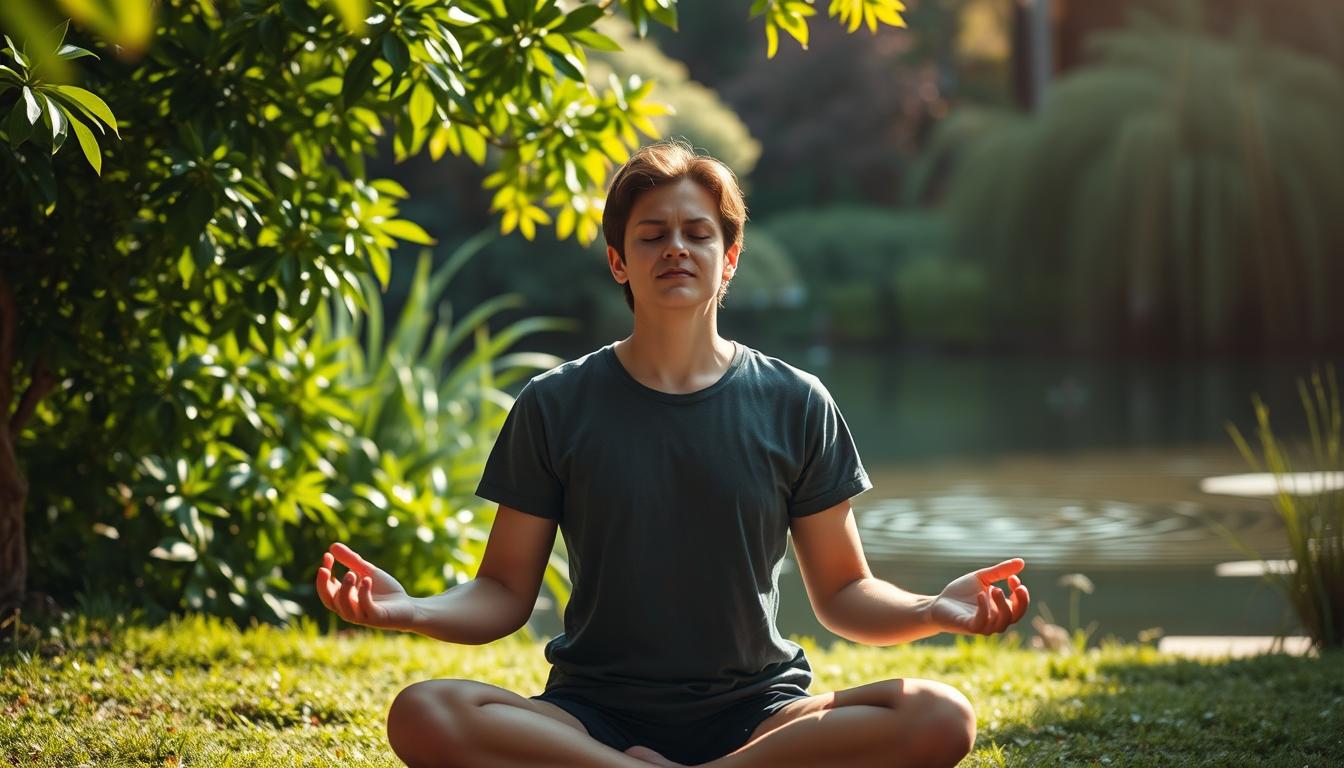
Peloton’s “leaning into discomfort” philosophy teaches acceptance. Instead of fighting background noise, acknowledge it. Headspace suggests white noise playlists or closing windows during high-traffic times.
For physical discomfort:
- Set a timer to adjust posture every 5 minutes.
- Use a stress ball or mala beads to channel fidgeting.
“Think of focus like a muscle. Mental push-ups strengthen it over time.” — Gueci, Mindfulness Coach
Managing Wandering Thoughts
Beginners average 47% mind wandering. Try labeling thoughts (*planning*, *remembering*) to detach from them. The R.A.I.N. technique helps:
- Recognize the thought.
- Allow it without judgment.
- Investigate its trigger.
- Nurture yourself back to focus.
| Challenge | Solution | Tool |
|---|---|---|
| Noise | Acceptance or white noise | Headspace app |
| Restlessness | Timer adjustments | Mala beads |
| Overthinking | Thought labeling | RAIN technique |
Tips for Building a Consistent Meditation Practice
Consistency transforms practice from effort to effortless habit. Gueci’s 7-day plan proves incremental progress—starting at 2 minutes—builds stamina. The Art of Living’s research shows 40 days solidify neural pathways.
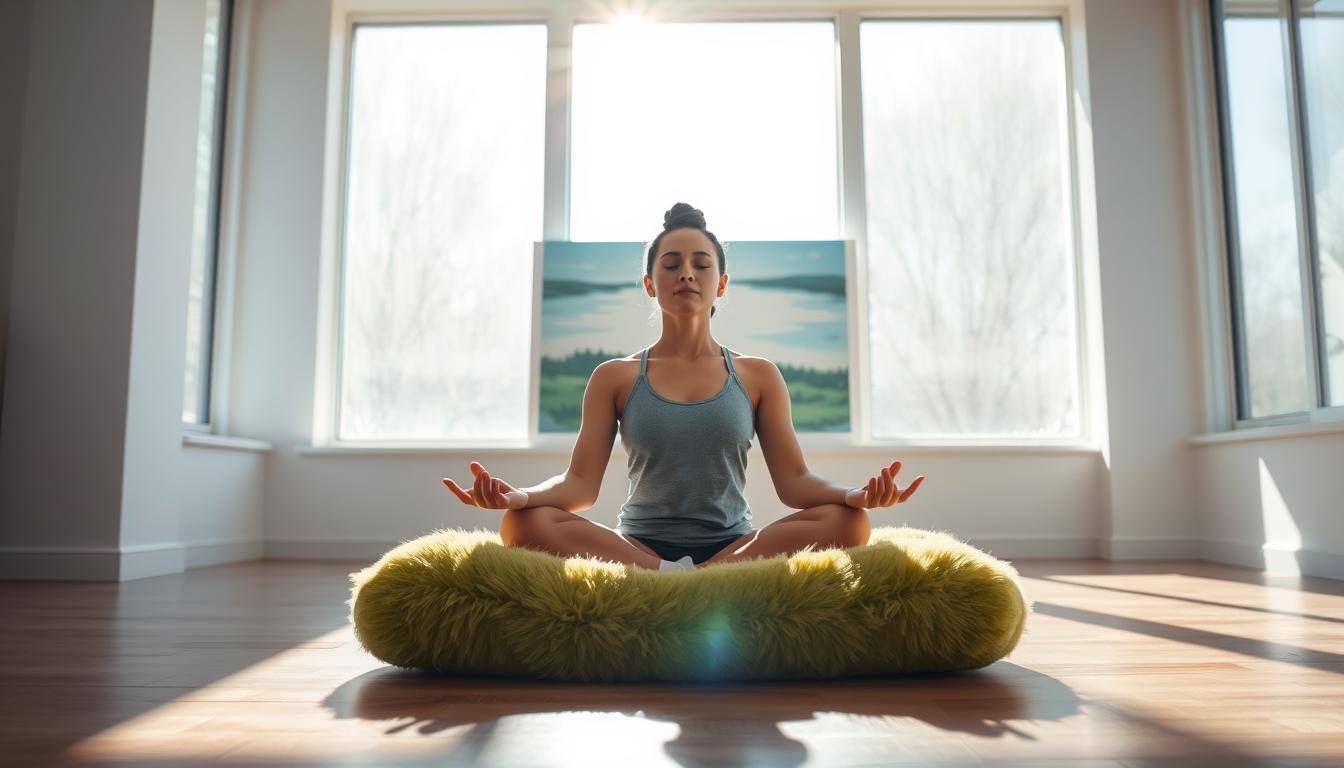
Starting Small: 5-Minute Sessions
Micro-sessions prevent burnout. Pair with existing routine triggers:
- Habit stacking: Practice after brushing teeth or pouring coffee.
- Tracking: Use apps or bullet journals to log streaks.
- Restart protocol: Missed a day? Resume without self-criticism.
“Accountability partners increase adherence by 63%. Try virtual group sessions.” — Headspace Coach
Incorporating Meditation into Daily Routine
Peloton’s habit pairing strategy links sessions to morning rituals. For stress spikes, Headspace’s 3-minute SOS exercises reset focus.
Try these seamless integrations:
- Commute: Listen to guided focus music.
- Work breaks: Desk-based breathwork (4-4-4 method).
- Evening wind-down: Body scans before sleep.
Flexibility ensures practice fits your life, not the other way around.
Advanced Techniques to Explore Later
Once you’ve mastered foundational practices, deeper methods can enhance your experience. These approaches build on core skills while offering new dimensions of focus and relaxation. Wait until you’re comfortable with basic sessions before trying them.
Mantra Meditation
This technique uses repeated phrases to anchor attention. Art of Living’s Sahaj Samadhi method teaches effortless bliss through Sanskrit mantras. You can also create personal affirmations like “I am calm” or “Focus flows easily.”
Key differences between traditional and modern approaches:
- Sanskrit mantras: Rooted in ancient texts, believed to carry vibrational power.
- Personal affirmations: Tailored to individual goals, often in your native language.
“Start with 5-minute mantra repetitions. Increase duration as concentration improves.” — UCLA Mindful Awareness Research Center
Visualization Techniques
Peloton’s athlete protocols use mental imagery to boost performance. Picture a beach with vivid details—warm sand, crashing waves, salty air. Engage all five senses for deeper immersion.
For stress relief, try these steps:
- Close your eyes and imagine a peaceful place.
- Notice colors, textures, and sounds in your mind.
- Add comforting scents or temperatures to the scene.
| Method | Best For | Practice Tip |
|---|---|---|
| Mantra | Focus enhancement | Use mala beads to count repetitions |
| Visualization | Stress reduction | Pair with nature sounds for realism |
| Transcendental | Deep relaxation | Requires certified teacher guidance |
After six months of consistent practice, consider weekend retreats. These immersive experiences accelerate progress. Avoid jumping into advanced methods too soon—build a solid foundation first.
Conclusion
Every expert was once a beginner—progress comes with persistence. Focus on consistency over perfection. Headspace’s research proves even 30 days of practice cuts stress by 33%.
Start small. Peloton users report sharper focus after just 3 weeks. Celebrate tiny wins, like noticing your breath more often.
Ready to begin? Try Art of Living’s free 10-minute session or join a local class. Commit to 48 hours of daily practice—your future self will thank you.
As Aditi Shah says, “The journey is the reward.” These skills last a lifetime.