Did you know your body contains quadrillions of mitochondria? These tiny powerhouses are responsible for producing 90% of your body’s ATP, the energy currency that fuels everything from muscle movement to brain function. Without them, even the simplest tasks would feel impossible.
Mitochondria are often called the cellular power plants because they convert nutrients into energy through a process called oxidative phosphorylation. This energy production is vital for athletic performance, mental clarity, and overall vitality. But here’s the question: Can you enhance the number and quality of these energy-producing units?
The answer lies in a process regulated by a key protein called PGC-1α. This master regulator plays a crucial role in increasing mitochondrial density and improving their efficiency. In this article, we’ll explore eight evidence-based strategies to optimize this process and boost your energy levels naturally.
Key Takeaways
- Mitochondria produce 90% of your body’s ATP through oxidative phosphorylation.
- Your body contains quadrillions of mitochondria, essential for daily energy.
- PGC-1α is the master regulator of mitochondrial biogenesis.
- Improving mitochondrial quality can enhance athletic performance and mental clarity.
- Eight evidence-based strategies can help optimize mitochondrial function.
What Is Mitochondrial Biogenesis?
Ever wondered how your body creates new mitochondria to keep you energized? This process, known as mitochondrial biogenesis, is essential for maintaining energy levels and overall health. It involves the formation of fresh mitochondria, ensuring your cells have the power they need to function optimally.
The Role of Mitochondria in Energy Production
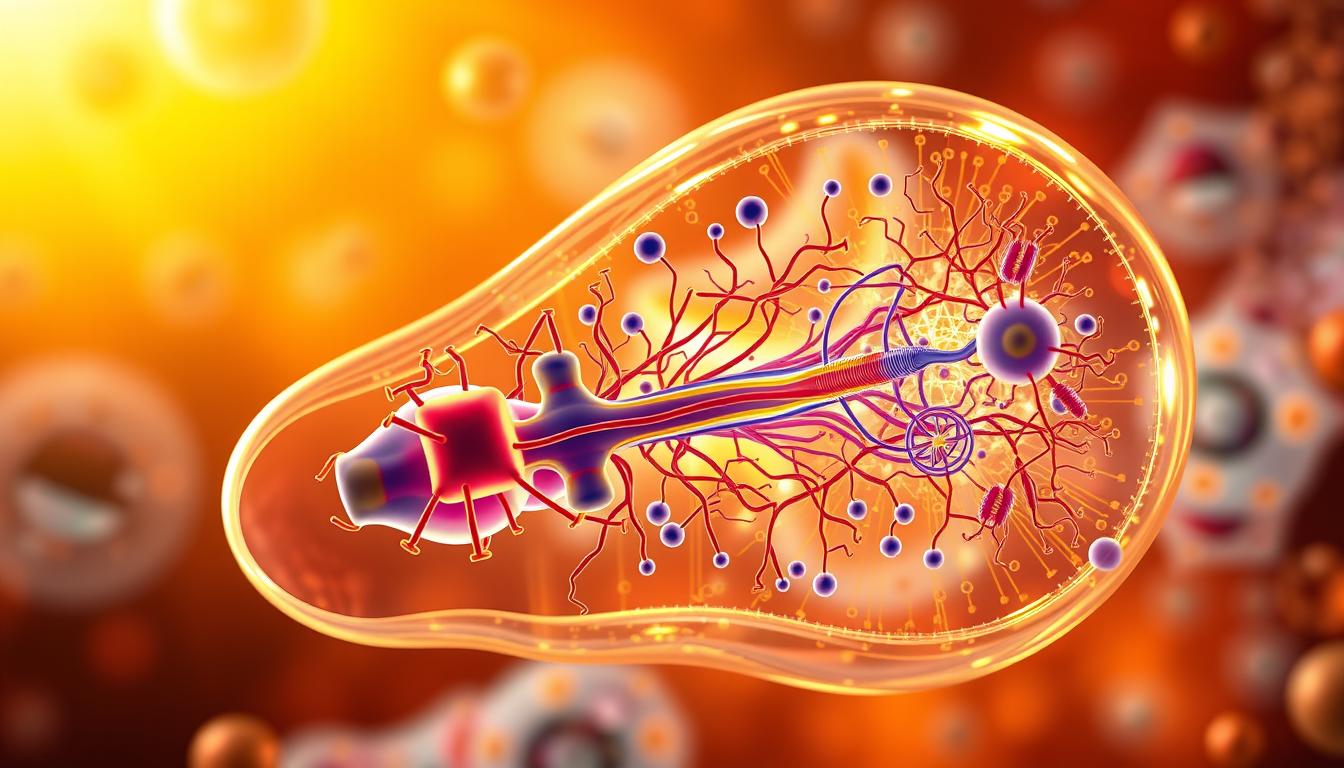
Mitochondria are the powerhouses of your cells, converting nutrients into usable energy. Over 60% of their proteins originate from nuclear DNA, highlighting the intricate relationship between your nucleus and these energy producers. Without this collaboration, your body wouldn’t have the fuel it needs for daily activities.
How Mitochondrial Biogenesis Works
The process begins with the fission-fusion cycle, where mitochondria split and merge to renew themselves. This cycle ensures damaged parts are removed while healthy components are preserved. Additionally, exercise and proper nutrition activate pathways like SIRT1 and AMPK, which in turn stimulate PGC-1α. This protein plays a key role in replicating mitochondrial DNA and enhancing their efficiency.
It’s important to note that biogenesis differs from mitophagy, the process of removing damaged mitochondria. While biogenesis focuses on creating new mitochondria, mitophagy ensures that only the healthiest ones remain. Together, these processes keep your cellular energy system running smoothly.
Why Is Mitochondrial Biogenesis Important for Your Health?
Your health depends on the efficiency of tiny cellular powerhouses. These structures are vital for converting nutrients into usable fuel, ensuring your body functions optimally. When they work well, you feel energized and focused. When they don’t, your health can suffer significantly.
The Connection Between Mitochondria and Aging
As you age, the efficiency of these cellular powerhouses declines. This natural process can lead to reduced energy levels, slower recovery, and increased fatigue. Over time, the accumulation of damage can accelerate aging and contribute to chronic conditions.
How Mitochondrial Dysfunction Affects Your Body
When these structures fail, your body struggles to produce enough energy. This can lead to symptoms like chronic fatigue, brain fog, and muscle weakness. In severe cases, it can even impact your mental health, contributing to conditions like depression and anxiety.
One major cause of dysfunction is the failure of the electron transport chain (ETC). This can result in lactic acid buildup, leading to muscle cramps and discomfort. Additionally, certain medications, like statins, reduce CoQ10 levels by 40%, further impairing the ETC.
Environmental factors also play a role. For example, glyphosate, a common herbicide, inhibits Complex III by 50%. This disruption can have widespread effects on your body’s ability to produce energy.
| Symptom | Cause | Impact |
|---|---|---|
| Chronic Fatigue | ETC Failure | Reduced Energy Production |
| Brain Fog | Neuronal Dysfunction | Impaired Cognitive Function |
| Muscle Weakness | Lactic Acid Buildup | Physical Discomfort |
How Exercise Boosts Mitochondrial Biogenesis
Exercise is one of the most effective ways to enhance your cellular powerhouses. Physical activity stimulates pathways that improve both the quantity and quality of these structures, ensuring your body produces energy efficiently. Whether you prefer endurance training or high-intensity workouts, both methods offer unique benefits.
The Impact of Endurance Training
Endurance training, like running or cycling, activates key proteins such as PGC-1α. This protein plays a central role in increasing the density of your cellular powerhouses. Studies show that even short bursts of cycling can elevate PGC-1α levels within hours, promoting mitochondrial biogenesis.
Endurance exercise also enhances the transport chain, ensuring nutrients are converted into ATP more effectively. This process reduces fatigue and improves overall performance. For beginners, steady-state cardio is a great way to start.
High-Intensity Interval Training (HIIT) and Mitochondrial Growth
HIIT is another powerful tool for optimizing your cellular energy systems. Short, intense bursts of activity followed by rest periods stimulate the formation of supercomplexes, improving efficiency by up to 15%. This adaptation is driven by the SCAF1 protein, which remodels the inner structures of these powerhouses.
For those new to HIIT, Tabata protocols (20 seconds of intense effort followed by 10 seconds of rest) are an excellent starting point. These workouts trigger ROS-mediated adaptations, further enhancing the processes that support energy production.
| Exercise Type | Key Benefit | Recommended For |
|---|---|---|
| Endurance Training | Increases PGC-1α levels | Beginners and long-distance athletes |
| HIIT | Enhances supercomplex formation | Those seeking efficiency gains |
The Role of Diet in Promoting Mitochondrial Biogenesis
Your diet plays a pivotal role in enhancing cellular energy production. The nutrients you consume directly influence the health and efficiency of your body’s powerhouses. By making strategic dietary choices, you can optimize these processes and boost your overall vitality.
Nutrients That Support Mitochondrial Function
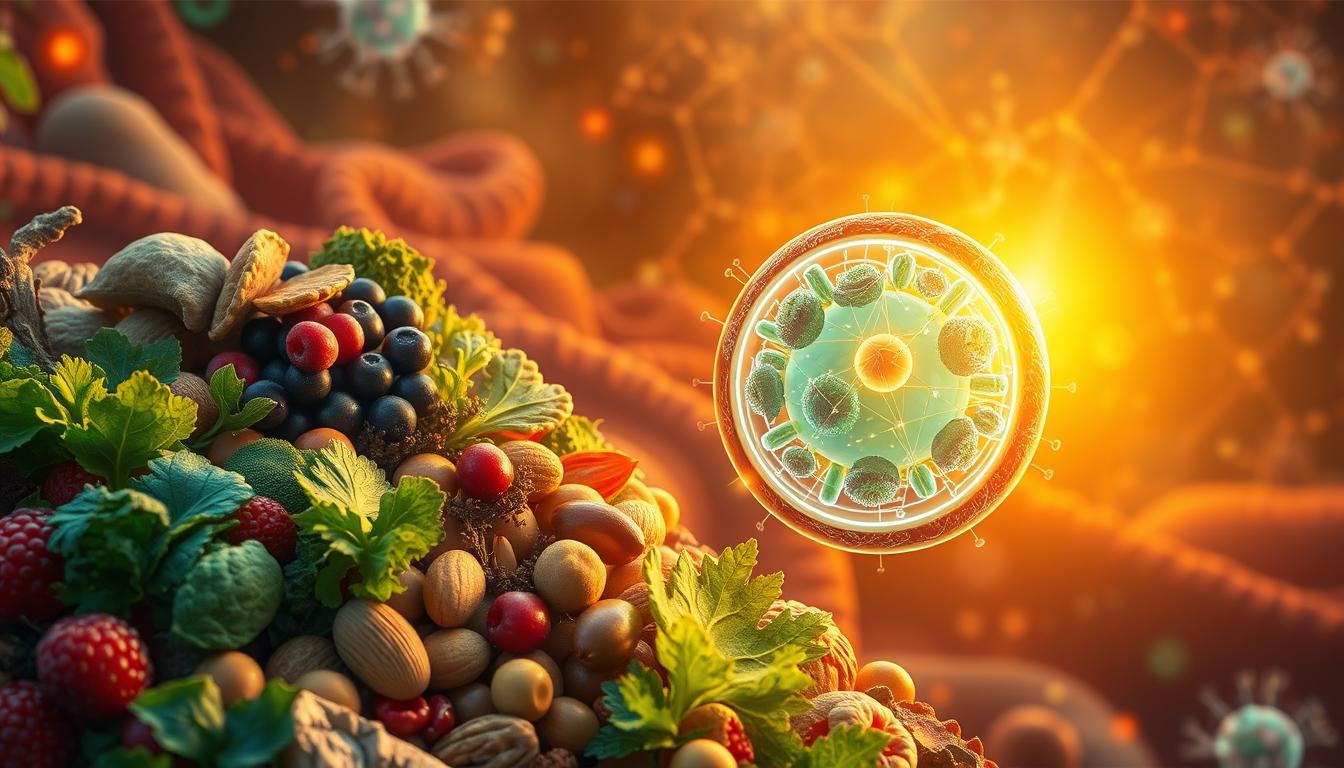
Certain nutrients are essential for maintaining and improving mitochondrial health. For example, CoQ10 and magnesium are critical for the electron transport chain, which generates ATP. Omega-3 fatty acids also play a role in reducing oxidative stress, a key factor in mitochondrial dysfunction.
Antioxidants like vitamin C and E protect these structures from damage caused by free radicals. Additionally, B vitamins, particularly B1 (thiamine) and B2 (riboflavin), are vital for energy metabolism. Including these nutrients in your diet can significantly enhance your cellular energy systems.
The Benefits of Calorie Restriction and Ketogenic Diets
Calorie restriction has been shown to increase PGC-1α levels by 30%, promoting mitochondrial biogenesis. This approach reduces oxidative stress and enhances the efficiency of energy production. Similarly, the ketogenic diet upregulates UCP2, reducing reactive oxygen species (ROS) by 40%.
Beta-hydroxybutyrate, a ketone body produced during ketosis, inhibits HDAC, which positively impacts mitochondrial DNA. However, prolonged adherence to a ketogenic diet may lead to thyroid dysfunction, so moderation is key.
| Fasting Protocol | Key Benefit | Best For |
|---|---|---|
| 16:8 Intermittent Fasting | Promotes autophagy and biogenesis | Daily routine |
| 5:2 Fasting | Enhances mitochondrial efficiency | Weekly flexibility |
Natural Compounds That Enhance Mitochondrial Biogenesis
Nature offers powerful compounds to optimize your cellular energy systems. Among these, polyphenols and ginger extract stand out for their ability to reduce oxidative stress and improve energy production. These natural substances can significantly enhance the health and efficiency of your body’s powerhouses.

Polyphenols and Their Role in Mitochondrial Health
Polyphenols, found in foods like green tea and berries, are known for their antioxidant properties. They protect your cells from damage caused by free radicals, which can impair energy production. Studies show that polyphenols activate pathways like Nrf2, reducing oxidative stress and promoting cellular renewal.
Ginger Extract and Its Mitochondrial Benefits
Ginger extract, particularly its active compound 6-gingerol, has been shown to enhance mitochondrial biogenesis. Research indicates that 2g/kg of ginger extract increases mitochondrial DNA copies by 35% in mice. Additionally, 6-gingerol upregulates Nrf2, reducing reactive oxygen species (ROS) by 28%.
For daily use, consuming 1-3g of fresh ginger can inhibit COX enzymes, reducing inflammation. Standardized extracts with 5% gingerols are more potent than raw root. Pairing ginger with black pepper, which contains piperine, can boost absorption by up to 20 times.
Photobiomodulation: A Cutting-Edge Therapy for Mitochondrial Health
Have you ever considered how light could influence your cellular health? Photobiomodulation, a non-invasive therapy, uses red and near-infrared light to stimulate cellular processes. This innovative approach has gained attention for its ability to enhance mitochondrial function and promote recovery.
How Red and Near-Infrared Light Stimulate Mitochondria
Red and near-infrared light penetrate the skin, reaching the cellular level. These wavelengths interact with cytochrome c oxidase, a key enzyme in the electron transport chain. This interaction boosts ATP production, reducing oxidative stress and improving cellular efficiency.
Studies show that pulsed short-wave therapy (PSWT) increases HSP70 levels by 45%. This protein plays a crucial role in protecting cells from damage and promoting repair. The FDA has also approved photobiomodulation for wound healing and joint pain, highlighting its therapeutic potential.
Applications of Photobiomodulation in Sports and Recovery
In sports, this therapy is used both pre- and post-workout. Before exercise, it enhances performance by priming muscle cells for activity. After exercise, it accelerates recovery by reducing inflammation and promoting tissue repair.
When choosing a device, consider power density and wavelength. For example, Joovv offers a wavelength range of 660nm and 850nm, while PlatinumLED provides a broader spectrum. Both are effective, but the choice depends on your specific needs.
Always use protective goggles to shield your eyes from direct exposure. Safety is paramount when incorporating this advanced therapy into your routine.
| Device | Wavelength | Power Density |
|---|---|---|
| Joovv | 660nm & 850nm | High |
| PlatinumLED | Broad Spectrum | Variable |
Heat Stress and Mitochondrial Biogenesis
Heat exposure can significantly impact your cellular health and efficiency. Studies show that 40°C exposure for five days increases mtDNA by 25%, enhancing cellular processes. Sauna use, in particular, has been linked to a 27% lower risk of cardiovascular disease mortality, making it a valuable tool for improving overall health.
Both infrared and traditional saunas stimulate HSP70, a protein that protects cells from damage. Infrared saunas penetrate deeper, while traditional saunas provide a more intense heat experience. For optimal results, consider three 20-minute sessions per week at 80°C.
Additionally, carvedilol, a medication with off-label effects, can activate PGC-1α. However, athletes should use caution, as it may impact performance. By incorporating heat stress into your routine, you can reduce oxidative stress and support cellular health effectively.