Did you know your body burns 20-30% of protein calories just by digesting it? This “thermic effect” is backed by science. It shows how eating smart can boost your metabolism.
Most diets focus on cutting calories. But research shows that what you eat is more important. It’s not just about how little you eat.
Your metabolism can change based on what you eat. Studies show that eating lean proteins with veggies burns 35% more calories than junk food. This turns your meals into tools for losing fat.
It’s not just about counting calories. Foods like omega-3s and vitamin D help burn fat. Certain foods work better together to help your body absorb nutrients better. You’ll learn how to make lasting changes, not just quick fixes.
Key Takeaways
- Protein digestion burns more calories than carbs or fats
- Food combinations can increase calorie burn by 35%
- Essential nutrients directly influence fat-oxidizing hormones
- Hydration impacts metabolic efficiency by up to 30%
- Consistent meal timing enhances metabolic flexibility
Understanding Metabolic Enhancement
Your body’s fat-burning engine works best when two processes are in sync. To boost your metabolism, you need to understand how these systems turn food into energy. They also support your body’s natural rhythms.
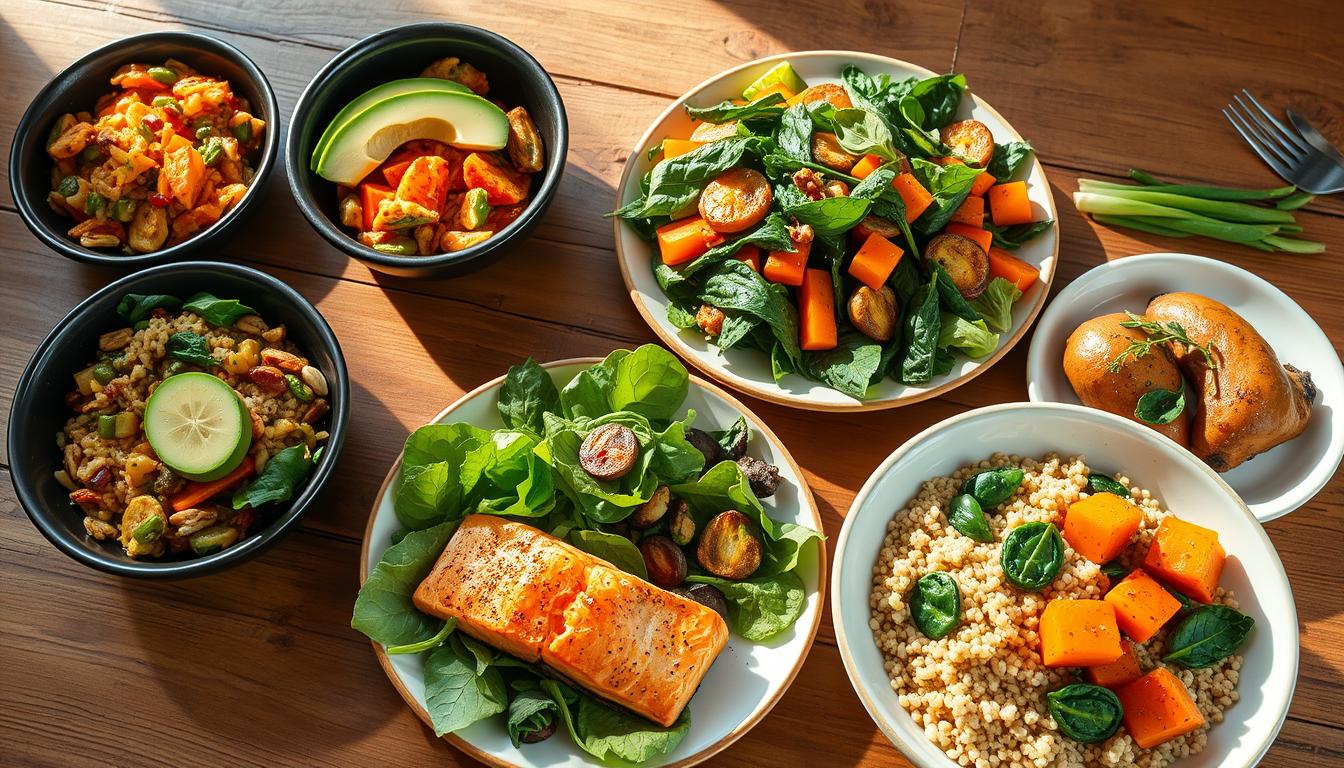
How Your Body Burns Fat
Every calorie you eat starts a complex energy exchange. Your body chooses different fuel sources based on how active you are, what you eat, and your hormones.
Basal Metabolic Rate Fundamentals
Your BMR is the biggest part of your daily energy use, making up 60-75%. It’s the energy your body uses even when you’re not moving. Four things affect your BMR:
- Muscle mass percentage
- Age-related metabolic changes
- Genetic predisposition
- Thyroid hormone efficiency
“The thermal effect of protein digestion can increase metabolic rate by 15-30%, compared to 5-10% for carbs and 0-3% for fats.”
Thermogenesis and Energy Expenditure
Processing food burns calories through diet-induced thermogenesis. Meals high in protein burn the most calories, making them key for optimal nutrition for fat loss. Here’s how different foods compare:
| Macronutrient | Thermal Effect | Duration |
|---|---|---|
| Protein | 20-35% | 4-7 hours |
| Carbs | 5-15% | 2-3 hours |
| Fats | 0-5% | 1-2 hours |
To get the most benefit, eat lean proteins with magnesium-rich greens and selenium-rich Brazil nuts. These minerals help your thyroid work better, which controls your metabolism.
Natural Fat Burning Diet Plans Core Principles
Creating a good fat-loss plan starts with knowing the basics of nutrition. These tips use science to help you lose weight without extreme diets.
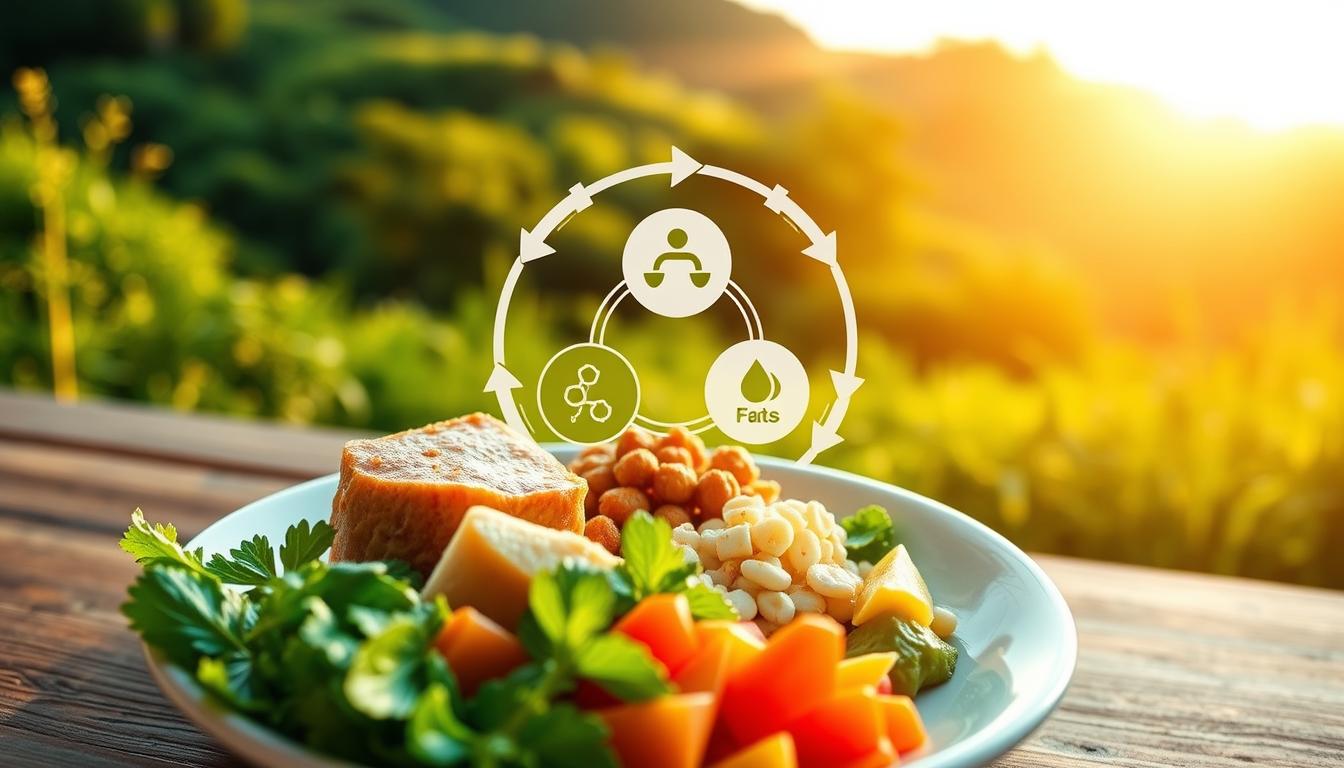
Macronutrient Balancing Strategies
Getting the right mix of nutrients keeps your metabolism going and your energy up. Studies show certain ratios can increase fat burning by up to 23% compared to usual diets.
Optimal Protein Intake Ranges
Shoot for 0.8-1.2 grams of protein per pound of body weight each day. This range:
- Helps keep lean muscle when you’re eating less
- Increases heat production by 15-30%
- Reduces hunger hormones like ghrelin
Eat complete proteins like eggs, salmon, and Greek yogurt all day for better absorption.
Smart Carb Cycling Techniques
Change how much carbs you eat based on how active you are:
- High days: 2-3g carbs/lb (training days)
- Moderate days: 1-1.5g carbs/lb (light activity)
- Low days: 0.5g carbs/lb (rest days)
This method keeps glycogen levels right without giving your body too much energy.
Meal Timing Considerations
When you eat is as important as what you eat. Eating at the right times can help your body burn fat better.
Intermittent Fasting Windows
The 16:8 method is great for beginners:
- 14-hour overnight fast (includes sleep time)
- 10 AM – 6 PM eating window
- 2-3 balanced meals within window
Studies show this pattern can increase fat burning by 12% compared to eating all day.
Post-Workout Nutrition Timing
Refuel within 45 minutes after working out. Use this formula:
| Activity Type | Protein | Carbs |
|---|---|---|
| Strength Training | 30g | 40g |
| Cardio | 20g | 30g |
| HIIT | 25g | 50g |
This helps refill glycogen and repair muscles when your body is most ready. Don’t forget to drink water for the best recovery.
These tips help you lose weight in a way that fits your life. Use them with the meal plans in later sections for a complete plan.
Top Metabolism-Boosting Foods
Your kitchen is full of tools to boost your metabolism. Choosing the right foods can increase your metabolic rate by 5-15%. Let’s look at some natural ways to speed up your metabolism.
Thermogenic Superfoods
These foods make your body work harder to digest them. This turns meals into chances to burn calories. Here are three foods backed by science:
Green Tea and Matcha
EGCG, a key antioxidant in green tea, boosts fat burning by 17% in 12-week studies. Try a matcha latte instead of coffee:
- Whisk 1 tsp ceremonial-grade matcha with hot water
- Add cinnamon and almond milk for creaminess
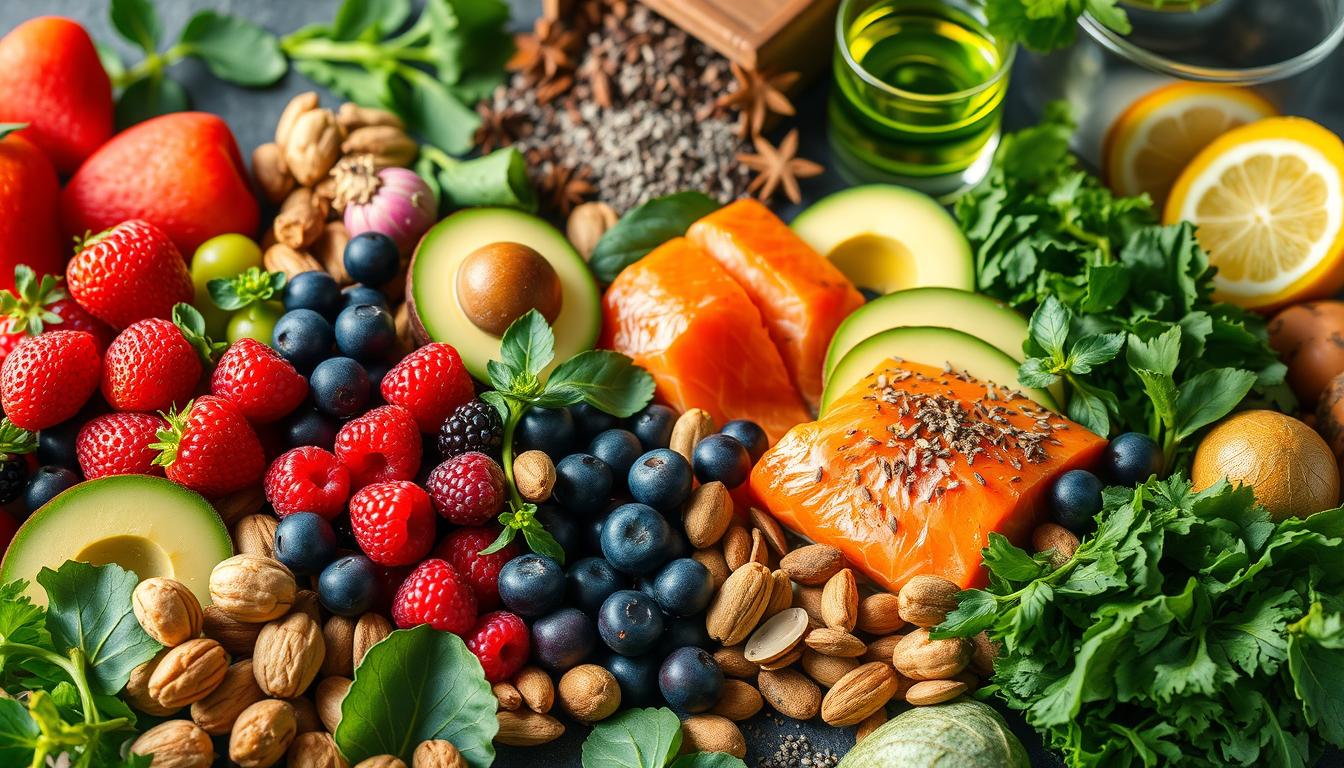
Capsaicin in chili peppers increases calorie burn for 30-90 minutes. Adding 1g of cayenne daily can burn 10 extra calories. That’s enough to lose 1lb a year without diet changes. Here are some healthy fat burning recipes:
- Stir into morning eggs
- Mix with olive oil for salad dressing
Apple Cider Vinegar Benefits
ACV’s acetic acid slows down carb absorption and boosts fat breakdown. A 12-week study found 1-2 tbsp daily can reduce belly fat by 0.9%. Make morning tonics with:
- Mix 1 tbsp ACV with lemon water
- Add ginger for extra metabolic kick
Protein-Powered Options
High-protein foods can boost your metabolism by 20-30%. These three foods help build muscle and burn fat:
Grass-Fed Meats
Grass-fed meats have 2-5x more CLA than grain-fed beef. CLA reduces body fat. Grill 4oz portions with rosemary to avoid AGEs.
Wild-Caught Fish
Salmon’s omega-3s improve metabolic flexibility. A 6-ounce serving has 350mg EPA/DHA, boosting fat-burning enzymes by 14%.
Plant-Based Alternatives
Lentils and tempeh are complete proteins with fiber. Try these swaps in healthy fat burning recipes:
- Use mashed lentils instead of ground beef
- Marinate tempeh in ACV-based sauce
7-Day Fat Burning Meal Plan
Planning your meals carefully can help you lose fat and keep your energy up. This 7-day plan includes healthy fat burning recipes and the right timing for nutrients. It uses science to make your body burn fat more efficiently.
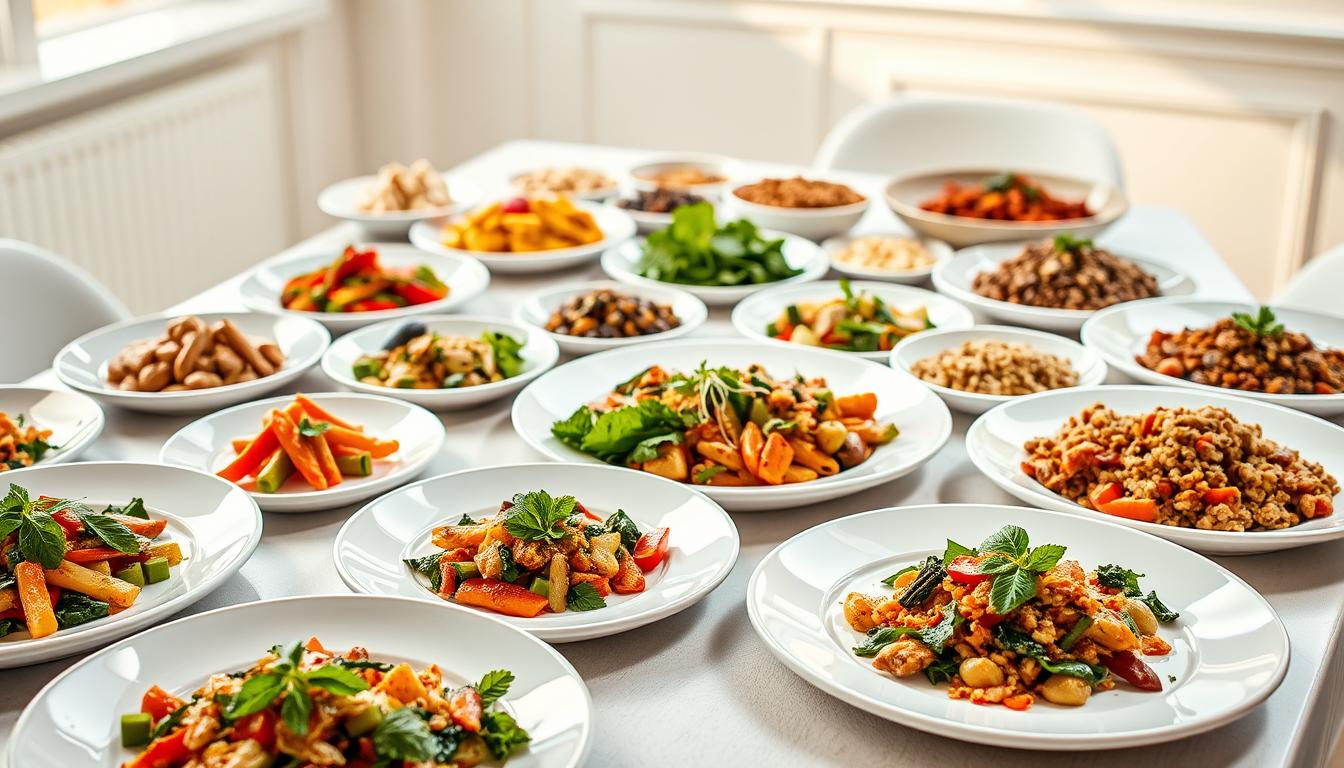
Breakfast Recipes
Starting your day with the right food is key. These protein-rich dishes help you stay full and keep your muscles strong.
High-Protein Chia Pudding
- Ingredients: 3 tbsp chia seeds, 1 cup unsweetened almond milk, 1 scoop vanilla whey protein, ½ cup mixed berries
- Prep: Mix chia seeds and almond milk. Refrigerate overnight. Stir in protein powder before serving.
- Macros: 320 calories | 28g protein | 22g complex carbs
Batch tip: Make three portions at once. Add fresh berries every morning to keep it fresh.
Vegetable Omelet Variations
- Base: 3 eggs, 1 tsp olive oil, ¼ cup diced veggies (spinach/mushrooms/peppers)
- Twists: Add feta cheese or smoked salmon for extra flavor
- Macros: 280-350 calories | 20-25g protein | 6-8g fiber
Eggs for breakfast can make you feel full longer than carbs. Try different veggies each day for more nutrients.
Lunch & Dinner Combinations
These meals are balanced and use ingredients that help burn fat all day.
Grilled Salmon Bowls
- Components: 6oz wild-caught salmon, ½ cup quinoa, 1 cup roasted broccoli, 1 tbsp tahini drizzle
- Cook smart: Grill 2-3 salmon fillets at once. Store cooked quinoa for 4 days.
- Macros: 480 calories | 39g protein | 14g healthy fats
Salmon’s omega-3s help control blood sugar, perfect for afternoon energy dips.
Turkey Zucchini Boats
- Ingredients: 4 medium zucchinis, 1lb lean ground turkey, ½ cup marinara, ¼ cup parmesan
- Assembly: Hollow zucchini halves. Bake filled boats at 375°F for 25 minutes.
- Macros: 310 calories per two boats | 29g protein | 8g net carbs
This low-carb dinner uses turkey’s high thermic effect. Your body burns 30% of the calories digesting it.
Exercise Synergy for Maximum Results
Combining smart nutrition with focused exercise is key to losing fat. Diet sets the stage, but exercise boosts your metabolism. It does this by activating muscles and burning energy. Let’s dive into proven ways to boost your results.

Metabolic Conditioning Workouts
These intense workouts cause your body to burn calories even after you stop. Studies show mixing strength and cardio workouts is best. It helps burn fat while keeping muscle strong.
HIIT Protocols
High-Intensity Interval Training (HIIT) involves short, intense efforts followed by rest. Try this 20-minute routine:
- 30-second sprint (treadmill or cycling)
- 90-second moderate pace
- Repeat 8-10 rounds
Resistance Training Circuits
Full-body weight circuits increase your metabolism. They use compound movements. Here’s a circuit to build lean muscle:
| Exercise | Sets | Reps | Rest |
|---|---|---|---|
| Kettlebell Swings | 4 | 15 | 30s |
| Push-Up to Renegade Row | 4 | 10/side | 45s |
| Jump Squats | 4 | 12 | 60s |
Non-Exercise Activity Tips
Moving more throughout the day can burn up to 350 extra calories. This daily activity, called NEAT, keeps your metabolism going all day.
NEAT Enhancement Strategies
- Take 5-minute walking breaks every hour
- Use a standing desk for computer work
- Do bodyweight squats during TV commercials
Daily Movement Targets
| Activity Level | Steps/Day | Calorie Burn |
|---|---|---|
| Sedentary | 5,000 | 150-200 |
| Active | 10,000 | 400-500 |
| Very Active | 15,000 | 700-800 |
Hydration for Metabolic Efficiency
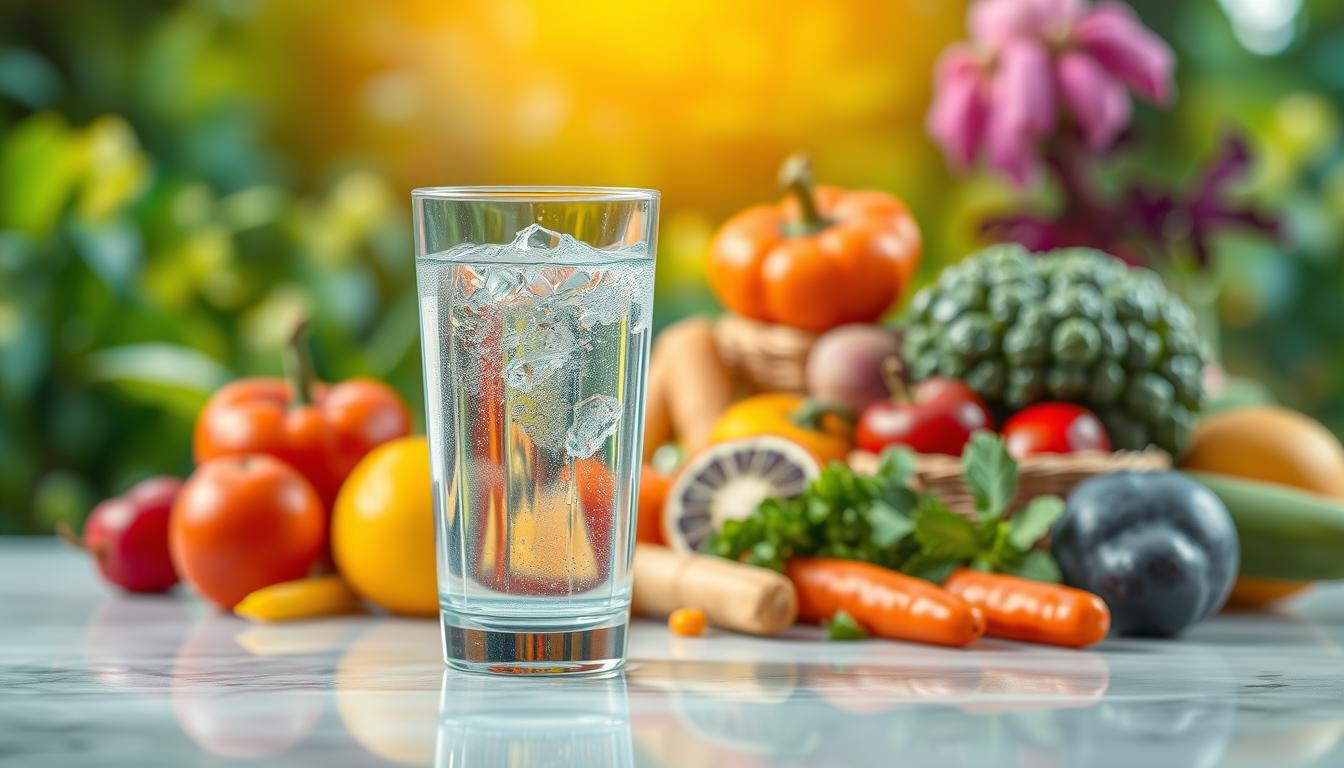
New research shows how important hydration is for burning fat. Drinking enough water can increase your metabolic rate by 24-30% when you’re burning fat. This makes staying hydrated a key part of sustainable dieting tips and optimal nutrition for fat loss.
Water’s Role in Fat Oxidation
Water does more than just quench thirst. It helps your body burn calories by generating heat. When you’re not drinking enough water, your body can’t break down fat as well. Research confirms that drinking 17 ounces of water can increase your metabolic rate by 30% for up to 40 minutes.
“Hydration status directly impacts lipolysis – the breakdown of fats for energy production.”
For the best results:
- Drink 8-12 ounces of water when you wake up.
- Drink half your body weight in ounces every day.
- Add lemon slices to your water to help absorb minerals better.
Herbal Infusion Recipes
Try these metabolism-boosting drinks:
- Cinnamon Ginger Spark
1 cinnamon stick + 1″ fresh ginger + hot water
Enhances insulin sensitivity - Mint Citrus Cooler
10 fresh mint leaves + 1 orange slice + cold water
Suppresses appetite naturally
These drinks add flavor without sugar, helping you reach your optimal nutrition for fat loss goals. Let the herbs steep for 5-7 minutes to get the most nutrients.
Sleep Optimization Strategies
Getting better sleep can boost your metabolism. While metabolism boosting meal plans focus on what you eat, sleep quality is key. It helps your body use proven fat burning foods better.

Circadian Rhythm Alignment
Your body’s internal clock affects your metabolism. Go to bed and wake up at the same time every day. This keeps your cortisol levels stable.
Exposure to sunlight in the morning helps you sleep better. It boosts melatonin production.
Three practices help align your circadian rhythm:
- Dim lights 2 hours before bedtime
- Keep bedroom temperature between 60-67°F
- Avoid blue light from screens after sunset
Bedtime Nutrition Guidelines
Evening snacks can help burn fat while you sleep. Choose foods with casein protein and tryptophan. They help repair muscles and boost serotonin.
A 2023 study found that eating 20g of casein before bed can burn 5% more calories.
| Food Option | Key Nutrient | Timing |
|---|---|---|
| Cottage cheese | Casein protein | 60-90 min before bed |
| Almonds | Magnesium | 45-60 min before bed |
| Turkey slices | Tryptophan | 30-45 min before bed |
Stay away from snacks that raise your blood sugar before bed. Instead, eat complex carbs with protein. Try apple slices with almond butter or Greek yogurt with chia seeds. These snacks keep your blood sugar stable and support fat burning.
Tracking Progress Effectively
Progress isn’t just about the scale—it’s about seeing how your body changes. Regular checks help you spot trends and celebrate small wins. They also guide you to make changes for lasting results.
Body Composition Metrics
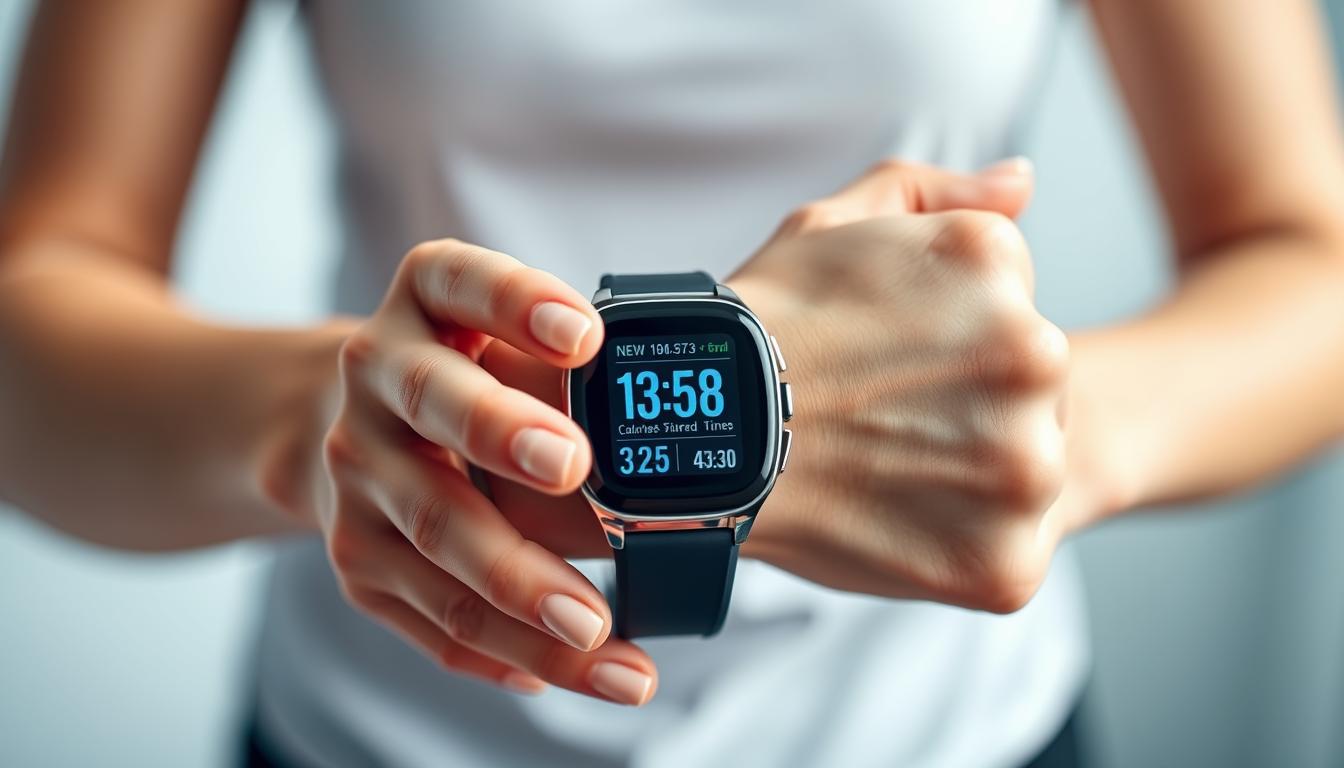
Smart scales and DEXA scans show more than regular scales. They reveal your muscle-to-fat ratio. Smart scales use bioelectrical impedance, while DEXA scans use X-ray technology for precise results. Here are some options:
| Method | Accuracy | Cost | Best For |
|---|---|---|---|
| DEXA Scan | 98% | $100-$250/session | Detailed muscle/fat analysis |
| Smart Scale | 85-90% | $50-$200 | Weekly home tracking |
| Skinfold Calipers | 75-80% | $10-$50 | Budget measurements |
Measure at the same time each day for accurate data. Also, check your waist size—a 1-inch loss can mean less belly fat.
Food Journaling Techniques
Writing down every meal makes you accountable. Here are some sustainable dieting tips:
- Note portion sizes using visual cues (e.g., “chicken = deck of cards”)
- Record hunger levels before/after meals
- Highlight protein and fiber intake at each snack
Apps like MyFitnessPal can help with calorie counting. But, writing it down by hand makes you more mindful. Try pairing foods that make you feel full, as we suggest in our guide to natural appetite management.
Common Dieting Mistakes to Avoid
Trying to lose weight can be tough, especially with so many different tips online. Some diets promise fast results but can actually harm your metabolism. Let’s look at two big mistakes that can stop you from losing weight, even with the best diet plan for weight loss.
When Less Becomes Counterproductive
It might seem smart to eat very few calories to lose fat. But, research shows this can slow down your metabolism. Eating less than 1,200 calories a day for women or 1,500 for men can put your body in starvation mode. This means your body burns fewer calories to save energy. Source 1 says your metabolism can drop by up to 23% if you eat too little.
“Crash diets teach your body to survive on less, making long-term weight management harder,” explains nutritionist Dr. Lisa Yang.
Here are some signs to watch out for in your science-backed fat burning strategies:
- Constant fatigue despite “perfect” eating
- Unexplained weight plateaus lasting 3+ weeks
- Obsessive thoughts about food
| Healthy Deficit | Extreme Restriction |
|---|---|
| 500-750 calories below maintenance | 1,000+ calorie reduction |
| Preserves muscle mass | Accelerates muscle loss |
| Sustainable for 12+ weeks | Leads to rebound eating |
Hidden Hunger: Missing Essential Nutrients
Focusing too much on calories can lead to missing important vitamins and minerals. Source 2 shows that 42% of dieters get iron deficiency, causing tiredness and poor fat burning. People who eat plants more often are at higher risk. For example, spinach’s iron is better absorbed when you eat it with vitamin C.
Look out for these signs of nutrient gaps:
- Brittle nails/hair (protein/zinc)
- Muscle cramps (magnesium)
- Slow recovery (vitamin D)
Prevent these gaps with these science-backed fat burning strategies:
- Rotate protein sources weekly
- Add citrus to plant-based meals
- Take blood tests every 3 months
Smart dieting isn’t about being perfect. It’s about avoiding mistakes that hurt your metabolism. By avoiding these common errors, you’ll make a best diet plan for weight loss that works with your body.
Natural Supplement Support
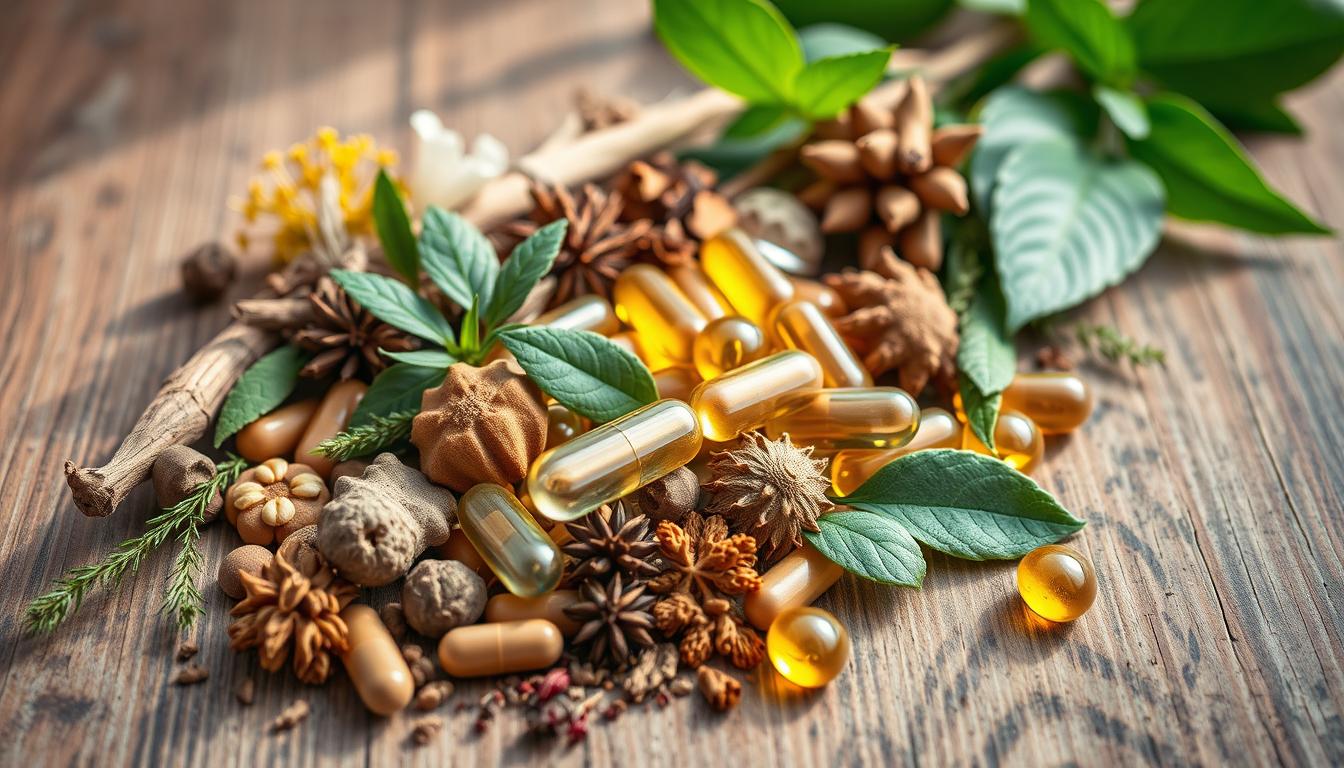
Whole foods are key to metabolic health, but supplements can boost fat burning. The best ones are backed by science and work with proven fat burning foods and a balanced diet. Let’s look at some science-approved supplements that help with optimal nutrition for fat loss.
Evidence-Based Boosters
Not all supplements are created equal. But these two have solid science backing them for better metabolism:
Omega-3 Fatty Acids
Fish oil’s EPA and DHA can increase fat burning by up to 19% during workouts, studies show. MCT oil, a concentrated omega-3, boosts energy use by 5% over other fats. Aim for 1,000-2,000 mg daily from:
- Cold-water fish (salmon, mackerel)
- Algal oil supplements (vegan option)
- Third-party tested brands like Nordic Naturals
Vitamin D Optimization
More than 40% of Americans lack enough vitamin D, which slows metabolism. Keeping levels above 30 ng/mL helps control fat storage hormones. Achieve this through:
- 15-minute daily sun exposure
- 1,000-2,000 IU vitamin D3 supplements
- Fortified mushrooms or dairy alternatives
| Supplement | Key Benefit | Daily Target | Best Sources |
|---|---|---|---|
| Omega-3s | Enhances fat burning during activity | 1,000-2,000 mg | Wild-caught fish, MCT oil |
| Vitamin D | Regulates metabolic hormones | 1,000-2,000 IU | Sunlight, D3 supplements |
Always check supplement quality with third-party certifications like NSF or USP. Use these boosters with optimal nutrition for fat loss strategies for better results.
Sustainable Weight Maintenance
Keeping weight off is more than just losing it. This section shares science-backed tips to keep your progress going. Enjoy tasty meals while using diet cycling and mindful eating.
Diet Cycling Approaches
Changing calorie intake stops your metabolism from slowing down. Studies prove that switching between high and low calorie days keeps your body on its toes. Here are some effective cycles to try:
| Cycle Type | Calorie Range | Best For |
|---|---|---|
| Weekly Rotation | 1,500-2,200 | Long-term maintenance |
| Meal-Based Shifts | ±300 calories | Social flexibility |
| Seasonal Adjustments | 10-15% changes | Weather adaptations |
Pro tip: Pair high-calorie days with strength training. This combo builds lean muscle and controls fat storage. Use herbs and spices from your metabolism boosting meal plans to keep meals exciting during low-calorie phases.
Mindful Eating Practices
Your fork isn’t a shovel. The hunger scale technique helps you listen to your body’s hunger signals:
- 1 = Starving
- 5 = Comfortable
- 10 = Stuffed
Start eating at level 3 and stop at 7. Here are some steps to follow:
- Chew each bite 15-20 times
- Set utensils down between bites
- Use smaller plates for visual satisfaction
“Those who practice mindful eating maintain 23% more weight loss over five years compared to restrictive dieters.”
Conclusion
Your journey to losing fat is about using science and making lifestyle changes. It’s all about being consistent with good nutrition and exercise. This guide has tips on macronutrients, thermogenic foods, and staying hydrated.
The 7-day meal plan is a helpful guide. It mixes foods that boost your metabolism with portion control. This makes it easier to change your diet.
Combining good food with exercise is key. Workouts that boost your metabolism and daily activities like walking help burn calories. Keeping track of your progress shows what works for you.
Getting help from a dietitian or nutrition expert can be a big plus. Tools like EatLove or MyFitnessPal help with meal planning. Fitness brands like NASM and ACE Fitness offer safe workout guides.
The right diet for losing weight fits your life and tastes. Try different diet plans to keep your metabolism going. Getting enough sleep and managing stress helps your body burn fat better.
Start with small changes and build good habits. Changing your diet or exercise routine a little bit can make a big difference. Every choice you make helps improve your health for the long term.