Did you know that 65% of Americans over 65 experience persistent discomfort, according to the American Chronic Pain Association? Many seek alternatives to traditional medications due to concerns about side effects or dependency.
Chronic issues affect nearly 1 in 3 adults, lasting longer than 12 weeks for some. While prescription options exist, 15% of older adults rely on them regularly, per CDC data. This raises questions about long-term health impacts.
More people now explore safer approaches to manage inflammation and support their body’s healing. The National Institutes of Health recommends anti-inflammatory diets as part of comprehensive care plans. Always consult your doctor before changing your health routine.
Key Takeaways
- Most older Americans experience persistent discomfort
- Chronic issues affect 30% of adults for extended periods
- Many seek alternatives to traditional medications
- Anti-inflammatory diets show promise for wellness
- Professional guidance ensures safe approaches
1. Herbal Powerhouses for Natural Pain Relief
Traditional remedies like turmeric and cloves pack serious pain-fighting potential. Backed by modern research, these herbs offer alternatives to synthetic options with fewer side effects. Let’s explore three standouts.
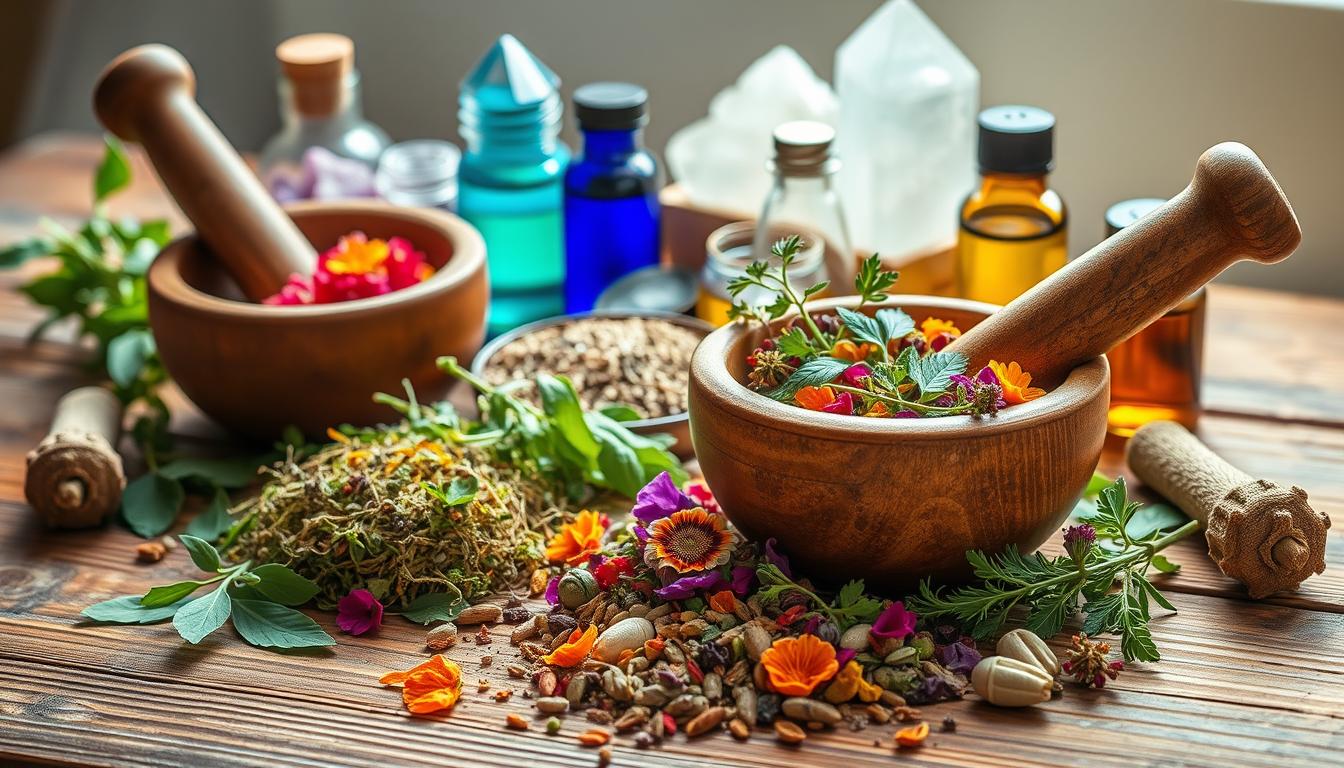
Turmeric: The Golden Anti-Inflammatory
Curcumin, turmeric’s active compound, reduces arthritis symptoms as effectively as NSAIDs, per a 2021 review. Its antioxidant properties combat free radicals linked to inflammation.
Pair it with black pepper (piperine) to boost absorption by 2,000%. Capsules or teas are optimal, but avoid high doses if you take blood thinners.
- Daily dose: 500–2,000 mg curcumin (with piperine)
- Topical option: Mix with coconut oil for joint rubs
Cloves: A Potent Analgesic
Clove oil’s eugenol numbs discomfort as well as ice packs in dental procedures. A 2021 study found it matches lignocaine gel for temporary relief.
Use diluted oil for toothaches or muscle rubs. Its warming effect also improves circulation.
Boswellia: Ancient Remedy for Joint Pain
Used in Ayurveda for centuries, Boswellia resin improves mobility in osteoarthritis patients. A 2020 trial with 545 participants showed reduced stiffness within 8 weeks.
Choose standardized extracts (65% boswellic acids) for consistency. Safe for long-term use with minimal side effects.
2. Essential Oils That Ease Aches Naturally
Aromatherapy offers powerful solutions for discomfort through concentrated plant extracts. These oils help reduce tension and target specific areas like joints or muscles. Always dilute them properly and consult safety guidelines.

Lavender Oil for Tension and Headaches
A 2023 study found lavender inhalation reduces needle discomfort by 44%. Its calming properties ease headaches when massaged onto temples. For best results:
- Mix 3–5 drops with 1 oz carrier oil (like jojoba)
- Use a diffuser for stress-related tension
Peppermint Oil for Muscle Pain
Menthol in peppermint creates a cooling effect, ideal for soreness. A 2022 trial showed it relaxes stiff muscles faster than placebo gels. Apply diluted oil to areas like shoulders or calves.
“Peppermint oil’s analgesic effects are comparable to over-the-counter topical treatments for mild muscle aches.”
Eucalyptus Oil for Arthritis Relief
Eucalyptus aromatherapy improves quality of life for rheumatoid arthritis patients. Its compound carvacrol fights inflammation. Try this cotton ball diffusion method:
- Add 4 drops to a cotton ball
- Place near affected joints for 15 minutes
| Oil | Best For | Dilution Ratio |
|---|---|---|
| Lavender | Headaches, stress | 3 drops per oz |
| Peppermint | Muscle soreness | 5 drops per oz |
| Eucalyptus | Joint stiffness | 4 drops per oz |
Safety note: Avoid applying undiluted oils or using on broken skin. Keep away from children and pets.
3. Acupuncture: Balancing Energy for Pain Management
What if tiny needles could rewire your body’s response to chronic issues? Acupuncture, a cornerstone of Traditional Chinese Medicine, stimulates specific points to restore balance in your qi (energy) pathways. Research now bridges ancient wisdom with modern neurology.

How Acupuncture Targets Chronic Pain
Thin needles (34–38 gauge) activate nerve fibers, triggering your brain to release serotonin and dopamine. These chemicals reduce inflammation and block pain signals. A 2018 meta-analysis confirmed its effectiveness for musculoskeletal and osteoarthritis discomfort.
For acute issues, 4–6 sessions may suffice. Chronic conditions often require 10–12 treatments. The World Health Organization lists over 100 ailments responsive to acupuncture, including migraines—studies show a 40% reduction in frequency after consistent therapy.
Scientific Evidence Supporting Its Use
The NCCIH endorses acupuncture for back/neck pain and migraines. One trial found it outperformed standard care for persistent lower back discomfort by 30%.
“Acupuncture’s neurochemical effects make it a viable adjunct to conventional pain management.”
Integrated clinics now combine it with physical therapy. Seek practitioners with these credentials:
- Licensed Acupuncturist (L.Ac.)
- NCCAOM certification
- Clean needle technique training
| Condition | Treatment Frequency | Success Rate |
|---|---|---|
| Migraines | Weekly (6–8 sessions) | 50–60% improvement |
| Osteoarthritis | Biweekly (10+ sessions) | 40% pain reduction |
| Lower back pain | Weekly (8–12 sessions) | 55% mobility gain |
4. Heat and Ice Therapy: Simple but Effective
Understanding when to use heat or ice can make a big difference. These methods help reduce swelling and relax muscles without medication. They’re backed by science for acute injuries and chronic conditions.

When to Use Heat vs. Ice
Ice causes vasoconstriction, reducing blood flow to numb sharp discomfort. Use it within 72 hours of injuries like sprains. Studies show cold packs cut back pain intensity by 33%.
Heat dilates blood vessels, easing stiffness. Microwaveable moist packs reactivate 40+ times. Ideal for arthritis or muscle tension after 48 hours.
- Ice: Swelling, fresh injuries (first 48 hours)
- Heat: Chronic stiffness, muscle spasms
Best Practices for Application
Limit applications to 20 minutes to avoid skin damage. Always wrap packs in a towel. For chronic issues, alternate therapies:
- Ice for 15 minutes
- Wait 30 minutes
- Apply heat for 15 minutes
| Type | Best For | Duration |
|---|---|---|
| Ice Pack | Acute injuries, swelling | 15–20 mins |
| Heating Pad | Stiff joints, old injuries | 20 mins max |
“Contrast therapy (heat/ice cycling) improves circulation and speeds recovery in chronic muscle injuries.”
Warning: Never apply ice directly to skin or use heat on open wounds. DIY rice socks work but lack temperature control of commercial packs.
5. Lifestyle Changes to Reduce Pain Naturally
Small daily adjustments can significantly improve your comfort levels over time. Combining nutritional strategies with mindful movement creates a powerful approach for long-term results. These methods help reduce inflammation while improving overall function.
Anti-Inflammatory Diet Tips
The Mediterranean diet lowers CRP inflammation markers by 37%, per a 2023 study. Focus on these top 10 foods:
- Berries: Packed with anthocyanins that block inflammatory enzymes
- Leafy greens: High in vitamin K for joint support
- Fatty fish: Omega-3s reduce stiffness in arthritis patients
- Turmeric/ginger: Powerful duo for muscle recovery
Try this sample meal plan:
- Breakfast: Greek yogurt with blueberries and walnuts
- Lunch: Grilled salmon over spinach with olive oil dressing
- Dinner: Chicken stir-fry with broccoli and turmeric rice
“A 5% weight loss leads to 50% improvement in osteoarthritis symptoms, making diet crucial for joint health.”
For more specialized food strategies, explore our guide on best foods for arthritis relief.
Gentle Exercises for Improved Mobility
A 12-week yoga program reduces lower back discomfort by 28%, according to 2020 research. The American College of Physicians recommends it as first-line management for chronic issues.
Chair yoga modifications make it accessible:
- Seated cat-cow stretches for spinal flexibility
- Arm raises with deep breathing for shoulder tension
- Modified twists to improve circulation
Tai chi styles vary in intensity:
| Style | Pace | Best For |
|---|---|---|
| Yang | Slow | Beginners/joint mobility |
| Chen | Moderate | Balance improvement |
Hydrotherapy pools (88-92°F) allow low-impact exercises with buoyancy support. Start with 20-minute sessions twice weekly, gradually increasing intensity.
Conclusion
Finding the right approach to managing discomfort requires careful consideration. Turmeric, acupuncture, and heat/ice therapies show strong scientific backing. Yet, 70% of supplements have ingredient discrepancies, per the FDA.
Always consult a doctor before trying new methods. Track results in a journal to gauge efficacy. Integrative medicine specialists can help blend conventional and alternative options safely.
Red flags like persistent swelling or numbness need immediate attention. Certified practitioners ensure quality care. Remember, you have the power to choose what works best for your body.