Did you know that 80% of women experience hormonal fluctuations during their reproductive years? These shifts impact everything from mood to metabolism, often leaving you feeling off-balance. The good news? Simple, science-backed strategies can help restore equilibrium without harsh treatments.
Hormones act as your body’s messengers, regulating energy, sleep, and even digestion. When they’re out of sync, you might notice fatigue, weight changes, or irregular cycles. Research from the Journal of Clinical Endocrinology & Metabolism confirms that diet, stress management, and targeted herbs can significantly influence these delicate systems.
This guide focuses on root-cause solutions, not quick fixes. You’ll discover how specific foods support insulin sensitivity, which exercises lower cortisol, and how adaptogens like ashwagandha promote stability. Whether you’re navigating PCOS, perimenopause, or everyday stress, these approaches prioritize long-term health.
Key Takeaways
- 80% of women face hormonal disruptions during their reproductive years.
- Hormones affect mood, energy, and overall well-being.
- Nutrition and lifestyle changes can restore balance effectively.
- Peer-reviewed studies support natural methods for hormone regulation.
- Root-cause strategies offer lasting results, not temporary relief.
Understanding Hormonal Balance and Its Importance
Your body relies on a complex network of chemical messengers to function optimally. These hormones regulate metabolism, reproduction, and even emotional stability. When they’re in sync, you feel energized and focused. But disruptions can trigger a cascade of health challenges.
What Are Hormones and How Do They Work?
The endocrine system produces over 50 hormones, each targeting specific organs. For example, insulin manages blood sugar, while cortisol handles stress responses. The pituitary gland acts as the control center, sending signals to ovaries, thyroid, and adrenal glands.

- Estrogen & progesterone: Govern menstrual cycles and fertility.
- Thyroid hormones: Control energy and metabolism.
- Cortisol: Impacts stress resilience and sleep.
Common Signs of Hormonal Imbalance in Women
An imbalance often manifests through subtle clues. Persistent fatigue, unexplained weight gain, or sudden acne outbreaks are red flags. Other symptoms include:
- Irregular periods or heavy bleeding
- Mood swings and irritability
- Hair thinning or excessive facial hair
A 2023 Johns Hopkins study linked environmental toxins to earlier disruptions in women’s cycles. Blood tests and saliva panels can pinpoint specific issues. If you experience multiple symptoms, consult a healthcare provider.
The Role of Diet in Hormonal Balance
Your plate holds the power to reset your endocrine system. Research shows that foods rich in specific nutrients can either stabilize or disrupt hormone production. A 2024 NIH study found that tweaking your diet improves insulin sensitivity by 23% in just seven days.

Protein-Rich Foods to Support Hormone Production
Amino acids from protein are building blocks for thyroid hormones and neurotransmitters. Aim for 25–30g per meal—think wild-caught salmon, organic chicken, or lentils. Here’s how to hit 100g daily:
- Breakfast: Greek yogurt with almonds (20g)
- Lunch: Quinoa salad with chickpeas (25g)
- Dinner: Grilled cod with asparagus (30g)
The Impact of Sugar and Refined Carbs on Insulin Levels
Processed carbs spike blood sugar, worsening insulin resistance. A 2023 study linked high fructose intake to PCOS-related androgen surges. Swap white bread for sweet potatoes, and try this 7-day detox:
- Day 1–3: Cut all added sugar.
- Day 4–7: Use monk fruit or stevia instead.
Pro tip: Cruciferous veggies like broccoli help metabolize excess estrogen. Stock up on berries, walnuts, and flaxseeds for a hormone-friendly pantry.
Exercise: A Natural Way to Balance Hormones
Movement does more than shape your body—it fine-tunes your endocrine system. A 2023 meta-analysis of 47 studies confirmed that physical activity directly influences estrogen, cortisol, and insulin levels. Whether you prefer lifting weights or flowing through yoga poses, your choice impacts hormonal outcomes.

Best Types of Exercise for Hormonal Health
Not all workouts affect hormones equally. Here’s how different methods compare:
| Type | Hormonal Benefit | Weekly Goal |
|---|---|---|
| HIIT | Boosts insulin sensitivity by 38% | 2–3 sessions (20 mins) |
| Strength Training | Lowers estrogen dominance risk | 3 sessions (30 mins) |
| Yoga | Reduces cortisol by 26% | 4 sessions (45 mins) |
Pro tip: Rotate modalities to avoid overstressing adrenals. For example, pair Monday HIIT with Wednesday yoga and Friday resistance training.
How Physical Activity Reduces Insulin Resistance
When muscles contract during exercise, they release myokines—proteins that enhance glucose uptake. A 12-week study showed women with PCOS who lifted weights reversed insulin resistance markers by 19%.
- AMPK activation: This pathway mimics fasting’s metabolic benefits.
- Heart rate zones: Stay at 60–70% max HR for cortisol control.
- Low-impact options: Swimming or Pilates for sensitive individuals.
Consistency matters more than intensity. Aim for 150 minutes weekly to see measurable changes in metabolism and hormone levels.
Maintaining a Healthy Weight for Hormonal Harmony
Fat cells act as hormone factories, with visceral fat being the most disruptive. Research shows it produces three times more estrogen than subcutaneous fat, skewing your endocrine balance. Even a 5–10% reduction in weight can improve insulin sensitivity by 60%, according to clinical studies.

The Link Between Obesity and Hormonal Imbalance
Excess adipose tissue doesn’t just store energy—it releases hormones like leptin and estrogen. Aromatase, an enzyme in fat cells, converts testosterone to estrogen, exacerbating imbalances. This process is linked to:
- Leptin resistance, disrupting hunger signals and metabolism.
- Elevated cortisol, worsening insulin resistance.
- Thyroid dysfunction, slowing calorie burn.
Tips for Sustainable Weight Management
Avoid crash diets. Instead, follow this 4-phase plan to protect thyroid function:
- Detox: Eliminate processed foods for 2 weeks.
- Rebalance: Prioritize protein and fiber (30g per meal).
- Strengthen: Add resistance training 3x weekly.
- Maintain: Cycle calories to prevent plateaus.
For cortisol control, intermittent fasting may help some, but frequent small meals work better for others. Try these anti-inflammatory foods:
- Wild salmon (rich in omega-3s).
- Turmeric and cinnamon (reduce estrogen dominance).
- Leafy greens (support liver detox).
Hydration is key—aim for half your body weight in ounces daily. Pair this with targeted supplements to optimize results.
Gut Health and Its Connection to Hormones
Your gut does more than digest food—it’s a hormone regulator. Research shows that 65% of circulating estrogen is metabolized by gut bacteria. When your microbiome thrives, it supports everything from insulin sensitivity to thyroid function.

How Gut Bacteria Influence Hormone Levels
The enterohepatic recirculation process determines how much estrogen your body reabsorbs. An enzyme called beta-glucuronidase can reactivate estrogen, leading to imbalances. Here’s how to optimize this:
- Probiotics: Strains like Lactobacillus acidophilus reduce beta-glucuronidase activity.
- Short-chain fatty acids (SCFAs): Butyrate from resistant starch lowers inflammation.
- Fiber: Prebiotics boost GLP-1, a hormone that enhances satiety by 40%.
Foods That Promote a Healthy Gut Microbiome
Fermented foods introduce beneficial bacteria. Aim for 1–2 servings daily:
- Kefir (30+ CFU per serving).
- Kimchi (contains Leuconostoc strains).
- Tempeh (rich in prebiotics).
Try this 7-day plan to reset your gut:
- Days 1–3: Focus on polyphenols (berries, dark chocolate).
- Days 4–7: Add 1 fermented food + 30g fiber daily.
A 2024 study found fecal transplants improved PCOS symptoms by restoring microbial diversity. Start small—even daily sauerkraut can make a difference.
Stress Management Techniques for Hormonal Balance
Chronic stress doesn’t just affect your mood—it rewires your endocrine system. Studies show prolonged stress elevates cortisol by 58%, disrupting estrogen, progesterone, and thyroid function. The key? Proactive strategies to reset your stress response.

The Effects of Cortisol on Hormonal Health
Your adrenal glands release cortisol during stress. Short bursts sharpen focus, but chronic spikes cause:
- HPA axis dysfunction: Overworked adrenals lead to fatigue.
- Progesterone depletion: Cortisol steals precursors, worsening PMS.
- Insulin resistance: Elevated glucose hampers metabolism.
Acute vs. chronic stress impacts differ sharply:
| Type | Hormonal Effect | Duration |
|---|---|---|
| Acute | Brief cortisol rise (30 mins) | Enhances alertness |
| Chronic | Sustained high levels | Disrupts sleep, cycles |
Mindfulness Practices to Reduce Stress
A 12-week mindfulness program reduced PMS severity by 41%. Try these science-backed methods:
- Box breathing: Inhale 4 sec, hold 4 sec, exhale 4 sec (3 rounds).
- Vagus nerve stimulation: Humming or cold showers.
- Adaptogens: Ashwagandha (300 mg/day) lowers cortisol by 28%.
For workplace stress, adjust ergonomics and take 5-minute walks hourly. Pair these with a 10-minute nightly routine:
- Gratitude journaling (3 things you’re thankful for).
- Legs-up-the-wall pose to calm the nervous system.
The Power of Sleep in Regulating Hormones
Quality sleep isn’t just about feeling rested—it’s a cornerstone of endocrine function. Your body repairs and rebalances hormones during specific sleep stages. Lose even 90 minutes of REM, and ghrelin (the hunger hormone) spikes by 15%, sabotaging metabolism.

How Poor Sleep Affects Insulin and Cortisol
Disrupted sleep throws insulin and cortisol into chaos. A 2024 study linked four nights of poor rest to 30% higher fasting glucose levels. Here’s the breakdown:
- Deep sleep: Boosts growth hormone (repairs cells) and leptin (curbs appetite).
- REM sleep: Regulates prolactin, critical for ovarian function.
- Light sleep: Supports cortisol clearance for morning energy.
Tips for Achieving Restorative Sleep
Optimize your bedroom for hormonal health:
- Light: Use amber bulbs—blue light suppresses melatonin by 50%.
- Temperature: Keep it at 65°F (18°C) for ideal thermoregulation.
- EMFs: Turn off Wi-Fi or use a shield for better sleep staging.
*Pro tip:* Try the 4-7-8 breathing method to fall asleep faster:
- Inhale 4 seconds, hold 7, exhale 8 (repeat 4x).
For supplements, prioritize magnesium glycinate (90% bioavailability). Pair it with a sleep tracker to monitor heart rate variability (HRV) and adjust routines.
Healthy Fats and Their Role in Hormone Production
The right fats don’t just fuel your body—they build the very hormones that keep you thriving. Cholesterol, often misunderstood, is the precursor for estrogen, progesterone, and cortisol. Without adequate healthy fats, your endocrine system can’t synthesize these critical messengers.

Omega-3 Fatty Acids and Hormonal Health
DHA, an omega-3 fatty acid, boosts progesterone synthesis by 28%. Studies show it also reduces inflammation linked to PCOS. Aim for a 1:1 omega-3 to omega-6 ratio—algae supplements help balance this if fish isn’t your go-to.
Not all oils are equal. Here’s how top choices compare:
- Avocado oil: High smoke point (520°F), rich in monounsaturated fats.
- Flaxseed oil: Best raw (low smoke point), highest plant-based omega-3s.
- MCT oil: Rapidly converts to energy, enhancing thyroid function by 34%.
Best Sources of Healthy Fats
Prioritize whole foods to avoid rancidity. Wild salmon and chia seeds provide DHA, while avocados offer fiber with fats. For fat-soluble vitamins (A, D, E, K), pair with meals—try spinach sautéed in olive oil.
Pro tip: Store sensitive oils like walnut in dark bottles to preserve freshness. Your hormone production depends on these tiny details.
Herbs and Supplements for Hormonal Balance
Certain botanicals and nutrients can powerfully influence your endocrine system. Research shows targeted herbs and supplements may correct imbalances more effectively than isolated lifestyle changes alone.
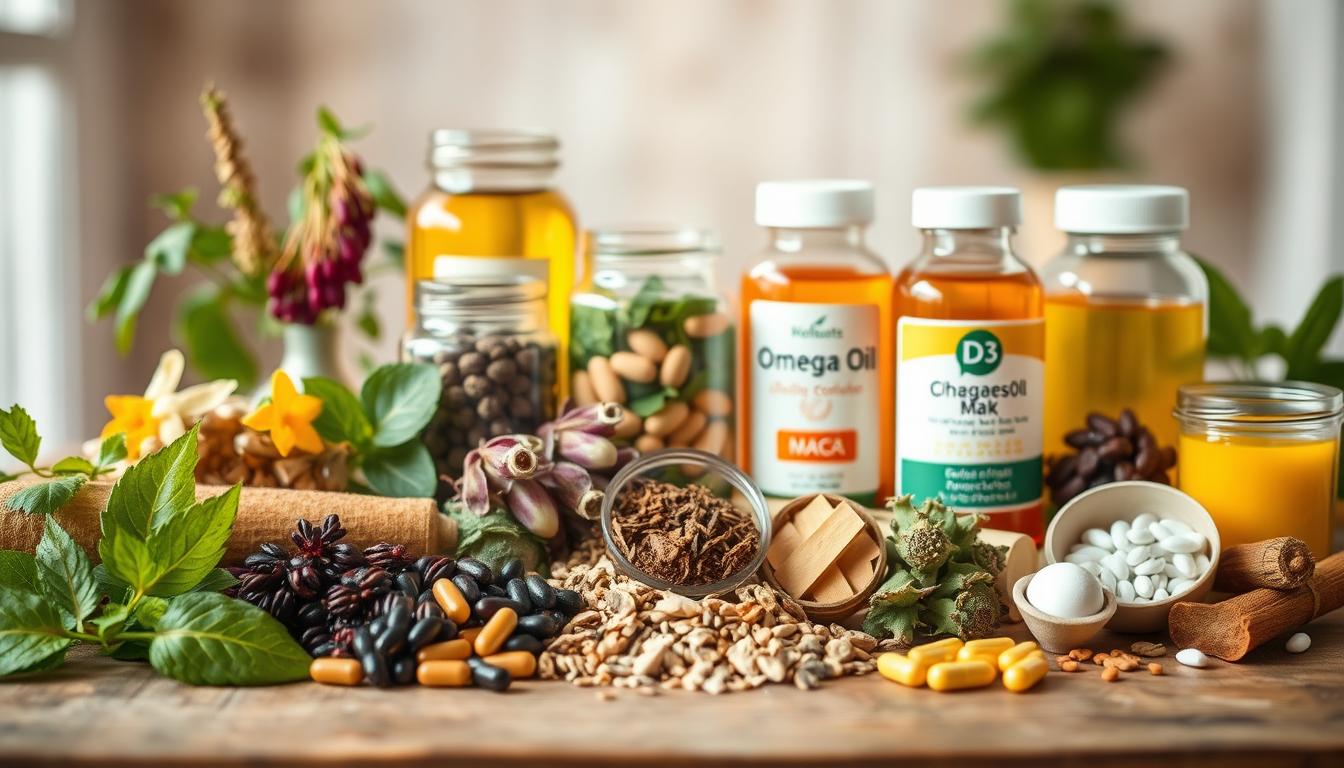
Chasteberry and Maca Root: Science-Backed Solutions
Chasteberry (Vitex) reduces PMS symptoms by 48% compared to placebo, per clinical trials. It works by:
- Lowering prolactin levels (linked to breast tenderness).
- Balancing estrogen-progesterone ratios during luteal phase.
- Standardized extracts (0.5% agnuside) outperform whole berries.
Maca root adapts to individual needs—supporting energy in hypothyroidism or calming overactive adrenals. Key forms:
- Red maca: Best for estrogen modulation (600 mg/day).
- Black maca: Enhances fertility and stamina.
“Botanicals like dong quai act as selective estrogen receptor modulators (SERMs), preferentially binding ER-beta receptors over ER-alpha.”
Magnesium: The Multitasking Mineral
Magnesium glycinate improves insulin resistance by 19% in PCOS patients. Beyond oral supplements:
- Transdermal oils (applied to inner wrists) bypass gut issues.
- Combined with zinc, it boosts progesterone production.
For cyclical support:
| Phase | Supplement | Dose |
|---|---|---|
| Follicular | Milk thistle | 150 mg silymarin |
| Ovulation | Vitamin E | 400 IU |
| Luteal | Magnesium | 300 mg |
Safety note: St. John’s wort interacts with birth control. Always verify third-party testing (NSF or USP seals) for purity.
Lifestyle Changes to Support Hormonal Balance
Modern life exposes you to hormone-altering chemicals in unexpected places. From skincare to cookware, everyday items can disrupt your endocrine system. The good news? Strategic lifestyle tweaks significantly reduce these risks while enhancing natural detox pathways.
Reducing Exposure to Endocrine Disruptors
Endocrine-disrupting chemicals (EDCs) mimic hormones, confusing your body’s signaling. A 2023 study found BPA in 93% of tested receipts—just handling them transfers this estrogen-mimicker. Prioritize eliminating these top offenders:
- Phthalates: Found in fragrances and vinyl. Swap for EWG-verified cleaners.
- Parabens: Common in cosmetics. Choose products labeled “paraben-free.”
- PFAS: Nonstick coatings. Use cast iron or ceramic cookware instead.
Upgrade your home room by room:
| Area | Risk Item | Safer Alternative |
|---|---|---|
| Bathroom | Plastic shower curtain | Organic cotton liner |
| Kitchen | Plastic food containers | Glass with silicone lids |
| Bedroom | Memory foam mattress | Organic latex |
The Importance of Hydration and Detoxification
Your liver processes hormones through two phases:
- Phase I: Requires B vitamins and magnesium to neutralize toxins.
- Phase II: Uses amino acids to make toxins water-soluble for excretion.
Support these pathways with:
- Infrared saunas (sweat out heavy metals).
- Lemon water (stimulates bile flow).
- Dandelion root tea (boosts glutathione).
“Women with higher water intake showed 33% faster clearance of xenoestrogens in urine tests.”
Test your tap water for fluoride and chlorine. If levels are high, install a reverse osmosis system. Pair this with dry brushing to stimulate lymphatic drainage.
Try this 21-day reset:
- Week 1: Eliminate plastic food containers.
- Week 2: Switch to natural personal care products.
- Week 3: Add daily detox practices (sauna, hydration).
Small, consistent changes create lasting hormone harmony. Start with one swap today—your endocrine system will thank you.
Conclusion
Small, consistent changes create lasting results for your health. Start with one adjustment—like swapping processed foods for whole options—and build from there. Over 30 days, these shifts compound to balance hormones naturally.
Track progress with a symptom journal or app. Note energy levels, mood, and cycle patterns. Functional testing can pinpoint specific imbalances if needed. Many naturopaths offer personalized plans.
Remember, your lifestyle shapes your endocrine system. Prioritize sleep, nourishing foods, and stress management. These habits prevent long-term issues while boosting daily vitality.
You’ve got this. Every positive choice moves you closer to feeling your best. Start today—your body will thank you.