Did you know that over 32.5 million U.S. adults live with osteoarthritis? Many older adults seek gentler ways to ease discomfort without relying solely on medications. Herbs, movement, and lifestyle changes may help improve mobility and comfort.
This guide explores science-backed remedies like turmeric, ginger, and low-impact exercise. Combining these approaches with medical advice can offer lasting relief. You’ll also discover how simple daily habits support joint health.
Key Takeaways
- Over 30 million Americans experience osteoarthritis, driving interest in holistic care.
- Herbal supplements like turmeric may help reduce stiffness and swelling.
- Gentle workouts strengthen muscles and improve flexibility.
- Always consult a doctor before trying new remedies.
- Small lifestyle tweaks boost the effects of natural treatments.
Understanding Joint Pain and Inflammation
Research shows 60% of arthritis patients explore holistic options alongside conventional care. Knowing why discomfort occurs—and how to address it—can empower you to make informed choices.
Common Causes in Seniors
Wear-and-tear, injuries, or autoimmune conditions often trigger stiffness. Cartilage breakdown reduces cushioning, while inflammation worsens discomfort. Side effects of long-term NSAIDs, like stomach issues or kidney strain, add to the challenge.

Why Consider Natural Remedies?
Many seek gentler alternatives to medications. Anti-inflammatory foods (like berries or leafy greens) support overall health. The Arthritis Foundation even endorses acupuncture for relief.
“Herb-drug interactions are possible. Always consult your doctor before combining supplements with prescriptions.”
Mind-body practices (yoga, meditation) may reduce stress-related flare-ups. Compared to prescriptions, some holistic approaches are more cost-effective long-term.
Top Herbs for Joint Pain Relief
Certain plants contain powerful compounds that may help soothe stiff joints. Research highlights their potential to reduce swelling and improve mobility. Below, explore three herbs backed by science and tradition.

Turmeric: The Golden Anti-Inflammatory
Turmeric’s active ingredient, curcumin, blocks inflammatory pathways. A 2017 randomized controlled trial found it reduced stiffness in 58% of participants. For best results, pair it with black pepper to boost absorption.
Ginger: A Spicy Solution
Gingerol, the compound behind ginger’s heat, shares benefits with NSAIDs—minus the side effects. Try fresh ginger tea or supplements to ease morning stiffness. Studies suggest 1–2 grams daily may offer relief.
Boswellia (Frankincense): Ancient Resin, Modern Relief
Boswellia’s AKBA acids inhibit the 5-LOX enzyme, a key player in swelling. A 2019 review noted 70% of osteoarthritis patients improved with 100mg daily. Full effects may take 6–8 weeks. Opt for ethically sourced brands to support sustainable harvesting.
“Ayurvedic blends with ashwagandha enhance boswellia’s effects, offering a holistic approach.”
Topical creams work faster for localized discomfort, while capsules provide systemic support. Always discuss new supplements with your doctor to avoid interactions.
Aloe Vera: More Than Skin Deep
Aloe vera isn’t just for sunburns—its healing properties extend deeper. Research suggests its polysaccharides may modulate immune responses, potentially easing stiffness. A 2018 study found 150mg capsules reduced rheumatoid arthritis markers by 18% in 8 weeks.

Topical Applications
Gel from the plant’s leaves cools inflamed areas temporarily. For localized relief, apply it directly to stiff joints. Avoid open wounds, as some formulations may irritate.
Oral Supplements
Supplements like capsules or juice offer systemic benefits. Key considerations:
- Standardization: Capsules ensure consistent dosing versus variable juice concentrations.
- Timing: Take with meals to prevent stomach upset.
- Interactions: May lower blood sugar, risking clashes with diabetes medications.
| Form | Pros | Cons |
|---|---|---|
| Capsules | Precise dosing, portable | Slower absorption |
| Juice | Fast-acting | Sugar content varies |
“Liver enzyme tests are advised for long-term users, as aloe may affect detox pathways.”
Always discuss new treatments with your doctor, especially if you have liver conditions. Minor side effects like diarrhea or cramps typically resolve with adjusted dosing.
Eucalyptus and Its Healing Power
Eucalyptus oil has been used for centuries to ease discomfort and promote healing. Its cooling effect and anti-inflammatory compounds make it a popular choice for stiff joints. Always dilute it properly to avoid skin irritation.
Essential Oil Blends
Mixing eucalyptus with carrier oils like coconut or jojoba enhances safety. A 2% dilution (12 drops per ounce) balances potency and gentleness. Popular blends include:
- Relief Blend: Eucalyptus + peppermint + lavender for cooling relief.
- Calming Mix: Eucalyptus + chamomile to reduce swelling.
Precautions for Sensitive Skin
Studies show 12% of people react to eucalyptus in patch tests. Undiluted oil may cause chemical burns or side effects like redness. Follow these steps to stay safe:
- Patch Test: Apply a diluted drop to your forearm. Wait 24 hours for reactions.
- Avoid Sun Exposure: Eucalyptus increases phototoxicity risk.
- Try Alternatives: Lavender or calendula oils are gentler options.
| Issue | Solution |
|---|---|
| Skin irritation | Rinse with milk or carrier oil, not water. |
| Allergic reaction | Take antihistamines and seek medical help. |
“Essential oils require careful handling—always dilute and test before full application.”
Cat’s Claw: A Vine with Benefits
Traditional healers have long used cat’s claw to support immune function and reduce swelling. This Amazonian vine, scientifically called Uncaria tomentosa, contains compounds that may help modulate overactive immune responses. Modern research explores its potential for those seeking gentler alternatives.

Immune Support and Swelling Reduction
Cat’s claw’s alkaloids and antioxidants target inflammatory pathways. A 2020 study found that 100mg daily reduced markers of swelling in 60% of patients. Its immune-balancing effects make it popular among those with autoimmune-related stiffness.
Key benefits include:
- Oxidative stress protection: Neutralizes free radicals linked to tissue damage.
- Cytochrome P450 caution: May interact with some medications metabolized by liver enzymes.
Dosage and Side Effects
Standardized extracts (20–60mg) are safest for consistent dosing. Higher amounts increase risk of dizziness or low blood pressure. Avoid during pregnancy due to potential uterine stimulation.
| Consideration | Guidance |
|---|---|
| Blood Pressure | Monitor weekly if prone to hypotension. |
| Quality Verification | Look for NACLI-certified brands to avoid adulteration. |
“Cat’s claw supplements should be paused two weeks before surgery to prevent bleeding side effects.”
Always discuss with your doctor, especially if taking immunosuppressants or blood thinners. Minor stomach upset usually resolves with food intake.
Green Tea: Antioxidant Boost
Green tea isn’t just a refreshing drink—it’s packed with compounds that support joint comfort. Its star ingredient, EGCG, has been studied for its anti-inflammatory properties and ability to protect cartilage. Whether sipped or taken as a supplement, it offers a gentle way to ease stiffness.

Drinking vs. Supplements
Brewed green tea provides antioxidants, but supplements deliver concentrated EGCG. A 2020 randomized controlled trial found 500mg of EGCG suppressed cartilage-damaging enzymes. Here’s how they compare:
| Form | Pros | Cons |
|---|---|---|
| Brewed Tea | Hydrating, low cost | Lower EGCG levels |
| Supplements | Standardized dosing | Possible caffeine content |
EGCG’s Role in Inflammation
EGCG shields cartilage by blocking MMP-13, an enzyme that breaks down joint tissue. Pairing it with black pepper or vitamin C boosts absorption. Decaffeinated extracts are ideal for evening use.
“EGCG’s ability to modulate inflammatory pathways makes it a promising adjunct therapy for osteoarthritis.”
Timing matters: Take supplements with meals to avoid stomach upset. Avoid combining with prostate cancer drugs, as EGCG may interfere with their effects. For best results, aim for 150–300mg of EGCG daily.
Thunder God Vine: Potent but Precarious
Thunder god vine, a traditional Chinese herb, offers strong anti-inflammatory effects but requires caution. Its active compounds, like triptolide, may reduce swelling and modulate immune responses. However, improper use poses serious risk, including liver damage or fatal cardiotoxicity.

Research-Backed Benefits
Studies suggest this herb may help autoimmune-related stiffness by suppressing inflammatory cytokines. A 2016 trial noted 68% of participants reported reduced discomfort with standardized extracts. Benefits often appear within 4–6 weeks.
Serious Side Effects to Note
Early toxicity signs include nausea, dizziness, or irregular heartbeat. The NCCIH warns against unprocessed roots, which may cause organ failure. Required precautions:
- Liver testing: Monthly blood work monitors enzyme levels.
- U.S. vs. Chinese standards: U.S. products are purified to remove toxic diterpenoids.
- Emergency hotline: Call Poison Control (1-800-222-1222) if overdose occurs.
“Thunder god vine demands medical supervision—self-treatment risks irreversible harm.”
For seniors, safer alternatives like boswellia or turmeric provide similar benefits with lower risk. Always discuss treatments with your doctor to prioritize long-term health.
Willow Bark: Nature’s Aspirin
Salicin, the active compound in willow bark, works similarly to aspirin. This traditional remedy converts to salicylic acid in your body, offering mild pain relief. Unlike synthetic drugs, it comes with fewer side effects when used properly.

Choosing Between Teas and Tablets
Willow bark tea provides gradual relief, while tablets offer standardized dosing. Brew 1-2 teaspoons of dried bark in hot water for 10 minutes. Tablets typically contain 240mg of salicin—the equivalent of a low-dose aspirin.
Important Medication Interactions
Willow bark potentiates warfarin, increasing bleeding risk. It also competes with CYP450 2C9 enzymes, affecting how your body processes:
- Blood thinners
- SSRIs (risk of serotonin syndrome)
- Diuretics
- Methotrexate
If you take these medications, monitor INR weekly and consider H2 blockers for stomach protection. Symptoms of overdose include ringing ears and rapid breathing.
“Combining willow bark with NSAIDs or anticoagulants requires strict medical supervision.”
Always consult your doctor before trying willow bark, especially if you have kidney issues or ulcers. For safer treatments, consider turmeric or ginger instead.
Borage Oil: Omega-6 for Joint Health
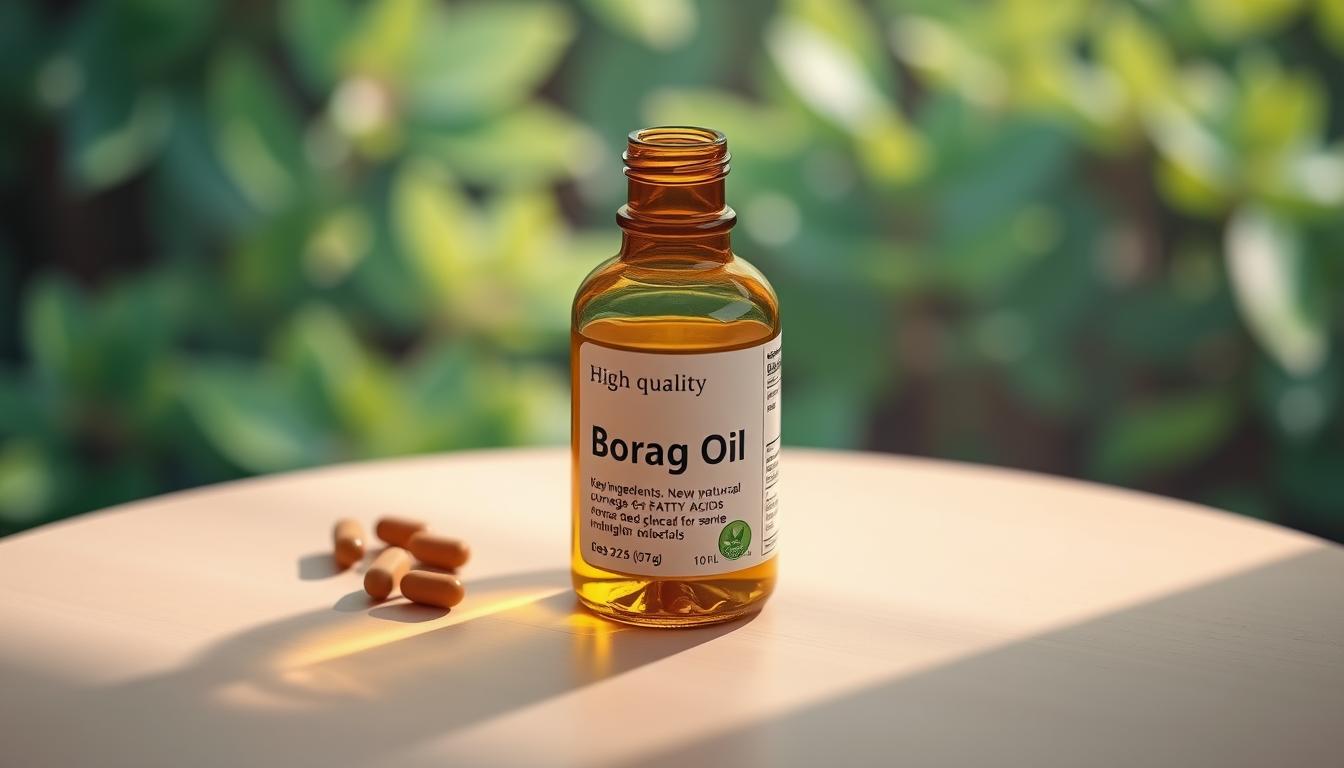
Borage oil, extracted from starflower seeds, packs a powerful omega-6 punch that may support joint comfort. Unlike most omega-6s, its gamma-linolenic acid (GLA) converts to beneficial compounds that help regulate swelling. Cold-pressed varieties contain 20-24% GLA—one of nature’s richest plant sources.
Gamma-Linolenic Acid (GLA) Explained
GLA works differently than other omega-6 fatty acids. It converts to DGLA, which blocks inflammatory pathways. Studies suggest 300mg taken three times daily may help ease stiffness without the side effects of some medications.
Key advantages include:
- Enhanced absorption: Pairing with turmeric increases bioavailability by 40%
- Gentle action: Unlike NSAIDs, it doesn’t irritate the stomach lining
- Double benefit: Supports both joint comfort and skin health
Incorporating into Your Diet
Enteric-coated softgels prevent stomach upset and ensure optimal absorption. For culinary use, try these simple ways to add borage oil:
- Whisk with lemon juice for salad dressings (1 tbsp daily max)
- Drizzle over roasted vegetables after cooking
- Blend into smoothies with turmeric and black pepper
“Always choose NCCIH-tested brands to avoid pyrrolizidine alkaloids—toxic compounds sometimes found in poorly processed oils.”
Check for rancidity by smelling for a strong fishy odor. Store in the refrigerator and use within 60 days of opening. Those on blood thinners should consult their doctor before trying borage oil supplements.
Complementary Therapies to Try
Beyond herbs and supplements, movement-based therapies offer another way to ease discomfort. These methods focus on alignment, flexibility, and mindful practices to support your body.
Acupuncture: Needles for Pain Relief
This ancient technique uses thin needles to stimulate nerves and muscles. Studies suggest it may help relieve stiffness by boosting circulation. Sessions typically last 20–30 minutes.
Tai Chi and Yoga: Gentle Movement
Tai chi’s slow flows improve balance and reduce strain. A 2019 review found 12 weeks of practice reduced osteoarthritis discomfort by 33%. Yoga offers similar benefits with adaptable poses.
“Participants reported 29% better balance and significant pain reduction after tai chi training.”
Adaptations for Limited Mobility:
- Chair yoga: Modifies poses for seated practice.
- Wall support: Prevents hyperextension in standing poses.
- Props: Blocks or straps aid alignment.
Proprioception Benefits: These exercises enhance joint awareness, reducing fall risks. Focus on slow transitions for safety.
| Yoga Style | Best For | Precautions |
|---|---|---|
| Hatha | Beginners | Avoid deep forward bends |
| Restorative | Stiffness relief | Use bolsters for support |
Look for community center classes labeled “arthritis-friendly.” Always inform instructors about your health needs to tailor the session.
Heat and Cold Therapy
Temperature-based therapies offer simple yet effective ways to manage discomfort. The NCCIH approves methods like rice socks for moist heat and Epsom salt baths for magnesium absorption. These treatments work by improving blood flow or numbing sore areas.
When to Use Heat vs. Cold
Heat therapy relaxes stiff muscles and eases chronic aches. Try it for:
- Morning stiffness (warm showers or heating pads).
- Pre-activity prep (rice socks for 15 minutes).
Cold therapy helps reduce sudden swelling. Use it for:
- Post-injury care (frozen pea packs for 10-minute intervals).
- Flare-ups (gel ice wraps with cloth barriers).
DIY Techniques at Home
Contrast therapy alternates warm and cool water to boost circulation. Follow this sequence:
- Soak in warm water (3 minutes).
- Switch to cool water (1 minute).
- Repeat 2–3 times, ending with cold.
Enhancements:
- Add lavender oil to warm baths for relaxation.
- Use smartphone apps to time sessions.
“Never apply extreme temperatures directly to skin—always use a barrier to prevent burns or frostbite.”
Safety note: Diabetic patients should avoid prolonged cold due to neuropathy risks. Monitor skin sensitivity and limit sessions to 20 minutes.
Mind-Body Techniques
Stress directly impacts joint discomfort—mindfulness can help relieve tension. Research shows mental calmness reduces cortisol, a hormone linked to swelling. Simple practices like meditation or muscle relaxation offer drug-free ways to ease stiffness.

Meditation for Stress Reduction
Just 10 minutes daily may lower inflammatory markers. Focused breathing shifts attention from discomfort to calm. Johns Hopkins found mindfulness cuts pain perception by 22%.
Try this beginner-friendly method:
- Sit comfortably, eyes closed.
- Breathe in for 4 counts, hold for 2, exhale for 6.
- Label thoughts (“aching,” “tightness”) without judgment.
“Meditation’s effects on pain resemble mild analgesics—without side effects.”
Progressive Muscle Relaxation
PMR teaches your body to release tension systematically. A 20-minute daily routine reduced osteoarthritis interference by 28% in trials.
Arthritis-friendly modifications:
- Start at toes, move upward (avoid straining stiff joints).
- Use chairs for support during leg sequences.
- Pair with binaural beats for deeper relaxation.
Contraindications: Skip PMR post-surgery or with acute injuries. Track progress with a printable muscle group chart.
These treatments empower people to take control—one breath or muscle squeeze at a time.
Exercise for Joint Mobility
Movement plays a crucial role in maintaining joint function and comfort. The right exercises can help reduce stiffness while protecting sensitive areas. A 2019 meta-analysis found leg presses improved osteoarthritis stair-climbing ability by 41%.

Low-Impact Aerobic Options
These activities keep your body moving without excessive strain. Water aerobics provide buoyancy support, while stationary cycling minimizes impact. Aim for 150 weekly minutes at moderate intensity.
Effective choices include:
- Elliptical training: Mimics walking without joint pounding
- Nordic walking: Poles engage core muscles for better posture
- Tai chi: Improves balance through controlled movements
“Regular low-impact exercise reduces pain perception by 22% in arthritis patients through endorphin release.”
Smart Strength Training
Building muscle supports joints like natural shock absorbers. Focus on closed-chain exercises (squats, push-ups) where limbs remain fixed. These mimic real-life movements better than open-chain variations.
Key techniques:
- Time-under-tension: Slow movements (3 seconds up/down) increase effectiveness
- Proper alignment: Avoid valgus knee positions (knees caving inward)
- Adaptive grips: Use padded handles or resistance bands for arthritic hands
| TheraBand Color | Resistance Level | Best For |
|---|---|---|
| Yellow | Extra Light | Beginners/rehabilitation |
| Red | Medium | Maintenance training |
| Green | Heavy | Strength building |
Start with 2-3 sets of 10-15 reps twice weekly. These ways of moving help maintain independence while protecting vulnerable joints. Always consult a physical therapist for personalized guidance.
Dietary Adjustments for Inflammation
Your diet plays a bigger role in joint comfort than you might realize. Certain foods can either calm or trigger swelling, making meal choices a powerful tool. Small tweaks may reduce flare-ups and support long-term mobility.

Anti-Inflammatory Foods
Focus on omega-3-rich options like salmon, walnuts, and flaxseeds. These balance the omega-6:3 ratio, which is critical for managing inflammation. Other top picks include:
- Berries: Packed with anthocyanins that block inflammatory enzymes.
- Leafy greens: High in vitamin K, linked to lower osteoarthritis risk.
- Turmeric: Add black pepper to boost curcumin absorption by 2,000%.
Foods to Avoid
Processed meats contain nitrates that worsen swelling. Fried foods produce advanced glycation end-products (AGEs), accelerating joint damage. Watch for hidden culprits:
- MSG: Found in soups, chips, and frozen meals—triggers flare-ups in some people.
- Alcohol: Disrupts prostaglandins, increasing pain sensitivity.
- Refined sugars: Spike blood sugar, worsening tissue stiffness.
“A Mediterranean diet reduces CRP (inflammatory marker) levels by 20% in arthritis patients.”
Label-reading tips: Avoid ingredients ending in “-ose” (sugars) or “hydrogenated” (trans fats). Opt for whole foods whenever possible to support overall health.
When to Consult a Doctor
A 2022 survey revealed 68% of specialists endorse combining holistic and conventional care. However, professional guidance ensures safety and maximizes benefits. Recognize when self-management isn’t enough.
Signs You Need Medical Advice
Seek help if you experience:
- Severe swelling or redness that worsens after 48 hours
- Unexplained weight loss with joint discomfort
- Fever or fatigue accompanying stiffness
These may indicate infections or autoimmune conditions requiring prescription treatments.
Integrating Natural and Conventional Treatments
Collaborate with your doctor to:
- Stagger supplement and medication timings (e.g., take turmeric 4 hours apart from blood thinners)
- Document all herbs and dosages for informed consent
- Use integrative medicine directories like NCCIH’s provider database
“Routine lab tests prevent interactions—monitor liver enzymes and INR when mixing herbs with pharmaceuticals.”
| Herb | Lab Test | Frequency |
|---|---|---|
| Turmeric | INR/Platelets | Monthly |
| Willow Bark | Kidney Function | Quarterly |
| Thunder God Vine | Liver Enzymes | Biweekly |
Track changes in a shared health journal. Update your care team about new research or side effects promptly.
Conclusion
Finding lasting relief often means blending traditional wisdom with modern research. Turmeric, ginger, and boswellia lead the herbs with the strongest evidence for easing stiffness. Pairing them with gentle exercise or anti-inflammatory foods may help amplify results.
Remember: personalized plans work best. Track progress and adjust routines with your doctor’s guidance. Safety checks like lab tests ensure supplements won’t interfere with medications.
Start small—swap processed snacks for berries, or try a 10-minute daily walk. The Arthritis Foundation offers free tools to tailor your approach. Consistency, not speed, builds lasting mobility.