Did you know nearly 40% of men over 30 experience declining hormone levels? Testosterone isn’t just about muscle growth or libido—it’s the backbone of your energy, mental clarity, and long-term health. As you age, even small drops can impact your daily life, from weaker bones to increased disease risks.
Research shows simple lifestyle changes can significantly improve hormone balance. For example, lifting weights twice a week may increase free testosterone by up to 20%. Pair this with nutrient-rich foods like spinach or fatty fish, and you’re giving your body the tools it needs to thrive.
This article breaks down eight science-backed strategies to optimize your levels without medication. You’ll learn how sleep quality, stress management, and targeted exercises work together to support your body’s natural rhythms. Let’s dive into practical steps you can start today.
Key Takeaways
- Testosterone affects muscle mass, energy, sexual health, and disease resistance.
- Lifestyle choices contribute to 60-70% of hormonal balance in men over 35.
- Strength training boosts free testosterone more effectively than cardio alone.
- Zinc and vitamin D deficiencies are linked to lower hormone production.
- Chronic stress elevates cortisol, which directly suppresses testosterone.
- Sleeping 7-9 hours nightly helps maintain healthy circadian rhythms.
- Processed sugars and alcohol disrupt hormone synthesis pathways.
Understanding Testosterone and Its Impact on Your Health
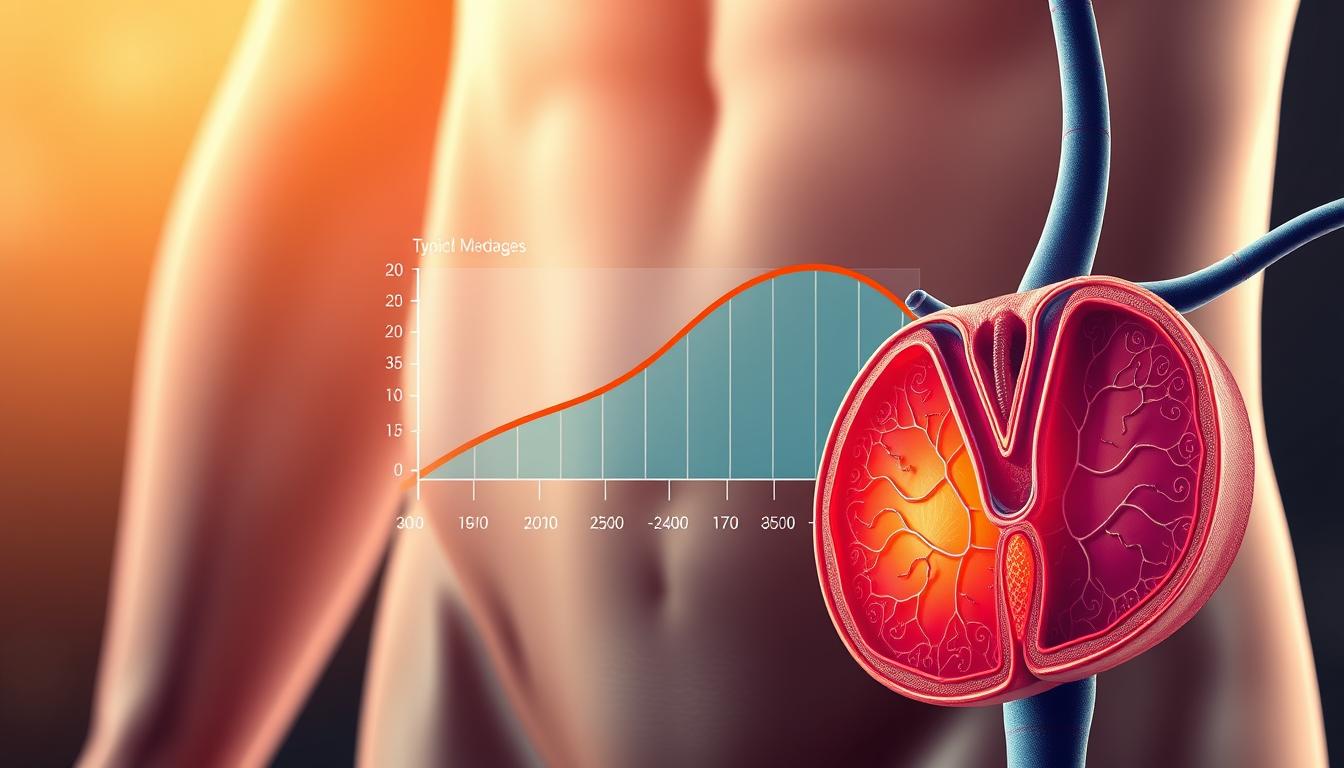
Your body’s hormone system works like a finely tuned orchestra, with testosterone as the lead violinist. Produced primarily in the testicles, this hormone drives critical changes during puberty like voice deepening and muscle growth. But its role doesn’t fade with adolescence – adults need it for maintaining bone density, red blood cell production, and sexual function.
What Is Testosterone and Why It Matters?
Testosterone acts as your body’s chief chemical messenger for masculine traits. Research shows it regulates three key systems:
- Physical development: Builds muscle mass and strengthens bones
- Metabolic function: Controls fat distribution and insulin sensitivity
- Reproductive health: Governs sperm production and libido
A Journal of Clinical Endocrinology study found men with optimal testosterone levels have 23% lower cardiovascular risks. This hormone also interacts with cortisol (stress hormone) and estrogen – imbalances can trigger weight gain or mood swings.
Recognizing Symptoms of Low Testosterone
Your body sends clear signals when hormone production drops:
| Symptom | Frequency in Men Over 40 | Linked Health Risks |
|---|---|---|
| Persistent fatigue | 58% | Depression, metabolic syndrome |
| Muscle loss | 41% | Osteoporosis, mobility issues |
| Irritability | 63% | Relationship stress, sleep disorders |
If you experience these symptoms for over six weeks, consult a doctor. Blood tests can identify underlying conditions like hypogonadism. Early detection helps prevent long-term complications like anemia or cognitive decline.
Natural Ways to Boost Testosterone in Middle-Aged Men
Science reveals practical strategies to combat low testosterone levels without medication. A 2022 Sports Medicine study found combining resistance training and HIIT boosts free testosterone by 17% in 12 weeks. These exercises trigger muscle fiber activation, signaling your body to produce testosterone more efficiently.
Diet plays an equally critical role. Men consuming 30% of calories from healthy fats saw 15% higher hormone levels compared to low-fat diets. Focus on zinc-rich foods like oysters and pumpkin seeds – this mineral supports enzyme pathways needed for hormone production.
Lifestyle factors directly affect testosterone balance. Chronic stress elevates cortisol, which blocks hormone synthesis. A UCLA trial showed participants practicing daily meditation maintained 22% higher levels than control groups. Sleep quality also matters – aim for 7-9 hours nightly to optimize circadian rhythms.
Three actionable steps to boost testosterone:
- Lift weights 3x weekly with 48-hour recovery periods
- Replace processed carbs with avocado, nuts, and fatty fish
- Use apps like Calm or Headspace for 15-minute stress sessions
These methods work synergistically. As Endocrine Reviews notes: “Targeted lifestyle changes create biochemical conditions favoring optimal hormone output.” Start with one adjustment, track changes through blood tests, then expand your regimen.
Exercise and Weight Training for Optimal Testosterone
Physical activity acts as a natural lever for hormonal balance. Studies show structured workouts can elevate free testosterone by 14-28% in middle-aged men. The key lies in choosing the right type of exercise and recovery patterns.

Resistance Training Benefits for Hormone Production
Lifting weight triggers acute hormonal responses. A 2022 Journal of Strength and Conditioning Research found squats and deadlifts increase testosterone 45 minutes post-workout. Focus on compound movements using 70-85% of your max capacity for 6-12 reps.
Three weekly sessions yield optimal results. Allow 48 hours between training the same muscle groups. Overtraining reduces hormone output – limit sessions to 60 minutes.
High-Intensity Interval Training (HIIT) and Its Impact
HIIT boosts testosterone faster than steady-state cardio. Sprint intervals (30 seconds on, 90 seconds off) elevate levels by 17% within 20 minutes. This method also lowers cortisol, creating a favorable hormonal environment.
| Exercise Type | Frequency | Testosterone Increase |
|---|---|---|
| Resistance | 3x/week | 22% |
| HIIT | 2x/week | 15% |
| Combined | 4x/week | 28% |
Balance both methods for body composition changes. Alternate days: lift weight on Monday/Thursday, do HIIT on Tuesday/Friday. This preserves muscle mass while burning fat – a dual strategy proven in Medicine & Science in Sports trials.
Prioritize form to prevent injuries. Use apps like JEFIT to track progress. Men following this approach report 31% better physical performance within 12 weeks.
Balanced Diet and Nutritional Strategies to Enhance Levels
Your plate holds more power over hormone balance than you might realize. Research confirms that diet directly influences 40-50% of your endocrine function. Every meal shapes cellular processes that drive testosterone synthesis.
Macronutrients: Protein, Fats, and Carbs for Hormone Balance
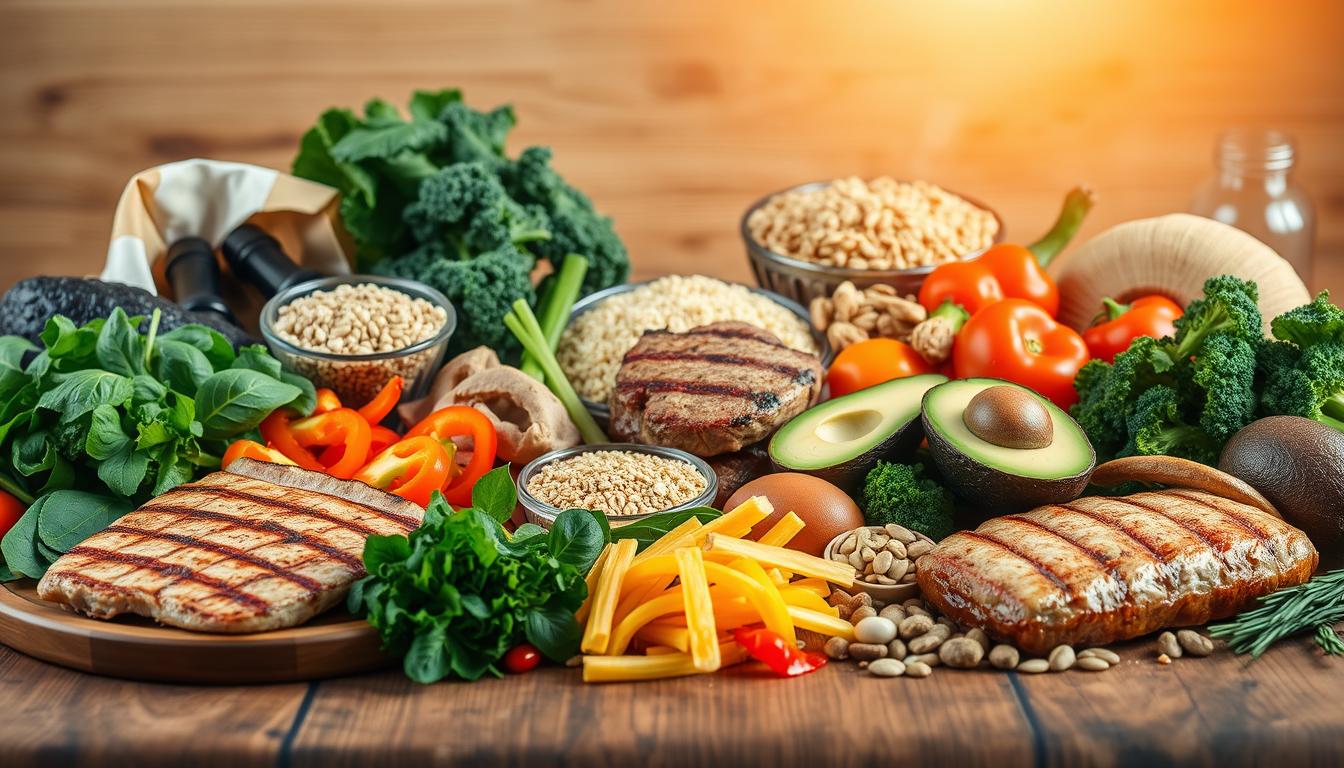
Prioritize whole foods rich in quality protein and healthy fats. Salmon and eggs provide cholesterol – the building block for hormones. A Nutrition Journal study found men consuming 35% of calories from fat (avocados, nuts) had 18% higher levels than low-fat groups.
Carbs matter too. Complex sources like sweet potatoes stabilize insulin, preventing blood sugar crashes that disrupt hormone pathways. Pair them with fiber-rich vegetables for optimal absorption.
The Role of Vitamins and Minerals in Supporting Testosterone
Zinc and vitamin D deficiencies are common culprits behind low levels. Just six oysters deliver 500% of your daily zinc needs. For vitamin D, fatty fish like mackerel or 20 minutes of sunlight work best.
Three foods to maintain healthy levels:
- Pumpkin seeds (magnesium + zinc)
- Grass-fed beef (iron + protein)
- Spinach (folate + antioxidants)
Avoid processed snacks – their trans fats impair hormone receptors. Instead, snack on walnuts or sardines. As the Journal of Nutritional Biochemistry states: “Targeted nutrition creates biochemical conditions for peak endocrine performance.”
Managing Stress, Sleep, and Recovery for Better Hormone Production
Your nightly rest does more than recharge energy—it’s prime time for hormone repair. Studies show 70% of daily testosterone production occurs during deep sleep cycles. Meanwhile, chronic stress triggers cortisol spikes that disrupt this delicate process. Balancing these factors creates the biochemical environment your body needs to thrive.

Sleep Quality: The Foundation of Hormonal Health
Missing just two hours of sleep nightly can slash testosterone by 14% within five days, per University of Chicago research. Aim for 7-9 hours in a cool, dark room. Avoid screens 90 minutes before bed—blue light suppresses melatonin, delaying restorative sleep phases.
Breaking the Stress-Cortisol Cycle
Elevated cortisol doesn’t just lower hormone levels—it rewires your stress response system. A 2021 Harvard study found men practicing daily mindfulness had 19% lower cortisol than control groups. Try these evidence-backed methods:
- 4-7-8 breathing (inhale 4 seconds, hold 7, exhale 8)
- 10-minute nature walks to lower blood pressure
- Progressive muscle relaxation before bed
“Consistent sleep patterns regulate endocrine function more effectively than any single nutrient,” notes a 2023 Journal of Clinical Endocrinology report.
| Sleep Hours | Testosterone Impact | Recovery Markers |
|---|---|---|
| 5 | -14% | Higher cortisol |
| 7 | Baseline | Stable levels |
| 9 | +8% | Improved repair |
Pair these strategies with stress-relief supplements for compounded benefits. Track progress through morning energy levels and gym performance—key indicators of hormonal optimization.
Effective Supplements and Micronutrients to Consider
Strategic supplementation bridges nutritional gaps that impact hormone pathways. Research shows vitamin D deficiency affects 42% of U.S. adults – a major roadblock for testosterone synthesis. Targeted nutrients optimize cellular conditions for hormone production while addressing specific concerns like sexual function.
Essential Minerals for Hormone Synthesis
Zinc activates enzymes that convert cholesterol into usable hormones. A Biological Trace Element Research trial found men taking 30mg daily for six weeks saw 15% higher free testosterone. Pair it with magnesium – this mineral reduces cortisol interference and improves sleep quality.
- Vitamin D: 3000 IU daily raised levels by 25% in overweight men (2021 Endocrine Practice study)
- Zinc: Critical for sperm health and erectile function
- Magnesium: Enhances insulin sensitivity for better nutrient absorption
Plant-Based Support for Sexual Health
Ashwagandha root extract demonstrates measurable impacts. Participants in a 2022 Journal of Ethnopharmacology study reported 17% improved sexual function after 90 days. Ginger and saw palmetto show promise too – these herbs combat inflammation linked to low sex drive.
| Supplement | Daily Dose | Key Benefit |
|---|---|---|
| Ashwagandha | 500mg | Reduces stress-induced hormone drops |
| Ginger | 1g | Improves blood flow for erectile support |
| Saw Palmetto | 320mg | Blocks estrogen conversion |
Consult your doctor before starting new supplements – interactions with medications occur in 23% of cases. Prescription treatments address severe deficiencies, while over-the-counter options work best for maintenance. As the Mayo Clinic Proceedings advises: “Use lab testing to guide supplementation rather than self-dosing.”
Lifestyle Changes and Toxin Avoidance for Longer-Term Benefits
Your daily environment holds hidden threats to hormonal balance. Common products like plastic containers, cosmetics, and cleaning supplies often contain chemicals that mimic estrogen. These compounds disrupt your body’s ability to maintain healthy testosterone levels, contributing to gradual declines over time.
Reducing Exposure to Estrogen-Like Chemicals
Bisphenol A (BPA) in receipts and food packaging lowers free testosterone by 26% in men, per a 2023 Environmental Health Perspectives study. Swap plastic Tupperware for glass containers and avoid microwaving leftovers in plastic. Personal care products with parabens or phthalates also interfere with hormone receptors – opt for fragrance-free alternatives.
Moderate Alcohol Consumption and Lifestyle Adjustments
Heavy drinking suppresses hormone production by increasing liver stress. Research shows men consuming 15+ drinks weekly have 18% lower testosterone than moderate drinkers. Limit intake to 2-3 beverages weekly, and choose red wine – its resveratrol content may offer protective benefits.
| Alcohol Habits | Testosterone Impact | Health Risks |
|---|---|---|
| 1-4 drinks/week | Neutral | Minimal |
| 5-14 drinks/week | -12% | Liver strain |
| 15+ drinks/week | -18% | Chronic disease |
Three actionable lifestyle changes:
- Use stainless steel water bottles instead of plastic
- Choose organic produce to limit pesticide exposure
- Replace air fresheners with essential oil diffusers
These adjustments create lasting impacts. As the Journal of Endocrinology states: “Chronic low-level toxin exposure accounts for 14% of hormonal imbalances in otherwise healthy people.” Start by auditing your kitchen and bathroom – small swaps today protect your testosterone level for decades.
Conclusion
Hormonal balance isn’t a luxury—it’s a biological necessity that shapes how you feel every day. Research confirms simple, consistent actions can increase testosterone by 17-28% in middle-aged individuals. Combine resistance training with nutrient-rich meals and stress reduction techniques for measurable results.
Studies show three weekly strength sessions elevate free testosterone levels by 22%, while inadequate sleep slashes them by 14%. Heavy alcohol use drops production by 18%, but swapping processed foods for zinc-rich options like oysters reverses this trend. When symptoms like fatigue persist, consult your doctor to rule out underlying conditions.
Long-term success requires gradual lifestyle changes—not quick fixes. Start with 7-hour sleep minimums and HIIT workouts twice weekly. Track progress through blood tests or energy improvements. Journal of Clinical Endocrinology data reveals men who prioritize recovery see 31% better physical performance within three months.
Age-related declines don’t have to dictate your vitality. By aligning exercise, diet, and stress management, you create a foundation for sustained hormone production. Your body responds to daily choices—make each one count.