You might feel overwhelmed when choosing a health insurance path for you and your family. I remember sitting at my kitchen table, sifting through plan summaries, and wondering how to pay less without losing essential coverage.
This guide puts clear facts in your hands. You’ll learn how the Affordable Care Act’s exchanges offer subsidies that can lower premiums and out-of-pocket costs in 2025, and when off-exchange options could still make sense.
You’ll see that identical ACA-compliant plans must have the same price on and off the exchange, so your real savings often depend on eligibility for tax credits, network choice, and plan design.
By the end of this section, you’ll have a straightforward way to compare premiums, deductibles, and enrollment windows so you can choose a path that fits your budget and protects your health.
Key Takeaways
- Exchanges can offer subsidies that cut premiums and out-of-pocket costs for eligible households.
- Identical ACA-compliant plans have the same sticker price on and off the exchange.
- Eligibility, ZIP code, and the benchmark silver plan shape your tax credit and final costs.
- Off-exchange plans may suit those ineligible for subsidies who need specific networks or benefits.
- Check Open Enrollment and Special Enrollment windows so you don’t miss your chance to enroll.
What you’re comparing: on‑exchange Marketplace vs. private off‑exchange plans
Start by understanding how buying on an exchange differs from purchasing directly through insurers or brokers.
You can buy on an exchange through HealthCare.gov or a state marketplace. There you compare standardized plan summaries, check eligibility, and see if you qualify for income-based subsidies while you enroll.

On‑exchange options and subsidy checks
On the public exchange, you get direct access to premium tax credits and cost‑sharing reductions if you meet income rules. Each plan shows a Summary of Benefits and Coverage so you can compare costs and networks side by side.
Off‑exchange plans sold by companies and brokers
Buying a plan from insurance companies or a broker gives you similar ACA protections and essential health coverage. These off‑exchange plans do not qualify for subsidies, but they may offer different network options or add‑ons.
Enrollment windows and special events
Open Enrollment applies whether you shop on an exchange or off. Outside that window, a qualifying life event—loss of other coverage, marriage, birth, or a move—can trigger a Special Enrollment Period.
| Feature | Public exchange | Off‑exchange channel |
|---|---|---|
| Subsidies | Premium tax credits & CSRs available | Not available |
| Plan comparison | Standardized SBCs, side‑by‑side comparison | Varied presentation; broker help |
| Price parity | Identical ACA‑compliant plans share the same sticker price | Same sticker price for identical plans |
| Who it suits | Households seeking subsidies or clear comparison | Shoppers wanting specific networks or extra plan choices |
How costs really work: premiums, subsidies, and essential health benefits
Monthly price tags don’t tell the whole story. You must add deductibles, copays, and coinsurance to see what care will truly cost you.

Premiums, deductibles, and out-of-pocket tradeoffs
Bronze plans offer the lowest premiums but the highest cost-sharing, so a cheap month can mean big bills when you need care.
Silver sits in the middle and often works best if you qualify for cost-sharing reductions.
Gold and Platinum raise premiums but lower your out-of-pocket exposure for frequent care.
Tax credits and cost‑sharing reductions
Premium tax credits are tied to the second-lowest-cost silver plan in your ZIP. Under current IRA rules, your expected share of that benchmark falls between 0% and 8.5% of income.
CSRs apply only to silver plans for incomes roughly 100%–250% of the federal poverty level and can dramatically cut deductibles and maximum out-of-pocket limits.
- Premiums vary by age (3:1 limit) and geography, so enter your ZIP for accurate quotes.
- 2025 Marketplace data come from CMS and state exchanges; tobacco surcharges may apply in some states but never change subsidy math.
- All ACA-compliant plans include essential health benefits, but your metal level decides how much of those services the plan pays.
Private vs Marketplace Insurance: Which Is Cheaper
Deciding where to shop matters because financial help only applies in one place. If you qualify for premium tax credits or cost‑sharing reductions (CSRs), the exchange often helps you pay less for the same essential coverage.

When the exchange tends to save you money
If you are eligible for subsidies, tax credits and CSRs apply only to plans listed on the exchange. That assistance lowers your monthly bills and out‑of‑pocket costs. Use a calculator to test a small income change; a few dollars can shift your tax credit and make on‑exchange coverage far more affordable.
When off‑exchange plans can cost less
When you are ineligible for subsidies, some carriers sell leaner designs off exchange. An HMO with a narrow network or a different deductible structure can produce lower premiums for unsubsidized buyers.
- Identical ACA plans share sticker prices on and off the exchange, but carriers may offer unique off‑exchange designs that lower monthly costs.
- Consider total cost of care — tight networks or high deductibles can erase apparent savings if you need regular services.
- Age, ZIP code, and tobacco status will shift the balance in 2025, so compare both channels before you decide.
Plan design, networks, and insurers: identical EHBs, but meaningful differences
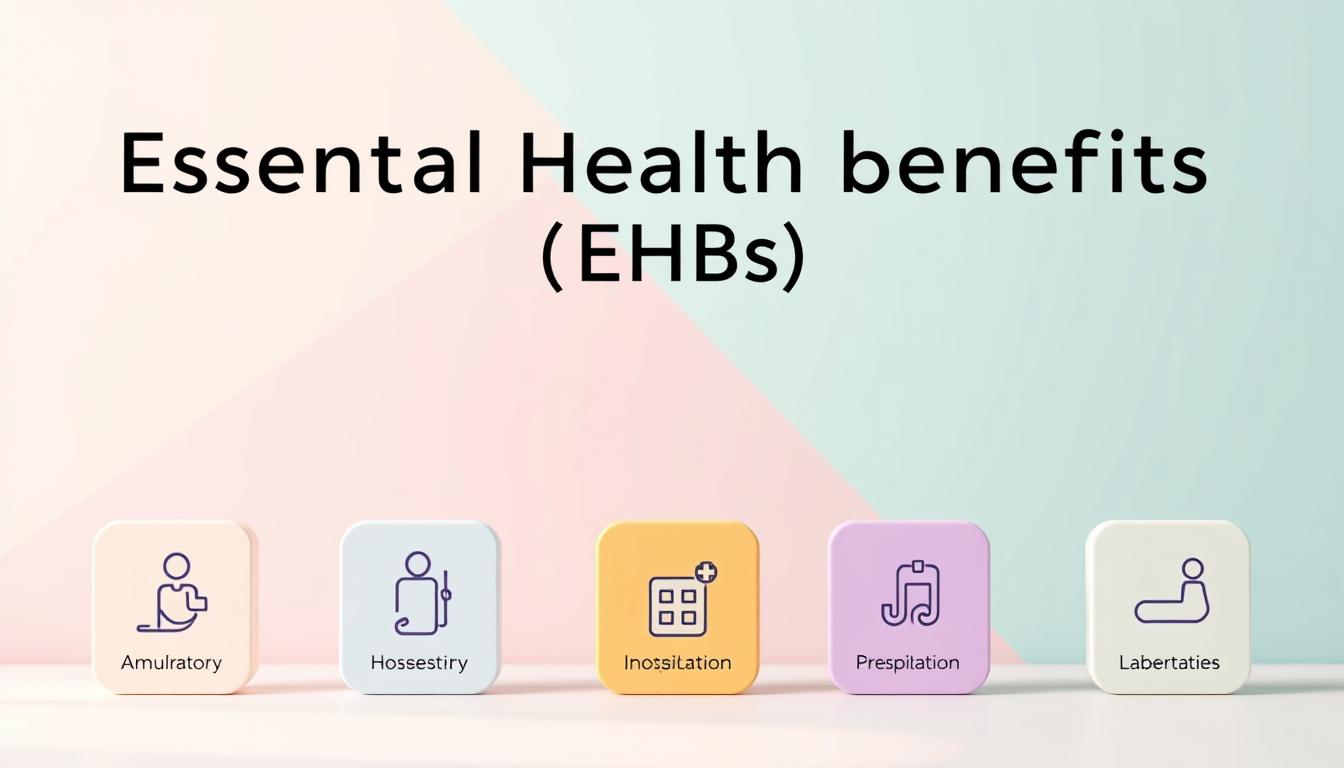
All ACA-compliant plans must cover the 10 essential health benefits, so core services are consistent no matter where you shop.
What changes is design. The same carrier can offer an HMO on the exchange and a PPO off exchange with different referral rules, out-of-network coverage, and embedded dental vision extras.
Networks and total cost of care
Narrow provider networks often lower premiums by steering care to preferred hospitals and doctors.
But if your specialist sits outside that network, you may face higher bills that erase any upfront savings.
Compare documents, not names
Always check the Summary of Benefits and Coverage and the provider directory.
- Networks, formularies, and prior authorization rules can differ even for similarly named plans.
- Some insurers participate only on certain marketplaces or only off exchange, which limits your options.
- Identical plan pricing rule means sticker prices match; value comes from subsidies, network fit, and extras.
“Look for network maps and SBCs before you pick a plan.”
State, age, and personal factors that change what you pay
State rules, your age, and tiny ZIP‑level differences can change what you pay for coverage dramatically. These factors shape the sticker price and the size of any help you may receive.

Age bands and tobacco surcharges
Age affects your premium within a 3:1 limit—older adults can be charged up to three times more than younger adults. Vermont and New York do not allow age rating for adults, so costs there behave differently.
Tobacco use can add a surcharge in many states, sometimes up to 50%. Several states and DC ban that fee. Note: tax credits do not apply to surcharges, so the extra cost is your responsibility.
ZIP, county, and local benchmark effects
Your county and ZIP determine the second‑lowest‑cost silver plan used to calculate tax credits. That means tiny moves or a different carrier set in your ZIP can change the size of your credit and your net premiums.
Check local provider networks and prices on exchanges and off‑exchange listings before you pick a plan.
Medicaid, CHIP, and Medicare interactions
If you qualify for Medicaid, you cannot receive marketplace subsidies. Children may qualify for Medicaid or CHIP at higher incomes than adults.
People eligible for Medicare cannot enroll in new Marketplace coverage. When estimating costs, include only household members who will shop on the marketplace.
- Use accurate income estimates—2025 FPL: $15,060 single; $31,200 family of four—to test subsidy eligibility.
- Two similar families in different states can face very different premiums due to local rules and insurer participation.
| Factor | Effect on cost | Notes |
|---|---|---|
| Age | Changes premiums up to 3:1 | Except VT, NY |
| Tobacco | Possible surcharge up to 50% | Not subsidized; banned in some states |
| ZIP/county | Sets benchmark for tax credits | Alters net monthly price |
“Model multiple scenarios to see how small changes in income, age, or ZIP affect your final bill.”
Use a calculator with local data so you can compare plans and coverage across state lines and find the best fit for your health needs and budget.
Subsidies, taxes, and employer considerations you should check
Start by checking whether your employer’s offer locks you out of federal help before you compare other options. People with job-based coverage usually cannot claim tax credits unless the plan is unaffordable or fails to meet minimum value.

Employer affordability, minimum value, and the family fix
Confirm affordability and minimum value — affordability looks at the employee-only premium, while minimum value measures whether the plan covers at least 60% of expected costs.
The family fix lets dependents seek premium tax credits if the employer’s family premium is unaffordable, even when employee-only coverage meets the test.
SHOP, small business tax credit, and employer assistance
Small employers can use SHOP to offer group coverage. Eligible companies may qualify for the Small Business Health Care Tax Credit to offset employer contributions.
- Verify employer-provided information on affordability and minimum value before you apply for assistance.
- Gather documentation of offers and premiums when estimating eligibility and reconciling tax credits at filing.
- Compare an HSA‑compatible employer plan to a CSR‑eligible Silver plan to see which lowers your net cost.
“Confirm employer notices and report income changes promptly so advance credits match your tax return.”
Estimate your price today: a quick path to compare Marketplace and private options
Start with a 2025‑ready Marketplace calculator to turn sticker prices into your expected monthly cost.
Enter your state, ZIP, ages, household size, and projected income so the tool factors in local premiums, Medicaid expansion, and IRA subsidy rules. The KFF Marketplace Calculator (Oct. 29, 2024 update) uses real exchange data to estimate premiums, tax credit amounts, and CSR eligibility.
Use a Marketplace calculator to model premiums, tax credits, and CSR eligibility
Run multiple income scenarios to see how a small change in earnings alters your premium tax credit and whether you qualify for cost‑sharing reductions.
Compare Bronze, Silver, and Gold outputs—your subsidy ties to the benchmark silver plan, but other metal levels change out‑of‑pocket exposure and true value.
Special cases: QSEHRA and ICHRA reimbursements, and coordinating with plan metal levels
If your employer offers QSEHRA or ICHRA, include those reimbursements when you model costs. Platforms like PeopleKeep help you match reimbursements to on‑exchange and off‑exchange options so your total assistance and out‑of‑pocket limits align with the right metal level.
- Confirm whether any family members qualify for Medicaid or CHIP; that changes who receives marketplace help.
- Collect SBCs, provider directories, and formularies to judge value beyond monthly premiums.
- After modeling, shortlist plans to quote directly and verify details before you enroll.
“Use a local, 2025-ready calculator to compare real options and finalize a short list before enrollment.”
Conclusion
Compare real dollar totals — monthly premium plus expected out‑of‑pocket spending — before you pick a plan for 2025. ,
You now have a clear framework to judge whether exchange credits or an off‑exchange design will help you pay less based on your income, household, and state rules.
Remember: subsidies and CSRs apply only on marketplaces and often make the right Silver plan beat a low‑premium Bronze when you count total costs.
Check provider directories, run a Marketplace calculator, and confirm enrollment windows so you can select the health insurance option that fits your care needs and budget.