After months of strict low-carb eating, your body faces a critical challenge most guides ignore. Research shows nearly 3 out of 4 people regain lost pounds within half a year of stopping ketogenic protocols. This startling reality underscores why strategic planning matters more than willpower when shifting nutritional approaches.
Your metabolism operates differently after prolonged carb restriction. Rapidly reintroducing breads, sugars, or pastas can trigger inflammation spikes and blood sugar rollercoasters. Experts emphasize gradual adjustments to protect metabolic flexibility while expanding food choices.
This guide reveals science-backed methods to avoid common pitfalls. You’ll learn how to identify carb sources that align with your unique physiology. We prioritize maintaining energy levels and digestive comfort through phased reintroduction.
Key Takeaways
- Gradual carb increases prevent metabolic shock
- Fiber-rich choices support stable blood sugar
- Weekly progress tracking optimizes adjustments
- Hydration balances electrolyte shifts
- Strength training preserves lean muscle mass
By understanding your body’s new baseline, you can craft a sustainable eating pattern. The strategies ahead help preserve hard-won results while rebuilding nutritional diversity.
Introduction to Your Keto Exit Journey
Moving beyond ketosis demands the same focus that helped you start this metabolic journey. Your body now operates like a hybrid engine, efficiently burning fat but needing retraining to handle glucose. This phase determines whether you’ll protect your progress or face setbacks.

Setting Expectations for Your Transition
Scale fluctuations of 2-5 pounds are normal during the first weeks. As glycogen stores refill, each gram binds 3 grams of water. This temporary shift doesn’t reflect fat regain but signals metabolic adaptation.
Your timeline depends on three factors: ketosis duration, current health markers, and activity levels. Those following strict keto for 6+ months typically need 8-12 weeks for gradual carb increases.
Overview of Benefits and Challenges
Proper planning preserves weight loss results while expanding food variety. Metabolic flexibility improves when you reintroduce carbs strategically, enhancing energy for high-intensity workouts.
Common hurdles include:
- Rebound hunger from leptin adjustments
- Midday energy dips as insulin sensitivity resets
- Digestive changes with increased fiber intake
Track non-scale victories like improved workout stamina or better sleep quality. These markers often matter more than numbers on a measuring tape.
Understanding the Ketogenic Diet and Transitioning Out
Mastering post-keto health starts with comprehending how your body switches fuel sources. The ketogenic diet forces this shift by limiting carbohydrates to 20-50 grams daily. This triggers ketosis within 2-4 days – a state where fat becomes your primary energy source.

How Ketosis Works and What Breaks It
Your liver produces ketones when carb intake drops below 50 grams. These molecules power your brain and muscles instead of glucose. But exceeding this threshold – even accidentally – halts ketosis. Hidden carbs in sauces or excess protein can reactivate glucose metabolism.
Three factors determine ketosis stability:
- Net carb intake (total carbs minus fiber)
- Protein consumption (0.6-1g per pound of lean mass)
- Alcohol choices (dry wines vs. sugary cocktails)
Short-Term Results vs. Long-Term Health
While ketosis offers rapid weight loss and mental clarity, extended use risks nutritional gaps. Studies link long-term keto adherence to:
| Short-Term Benefits | Long-Term Risks | Management Tips |
|---|---|---|
| Appetite control | Vitamin deficiencies | Regular blood tests |
| Stable blood sugar | Kidney strain | Electrolyte monitoring |
| Fat burning | Liver stress | Cycling carb intake |
Transitioning out focuses on metabolic flexibility. Gradually reintroduce carbs while monitoring how your body responds. This approach maintains energy balance without shocking your system.
How to Safely Increase Your Carbohydrate Intake
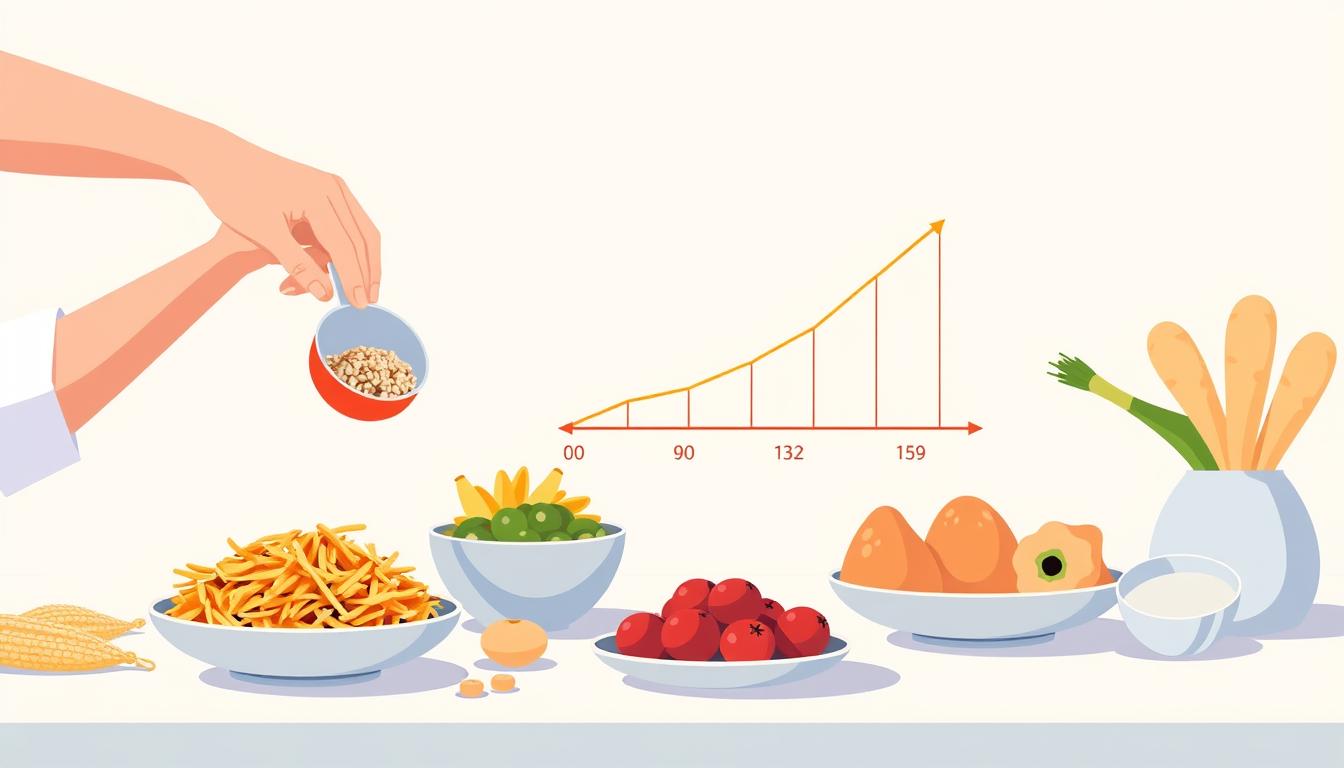
Successfully adding carbs back into your diet hinges on strategic timing and selection. Start with a weekly 10-gram increase to avoid overwhelming your adapted metabolism. This measured approach helps maintain stable energy while rebuilding glucose tolerance.
Gradual Carb Reintroduction: Tips and Timing
Begin by tracking net carbohydrates daily using nutrition apps. Schedule higher-carb meals around physical activity when muscles actively use glucose. For example, pair a small sweet potato portion with post-workout protein.
| Complex Carb Sources | Fiber Content (per serving) | Benefits |
|---|---|---|
| Quinoa | 5g | Complete protein source |
| Sweet potato | 4g | Rich in vitamin A |
| Blackberries | 8g | Antioxidant powerhouse |
| Lentils | 15g | Iron and folate boost |
Choosing Complex Carbohydrates over Processed Options
Prioritize foods with 3:1 fiber-to-net-carb ratios. Whole-food sources like roasted chickpeas or steel-cut oats provide sustained energy without crashes. These choices support gut health while replenishing nutrient stores depleted during ketosis.
Notice how your body responds within 48 hours after each increase. Mild bloating or fatigue signals the need to pause progression. Most people adapt comfortably within 3-4 days when increasing intake gradually.
Step-by-Step Guide: Reintroducing Carbs the Smart Way: Keto Exit Strategies
Building your carb reintroduction strategy requires precision. Start by assessing three factors: how long you maintained ketosis, current physical measurements, and metabolic flexibility markers like fasting glucose. These elements determine your starting point and progression speed.
Designing Your Personalized Transition Plan
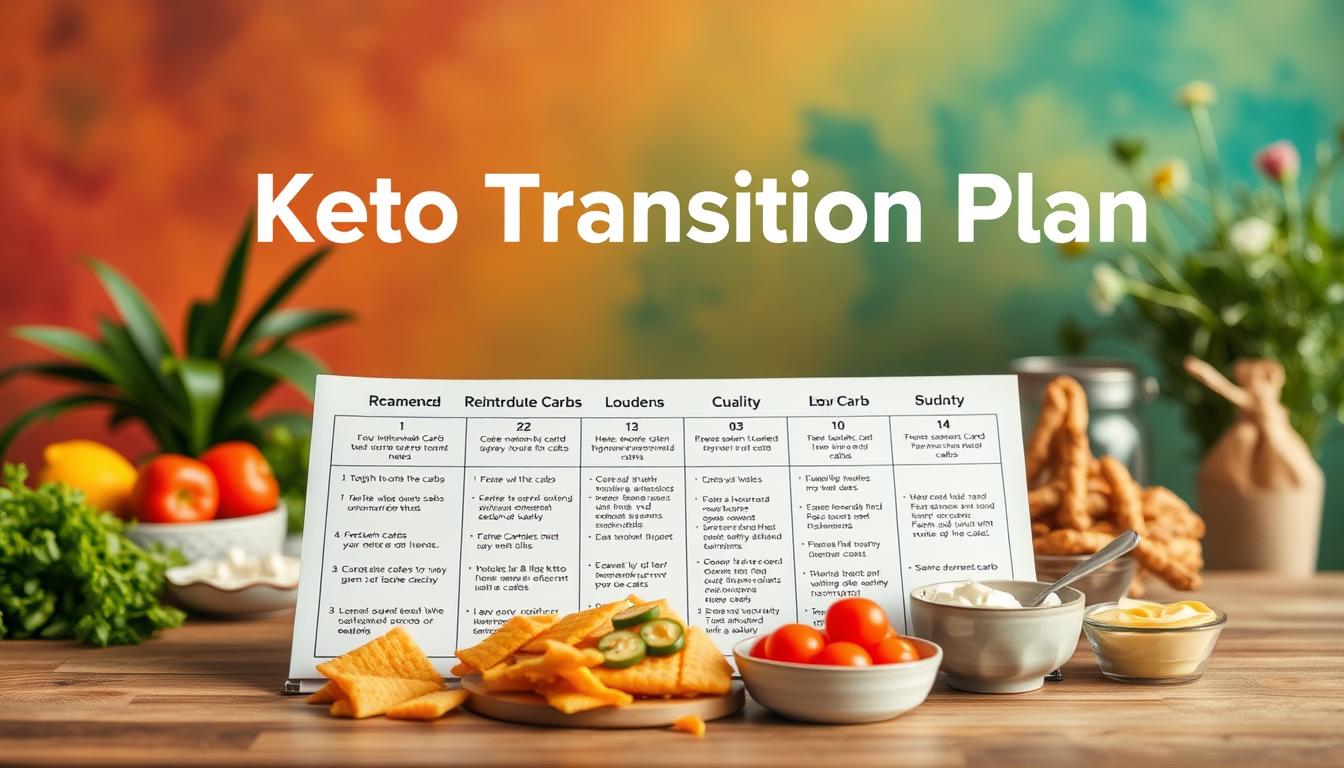
Create a 12-week timeline with incremental increases. Begin with 10 extra grams of carbs weekly from whole food sources. Those who followed strict keto for 6+ months may need 15 weeks for smoother adaptation.
| Week | Daily Carb Target | Focus Area |
|---|---|---|
| 1-3 | 30-40g | Non-starchy vegetables |
| 4-6 | 50-60g | Legumes & berries |
| 7-9 | 70-80g | Whole grains |
| 10-12 | 90-100g | Performance optimization |
Tracking Your Macros and Adjusting Portions
Use digital tools like Cronometer or MyFitnessPal to log meals. Weigh proteins first, then add carbs gradually to maintain nutrition balance. Check ketone levels weekly using blood meters for accurate data.
Watch for these signals:
- Weight spikes >2lbs overnight
- Persistent brain fog
- Digestive discomfort
Adjust portions if symptoms appear. Swap sweet potatoes for squash or reduce fruit servings. Record energy levels post-meals to identify optimal carb sources for your body.
Smart Food Choices to Support Your Transition
Fueling your body after ketosis demands precision in food selection. Focus on ingredients that rebuild nutrient stores without overwhelming your system. Whole foods rich in fiber and vitamins help maintain metabolic balance while expanding meal variety.

Selecting Nutrient-Dense Fruits and Vegetables
Start with low-glycemic fruits like strawberries and kiwi. One cup of strawberries offers 11.7g carbohydrates paired with 3g fiber. Kiwis provide digestive enzymes and vitamin C while keeping sugars moderate.
Colorful vegetables like roasted carrots add vitamin A for immune support. Butternut squash delivers lutein for eye health. Introduce these in small portions to gauge tolerance.
Incorporating High-Quality Proteins and Legumes
Lentils and edamame combine protein with slow-digesting carbohydrates. A quarter-cup of lentils contains 4.5g protein and 4g fiber. Edamame provides complete amino acids alongside iron for energy production.
Pair legumes with healthy fats like avocado to stabilize blood sugar. This approach supports digestive health during adaptation. Track energy levels after meals to identify ideal combinations.
Lifestyle Adjustments and Exercise for Sustained Results
Your metabolic reboot requires more than dietary changes—it demands strategic physical engagement. Combining intentional movement with smart nutrition choices creates synergy that protects your progress. This approach maintains energy balance while helping your body adapt to new fuel sources.
Integrating Resistance Training and Regular Movement
Strength workouts transform your body into a calorie-burning machine. For every pound of muscle gained, you’ll burn 5-9 extra calories daily—even at rest. This metabolic boost becomes crucial as you reintroduce carbohydrates.
- Schedule training sessions 2-4 hours after carb-containing meals
- Focus on compound movements like squats and push-ups
- Add 10-minute mobility breaks between work sessions
Pairing carbs with activity directs glucose to muscle stores rather than fat cells. A 2023 study showed participants maintaining weight loss 73% better when combining carb cycling with resistance exercises.
Staying Hydrated and Balancing Electrolytes
Water needs shift dramatically post-ketosis. Your kidneys retain more sodium as carb intake rises, requiring adjusted hydration strategies. Monitor urine color—pale yellow indicates optimal fluid levels.
| Electrolyte | Daily Target | Top Sources |
|---|---|---|
| Sodium | 3,000-5,000mg | Bone broth, olives |
| Potassium | 3,500-4,700mg | Avocados, spinach |
| Magnesium | 400-420mg | Pumpkin seeds, dark chocolate |
Increase water intake by 8-12 ounces for every 25 grams of added carbs. This prevents bloating while supporting nutrient transport to recovering muscles.
Addressing Challenges and Avoiding Common Pitfalls
Navigating the final phase of your metabolic shift requires vigilance against hidden obstacles. Your body sends clear signals when adjustments are needed—learning to interpret them prevents setbacks.
Recognizing Signs of Breaking Ketosis
Sudden hunger spikes or afternoon energy crashes often indicate carb overload. Track changes in sleep quality, weight fluctuations, or skin reactions like breakouts. These markers reveal how your system handles added sugars and starches.
Strategies for Overcoming Sugar Cravings and Fatigue
Combat cravings with protein-rich snacks like hard-boiled eggs or turkey slices. Stay hydrated with electrolyte-enhanced water to balance energy levels. For persistent fatigue, consider adjusting carb timing—pair small portions with physical activity to optimize glucose use.
Remember: Temporary weight shifts often reflect water retention, not fat gain. Focus on long-term metabolic flexibility rather than daily numbers. Consistent monitoring helps refine your approach while maintaining hard-earned results.