Did you know your body burns calories even while you sleep? This is thanks to your metabolism, the engine that powers everything from breathing to cell production. Your Basal Metabolic Rate (BMR) is the energy your body needs to perform these basic functions at rest.
Understanding your metabolism is key to achieving sustainable weight loss. Crash diets might promise quick results, but they often slow your metabolism by putting your body into “starvation mode.” This makes it harder to lose weight in the long run.
Instead of extreme measures, focus on strategies that naturally boost your energy and metabolism. Simple changes in diet, exercise, and sleep can make a big difference. Ready to learn more? Let’s dive into expert tips to help you reset your metabolism naturally.
Key Takeaways
- Your metabolism powers essential bodily functions like breathing and cell production.
- Basal Metabolic Rate (BMR) is the energy your body needs at rest.
- Crash diets can slow your metabolism and hinder weight loss.
- Focus on sustainable strategies like diet, exercise, and sleep.
- Small changes can significantly boost your energy and metabolism.
Understanding Metabolism and Its Role in Your Health
The way your body processes energy impacts every aspect of your well-being. Your metabolism is the system that converts food into fuel, powering everything from organ function to physical activity. When this system slows down, it can lead to weight gain, fatigue, and even hormonal imbalances.
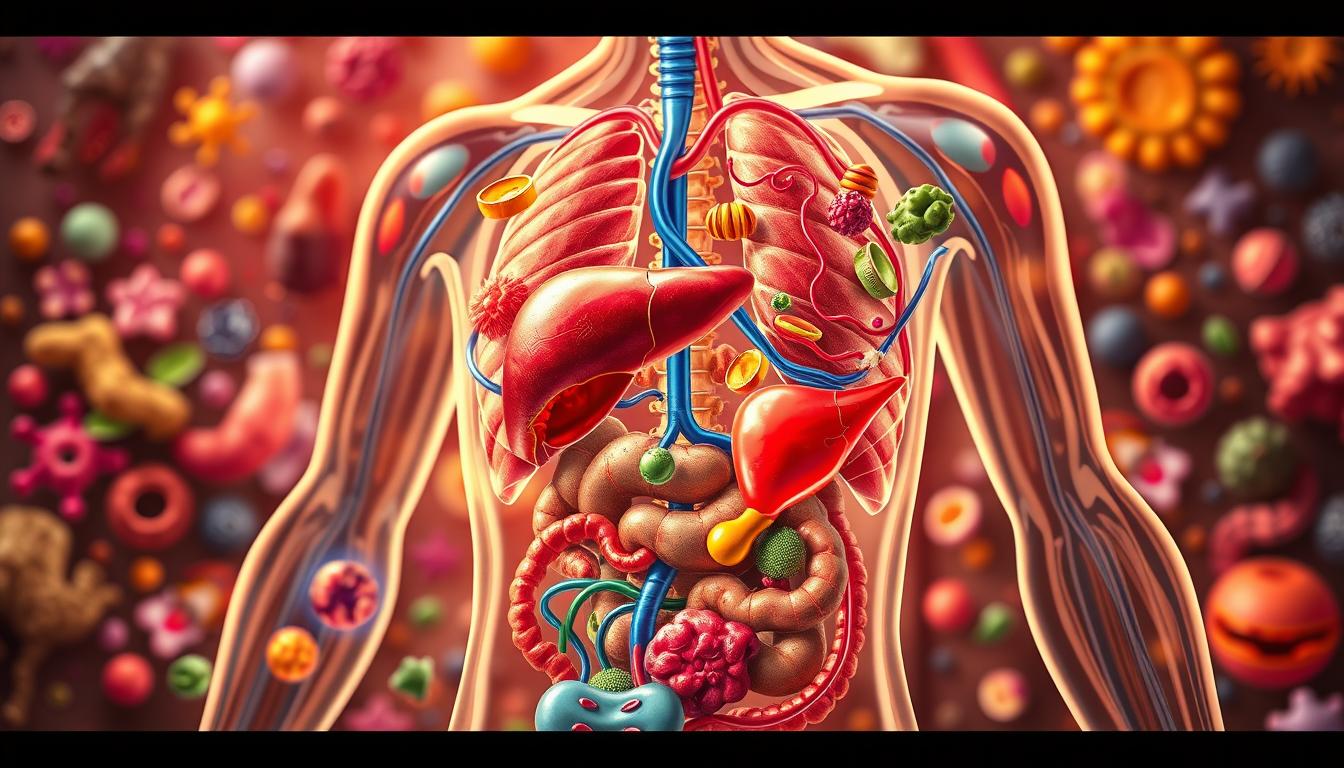
A sluggish metabolism often manifests through symptoms like constipation, brain fog, and sleep disturbances. These issues can make daily life challenging and affect your overall quality of life. Hormones like leptin, ghrelin, and cortisol play a key role in regulating hunger and fat storage. When these hormones are out of balance, your body struggles to maintain its energy levels.
Chronic stress and poor sleep are two major disruptors of metabolic efficiency. Stress triggers the release of cortisol, a hormone that can increase fat storage and reduce your ability to burn calories. Similarly, lack of sleep disrupts the balance of hunger hormones, leading to overeating and weight gain.
Understanding your metabolism goes beyond weight management. It’s about ensuring your body functions optimally, supporting long-term health and vitality. By addressing factors like stress, sleep, and hormonal balance, you can improve your metabolic health and overall well-being.
| Factor | Impact on Metabolism |
|---|---|
| Chronic Stress | Increases cortisol, leading to fat storage. |
| Poor Sleep | Disrupts hunger hormones, causing overeating. |
| Hormonal Imbalance | Affects hunger, fat storage, and energy levels. |
Factors That Influence Your Metabolic Rate
Your metabolic rate is shaped by several key factors. These include genetics, age, body composition, and lifestyle choices. Understanding these influences can help you make informed decisions to support your overall health.
Genetics and age play a significant role in how your body processes energy. Some people are naturally predisposed to burn calories faster due to their genetic makeup. However, as you age, muscle loss (sarcopenia) can reduce your Basal Metabolic Rate (BMR) by 3-8% per decade.
Body composition and muscle mass are also critical. Muscle burns three times more calories than fat at rest. For example, one pound of muscle burns 6-10 calories daily, while fat burns only two. This makes strength training a powerful tool for boosting your metabolism.
Your lifestyle and diet are equally important. Sedentary habits and processed foods can slow down your metabolic rate. On the other hand, non-exercise activity thermogenesis (NEAT), like fidgeting or standing, contributes up to 25% of your daily calorie burn.
By focusing on these factors, you can take steps to optimize your metabolic health and maintain a balanced energy level throughout your life.
How to Reset Your Metabolism Naturally
Making simple adjustments to your daily routine can help you boost metabolism and improve overall health. Focus on three key areas: diet, hydration, and physical activity. These changes are sustainable and effective for long-term results.

Eat a Well-Balanced Diet
Your diet plays a crucial role in how your body processes energy. Prioritize lean protein sources like chicken, tofu, and fish. These foods have a high thermic effect, meaning your body burns more calories digesting them. For example, salmon provides omega-3s, while lentils and broccoli offer fiber and essential nutrients.
Including a variety of whole foods ensures your body gets the nutrients it needs to function optimally. Avoid processed foods that can slow down your metabolic rate. Instead, opt for meals that combine protein, healthy fats, and complex carbs.
Stay Hydrated
Hydration is essential for maintaining a healthy metabolism. Drinking 16 ounces of cold water can burn over 100 calories daily through thermogenesis. Research shows that consuming 500ml of water can temporarily boost metabolism by 30% for up to an hour.
Make it a habit to drink water throughout the day. This not only supports metabolic function but also aids digestion and energy levels. Pair hydration with a balanced diet for maximum benefits.
Incorporate Strength Training
Physical activity is a powerful way to burn calories and enhance metabolic health. Strength training, in particular, elevates your Excess Post-Exercise Oxygen Consumption (EPOC), allowing your body to continue burning calories for up to 72 hours after a workout.
Resistance training twice a week helps preserve muscle mass during weight loss, preventing metabolic slowdown. Focus on exercises like squats, lunges, and weightlifting to build muscle and improve overall fitness.
| Strategy | Impact on Metabolism |
|---|---|
| Lean Protein | Increases thermic effect by 20-30%. |
| Hydration | Boosts metabolism temporarily by 30%. |
| Strength Training | Burns calories for up to 72 hours post-workout. |
The Role of Nutrition in Boosting Metabolism
Nutrition plays a pivotal role in enhancing your body’s energy processing capabilities. The right food choices can significantly impact your metabolic rate, helping you feel more energized and supporting overall health. By focusing on nutrient-dense options, you can optimize your body’s ability to burn calories efficiently.

Protein-Rich Foods
Including protein in your diet is essential for maintaining a healthy metabolism. Protein has a high thermic effect, meaning your body burns more calories digesting it compared to fats or carbs. For example, consuming 30% of your daily calories from protein can reduce your overall calorie intake by up to 400 calories.
Lean sources like chicken, fish, and legumes provide essential amino acids for muscle synthesis. Aim for 1 gram of protein per pound of body weight daily to support muscle growth and metabolic health.
Fiber and Whole Grains
Fiber-rich foods like oats, berries, and legumes slow glucose absorption, helping stabilize blood sugar levels. This not only curbs appetite but also prevents energy crashes. For instance, a single serving of lentils offers 8 grams of both protein and fiber, making it a powerhouse for metabolic support.
Whole grains like quinoa and brown rice are excellent additions to your diet. They provide sustained energy and keep you feeling full longer, reducing the temptation to snack on unhealthy options.
Healthy Fats
Incorporating healthy fats into your meals is crucial for metabolic health. Sources like avocado, almonds, and fatty fish provide omega-3s, which reduce inflammation linked to metabolic disorders. These fats also stabilize blood sugar and support hormone production, ensuring your body functions optimally.
Spicy foods containing capsaicin, like chili peppers, can temporarily increase calorie burn by up to 50 calories daily. Pairing these with gut-friendly fermented foods like kefir or tempeh improves nutrient absorption, further enhancing metabolic efficiency.
“The right balance of protein, fiber, and healthy fats can transform your body’s energy processing capabilities, leading to improved metabolic health.”
| Nutrient | Metabolic Benefits |
|---|---|
| Protein | High thermic effect, burns more calories during digestion. |
| Fiber | Slows glucose absorption, stabilizes blood sugar. |
| Healthy Fats | Reduces inflammation, supports hormone production. |
Exercise Strategies to Rev Up Your Metabolism
Exercise is a powerful tool to enhance your body’s calorie-burning potential. The right workout routine can boost your metabolic rate, helping you maintain energy and overall health. Let’s explore three effective strategies: High-Intensity Interval Training (HIIT), strength training, and Non-Exercise Activity Thermogenesis (NEAT).

High-Intensity Interval Training (HIIT)
High-intensity interval training (HIIT) is a time-efficient way to burn calories and improve metabolic health. This method alternates short bursts of intense activity with brief recovery periods. For example, 30-second sprints followed by 1-minute rest can elevate your post-exercise calorie burn by 6-15%.
Incorporating HIIT into your routine 5 times a week can maximize results. It’s ideal for those with busy schedules, as sessions often last just 20-30 minutes. The intensity of HIIT also triggers Excess Post-Exercise Oxygen Consumption (EPOC), keeping your metabolism elevated long after your workout.
Strength Training for Muscle Growth
Building muscle mass is essential for a healthy metabolism. Muscle burns three times more calories than fat at rest, making strength training a key component of any fitness plan. Compound lifts like squats and deadlifts engage multiple muscle groups, maximizing calorie burn and EPOC.
Resistance training twice a week helps preserve muscle during weight loss, preventing metabolic slowdown. A case study showed women maintaining their metabolism through strength training while on a calorie-restricted diet. Avoid excessive cardio, as it can lead to muscle breakdown and cortisol spikes.
Non-Exercise Activity Thermogenesis (NEAT)
NEAT refers to the calories burned through daily activities like walking, standing, or even fidgeting. These small movements can add up, burning over 300 calories daily. Simple hacks like using a standing desk, taking 5-minute walking breaks hourly, or doing household chores can significantly boost your NEAT.
Increasing your daily activity level is an easy way to support your metabolism without structured exercise. For instance, pacing while on the phone or gardening can contribute to your overall calorie burn. Focus on staying active throughout the day to enhance your metabolic health.
“Incorporating HIIT, strength training, and NEAT into your routine can transform your body’s calorie-burning potential, supporting long-term metabolic health.”
The Importance of Sleep and Stress Management
Sleep and stress management are often overlooked but critical components of metabolic health. Both play a significant role in regulating hormones, energy levels, and overall well-being. Ignoring these factors can lead to imbalances that hinder your body’s ability to function optimally.

How Sleep Affects Metabolism
Getting enough sleep is essential for maintaining a healthy metabolism. Research shows that sleeping less than 5.5 hours reduces fat loss by 55%. This happens because inadequate sleep disrupts the balance of ghrelin (the hunger hormone) and leptin (the satiety hormone), leading to increased appetite and overeating.
Additionally, 7-9 hours of nightly sleep optimizes the release of growth hormone, which aids in muscle repair and recovery. Poor sleep can also elevate cortisol levels, a stress hormone linked to abdominal fat storage. Prioritizing quality sleep ensures your body functions efficiently and supports long-term metabolic health.
Stress Reduction Techniques
Chronic stress can wreak havoc on your metabolism. Elevated cortisol levels from stress increase abdominal fat storage by 20%. To combat this, incorporate stress reduction techniques into your daily routine. Practices like yoga and diaphragmatic breathing can lower cortisol levels by 30% in just 10 minutes.
Mindfulness activities such as meditation and tai chi also improve insulin sensitivity, helping your body process energy more effectively. Chronic stress is linked to conditions like hypothyroidism, which exacerbates metabolic slowdown. Managing stress not only supports your metabolism but also enhances overall mental and physical health.
“Reducing stress and prioritizing sleep are foundational steps to improving metabolic health and achieving sustainable well-being.”
Common Myths About Metabolism and Weight Loss
Many people believe certain myths about metabolism and weight loss. These misconceptions can lead to ineffective strategies and frustration. Let’s debunk two of the most common myths and explore the facts.
Myth: Crash Diets Reset Metabolism
Crash diets are often marketed as a quick fix for rapid weight loss. However, they can have a detrimental effect on your metabolic rate. Studies show that crash diets reduce T3 thyroid hormone by 40%, slowing metabolism for years. This makes it harder to lose weight in the long term.
Yo-yo dieting, or repeated cycles of crash dieting, can cause long-term metabolic damage. For example, post-crash diet calorie burn can decrease by 20%. Participants in very-low-calorie diet (VLCD) studies regained 80% of lost weight, highlighting the inefficiency of these methods.
A sustainable alternative is a 10-15% calorie deficit paired with adequate protein and resistance training. This approach supports muscle preservation and prevents metabolic slowdown.
Myth: Metabolism Slows Down Permanently with Age
Another common belief is that your metabolic rate inevitably declines with age. While it’s true that muscle loss can reduce Basal Metabolic Rate (BMR) by 3-8% per decade, this isn’t a permanent fate. Active 60-year-olds can match the BMR of 30-year-olds through strength training.
Muscle preservation is key to maintaining a healthy metabolism as you age. Resistance training twice a week can offset age-related BMR decline. Additionally, thyroid optimization through testing (TSH, Free T3/T4) can address underlying metabolic issues.
| Myth | Fact |
|---|---|
| Crash diets reset metabolism. | Crash diets slow metabolism by reducing T3 thyroid hormone. |
| Metabolism slows permanently with age. | Strength training can offset age-related metabolic decline. |
“Understanding the truth about metabolism empowers you to make smarter, more sustainable health choices.”
Conclusion
Achieving sustainable weight loss requires a balanced approach that supports your body’s natural processes. Focus on hydration, lean protein, strength training, and quality sleep to optimize your metabolism. Gradual changes are more effective than quick fixes, as they prevent metabolic adaptation and ensure long-term success.
For persistent issues, consider professional guidance. Thyroid testing through services like Paloma Health can uncover underlying factors affecting your energy levels. Madison Wellness & Aesthetic Center offers personalized plans, including semaglutide, to help you overcome stubborn weight loss plateaus.
Track your daily activity with step counters to ensure consistent calorie burn. Small, consistent efforts add up over time. Call Madison Wellness at (256) 722-0555 for expert support on your journey to better health.