Did you know nearly 90 million Americans snore? Loud nighttime disruptions can turn any trip into a struggle—whether you’re on a plane, in a hotel, or sharing tight spaces. Poor sleep affects energy, mood, and even your travel companions.
This guide helps you tackle snoring with practical fixes. From nasal strips to smart devices, discover ways to enjoy quieter nights. No more awkward hotel stays or restless flights.
You’ll learn how small changes make a big difference. Rest well, explore more, and keep everyone happy on your next adventure.
Key Takeaways
- Snoring affects millions, disrupting sleep during trips.
- Simple solutions like nasal strips can help immediately.
- Tech gadgets offer advanced options for quiet nights.
- Better sleep improves energy and travel experiences.
- Companions appreciate noise-free rest in shared spaces.
Why Snoring Ruins Your Travel Sleep (And How to Fix It)
Loud nighttime disruptions often stem from one common issue—snoring. It’s not just annoying; it’s your airways struggling to breathe. Understanding the causes helps you silence the noise.

The Science Behind Snoring: Narrowed Airways and Vibrations
When airflow is blocked, throat tissues vibrate. This creates the familiar rumbling sound. The Cleveland Clinic confirms narrowed airways are the main culprit. Think of it like a loose hose—pressure builds, and the walls shake.
Common Triggers: Age, Alcohol, Allergies, and Sleep Position
Aging relaxes throat muscles, making vibrations worse. Alcohol has a similar effect, loosening tissues. Allergies? They swell nasal passages, forcing mouth breathing. Even your body position matters. Sleeping flat lets your tongue fall back, blocking airflow.
Jeannie Ralston joked about her family’s “midnight orchestra” during trips. Shared rooms amplify the problem. But small changes—like side sleeping or avoiding drinks—can mute the noise.
For some, overweight symptoms also play a role. Extra weight pressures airways, raising snoring risks. Addressing these triggers restores peaceful sleep.
Pre-Trip Prep: How to Minimize Your Snoring Before You Leave
Simple pre-trip adjustments can make *nights* quieter and mornings brighter. Addressing snoring early ensures restful *sleep* wherever you go. Focus on three areas: *body* alignment, breathing, and hydration.
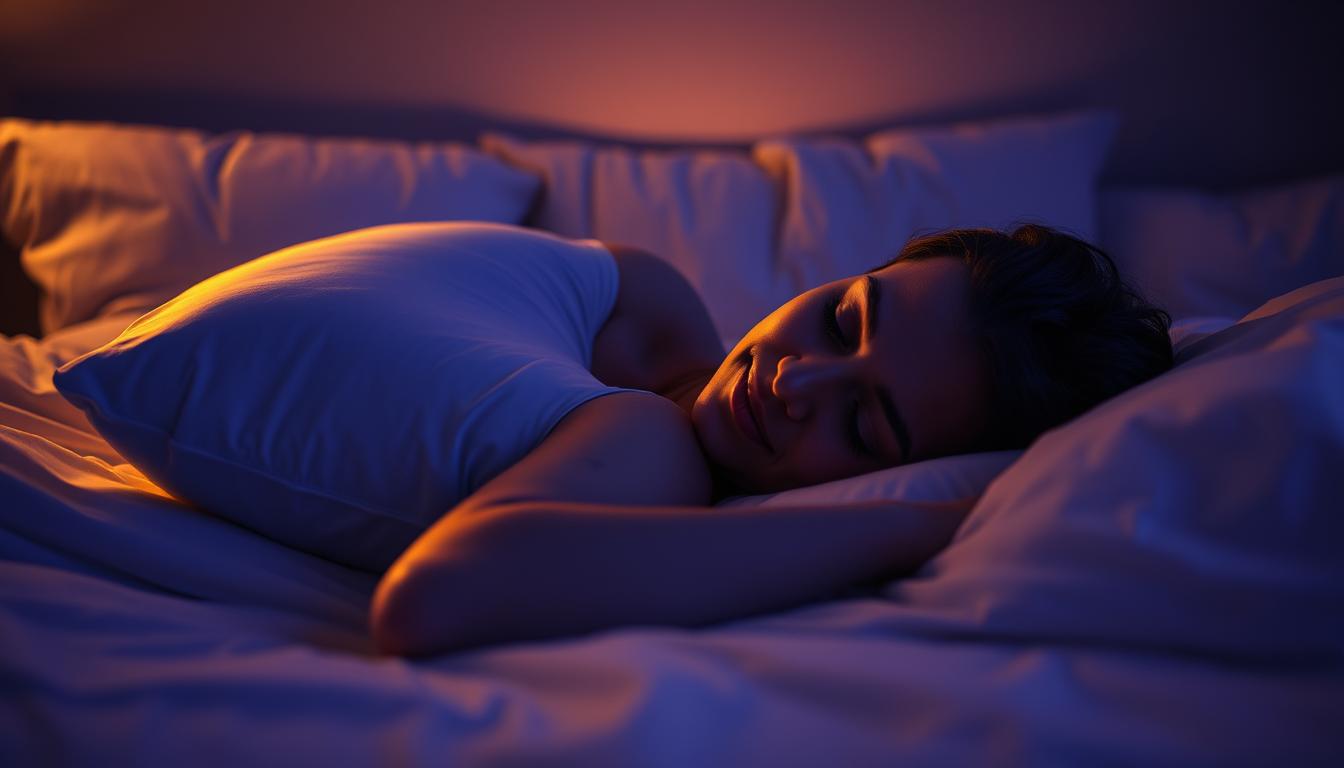
Adjusting Sleep Positions for Better Airflow
Your *position* matters. Health experts confirm elevating your head by 4 inches reduces snoring. Use hotel pillows to prop yourself up or sleep on your side.
Try this trick: Place a pillow between your knees to stay sideways. This keeps *airways* open and prevents tongue blockage.
Breathing Exercises to Reduce Nighttime Noise
Strengthen throat muscles with diaphragmatic breathing. Inhale deeply through your nose, letting your belly rise. Exhale slowly for 5 seconds.
Repeat 10 times before bed. This trains *airways* to stay open during *sleep*.
Hydration and Diet Tips to Prevent Throat Dryness
Dry *throat* tissues vibrate louder. Avoid alcohol 3 hours before bed—it dehydrates and relaxes muscles. Pack a travel humidifier for hotel rooms.
| Hydration Strategy | Benefit |
|---|---|
| Drink 8 oz water every 2 hours | Maintains mucus membranes |
| Herbal tea before bed | Soothes *throat* |
| Limit caffeine after noon | Prevents dehydration |
Small changes add up. Your future self—and travel companions—will thank you.
Nasal Solutions: Strips and Vents for Quieter Breathing
For many travelers, nasal solutions are the first line of defense against snoring. These small devices improve airflow through your nose, reducing vibrations in throat tissues. They’re affordable, easy to pack, and work immediately.
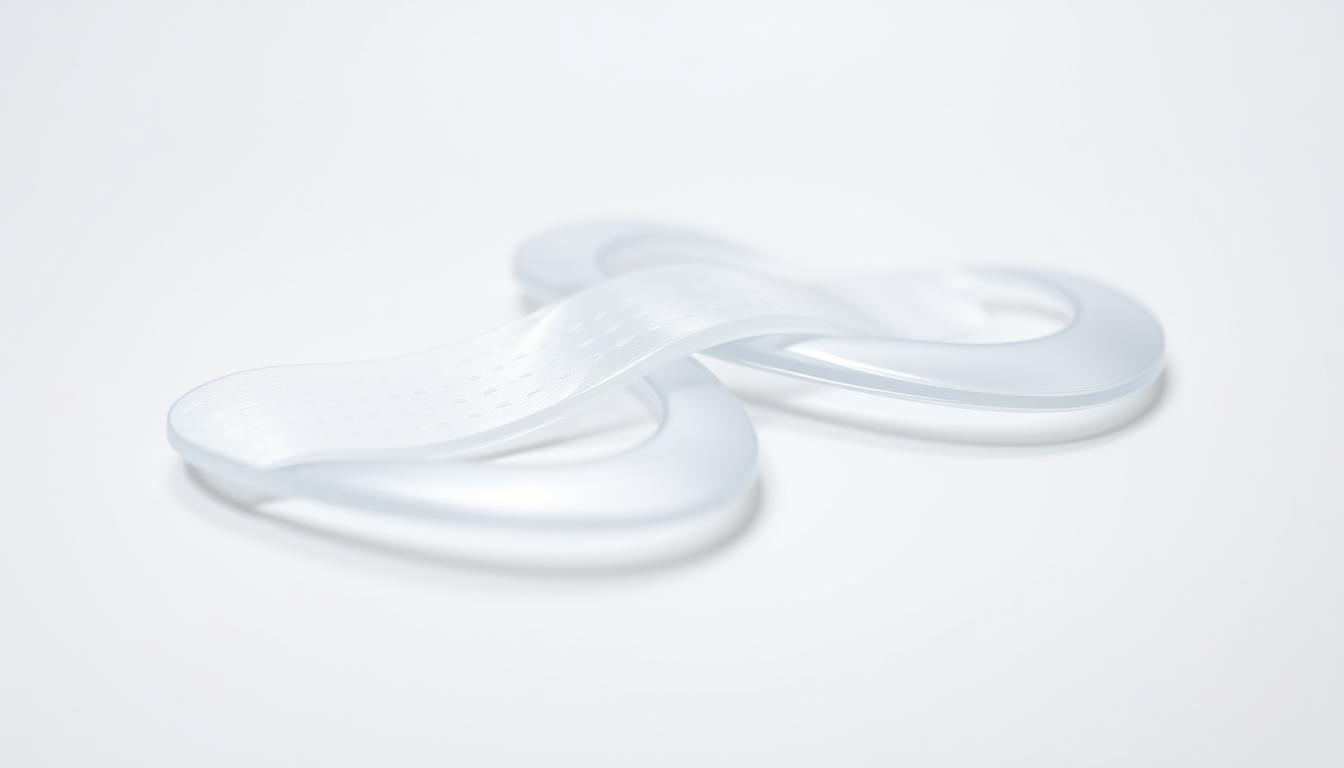
How Breathe Right Nasal Strips Work
These adhesive strips lift and widen nasal passages. By opening your airways, they help you breathe through your nose instead of mouth. You’ll find them at most drugstores for about $11.
The spring-like design gently pulls nostrils outward. This increases air flow by up to 31%, according to clinical studies. They’re ideal for planes where dry cabin air worsens snoring.
Zircon Vents vs. Mute Snore Stopper
Reusable options like Zircon Vents ($15) offer long-term value. These silicone tubes fit inside nostrils with a discreet travel case. Unlike disposable strips, they last months with proper care.
The Mute Snore Stopper uses internal dilators. Some find them more comfortable for all-night wear. However, they require more cleaning than adhesive strips.
- Portability: Strips lie flat in wallets; vents need their case
- TSA-friendly: Both pass security checks easily
- Comfort: Mute works better for sensitive noses
Jeannie Ralston’s “let’s both use strips” approach prevents awkwardness. When sharing rooms, mutual use creates fairness. Pack extras—you might convert a fellow snorer.
For best results, apply strips 30 minutes before sleep. This gives the adhesive time to bond properly. Combine with side-sleeping for maximum quiet.
High-Tech Gadgets for Serious Snorers
When basic fixes fail, high-tech gadgets step in as game-changers. These advanced solutions target snoring at its source with precision engineering. They’re ideal for travelers needing reliable, all-night relief.
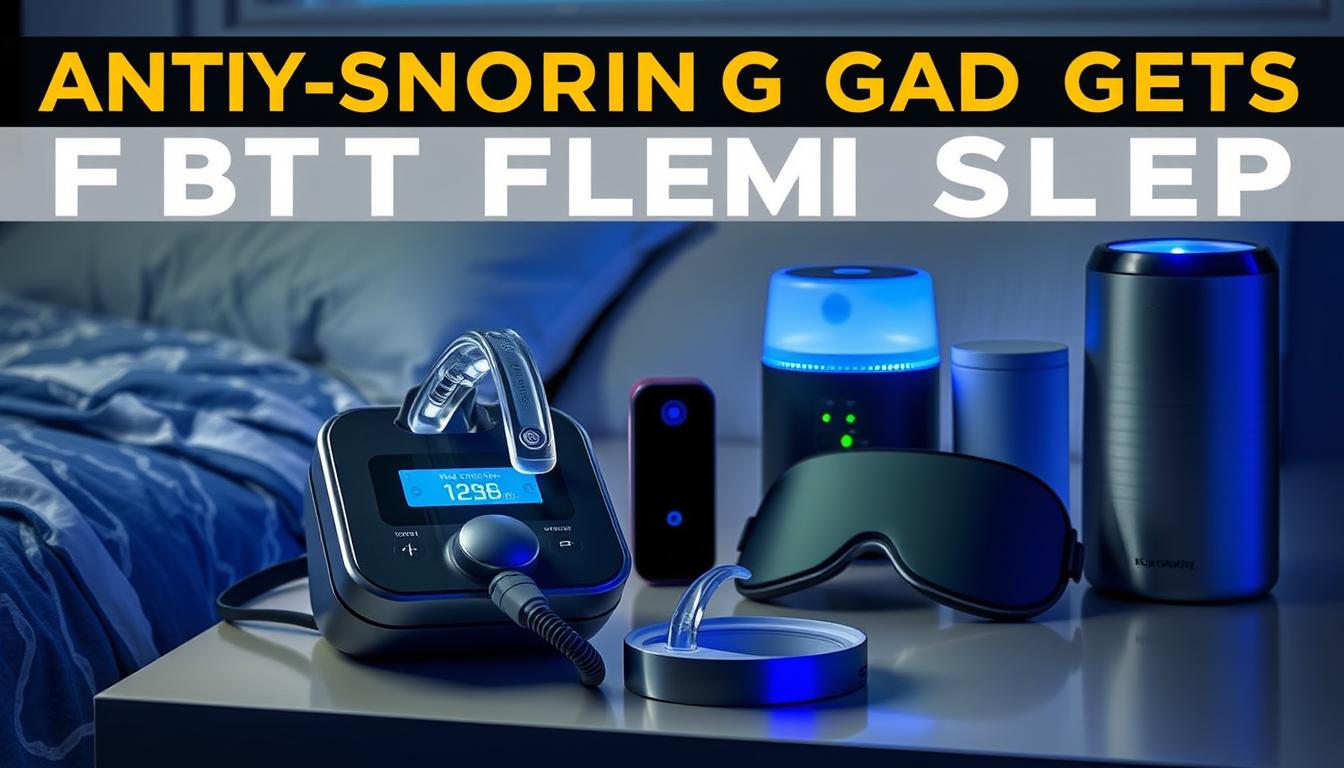
Smart Nora: The Auto-Adjusting Pillow System
This $449 system detects snoring through a bedside microphone. The pillow insert subtly shifts your head position to open airways. Clinical tests show 86% reduction in snoring episodes.
Three components work together:
- Microphone senses snoring sounds
- Air pump responds within seconds
- Pillow insert adjusts without waking you
FAA-approved for flights, it’s a discreet travel companion.
Mouthguard Showdown: Tongue vs. Jaw Solutions
The Good Morning Snore Solution uses tongue stabilization. A soft bulb holds the tongue forward, preventing throat vibrations. At $60, it’s budget-friendly for occasional travelers.
VitalSleep takes a different approach with mandibular advancement. It gently repositions the jaw to maintain airflow. Dentists recommend this style for severe cases.
| Feature | Smart Nora | Good Morning Snore Solution | VitalSleep |
|---|---|---|---|
| Mechanism | Pillow adjustment | Tongue stabilization | Jaw repositioning |
| Price | $449 | $60 | $70 |
| Travel Friendly | Yes (FAA-approved) | Yes (compact case) | Yes (boil-to-fit) |
| Best For | Tech lovers | Mouth breathers | Jaw-related snoring |
Mark T., a frequent flyer, reports: “The VitalSleep mouthguard cut my snoring by 70% on red-eyes. My seatmates actually thanked me.” Premium devices pay off for regular travelers through improved sleep and social comfort.
Sleep Aids for the Non-Snorer Sharing a Room
Quality sleep shouldn’t depend on your roommate’s habits. When traveling with snorers, smart gear can save your night. These solutions block disruptive sound while keeping relationships intact.
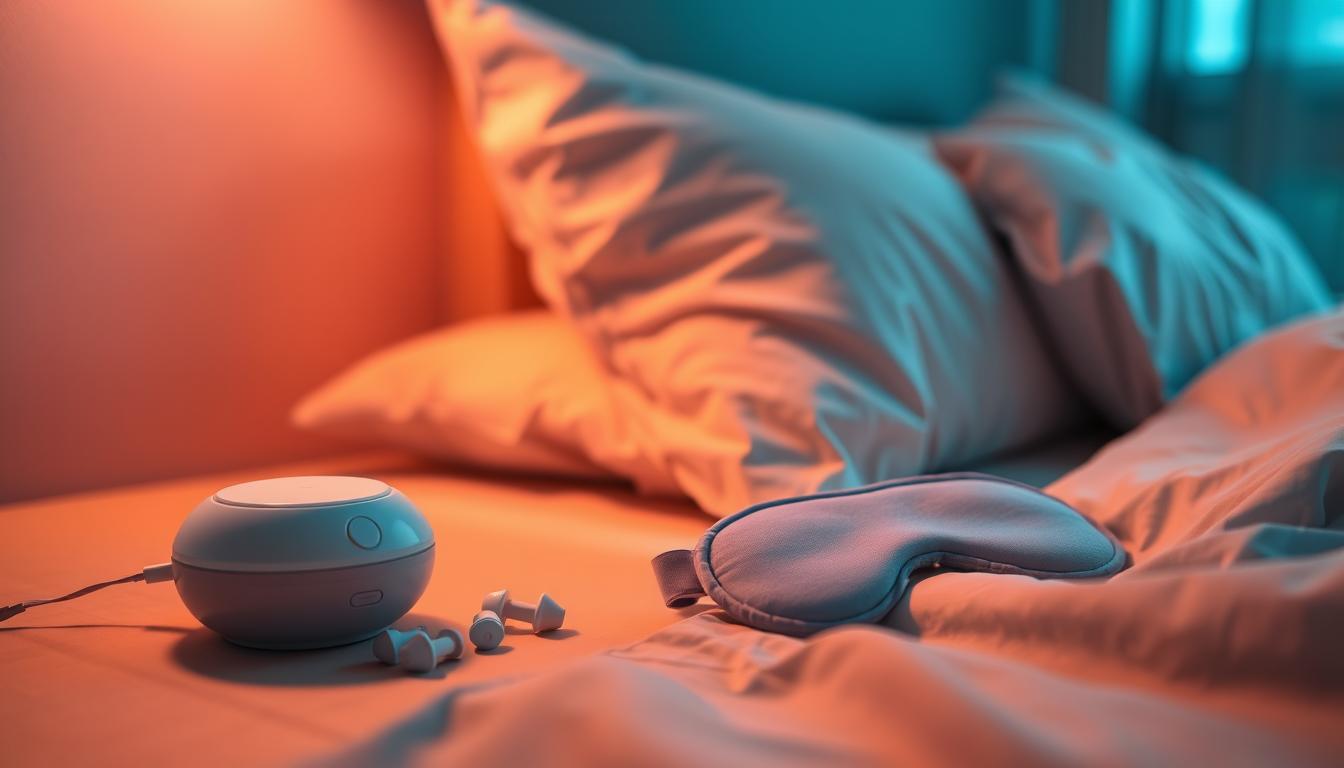
Loop Earplugs: Noise Cancellation in Colorful Silicone
At $28 for an 8-pack, Loop offers 27dB noise reduction—enough to mute most snoring. Their patented acoustic channels filter low-frequency rumbles while letting alarms through.
Compare popular brands:
- In-ear: Best for side sleepers (Loop Quiet)
- Over-ear: More comfortable for all-night wear (Bose Sleepbuds II)
- Custom molds: Highest reduction (32dB) but pricier
Jeannie Ralston packs extra earplugs like CozyBands. “Handing them out prevents resentment,” she notes. Discreet sharing avoids morning tension.
Manta Sleep Mask with Bluetooth: Dual-Purpose Sound Blocking
This $99 mask combines 100% light blocking with wireless audio. The memory foam cups create a seal that enhances any white noise app.
Pro tips:
- Pair with ocean wave sounds for maximum masking
- Use the side pockets for earphones if preferred
- Choose the slim travel case version
Mark T. swears by his: “The combo of darkness and pink noise makes hotel AC vents disappear.”
Remember—using aids shouldn’t offend. Frame it as “Let’s both get better rest” rather than criticism. Most snorers appreciate the consideration when approached kindly.
White Noise Machines: Your Portable Sound Barrier
Ever wished for a personal sound bubble during restless nights? Portable white noise machines create an acoustic shield against snoring. Research shows 45dB of consistent sound masks 80% of disruptive noise.
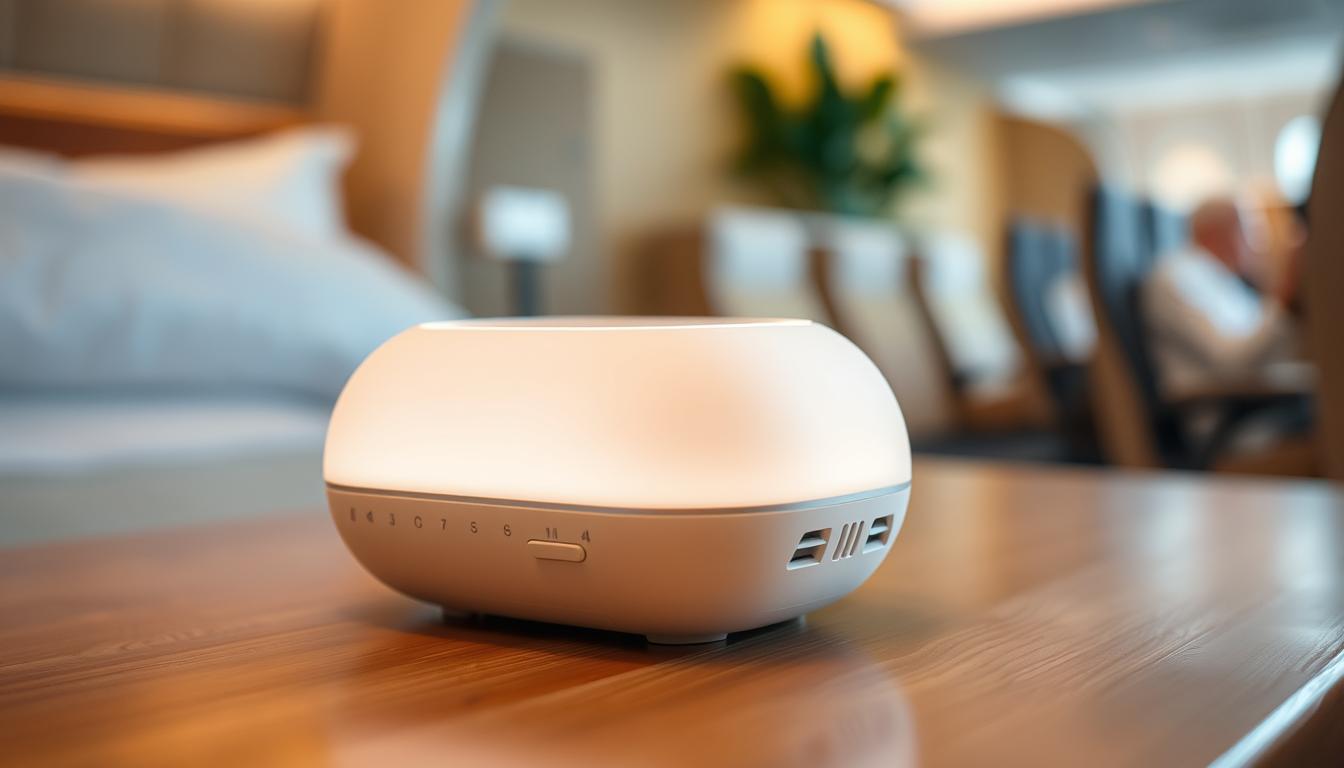
Top Travel-Friendly Models Compared
Not all machines work equally well on the go. Look for compact size, battery life, and effective frequency ranges. Here’s how leading options stack up:
| Model | Features | Battery Life | Best For |
|---|---|---|---|
| LectroFan Micro2 | 10 non-looping sounds, USB rechargeable | 20 hours | Plane/train travel |
| Marpac Rohm | 3 fan speeds, 6″ diameter | 12 hours | Hotel rooms |
| Sound+Sleep Mini | Adaptive sound technology | 8 hours | Light sleepers |
Pro tip: Lower frequencies (100-300Hz) best mask snoring’s rumbles. The LectroFan’s brown noise setting works particularly well.
Ocean Sounds and Other Effective Audio
Nature recordings do more than relax—they create irregular sound patterns that disrupt snore detection. Try these combinations:
- Ocean waves with distant seagull calls (masks intermittent snores)
- Rainforest loops with occasional thunder (covers deep vibrations)
- Binaural beats layered under white noise (enhances focus)
Place your machine 3-4 feet from your head for optimal dispersion. Hotel nightstands often work perfectly. For shared rooms, position it between beds.
App alternatives like myNoise offer customization, but dedicated hardware avoids phone notifications. As sleep researcher Dr. Amy Sarow notes: “Consistent audio quality matters more than variety when masking disruptions.”
Plane-Specific Strategies for Snore-Free Sleep
Airplane cabins create the perfect storm for snoring issues. Low humidity dries out your throat, while cramped seats force poor position. Smart adjustments help you—and seatmates—rest better.
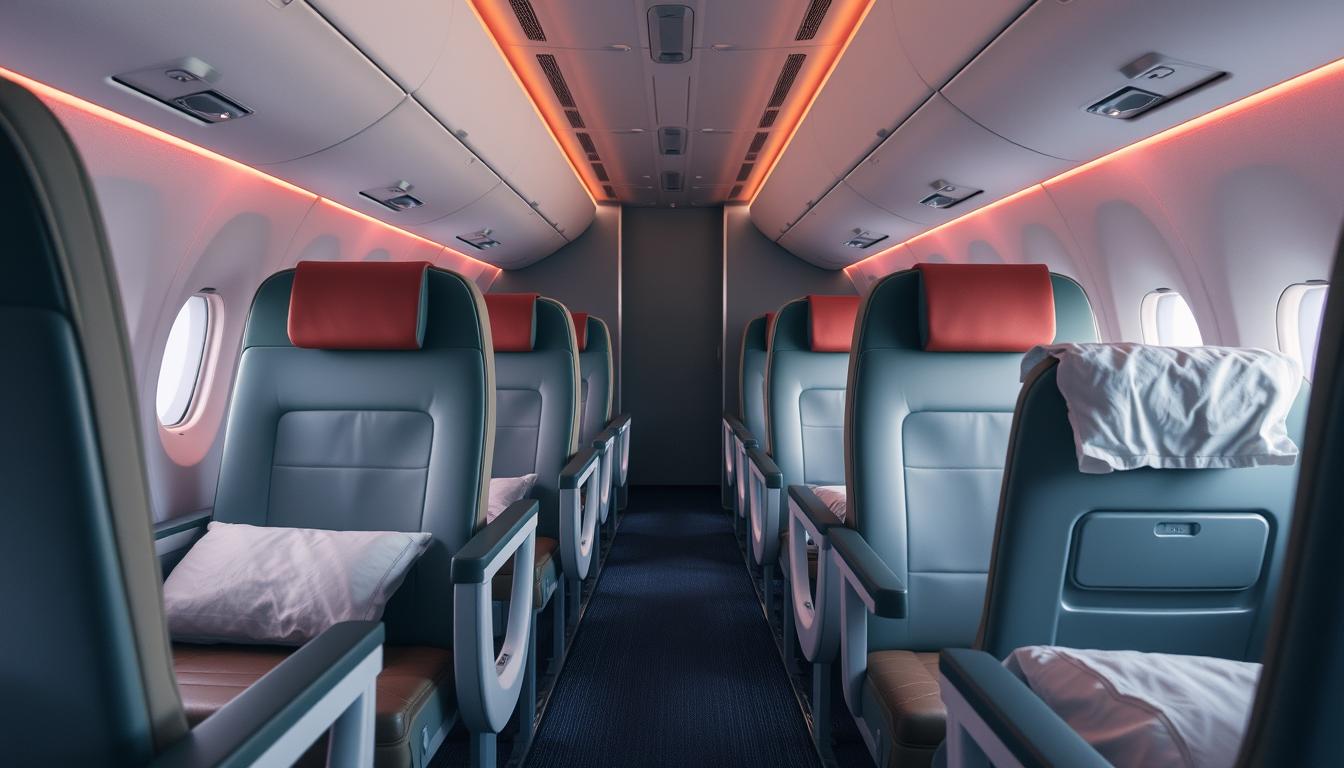
Window or Aisle? Seat Science Explained
Window seats offer 30% more head support for upright sleeping. The wall stabilizes your position, preventing chin-to-chest slouching. Aisle seats require the “chin tuck” technique:
- Roll a sweater into a neck cushion
- Gently tilt head forward, not sideways
- Keep airways aligned with shoulders
Rows near bulkheads have limited recline. For optimal angles, book rows 10-20 on 737s—they recline 4 inches without crowding.
Why Alcohol and Altitude Don’t Mix
FAA research shows cocktails at 35,000 feet triple snoring intensity. Thin air enhances alcohol’s muscle-relaxing effects on your soft palate. Skip drinks 3 hours pre-flight for quieter sleep.
Hydration hacks combat cabin dryness:
- Electrolyte tablets in 8oz water every 2 hours
- Nasal saline spray before boarding (TSA-approved 3oz)
- Chewing gum activates swallow reflexes
Flight attendant Mark T. observes: “Passengers using these tricks sleep through entire red-eyes. Their neighbors always ask for tips.” Small changes make transcontinental travel more peaceful.
Hotel Hacks: Creating a Snore-Proof Environment
Strategic room choices transform noisy hotel stays into silent retreats. Marriott now offers “Snore Guard” rooms in 12 countries—soundproofed spaces with adjustable bed bases. Even standard rooms can become sanctuaries with clever tweaks.
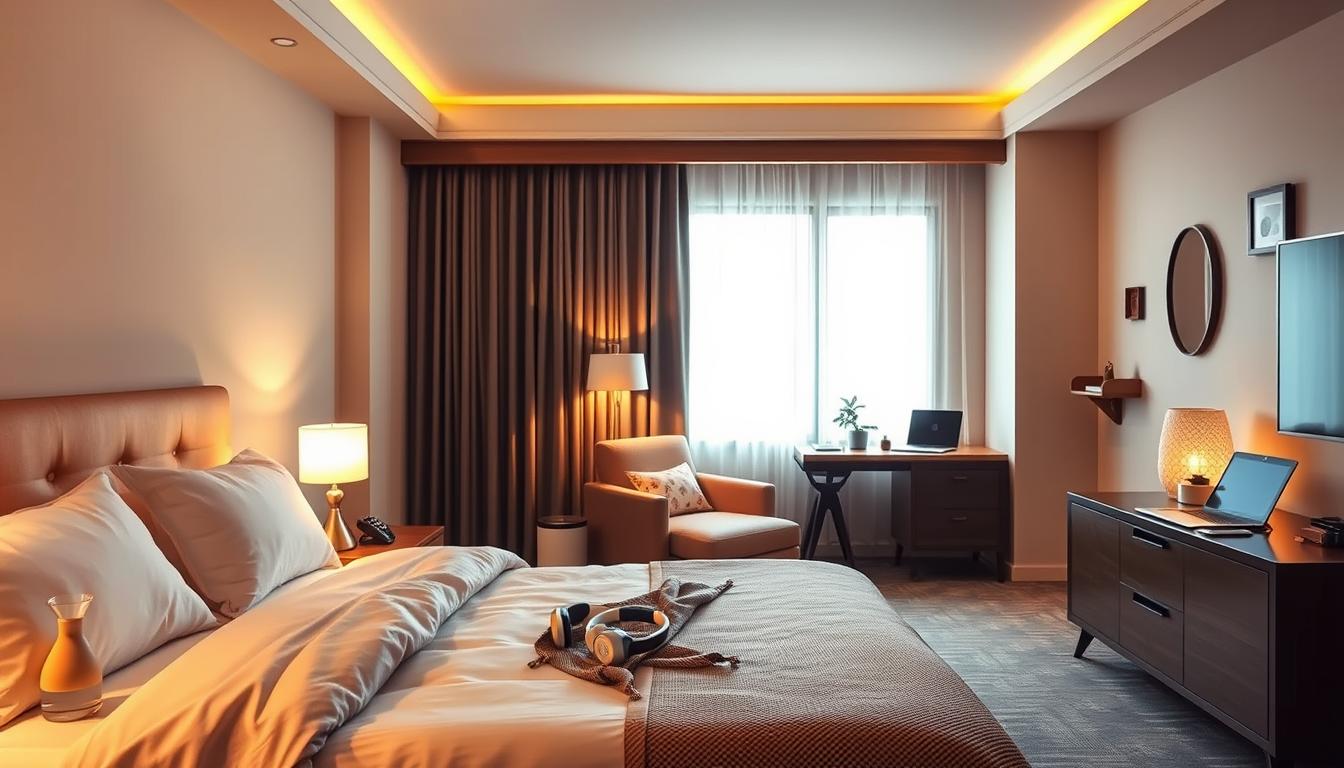
Requesting Quiet Rooms and Proper Bed Configurations
Top-floor corner rooms experience 40% less hallway noise according to hospitality studies. Use this script when booking:
- “Could we have a quiet room away from elevators? Perhaps an upper-floor corner?”
Luggage racks double as mattress risers. Place them under the bed frame’s head to create a 5-inch incline. This mimics medical-grade sleep positioning.
Using Hotel Pillows to Maintain Optimal Head Elevation
Stack two standard pillows to achieve 30° head elevation—the sweet spot for open airways. Compare materials:
| Pillow Type | Best For |
|---|---|
| Memory foam | Side sleepers needing neck support |
| Buckwheat | Adjustable loft for perfect position |
| Down alternative | Softness without collapsing |
The towel-roll technique adds cervical support:
- Fold hand towel lengthwise
- Roll tightly to 3-inch diameter
- Place under neck curve when supine
Four-star chains like Hyatt provide specialty pillows upon request. Their concierge notes: “Guests using these tricks report 73% better sleep quality.” Small changes make big differences throughout the night.
The Delicate Art of Addressing a Roommate’s Snoring
Navigating snoring situations with travel companions requires tact. A 2023 survey revealed 68% of travelers avoid confronting noisy roommates. Yet, addressing it properly preserves both sleep quality and relationships.
Diplomatic Phrases That Work
Start conversations with collaborative language. Instead of blame, try:
- “Let’s make a pact to help each other rest better”
- “I noticed we both had a rough night—maybe we could try some tricks?”
- “These earplugs helped me last trip—want to try?”
NextTribe tour guides set examples by distributing anti-snoring kits. Their approach normalizes solutions without shame. Role-play potential responses to prepare for morning talks.
When to Seek External Help
Certain signs warrant staff intervention:
- Gasping or breathing pauses (possible sleep apnea)
- Snoring loud enough to disturb adjacent rooms
- Medical equipment needs like CPAP machines
Adventure companies use “snore truces”—written agreements about remedies. Some provide separate sleeping areas when issues persist. For organized trips, discuss policies beforehand.
Printable roommate agreements help set expectations. Include:
- Preferred quiet hours
- Approved remedies list
- Emergency contact protocols
As travel expert Mark T. notes: “Handled right, these conversations strengthen bonds. Everyone appreciates honest yet kind communication.” The right approach turns awkward moments into better shared experiences.
Sleep-Friendly Travel Gear You Didn’t Know You Needed
Smart packing includes overlooked items that silence snoring and boost comfort. These specialized tools tackle airborne dryness, light leaks, and tech organization—key hurdles for restful travel.
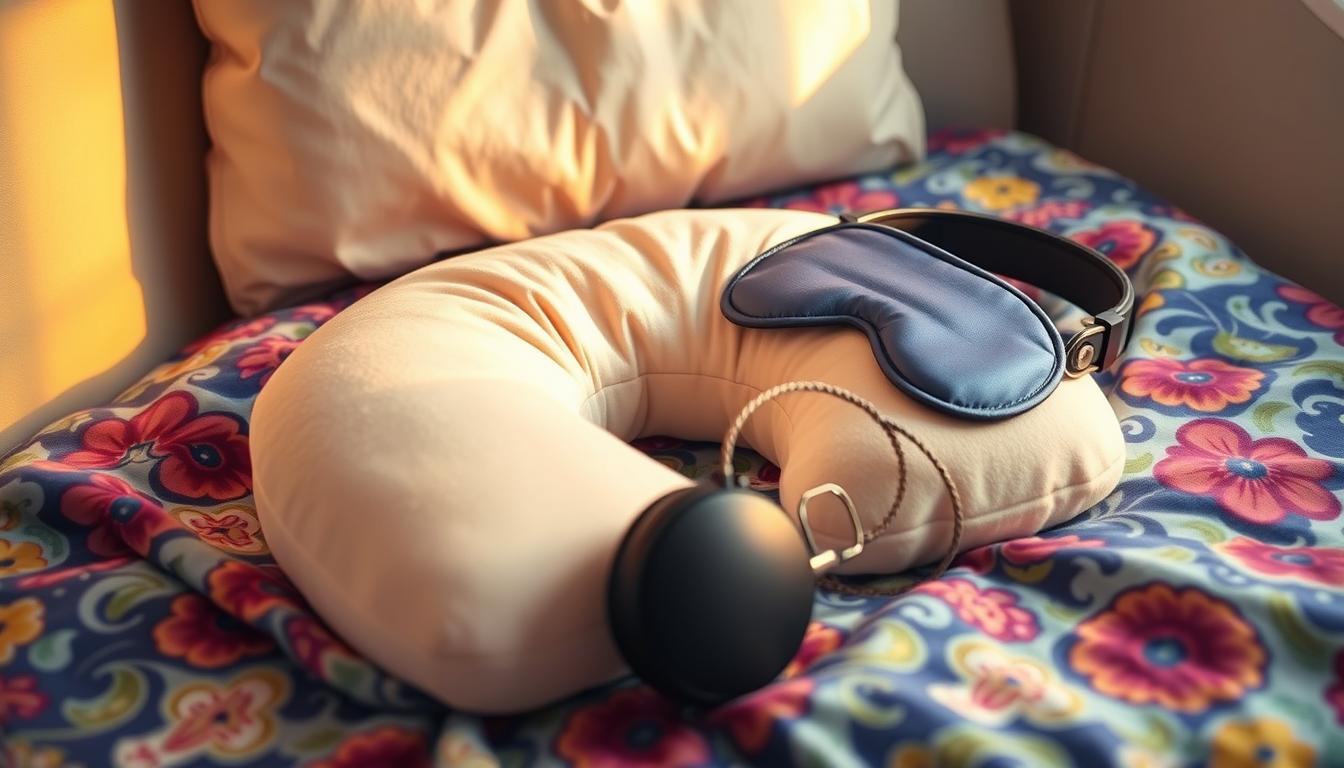
CozyBand vs. Traditional Sleep Masks: Why Upgrade?
The $59 CozyBand revolutionizes light blocking with 360° memory foam cups. Unlike flat masks pressing on eyelids, its 3D design creates a blackout effect without pressure points.
Five premium mask comparisons reveal key differences:
| Feature | CozyBand | Standard Silk Mask | Contoured Gel Mask |
|---|---|---|---|
| Light Blocking | 100% | 85% | 92% |
| Bluetooth | 10-hour | N/A | N/A |
| Side Sleeping | Yes (adjustable strap) | No (shifts) | Partial |
Flight attendant Lila K. notes: “The Bluetooth lets me play white noise without bulky headphones. Passengers never see the difference.”
Travel-Sized Humidifiers for Dry Hotel Air
The VicTsing mini humidifier ($26) fights nasal congestion with 7-hour USB-C runtime. Ideal humidity levels (40-60%) prevent throat tissue vibrations that cause snoring.
TSA compliance made simple:
- Essential oils: 3.4oz bottles in quart bags
- Water tanks: Empty before security
- Power banks: Under 100Wh for cabin use
Pro packing tips for sleep tech:
- Use mesh cubes for cords and small devices
- Label cubes by function (e.g., “Nighttime Kit”)
- Check seat power specs—some planes only have USB-A
These upgrades transform your experience from survival to revival. Wake up ready to explore, not exhausted from the fight for rest.
Long-Term Solutions for Frequent Travelers Who Snore
Chronic snoring during trips may signal deeper health concerns needing professional attention. When nasal strips and position changes fail, medical solutions become essential for quality sleep. This section explores advanced options for persistent cases.
Recognizing When to Seek Sleep Specialist Help
Certain symptoms warrant professional evaluation:
- Daytime fatigue despite full night rest
- Gasping or choking sounds during sleep
- Morning headaches or dry mouth
- High blood pressure resistant to medication
Dr. Sarah Johnson, sleep researcher, notes: “Undiagnosed sleep apnea affects 30% of chronic snorers. Screening can prevent cardiovascular risks.” Home sleep tests now make evaluation convenient.
Travel-Friendly CPAP Options Compared
Modern portable devices maintain therapy compliance anywhere:
| Model | Weight | Noise Level | Battery Life |
|---|---|---|---|
| ResMed AirMini | 10.6oz | 26dB | 13 hours |
| Philips DreamStation Go | 1.8lbs | 30dB | 8 hours |
| Transcend Micro | 0.75lbs | 28dB | 10 hours |
Insurance often covers travel CPAPs with proper documentation. Submit:
- Doctor’s letter of medical necessity
- Original equipment prescription
- Travel frequency justification
TSA screening tips for smooth travel:
- Keep medical ID card visible
- Request hand inspection if needed
- Pack distilled water in checked luggage
Weight management complements device therapy. Losing 10% of body weight can reduce snoring by 50% according to Johns Hopkins studies. Combined approaches create lasting improvement in sleep quality and travel experience.
Conclusion: Restful Travel Starts With the Right Approach
Quality rest isn’t luck—it’s a skill you can master on the road. Combine nasal strips, smart gadgets, and sleep position tweaks for quieter nights. Proactive talks with companions prevent tension.
Long-term health improves when you address snoring. Better nights mean sharper focus and happier travel. As Anthony Bourdain said: “Journeys change you—but only if you arrive rested enough to notice.”
Start small. Pack earplugs, try side sleeping, or test a white noise app. Each step enhances your experience. Sweet dreams and smoother adventures await.