Did you know 75% of late-night fridge raids have nothing to do with hunger? Most overeating comes from unprocessed emotions, not lack of willpower. Food helps us express feelings we can’t name, as psychologist Rick Taylar explains in his work.
This hidden cage traps people in cycles where snacks act as emotional bandaids. A fight with a partner might trigger chocolate cravings. Work stress could spark endless chip-crunching. But here’s the twist: your midnight snack isn’t the problem. It’s a signal asking you to dig deeper.
Taylar’s research shows how food choices mirror our internal dialogues. Craving crunchy foods? You might need to address unresolved tension. Drawn to creamy textures? Comfort could be missing elsewhere. By treating cravings as messengers, you start decoding what your body truly needs.
This section unveils practical tools to transform your relationship with nourishment. You’ll learn to separate physical hunger from emotional voids. We’ll explore simple journaling techniques and sensory-focused strategies that make healthy snacks feel satisfying, not restrictive.
Key Takeaways
- Emotional eating signals unmet needs, not personal failure
- The “Invisible Prison” concept explains food-emotion patterns
- Cravings act as messengers for deeper emotional states
- Practical self-discovery tools break automatic eating habits
- Nourishing alternatives satisfy both body and mind
Understanding Emotional Eating Patterns
Cravings often mean more than just hunger. Food can become a way to deal with stress, boredom, or big feelings. Spotting these habits is key to better snacking choices.

Why We Reach for Comfort Foods
Stress and Your Snack Choices
Stress makes us crave salty, crunchy foods. This is because stress hormones like cortisol make us seek comfort. Research shows we eat 40% more high-fat foods when we’re stressed.
Your Brain’s Reward System
Sweet treats release dopamine, like other fun activities. This makes us want to eat emotionally. Key fact: It only takes 3-5 times for a craving to become a habit.
Mapping Your Emotional Landscape
Common Trigger Scenarios
- Late-night boredom snacking
- Work deadline stress munching
- Relationship conflict ice cream cravings
Build Your Awareness Toolkit
Use the Emotion Detective method with a 3-column journal:
| Time | Situation | Emotion |
|---|---|---|
| 8:30 PM | Alone watching TV | Restlessness |
| 3:15 PM | Post-meeting tension | Frustration |
Track your feelings and food for 72 hours. This helps you see when you eat for reasons other than hunger. It’s a smart way to snack.
Snack Smart: The Core Principles of Mindful Eating
Learning to eat mindfully turns snacking into a caring act. It helps you connect better with food and meet your needs. Here are some ways to improve your eating awareness.
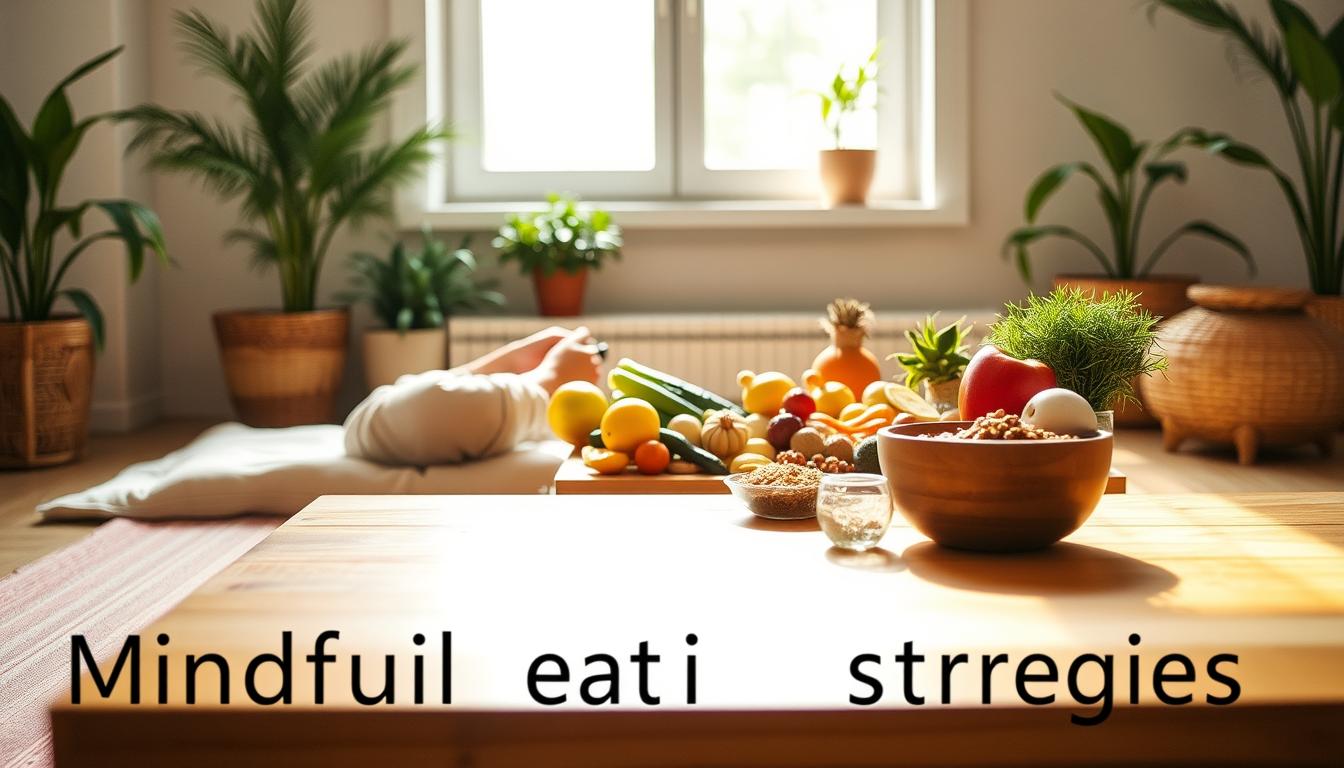
Mind-Body Connection in Nutrition
Your body tells you when it needs food. The trick is to listen to these signals. Try the 3-Question Check-In before snacking: “Is my stomach growling?” “When did I last eat?” “Would plain vegetables satisfy me?”
Listening to Physical Hunger Signals
Use a 1-10 scale to track hunger. True hunger grows slowly, like a dimmer switch. Eat when you’re at 3-4 (slightly hungry) and stop at 6-7 (comfortably full). This keeps you from eating too much and keeps your energy steady.
Differentiating Emotional vs Physical Hunger
Emotional hunger comes on fast and wants specific foods. Imagine eating an apple – if it doesn’t sound good, it’s emotional hunger. Wait 15 minutes with herbal tea before snacking.
The 5-Senses Eating Technique
Be a Sensory Scientist with these strategies. They slow down eating and make you feel fuller.
Visual Food Assessment Strategies
Before eating, spend 30 seconds looking at your snack:
- Color variations
- Presentation quality
- Portion size relative to your plate
This helps you make better choices and eat less automatically, by 43%, studies show.
Texture Awareness Exercises
Try the Crunch Meter technique:
- Identify three texture elements in your first bite
- Rate crispness from 1-5 using your tongue
- Notice how textures change as you chew
Eating with chopsticks can also help. It slows you down and makes you notice textures better, by 28%.
Use these nutrition hacks and check in with yourself often. Soon, you’ll snack smarter without strict diets.
Create Your Mindful Snacking Environment
Your kitchen’s layout can influence your food choices more than you think. By redesigning it with purpose, you can make it support healthy snack ideas instead of fighting cravings. Let’s see how small changes can turn your kitchen into a place of wellness.
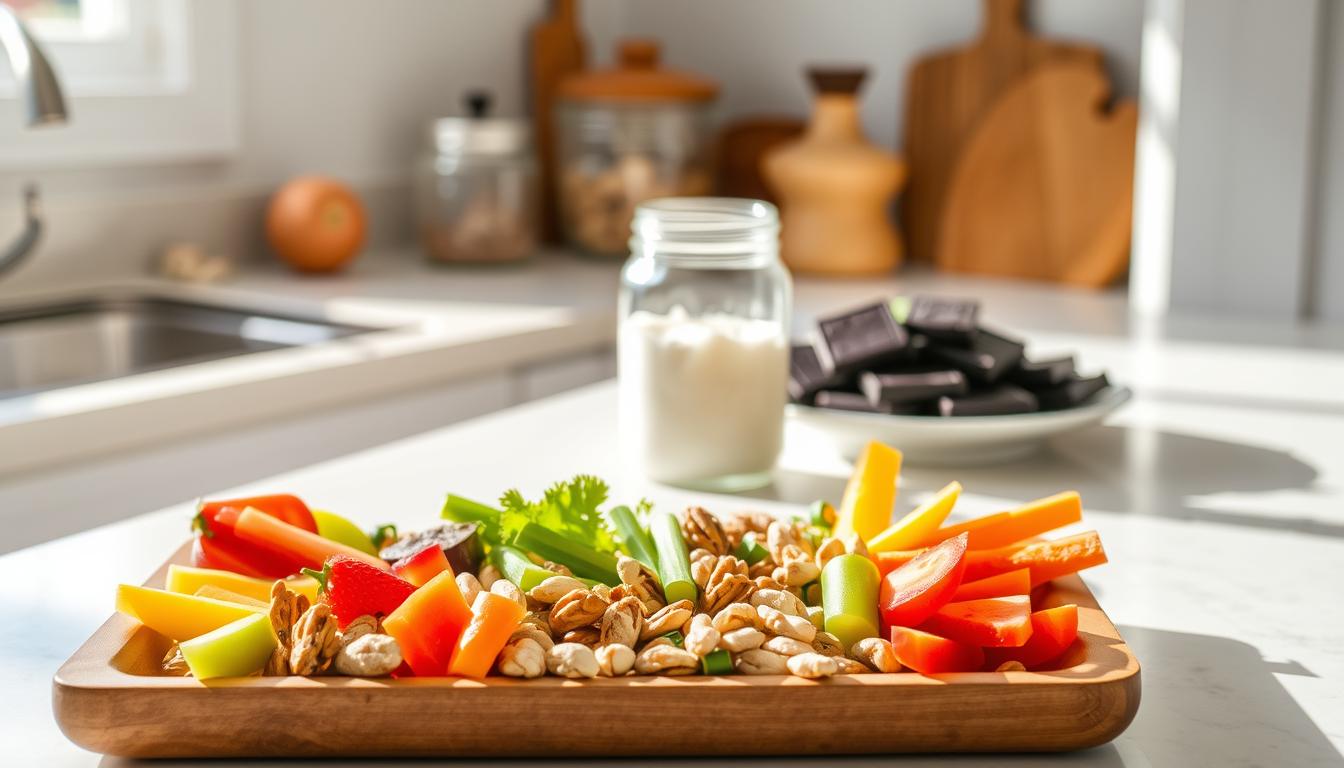
Kitchen Organization for Success
What you see first, you tend to eat. Keep chopped veggies and fresh fruit in clear containers at eye level. Place Organifi jars near where you prep to encourage smoothies over processed snacks.
Strategic Food Placement Techniques
Use the “first sight” principle:
- Place a vibrant fruit bowl next to coffee machines
- Store nuts in glass jars on countertops
- Keep protein bars in car console compartments
This method uses visual cues to help you make better choices easily.
Danger Zone Elimination Methods
Research shows we eat 22% more from large packages. To fight this, try:
- Transferring bulk snacks into single-serving bags right away
- Storing tempting treats in opaque containers on high shelves
- Designating a “red zone” cupboard for occasional treats
Out of sight, out of mind is a powerful strategy.
Portion Control Tools That Work
Modern portion systems make it easy to control what you eat. Use color-coded containers (green for greens, blue for proteins) to balance your macros. Pre-measured snack packs help avoid overeating, which is key for foods like nuts or dark chocolate.
Pre-Portioned Snack Systems
Sunday meal prep is your secret weapon:
- Use ¼-cup containers for trail mix portions
- Freeze yogurt bites in silicone molds
- Pre-slice veggies into crudité kits
This approach can cut down on spontaneous eating by 63%, studies show.
Color-Coded Container Strategies
Use colors to guide your nutrition:
| Color | Food Type | Serving Size |
|---|---|---|
| Green | Vegetables | Unlimited |
| Red | Proteins | Palm-sized |
| Blue | Healthy Fats | Thumb-sized |
This system makes balanced eating easy without counting calories.
Strategic Snack Preparation Techniques
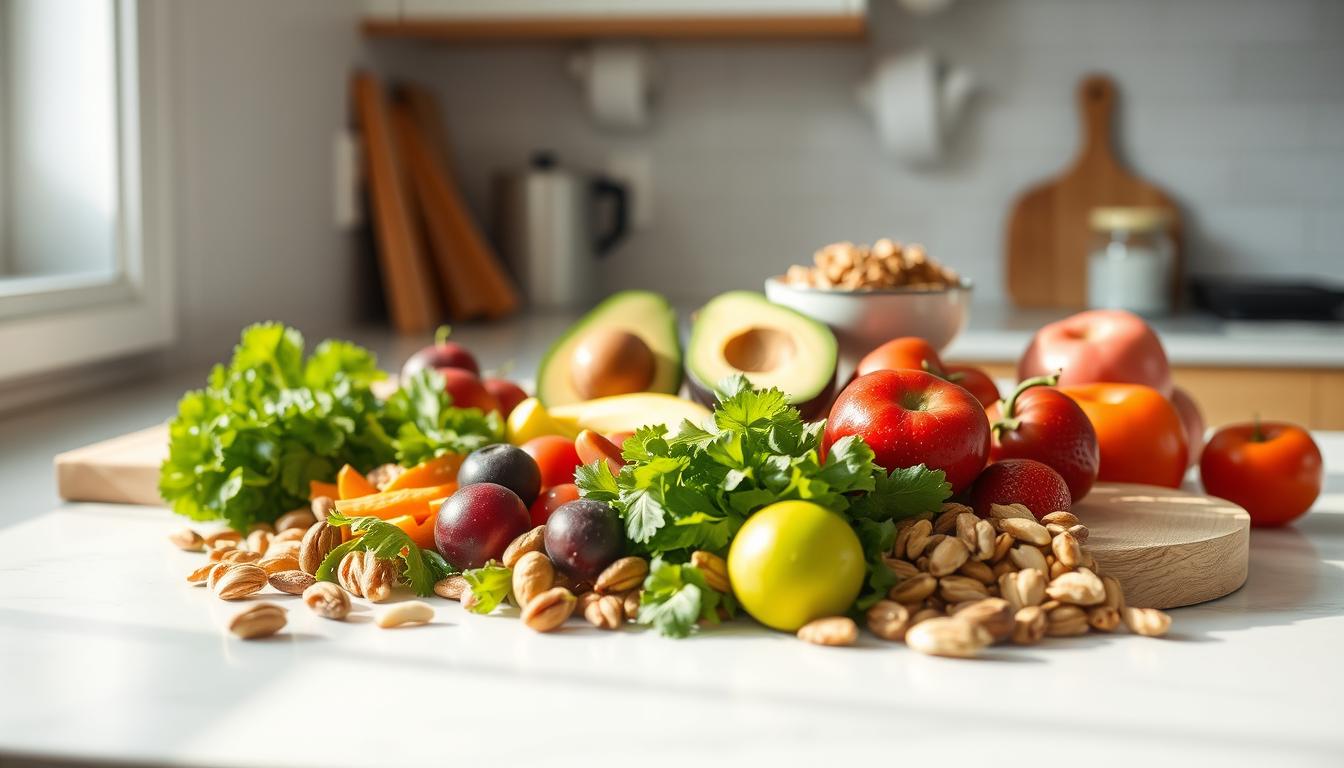
Learning to prepare snacks can change how you eat. It turns quick, unhealthy choices into thoughtful, healthy ones. You won’t need to rely on vending machines anymore.
Weekly Meal Prep Essentials
Batch cooking nutrient-dense snacks is a time-saver and keeps calories low. Here are some 100-calorie snacks from nutrition studies:
- Roasted chickpeas with smoked paprika (¼ cup)
- Greek yogurt bark with frozen berries
- Hard-boiled eggs with everything bagel seasoning
Freezer-friendly healthy options
Fill your freezer with snacks that are easy to grab and keep their nutrients. A study suggests:
- Portioned smoothie packs with spinach and protein powder
- Energy bite dough balls (try Organifi’s mint-cacao recipe)
- Whole-grain waffle sandwiches with almond butter
Emergency Snack Kits
Use containers to keep snacks organized and balanced. This helps avoid hunger pangs and keeps blood sugar steady.
Car-safe food storage solutions
Stay away from fast food with these safe, heat-resistant snacks:
| Container Type | Best Snacks | Duration |
|---|---|---|
| Insulated lunch bag | Cheese sticks, turkey jerky | 4 hours |
| Thermos | Chilled chia pudding | 6 hours |
Desk drawer survival snacks
Keep these snacks at your desk for when you need a pick-me-up:
- Single-serve nut butter packets
- High-protein cereal clusters
- Seaweed snack packs with roasted edamame
Hydration Hacks to Curb False Hunger
Did you know 37% of people mistake thirst for hunger? Drinking enough water can stop unwanted cravings and help you burn more calories. Let’s look at ways to drink more water and avoid eating when you’re not hungry.
Water Tracking Systems
Today, there are tools that make drinking water easy. Use them with breathing exercises to become more aware of when you’re thirsty.
Smart Bottle Technologies
These bottles connect to apps to remind you to drink and track your progress. Here’s a comparison of some popular ones:
| Brand | Key Feature | Daily Goal Setting |
|---|---|---|
| HydrateSpark | Glow reminders | Yes |
| AquaCoach | Voice alerts | Customizable |
| HydroFlow | Temperature control | Auto-adjust |
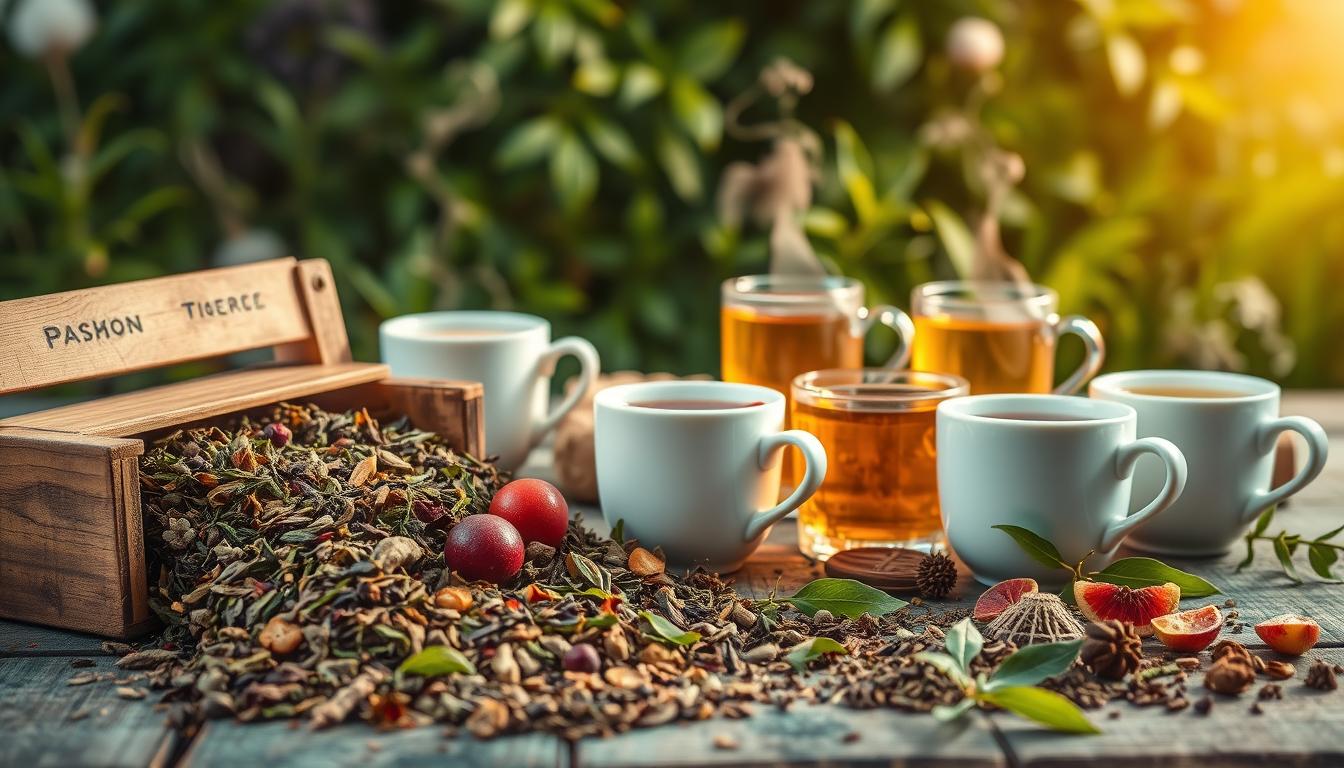
- Citrus Revival: Lemon + basil + cucumber
- Berry Boost: Frozen raspberries + mint
- Spice Flow: Cinnamon stick + orange slice
Herbal Tea Solutions
Warm drinks are great for staying hydrated and feeling full. Here are some top picks:
Appetite-Suppressing Blends
Studies show peppermint tea can cut hunger by 28%. Steep these for 5 minutes:
“Herbal teas activate thermogenesis while calming digestive nerves, creating natural fullness signals.”
Stress-Reducing Infusions
Holy basil tea can lower stress hormones by 39%. Mix it with chamomile and ashwagandha for the best results:
- Steep 1 tsp holy basil leaves
- Add ½ tsp chamomile flowers
- Mix in ¼ tsp ashwagandha powder
Movement-Based Mood Boosters
When cravings hit, moving your body can be a game-changer. Studies show that exercise releases endorphins, which naturally elevate mood. It also lowers stress hormones that lead to overeating. A 45-minute walk can cut snack cravings by 37%, showing even short workouts help.

Micro-Workout Strategies
Short, focused movements change how your brain handles stress. The Attention Artist concept (Source 1) teaches mindful exercise for better results.
5-Minute Office Routines
Do these desk exercises every 90 minutes:
- Chair squats (20 reps)
- Wall push-ups (15 reps)
- Neck rotations (30 seconds each direction)
Staircase Challenge Techniques
Turn staircases into workout tools:
| Time | Method | Calories Burned* |
|---|---|---|
| 5 minutes | Double-step climbs | 45-60 |
| 10 minutes | Side-step ascents | 80-100 |
| 15 minutes | Carry-and-climb (use a backpack) | 120-150 |
*Based on 150-lb individual (Source 2 data)
Yoga for Craving Control
Yoga poses target digestion and calm the nervous system. Hold each pose for 5-7 breaths:
Stress-Reduction Poses
- Seated spinal twist (massages abdominal organs)
- Child’s pose (activates parasympathetic nervous system)
- Legs-up-the-wall (reduces cortisol levels)
Breathing Pattern Exercises
Use 4-7-8 breathing when cravings hit:
- Inhale through nose for 4 counts
- Hold breath for 7 counts
- Exhale through mouth for 8 counts
This breathing method boosts blood flow to the brain. It helps you choose movement over snacking.
Sleep Quality Optimization
Your nighttime routine affects your daytime hunger. Bad sleep messes with hunger hormones and ups emotional eating by 45%, says Columbia University. To improve sleep, manage light, pick the right snacks, and adjust your environment.

Circadian Rhythm Alignment
Light Exposure Management
Dim screens 90 minutes before bed with f.lux or iOS Night Shift. For a deeper reset:
- Use amber reading lights after sunset
- Try 10-minute sunset walks
- Pair with Brain.fm‘s “Sleep Music” playlists
Bedtime Snack Guidelines
Go for magnesium-rich foods that keep blood sugar stable without upsetting your stomach:
| Snack | Magnesium Content | Sleep Benefit |
|---|---|---|
| Almonds (1 oz) | 80mg | Muscle relaxation |
| Banana + Almond Butter | 64mg | Serotonin boost |
| Pumpkin Seeds | 150mg | Stress reduction |
Sleep Environment Upgrades
Temperature Control Methods
Keep it cool at 68°F with smart thermostats or cooling mattress pads. Environment Designer tips include:
- Layer breathable cotton sheets
- Use foot-cooling pillows
- Install blackout curtains
Sound Masking Solutions
Block out noise with layered sounds:
- White noise machines (40-50 decibels)
- Pink noise phone apps
- Brain.fm‘s neural phase-locking tones
Mindful Eating Journaling Methods
Understanding your eating habits starts with looking inward. Journaling lets you link your feelings to food choices. It uncovers what drives you and what you’ve achieved. You can use apps or notebooks, but the key is to keep track regularly.

Digital Tracking Apps
Apps like MyFitnessPal and YouAte make it easy to spot patterns. They help you see how your mood affects your food choices in real time.
Mood-Food Correlation Features
Use emojis or words like “stress-driven” to label your meals. These apps create heatmaps that show which emotions lead to cravings. For example, one person found 73% of their late-night snacks were due to work anxiety.
Progress Visualization Tools
- Weekly habit streaks show days of mindful eating
- Interactive graphs compare emotional vs. physical hunger
- Customizable reminders for reflection before meals
Pen-and-Paper Techniques
Traditional journaling lets you express yourself freely. Start with a notebook and try these methods:
Color-Coded Entry Systems
Use different colors for different emotions. Here’s a simple guide:
- Blue ink: Stress-related eating
- Red ink: Anger or frustration snacks
- Green ink: Physically hungry choices
Gratitude Journal Integration
End each entry with three things you’re thankful for related to food. This helps you focus on what you enjoy. Try saying: “Today’s satisfying snack that energized my afternoon…”
Regular journaling, whether digital or paper, turns random cravings into useful data. By recognizing patterns, you can develop strategies that make mindful eating second nature. Ready to fuel your progress? Let’s explore nutrient-packed snack formulas next.
Nutrient-Dense Snack Formulas
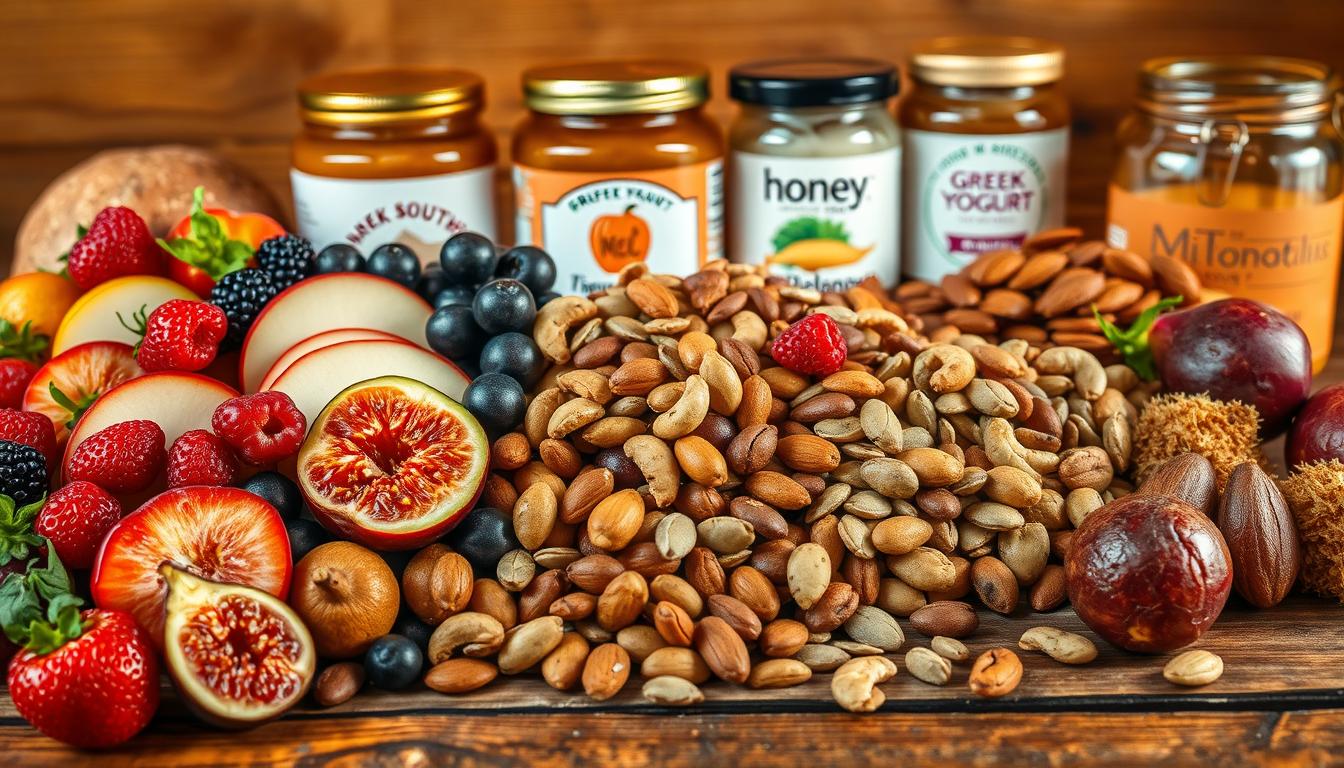
Power-packed snacks aren’t about cutting out food. They’re about mixing the right things to keep you going. By knowing how nutrients work together, you can make satiety-inducing snacks that keep your energy up and cravings down. Let’s dive into how to mix science with taste.
The Art of Macronutrient Pairing
Mixing protein, healthy fats, and fiber makes snacks that last longer and keep you full. Experts say this is key:
“Combining macronutrients prevents blood sugar spikes and helps maintain metabolic flexibility”
Protein-Fat-Fiber Combinations
Here are some 100-calorie snacks backed by science:
| Components | Calories | Benefits |
|---|---|---|
| 1 hard-boiled egg + 10 almonds | 95 | Supports muscle repair |
| 2 oz turkey + celery sticks | 98 | Boosts cognitive function |
| Organifi Green Juice + 1 tsp chia | 102 | Enhances detoxification |
Blood Sugar Stabilization Snacks
Mix cinnamon-spiced Greek yogurt with raspberries for a protein boost. The berries’ sweetness satisfies your sweet tooth without the drop.
Texture-Driven Satisfaction
Your brain likes different textures. Try these mix-and-match ideas:
Crunchy-Creamy Contrasts
- Apple slices with almond butter
- Rice cakes with avocado mash
- Dark chocolate-covered pumpkin seeds
Temperature Variation Ideas
Pair warm roasted chickpeas with chilled cucumber slices. Freeze banana slices in peanut butter for a cool treat that’s fun to eat.
Remember, macronutrient balancing is better with fun textures. A mix of crunchy walnut, creamy cottage cheese, and frozen blueberry is a triple threat for satisfaction without too many calories.
Flavor Exploration Strategies
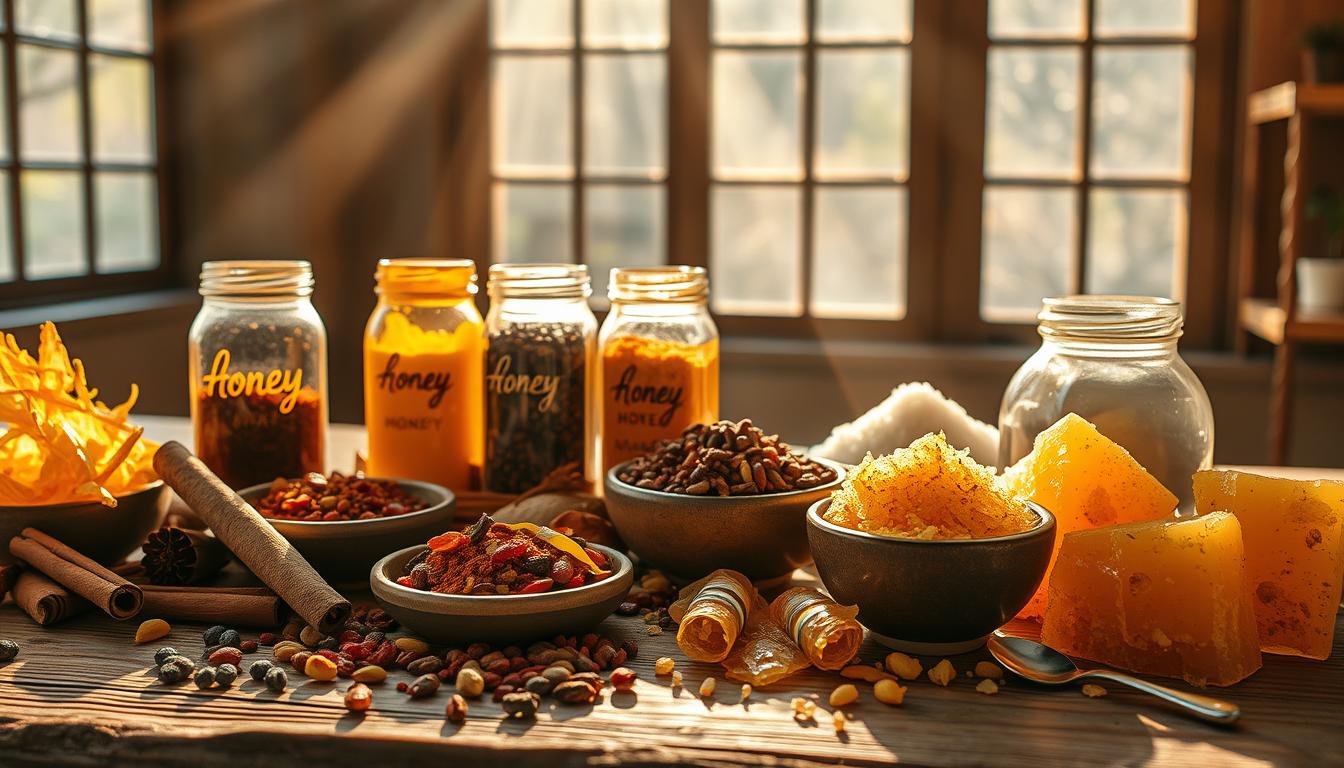
Try new snacks with bold flavors that are tasty and healthy. These ideas will make you enjoy food more and eat less processed stuff.
Global Spice Experiments
Turn simple snacks into exciting meals with these global spice tips:
Mediterranean Herb Blends
Make Greek-style roasted chickpeas with oregano, thyme, and marjoram. Add lemon zest for extra flavor. These herbs are good for your health.
Asian-Inspired Seasoning Mixes
Make your snacks pop with ginger, sesame seeds, and nori flakes. Try it on popcorn:
| Spice Mix | Flavor Profile | Best With |
|---|---|---|
| Moroccan Harissa | Smoky & Spicy | Roasted Nuts |
| Japanese Shichimi | Citrusy Heat | Edamame |
| Italian Gremolata | Bright & Herbal | Whole Grain Crackers |
Sweetness Alternatives
Change your sweet tooth with these tips:
“Slowly cut down on sugar and try bitter foods. You’ll get used to new tastes in 21 days.”
Natural Fruit-Based Options
Use mashed dates or apple powder instead of sugar. Bananas and mangoes are great for binding snacks.
Bitter Flavor Training
Start with dark chocolate and Organifi Gold Chocolate’s herbs. Then, try dandelion root tea. It can cut sugar cravings by 34%.
- Week 1: Dark chocolate + almond butter
- Week 2: Cocoa nibs + coconut flakes
- Week 3: Unsweetened cacao + chia pudding
Social Situation Navigation
Handling food-focused gatherings is more than just willpower. It’s about strategy. Whether it’s a birthday party or a corporate lunch, these tips help you enjoy without feeling guilty.

Party Survival Tactics
Use the movie theater strategy from research: look at all options before choosing. At buffet tables:
Buffet Scanning Techniques
- Do a full circle before picking up a plate
- Find protein-rich foods like grilled chicken or shrimp first
- Make sure to have at least three colors of veggies
Polite Refusal Scripts
When you’re tempted to eat more, try these scripts:
“This looks amazing! I’m saving room for the main course later.”
Office Temptation Solutions
Use design to fight temptation at work. Set up a three-zone defense system to avoid snacking:
Desk Drawer Organization
| Zone | Contents | Purpose |
|---|---|---|
| Emergency Kit | Pre-portioned almonds, roasted chickpeas | Blood sugar stabilization |
| Hydration Station | Herbal tea bags, electrolyte packets | Thirst identification |
| Mindful Munchies | Seaweed snacks, dark chocolate squares | Craving satisfaction |
Meeting Snack Strategies
Beat the “doughnut table” with these tips:
- Have a protein shake before the meeting (keeps hunger away)
- Choose seats away from snacks
- Use a breathing technique (4-7-8) before snacking
Mindful Cooking Practices
Turning meal prep into a mindful ritual makes your kitchen a calm place. It lets you create nourishing dishes while lowering stress. Let’s see how to mix mindfulness with cooking for therapeutic food and family bonding.
Therapeutic Food Preparation
Chopping meditation techniques make everyday tasks calming. Focus on the knife’s rhythm, the feel of ingredients, and the sound of cutting. Try these three methods:
| Technique | Focus Points | Benefits |
|---|---|---|
| Vegetable Julienne | Breath synchronization, uniform cuts | Enhances precision |
| Fruit Slicing | Color appreciation, juicy textures | Boosts creativity |
| Herb Mincing | Aroma release, fingertip pressure | Reduces anxiety |
Aroma-focused cooking methods
Use your sense of smell with scent mapping exercises. Crush fresh basil in your hands before adding it to sauces. Or zest citrus over bowls to release oils. Here’s a simple routine:
- Inhale deeply when handling herbs
- Pair complementary scents (like mint + cucumber)
- Pause between steps to savor aromas
Family Cooking Sessions
Make meal prep a time for bonding with these strategies for all ages.
Child-friendly snack projects
Make food art with these ideas:
- Rainbow veggie skewers with dip “paint”
- Oatmeal cookie sandwiches with fruit filling
- Yogurt parfait layering challenges
Multi-generational meal prep
Give each person a role based on their skill:
- Seniors: Seasoning experts
- Adults: Knife masters
- Kids: Measuring helpers
Share family recipes while prepping. Use cooking time to share stories and cooking tips.
Progress Tracking Systems
Building lasting eating habits is more than just wanting to. Progress tracking systems make goals real by turning them into actions. The 3-Metric Monitoring method uses hunger ratings, craving logs, and emotional scores.
Begin by rating your hunger before eating on a 1-10 scale. Track how long cravings last when you distract yourself. Also, note emotional triggers found through journaling. Apps like MyFitnessPal or Daylio make tracking easy without feeling overwhelmed.
Weekly reviews show patterns you might miss daily. Compare your hydration with snack choices. See how better sleep affects morning hunger. Share your progress with friends for support and advice.
Good tracking systems celebrate small victories and highlight areas for growth. Make charts to show less stress eating or more mindful cooking. Mix numbers with notes on energy and mood.
Regular tracking strengthens the connection between mind and body. With time, these metrics lead to lasting changes. You’ll see cravings lessen and emotional clarity improve with practice.