Did you know that 25% of adults struggle with persistent nighttime noise? Many don’t realize that misaligned teeth or an improperly positioned jaw might be the hidden cause. When airways get blocked, it doesn’t just disrupt sleep—it can harm your overall well-being.
Research from Great Oaks Dentistry shows how tongue placement and soft palate positioning contribute to this issue. Left unchecked, it may lead to dry mouth, teeth grinding, or even gum disease. Dentists like those at Hallock Family Dental specialize in solutions that tackle these problems at the root.
Addressing jaw structure early can prevent long-term complications. Simple adjustments might be all it takes to breathe easier and sleep soundly.
Key Takeaways
- 25% of adults experience frequent nighttime noise due to airway obstruction.
- Misaligned jaws or teeth often contribute to sleep disruptions.
- Untreated issues may cause dry mouth, bruxism, or gum disease.
- Experts like Hallock Family Dental offer targeted solutions.
- Early intervention improves both sleep quality and oral wellness.
How Jaw Alignment Triggers Snoring and Oral Health Issues
A receding jaw can shrink your airway by up to 50% during sleep. This narrowing forces throat muscles to work harder, leading to vibrations and blockages. When muscles relax too much, they collapse—a hallmark of obstructive sleep apnea (OSA).
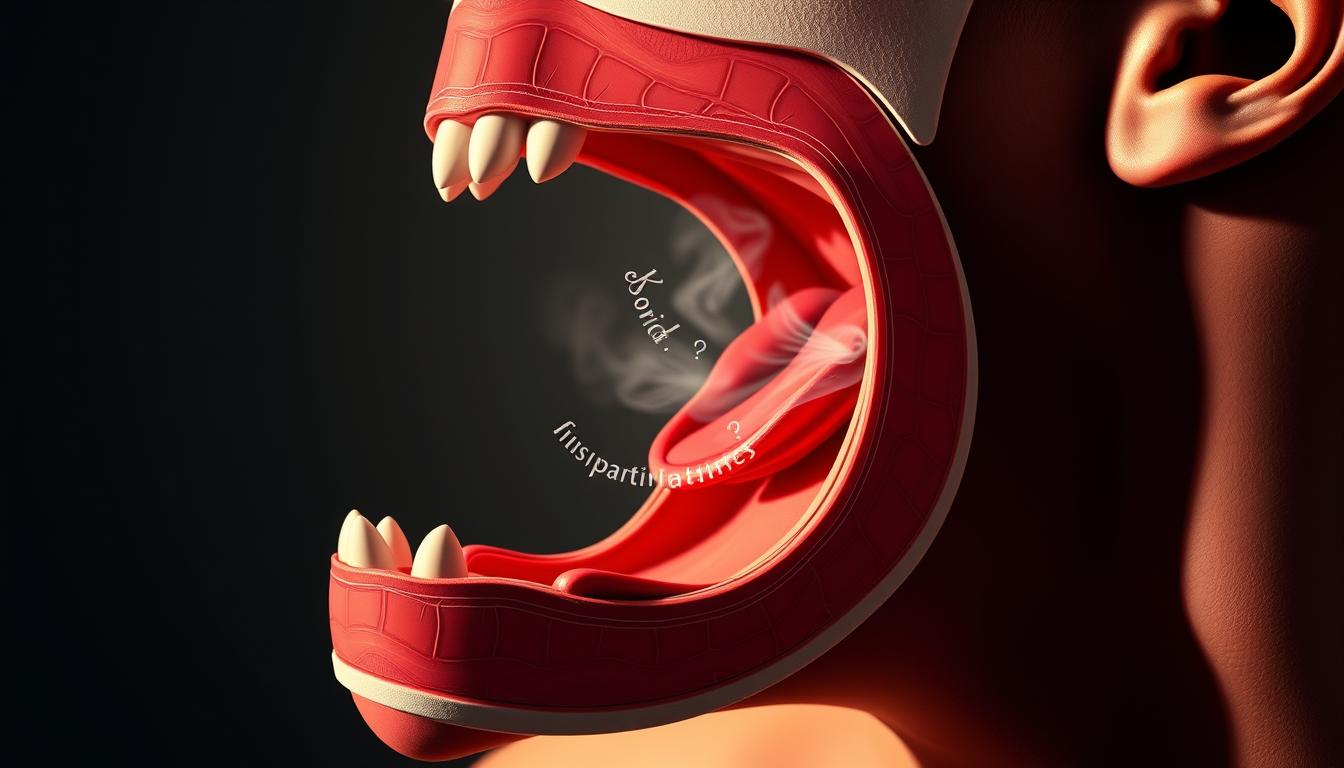
Relaxed Throat Muscles and Airway Collapse
During deep sleep, throat tissues lose tension. The Starling resistor model explains this: airflow stops when pressure outside the airway exceeds internal pressure. This creates a vacuum effect, collapsing the throat.
Anatomical risks worsen the problem:
- Retrognathia (recessed jaw)
- Macroglossia (enlarged tongue)
- Mallampati III/IV (crowded throat)
Tongue and Soft Palate Contributions
70% of loud nighttime noises stem from the tongue blocking the airway. When the base touches the pharyngeal wall, airflow slows. The soft palate’s flutter generates 40dB sounds, but tongue-based vibrations exceed 60dB.
| Type | Sound Level | Primary Cause |
|---|---|---|
| Palatal Flutter | 40dB | Uvula vibration |
| Tongue-Based | 60dB+ | Airway obstruction |
Alcohol increases tissue laxity by 22%, worsening the issue. Clinics like Hallock Family Dental report 80% success with mandibular advancement devices (MADs) to reposition the jaw.
The Hidden Impact of Snoring on Your Mouth
Your nighttime struggles may leave more than just tiredness—they could damage your smile. Chronic disruptions often trigger a chain reaction, from dry mouth to gum disease. Left unchecked, these issues erode your oral health silently.
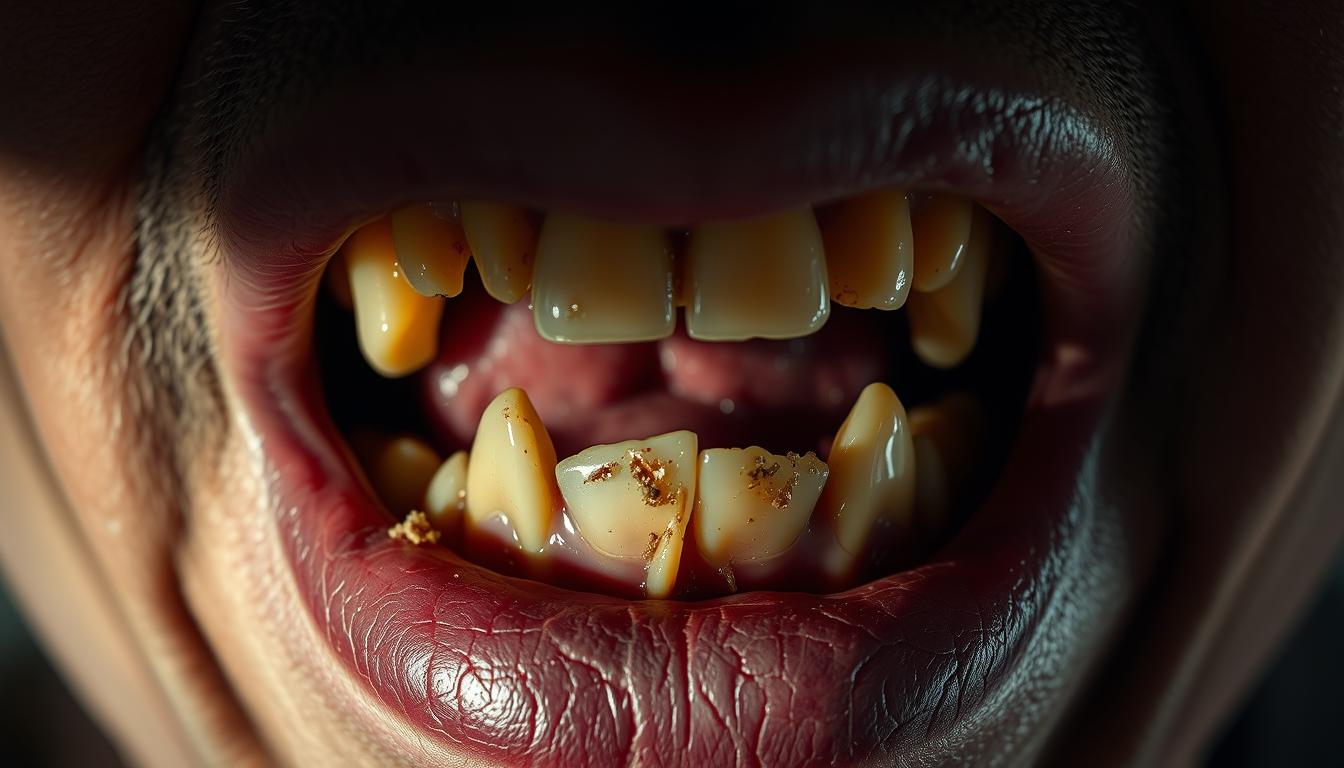
Dry Mouth and Tooth Decay
Nightly noise reduces saliva flow, dropping pH levels below 5.5—the threshold for enamel erosion. Streptococcus mutans thrives in this acidic environment, accelerating cavities. Studies show snorers face 3x higher rates of cervical caries.
Teeth Grinding and Enamel Damage
Clenching forces during sleep can exceed 250psi, compared to normal chewing (20–40psi). This bruxism flattens teeth, exposing dentin. The BEWE scoring system reveals severe wear patterns in 68% of untreated cases.
| Condition | Pressure | Result |
|---|---|---|
| Normal Chewing | 20–40psi | Minimal wear |
| Bruxism | 250psi+ | Enamel loss, cracks |
Gum Disease and Inflammation
Frequent sleep interruptions spike cortisol, inflaming gums. Recession occurs in 68% of OSA patients, per clinical findings. Hallock Dental combats this with custom night guards and mandibular repositioning to reduce pressure.
Addressing these issues early preserves your smile. Solutions like hydration adjustments or MADs can restore balance.
Snoring and Sleep Apnea: A Dangerous Duo for Your Health
Loud nighttime noise isn’t just annoying—it could signal a serious health threat. When sleep apnea disrupts breathing, your body struggles for oxygen, worsening oral conditions and overall wellness.
How Obstructive Sleep Apnea Worsens Oral Conditions
Repeated pauses in breathing starve tissues of oxygen, slowing healing by 60%. Studies link AHI scores >15 to 4mm+ periodontal pockets—a precursor to gum disease. Bruxism affects 82% of OSA patients, eroding enamel under 250psi pressure.
| Condition | Oral Impact | Prevalence in OSA |
|---|---|---|
| Bruxism | Cracked teeth, jaw pain | 82% |
| Xerostomia | Tooth decay, bad breath | 74% |
| Tongue Scalloping | Airway obstruction | 68% |
Signs Your Snoring Might Indicate Sleep Apnea
Not all nighttime noise is harmless. The STOP-BANG checklist helps assess risk:
- Snoring loud enough to hear through doors
- Tiredness despite full nights in bed
- Observed breathing pauses during sleep
Hallock Family Dental’s coordinated care program shows 80% CPAP compliance improves both sleep and oral health. Addressing these problems early can prevent long-term damage.
Dental Solutions to Stop Snoring and Protect Your Smile
Modern dentistry offers powerful tools to combat nighttime disruptions and preserve your smile. From adjustable oral appliances to precision night guards, these treatments tackle both sleep quality and dental issues at once.
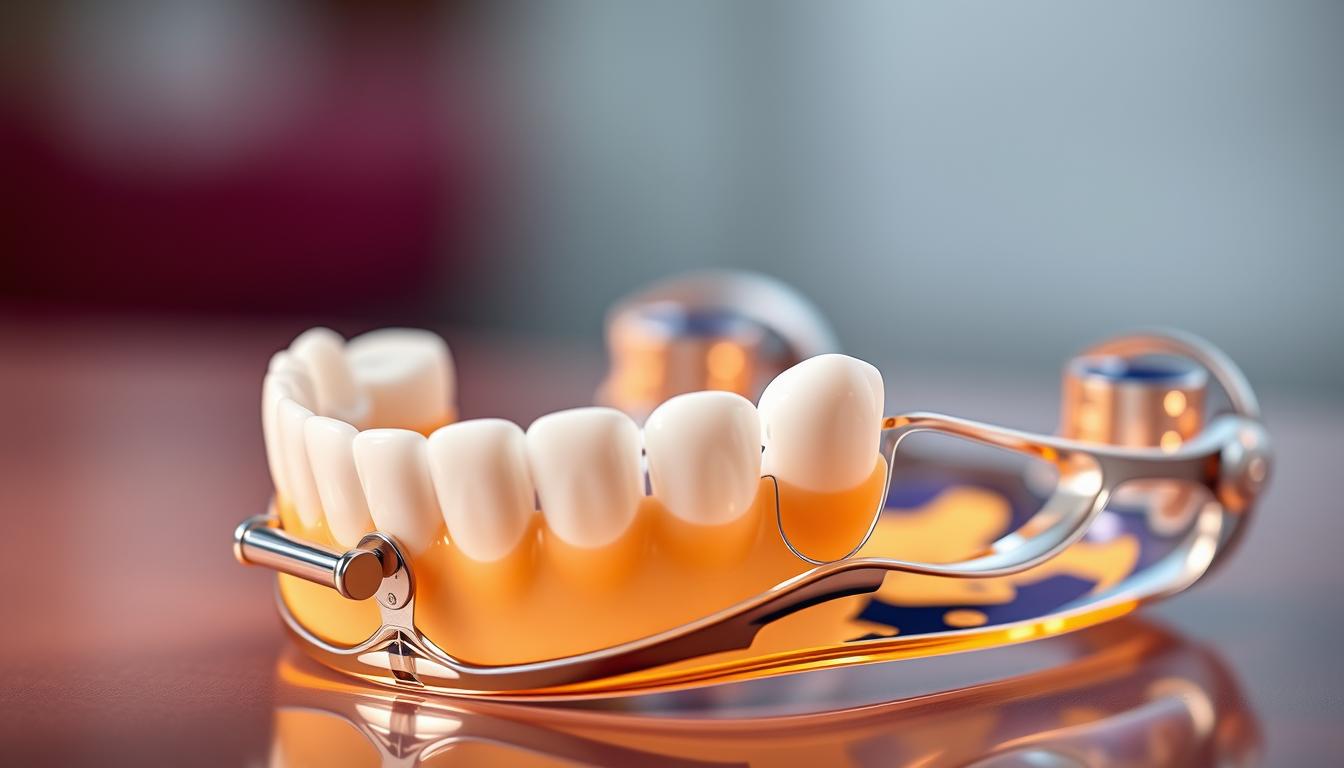
Mandibular Advancement Devices (MADs) Explained
MADs gently reposition the lower jaw to open air pathways, reducing obstructions by 50–75%. Options like SomnoDent Flex™ allow incremental adjustments, while fixed designs suit mild cases. Clinics such as Hallock Family Dental integrate pulse oximetry into 3D-printed devices for real-time monitoring.
How Custom Night Guards Prevent Bruxism Damage
Thermoplastic splints cut bruxism episodes by 40%. Anterior bite planes redistribute pressure, unlike full occlusal coverage guards. Studies show these reduce enamel wear by 62% over five years.
When CPAP or Surgery Becomes Necessary
For severe cases, CPAP machines with humidification prevent dry mouth. DISE-guided surgery (like UPPP) may help, but MAD+CPAP combos boast 95% success rates. AAOP guidelines recommend combined therapy for overall health optimization.
Lifestyle Changes to Reduce Snoring Naturally
Small daily adjustments can make a big difference in nighttime noise. From tweaking your sleep posture to refining evening routines, these strategies tackle the root causes of disruptive breathing. Best of all, they require no special equipment—just consistency.
Weight and Position: Dual Defense
Losing just 5% of body weight cuts airway obstructions by 30%. Excess weight narrows throat passages, while belly fat pressures the diaphragm. Pair this with side sleeping—it reduces noise intensity by 15dB compared to back sleeping.
Try the tennis ball trick: Sew a pocket into the back of pajamas to discourage supine positions. Hallock Family Dental’s weight management program reports a 40% improvement in sleep quality for participants.
Evening Habits Matter
Alcohol relaxes throat muscles 22% more, worsening vibrations. Sedatives like benzodiazepines have similar effects. Avoid both within 3 hours of bedtime. Instead, opt for herbal tea or warm milk to relax naturally.
Myofunctional exercises strengthen the palate and tongue. Try pressing your tongue to the roof of your mouth for 5 seconds, repeating 10 times daily.
Hydration and Allergy Relief
Dehydration thickens mucus, narrowing airways. Aim for half your body weight (lbs) in ounces of water daily. For allergies, nasal dilators boost airflow by 18%, while steroid sprays outperform neti pots for persistent congestion.
An anti-inflammatory diet rich in omega-3s (salmon, flaxseeds) reduces nasal swelling. If acid reflux triggers throat irritation, elevate your head 6 inches during sleep.
- 30-minute wind-down routine: Dim lights, no screens, light stretching.
- OSA-aggravating meds: Opioids, muscle relaxants, some antidepressants.
- Peak hydration time: 2 hours before bed to minimize nighttime trips.
Conclusion: Taking Action for Better Sleep and Healthier Teeth
Sleep disruptions often trace back to overlooked oral factors. Addressing misaligned jaws or airway blockages can transform rest quality and dental health. Early intervention prevents long-term damage.
Hallock Family Dental’s screening pinpoints issues like sleep apnea quickly. Their three-step plan—assessment, therapy, maintenance—offers tailored treatments, from MADs to night guards.
Prioritize oral health today. Schedule a complimentary sleep-breathing screening at Hallock’s dual locations. Insurance-covered options make care accessible.