Did you know that nearly 70% of adults with obstructive sleep apnea (OSA) also struggle with obesity? This surprising statistic highlights a critical link between disrupted sleep and extra pounds. The relationship works both ways—poor rest can lead to weight gain, while added weight often worsens nighttime breathing issues.
OSA, a common sleep disorder, frequently appears in those carrying excess weight. Research shows that 60-90% of adult OSA patients also deal with obesity. The cycle is tough to break: poor sleep disrupts metabolism, making it harder to maintain a healthy weight. In turn, extra weight puts pressure on airways, increasing snoring and breathing interruptions.
Left unchecked, this pattern raises risks for heart disease, diabetes, and other metabolic conditions. The good news? Understanding the science behind this connection helps you take action early. Simple lifestyle changes and medical guidance can improve both sleep quality and overall health.
Key Takeaways
- Obesity affects 60-90% of adults with sleep apnea.
- Poor sleep quality can slow metabolism, leading to weight gain.
- Excess weight increases airway pressure, worsening snoring.
- Untreated conditions raise cardiovascular and metabolic risks.
- Early intervention improves long-term health outcomes.
Introduction: Understanding the Link Between Snoring and Weight Gain
A startling fact: even minor changes in body composition can drastically impact nighttime breathing. What many dismiss as simple snoring often signals airflow restriction—a red flag for deeper health issues like obstructive sleep apnea (OSA).
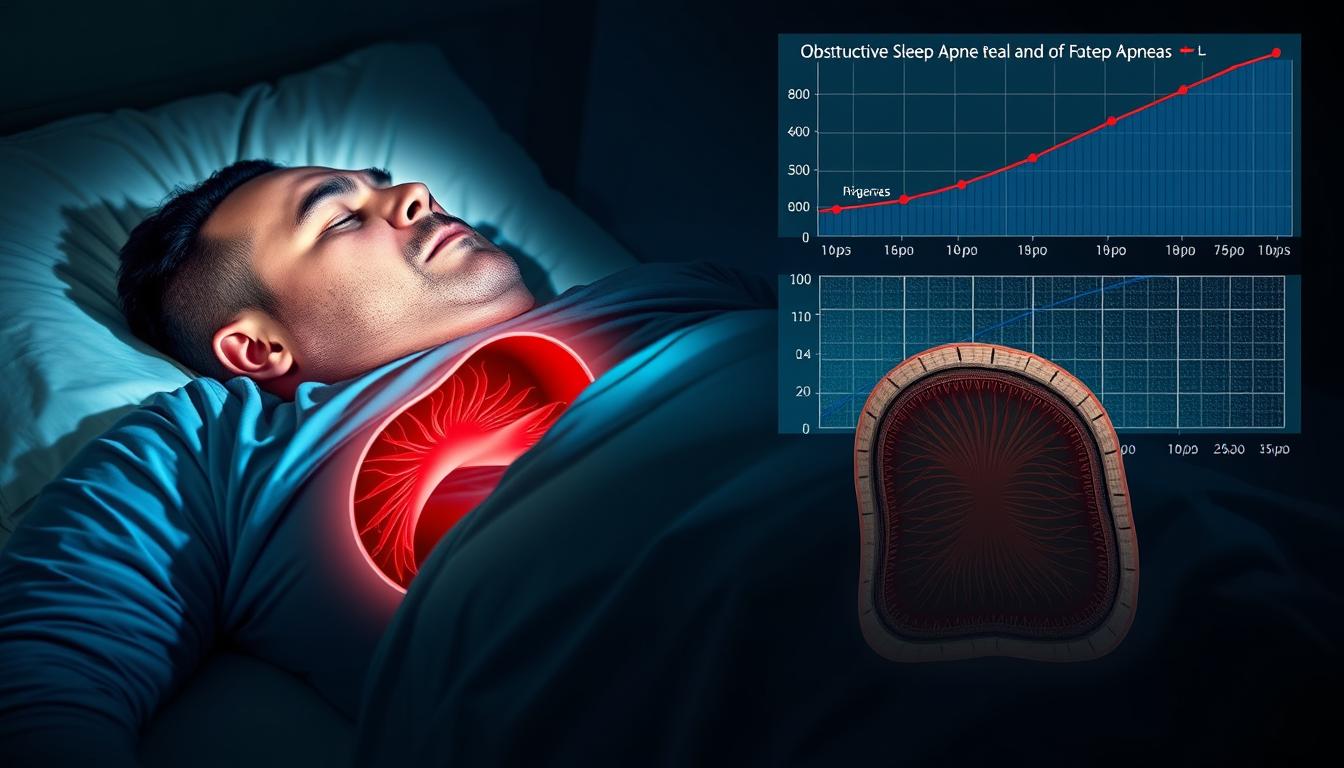
58% of moderate-to-severe OSA cases occur in overweight individuals. Excess pounds, especially around the neck, narrow airways during rest. This creates a “chicken-or-egg” dilemma:
- OSA disrupts hormones like leptin and ghrelin, making weight loss harder.
- Pharyngeal fat—deposits near the throat—worsens airway obstruction.
- Untreated patients show 50% higher ghrelin levels, boosting hunger.
Just a 10% increase in body weight raises OSA risk six-fold. On average, patients gain 16 pounds before diagnosis. This cycle fuels metabolic slowdown, daytime fatigue, and cravings.
“The interplay between sleep quality and weight isn’t just correlation—it’s a biological feedback loop.”
Later sections will explore how to interrupt this pattern through lifestyle adjustments and medical support. First, let’s unpack the science behind the connection.
The Science Behind Snoring and Weight Gain
Airway obstruction isn’t random—it’s rooted in precise anatomical changes. Excess weight, particularly around the neck and abdomen, alters the upper airway structure, making nighttime breathing harder. Studies show a 10% BMI increase raises OSA severity by 32%, proving body composition directly impacts sleep quality.
How Excess Weight Affects Your Airway
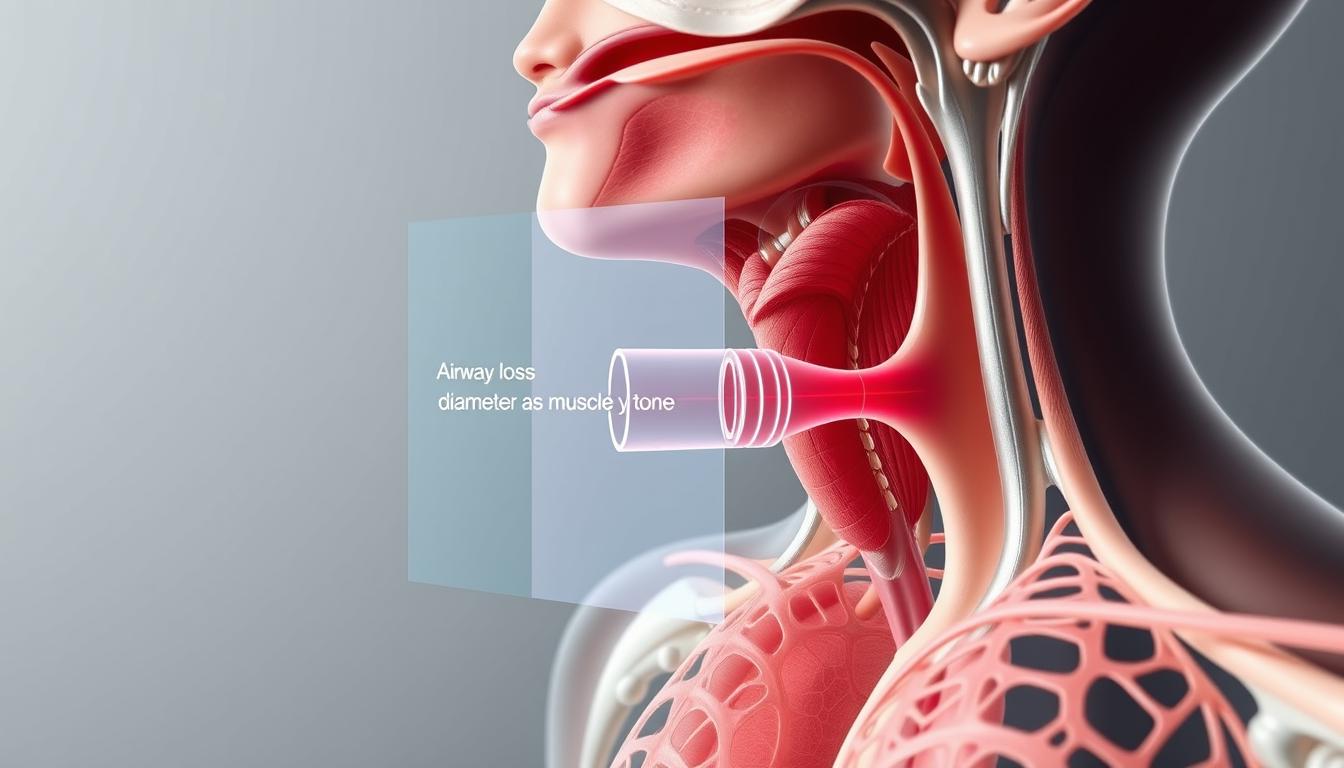
Fat deposits near the throat reduce the upper airway diameter by 17–22% in people with obesity. This narrows the space for airflow, forcing tissues like the tongue base and soft palate to collapse during sleep. Men with neck circumferences over 17 inches (or women over 16 inches) face triple the risk of OSA.
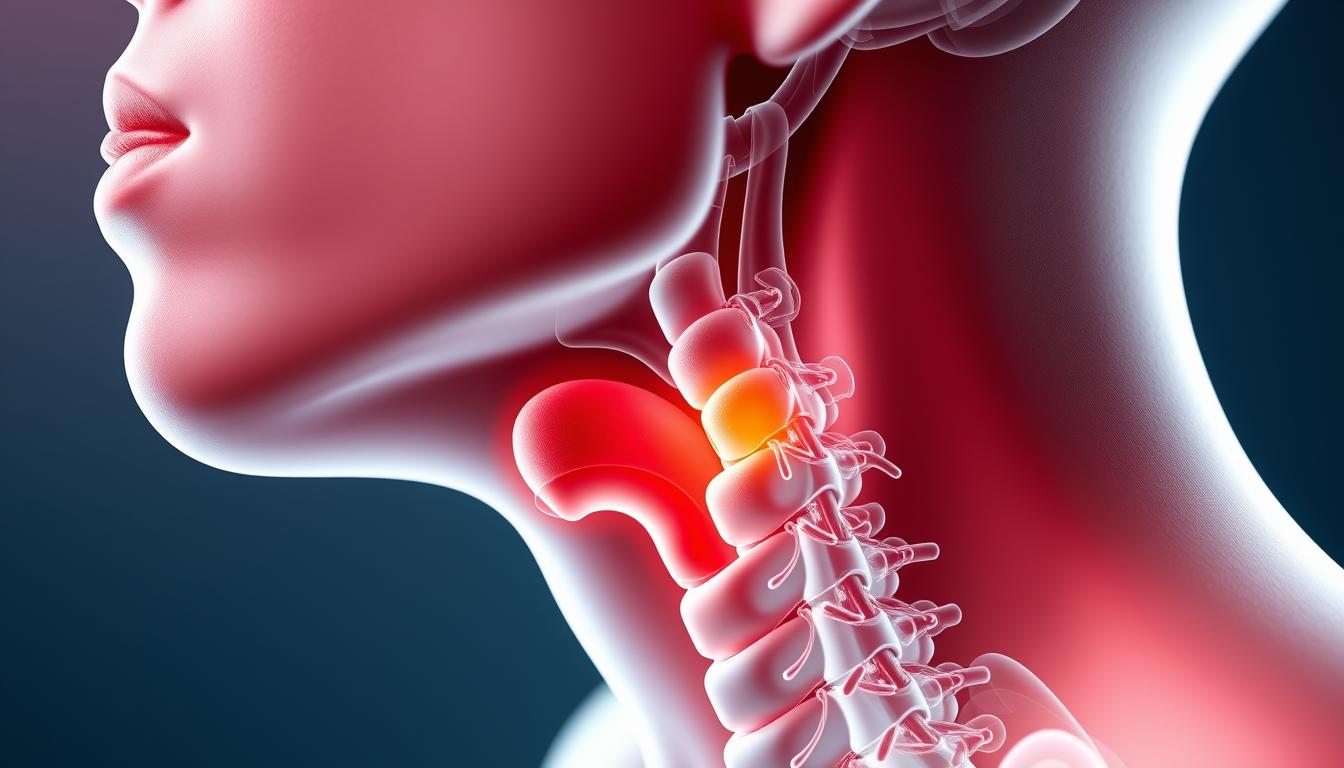
The Role of Fat Distribution in Snoring
Not all fat behaves the same. Neck fat presses directly on airways, while abdominal fat reduces lung capacity by 30% by pushing the diaphragm upward. MRI scans reveal losing weight shrinks tongue fat deposits, improving airflow. Women often store fat differently than men, which may explain gender gaps in OSA prevalence.
“Visceral fat is metabolically active—it doesn’t just sit there; it actively disrupts breathing mechanics.”
Understanding these patterns helps tailor interventions, from targeted weight loss to sleep therapies. Next, we’ll explore how these physical changes trigger snoring.
How Weight Gain Leads to Snoring
Extra pounds don’t just affect your waistline—they alter how you breathe at night. When fat accumulates in key areas, it disrupts airflow, turning restful sleep into a battle for oxygen. This process hinges on two critical factors: neck fat narrowing your airway and abdominal pressure limiting lung expansion.
Neck Fat and Airway Narrowing
A 1cm increase in neck circumference raises OSA risk by 1.2x. Fat deposits here squeeze the throat, reducing space for air to flow. Turbulence from this airway narrowing vibrates tissues, creating the sound we recognize as snoring.
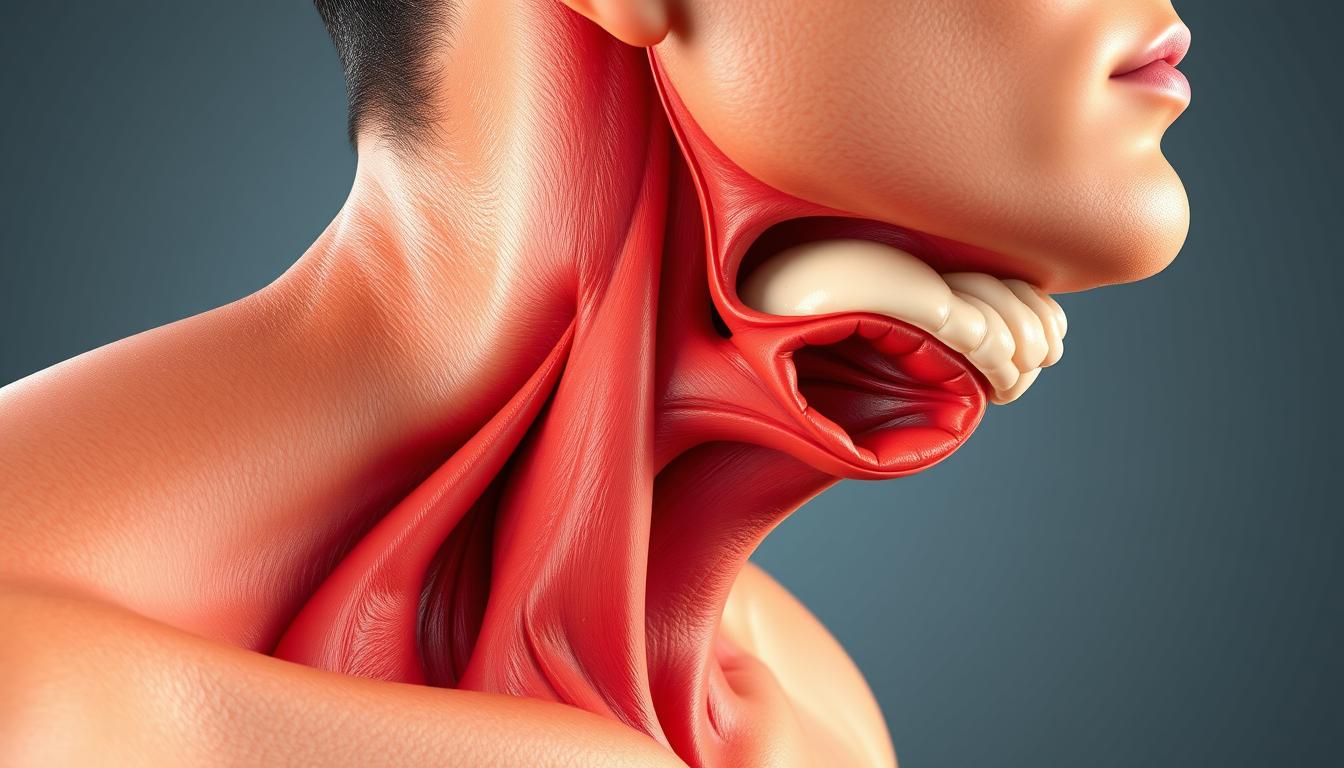
Sleeping on your back worsens the effect. Gravity pulls the tongue backward, further blocking the throat. Side sleeping often improves breathing by keeping the airway more open.
Abdominal Fat and Diaphragm Compression
Excess belly fat pushes upward on the diaphragm, reducing lung capacity by 500–800mL. This diaphragm compression mimics restrictive lung disease, forcing shallow breaths. Over time, the body struggles to expel carbon dioxide, worsening sleep quality.
Leptin resistance—common in obesity—further complicates matters. It dulls the brain’s response to low oxygen, delaying wake-ups during apnea events. Combined, these factors create a cascade of excess weight effects on nighttime respiration.
“Fat distribution dictates sleep disruption—where it settles determines how you snore.”
Understanding these mechanics empowers you to target solutions, whether through weight loss or positional therapy. Next, we’ll explore how these changes escalate into full-blown sleep apnea.
Obstructive Sleep Apnea (OSA) and Obesity
Clinical studies reveal a troubling overlap between obesity and sleep-disordered breathing. Obstructive sleep apnea occurs when throat muscles relax excessively during rest, blocking airflow. Unlike central apnea (brain signal issues) or complex apnea (mixed causes), OSA stems from physical airway obstruction.
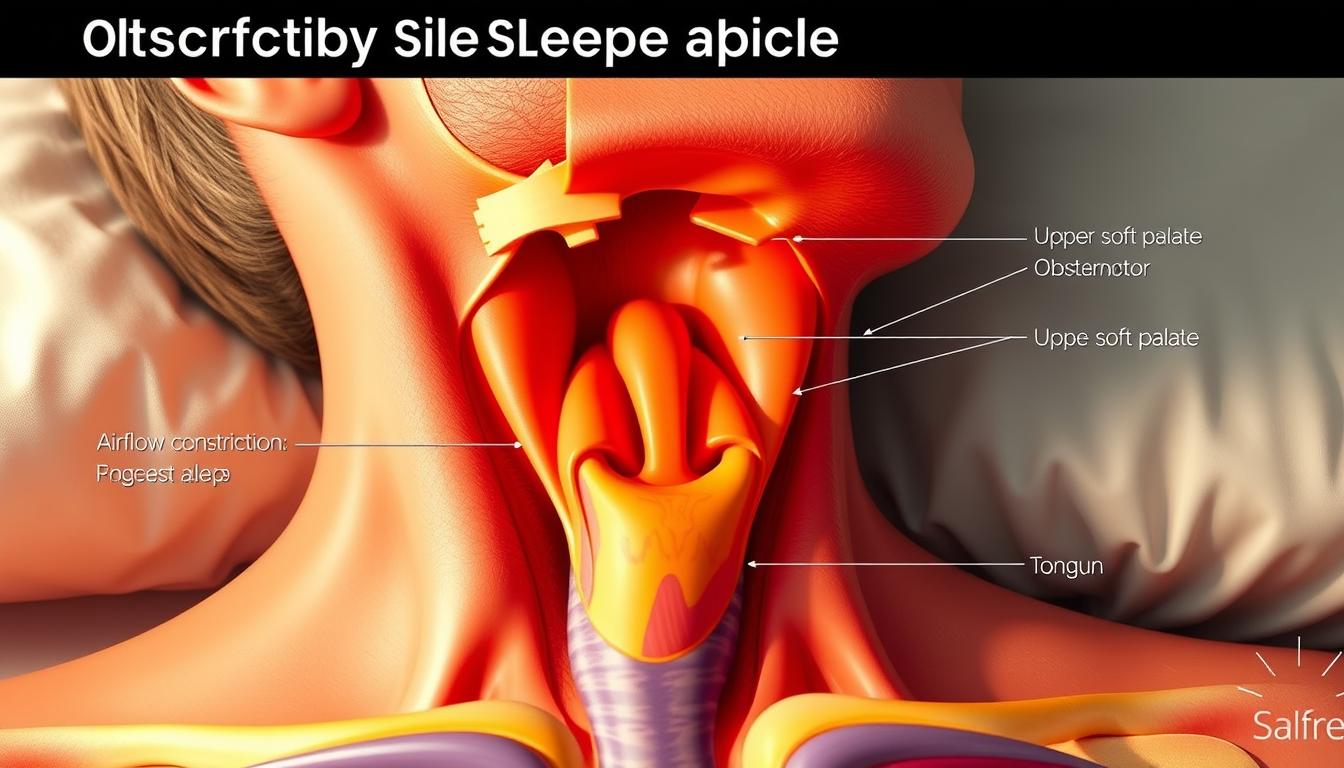
What Is OSA?
When you have OSA, breathing stops for 10+ seconds repeatedly during sleep. These pauses can happen 5-30 times per hour in untreated cases. Doctors measure severity using the Apnea-Hypopnea Index (AHI):
| AHI Score | Severity Level | Events Per Hour |
|---|---|---|
| 5-15 | Mild | Brief awakenings |
| 15-30 | Moderate | Noticeable fatigue |
| >30 | Severe | Health risks escalate |
The STOP-BANG questionnaire helps identify risk factors:
- Snoring loudly
- Tiredness during daytime
- Observed breathing pauses
- High blood pressure
Why Obesity Increases OSA Risk
Excess weight affects your body in two dangerous ways. Neck fat narrows the airway, while abdominal fat reduces lung capacity. For every 10% BMI increase, OSA risk jumps 32%.
Ethnicity matters too. Asian patients often develop OSA at lower BMIs due to different fat distribution patterns. Hispanic and Black populations show higher prevalence rates at all weight levels.
“Obesity hypoventilation syndrome affects 90% of OSA patients with BMI >50—their mortality risk increases 47% compared to OSA alone.”
This disease combination strains the heart, elevates blood pressure, and disrupts metabolism. Early screening helps prevent these cascading health effects.
The Vicious Cycle: Snoring, Sleep Apnea, and Weight Gain
Research reveals a self-perpetuating biological loop where disrupted sleep and weight gain fuel each other. When breathing interruptions fragment your rest, they trigger metabolic changes that make shedding pounds harder. This creates a feedback loop that often requires targeted intervention to break.

How Poor Sleep Promotes Weight Gain
Sleep fragmentation alters your energy metabolism in measurable ways. Losing just 90 minutes of deep sleep nightly reduces fat oxidation by 55%, forcing your body to store more calories. Studies show sleep-deprived individuals consume 385 extra calories daily—enough for 1lb weight gain every 9 days.
REM sleep loss has particularly severe effects. Missing this critical phase impairs glucose metabolism, raising diabetes risk 3.7-fold. Your prefrontal cortex also becomes less effective at resisting cravings, leading to poorer food choices.
Hormonal Imbalances: Leptin and Ghrelin
Sleep restriction creates a hormone imbalance that sabotages weight control. Leptin (which suppresses hunger) drops 18%, while ghrelin (which stimulates appetite) surges 28%. OSA patients show 50% higher ghrelin levels than BMI-matched controls.
“The hypothalamic-pituitary-adrenal axis becomes dysregulated in sleep deprivation, creating a metabolic state primed for weight gain.”
Chronic sleep loss also blunts growth hormone secretion—normally released during deep sleep. This reduces muscle repair and slows your resting metabolic rate. Combined with elevated ghrelin and diminished leptin signaling, the body enters a perfect storm for weight accumulation.
Health Risks of Untreated Snoring and Weight Gain
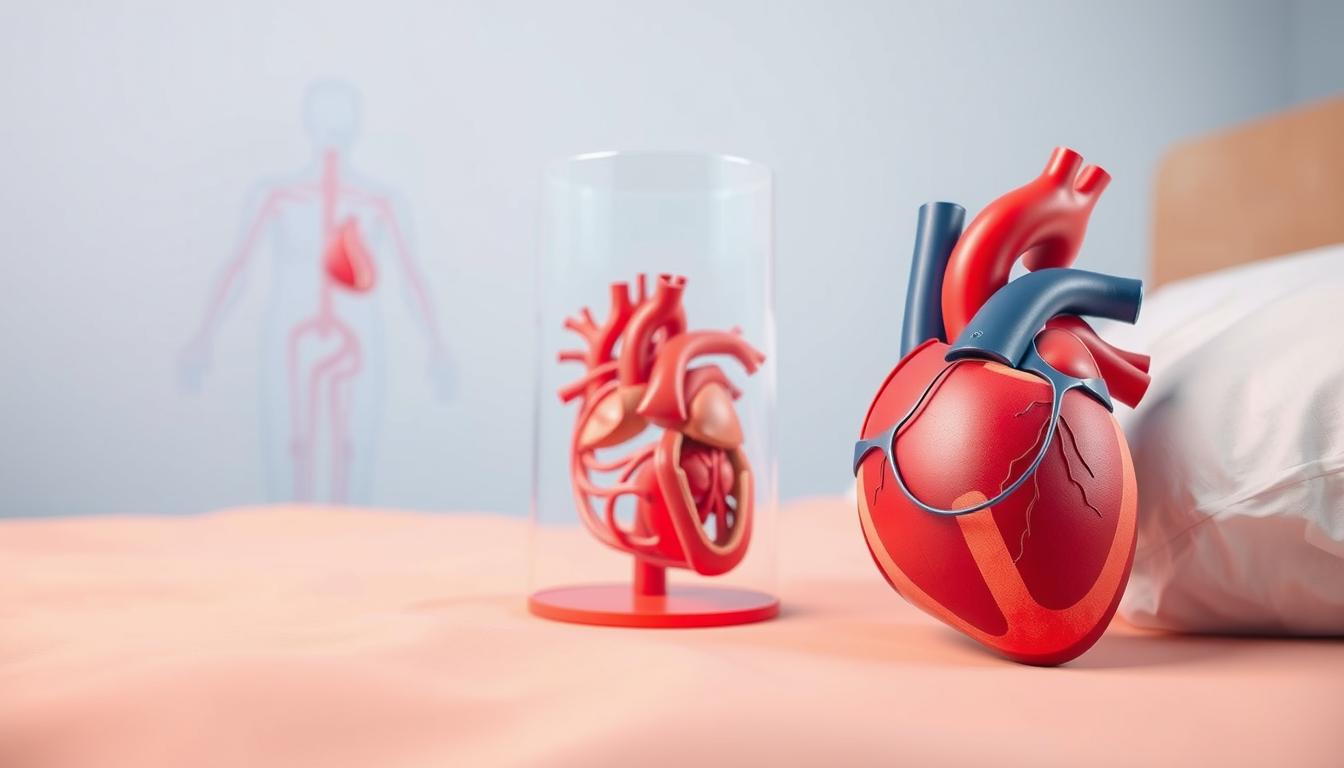
Nighttime oxygen drops create cellular stress that manifests in multiple organ systems. When breathing pauses strain your body nightly, they trigger cardiovascular disease precursors and metabolic havoc. These aren’t isolated issues—they compound each other silently over time.
Cardiovascular Complications
Repeated oxygen deprivation damages blood vessels through hypoxia-reoxygenation injury. Each apnea event floods tissues with oxidative stress molecules. Studies show this cycle:
- Degrades endothelial function within 6 months
- Raises stroke risk 3.7x regardless of other factors
- Causes 70% of treatment-resistant hypertension cases
Sympathetic nervous system overdrive worsens the damage. Your body stays in fight-or-flight mode, spiking nocturnal blood pressure. Severe cases show 2.8x higher mortality from heart disease.
“Microarousals during apnea events create electrical instability in heart tissue—the perfect substrate for atrial fibrillation development.”
Metabolic Syndrome and Diabetes
Sleep fragmentation alters glucose metabolism at cellular levels. CPAP therapy reduces HbA1c significantly in diabetic patients:
| Therapy Duration | HbA1c Reduction | Fasting Glucose Drop |
|---|---|---|
| 3 months | 0.5% | 12 mg/dL |
| 6 months | 1.2% | 28 mg/dL |
Emerging research links untreated apnea to non-alcoholic fatty liver disease. The liver struggles to process fats when oxygen fluctuates. Combined with insulin resistance, this creates a metabolic perfect storm.
Recognizing these symptoms early allows intervention before permanent damage occurs. Next, we’ll explore how weight loss can reverse some effects.
Can Losing Weight Reduce Snoring?
Shedding extra pounds could be the key to quieter nights and better breathing. Research confirms that fat reduction directly alters throat anatomy, creating more space for airflow. Even modest changes show measurable improvements in breathing patterns during sleep.
The Impact of Weight Loss on Airway Function
Every kilogram lost reduces airway pressure by 3%, according to sleep studies. Fat loss around the neck decreases tissue vibration that causes noisy breathing. Abdominal fat reduction also matters—it relieves diaphragm pressure for deeper breaths.
Surgical interventions show dramatic results. Bariatric procedures cut OSA prevalence from 65% to 14% in trial groups. However, lifestyle changes work too. The Sleep AHEAD trial found 24% of participants achieved remission through diet and exercise alone.
Studies Supporting Weight Loss for Snoring Relief
Clinical thresholds reveal:
- 5% reduction in body mass improves symptoms noticeably
- 10-15% loss cuts apnea events by half in obese patients
- Each 1kg dropped equals 3% better airflow metrics
Combination therapy works best. While weight loss helps, many still need CPAP for optimal results. The dose-response relationship means greater fat reduction yields bigger improvements in breathing severity.
“Metabolic surgery patients show 85% reduction in pharyngeal fat pads—this structural change explains why their snoring improves faster than diet-only groups.”
Remember, consistency matters more than speed. Gradual fat loss through sustainable habits creates lasting airway changes.
Effective Strategies to Break the Cycle
Small but powerful adjustments can transform both rest and metabolism. Sustainable lifestyle changes improve nighttime breathing while supporting weight management. Focus on two pillars: nutrition and physical activity.

Dietary Changes for Better Sleep
The Mediterranean diet cuts OSA severity by 32% compared to standard diets. Its anti-inflammatory effects reduce airway swelling. Prioritize these foods:
- Magnesium-rich options like spinach and almonds maintain throat muscle tone.
- Low-glycemic meals prevent blood sugar crashes that disrupt sleep.
- Fatty fish (omega-3s) curb inflammation linked to snoring.
Hydration matters too. Dehydration thickens mucus, worsening airflow. Aim for half your body weight (lbs) in ounces daily.
Exercise and Its Role in Reducing Snoring
Just 150 minutes weekly slashes snoring frequency by 40%. Resistance training boosts results—it improves AHI scores 25% regardless of weight loss. Try these methods:
- Myofunctional therapy: Tongue and throat exercises strengthen airway muscles.
- Cardio (brisk walking, swimming) enhances oxygen uptake.
- Yoga reduces neck tension, promoting open airways.
“Combining diet and exercise creates synergy—each amplifies the other’s benefits for sleep quality.”
Start with manageable changes. Even a 5% weight drop significantly improves symptoms. Consistency beats intensity for long-term success.
Medical Treatments for Snoring and Sleep Apnea
Modern medicine offers powerful tools to combat sleep-disordered breathing and its metabolic consequences. When lifestyle changes fall short, clinical interventions can restore healthy nighttime patterns. These approaches target both symptoms and underlying causes.

Breathing Assistance Devices
CPAP therapy remains the gold standard for moderate-to-severe cases. It works by maintaining constant airway pressure throughout the night. Different machine types suit various needs:
| Device Type | Best For | Efficacy Rate |
|---|---|---|
| CPAP | Standard cases | 78% symptom reduction |
| APAP | Variable pressure needs | 82% adherence rate |
| BiPAP | Complex breathing patterns | 91% satisfaction |
Adherence strategies boost effectiveness. Heated humidification prevents nasal dryness, while proper mask fitting reduces leaks. Studies show 27% lower ghrelin levels within 48 hours of consistent use.
Procedural Interventions
For those who can’t tolerate devices, surgical options provide alternatives. The Inspire hypoglossal nerve stimulator shows 68% success in clinical trials. Other approaches include:
- MMA surgery: 85% cure rate for patients under BMI 30
- Robotic-assisted uvulopalatopharyngoplasty: 40% faster recovery than traditional methods
- Drug-induced sleep endoscopy: Guides personalized surgical planning
“Combination therapy—CPAP plus weight loss—achieves 73% better outcomes than either approach alone in long-term studies.”
The right treatment depends on your anatomy, severity, and lifestyle factors. Consult a sleep specialist to explore these options.
Lifestyle Adjustments for Better Sleep and Weight Management
Your nightly routine holds untapped potential for breaking the sleep-weight cycle. Strategic changes to your environment and habits create compounding benefits for breathing and metabolism. These evidence-based methods work synergistically with medical treatments.
Optimizing Your Sleep Environment
Temperature control significantly impacts rest quality. Maintain your bedroom between 60-67°F—this range supports natural body cooling. Pair this with 30-50dB white noise to mask disruptive sounds.
The 10 PM-2 AM window is critical for hormone regulation. Studies show those sleeping during these hours experience 62% fewer late-night cravings. Additional improvements include:
- Blackout curtains to block light pollution
- Hypoallergenic bedding for clearer airways
- Digital curfews (2 hours pre-bed) to reduce blue light exposure
Stress-Reduction Techniques
Chronic tension worsens airway muscle collapse. The 4-7-8 breathing method calms the nervous system in minutes:
- Inhale deeply for 4 seconds
- Hold breath for 7 seconds
- Exhale completely for 8 seconds
Research confirms mindfulness practice lowers breathing disturbances by 14% in 8 weeks. Combine this with progressive muscle relaxation:
“Systematically tensing and releasing muscle groups reduces nighttime arousals by 39%—it’s physical meditation for better sleep architecture.”
Caffeine timing matters based on your genetics. Slow metabolizers should stop intake by noon, while fast processors can tolerate afternoon consumption. Track your personal cutoff for uninterrupted rest.
Conclusion: Taking Control of Your Health
Breaking the cycle starts with understanding your body’s signals. Losing just 10% of your body weight can cut sleep apnea severity by half. This change boosts quality of life and reduces health risks.
A team approach works best. Partner with a sleep physician, dietitian, and trainer. Many insurers now cover these services, making care more accessible.
One patient lost 35 pounds and saw a 70% drop in breathing interruptions. Tools like the CDC BMI calculator and AASM-accredited centers help track progress.
Ready for long-term benefits? If your BMI exceeds 30 and you snore, schedule a sleep study today. Your health journey begins now.